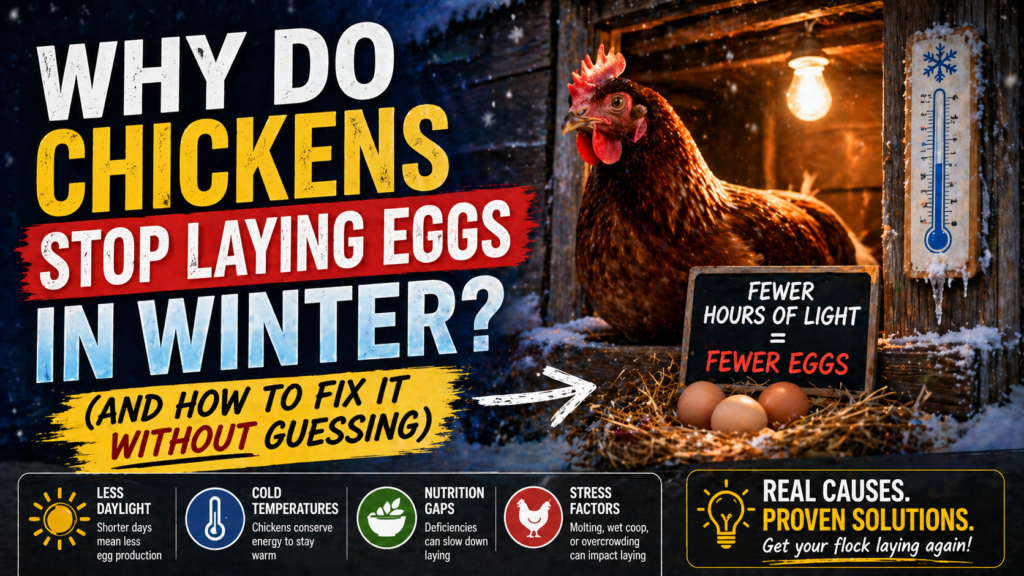
If your chickens suddenly stop laying eggs when winter hits, you’re not alone.
It happens to almost every backyard flock at some point, and it can feel frustrating when everything seemed fine just weeks before.
One day you’re collecting eggs like normal…
Next day, nothing.
The good news is this usually isn’t random, and once you understand what’s causing it, you can often improve production or at least know exactly what to expect.
Quick Answer
Chickens stop laying eggs in winter mainly due to reduced daylight, cold stress, lower nutrition intake, and natural rest cycles. Improving light exposure, nutrition, and overall coop conditions can help maintain better egg production. For a broader look at how age, stress, nutrition, and health affect production, see Why Do Chickens Stop Laying Eggs: Top Reasons and Solutions.
The Biggest Reason: Less Daylight (This Is #1)
This is the main driver behind winter egg loss.
Chickens rely on daylight to trigger egg production.
When daylight drops below about 14 hours:
- Their bodies slow down
- Egg production decreases
- Some hens stop completely
This is natural, not a failure in your setup.
Why Light Matters So Much
Egg production is controlled by hormones triggered by light exposure.
Less light = less stimulation = fewer eggs
What Most People Do Wrong
They assume something is broken and start changing everything.
Instead, understand:
This is part of the chicken’s natural cycle
Cold Weather Stress
Cold alone doesn’t stop laying completely… but it contributes.
How Cold Affects Chickens
- More energy goes to staying warm
- Less energy goes to producing eggs
- Appetite may change
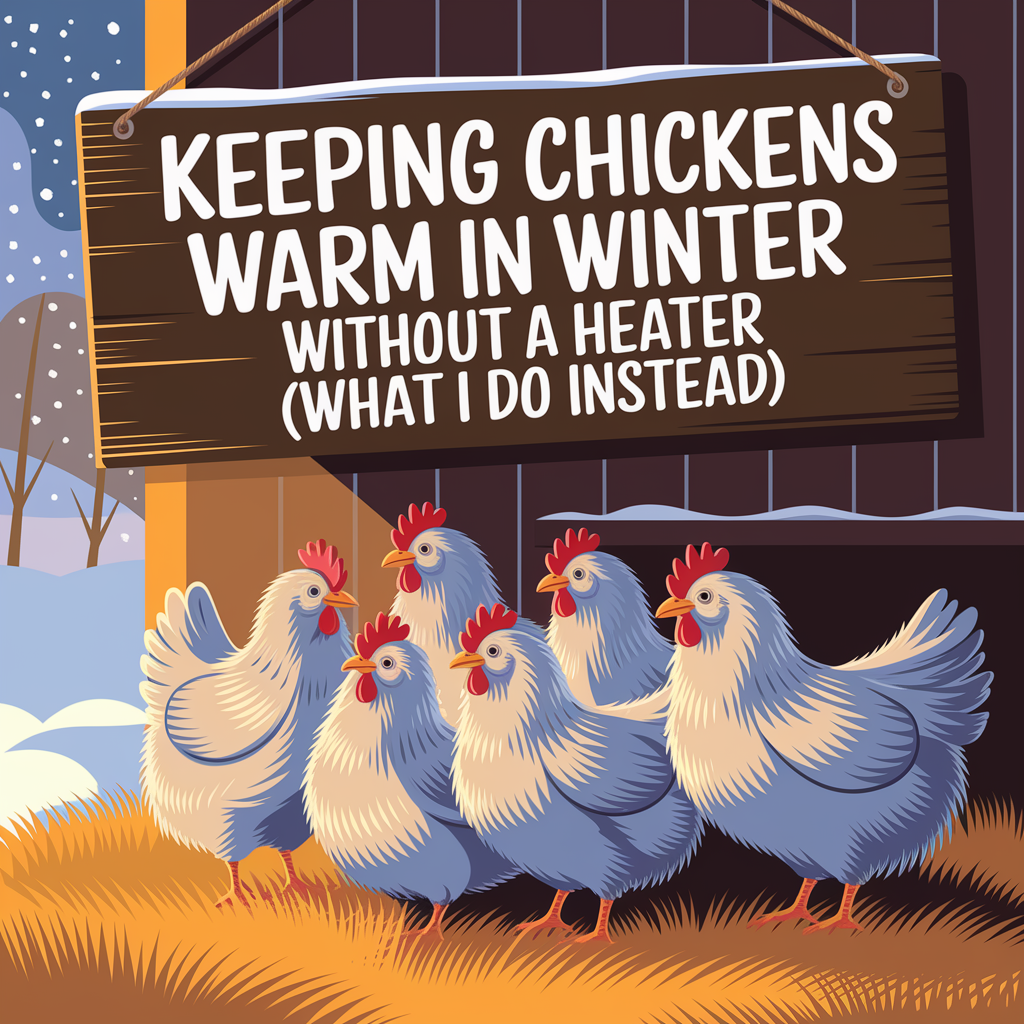
Keeping chickens warm correctly matters more than people think:
Do chickens need heat in the winter
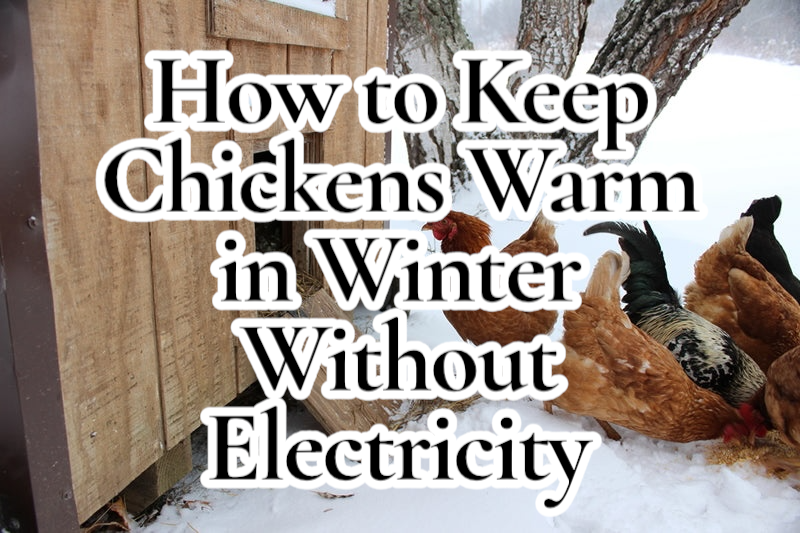
And if you’re not using electricity:
How to keep chickens warm in winter without electricity
Nutrition Drops in Winter (Huge Factor)
Winter changes feeding behavior.
Chickens:
- Move less
- Forage less
- Eat differently
That means they often don’t get enough nutrients to support egg production.
Common Winter Feeding Problems
- Less protein intake
- Reduced calcium consumption
- Fewer natural food sources
This directly affects egg quality and production:
Prevent soft eggs in chickens top tips for strong shells
Calcium Is Critical Here
Egg laying requires consistent calcium.

This is where many people fall short:
This calcium boost gave me stronger eggs in a week

And using the right feeding setup matters:
A two in one oyster shell feeder that just works
Natural Molting Cycle
Many chickens molt in late fall or early winter.
What Molting Does
- Chickens lose and regrow feathers
- Energy shifts away from egg production
- Laying slows or stops
During this time:
Eggs are not the priority for the bird
Water Problems (Often Overlooked)
If water freezes, egg production drops fast. Practical winter chicken water care can help keep your flock hydrated when temperatures fall.
Chickens need consistent hydration to lay.
Winter Water Issues
- Frozen bowls
- Reduced drinking
- Dirty or icy water
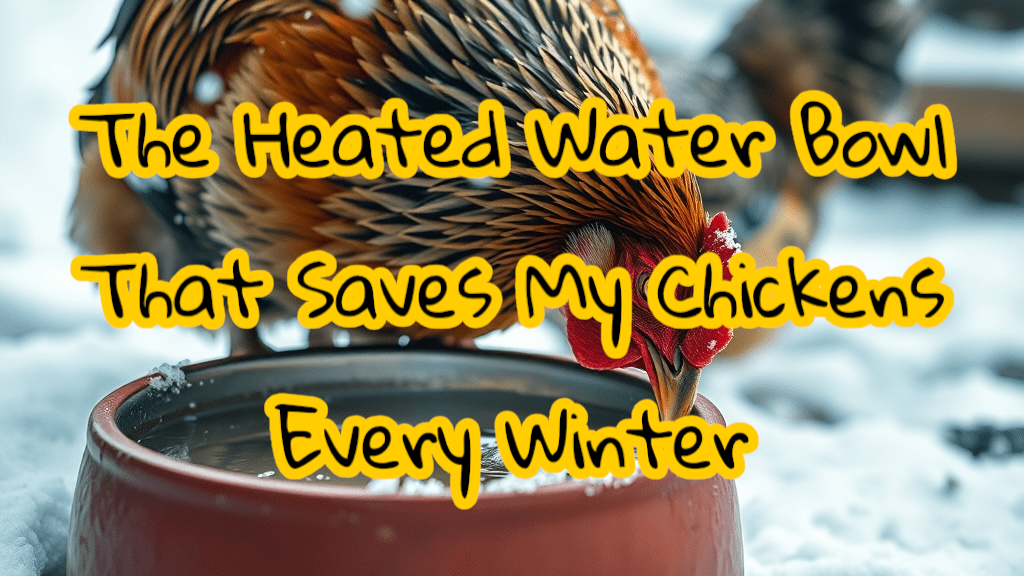
A better setup solves this immediately:
The heated water bowl that saves my chickens every winter

Or a reliable system overall:
The auto waterer for chickens I wish I’d bought sooner
Stress From Winter Conditions
Winter adds stress in ways people don’t always notice.
Stress Triggers
- Less space (more coop time)
- Boredom
- Cold drafts
- Predator pressure
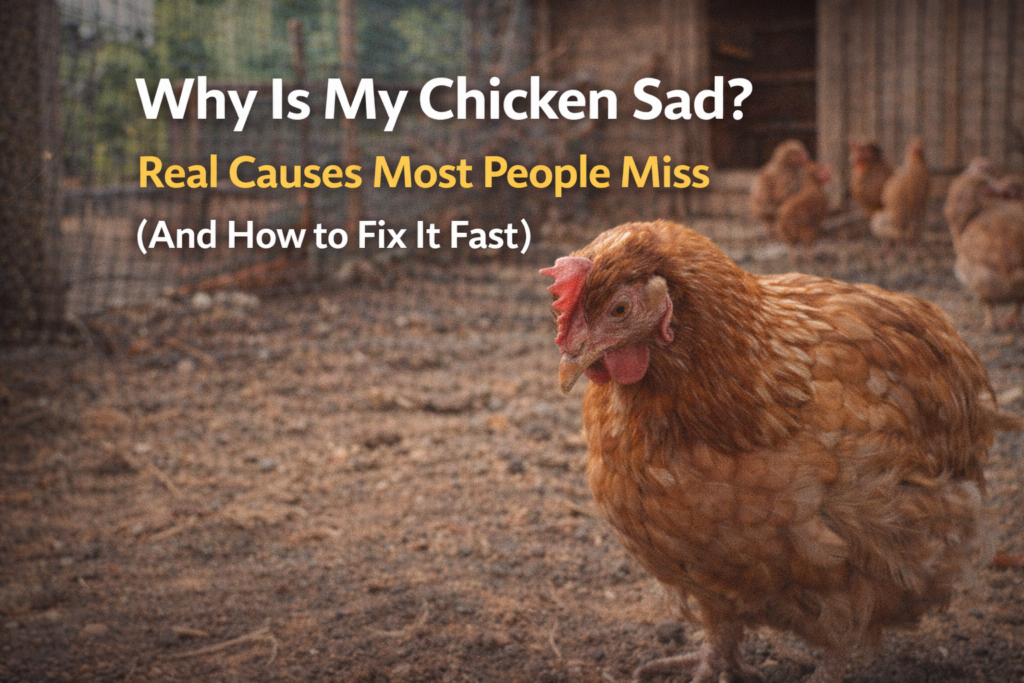
Stress shows up in behavior changes too:
Why is my chicken sad real causes most people miss
What Happens If You Ignore It
If winter issues aren’t managed well, you’ll see:
- Extended egg production drop
- Weak shells when laying resumes
- Poor flock health
This can carry into long-term issues:
Why aren’t my chickens laying eggs and how to fix it
How to Improve Egg Production in Winter
You can’t fully override nature…
But you can improve things significantly.
Increase Light Exposure
Adding artificial light can help maintain production.
- Gradual increase
- Consistent schedule
- Avoid sudden changes
Improve Nutrition
Focus on:
- High-quality feed
- Consistent calcium
- Balanced diet
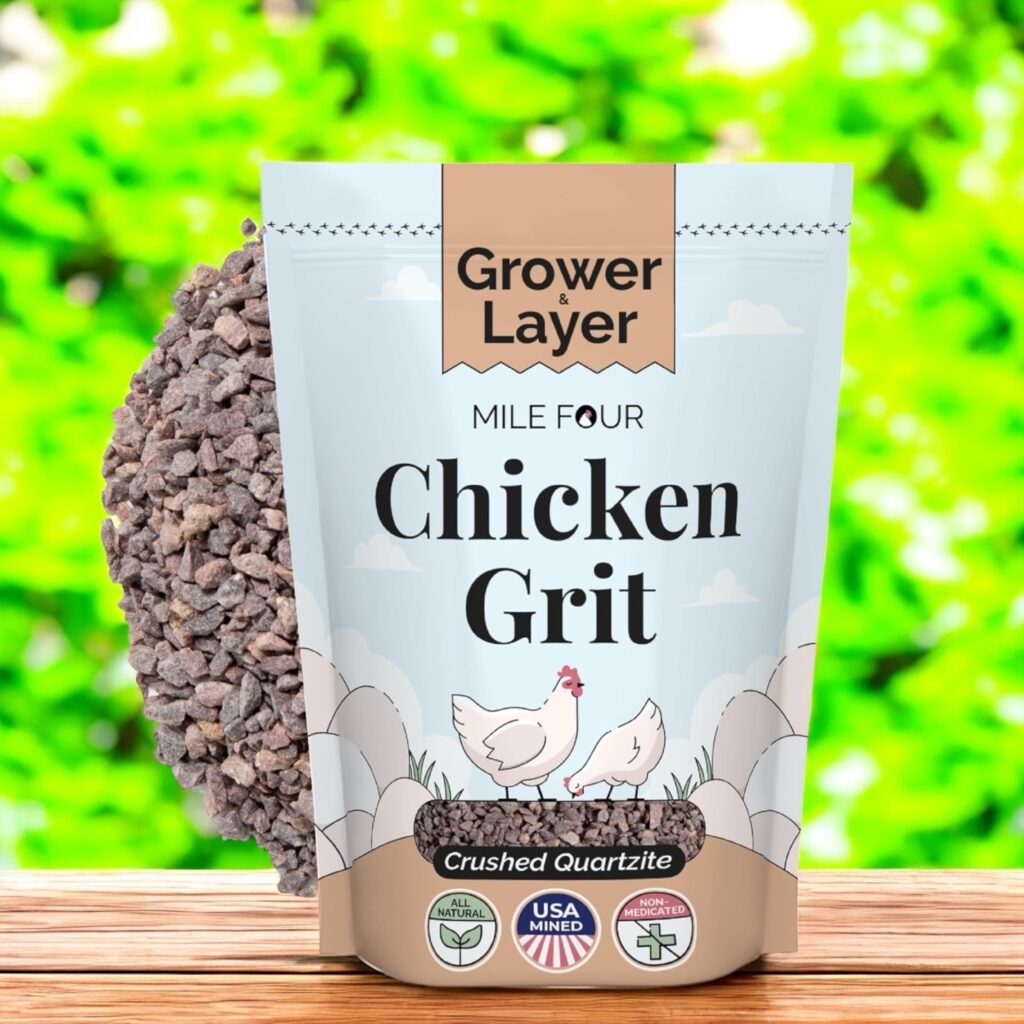
Grit and digestion still matter in winter too:
The best chicken grit for adult laying hens
And don’t forget:
Do chickens need grit yes here’s why it’s non negotiable
Keep Water Available
No water = no eggs
Make sure it never freezes
Reduce Stress
- Proper coop setup
- Enough space
- Clean environment
This is the foundation of everything:
What do chickens need to survive start with these 7 essentials
Let Them Rest (Sometimes This Is Best)
Sometimes the best move is…
Do nothing
Chickens are built to slow down in winter.
Trying to force production can:
- Stress birds
- Shorten laying lifespan
Beginner Mistakes That Kill Winter Egg Production
Panicking and Changing Everything
This usually makes things worse
Ignoring Water
This is one of the biggest causes
Not Providing Enough Calcium
Leads to weak eggs later
Expecting Summer Production in Winter
This is unrealistic for most flocks
Quick Fix Checklist
- Ensure water never freezes
- Improve feed quality
- Provide calcium consistently
- Reduce stress
- Consider light increase
- Monitor flock health
Common Questions
Do chickens stop laying completely in winter?
Some do, especially with low daylight.
Can you force chickens to lay in winter?
You can improve production, but not fully override natural cycles.
Is it bad if chickens take a break from laying?
No. It’s natural and often beneficial long term.
Do all breeds stop laying?
No. Some cold-hardy breeds continue laying better than others.
About the Author
Derek Coleman
Backyard Chicken Keeper & Seasonal Flock Care Writer
Derek has raised backyard chickens through multiple harsh winters, focusing on seasonal care, egg production, and flock health. His hands-on experience helps chicken owners understand what changes in winter and how to keep their birds healthy and productive year-round.