
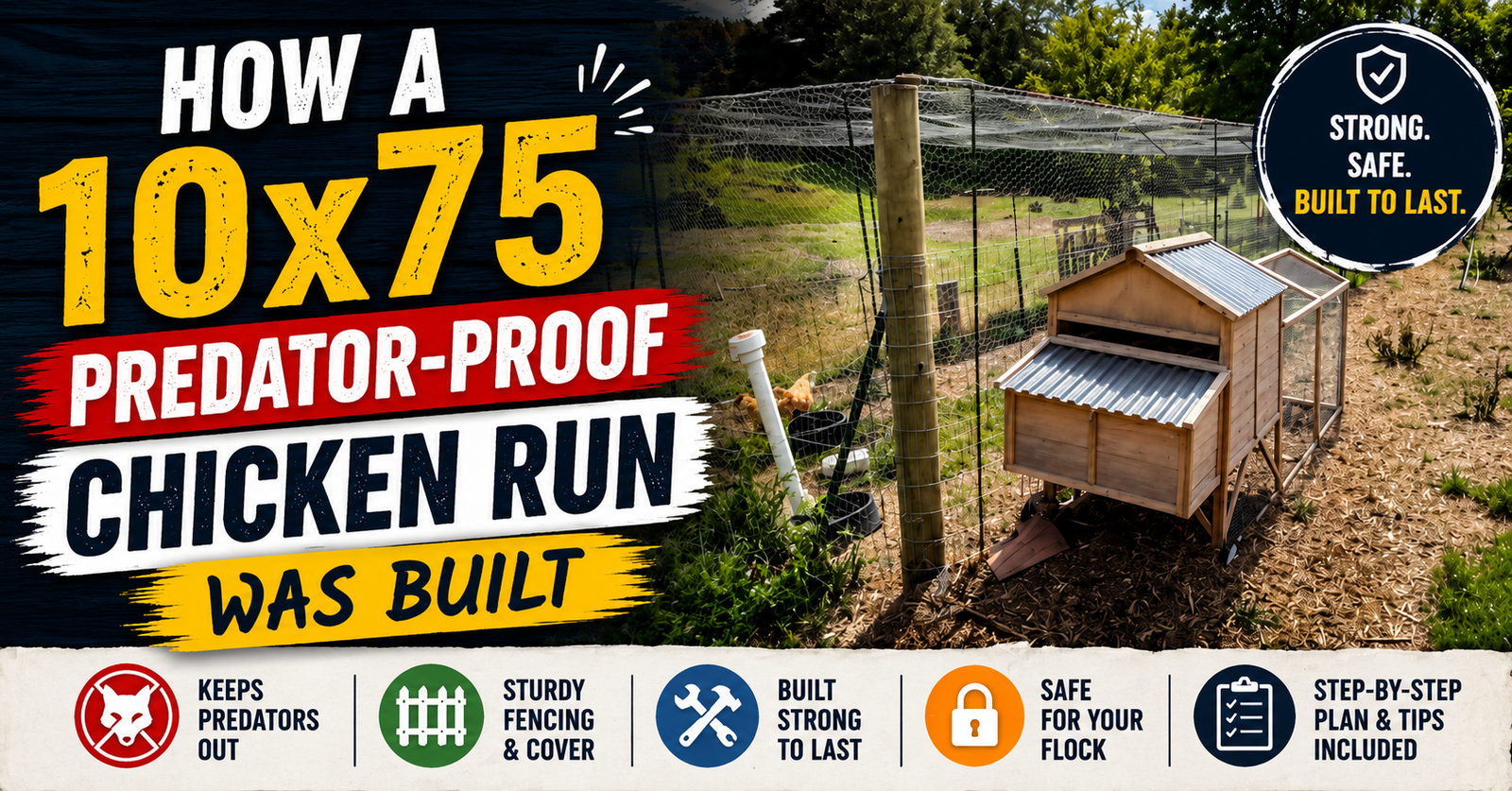
How a 10×75 Predator-Proof Chicken Run Was Built
I toured an incredible 10×75 predator-proof chicken run and learned why rebar, buried wire, and smart design beat traditional wood builds.
I toured an incredible 10×75 predator-proof chicken run and learned why rebar, buried wire, and smart design beat traditional wood builds.
Where chickens poop and how to manage it easily. Learn simple ways to keep your coop clean and your flock healthy.

Why chickens stop laying eggs in winter and how to improve production. Learn the real causes and simple ways to help your flock.

Stop hawks in their tracks! Learn how to protect chickens from hawks with clever coop camo & decoys – give your feathery pals a fighting chance!

A hen with sticky yolk on her beak, broken shells in the nest, and suspiciously long visits to the nesting box may be your egg thief. Learn how nutrition, crowding, boredom, and delayed collection fuel the habit, plus practical ways to stop it spreading.

Stop yawning! Learn why do roosters crow all day – from territorial dawn calls to circadian quirks that’ll rock your morning vibes!

Stop tossing oyster shell on the ground and let your hens pick what they need from this sturdy 5.5-pound grit and oyster shell feeder. It hangs neatly in the coop, cuts waste, and keeps calcium available with less daily fuss.

The breed you choose determines how many eggs you actually get. Here are the best egg laying chicken breeds for backyard flocks — ranked by production, temperament, and real-world performance.

That first egg may follow a $6,000 investment once coop construction, predator-proofing, heated water, feed, bedding, repairs, and chicken math take over. The practical ways to spend less include repurposing materials, buying in bulk, and choosing solid basics instead of replacing cheap gear.

A quiet hen may need a parasite check more than a pep talk. Learn how clean water, extra space, enrichment, grit, oyster shell, and calm routines can lift a withdrawn flock while helping you spot signs that need a vet.

If you’ve confirmed mites in your flock, the spray you choose and how you use it makes all the difference. Here’s what works, what doesn’t, and why most treatments fail the first time.
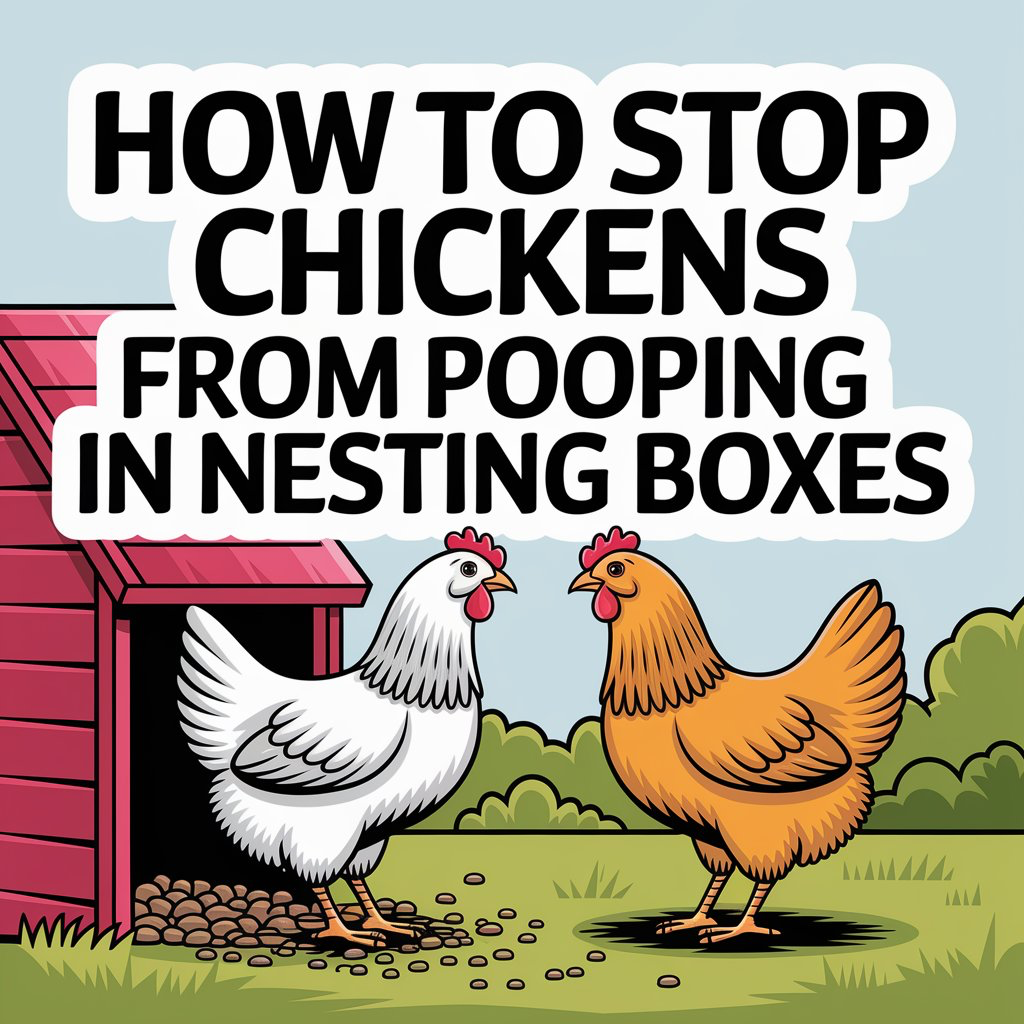
The biggest fix is getting chickens to sleep somewhere other than the nesting boxes. Raise flat 2×4 roosts 18, 24 inches above the boxes, block the entrances after dusk for 7, 10 days, and your poop-covered eggs may become a thing of the past.