If eggs are the reason you’re keeping chickens — or the main reason — breed selection matters more than most new keepers realize. The difference between a mediocre layer and a top producer can be 100 eggs or more per year per bird. Multiply that across a flock of six hens and you’re talking about the difference between having enough eggs for your household and having enough to share with half the neighborhood.
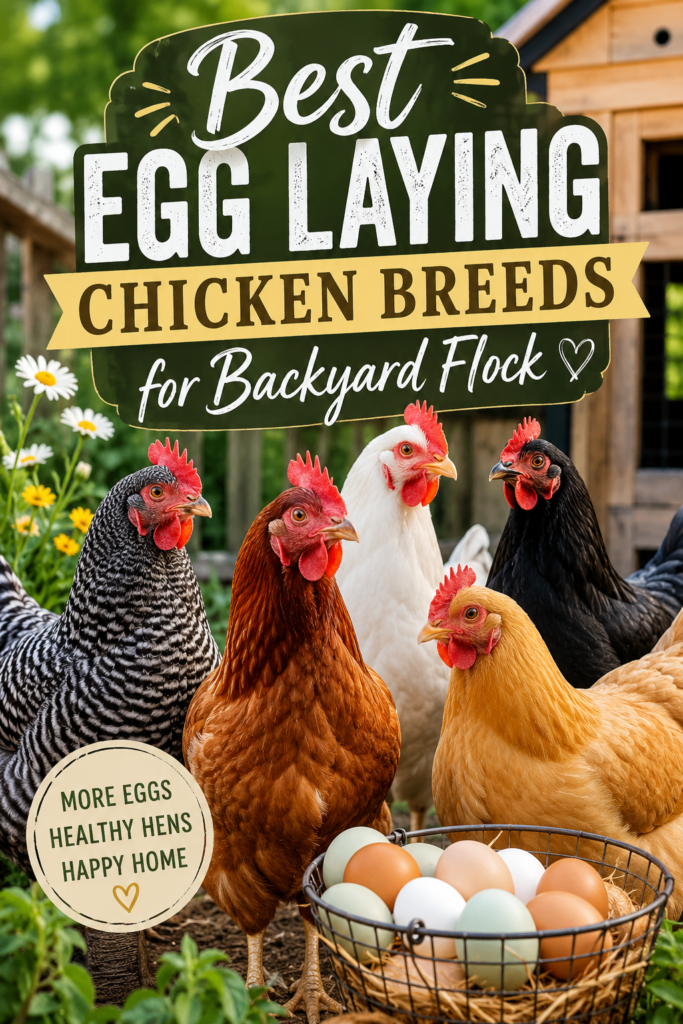
Not every chicken is built to lay. Some breeds were developed for meat, some for show, some for dual purpose. The breeds on this list were developed specifically for egg production — and they deliver. Here’s a deep dive into the best egg laying chicken breeds for backyard flocks, what makes each one worth considering, and how to match a breed to your specific situation.
What Makes a Good Egg Laying Breed?
Before getting into specific breeds, it helps to understand what separates a high-production layer from an average one. Several factors drive egg output:
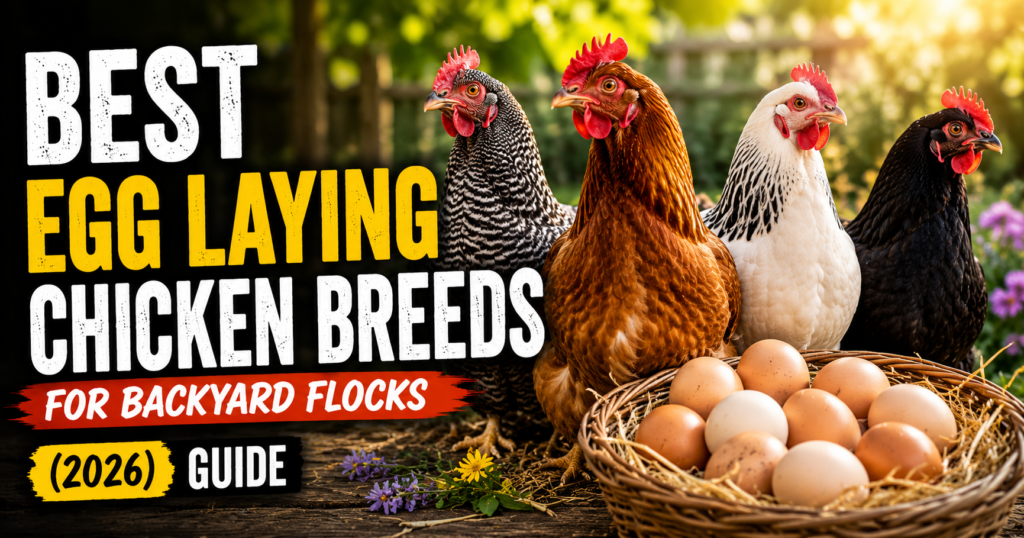
Genetics. Production breeds have been selectively bred over generations specifically for egg output. Their bodies are efficient egg-making machines — lighter frame, less energy going into muscle or fat, more going into the reproductive cycle. Heritage breeds and dual-purpose breeds carry genetics optimized for other traits alongside laying, which typically means lower annual output.
Feed conversion efficiency. The best laying breeds convert feed into eggs more efficiently than heavier breeds. A Leghorn eating the same amount of feed as a Plymouth Rock will typically produce significantly more eggs from that same input — her body is simply better at directing nutrition toward egg production.
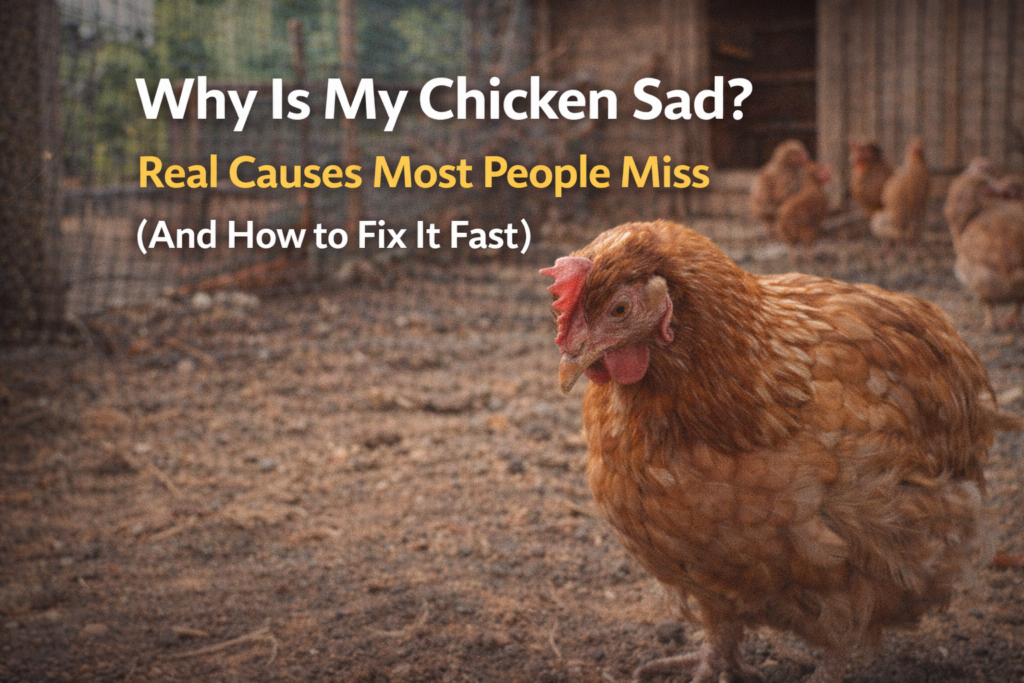
Laying persistence. Some breeds lay consistently through their second and third years. Others peak hard in year one and drop off significantly. Understanding a breed’s typical production curve helps you plan flock rotation and know when to expect the inevitable slowdown. Breed choice also affects expectations around maturity, so When Do Chickens Start Laying Eggs? can help new keepers plan for the first egg.
Temperament and management needs. A breed that produces 320 eggs a year but requires specialized management, gets sick easily, or terrorizes your other birds creates problems that offset the production advantage. The best breed for your flock is the one that performs well in your specific conditions and fits your management style.
Whatever breed you choose, production starts with solid fundamentals — quality layer feed at 16-18% protein, free-choice calcium through oyster shell, clean water always available, and adequate space. No breed reaches its genetic potential without those basics in place. If you’re setting up for the first time, the 7 essentials every chicken needs is worth reading before your first birds arrive.
The Best Egg Laying Chicken Breeds
1. Leghorn
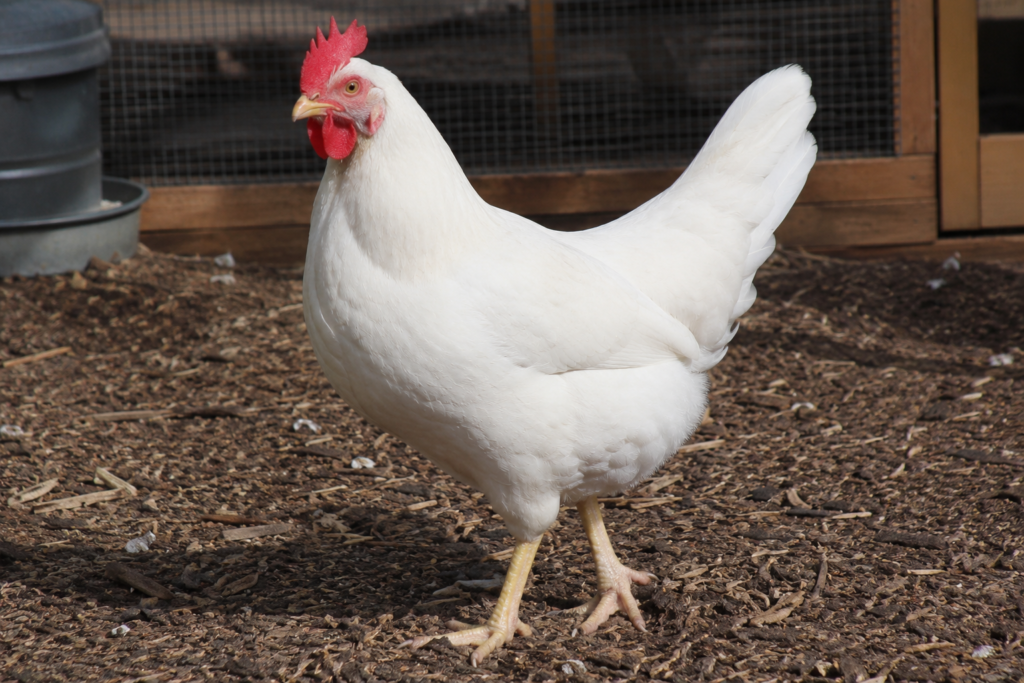
Annual egg production: 280–320 eggs Egg color: White Temperament: Active, independent, flighty
The Leghorn is the undisputed production champion of the chicken world. Commercial egg operations run almost exclusively on White Leghorns because no other breed comes close to their feed-to-egg conversion ratio and annual output. A well-fed Leghorn hen will lay five to six eggs per week through her first two years with minimal slowdown.
The tradeoff is temperament. Leghorns are not lap chickens. They’re active, alert, easily startled, and prefer to do their own thing rather than interact with keepers. The females have combs that flop to one side — completely normal for the breed — and they handle heat well but struggle more in cold climates than some other breeds.
If maximum egg production is your primary goal and you’re not looking for a pet experience, the Leghorn delivers better than anything else on this list. If you want hens that are friendly and interactive alongside their production, keep reading. Those prioritizing an easier temperament can compare options in the Best Chickens for Beginners: The Breeds That Make It Easy.
2. Rhode Island Red
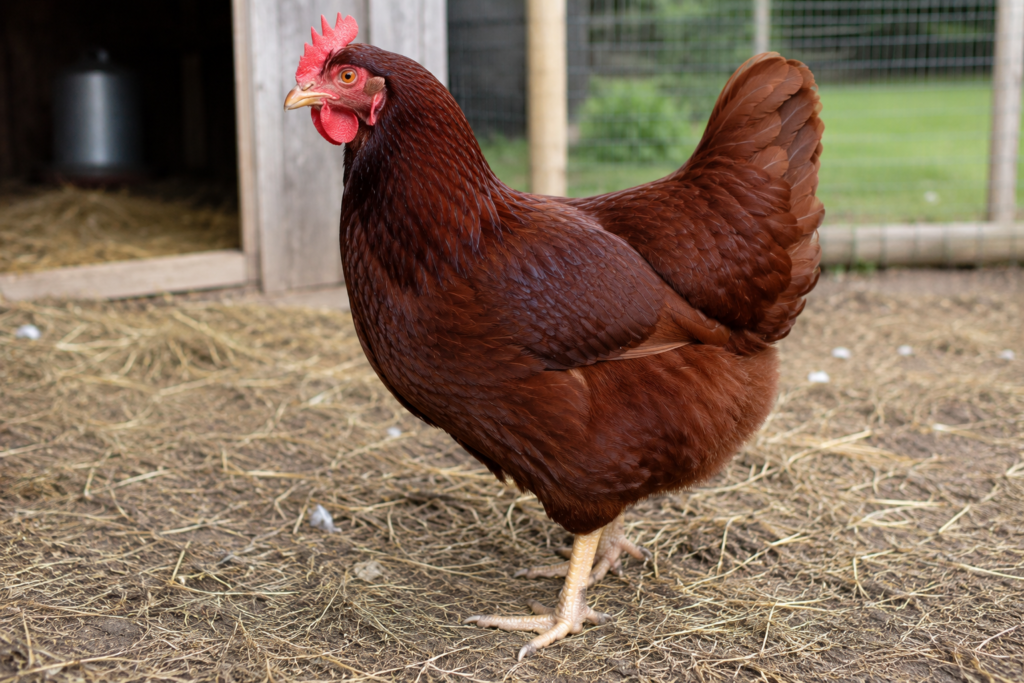
Annual egg production: 250–300 eggs Egg color: Brown Temperament: Confident, curious, adaptable
The Rhode Island Red is probably the most popular backyard laying breed in the country, and for good reason. It combines genuinely strong production numbers — 250 to 300 brown eggs per year — with a temperament that’s significantly more manageable than a Leghorn. RIRs are confident, curious birds that tolerate handling reasonably well and adapt to a wide range of climates and management styles.
They’re cold hardy, heat tolerant, good foragers when free ranged, and consistent layers through their first two to three years. The one temperament note: Rhode Island Reds can be assertive to the point of bullying in mixed flocks, particularly with more docile breeds. If you’re mixing breeds, watch the pecking order dynamics carefully in the first few weeks.
The Rhode Island Red is the right first choice for most backyard keepers who want reliable production with a manageable, interesting bird. It’s the breed I’d recommend to anyone starting out who hasn’t kept chickens before.
3. ISA Brown (Sex-Link Hybrid)
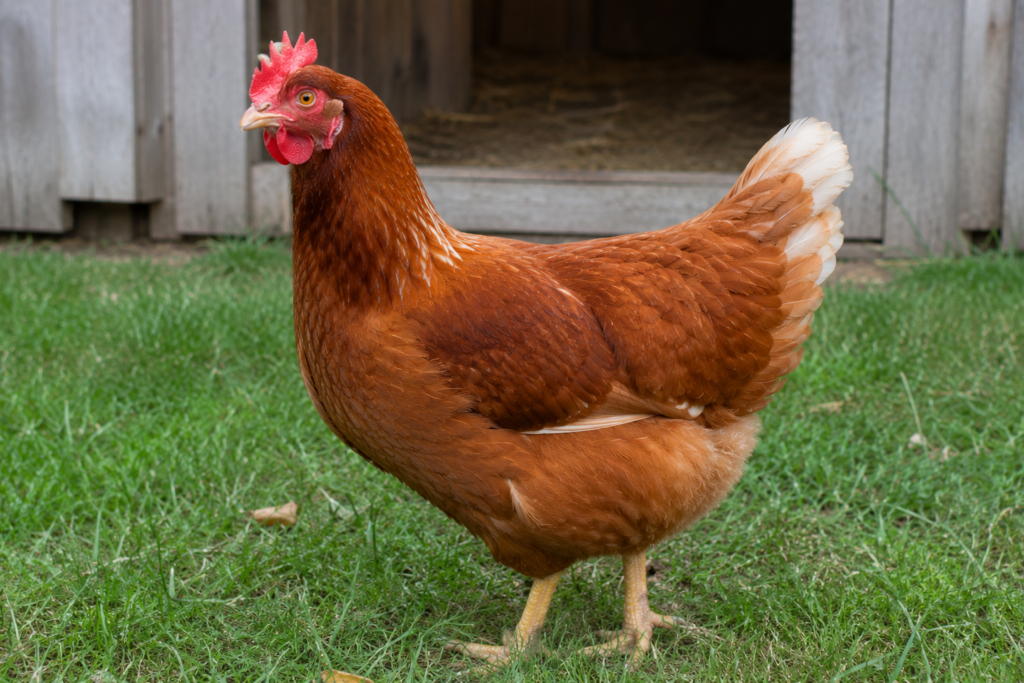
Annual egg production: 300–320 eggs Egg color: Brown Temperament: Calm, friendly, people-oriented
The ISA Brown is a hybrid sex-link — a cross between Rhode Island Reds and Rhode Island Whites that produces birds whose sex can be determined at hatch by feather color. What makes ISA Browns remarkable is that they combine near-Leghorn production numbers with a temperament that’s genuinely gentle and people-oriented. They’re among the friendliest commercial-type layers available.
The production numbers are real — consistently 300-plus eggs per year in year one — but ISA Browns burn hot and fade faster than heritage breeds. Year two production typically drops more significantly than in a Rhode Island Red or Plymouth Rock. By year three, many ISA Browns have slowed considerably. If you’re rotating your flock regularly and replacing older hens, this isn’t a problem. If you’re keeping hens long-term, factor the production curve into your expectations.
For a keeper who wants maximum brown egg production from friendly, handleable birds and is comfortable with flock rotation, the ISA Brown is as good as it gets.
4. Plymouth Rock (Barred Rock)
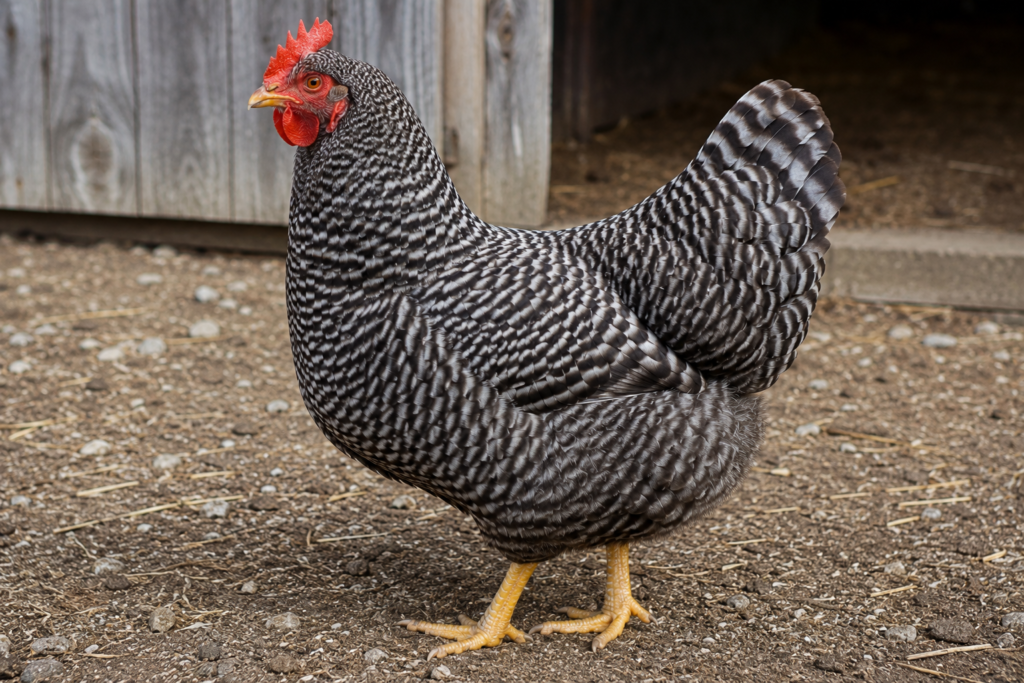
Annual egg production: 200–280 eggs Egg color: Brown Temperament: Calm, friendly, cold hardy
The Barred Plymouth Rock is the quintessential American backyard chicken — and it’s earned that reputation. Production numbers sit slightly below the Leghorn and ISA Brown, but the Barred Rock compensates with a temperament that’s hard to beat. They’re calm, friendly, cold hardy, and maintain reasonable production through their second and third years better than many higher-production breeds.
Barred Rocks are also dual-purpose birds — the roosters are worth processing for meat — which makes them attractive to homesteaders who want a flock that serves multiple functions. They’re good foragers when free ranged and handle confinement without the stress behaviors that some more active breeds develop.
If you want a friendly flock that lays consistently, handles cold winters without drama, and is pleasant to be around every day — the Barred Rock is one of the best choices in the backyard chicken world.
5. Australorp
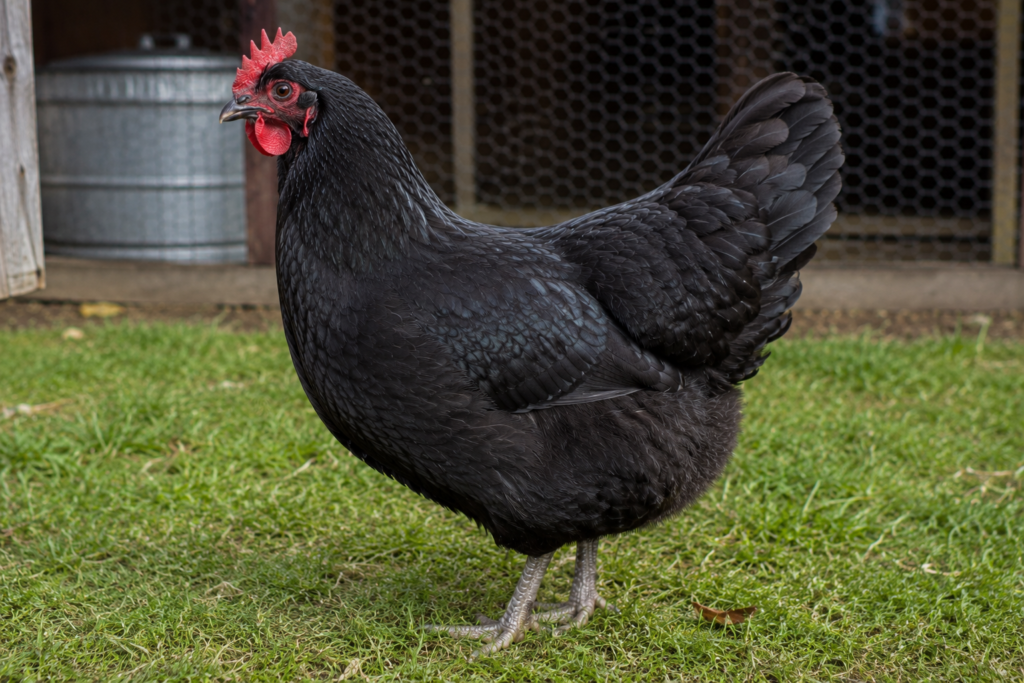
Annual egg production: 250–300 eggs Egg color: Brown Temperament: Gentle, calm, excellent with people
The Australorp holds the world record for egg production — a hen once laid 364 eggs in 365 days in an Australian laying trial, which is essentially a perfect year. The breed was developed in Australia from Black Orpington stock specifically for improved laying performance, and the result is a bird that combines Orpington-level temperament with significantly better production numbers.
Australorps are among the gentlest, most people-friendly layers available. They’re calm with children, tolerant of handling, and low-drama in mixed flocks. Their glossy black feathers with a green sheen in sunlight make them one of the more beautiful production breeds as well.
They’re cold hardy, heat tolerant within reason, and consistent layers through multiple years. If temperament matters to you as much as production — if you want hens you actually enjoy spending time with — the Australorp belongs near the top of your list.
6. Easter Egger
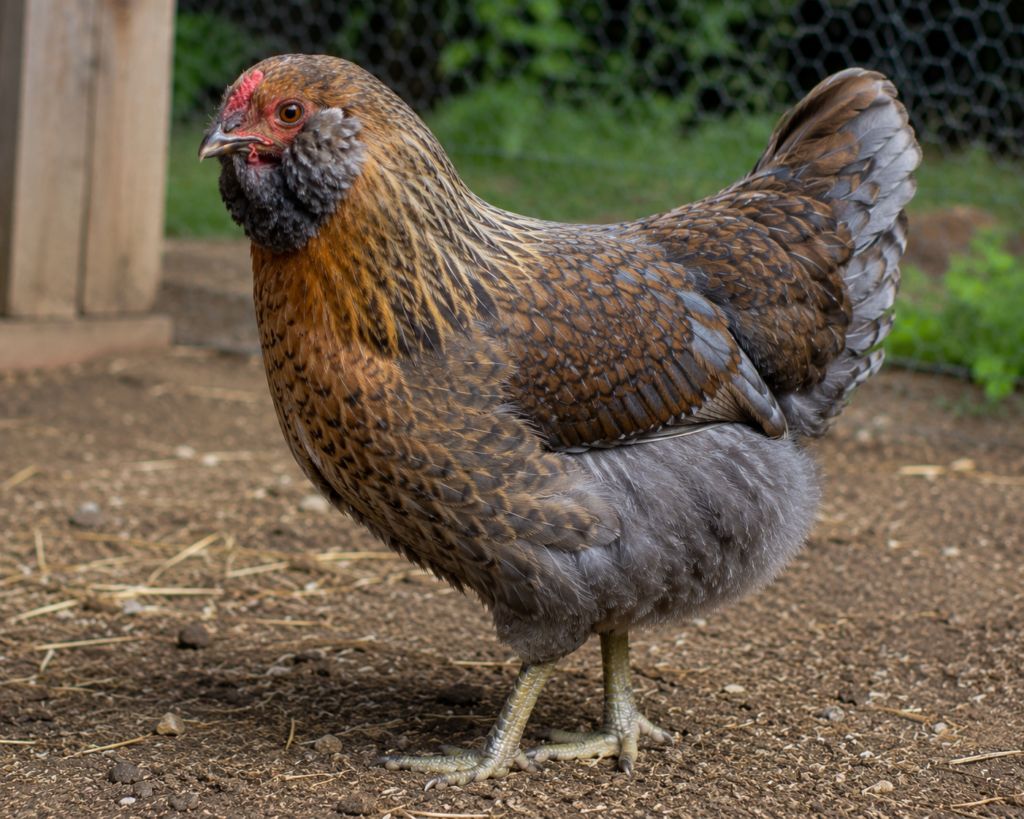
Annual egg production: 200–280 eggs Egg color: Blue, green, pink, cream — varies by hen
Temperament: Curious, friendly, adaptable
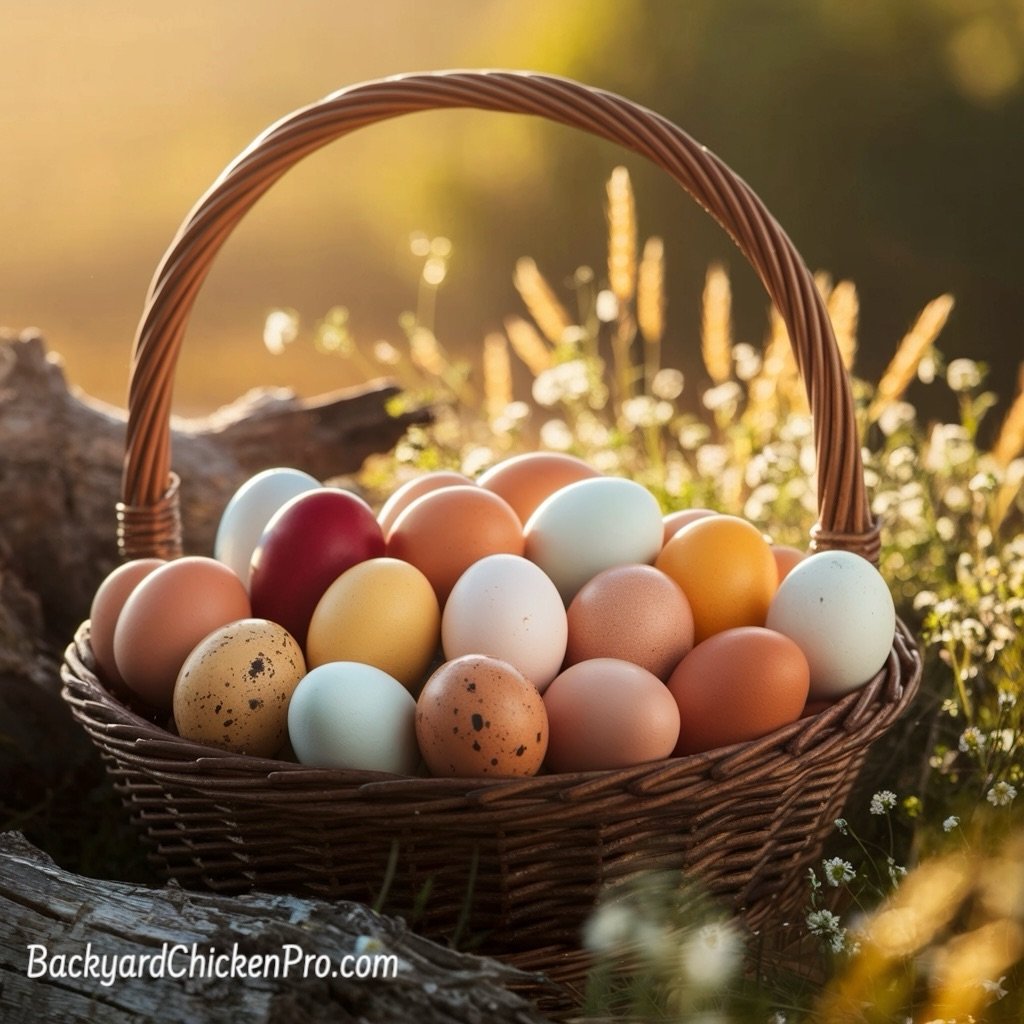
Easter Eggers aren’t a true breed — they’re a hybrid or mixed bird carrying the blue egg gene from Araucana or Ameraucana ancestry. What they offer that no other production bird can match is colored eggs — blue, green, olive, pink, cream — with each hen typically laying a consistent color throughout her laying life. A mixed flock of Easter Eggers produces a genuinely beautiful egg basket that people go wild for at farm stands and farmers markets.
Production numbers are solid without being exceptional — 200 to 280 eggs per year depending on the individual bird. Temperament is generally friendly and curious. Cold hardiness varies but is typically reasonable. The pea comb on most Easter Eggers is excellent for cold climates — low-profile combs are less vulnerable to frostbite than large single combs.
If you’re selling eggs or giving them as gifts and want the visual appeal factor, a few Easter Eggers in the flock are worth keeping even if their pure production numbers aren’t at the top of the chart. Mixed flocks with a Rhode Island Red or Australorp majority plus a few Easter Eggers give you both volume and the colorful egg variety that makes a carton look incredible.
7. Sussex
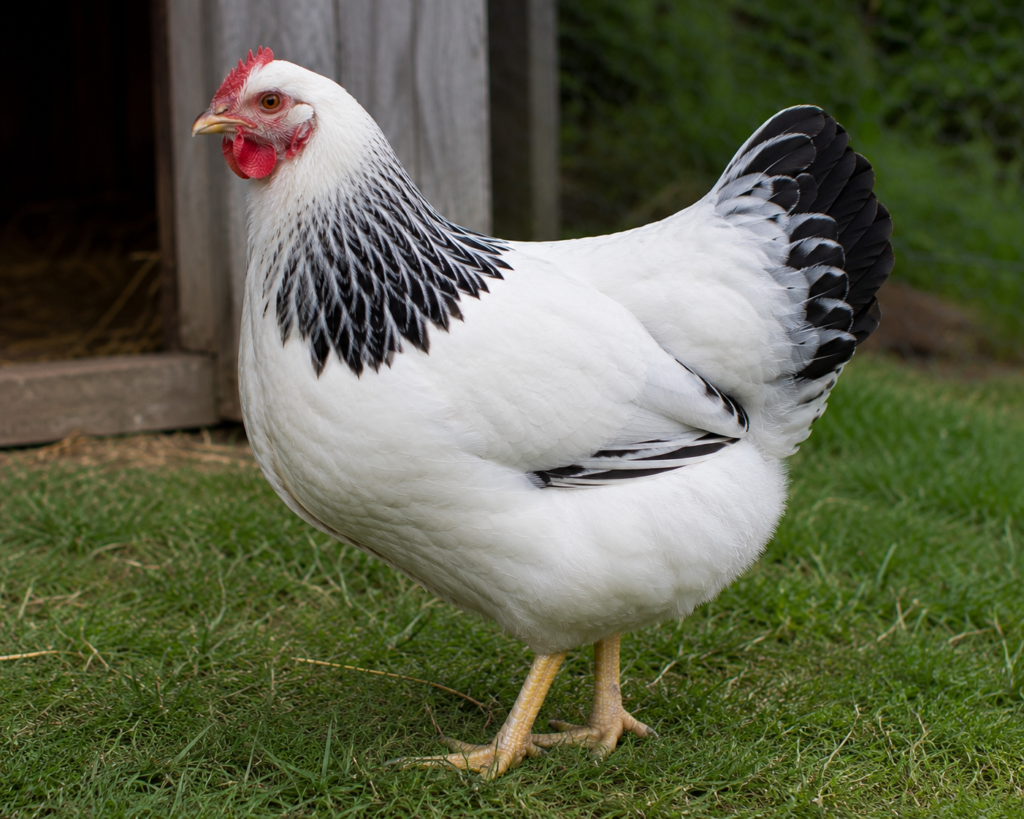
Annual egg production: 200–250 eggs Egg color: Light brown to cream Temperament: Docile, curious, excellent forager
The Speckled Sussex and Light Sussex are among the most charming backyard breeds available — and they’re genuinely good layers on top of it. Sussex hens are curious, active foragers who follow their keepers around the yard and seem genuinely interested in what you’re doing. They’re calm enough to be handled easily and get along well in mixed flocks without the assertiveness issues that Rhode Island Reds can bring.
Production is consistent if not spectacular — 200 to 250 eggs per year — and Sussex hens maintain reasonable output through their second and third years. They’re cold hardy, dual-purpose (the roosters are good table birds), and visually striking in the Speckled variety with their distinctive spotted plumage.
For a keeper who wants a friendly, interactive flock that produces consistently and is enjoyable to be around every day, the Sussex is an underrated choice that deserves more attention than it typically gets.
8. Buff Orpington
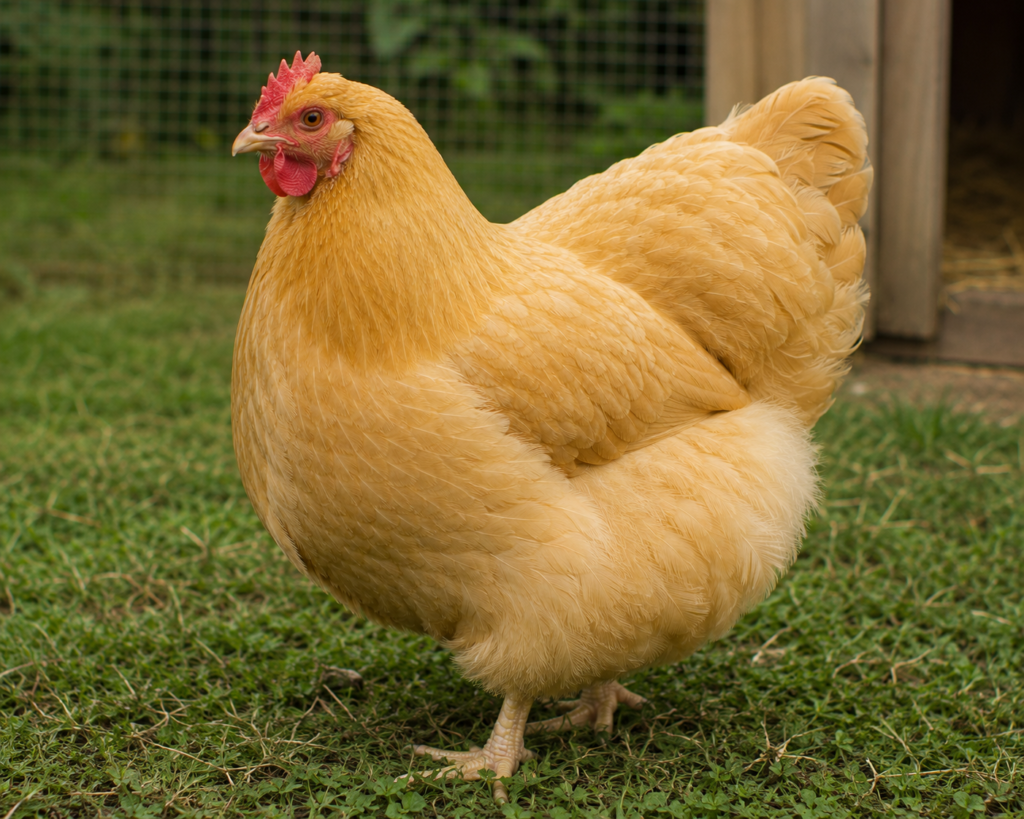
Annual egg production: 180–200 eggs Egg color: Light brown Temperament: Exceptionally gentle, calm, excellent with children
The Buff Orpington is the golden retriever of the chicken world — big, fluffy, gentle, and universally beloved. Production numbers are the lowest on this list, but the Orpington earns its place through temperament that’s unmatched among laying breeds. These are the birds that come when called, tolerate being picked up by children, and sit calmly in your lap while you scratch their feathers.
If you have children who will be interacting with the flock regularly, or if the pet experience is as important to you as the eggs, the Buff Orpington belongs in your flock. They’re also excellent broodies — one of the few production-adjacent breeds that will reliably go broody and make good mothers, which is useful if you want to hatch chicks without an incubator.
The production compromise is real — 180 to 200 eggs per year versus the 280-plus of a Leghorn or ISA Brown. Most keepers who love Orpingtons find the tradeoff more than worth it. Keep a few Orpingtons for temperament and a few Rhode Island Reds or Australorps for production and you get the best of both.
How Many Eggs Can You Actually Expect?
Published production numbers represent peak performance under ideal conditions. Real-world backyard flock production is typically 10-20% below those numbers due to seasonal variation, molt, stress events, and the fact that backyard birds aren’t managed to the same standard as commercial flocks.
Expect your first-year hens to lay at roughly 80-85% of their breed’s stated capacity under good management. Second year typically drops to 70-75% of peak. By year three, most breeds are at 50-60% of their first-year production.
Day length is the biggest variable outside of breed. Hens need 14-16 hours of light to lay consistently — as days shorten in fall and winter, production drops for most breeds regardless of management. Supplementing light in the coop extends the laying season if consistent winter production matters to your situation. The full breakdown of why chickens stop laying covers the seasonal production cycle in detail.
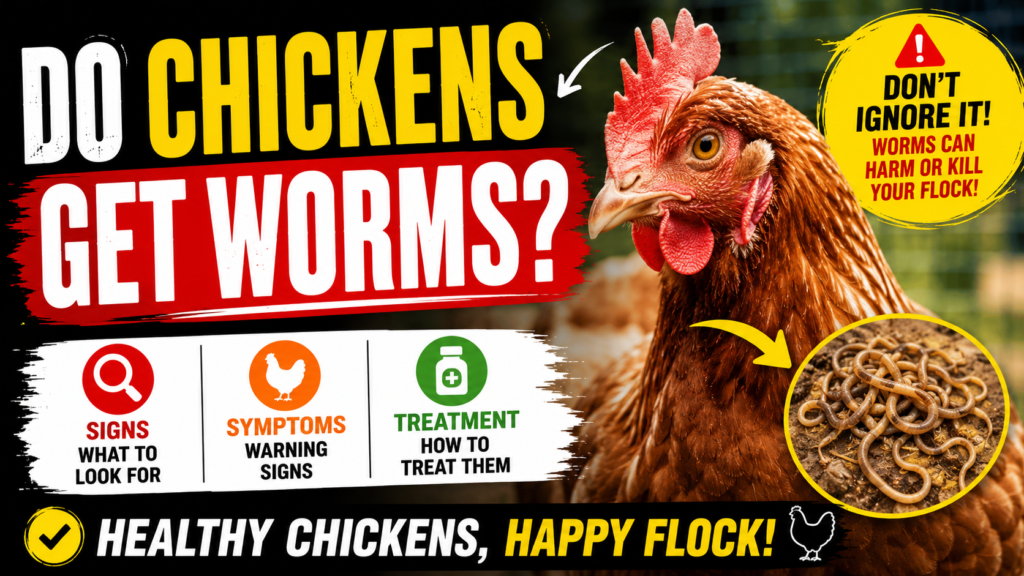
Internal parasites are another underestimated production suppressor. A hen carrying a significant worm burden consistently underproduces relative to her genetic potential — she’s feeding her parasites as well as herself. Keeping a natural deworming program in place through the active season helps maintain the production numbers your breed is actually capable of. The guide to worms in chickens covers the signs to watch for and how to address them.
Matching Breed to Your Situation
The right breed depends on your specific priorities. Here’s a quick decision framework:
Maximum egg production, temperament secondary: Leghorn or ISA Brown. Accept the management tradeoffs and enjoy the egg volume.
Strong production with friendly temperament: Rhode Island Red, Australorp, or ISA Brown. The sweet spot for most backyard keepers.
Cold climate, winter laying matters: Rhode Island Red, Barred Plymouth Rock, or Australorp. All cold hardy with good winter production relative to other breeds.
Children or pet experience as important as eggs: Buff Orpington or Australorp. Supplement with a few higher-production birds if egg volume is also a goal.
Colored eggs for visual appeal or selling: Easter Eggers mixed into a production flock. The color variety pays off at farm stands and in gift cartons.
Homestead dual-purpose flock: Barred Plymouth Rock, Rhode Island Red, or Sussex. All provide reasonable laying with birds worth processing when production drops.
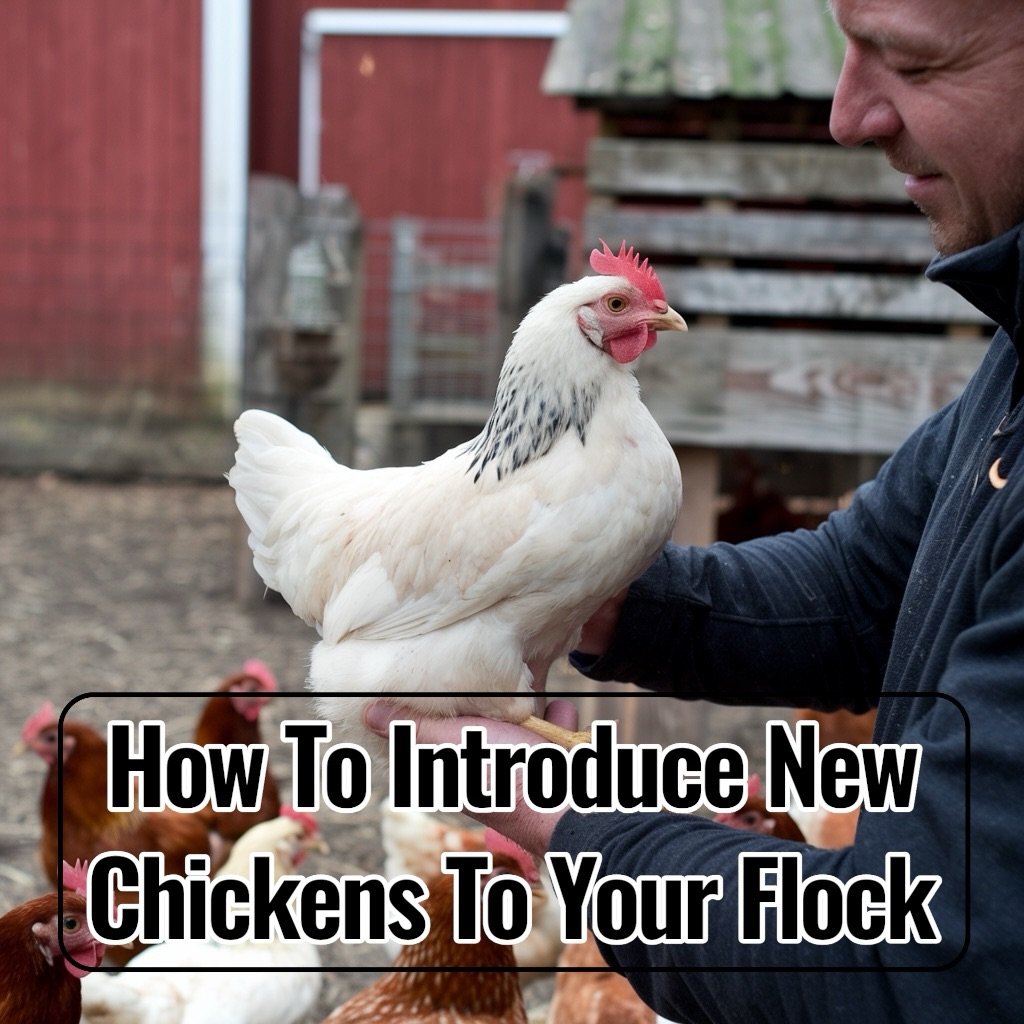
Mixed flocks — different breeds together — work well when breeds are chosen with compatible temperaments. Avoid mixing very assertive breeds like Rhode Island Reds with very docile breeds like Silkies or Cochins without extra space and multiple feeding stations. When breeds are well-matched, a mixed flock gives you variety in egg color, temperament, and production characteristics that a single-breed flock can’t provide. The guide to introducing new chickens covers how to add different breeds to an existing flock without disrupting the pecking order.
Getting Started Right
Once you’ve chosen your breeds, give them the foundation they need to actually hit their production potential. Quality layer feed, oyster shell free choice, clean water always available, adequate space, and a secure coop that keeps them safe at night. The backyard chicken facts every keeper should know covers some of the more surprising aspects of flock management that affect production in ways new keepers don’t anticipate.
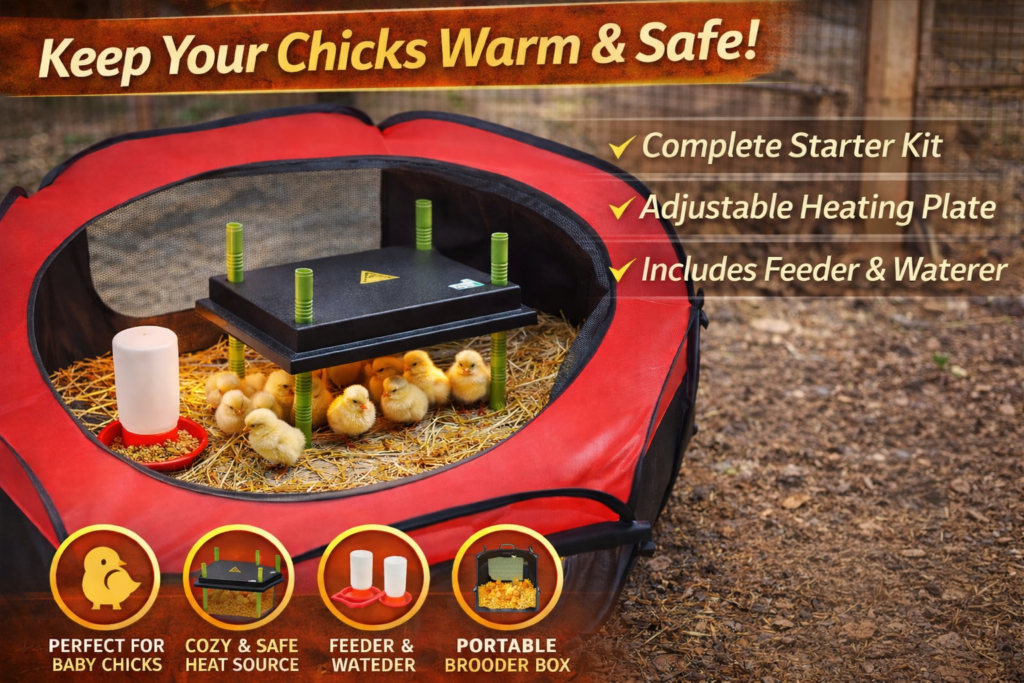
If you’re starting with chicks rather than pullets, you’ll need a brooder setup for the first six to eight weeks before they’re ready for the coop. The brooder kit guide covers everything you need to get chicks through that early stage successfully.
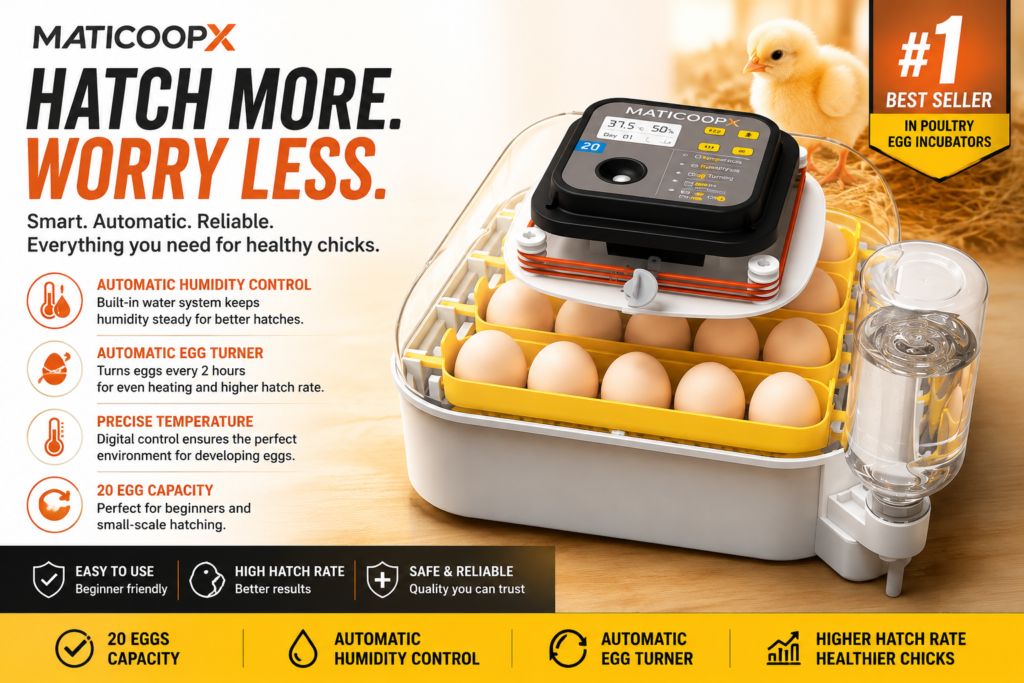
And if you want to hatch your own chicks from your laying flock — once you have a rooster producing fertilized eggs — the incubator review covers the home hatching setup that makes it practical without a broody hen.
Pick your breeds thoughtfully, set them up right, and a backyard flock of good layers is one of the most rewarding and genuinely useful things you can add to your property. The eggs alone are worth it — and the birds themselves, once you know them as individuals, become something you didn’t expect when you started: a real part of the daily rhythm of your life.
Even the best laying breeds won’t reach their full potential if they’re constantly stressed by predators. A secure coop helps hens feel safe enough to focus on eating, resting, and laying eggs consistently. If you’re still building your setup, my Predator-Proof Chicken Coop Checklist Before You Buy or Build walks through the most important features to include.
About the Author: Diane Holloway has kept backyard chickens for over a decade across three different flocks and more breed experiments than she’d like to admit. Her current flock runs Australorps, Barred Rocks, and a handful of Easter Eggers — and she has no intention of simplifying it.