I Wish More People Started With a Checklist
One thing I’ve learned after talking with backyard chicken keepers is that most predator problems don’t happen because someone built a bad chicken coop.
They happen because one small detail was overlooked.
A gap under the fence.
A weak latch.
An uncovered roof.
Chicken wire where hardware cloth should have been.
After walking through the predator-proof chicken run at Weaver Family Farms and listening to Daxon Weaver explain why he built everything the way he did, I realized something.
He wasn’t relying on one great idea.
He combined dozens of good ideas into one secure system.
That’s exactly what this checklist is designed to help you do.
Whether you’re buying a prefabricated coop or building one from scratch, these are the things I’d check before the first chicken ever moves in. Before you finalize those checks, review these The Biggest Predator-Proof Chicken Coop Mistakes I See for the oversights that commonly undermine an otherwise solid enclosure.
Start With a Strong Frame
Everything else depends on the frame.
If it twists…
Sags…
Or begins pulling apart after a few seasons…
Every other security feature becomes weaker.
One thing I appreciated while touring the Weaver Family Farms enclosure was how solid the rebar frame felt.
Nothing moved.
Nothing flexed.
Everything supported the fencing exactly the way it should.
A strong frame gives every other predator-proofing feature something dependable to attach to.
Choose the Right Fencing
Not all fencing serves the same purpose.
Chicken wire is excellent for keeping chickens where they belong.
Hardware cloth is much better at resisting determined predators.
Instead of asking which one is “better,” ask where each belongs.
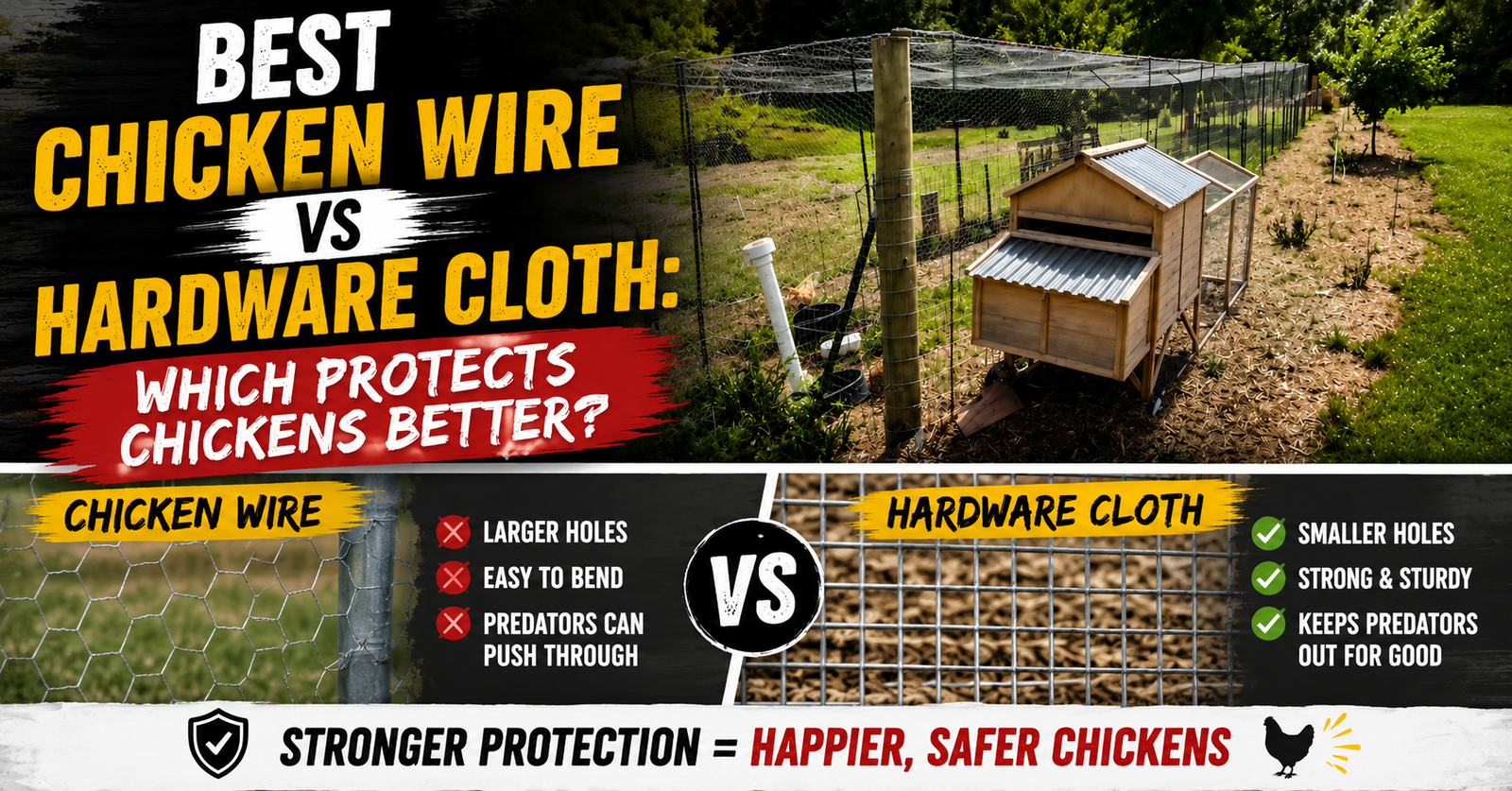
If you’re still deciding, Chicken Wire vs. Hardware Cloth: Which Protects Chickens Better? explains the strengths of both so you can spend your money where it matters most.
Don’t Stop at Ground Level
This is probably one of the biggest mistakes I see.
People build a beautiful fence…
Then leave the ground completely unprotected.
Foxes.
Coyotes.
Dogs.
Raccoons.
Many predators begin by digging instead of climbing.
Planning for that from the beginning saves a tremendous amount of frustration later.
Decide on Underground Protection Before You Build
If you’re already digging post holes, it’s the perfect time to think about underground barriers.
Adding them now is much easier than trying to retrofit them later.
Whether you choose buried hardware cloth or another approach depends on your property and your budget.
Earlier I compared both methods in Should You Use a Predator Apron or Bury Hardware Cloth? if you’re still deciding which option fits your setup best.
Build a Walk-In Run If You Can
This isn’t strictly about predators.
It’s about making chicken keeping enjoyable.
Being able to comfortably walk inside your run makes cleaning, feeding, collecting eggs, and making repairs dramatically easier.
After spending time inside the seven-foot-tall run at Weaver Family Farms, I’d have a hard time going back to constantly bending over inside a smaller enclosure.
The extra space is worth it if your budget allows.
Cover the Top From Day One
I’ve seen too many beautiful chicken runs with absolutely nothing protecting the top.
That’s one less obstacle predators have to overcome.
A covered roof helps discourage climbing animals while also protecting your flock from hawks and other aerial predators.
Planning for overhead protection during construction is almost always easier than adding it later.
Install Secure Latches Everywhere
Predators don’t only investigate the main coop door.
They’ll test nesting box lids.
Access panels.
Feed room doors.
Pop doors.
Every opening deserves the same level of attention.
Simple hook latches may be convenient, but stronger locking hardware provides much better peace of mind. If you're relying on a simple hook, these raccoon-resistant latch options can help eliminate that weak point.
Think About Water Drainage
Water may not seem like a predator issue…
Until muddy ground begins creating gaps underneath your fencing.
Good drainage helps preserve your flooring, keeps chickens healthier, and prevents erosion around the perimeter of your run.
Planning drainage early is much easier than fixing standing water after construction is finished.
Use a Camera Before You Start Guessing
One thing I’d recommend to every chicken owner is installing a camera before there’s ever a problem.
It’s amazing how much time people spend trying to guess what’s visiting their coop.
Was it a raccoon?
A fox?
A neighborhood dog?
An owl?
Instead of wondering, I’d rather know.
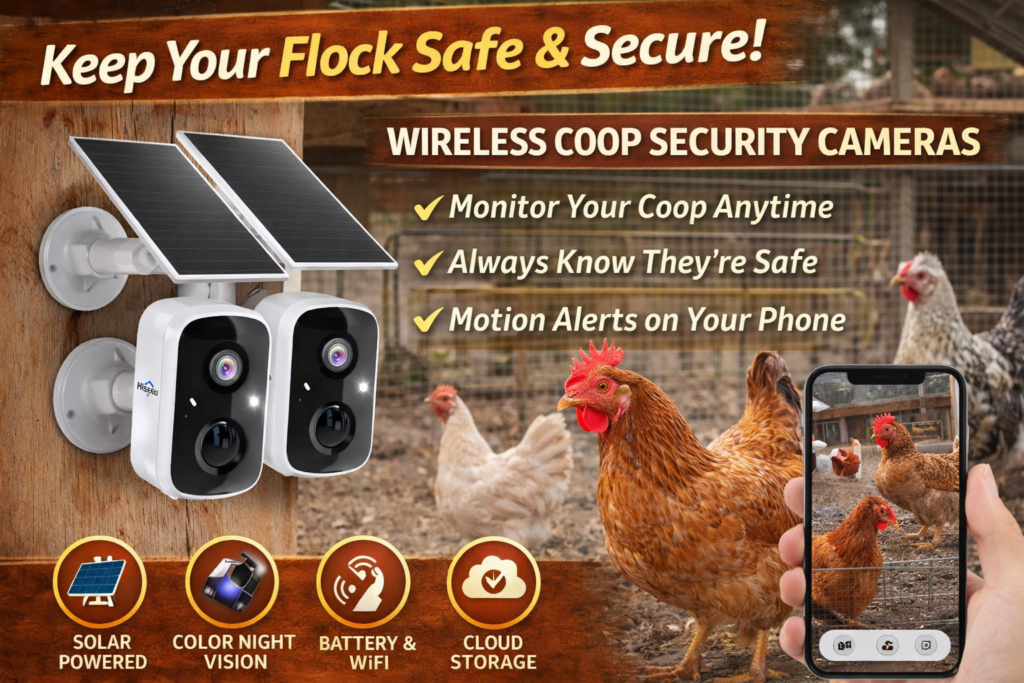
One of my favorite upgrades is this Hiseeu solar-powered wireless security camera system because it’s easy to install around a coop, doesn’t require running electrical wires, and lets you see exactly what’s happening after dark. Knowing the predator you’re dealing with makes every future decision much easier.
Don’t Forget About the Flooring
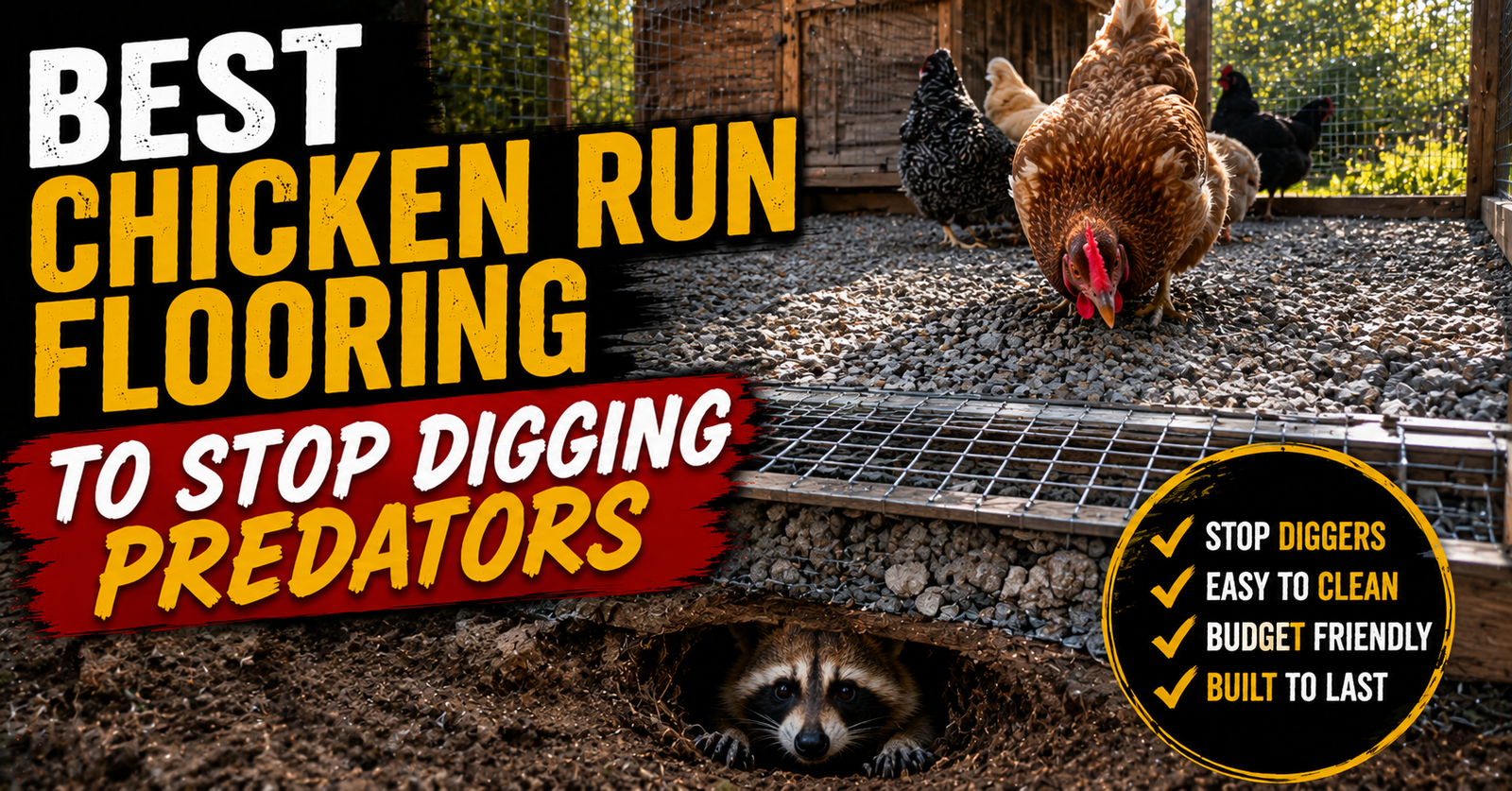
The ground inside your chicken run deserves just as much planning as the fencing around it.
A muddy run becomes difficult to maintain.
Poor drainage can create standing water.
Soft ground around the fence also gives digging predators a much easier place to start.
When I visited Weaver Family Farms, I noticed every part of the enclosure had been planned with long-term maintenance in mind instead of only thinking about the day it was built.
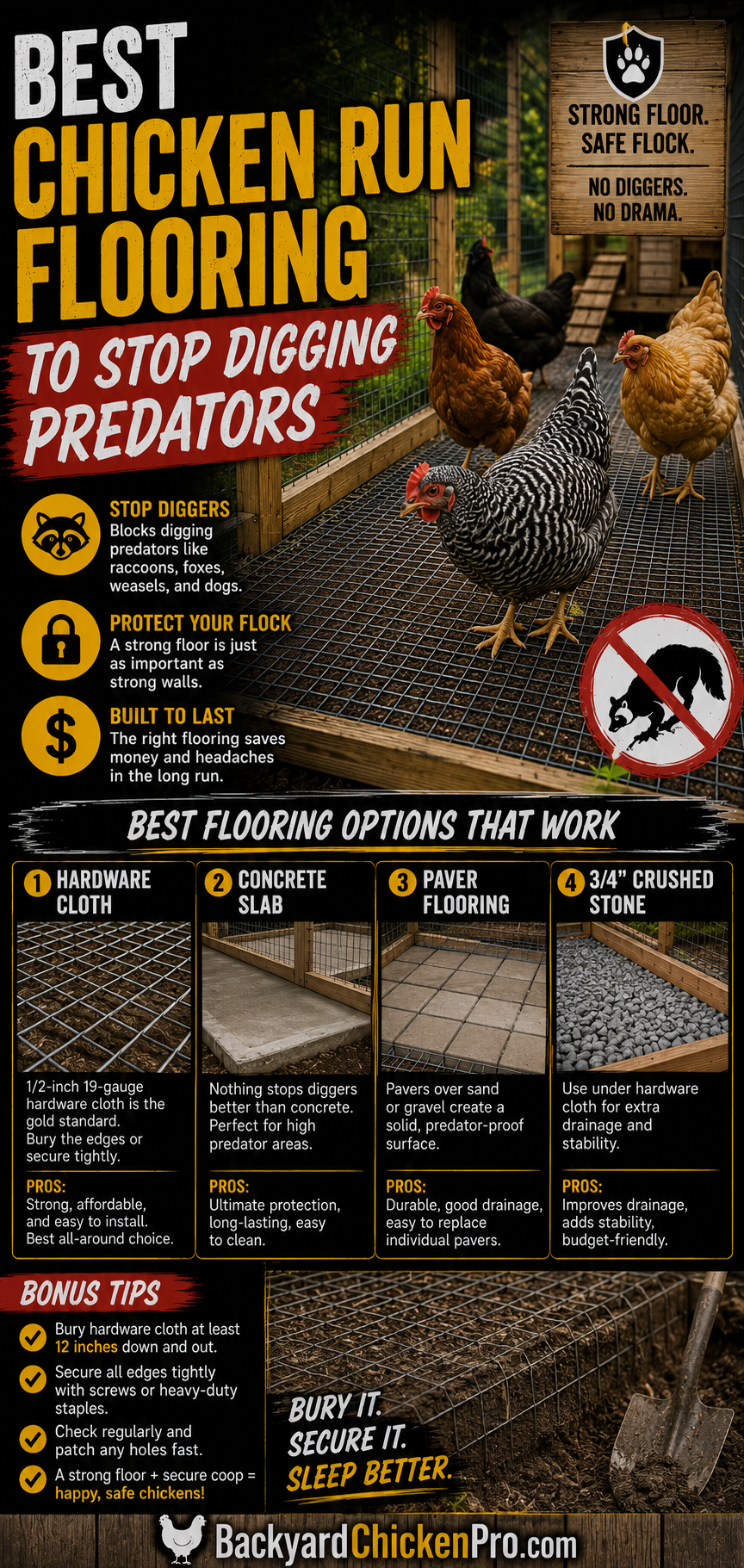
Earlier I shared my guide to choosing the best chicken run flooring for stopping digging predators because the right flooring helps with drainage, cleanliness, and predator protection all at the same time.

Make Coop Inspections Part of Your Routine
Building a secure coop is only the first step.
Keeping it secure is just as important.
Every week, I recommend taking a slow walk around your coop and checking things like:
- Loose fencing.
- Bent hardware cloth.
- Fresh digging.
- Gates that no longer close tightly.
- Latches that feel loose.
- New gaps under the fence.
- Roof damage after storms.
Most inspections take less than ten minutes, but they can prevent major problems later.
Don’t Buy a Coop Based Only on Appearance
I’ve seen plenty of beautiful chicken coops.
Fresh paint.
Cute shutters.
Nice nesting boxes.
Decorative trim.
None of those things stop predators.
Before buying any coop, I’d ask questions like:
- Is the fencing strong enough?
- Are the doors secure?
- Can predators dig underneath?
- Is the roof enclosed?
- Are the vents protected with hardware cloth?
- Does the gate latch securely?
A coop should be attractive.
But security always comes first.

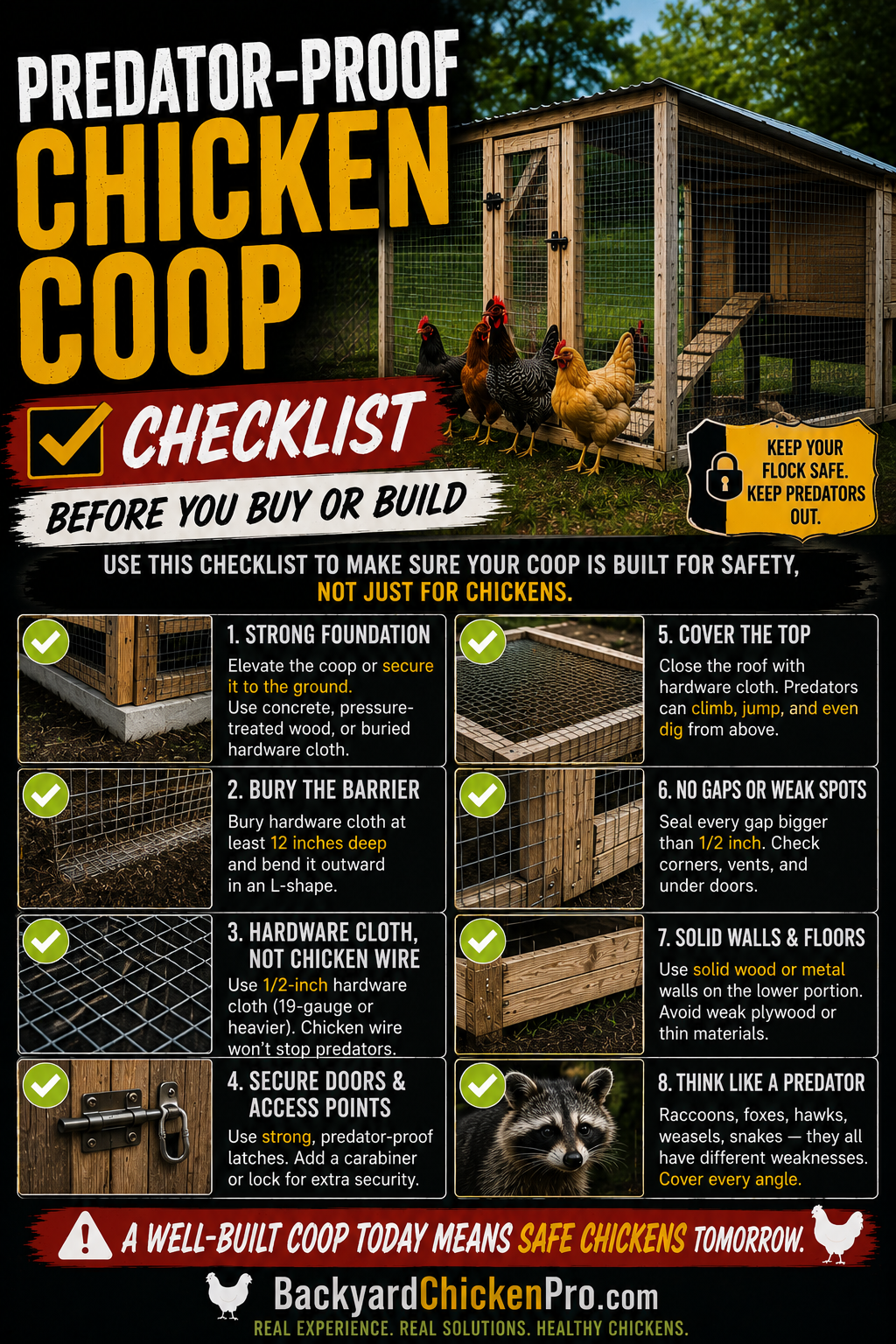
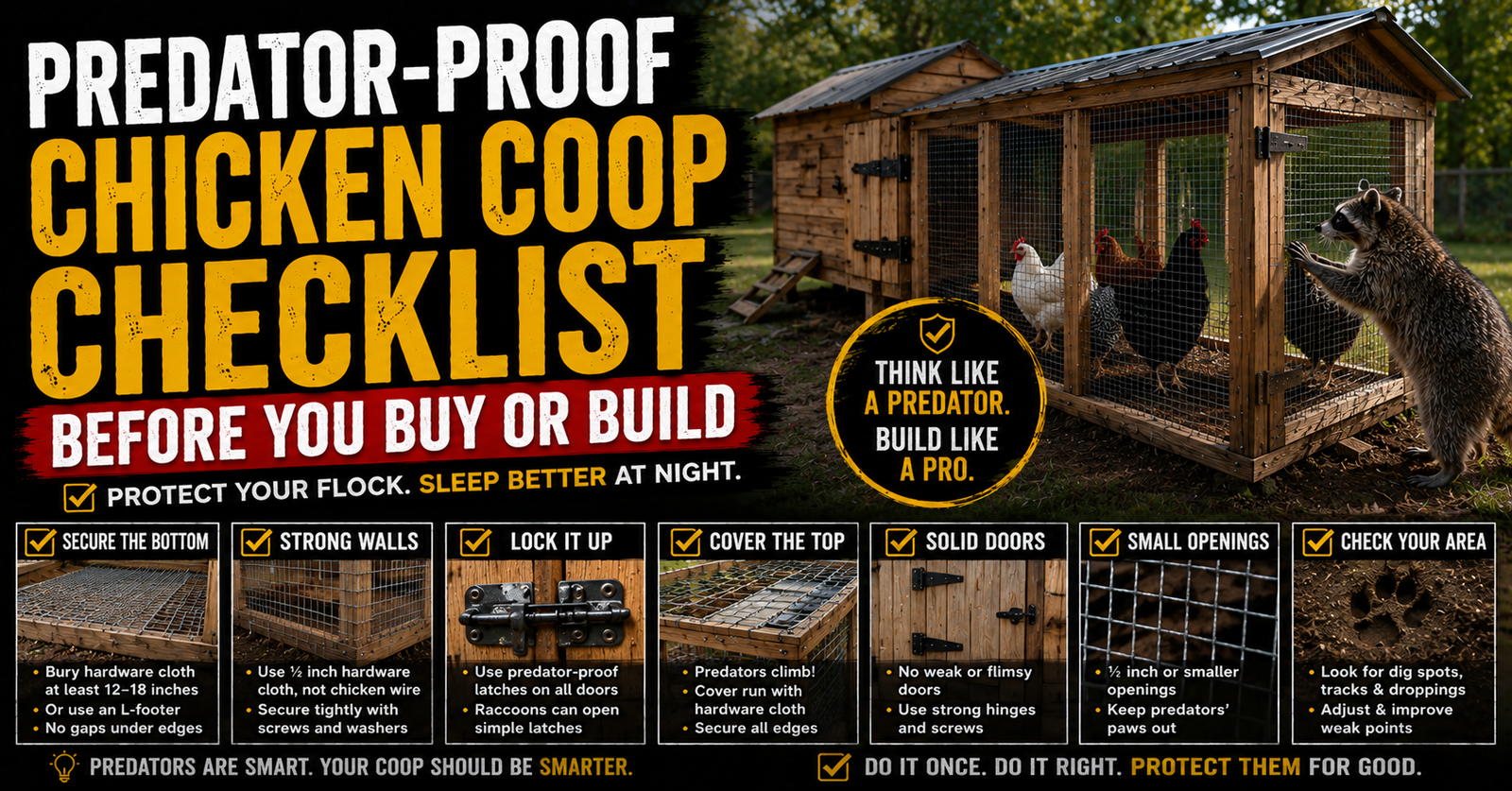
My Predator-Proof Chicken Coop Checklist
If I were starting over today, this is the checklist I’d use before bringing chickens home.
Structure
Strong frame that won’t twist or sag.
Walk-in design if space allows.
Quality posts and secure corners.
Fencing
Hardware cloth protecting vulnerable areas.
Chicken wire used only where appropriate.
Fence securely fastened with no loose sections.
Underground Protection
Buried hardware cloth or predator apron installed.
No visible gaps beneath fencing.
Good drainage around the perimeter.
Roof
Entire run covered.
Roof inspected after storms.
Doors
Secure latches on every access point.
Hinges tightened.
Gates close completely every time.
Nighttime Protection
Automatic coop door if possible.
Motion camera watching the coop.
Feed stored securely.
Maintenance
Weekly inspection routine.
Storm damage repaired immediately.
Vegetation trimmed away from fencing.
Looking over that checklist, you’ll notice something.
None of the individual items are particularly complicated.
It’s simply a collection of smart decisions that work together.
My Biggest Takeaway
After spending time learning from experienced chicken keepers and seeing the predator-proof chicken run at Weaver Family Farms firsthand, I’ve come to one conclusion.
Predator protection isn’t about buying one expensive product.
It’s about removing opportunities.
Every improvement makes your coop just a little harder to break into.
Eventually, predators decide the effort isn’t worth it.
That’s exactly the goal.
If you’re building a new coop or upgrading an existing one, don’t try to tackle everything at once.
Start with the biggest weak spots.
Improve them one at a time.
Before long, you’ll have a chicken coop that’s dramatically safer than the average backyard setup.
Frequently Asked Questions
What is the most important part of a predator-proof chicken coop?

I don’t think there’s just one. Strong fencing, secure latches, underground protection, a covered run, and regular inspections all work together to protect your flock. These protections are especially useful when you want to preserve some of the protected ranging options without exposing birds to unnecessary danger.
Should I predator-proof my coop before getting chickens?
Absolutely. It’s much easier and less expensive to build predator protection into the original design than to make major changes after predators discover your flock.
Is hardware cloth really worth the extra cost?
For doors, windows, vents, and lower sections of the coop, I believe it is. Those are the places predators usually target first, and stronger materials provide better long-term protection.
How often should I inspect my chicken coop?
I recommend a quick walk-around every week and another inspection after heavy rain, strong winds, or severe storms.
Can one upgrade make my coop predator-proof?
No. The safest coops use multiple layers of protection. Good predator defense comes from combining strong construction, quality materials, secure hardware, and consistent maintenance.
About the Author
Nathan Holloway
Nathan Holloway specializes in predator prevention, chicken coop construction, and practical backyard flock security. He regularly visits farms, studies real-world chicken housing designs, and learns directly from experienced poultry keepers to understand what works in everyday backyard flocks. Through Backyard Chicken Pro, Nathan shares practical observations, proven construction ideas, and straightforward advice that help chicken owners build safer coops, stronger chicken runs, and long-lasting protection for their flocks.