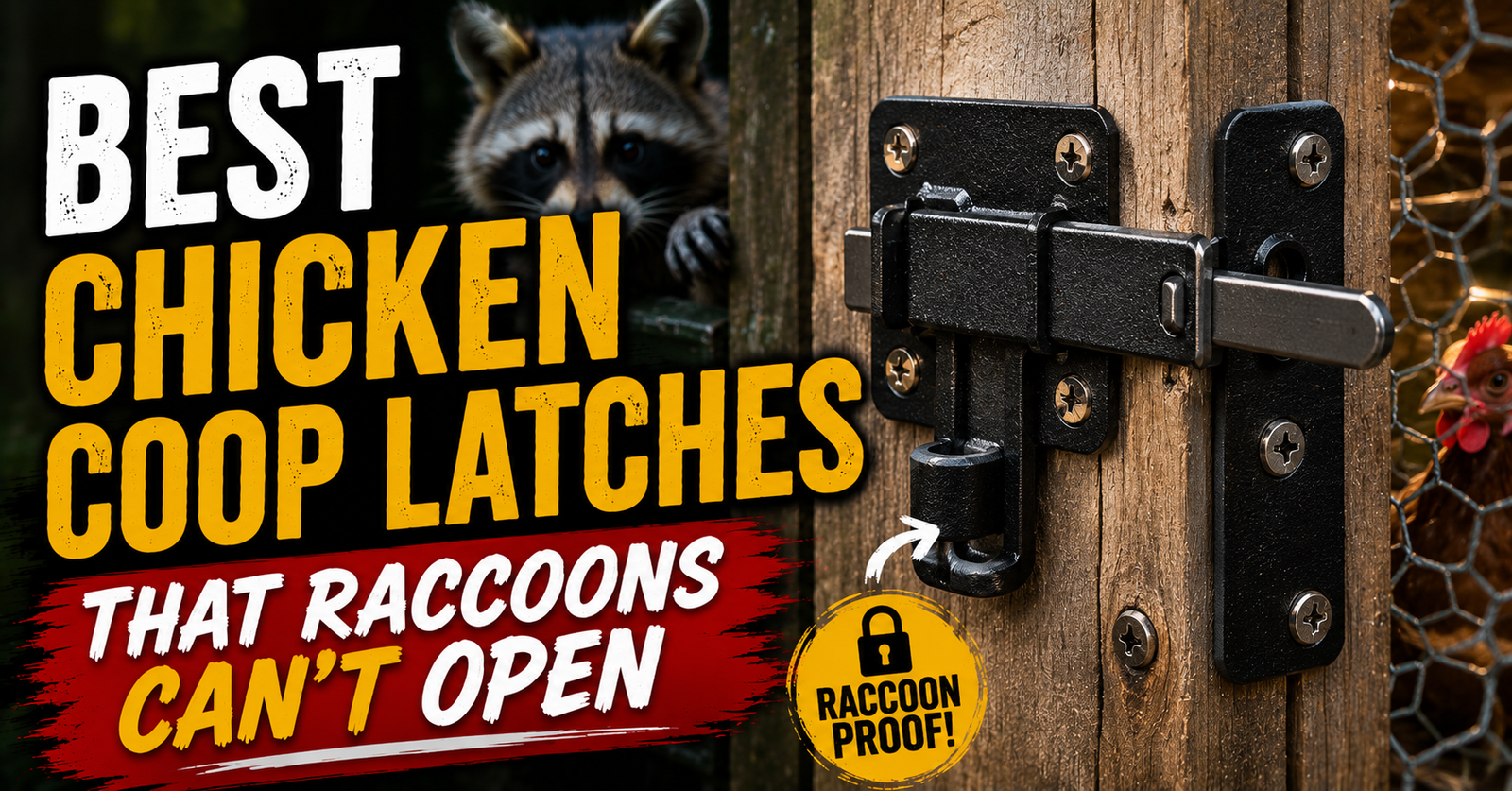
One thing I’ve learned after talking with experienced chicken keepers is that predators don’t always break into a coop.
Sometimes…
They simply open the door.
It sounds hard to believe until you watch videos of raccoons using their front paws almost like tiny hands.
They can pull.
Twist.
Lift.
Slide.
They spend hours investigating anything that stands between them and an easy meal.
After touring the impressive predator-proof chicken run at Weaver Family Farms, one thing Daxon mentioned really stuck with me.
Every weak point deserves just as much attention as the strongest one.
That includes the doors.
You can build a fantastic coop with strong fencing, buried hardware cloth, and a covered run, but if your latch is easy to manipulate, you’ve created the weakest point in the entire system. A broader look at common predator-proofing mistakes can help you identify other weak points before predators find them.
Are Raccoons Really Smart Enough to Open Latches?
Unfortunately…
Yes.
Not every raccoon will.
But plenty of them can.
They’re naturally curious animals that spend much of the night investigating objects with their front paws.
If a latch only requires one simple movement to open, there’s always a chance a determined raccoon will eventually figure it out.
That’s why many experienced chicken keepers avoid simple hook-and-eye latches by themselves.
The easier something is for you to open, the easier it often is for wildlife to figure out too.
My Favorite Rule for Coop Doors
While researching predator-proof coops and visiting different chicken keepers, I’ve come up with one simple rule.
If opening the latch only requires one motion…
It probably isn’t secure enough.
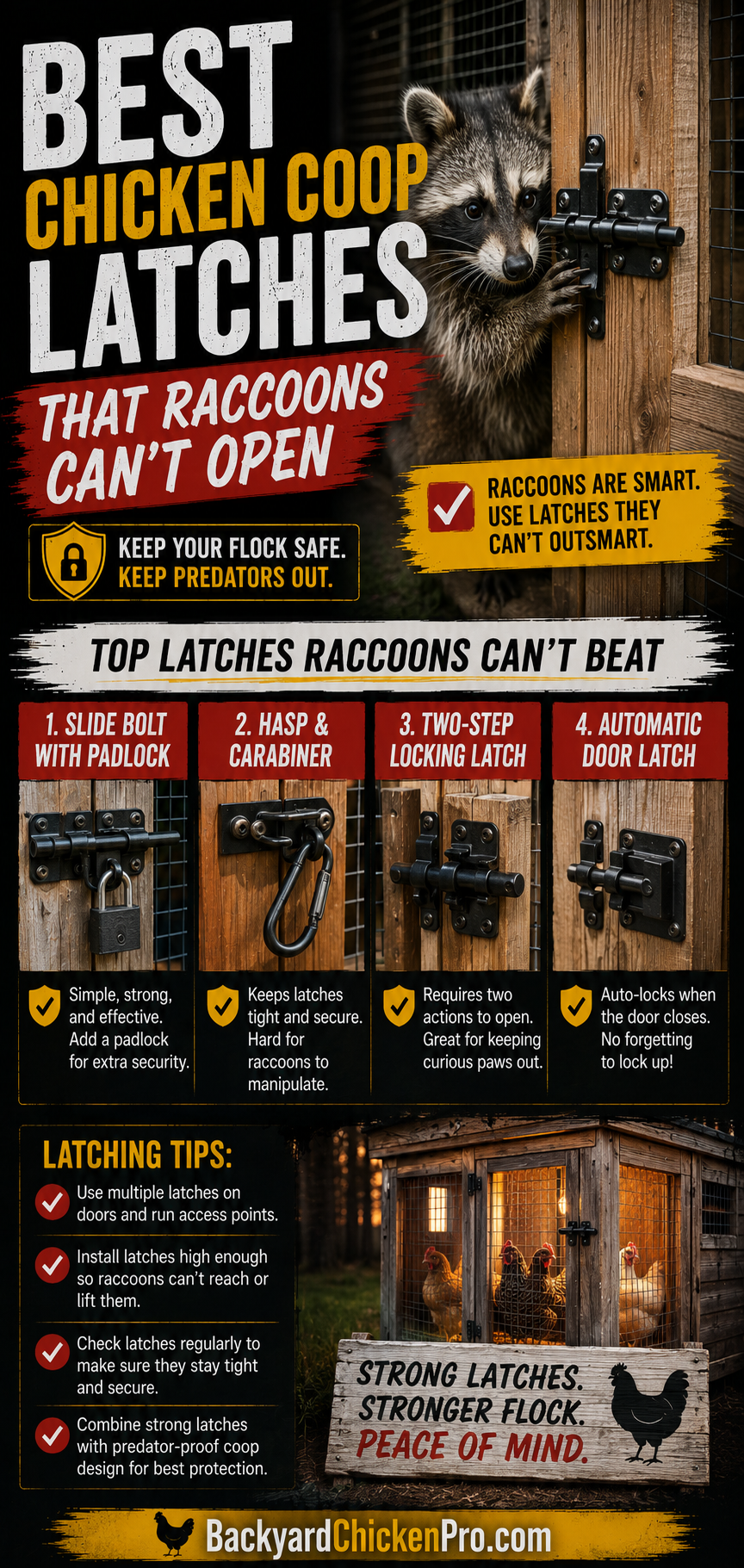
Good predator protection usually requires at least two separate actions.
Lift.
Then slide.
Twist.
Then pull.
Open a clip.
Then remove the latch.
The more complicated it becomes, the less likely a raccoon is to accidentally figure it out.
Simple Hook Latches Are Better Than Nothing
The classic hook-and-eye latch is inexpensive and easy to install.
They’re available almost everywhere.
The problem isn’t that they’re poorly made.
The problem is they’re simple.
A curious raccoon that spends enough time pulling and pawing at the door may eventually open one.
If you already have hook latches, I’d strongly recommend adding another level of security instead of relying on them by themselves.
A Locking Carabiner Is One of the Cheapest Upgrades You Can Make
One of the easiest improvements I’ve seen is adding a locking carabiner through the latch.
Now the raccoon has to do more than lift a hook.
It also has to remove the clip.
That tiny change dramatically increases the difficulty without costing much money.
Sometimes the simplest improvements provide the biggest increase in security.
Barrel Bolts Work Even Better
Another style I really like is a quality barrel bolt.
Unlike simple hooks, barrel bolts require a sliding motion before the door opens.
Adding a carabiner through the bolt makes them even more secure.
The extra step is barely noticeable for you.
For wildlife, it creates another obstacle.
I Noticed Something While Touring the Chicken Run
As we walked around the predator-proof chicken run at Weaver Family Farms, I noticed that nothing about the enclosure relied on one single security feature.
The frame was strong.
The fencing was secure.
The roof was enclosed.
Underground protection discouraged digging predators.
The doors received just as much attention as everything else.
That really reinforced something I’ve come to believe.
Predator-proofing is about eliminating weak points one at a time.
If you haven’t seen that incredible build yet, How a 10×75 Predator-Proof Chicken Run Was Built is worth reading because it shows how every part of the enclosure works together instead of depending on one feature.
Don’t Forget About Pop Doors
The main coop entrance isn’t the only door predators investigate.
Small pop doors deserve the same attention.
Many people install automatic doors but forget to check how securely they actually lock when closed.
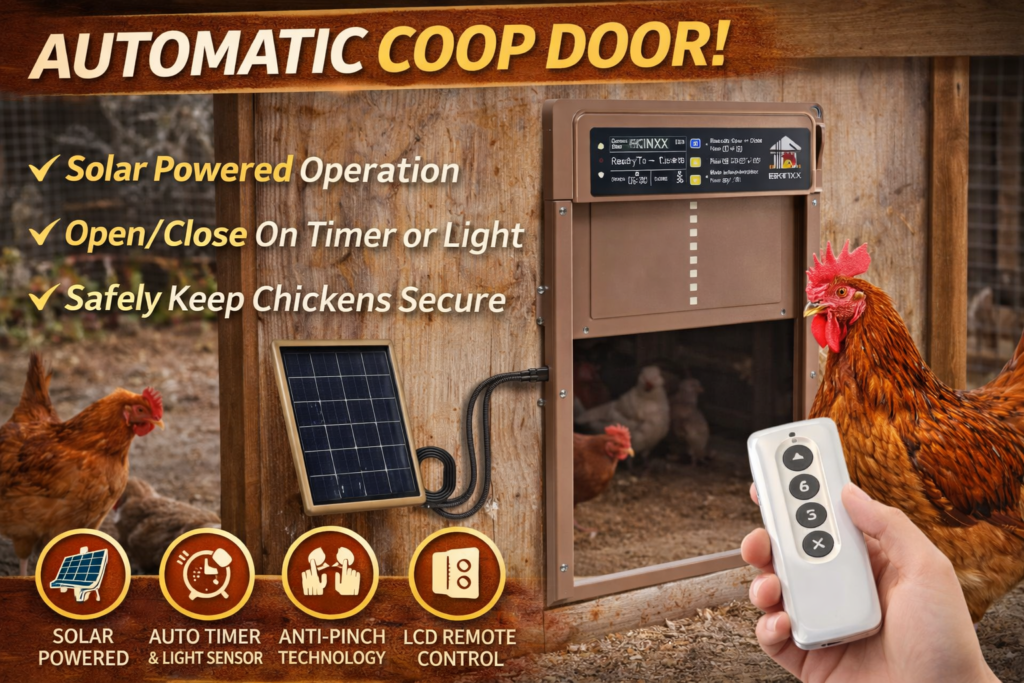
If you’re thinking about automating your coop, I’ve been impressed with this solar-powered automatic chicken coop door with timer and light sensor because it closes consistently every evening while also providing a solid locking design compared to many basic models.
It’s another layer of security that works while you’re asleep.
Gates Deserve Strong Hardware Too
Large walk-in runs often have wide gates that get opened several times every day.
That constant use can loosen hinges and hardware over time.
Whenever I visit a chicken setup, I always give gates a little extra attention.
Do they sag?
Do they leave gaps?
Does the latch fully engage every time?
Small issues become big problems if they’re ignored for months.
One thing I appreciated about the Weaver Family Farms run was how solid the gate felt.
It closed firmly without any noticeable movement.
That’s exactly what you want.
The Biggest Mistakes I See With Chicken Coop Latches
One thing I’ve learned from talking with experienced chicken keepers is that people usually don’t lose chickens because they bought a “bad” latch.
They lose them because of small mistakes.
Those little oversights can undo an otherwise well-built coop.
Here are the ones I’d fix first.
Using Only One Latch
A single hook latch might work for years.
Or a curious raccoon might figure it out tomorrow night.
If your coop door only has one simple latch, consider adding a second level of security.
Even something as simple as a locking clip or carabiner makes the door much harder for wildlife to manipulate.
Forgetting to Lock the Pop Door
Many people focus on the main walk-in door but overlook the smaller pop door where chickens enter and leave the coop.
That smaller opening is often easier for predators to investigate because it sits closer to the ground.
If you’re using an automatic door, test it regularly to make sure it’s closing completely every evening.
A partially closed door might as well be left open.
Ignoring Loose Hinges
The latch can be perfect, but if the hinges allow the door to flex or sag, predators may create enough space to squeeze inside.
Every few weeks I like checking that doors still close tightly.
Wood naturally expands and contracts with changing weather, so small adjustments are normal over time.
Not Checking Hardware After Storms
Strong winds.
Heavy rain.
Snow.
Falling branches.
All of them can loosen screws or slightly bend doors.
After severe weather, it’s worth taking five minutes to inspect your coop before nightfall.
Those quick inspections often catch problems while they’re still easy to fix.
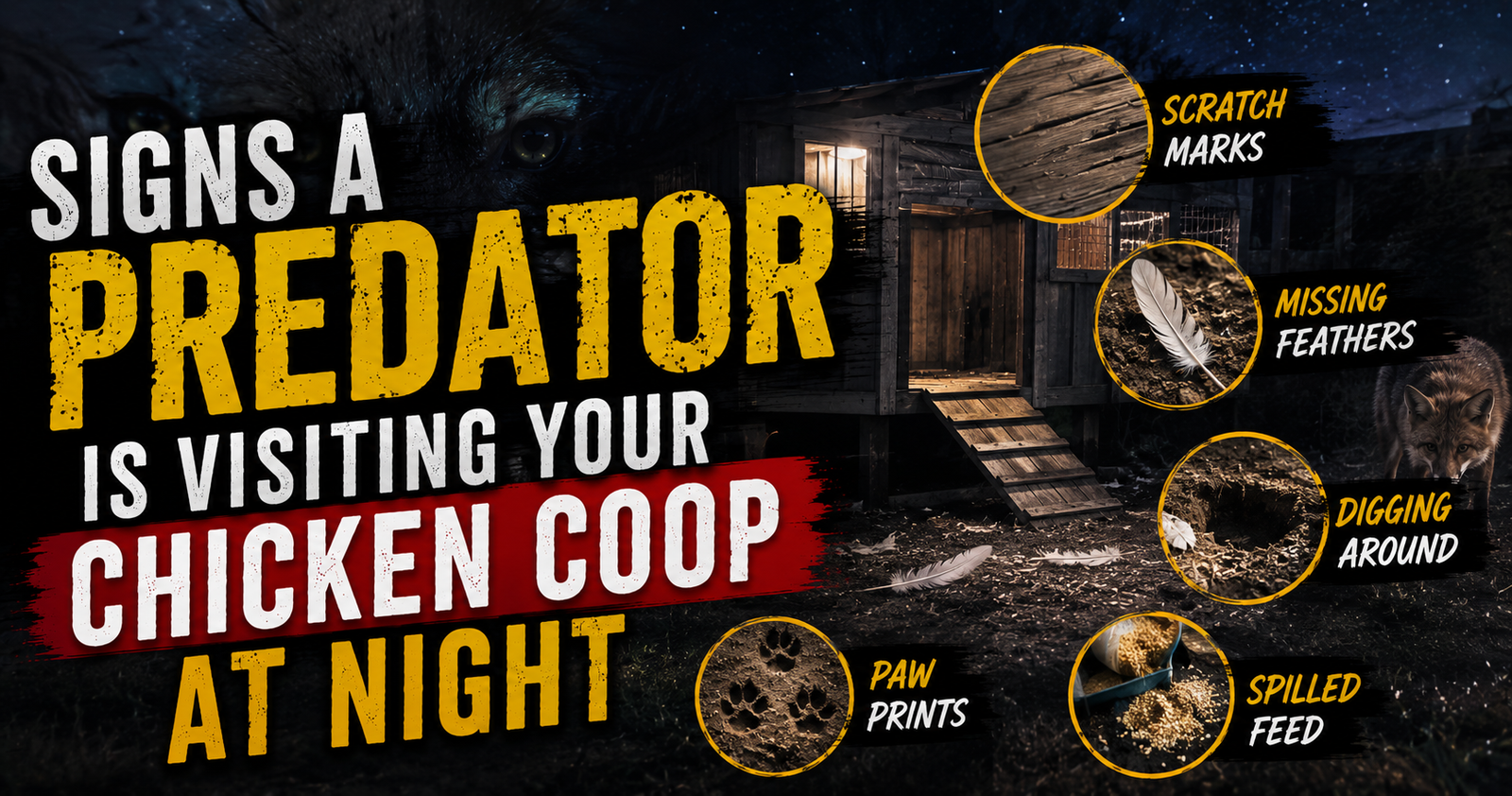
A secure latch only works if the rest of your coop is just as secure. One of the easiest ways to identify overlooked weak spots is by paying attention to what predators are doing around your property before they get inside. Signs a Predator Is Visiting Your Chicken Coop at Night covers the clues I always look for during my inspections.
Predator Protection Is About Layers
The more chicken keepers I meet, the more I realize there usually isn’t one magic product that keeps predators away.
Instead, every layer adds another obstacle.
Strong fencing.
Quality latches.
Covered roofing.
Underground protection.
Routine maintenance.
By themselves, each one helps.
Together, they create a coop that’s much harder for predators to defeat.
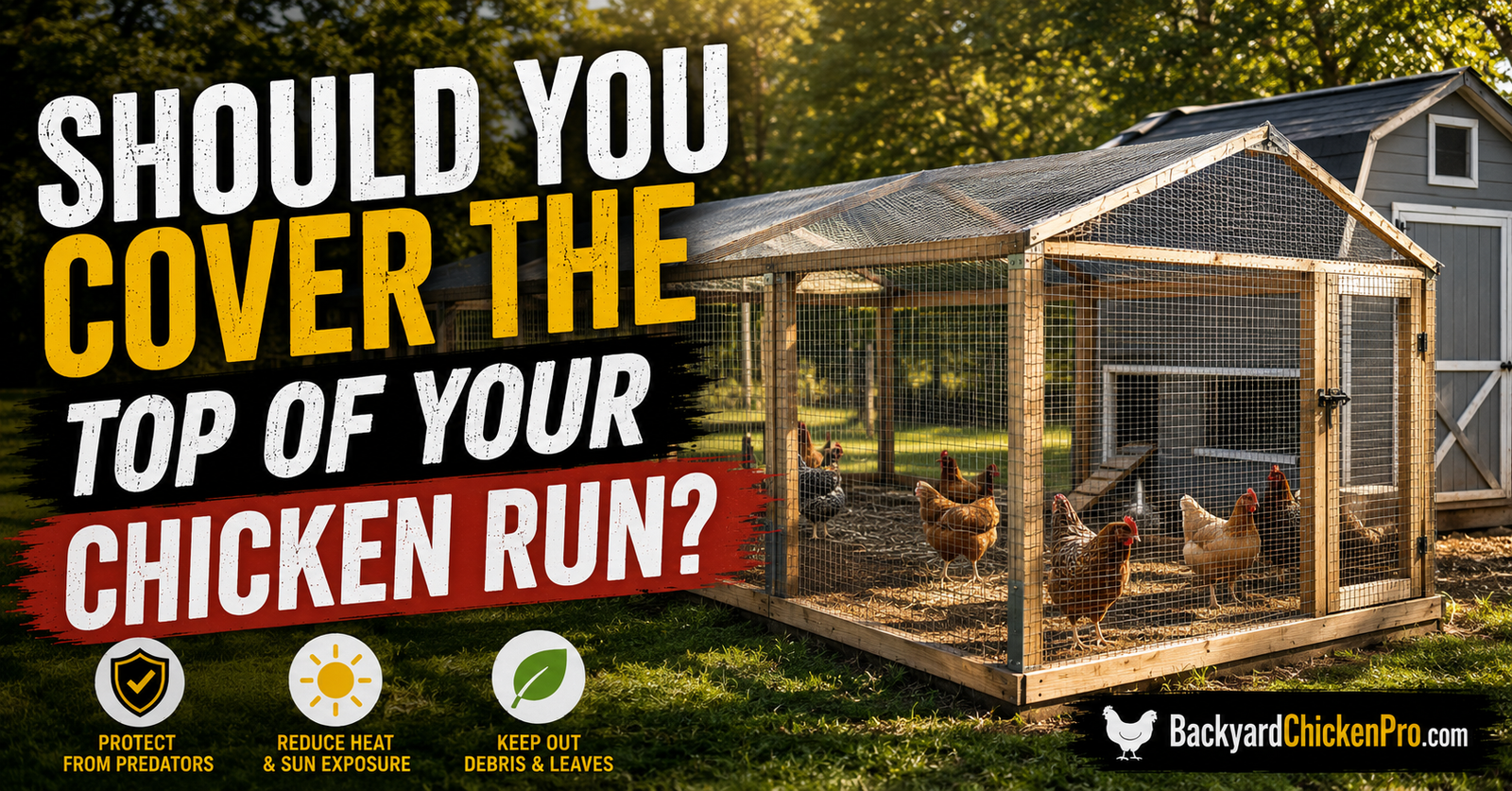
Earlier, I shared why I believe covering the top of your chicken run is one of the smartest upgrades you can make. A secure door doesn’t do much good if another predator can simply come in from above.

A Few Minutes of Maintenance Can Save Your Flock
One thing Daxon mentioned while we were looking over the chicken run at Weaver Family Farms has really stuck with me.
He wasn’t constantly rebuilding things.
He was constantly paying attention.
That’s a huge difference.
A quick walk around the coop every week lets you spot loose hardware, bent wire, worn hinges, or doors that no longer close quite as tightly as they should.
Small fixes are inexpensive.
Replacing chickens isn’t.
Build a Coop That’s Frustrating for Predators
If there’s one lesson I’ve taken away from touring well-built chicken setups, it’s this.
Predators are looking for the easiest meal.
They’re not looking for the strongest coop.
If your neighbor has an unsecured coop with a loose door while yours has solid latches, quality fencing, and no obvious weak spots, chances are the predator moves on before spending much time trying to solve your setup.
That’s exactly what good predator protection is supposed to do.
It doesn’t challenge predators.
It convinces them to look somewhere else.

Frequently Asked Questions
Can raccoons really open chicken coop latches?
Yes. Raccoons have remarkably dexterous front paws and can sometimes manipulate simple hook-and-eye latches or other one-step closures.
What type of chicken coop latch is the most secure?
Latches that require two separate movements to open, especially when paired with a locking clip or carabiner, are generally much more difficult for raccoons to manipulate than basic hook latches.
Should every coop door have the same latch?
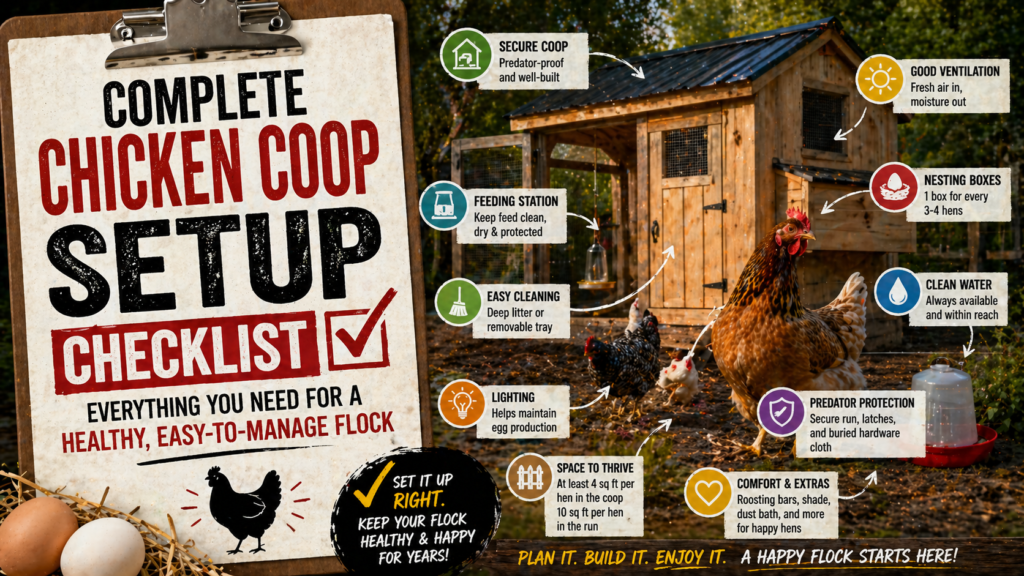
Ideally, yes. Main doors, nesting box access doors, and pop doors should all have secure hardware because predators will investigate every possible entry point. A broader checklist can help you review these secure coop entry points alongside the rest of your coop setup.
Do automatic chicken coop doors lock securely?
Many quality models do, but it’s important to test them regularly to make sure they fully close and latch each evening.
Is a better latch enough to keep predators out?

A secure latch is an important part of predator protection, but it works best alongside strong fencing, a covered run, underground protection, and regular inspections. A layered setup can make safer outdoor access more practical while still limiting the risks associated with unrestricted roaming.
About the Author
Nathan Holloway
Nathan Holloway specializes in predator prevention, chicken coop construction, and practical backyard flock security. He regularly visits farms, studies real-world chicken housing designs, and learns directly from experienced poultry keepers to understand what truly works against common predators. Through Backyard Chicken Pro, Nathan shares practical observations, straightforward advice, and proven ideas that help backyard chicken owners build safer coops and protect their flocks with confidence.