
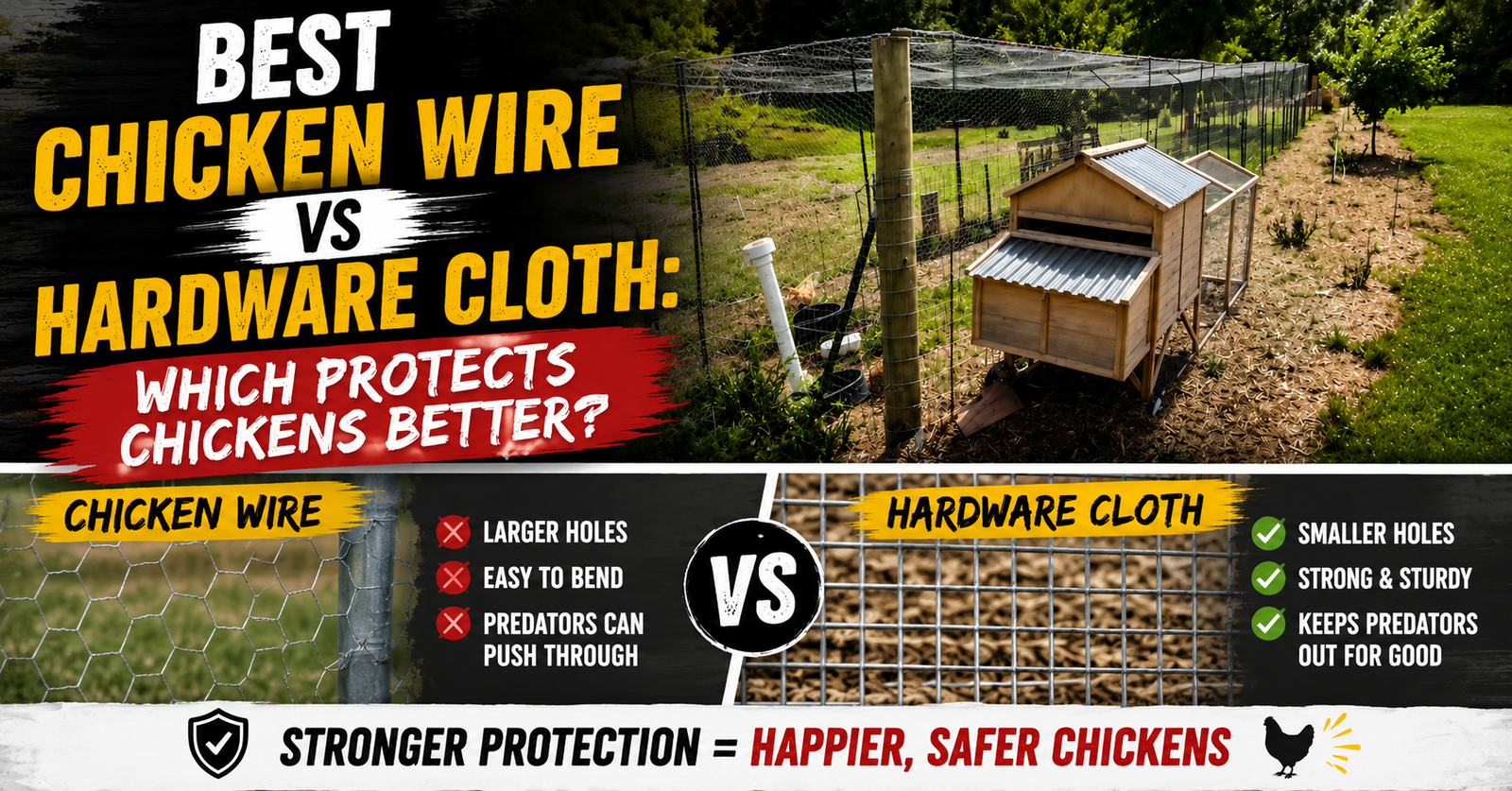
After Seeing One Predator-Proof Chicken Run, My Opinion Changed
I’ve heard the debate for years.
Some backyard chicken owners swear by chicken wire because it’s affordable and easy to install. Others won’t build a coop without hardware cloth, saying chicken wire is practically useless against determined predators.
After recently spending time at Weaver Family Farms and walking through the massive 10×75 predator-proof chicken run Daxon built, I started paying much closer attention to the fencing itself. We talked quite a bit about why he chose certain materials, where extra protection mattered most, and how predators actually behave around a chicken enclosure. The DIY guide to that 10×75 predator-proof chicken run explains how the enclosure came together: 10×75 predator-proof chicken run
It reminded me that this isn’t really a question about which material is “better.”
It’s about using the right material in the right place.
If you’re building a new chicken coop or upgrading an existing run, understanding the difference between chicken wire and hardware cloth could save you money, frustration, and possibly even your flock.
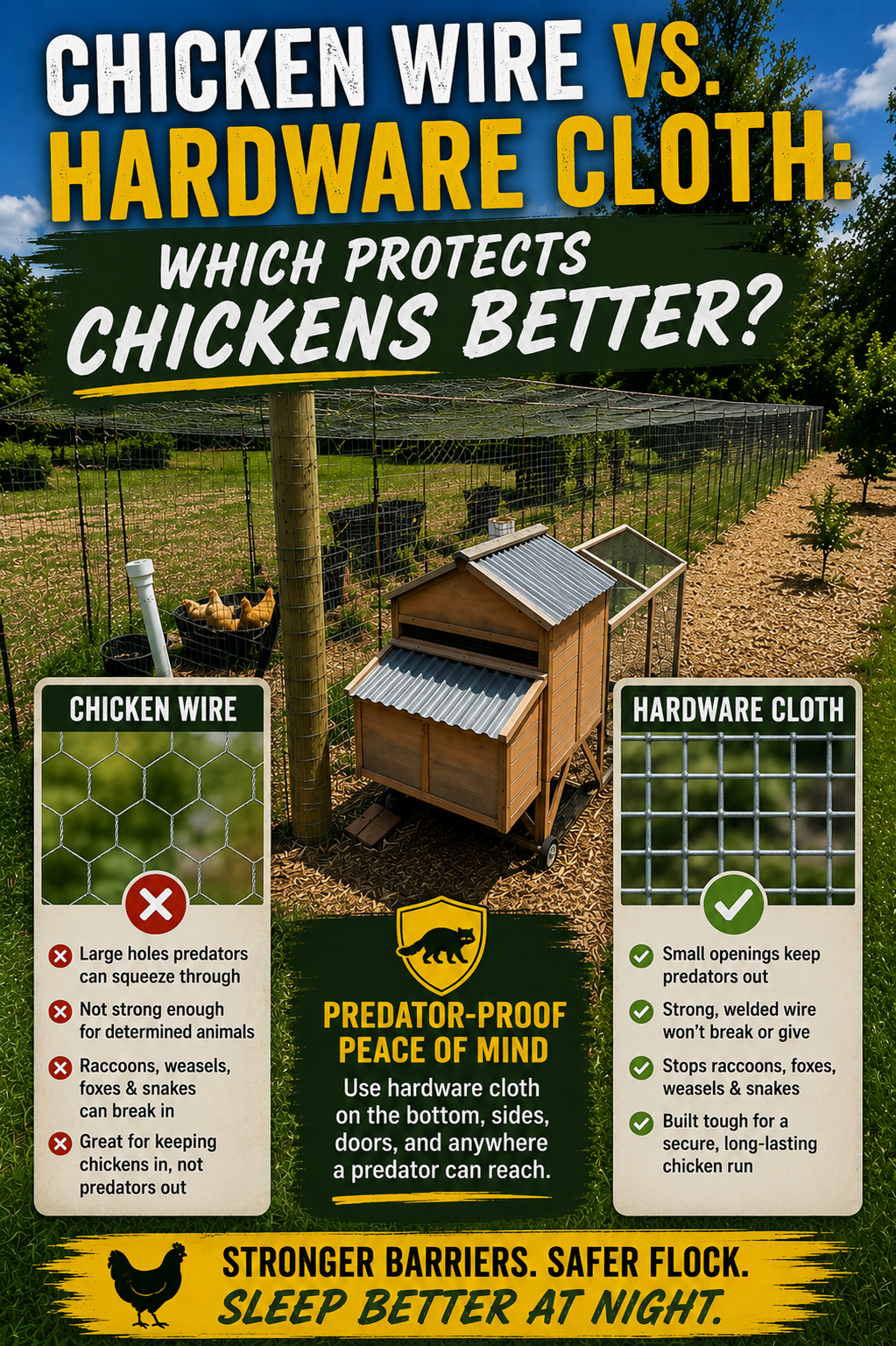
What Is Chicken Wire?
Chicken wire is the classic hexagonal mesh that most people picture when they think about backyard chickens.
It’s lightweight.
It’s flexible.
It’s relatively inexpensive.
And it covers a lot of area quickly.
For large projects, it can be an excellent option because you can enclose hundreds of square feet without spending a fortune.
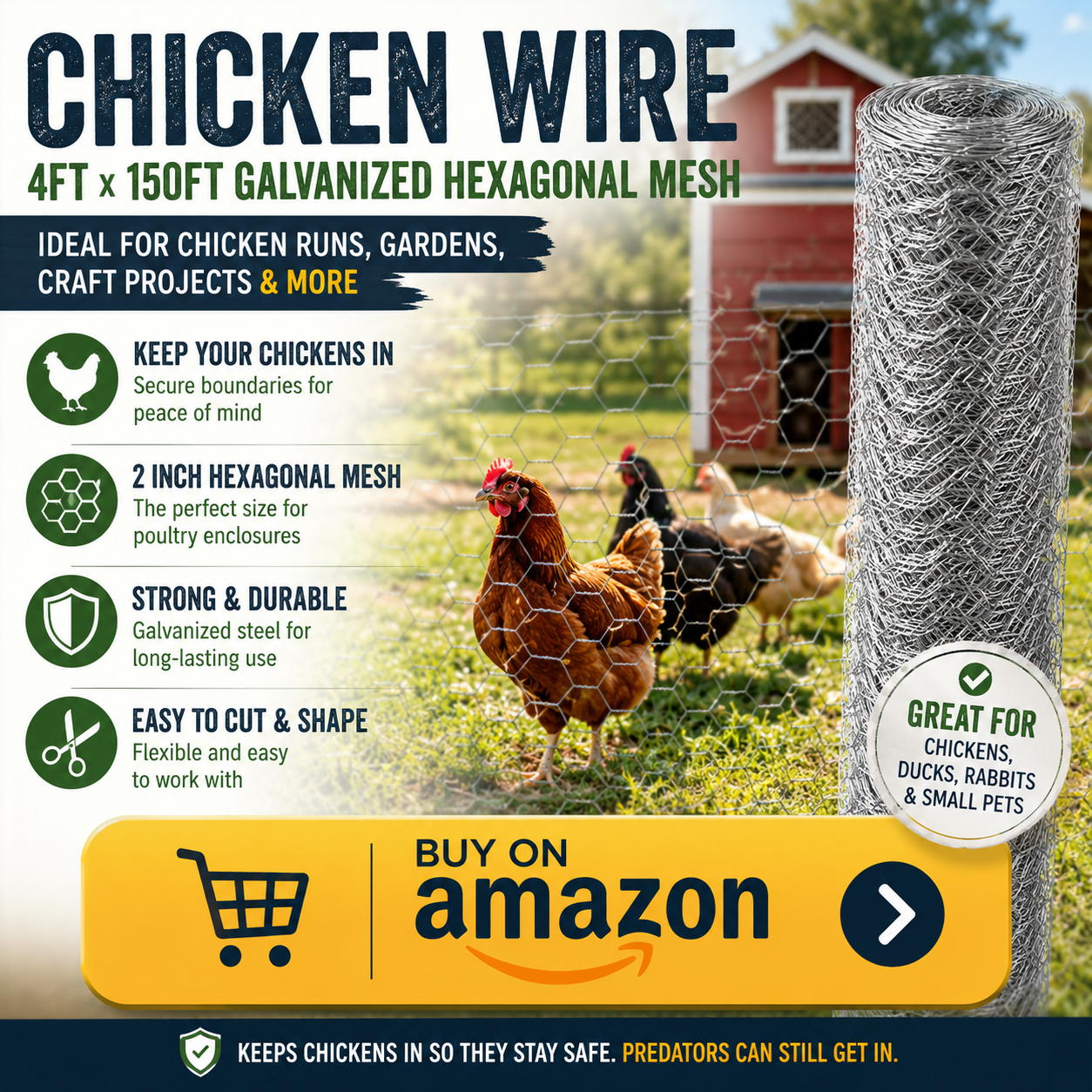
If you’re looking for a large roll, this Chicken Wire Fencing, 4ft x 150ft Hexagonal Galvanized Mesh has enough material for most backyard chicken projects and is similar to what many poultry keepers use for large enclosures.
But here’s where many new chicken owners misunderstand its purpose.
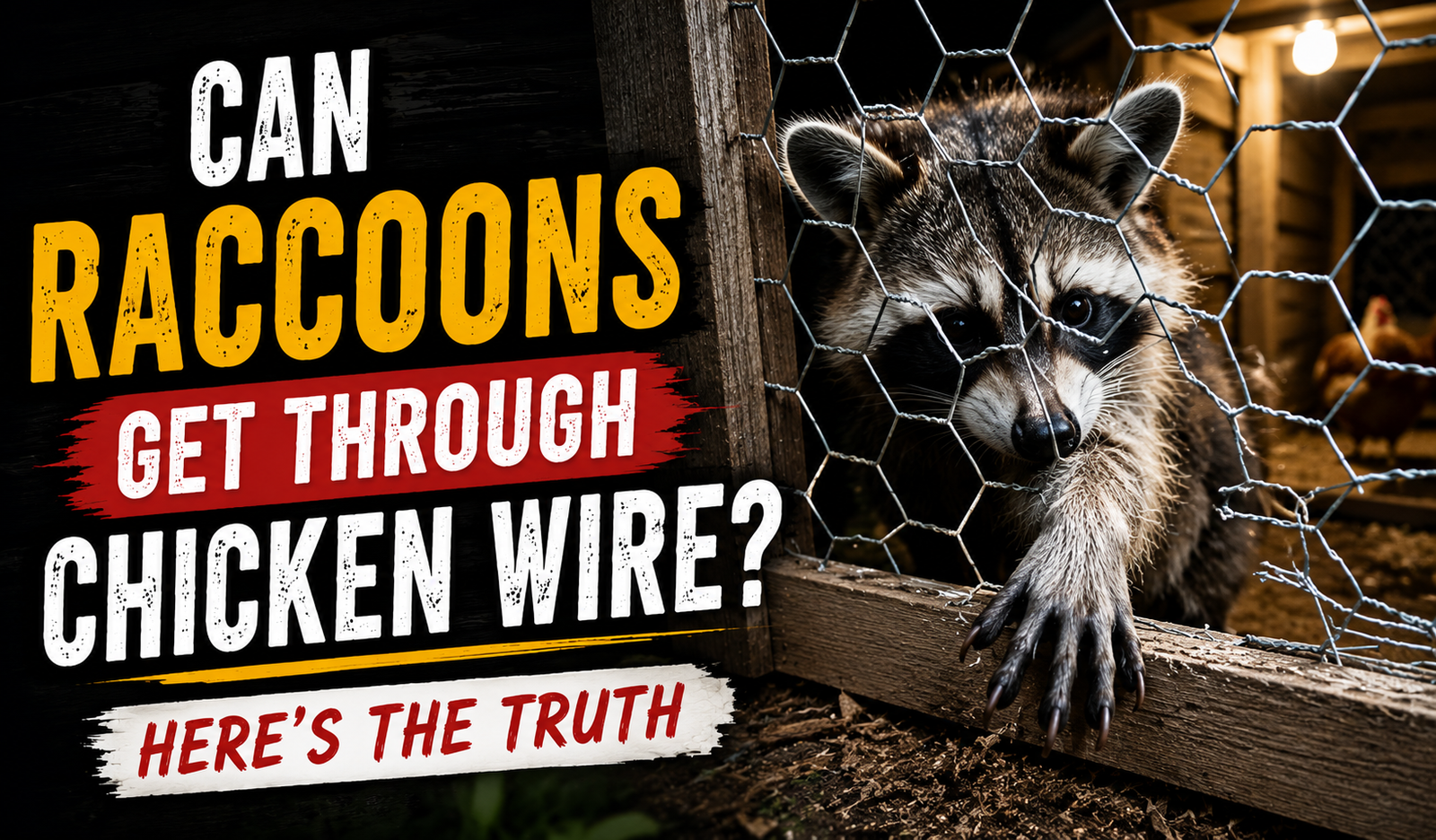
Chicken wire was originally designed to keep chickens in. That distinction becomes especially important when you consider how persistent raccoons can be, as shown in Can Raccoons Get Through Chicken Wire? Here’s the Truth.
It wasn’t necessarily designed to keep predators out.
That’s an important difference.
What Is Hardware Cloth?
Despite the name, hardware cloth isn’t cloth at all.
It’s welded steel wire formed into small square openings.
Instead of twisting wires together like traditional chicken wire, every intersection is welded.
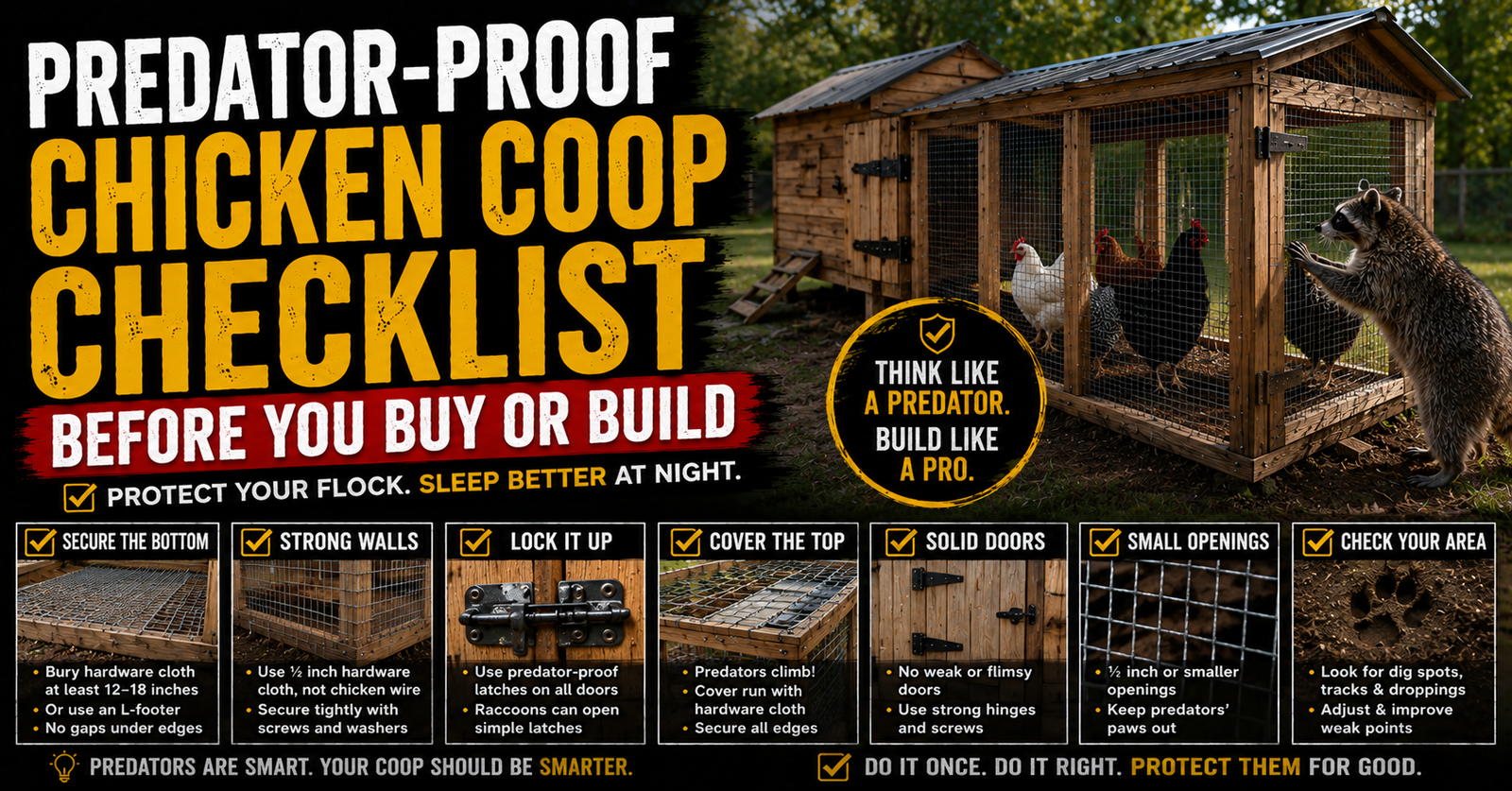
No matter which fencing material you choose, remember it’s only one piece of a much larger predator protection plan. Your fence works together with your flooring, doors, roof, and underground barriers. If you’re designing a new coop from scratch, my Predator-Proof Chicken Coop Checklist Before You Buy or Build walks through every major feature worth considering before construction begins.
That creates a much stronger barrier.
A determined raccoon might bend ordinary chicken wire.
Hardware cloth is much harder to tear apart or pull open.
If I were protecting vulnerable areas like windows, vents, brooder pens, or small coops, I’d personally spend the extra money on quality hardware cloth.
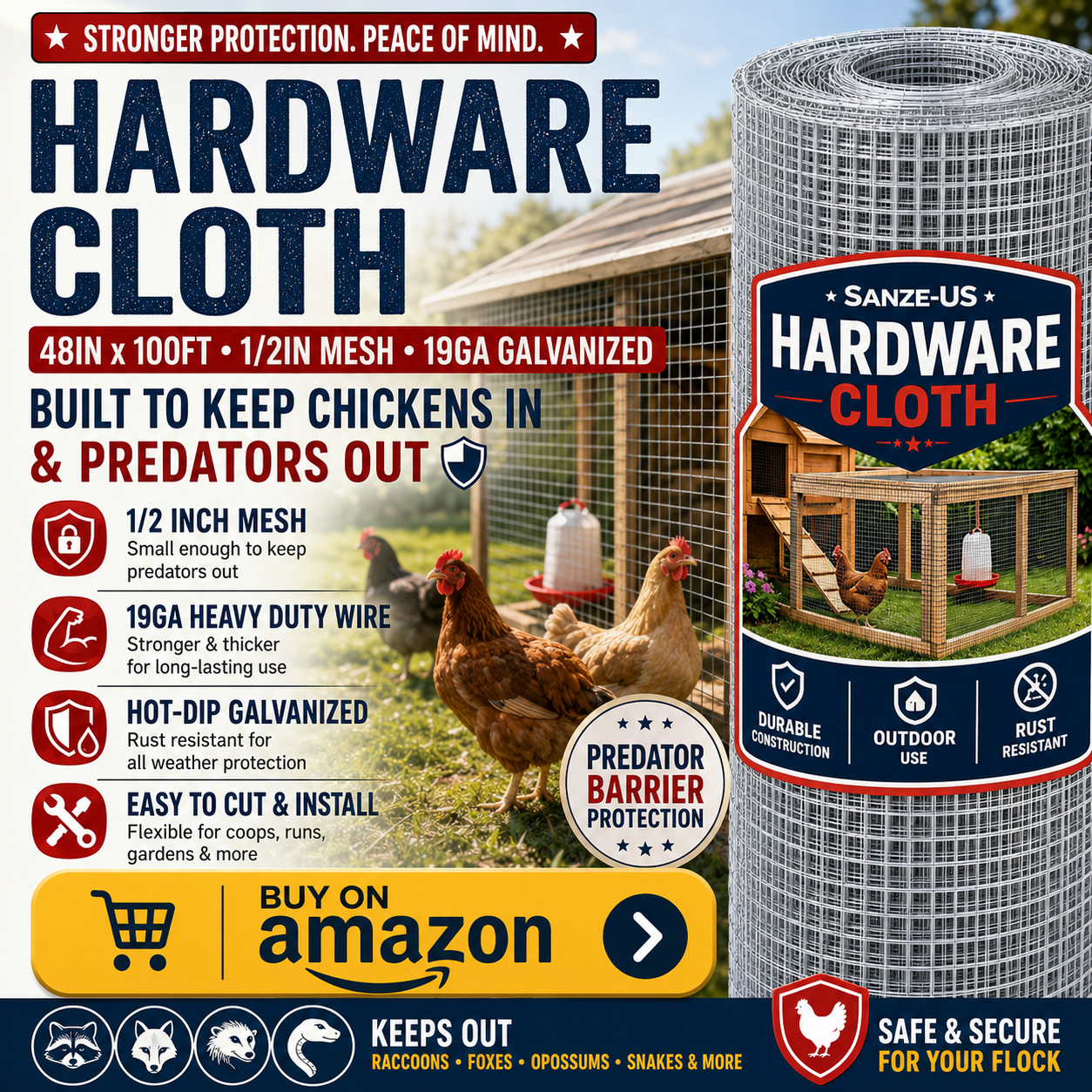
One good option is this 48-inch by 100-foot 19-gauge Hardware Cloth with ½-inch mesh, which provides excellent protection against many common predators.
The Biggest Myth About Chicken Wire
One thing I hear all the time is:
“Chicken wire keeps predators out.”
Not exactly.
Chicken wire does a fantastic job containing chickens.
It helps keep birds from wandering into the garden.
It helps separate different flocks.
It creates large outdoor spaces where chickens can safely scratch and forage.
What it doesn’t always do well is stop a determined predator.
Raccoons are incredibly strong.
Dogs can chew.
Coyotes constantly test weak spots.
Foxes look for openings.
Given enough time, many predators can damage ordinary chicken wire.
That’s why simply wrapping a coop with one layer of fencing isn’t always enough.
Seeing a Real Predator-Proof Chicken Run Reinforced That Lesson
While touring the predator-proof chicken run at Weaver Family Farms, one thing became obvious.
Daxon wasn’t depending on a single barrier.
The enclosure uses multiple layers of protection.
Wire surrounds the sides.
The roof is enclosed.
Additional protection exists in key locations.
Wire is buried around the perimeter to discourage digging predators.
The overall design assumes predators will investigate the enclosure.
That’s a much smarter mindset than hoping they never show up.
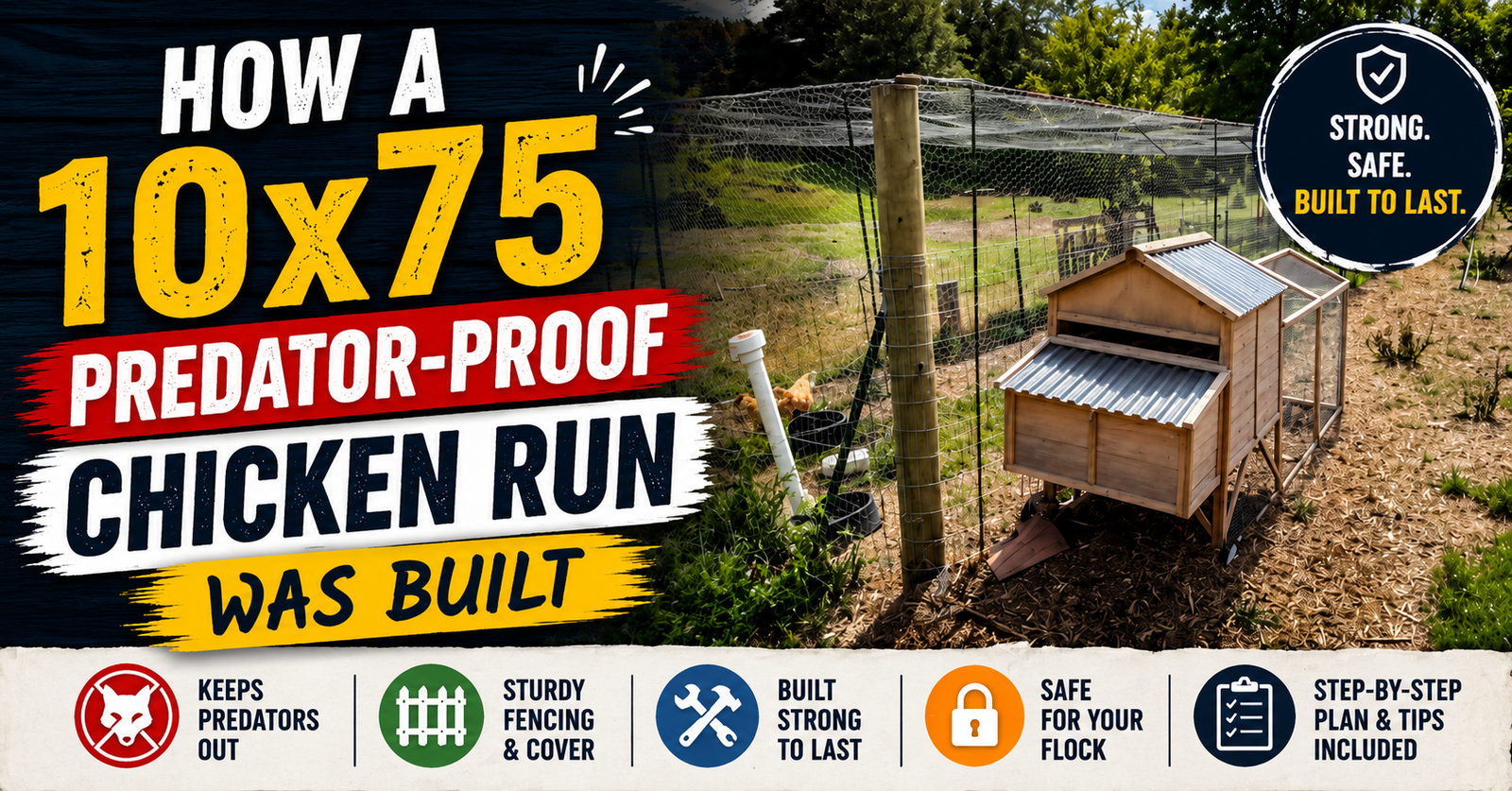
If you haven’t seen that build yet, I highly recommend reading How a 10×75 Predator-Proof Chicken Run Was Built. Walking through it gave me several ideas I’d gladly borrow if I ever built my own permanent chicken run.
When Chicken Wire Makes Perfect Sense
Sometimes people act like chicken wire should never be used.
I don’t agree.
In fact, I think it’s still an excellent choice in several situations.
It works well for:
- Large walk-in chicken runs
- Temporary enclosures
- Chicken tractors
- Dividing flocks
- Garden protection
- Covering large areas where budget matters
One reason I liked the Weaver Family Farms setup so much is that it focused on using fencing intelligently instead of automatically choosing the most expensive option everywhere.
Sometimes combining materials makes far more sense than relying on only one.
When Hardware Cloth Is Worth Every Penny
There are places where I simply wouldn’t try to save money.
Those include:
- Coop windows
- Vent openings
- Brooder areas
- Nesting box access doors
- Small predator entry points
- Areas where raccoons regularly visit
Those are the locations predators investigate first.
Even a tiny opening can become a major problem if a raccoon manages to reach inside.
That’s where hardware cloth really shines.
It’s Not Just About Strength
Another thing people overlook is opening size.
Standard chicken wire has much larger openings than ½-inch hardware cloth.
Even if a predator can’t squeeze through the opening, they may still be able to reach through it.
Raccoons are especially good at grabbing chickens through fencing.
The smaller mesh found on hardware cloth greatly reduces that risk.
That’s another reason it has become so popular among experienced backyard chicken keepers.
Which Material Stops Common Chicken Predators Better?
After raising chickens and walking through larger predator-proof setups like the one at Weaver Family Farms, I’ve come to think about fencing a little differently.
Instead of asking, “Which material is better?” I now ask, “Which predator am I trying to stop?”
Every animal behaves differently.
Raccoons
Winner: Hardware Cloth
If there’s one predator I never underestimate, it’s a raccoon.
They’re smart.
They’re incredibly strong for their size.
They’ll pull, pry, climb, and keep working on the same weak spot night after night.
Hardware cloth is much more difficult for them to bend or tear compared to standard chicken wire.
If raccoons are common where you live, I’d use hardware cloth around every vulnerable part of the coop.
Foxes
Winner: Hardware Cloth with Buried Protection
Foxes are more likely to dig than climb.
That’s why simply choosing stronger fencing isn’t enough.
While touring the large chicken run at Weaver Family Farms, one feature Daxon pointed out was the buried wire around the perimeter. That extra protection helps stop predators before they ever reach the inside of the enclosure.
Seeing that in person reinforced something I’ve learned over the years.
The strongest fence in the world doesn’t help much if something simply digs underneath it.
Hawks
Winner: Either One With a Covered Roof
Hawks aren’t trying to chew through fencing.
They’re looking for an opening from above.
Whether you use chicken wire or hardware cloth overhead, having a fully enclosed roof is far more important than the exact material.
One thing I really appreciated about the 10×75 chicken run was that it wasn’t just fenced around the sides. The roof was completely enclosed too.
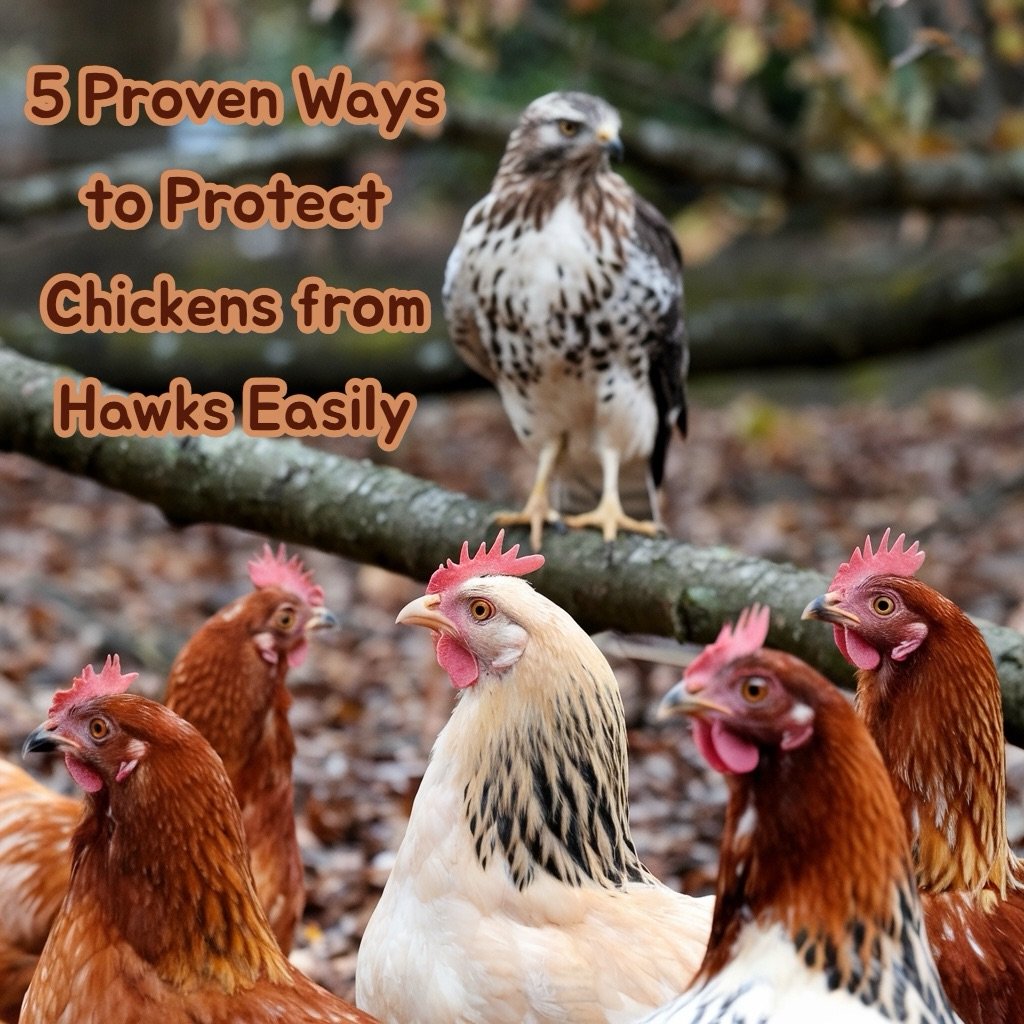
If hawks are one of your biggest concerns, you’ll also want to read 5 Proven Ways to Protect Chickens From Hawks Easily because there are several additional steps you can take beyond fencing alone.
Coyotes
Winner: Hardware Cloth Near the Coop
Coyotes are powerful.
If one wants access badly enough, no lightweight fencing should be your only line of defense.
Good fencing.
A secure coop.
Strong doors.
Buried protection.
A covered run.
All of those pieces work together.
That’s exactly what impressed me about the Weaver Family Farms setup.
It wasn’t relying on one magic solution.
Everything worked together.

Don’t Forget About Your Doors
One thing people spend surprisingly little time thinking about is the gate.
You can build the strongest chicken run in the world, but if the gate doesn’t close tightly or has gaps around the edges, predators will eventually find them.
As I walked through the run, I noticed the gate felt just as solid as the rest of the structure.
That consistency matters.
The gate shouldn’t become the weakest point.
Cost Comparison
Chicken wire definitely wins when you’re looking strictly at cost per foot.
If you’re fencing a very large enclosure like the 75-foot run I toured, that’s an important consideration.
Hardware cloth costs considerably more.
But replacing chickens after a predator attack costs even more.
That’s why I think the smartest approach is balancing the two.
Spend money where it provides the biggest increase in security.
Save money where lighter fencing will still do the job.
That gives you a much better return than automatically buying the most expensive material for every square inch of your project.
My Ideal Combination
If I were starting a new predator-proof chicken run tomorrow, here’s the approach I’d take after seeing what worked so well at Weaver Family Farms.
I’d use hardware cloth around:
- Coop windows
- Vent openings
- Pop doors
- Nest box access
- Areas where predators could reach through
For large sections of the run, I’d consider quality chicken wire where appropriate, especially when combined with good design, enclosed roofing, buried protection, and regular inspections.
That combination gives you excellent protection without making the project unnecessarily expensive.
Fencing Is Only Part of the Equation
The more chicken keepers I meet, the more I realize predator protection is really a system.
Good fencing.
Strong doors.
Clean latches.
Covered roofing.
Secure water.
Healthy birds.
Enough room to move.
Everything works together.
That’s why I like linking projects together instead of treating them as separate topics.
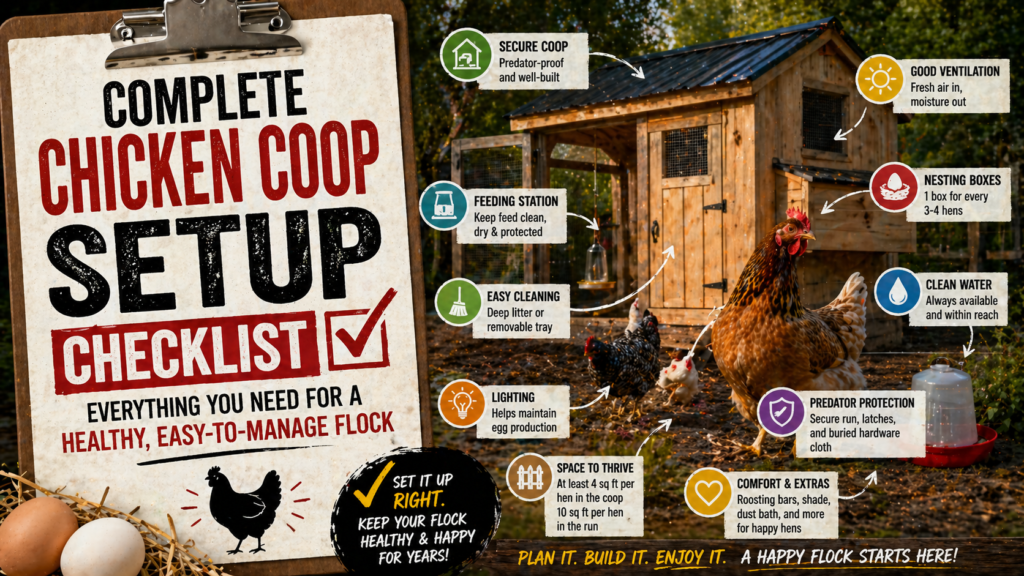
If you’re planning a brand-new setup, I’d also recommend reading Complete Chicken Coop Setup Checklist before you start buying materials.
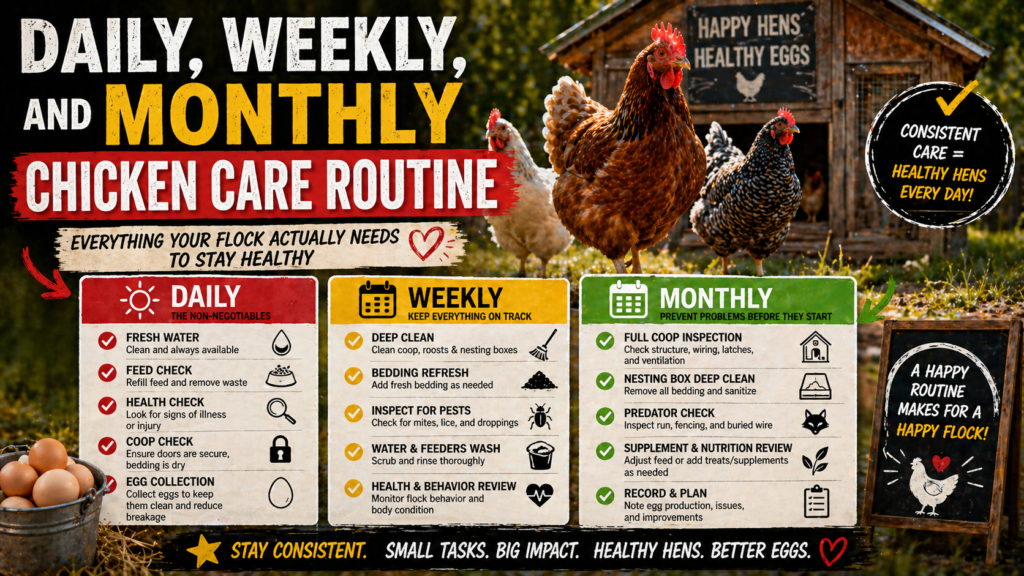
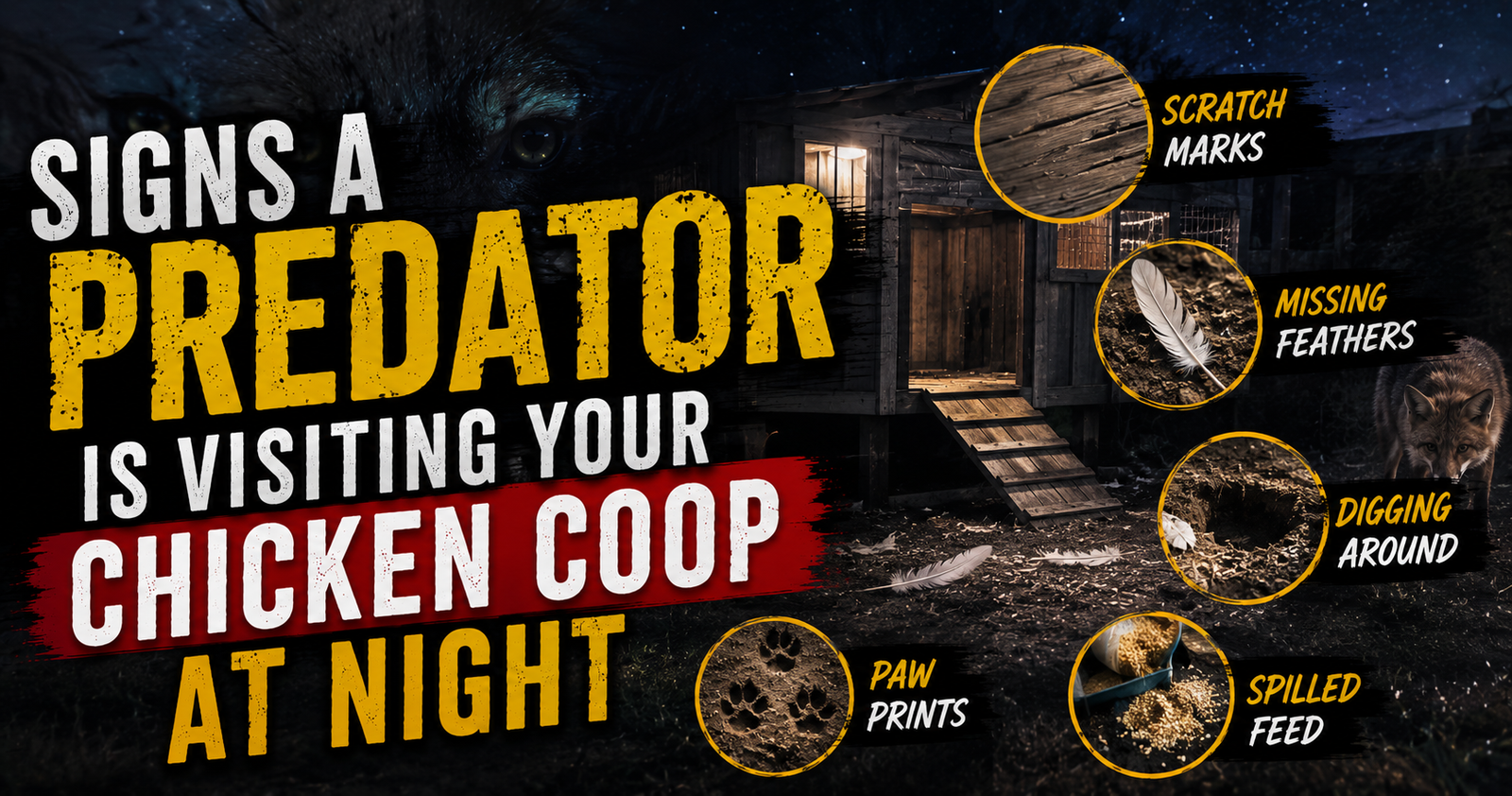
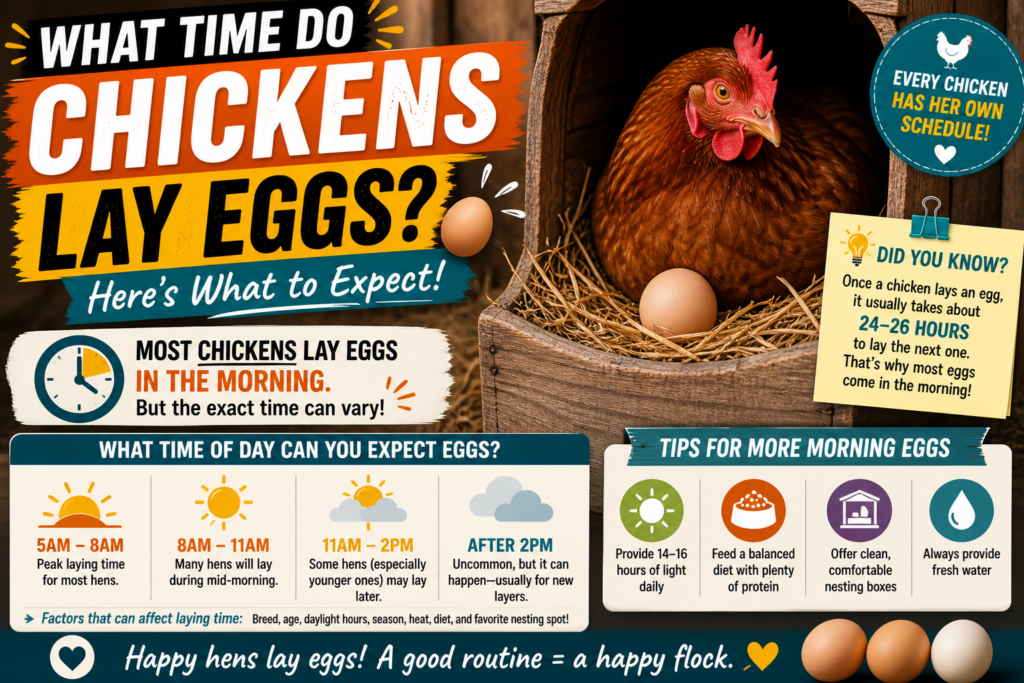
Keeping chickens healthy after the coop is finished is just as important. Articles like Daily, Weekly and Monthly Chicken Care Routine and What Do Chickens Need to Survive? Start With These 7 Essentials pair nicely with this topic because they help you think beyond just the fencing.
Which One Would I Buy?
After comparing both and seeing how experienced chicken keepers build their enclosures, I don’t think there’s one universal winner.
If I were building a small coop where raccoons regularly visit, I’d spend the extra money on hardware cloth without hesitation.
If I were enclosing a much larger outdoor run, I’d look at the overall design first.
Strong framing.
A covered roof.
Buried protection.
Quality latches.
Routine inspections.
Those features usually matter more than simply choosing one type of fencing over another.
The biggest lesson I took away from touring the large predator-proof chicken run at Weaver Family Farms wasn’t that one material beats the other.
It was that smart planning beats shortcuts every single time.
Frequently Asked Questions
Is hardware cloth stronger than chicken wire?
Yes. Hardware cloth uses welded steel wire with much smaller openings, making it far more resistant to predators like raccoons and dogs.
Can raccoons break chicken wire?
They can. Raccoons are surprisingly strong and persistent. They may bend, pull, or tear lighter chicken wire if they find a weak spot.
Is chicken wire good enough for a chicken run?
It can be, especially for enclosing large outdoor areas when it’s combined with a solid frame, secure roof, buried fencing, and good predator prevention practices.
Should I bury hardware cloth or chicken wire?
Either can be buried, but many chicken keepers prefer using hardware cloth or reinforced fencing around high-risk areas because it provides greater durability over time.
Is hardware cloth worth the extra cost?
In many situations, yes. Around coops, windows, vents, and other vulnerable areas, the added strength can provide valuable peace of mind.
About the Author
Cole Mercer
Cole Mercer has spent years visiting backyard chicken keepers, touring homesteads, and learning directly from experienced poultry owners across the Midwest. He enjoys studying practical coop designs, predator prevention strategies, flock management, and everyday solutions that make raising chickens easier. Through Backyard Chicken Pro, Cole shares firsthand observations, real conversations with experienced chicken keepers, and practical advice that readers can confidently put to use in their own backyards.