I Used to Think a Fence Was Enough
When I first started learning about predator-proof chicken coops, I assumed a strong fence was all you needed.
If the chickens couldn’t get out, predators couldn’t get in.
Simple enough.
Then I started talking with more experienced chicken keepers and touring different setups, including the impressive predator-proof chicken run at Weaver Family Farms.
One detail Daxon pointed out during our visit stuck with me more than almost anything else.
The protection didn’t stop where the fence met the ground.
It actually continued underground.
That makes a lot of sense once you think about how predators behave.
Most of them aren’t trying to climb over your fence.
They’re trying to go under it.
If you’re wondering how deep you should bury hardware cloth around your chicken coop or run, here’s what I’ve learned after researching the topic and seeing one of the best predator-proof chicken setups I’ve visited.
Why Bury Hardware Cloth at All?
Most predators aren’t discouraged when they find a fence.
They’re encouraged.
Once they smell chickens, they’ll start looking for the easiest way inside.
Sometimes they’ll climb.
Sometimes they’ll pull on fencing.
Very often…
They dig.
Foxes.
Coyotes.
Dogs.
Raccoons.
Even opossums occasionally start digging around the edges of a coop or run.
That’s why so many experienced chicken keepers don’t stop their protection at ground level.
They extend it underground using hardware cloth.
Why Hardware Cloth Works Better Underground
If you’re going to spend the time digging a trench around your coop, it’s worth using a material that can handle years underground.
Hardware cloth is one of the best choices because it’s welded instead of twisted.
It stays rigid.
It resists predators pulling against it.
The smaller openings also prevent animals from reaching through once they encounter it.
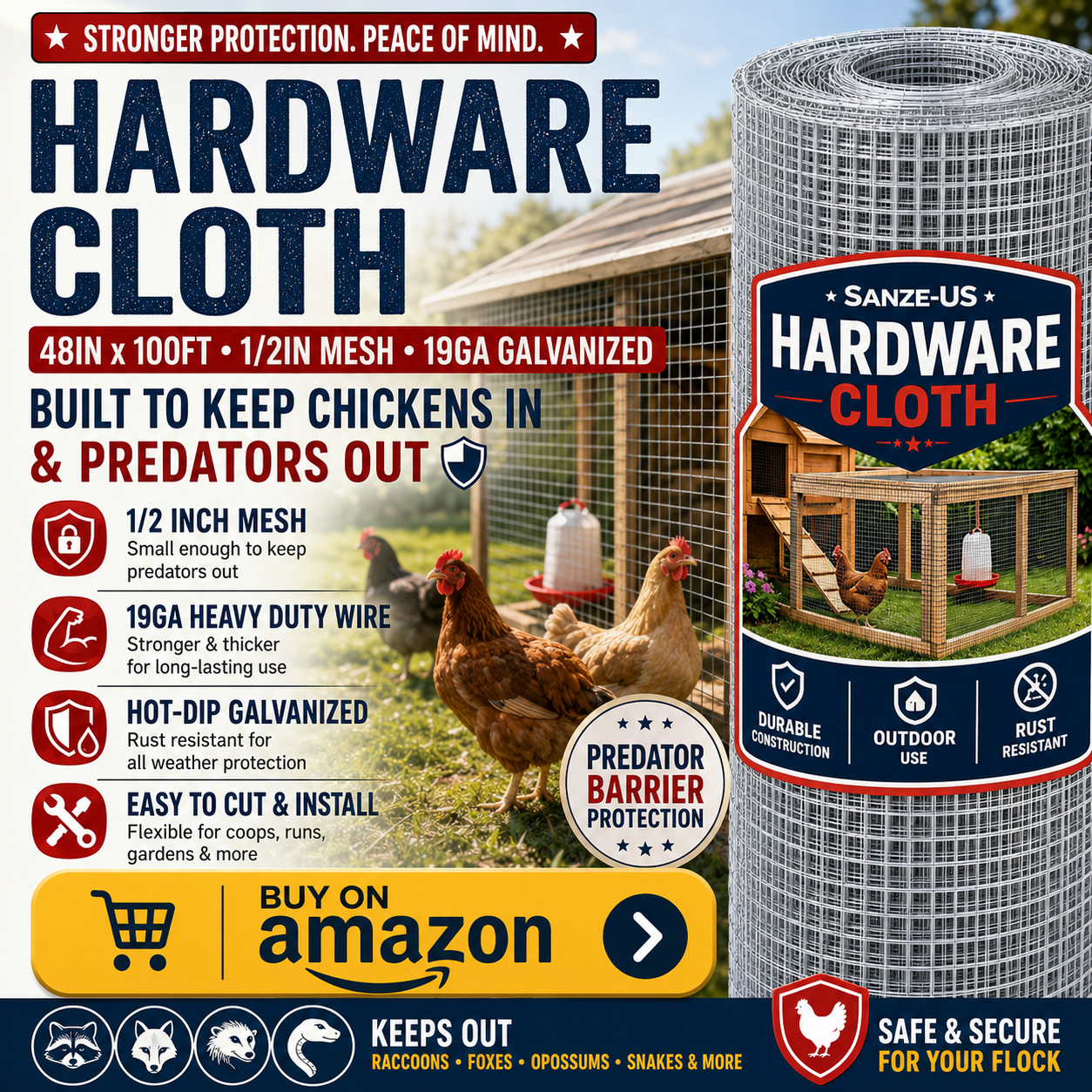
If you’re building a new coop or upgrading an existing one, I’d start with quality hardware cloth like this 48-inch by 100-foot roll of ½-inch, 19-gauge hardware cloth.
It’s the type of material I’d personally choose anywhere predator protection is the priority.
So…How Deep Should You Bury It?
This is the question everyone asks.
The good news is you usually don’t need to dig several feet into the ground.
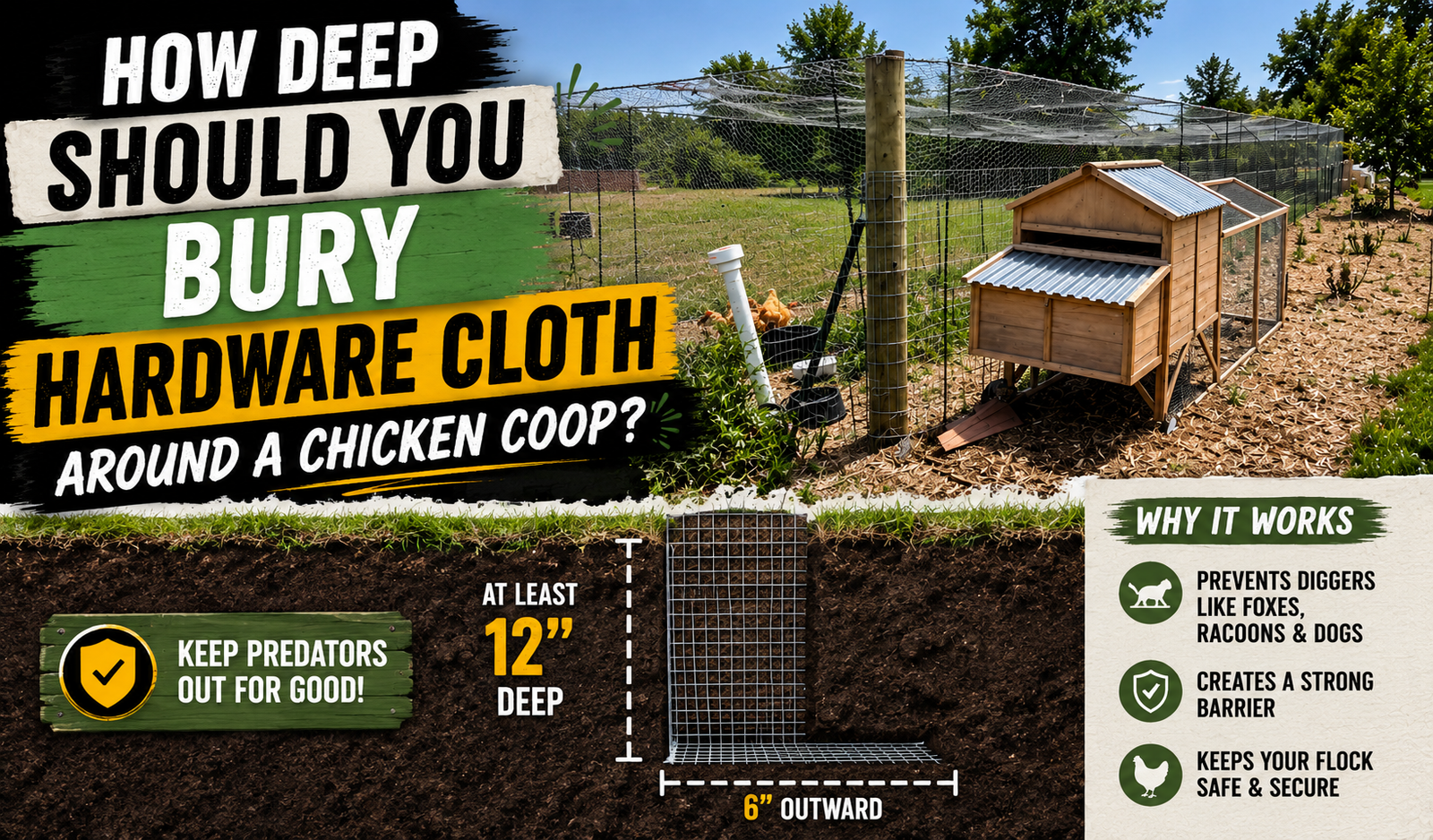
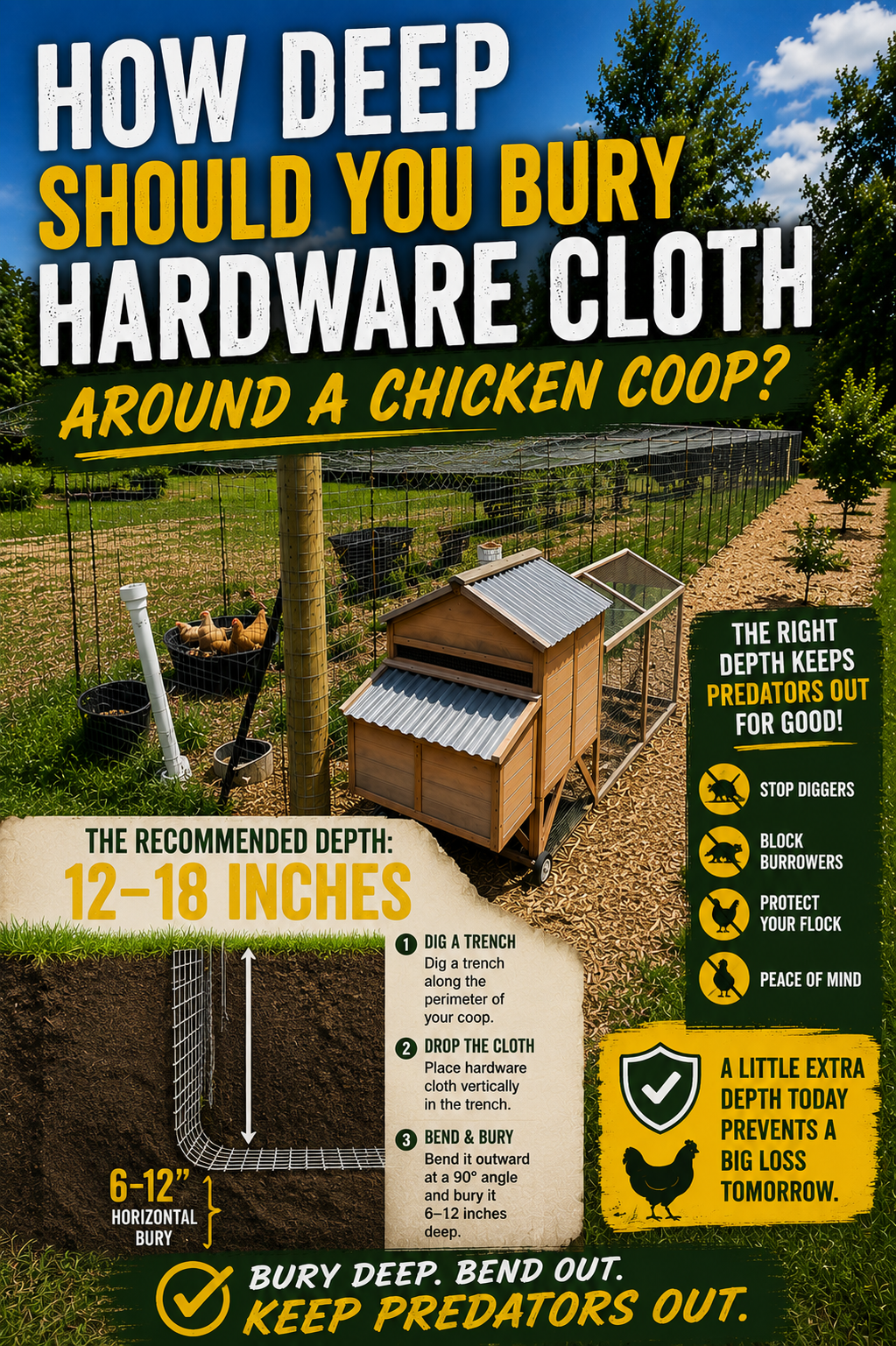
For most backyard chicken coops, about 12 inches deep provides excellent protection when combined with a properly secured fence.
Some chicken keepers go deeper.
Others create what’s known as a predator apron instead.
Both methods can work extremely well when installed correctly.
The important thing is making predators give up before they ever reach the inside of your enclosure.
What Is a Predator Apron?
Before touring the large chicken run at Weaver Family Farms, I hadn’t really appreciated how effective predator aprons can be.
Instead of burying fencing several feet down, many people extend hardware cloth outward along the ground around the outside of the coop.
Grass eventually grows over it.
Predators begin digging next to the fence.
Instead of finding loose dirt, they immediately hit wire.
Most animals won’t back up several feet and start digging again.
They simply move on.
It’s a surprisingly simple solution that has proven itself on countless backyard chicken coops.
The Predator-Proof Chicken Run I Visited Used Underground Protection
While walking around the 10×75 chicken run at Weaver Family Farms, Daxon explained that predator protection started before the first chicken ever moved inside.
Wire wasn’t just attached to the sides.
Protection continued around the perimeter to help discourage digging animals.
Seeing that firsthand reinforced something I’ve heard from experienced chicken keepers for years.
It’s much easier to prevent digging predators than it is to rebuild your flock after losing birds.
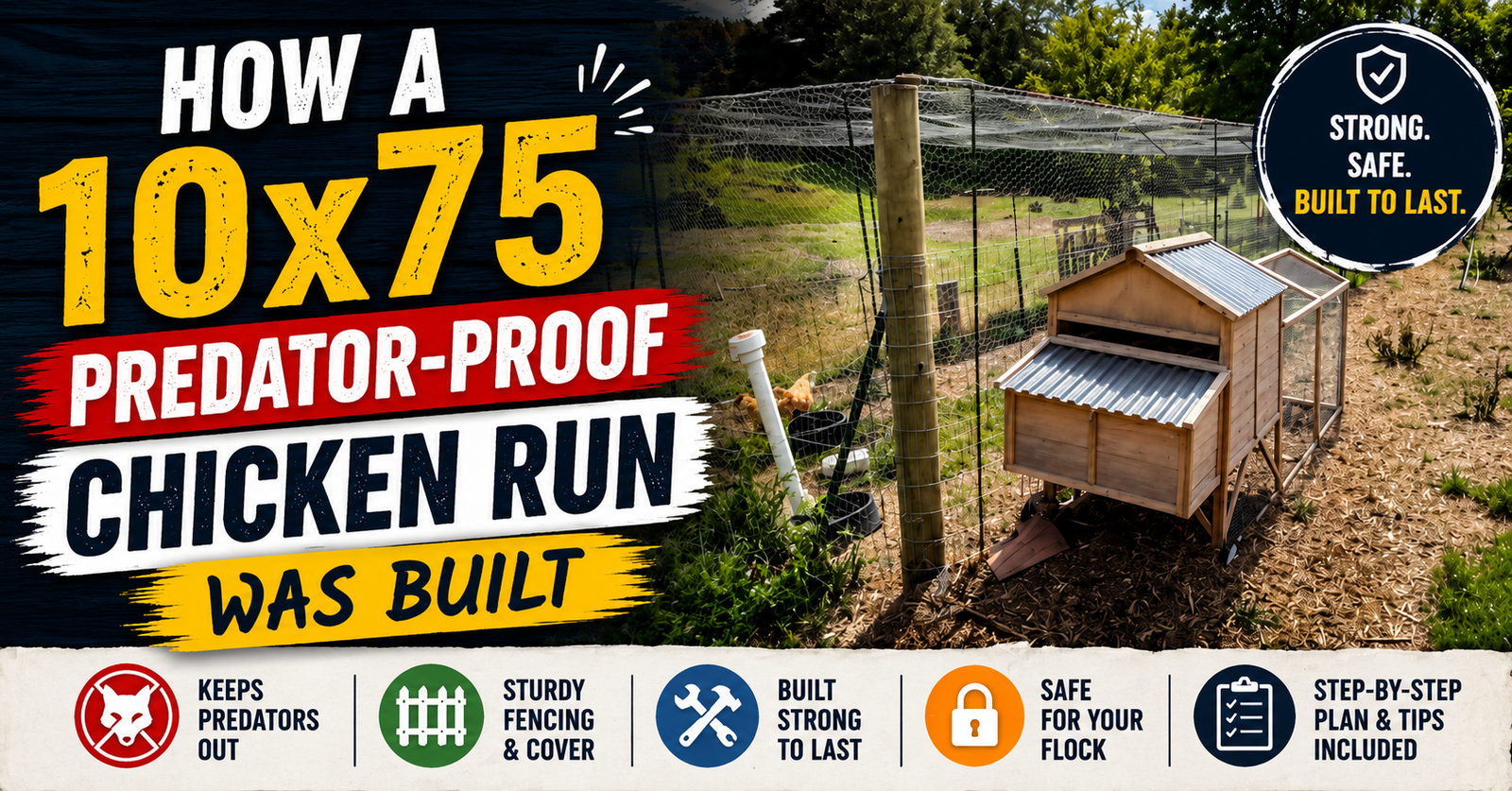
If you haven’t seen that incredible setup yet, I highly recommend reading How a 10×75 Predator-Proof Chicken Run Was Built. Touring it gave me several practical ideas I’d gladly use on my own property.
Should You Use Chicken Wire Underground?
This question comes up quite a bit.
Can you bury chicken wire?
Yes.
Should you?
That depends on your goals.
Chicken wire works well for enclosing large areas and keeping chickens where they belong.
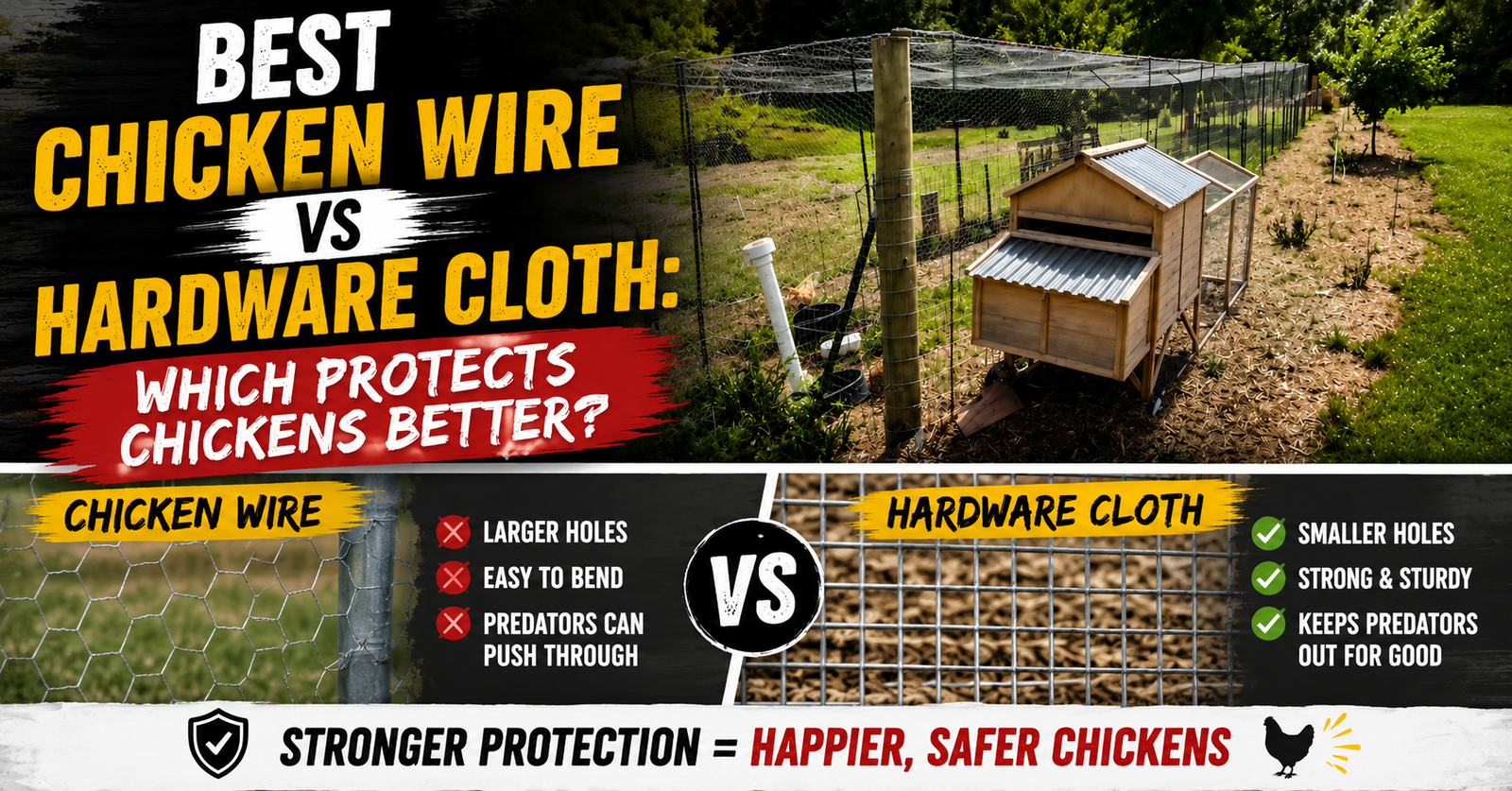
If you haven’t already, I’d recommend reading Chicken Wire vs. Hardware Cloth: Which Protects Chickens Better?because it explains where each material shines.
For underground predator protection, though, I lean toward hardware cloth.
Its welded construction simply provides more confidence when you’re trying to stop determined predators.
Chicken wire still has its place, especially on large walk-in runs where covering hundreds of square feet economically becomes important.
For those larger projects, a 150-foot roll of galvanized chicken wire can still be an excellent value.
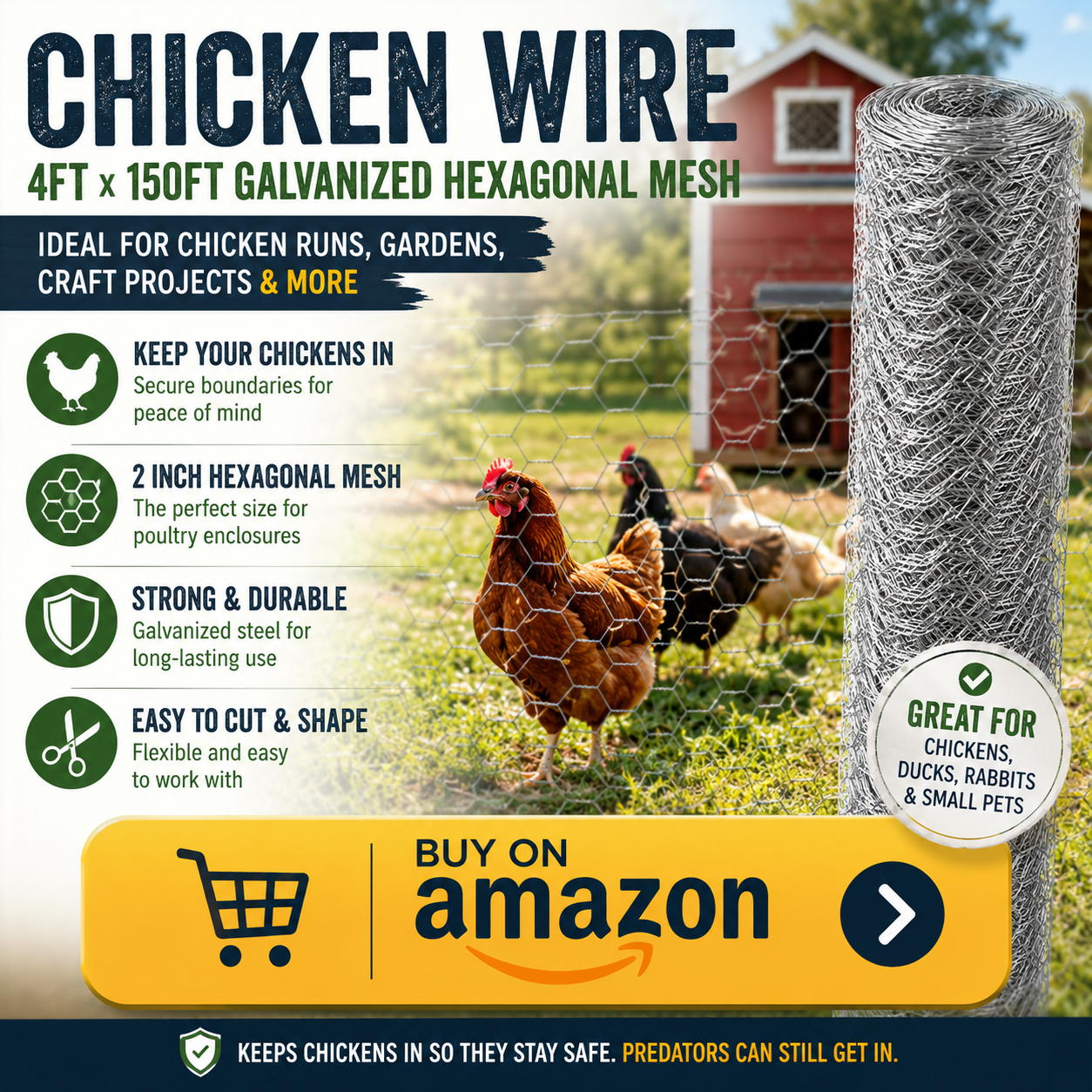
The key is using each material where it makes the most sense instead of assuming one product should do everything.
Digging Predators Don’t Think Like We Do
One thing I’ve learned over the years is that predators don’t attack the way most people imagine.
They don’t usually run straight into the side of your coop.
They investigate.
They sniff.
They circle.
They test weak spots.
They return night after night if they know chickens are inside.
That’s exactly why underground protection is so important.
You’re not trying to outmuscle a predator.
You’re trying to convince it the meal isn’t worth the effort.
When they hit buried hardware cloth over and over without making progress, they’ll often move on to an easier target.
How Wide Should a Predator Apron Be?
One question I hear almost as often as “How deep should I bury hardware cloth?” is how wide the apron should extend.
There’s no single perfect answer because every property is different, but many experienced chicken keepers recommend extending the hardware cloth 12 to 24 inches away from the outside of the coop or run.
The goal isn’t to trap predators.
The goal is to frustrate them.
A fox or raccoon usually starts digging right beside the fence because that’s where they expect the opening to be.
Instead, they immediately hit hardware cloth.
Very few predators back up two feet and start digging all over again.
Most simply move on looking for an easier meal.
Don’t Forget the Corners
As I walked around the predator-proof chicken run at Weaver Family Farms, something else stood out.
Corners received just as much attention as the straight sections.
That’s important because corners often become the first place predators investigate.
They’re natural weak points if they’re not built carefully.
Whether you’re burying hardware cloth or installing a predator apron, don’t rush through the corners.
Take the extra few minutes to secure them well.
It’ll pay off for years.
Inspect Your Barrier Every Few Months
Even the best fencing deserves an occasional inspection.
Weather changes.
Heavy rain can expose buried sections.
Tree roots shift.
Animals may test the same spot repeatedly.
A quick walk around your coop every month or two can catch small issues long before they become expensive ones.
I like checking for:
- Loose staples or fasteners
- Exposed hardware cloth
- Fresh digging
- Bent wire
- Rust beginning to develop
- Gaps around gates
Five minutes of maintenance is much easier than replacing part of your flock.

Don’t Rely on Fencing Alone
One thing touring larger chicken setups has taught me is that predator protection is never just one product.
It’s a combination of smart decisions.
Strong fencing.
Secure doors.
Good latches.
Covered runs.
Underground protection.
Regular inspections.
Motion lights or cameras if needed.

Healthy chickens also tend to be more alert, which is another reason I recommend following a regular flock care routine. Our Daily, Weekly and Monthly Chicken Care Routine pairs nicely with this article because many predator problems start with overlooked maintenance.
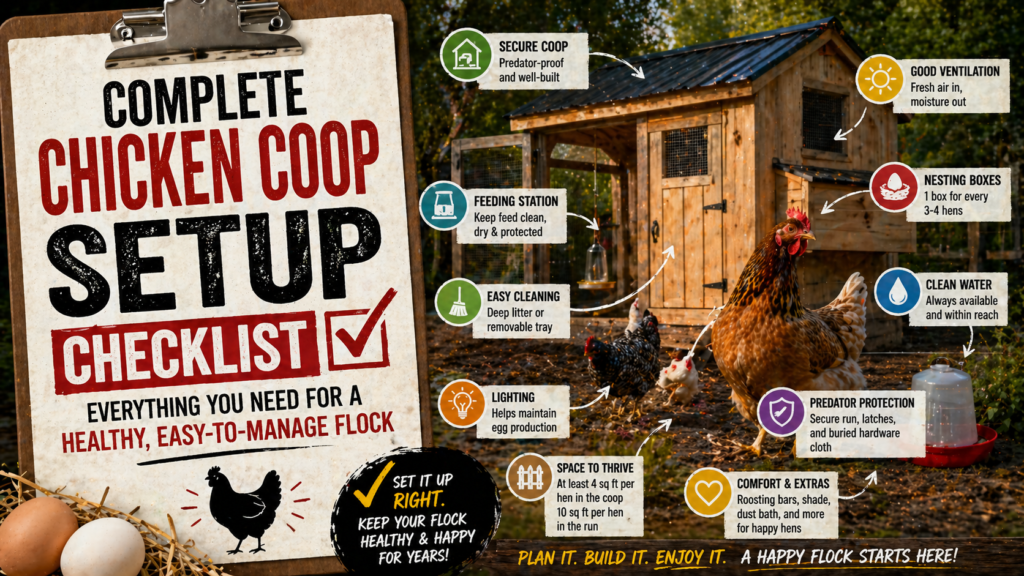
If you’re still designing your coop from scratch, Complete Chicken Coop Setup Checklist is another resource worth bookmarking before you buy materials.
My Biggest Takeaway
If someone asked me whether they should bury hardware cloth after everything I’ve learned, my answer would be yes.
Seeing the attention to detail at Weaver Family Farms only reinforced that opinion.
The builders weren’t assuming predators would stay away.
They planned as if predators would eventually show up.
That’s the mindset I think every chicken owner should have.
You don’t build for the average night.
You build for the one night when a hungry fox, raccoon, or coyote decides your flock is worth the effort.
Adding buried hardware cloth takes more work today, but it can prevent heartbreak later.
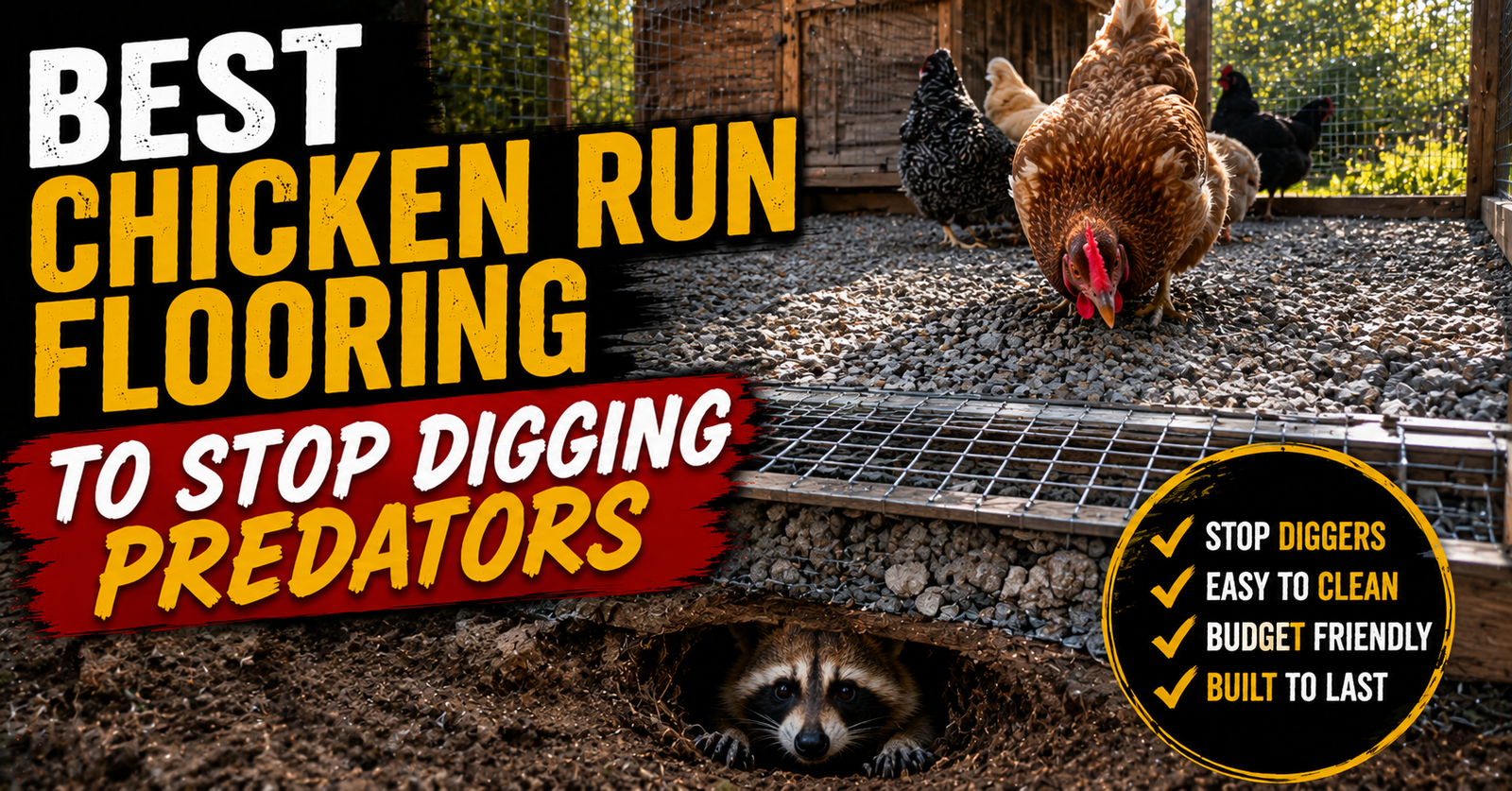
Once you’ve protected the underground perimeter, don’t forget the surface inside the run. Poor drainage and soft soil can create new weak spots over time, even if your buried hardware cloth is installed correctly. I cover the different options in Best Chicken Run Flooring to Stop Digging Predators so you can choose a surface that works well with your predator protection plan.
Frequently Asked Questions
Is 12 inches deep enough for buried hardware cloth?
For many backyard chicken coops, yes. About 12 inches provides excellent protection when combined with a secure fence or a properly installed predator apron.
Is a predator apron better than burying hardware cloth?
Both methods work well. A predator apron often requires less digging while still stopping many digging predators before they reach your coop.
Can I attach hardware cloth to an existing chicken coop?
Absolutely. Many chicken owners retrofit older coops by attaching hardware cloth around the base and adding either buried protection or a predator apron.
Will hardware cloth rust underground?
Quality galvanized hardware cloth is designed to resist rust for many years, although periodic inspections are still a good idea.
Should I use chicken wire or hardware cloth underground?
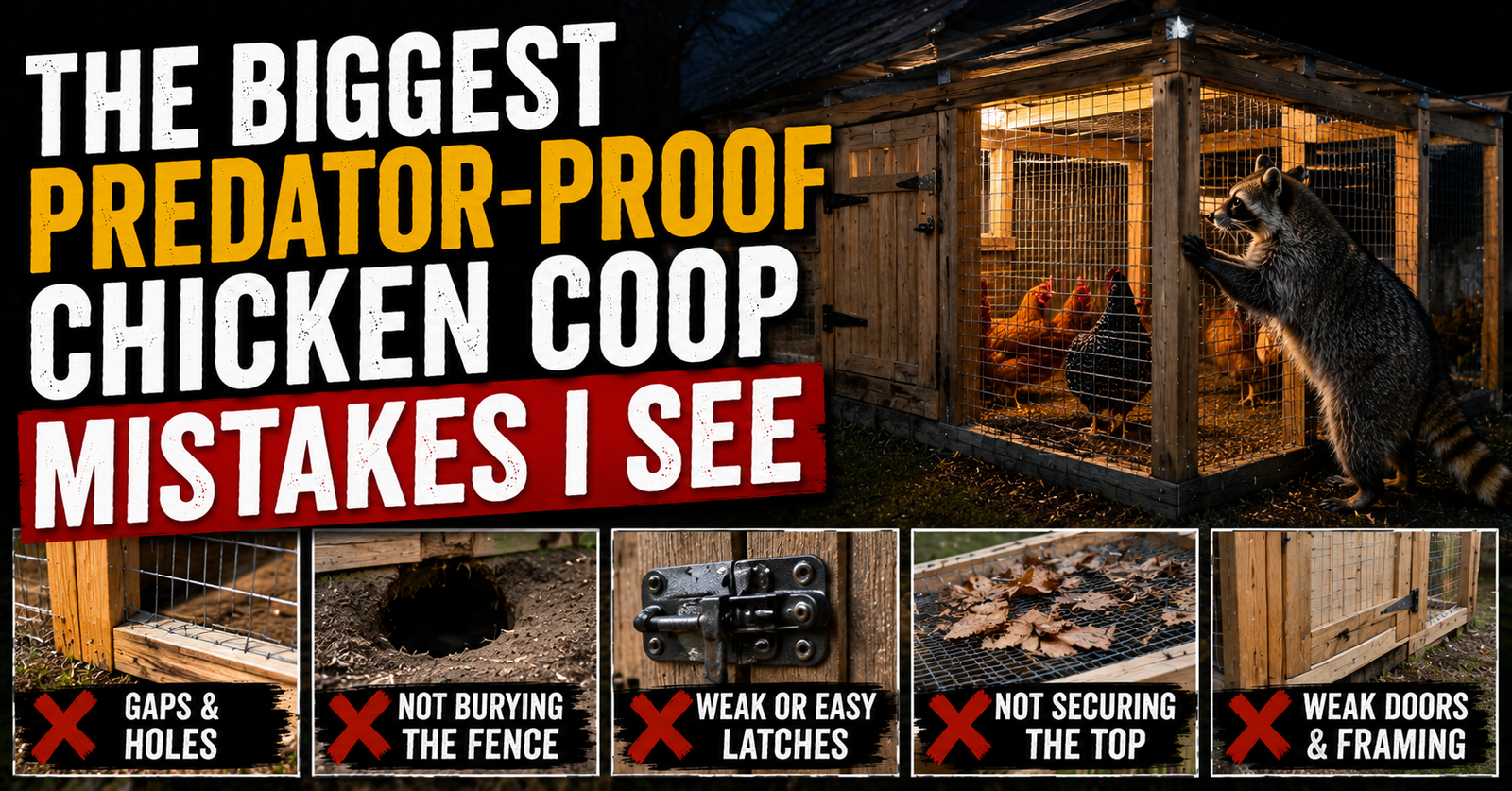
For underground predator protection, I’d choose hardware cloth. Chicken wire is still useful for enclosing larger runs, but hardware cloth offers more strength where digging predators are a concern. Once the underground barrier is handled, larger predator-proofing mistakes covers other vulnerable areas that are easy to miss.
About the Author
Nathan Holloway
Nathan Holloway specializes in predator prevention, chicken coop construction, and practical backyard flock security. He regularly visits farms, studies real-world chicken housing designs, and learns directly from experienced poultry keepers to find solutions that actually work. Through Backyard Chicken Pro, Nathan shares hands-on observations, construction ideas, and proven strategies to help backyard chicken owners build safer, longer-lasting homes for their flocks.