

Foxes Are One of the Cleverest Predators You’ll Ever Deal With
Most people picture foxes as shy animals that avoid people.
That might be true most of the time.
But if you’ve got chickens, a hungry fox can become incredibly determined.
I’ve talked with quite a few backyard chicken owners who thought their coop was secure until a fox proved otherwise. After spending time at Weaver Family Farms and touring the predator-proof chicken run Daxon built, I left with a completely different appreciation for planning ahead instead of reacting after a predator attack.
One thing became obvious during that visit.
The run wasn’t designed around the question, “Will a predator show up?”
It was designed around the assumption that one eventually would.
That’s a mindset I think every chicken owner should adopt.
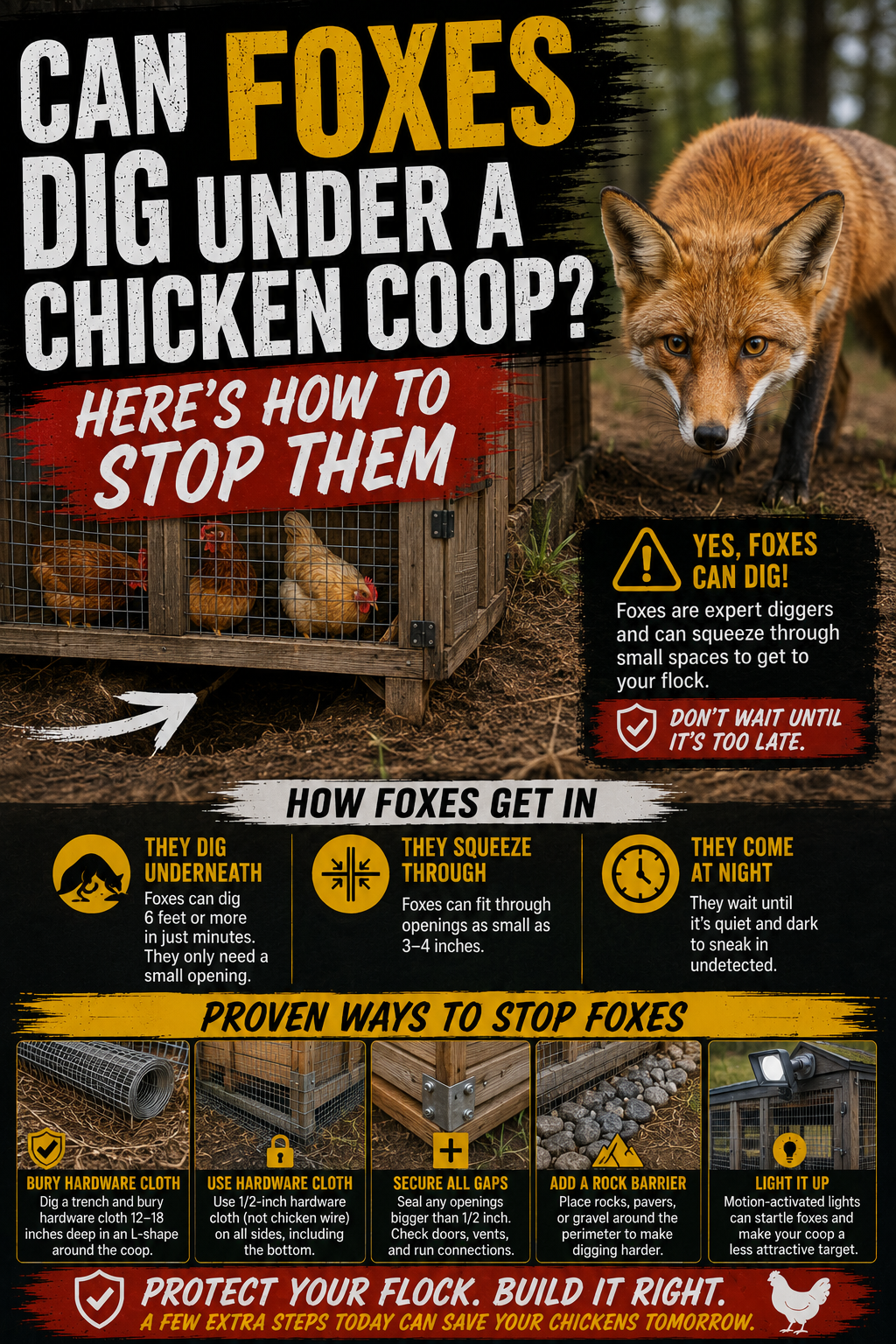
Yes, Foxes Can Dig Under a Chicken Coop
The short answer is yes.
In fact, digging is one of the first things many foxes try.
Foxes are efficient hunters.
If climbing over a fence looks difficult, they’ll usually start investigating underneath it instead.
They don’t need a huge opening.
If they can create enough space to squeeze through, they often will.

That’s why so many experienced chicken keepers don’t stop their fencing at ground level. For a full example of how those defensive ideas can shape a large enclosure, see this How a 10×75 Predator-Proof Chicken Run Was Built.
Foxes Usually Look for Weak Spots First
One thing I’ve noticed after talking with experienced poultry keepers is that foxes rarely attack randomly.
They investigate.
They walk around the coop.
They sniff.
They test corners.
They check gates.
If they discover soft ground beside your fencing, they’ll often begin digging there first.
The better your coop is built, the more likely they’ll move on before making much progress.
Hardware Cloth Is One of the Best Defenses
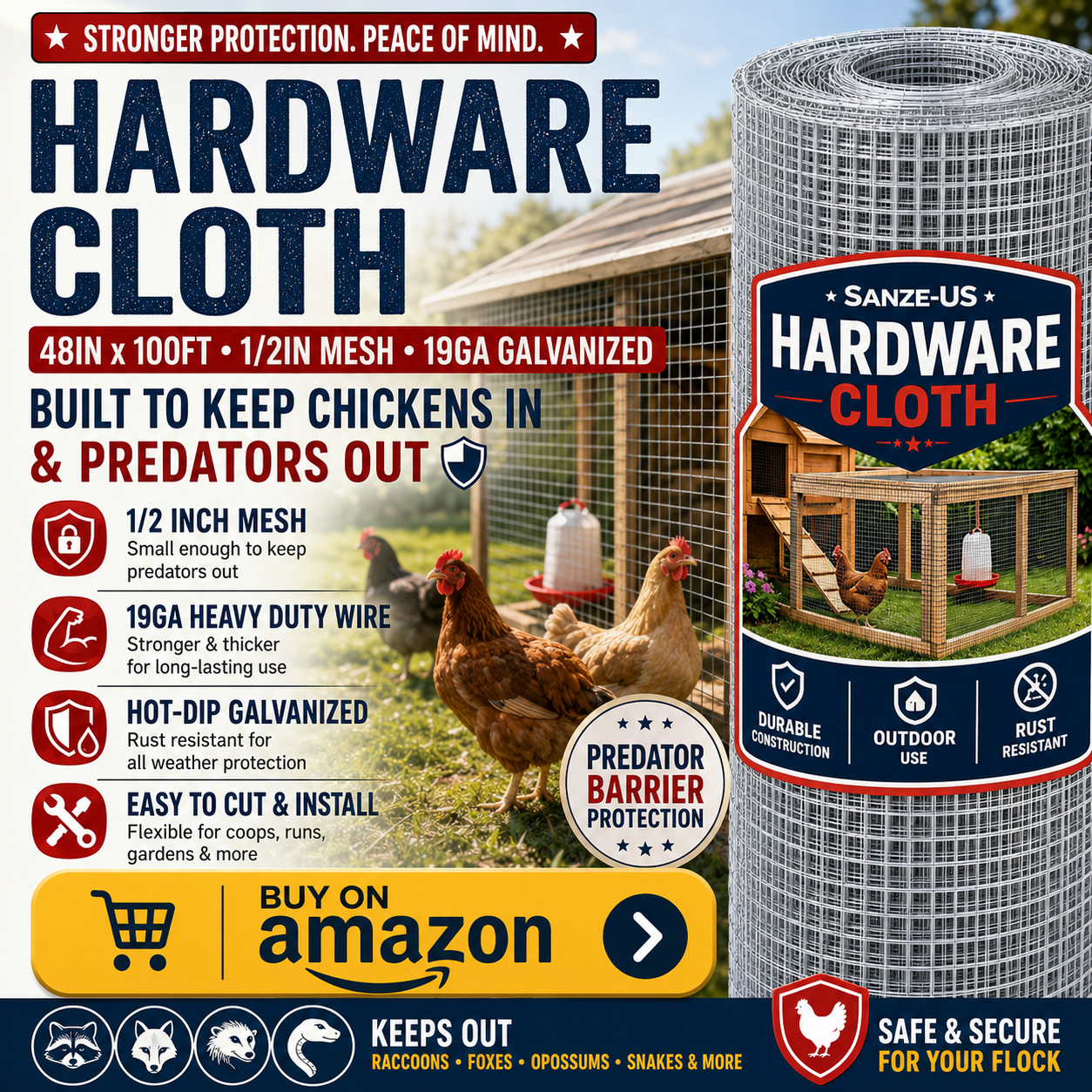
If I were building a coop specifically to stop digging predators, I’d start with quality 48-inch x 100-foot galvanized ½-inch hardware cloth around the lower sections of the coop and any area where predators might dig or reach through.
Its welded construction provides much more strength than traditional chicken wire and holds up much better when predators begin pulling against it.
It’s one of those upgrades that’s much easier to install during construction than after a problem develops.
Digging Protection Should Start Before Predators Arrive
One thing Daxon pointed out while showing me the chicken run at Weaver Family Farms was that underground protection was planned from the beginning.
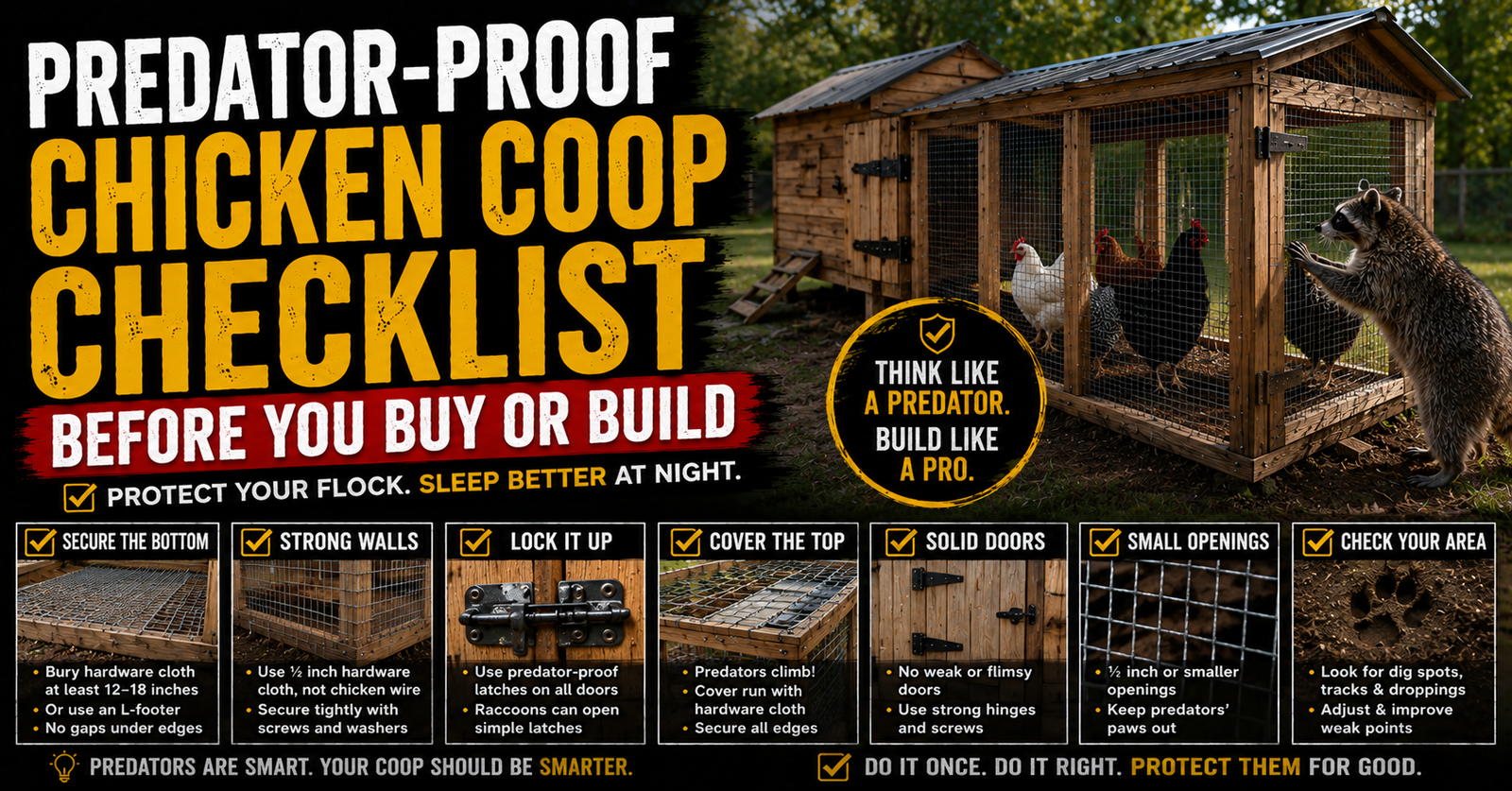
Foxes are persistent enough that I like thinking about the entire coop instead of just one weak spot. If you’re building a new enclosure or upgrading an existing one, my Predator-Proof Chicken Coop Checklist Before You Buy or Buildwalks through every major feature I’d inspect before calling the job finished.
Nobody waited until something started digging.
The barriers were already there.
That approach makes a lot of sense.
It’s always easier to stop a predator before it succeeds than after it discovers your chickens.
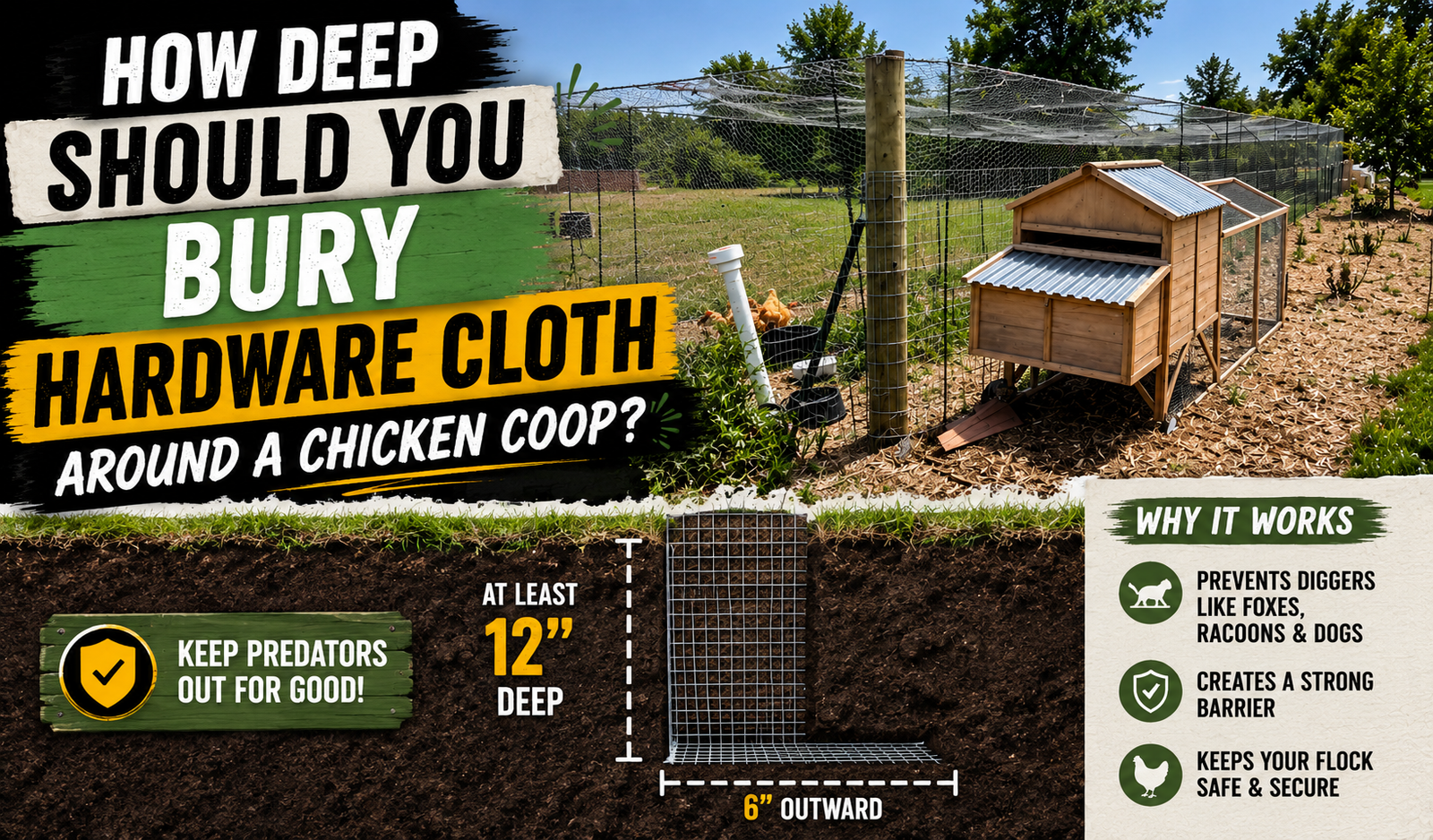
If you’re wondering how deep underground protection should go, this guide on burying hardware cloth around a chicken coop explains what many experienced chicken keepers recommend.
Should You Dig a Trench?
This is probably the biggest question people ask after deciding to install underground protection.
Some chicken keepers bury hardware cloth vertically around the perimeter.
Others install what’s known as a predator apron.
Both methods have proven themselves over the years.
The best choice often depends on your soil, your budget, and whether you’re building a brand-new coop or upgrading an existing one.
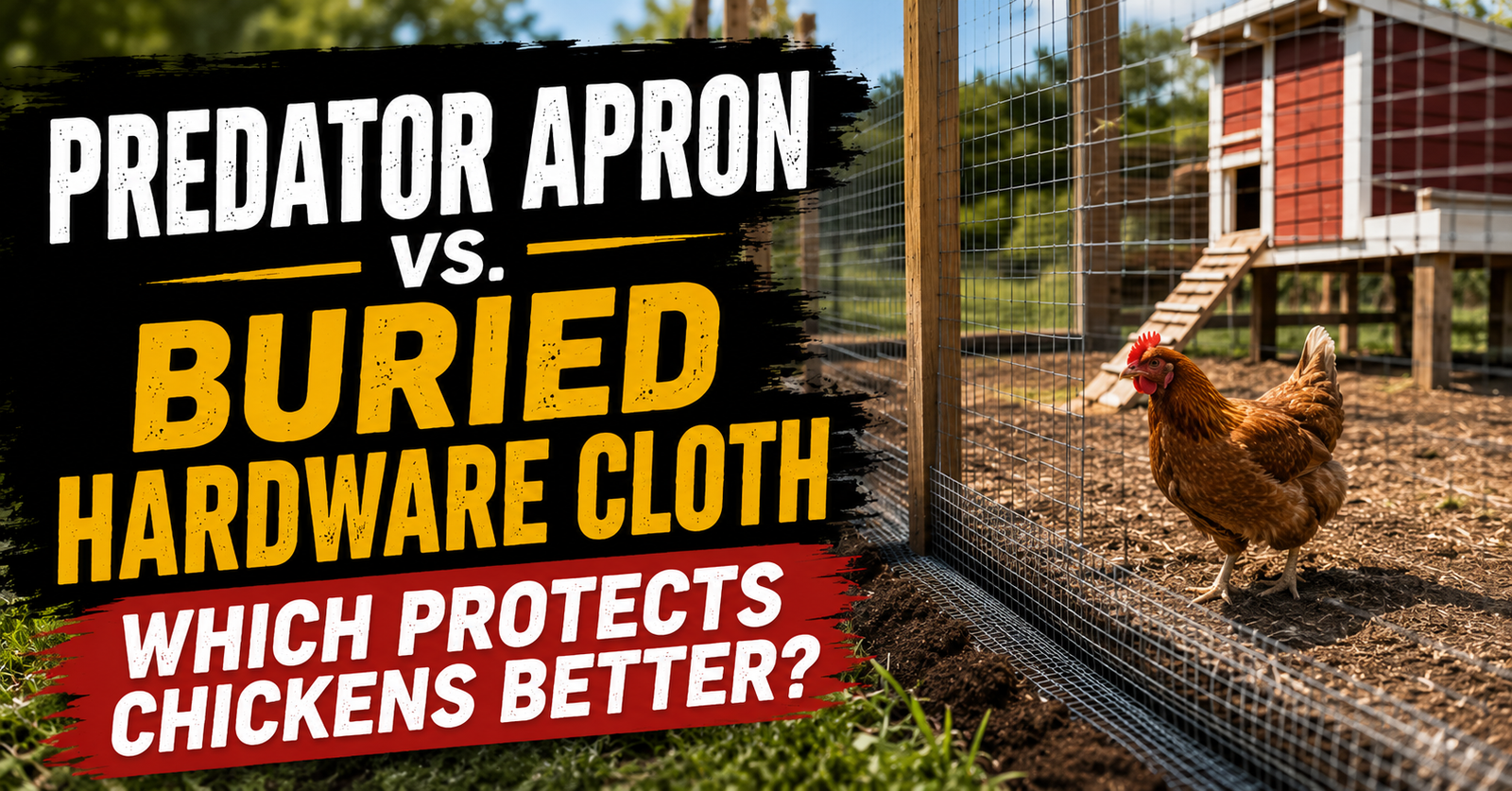
I recently compared both approaches in Should You Use a Predator Apron or Bury Hardware Cloth? if you’re still trying to decide which one makes the most sense for your property.
Chicken Wire Still Has a Place
Whenever this topic comes up, someone usually says chicken wire is completely useless.
I don’t think that’s fair.
Chicken wire does exactly what it was designed to do.
It keeps chickens where they belong.
It’s also an economical option for enclosing large runs.
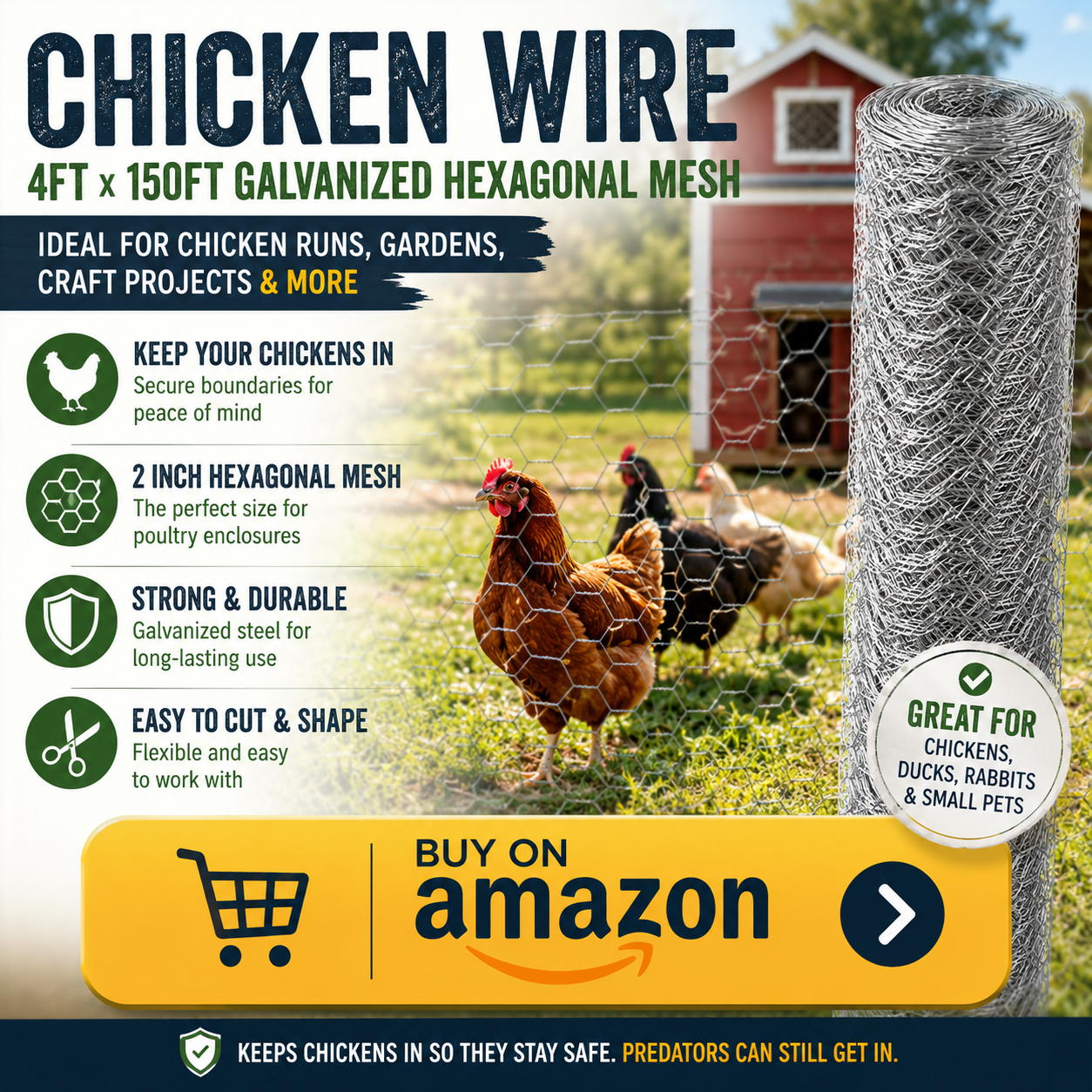
A 150-foot roll of galvanized chicken wire fencing can cover a surprising amount of ground without breaking the budget.
The key is understanding that chicken wire shouldn’t be your only line of defense where foxes regularly visit.
Using the right material in the right place is much more important than relying on one product for everything.
Foxes Are Patient Hunters
One thing that makes foxes different from some other predators is their patience.
They’ll often return several nights in a row.
If they don’t find a way inside the first evening, they’ll simply come back and investigate again.
That’s another reason regular inspections are so important.
A loose section of fencing today could become tomorrow night’s entry point.