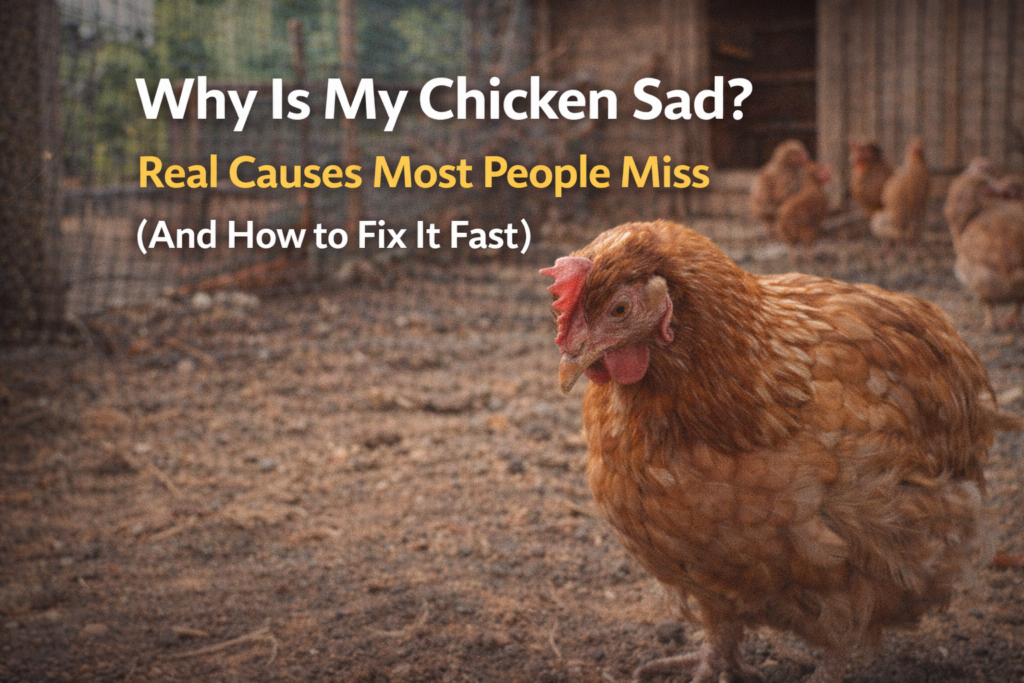
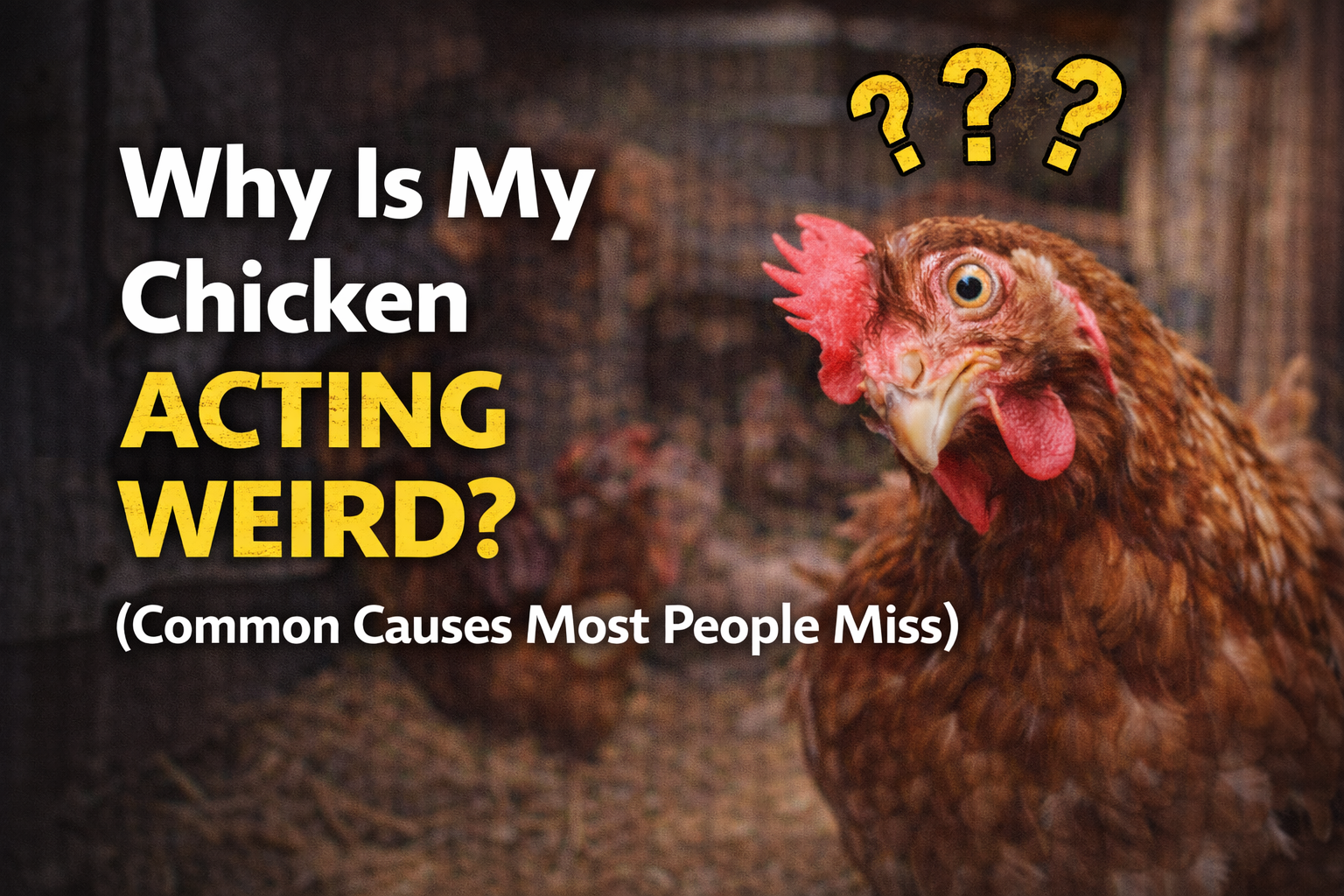
If you’ve ever walked out to your coop and noticed one of your chickens just standing there… quiet, withdrawn, not acting like the rest of the flock… it hits you right away something isn’t right.
A “sad” chicken isn’t just your imagination. Chickens absolutely show changes in behavior when something is off, and catching it early can make a huge difference in your flock’s health and egg production.
Let’s break down exactly what’s going on, what causes it, and what you should actually do about it.
What a “Sad” Chicken Actually Looks Like
Before jumping into causes, it’s important to understand what you’re seeing.
A chicken doesn’t show sadness like a person, but the signs are very clear once you know what to look for.
Common Signs Something Is Off
- Standing alone away from the flock
- Less active than normal
- Droopy wings or hunched posture
- Pale comb or a comb that looks off
- Not eating or drinking much
- Not laying eggs like usual
- Eyes look dull or half-closed
If you’re seeing a few of these together, don’t ignore it. Chickens are good at hiding problems until they get worse.

The Most Common Reason: Bullying in the Flock
One of the biggest causes of a “sad” chicken is straight up bullying.
Chickens have a pecking order, and when it gets out of hand, one bird can get pushed to the bottom hard.
What Bullying Looks Like
- One chicken constantly pecked or chased
- Getting pushed away from food or water
- Missing feathers on back or neck
- Staying off by itself most of the time
If this is happening, that chicken isn’t just “sad”… it’s stressed and possibly underfed.
👉 If you’re seeing pecking issues, this guide can help you fix it fast:
Quick tips to stop chickens pecking each other in your flock
Feather Loss and Pecking Can Spiral Fast
Sometimes what looks like sadness is actually the result of feather pecking or even chickens eating feathers.
This usually ties back to stress, boredom, or nutrition problems.
👉 This is one of the biggest issues flock owners run into, and it’s worth digging deeper here:
Why do chickens eat feathers? Top reasons explained
When feathers start going missing, chickens can quickly become withdrawn and uncomfortable, which makes them look “sad.”
Illness or Health Problems (Don’t Miss This One)
If your chicken is acting off, health issues should always be high on your list.
Chickens don’t complain. They just slow down.
Signs It Could Be Health-Related
- Sudden behavior change
- Not eating or drinking
- Staying in nesting box too long
- Droppings look abnormal
- Comb looks pale or floppy
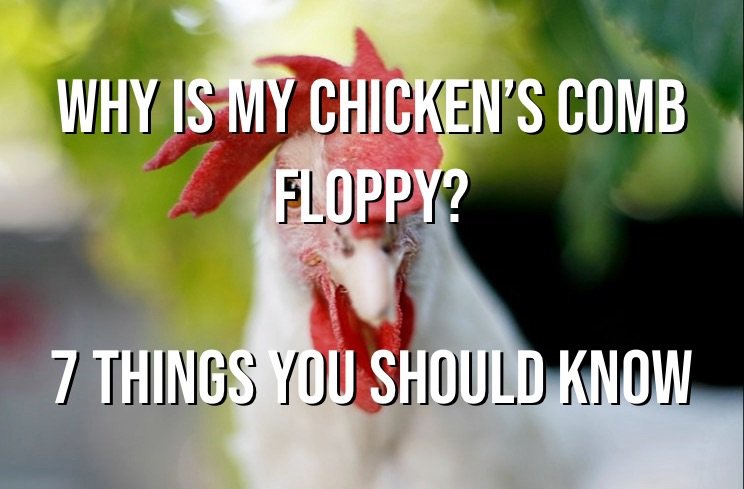
👉 A comb that suddenly looks off can be a big warning sign. This breakdown helps explain what it means:
Why is my chicken’s comb floppy? 7 things you should know
Egg Issues Can Make Chickens Act Miserable
A lot of times, a “sad” chicken is actually dealing with egg-related problems.
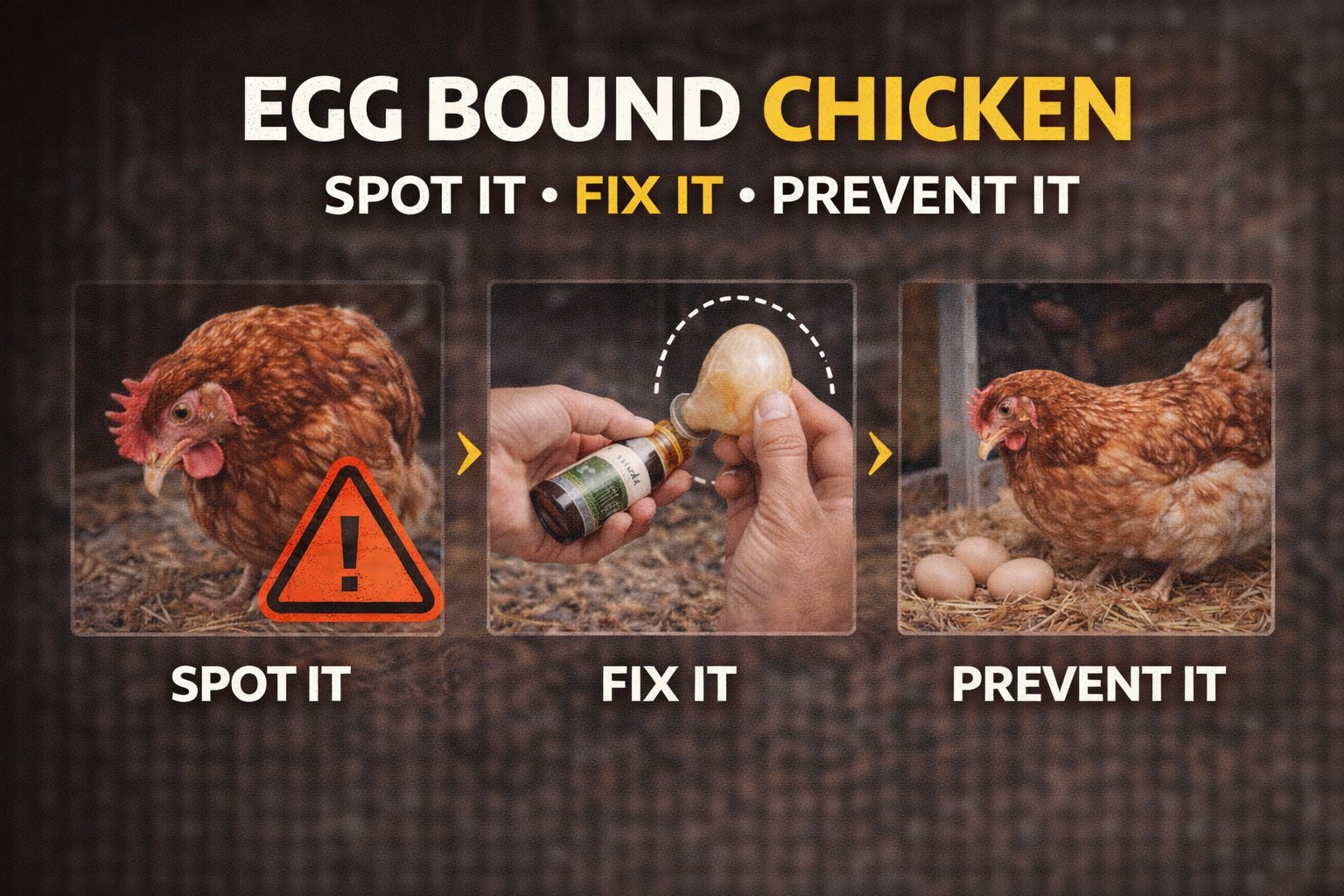
Common Egg Issues
- Egg binding
- Soft shells
- Internal laying stress
- Lack of calcium
These issues can cause discomfort, low energy, and isolation from the flock.
👉 If your hen has slowed down or stopped laying, this guide helps you pinpoint why:
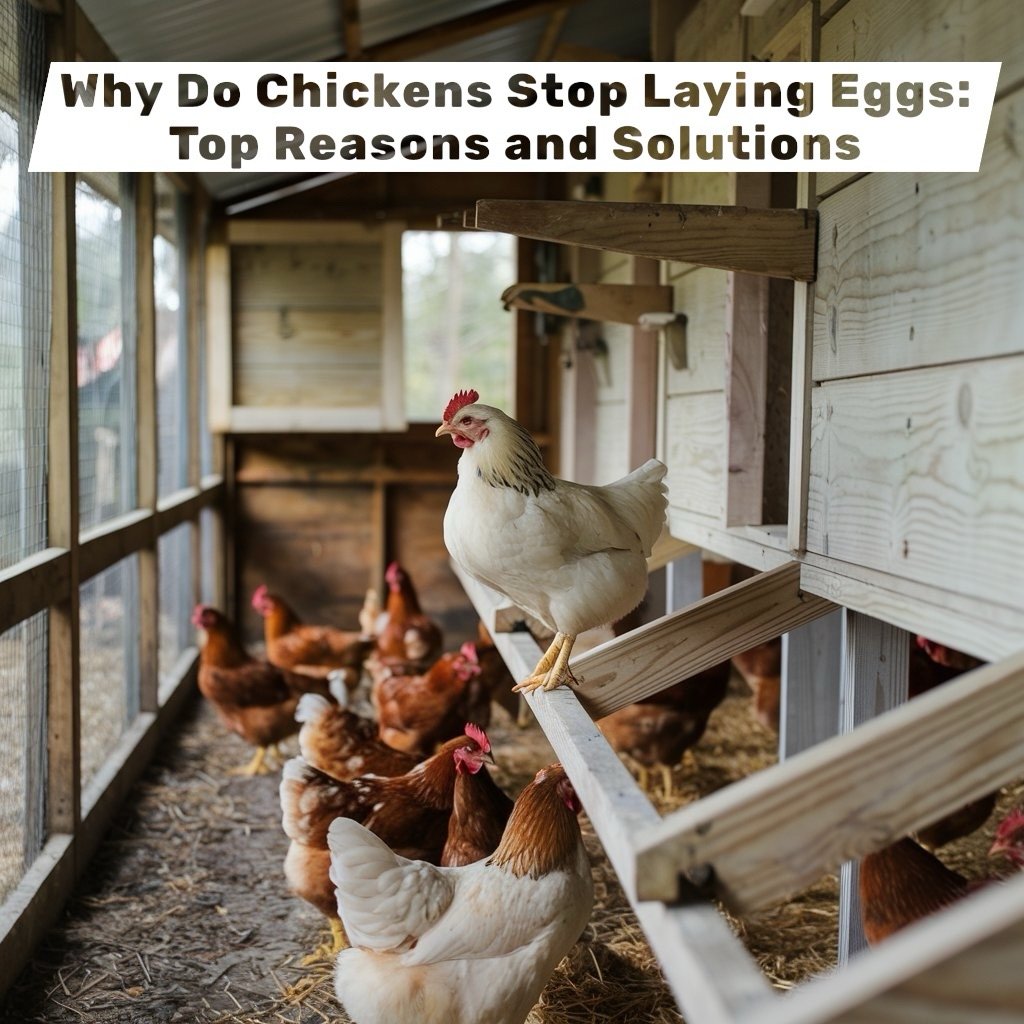
Why your chickens stopped laying and what you can do
👉 And if you’re dealing with weak eggs or shell issues:
Prevent soft eggs in chickens: top tips for strong shells
Nutrition Problems (Huge and Often Overlooked)
Chickens need a balanced diet, and when something is off, behavior changes fast.
Signs of Nutrition Issues
- Low energy
- Poor feather condition
- Thin body
- Egg problems
- Pecking or strange habits
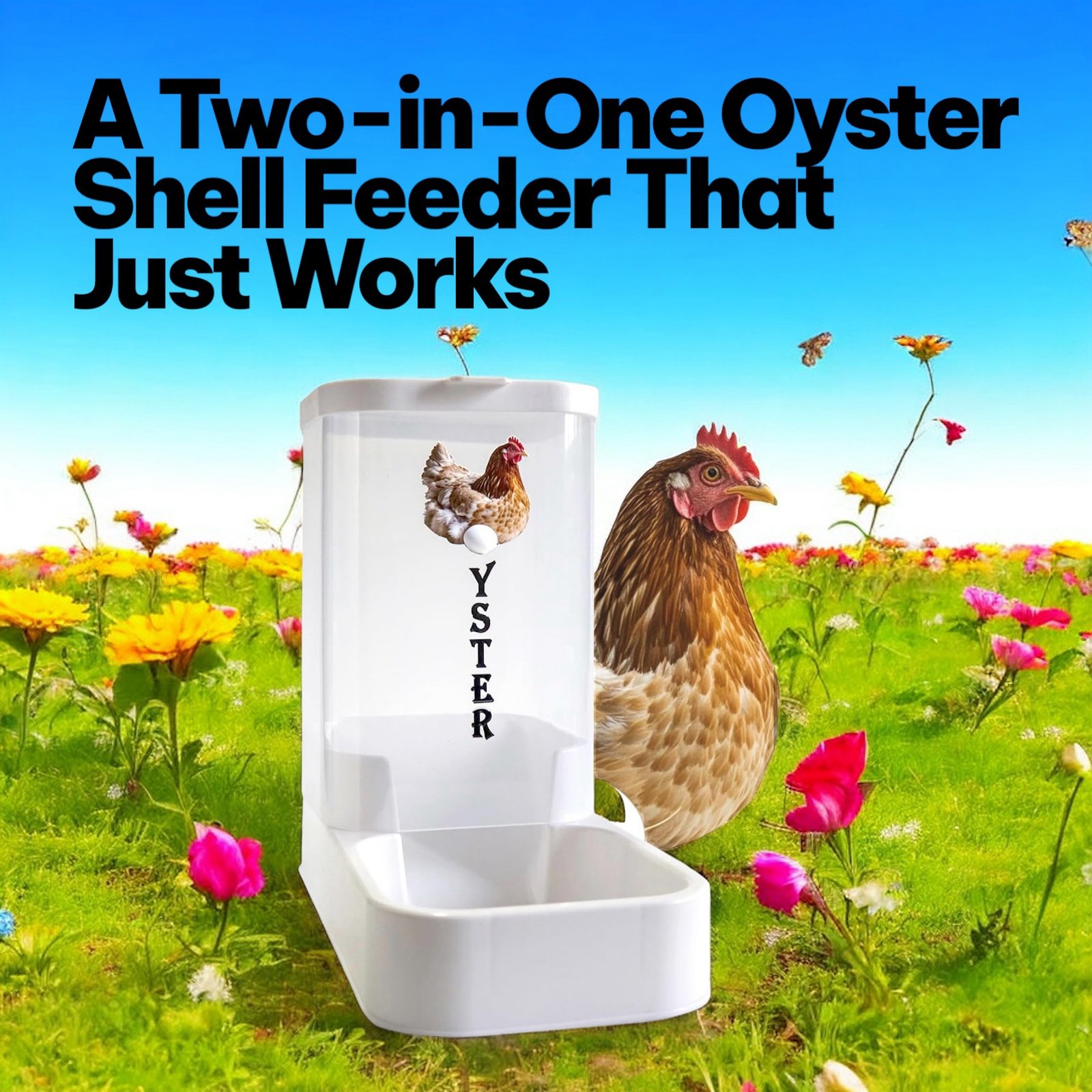
One of the biggest mistakes is not providing enough grit or calcium.
👉 If you’re not 100% sure you’ve got this right, this clears it up:
Chicken grit vs oyster shell – what’s the difference and do you need both
👉 And this explains why grit is non-negotiable:
Do chickens need grit? Yes, here’s why it’s non-negotiable
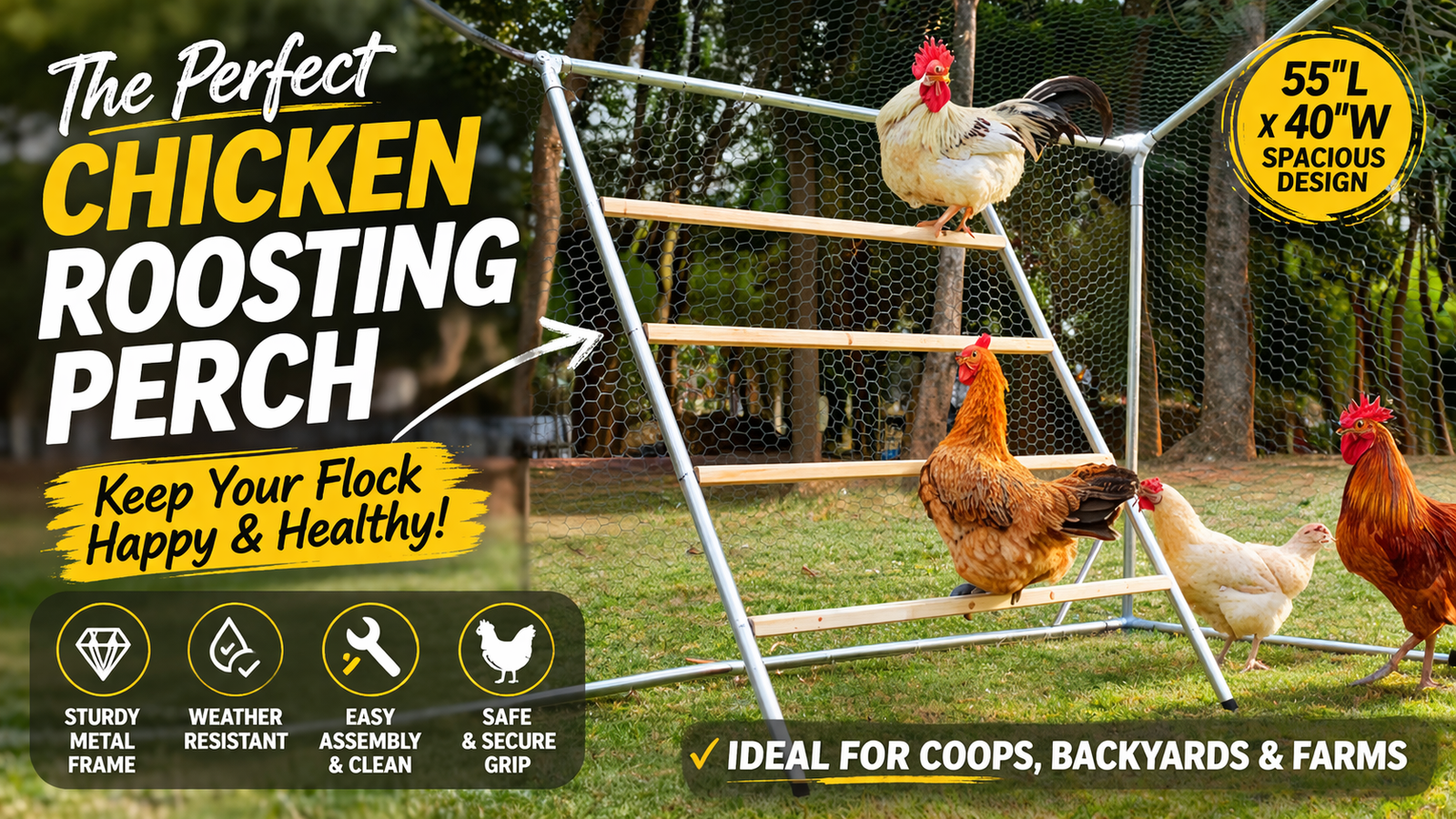
Boredom Is More Serious Than People Think
Chickens are not just eat-and-sleep animals. They need stimulation.
A bored chicken can quickly turn into:
- A bully
- A feather picker
- A withdrawn, inactive bird
Signs of Boredom
- Pecking others
- Eating feathers
- Standing around doing nothing
- Less interest in surroundings
👉 Free ranging can completely change behavior and improve mood:
7 real-life advantages of free range chickens
Even letting them scratch around for part of the day can bring a chicken back to life.
Stress From Coop or Environment
Sometimes it’s not the chicken… it’s the setup.
Common Stress Triggers
- Overcrowded coop
- Poor ventilation
- Dirty bedding
- Not enough nesting boxes
- Constant noise or disturbance
If your chickens are fighting over nesting space or avoiding the coop, that stress builds up fast.
👉 A proper setup can make a huge difference:
The nesting box setup that finally ended the egg hunt
Weather Changes Can Affect Behavior
Chickens are more sensitive to weather than most people realize.
Winter Issues
- Cold stress
- Frozen water
- Less daylight
👉 If you’re not handling winter right, it can absolutely affect their mood:
Do chickens need heat in the winter
👉 And this is a better approach for many setups:
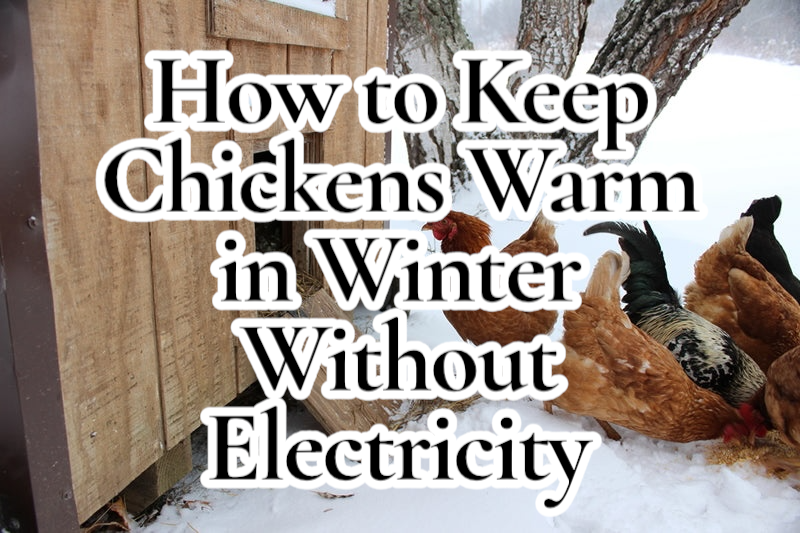
How to keep chickens warm in winter without electricity
Social Changes in the Flock
Chickens are social animals. Changes hit them hard.
Triggers That Cause Stress
- Adding new chickens
- Losing a flock member
- Moving coops
- Changing routines
If you recently introduced new birds, that’s likely your answer.
👉 Doing it the right way matters more than people think:
Introducing new chickens to the flock like a pro

Parasites and Mites (Silent Problem)
Mites and parasites can absolutely make a chicken act miserable.
Signs of Mites
- Restless behavior
- Feather damage
- Pale comb
- Avoiding roosting
👉 If you suspect this, don’t wait:
How to treat mites in chickens – the real fix that saved my flock
When “Sad” Really Means Sick or Emergency
Sometimes a sad chicken is actually in trouble.
Red Flags You Shouldn’t Ignore
- Not moving much at all
- Not eating or drinking
- Sitting puffed up all day
- Labored breathing
- Eyes closed frequently
At that point, you’re not dealing with behavior… you’re dealing with a health issue that needs immediate attention.
Simple Steps to Help a Sad Chicken Fast
If you’re unsure what’s going on, here’s a practical approach that works.
Step 1: Observe Closely
Watch how the chicken interacts with others
Step 2: Check Eating and Drinking
Make sure it’s actually getting access
Step 3: Look for Physical Signs
Feathers, comb, posture, droppings
Step 4: Separate If Needed
If bullying is happening, isolate temporarily
Step 5: Improve Environment
More space, cleaner coop, better setup
Step 6: Support Nutrition
Balanced feed, grit, calcium
The Truth Most People Miss
A “sad” chicken is almost never random.
It’s usually one of these:
- Stress
- Bullying
- Nutrition
- Health
- Environment
And once you fix the root cause, most chickens bounce back surprisingly fast.
As an Amazon Associate we earn from qualifying purchases through some links in our articles.