Chickens eating feathers is one of those behaviors that makes you stop and stare. It looks weird, it feels wrong, and if you don’t catch it early it can turn into a real flock problem. Here’s what’s actually behind it — and how to make it stop.
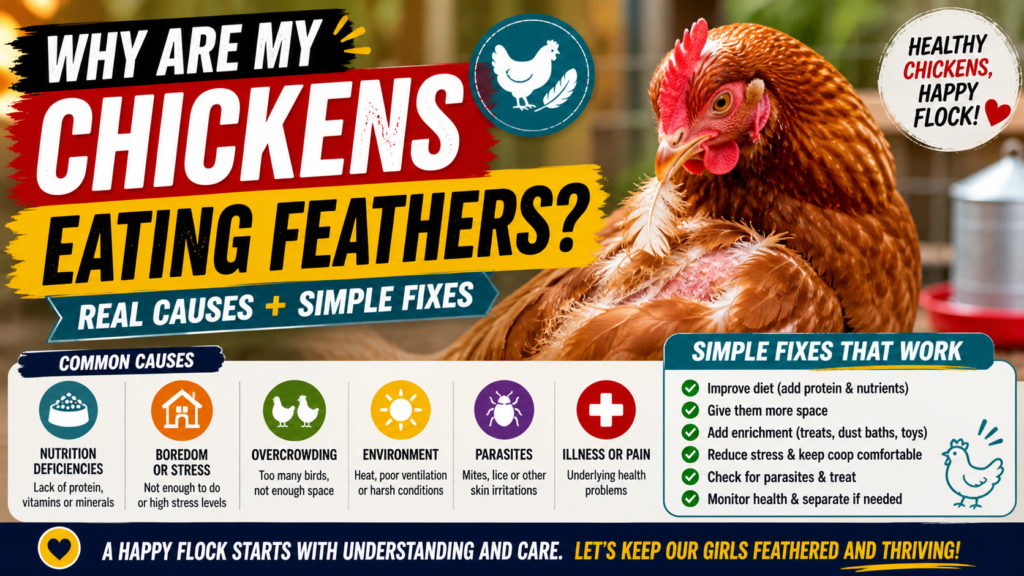
I remember the first time I stood in my coop and watched one of my hens pick up a feather off the ground and just… eat it. I stood there for a second thinking, did that just happen? Then she did it again. Then her flock mate joined in.
It’s one of those chicken behaviors that stops you cold. It looks wrong. It feels wrong. And if you’ve never seen it before, your brain immediately jumps to worst-case scenarios.
Here’s the good news: chickens eating feathers is almost always fixable. The bad news is that if you ignore it, it can escalate into full-blown feather pecking — which is a whole different level of problem. So let’s get into what’s actually causing it and what you can do today to make it stop.
Is It Normal for Chickens to Eat Feathers?
It’s not exactly “normal” the way dust bathing or scratching is normal — but it’s also not rare. Plenty of backyard flock keepers have seen it at some point, especially during certain times of year or when something changes in the coop.
What it usually is: a signal. Chickens don’t eat feathers for fun. When you see it happening, something in their environment, diet, or social situation is off. Your job is to figure out which one.
The behavior tends to show up in a few distinct ways — one hen eating feathers off the ground, birds pecking at each other’s feathers and then eating them, or a flock-wide thing that’s gotten out of control. Each version has its own cause, and we’ll cover all of them.


The Most Common Reasons Chickens Eat Feathers
Protein Deficiency
This is the big one. If your chickens are eating feathers — especially their own or each other’s — the first thing to look at is protein intake.
Feathers are made almost entirely of protein. When a chicken’s diet is low in protein, their body starts craving it, and feathers become an opportunistic source. It sounds strange, but from a biological standpoint it makes complete sense.
Laying hens need roughly 16–18% protein in their diet. If you’re feeding a lower-protein feed, stretching feed with scratch grains, or free ranging on depleted pasture, they may not be getting enough. Scratch grains are a classic culprit — they’re basically chicken junk food and dilute the protein content of whatever else they’re eating.
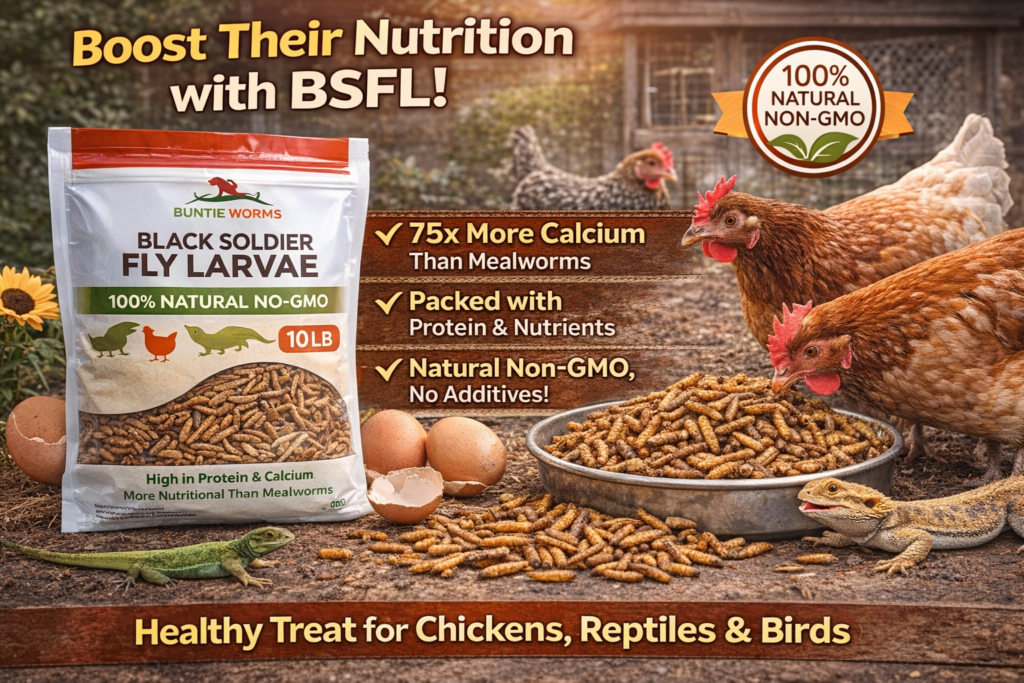
The fix here is to boost protein. I’ve had great results adding dried black soldier fly larvae as a treat — they’re higher in calcium than mealworms and pack a solid protein punch. You can also supplement with a quality chicken vitamin and nutrient supplement to help shore up any gaps in the diet. I also talk more about the role of treats and protein in feeding mealworms to chickens — worth a read if you haven’t seen it.
If protein deficiency is the cause, you’ll usually see improvement within a week or two of fixing the feed situation.
Boredom and Overcrowding

Chickens need things to do. When they’re crammed into a small space with nothing to occupy them, they start taking it out on each other — and feather pecking is one of the first ways that shows up. A hanging feeder can give bored birds a productive activity, as shown in This Simple Hanging Feeder Stopped My Chickens From Pecking Each Other.
The generally accepted rule is 4 square feet per bird inside the coop and 10 square feet per bird in the run. If you’re under that, boredom and stress-related behaviors are almost inevitable.
Adding enrichment breaks the cycle. A hanging vegetable feeder toy gives them something to peck at besides each other. Cabbage heads, lettuce, or a flock block hung at head height works the same way — it redirects the pecking instinct toward something harmless.
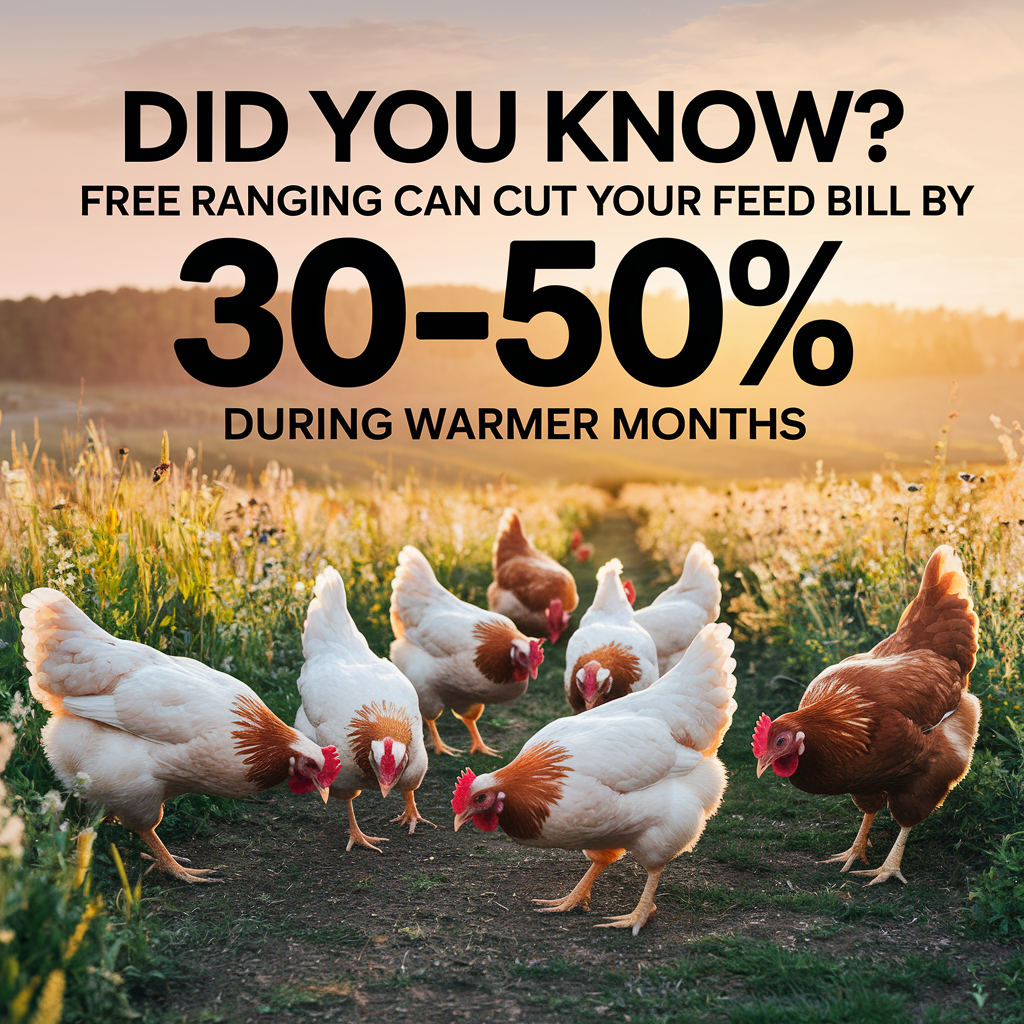
If you can let them free range even a few hours a day, that helps enormously. I’ve written before about how free ranging changes flock dynamics — a bored chicken in a run is a different animal than one that’s been out foraging all afternoon.
Feather Pecking That Got Out of Hand
Sometimes feather eating starts as pecking. One bird pecks another’s feathers — maybe out of curiosity, maybe because she noticed a bare patch or a bit of blood — and the rest of the flock joins in. Once a bird draws blood, it can trigger a serious pile-on that’s hard to stop.
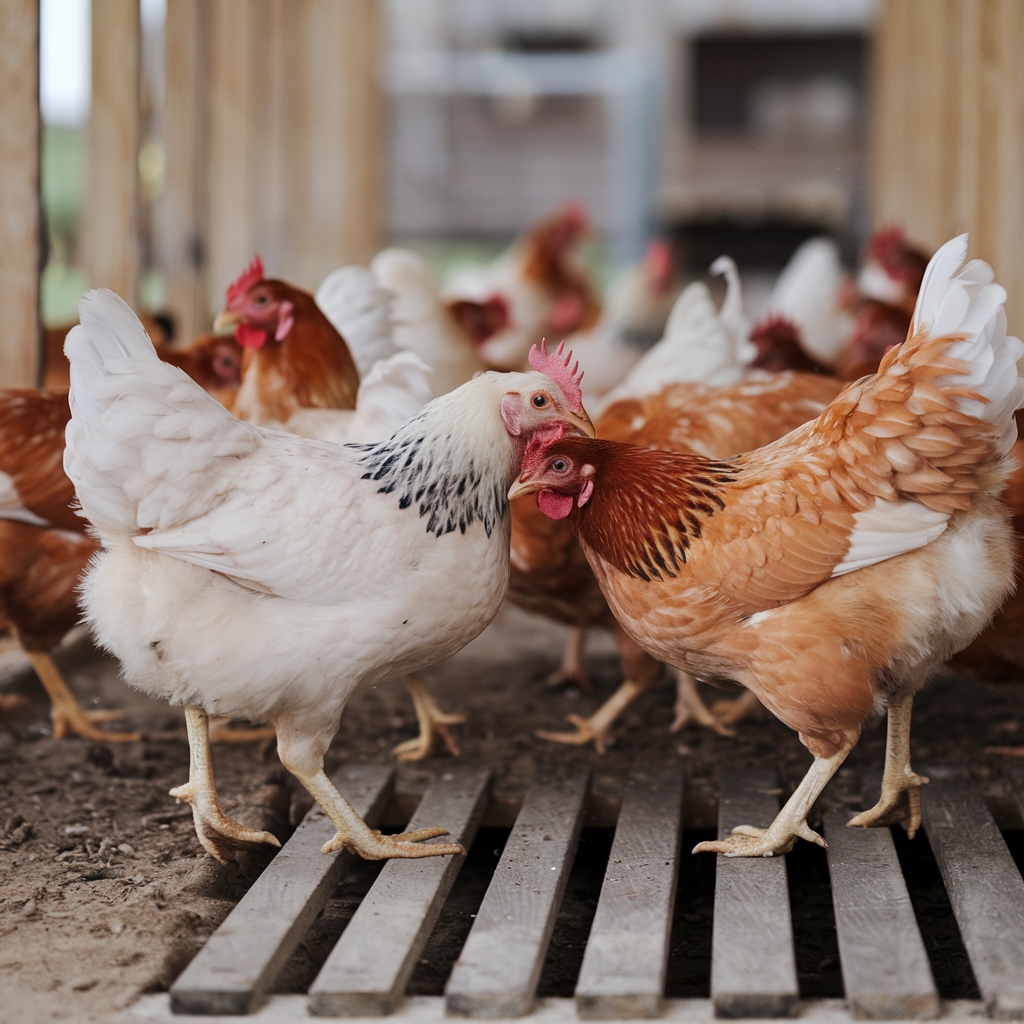
This is why early intervention matters. If you see one bird getting targeted, separate her temporarily while you address the root cause. Check the full guide on stopping chickens from pecking each other for the specifics — there’s a lot of nuance depending on whether it’s a pecking order issue or something else.
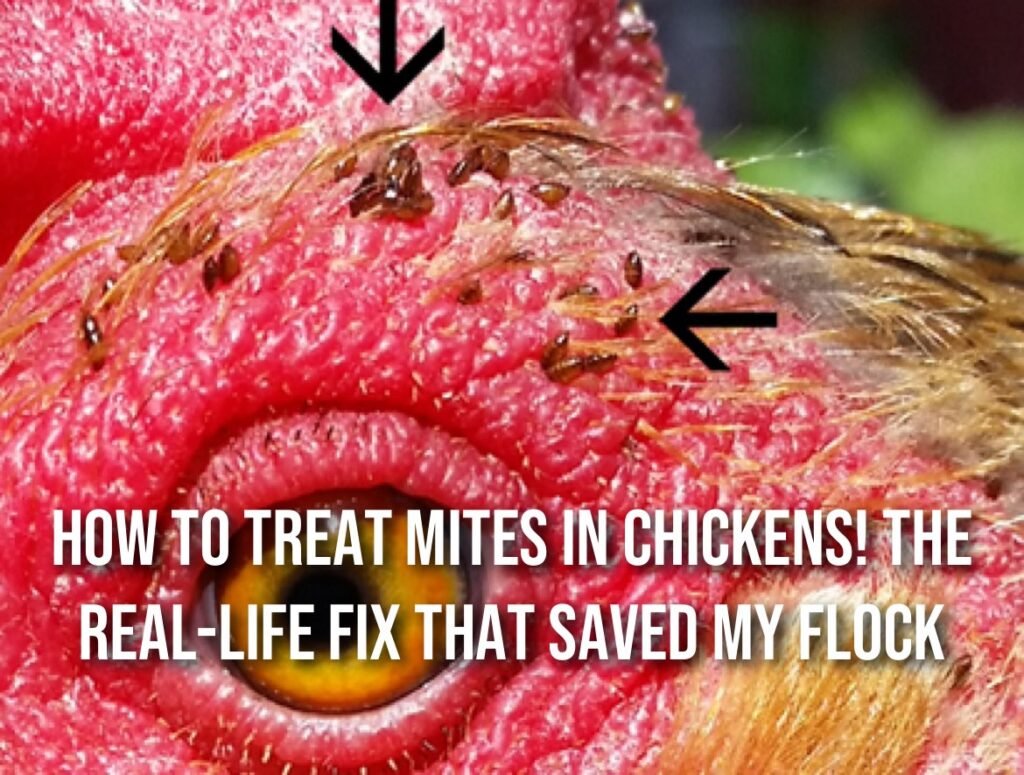
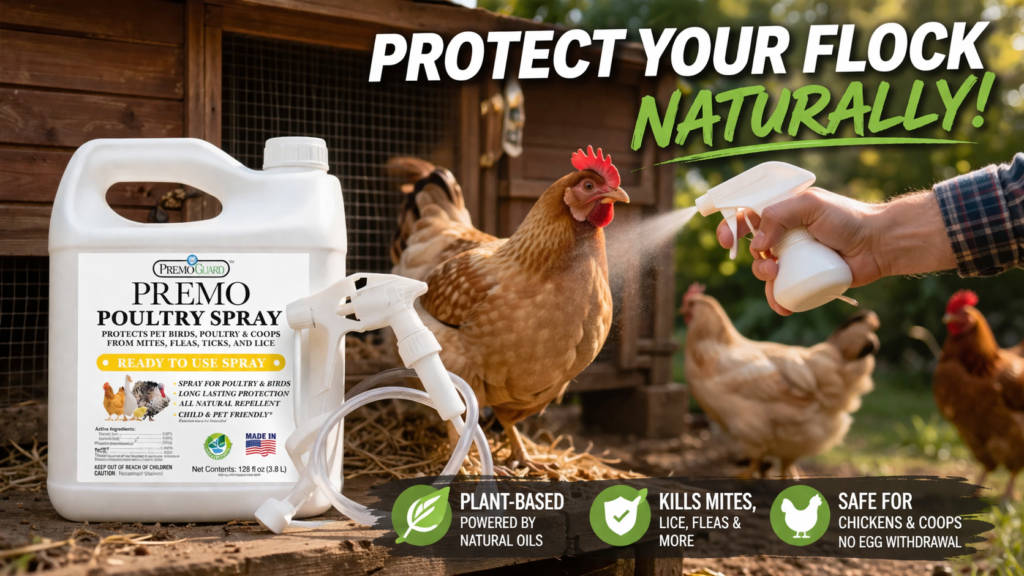
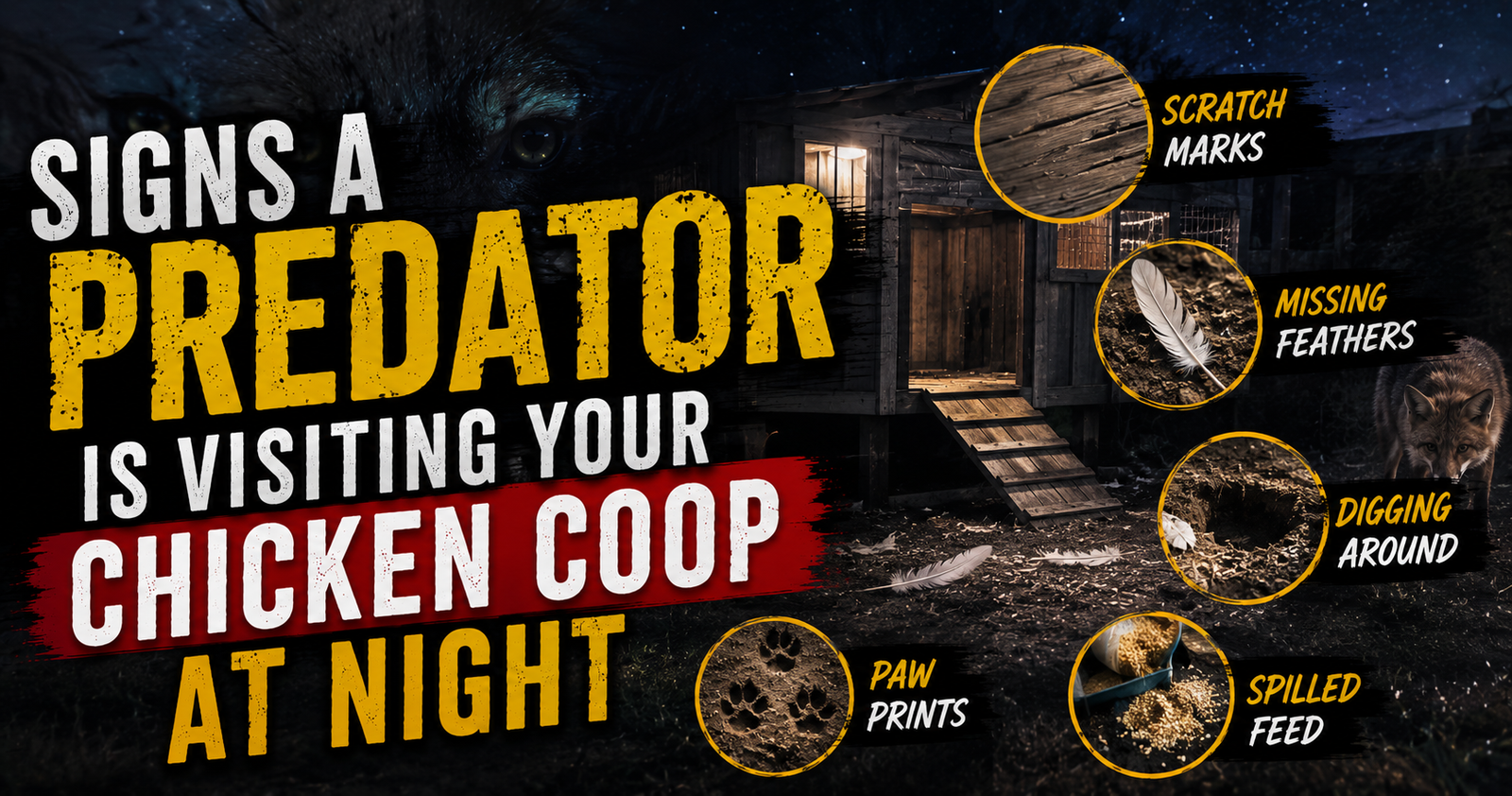
It’s also worth ruling out mites and lice. Skin irritation from parasites causes birds to over-preen and creates bare patches that attract other hens. If you haven’t done a mite check recently, flip a few birds over and look at the skin around the vent. If you find something, treat the flock and the coop — a good natural poultry spray can help knock it back without harsh chemicals.
Molting Season Confusion
During molt, your chickens are dropping feathers constantly. The coop floor is covered in them, and naturally the birds are going to investigate — and eat some.
This version of feather eating is usually temporary and tied directly to molt season. You’ll see it ramp up in fall and taper off once the new feathers come in. The feathers on the ground are high in keratin protein, and molting birds are already nutritionally depleted, so it makes sense they’d take advantage.
The best response during molt is to increase protein in the diet proactively. Switch to a higher-protein feed (18–20%) during molt, add protein-rich treats, and keep the coop cleaned out so there aren’t piles of feathers sitting around to tempt them. If they aren’t laying well during this stretch, check the full breakdown on why chickens stop laying — molt is one of the top reasons.
Nutritional Gaps Beyond Protein
Protein gets most of the attention, but deficiencies in sodium, methionine (an amino acid), and certain vitamins can also trigger feather eating. Methionine in particular is one of the building blocks of feathers — when it’s low, birds may instinctively seek it out.
A quality layer feed should cover the basics, but if you’re seeing persistent feather eating even after bumping protein, it’s worth looking at a more complete nutritional supplement. The Vital Nutrients chicken vitamin supplement covers a wide range of micronutrients and is easy to add to feed or water. It’s one of those things I keep on hand year-round, especially heading into molt.
Also worth checking: are your hens getting enough grit? If they can’t properly digest their feed, they’re not absorbing what they’re eating even if the nutrients are there. Here’s more on why grit matters more than most people realize.
Why Are My Chickens Eating Feathers Off the Ground?
This is a slightly different situation than active pecking. If your hens are walking around picking feathers up off the coop floor or run, it’s almost always one of two things: protein deficiency or molt-related foraging.
Chickens are natural foragers. They peck at everything — and when feathers are lying around, they’re going to investigate. If the diet is solid and you’re in the middle of molt season, this behavior is usually low-level and self-limiting. Keep the coop clean, bump the protein, and it typically fades.
If it’s happening outside of molt and the diet seems fine, dig deeper. Look at your feed’s protein percentage, how much scratch they’re getting, and whether the feathers being eaten are coming from a bird that’s losing them to pecking. Sometimes what looks like ground foraging is actually following up on a bird that’s being targeted.
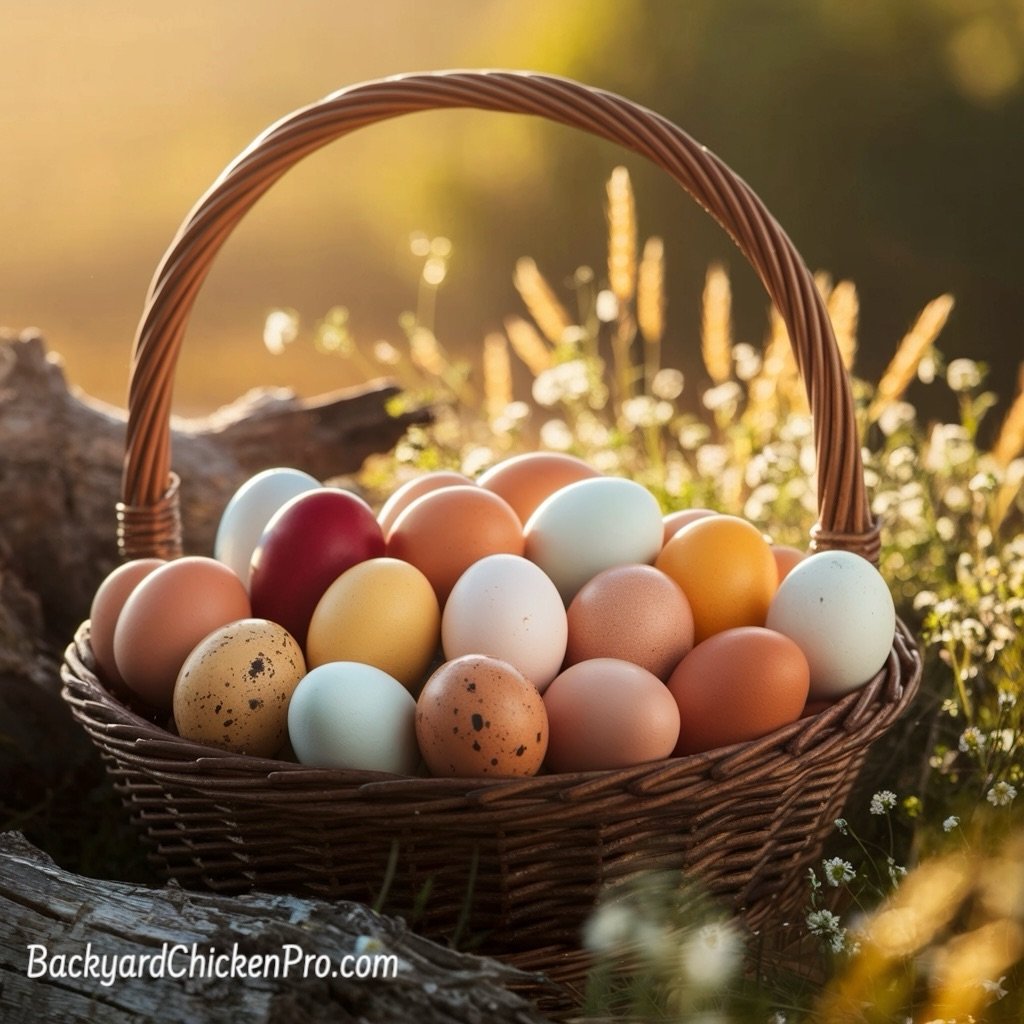
It’s also worth knowing what’s in your flock’s scratch mix. Some scratch blends are very low in protein and — if fed in large quantities — can throw off the whole nutritional balance. Scratch should be a treat, not a staple. The backyard chicken facts article has a good breakdown of common feeding mistakes if you want to do an audit.
How to Stop Chickens from Eating Feathers
Here’s the practical side. Work through these in order — most cases are solved by step one or two.
Step 1: Fix the protein. Switch to a 18% protein layer feed if you aren’t already. Cut back on scratch grains. Add a high-protein treat like black soldier fly larvae or mealworms a few times a week. Give it 10–14 days and watch for improvement.
Step 2: Check for and treat parasites. Flip a few birds and check for mites, especially around the vent and under the wings. If you find evidence of infestation, treat the whole flock and the coop at the same time. Bare patches from over-preening can kick off feather pecking even if parasites weren’t the original cause.
Step 3: Add enrichment and space. Hang something in the coop or run that gives them a target to peck at besides each other. If you’re overcrowded, either reduce the flock size or expand the space. There’s no supplement that fixes a density problem.
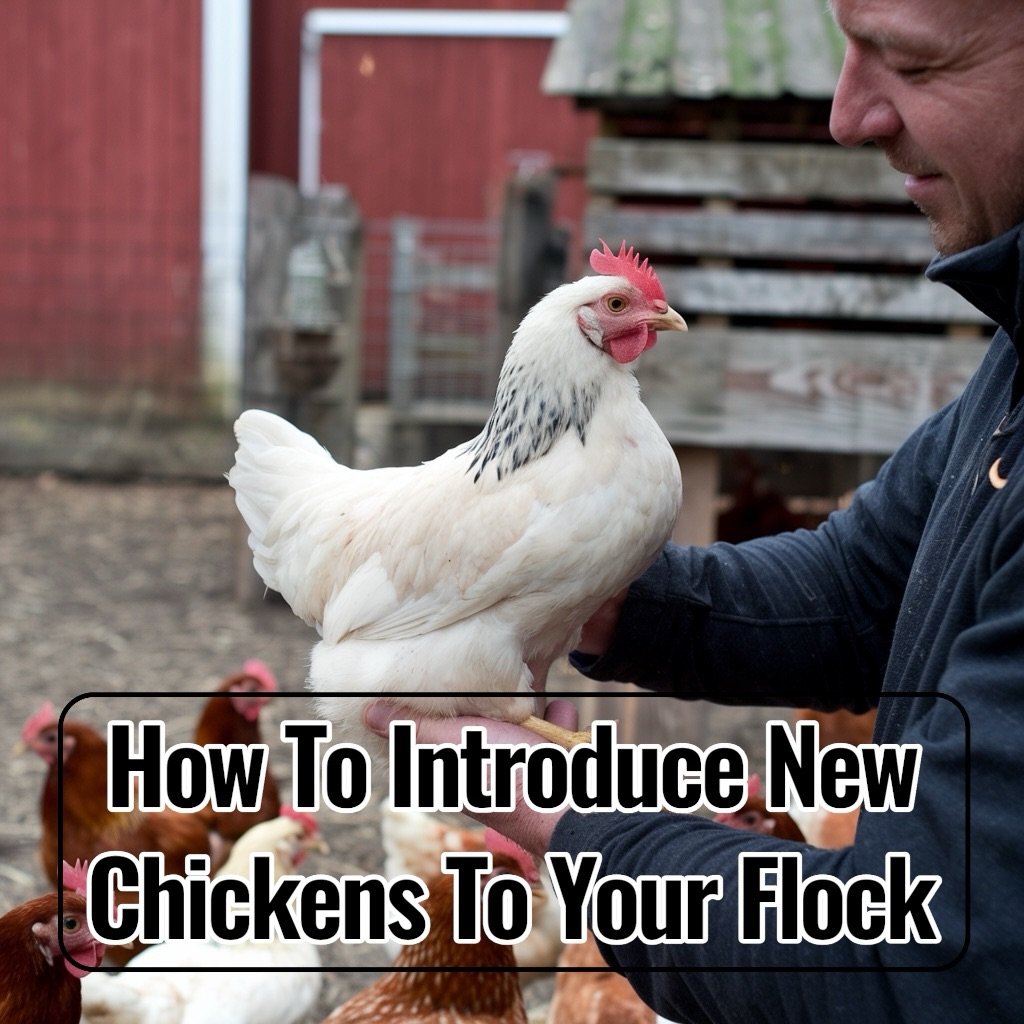
Step 4: Isolate any bird being targeted. If one hen is getting picked on, remove her until she’s healed and the root cause is addressed. Reintroduce slowly. A bird with bare or bloody patches will keep attracting attention even if everything else improves. Here’s more on how to reintroduce a bird to the flock without it turning into a battle.
Step 5: Add a nutritional supplement. If you’ve addressed protein and still see the behavior, a broad-spectrum vitamin and mineral supplement can help fill gaps that aren’t obvious from the feed label alone.

When It Becomes a Flock-Wide Problem
Most feather eating situations involve one or two birds and resolve with diet and enrichment fixes. But sometimes it spreads — and when it does, it can be surprisingly hard to stop.
Chickens learn from each other. If one bird discovers that feathers are edible and protein-rich, others will follow. Once it becomes a learned flock habit, even fixing the underlying cause won’t automatically stop the behavior. You’re dealing with both a nutritional issue and a behavioral one.
At this stage, the approach is: fix the root cause first (always), then use physical deterrents to break the habit while the dietary changes take effect. Anti-pecking sprays and bits can help in severe cases. Reducing light intensity in the coop reduces aggression in some flocks. And keep cleaning up loose feathers from the floor so there’s less to forage.
It takes consistency. Give any change at least two weeks before you decide it isn’t working — nutritional shifts don’t happen overnight, and behavioral patterns take time to break even when the cause is resolved.
If you’re also noticing mood changes or odd behavior alongside the feather eating, check out the article on why chickens eat feathers for more on how feather issues connect to overall flock stress — it covers some angles this article doesn’t.
The Feather Eating Problem Is Usually the Easy Part
Once you know what’s driving it, feather eating is one of the more straightforward problems to fix in a backyard flock. Protein, space, enrichment, and parasite control cover the vast majority of cases.
The harder part is catching it early before it turns into a full pecking problem — because at that point you’re dealing with wounds, blood, and a flock that’s learned a bad habit. Keep an eye on your birds daily, check in on feather condition regularly, and don’t let “she’s just molting” be your default explanation when something looks off.
You know your flock. Trust your gut when something seems wrong, run through the checklist above, and make the fix. Most of the time, that’s all it takes.
About the Author: Mike Callahan has kept backyard chickens for over a decade and writes from real experience managing flocks through every season. His focus is practical, no-fluff advice that actually works in a real coop.