Most chicken keepers name their birds. But do chickens actually know their names — or are they just responding to the sound of food coming? The answer is more interesting than you’d expect.
Most chicken keepers name their birds. It happens almost automatically — you spend enough time with a flock and the personalities emerge, and suddenly the big Rhode Island Red is Rosie and the nervous Leghorn is Penny and you’re calling them by name every morning when you bring out the scratch.
But do they actually know it? Do they recognize their name as something that belongs to them specifically — something that means “that’s me, I should respond”?
It’s a more interesting question than it sounds, and the honest answer is more nuanced than a simple yes or no. Here’s what the science says, what experienced keepers observe, and what it tells us about how chickens actually think.
Do Chickens Recognize Their Names?
The straightforward answer: chickens can learn to associate a specific sound — including their name — with a response, particularly when that sound consistently precedes something they want. Whether that constitutes “knowing” their name in the way a dog does is a question of definition as much as biology. Dolphins provide a useful comparison because their signature whistles function as individual names, rather than simply signals associated with rewards: dolphin signature names
What chickens are genuinely capable of is more impressive than most people expect. Research over the last two decades has established that chickens have object permanence, can count, demonstrate self-control, and show evidence of basic numerical reasoning. They recognize individual faces — both of other chickens and of humans — and remember those individuals over time. They have distinct personalities that remain consistent across situations and across time.
Given those cognitive capabilities, the idea that a chicken could learn to associate a specific sound with herself — and respond to it — is entirely plausible. And in practice, many keepers report exactly that: hens who reliably turn, approach, or vocalize when called by name, especially when the name has been associated with feeding, treats, or positive interaction.
What’s less clear is whether the chicken understands the name as a label for herself specifically, or whether she’s simply learned that a particular sound from a particular person means something good is coming. The practical difference in daily flock life is small. The philosophical difference is significant. For most backyard keepers, what matters is whether the behavior is real — and it is.


How Chickens Actually Process Sound and Recognition
Understanding what chickens are actually doing when they respond to their names requires a quick look at how they process auditory information.
Chickens have a sophisticated auditory system. They communicate through a documented repertoire of over 30 distinct vocalizations — each with a specific meaning — and they can distinguish between them with precision. Hens identify the calls of specific flock mates individually. A hen can recognize her chicks’ distress calls and respond specifically to her own chicks rather than others’. Roosters have different alarm calls for aerial versus ground predators, and the flock responds differently to each.
This level of auditory discrimination means chickens are absolutely capable of distinguishing one human voice from another, one sound pattern from another, and one name from another. The cognitive machinery for name recognition is there. The question is whether the association gets made — and that depends almost entirely on training, even if that training happens informally through daily interaction.
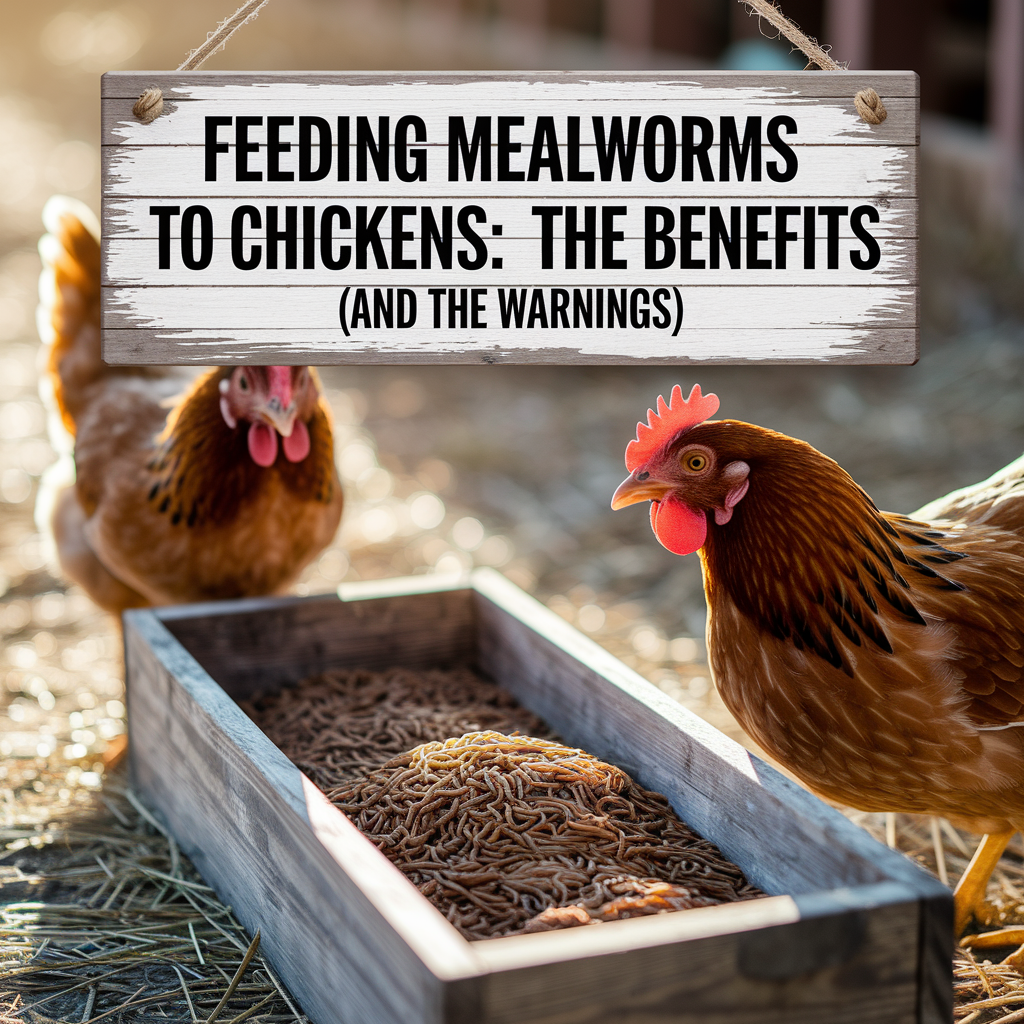
When you call a hen by name every time you bring treats, every time you approach her, every time you interact with her specifically — you’re creating an association between that sound and positive outcomes. Over repetitions, that association strengthens. The hen starts responding to the sound before the treat appears because the sound reliably predicts the treat. From the outside, this looks exactly like a hen knowing her name. From the inside — to whatever extent we can know — it may be functionally the same thing. Mealworms can be one practical option for those protein-rich chicken treats, provided they remain a small supplement to a balanced diet.

Do Chickens Know Their Owners?
This question is related but distinct, and the answer here is more definitively yes. Chickens recognize individual humans — not just as “a person” but as specific individuals with distinct faces, voices, and behavioral patterns.
Research published in peer-reviewed animal cognition journals has confirmed that chickens can distinguish between photographs of human faces, recognize familiar individuals after periods of separation, and respond differently to familiar versus unfamiliar people. The response to a familiar, trusted person — calmer behavior, willingness to approach, reduced startle response — is measurably different from the response to a stranger.
In practical terms, this is something experienced keepers observe all the time. Hens that are comfortable with their keeper will approach freely, accept handling without distress, and show none of the alarm behavior they’d show toward an unfamiliar person. That differential response is recognition — and it’s a form of knowing that goes beyond simple habituation to human presence in general.
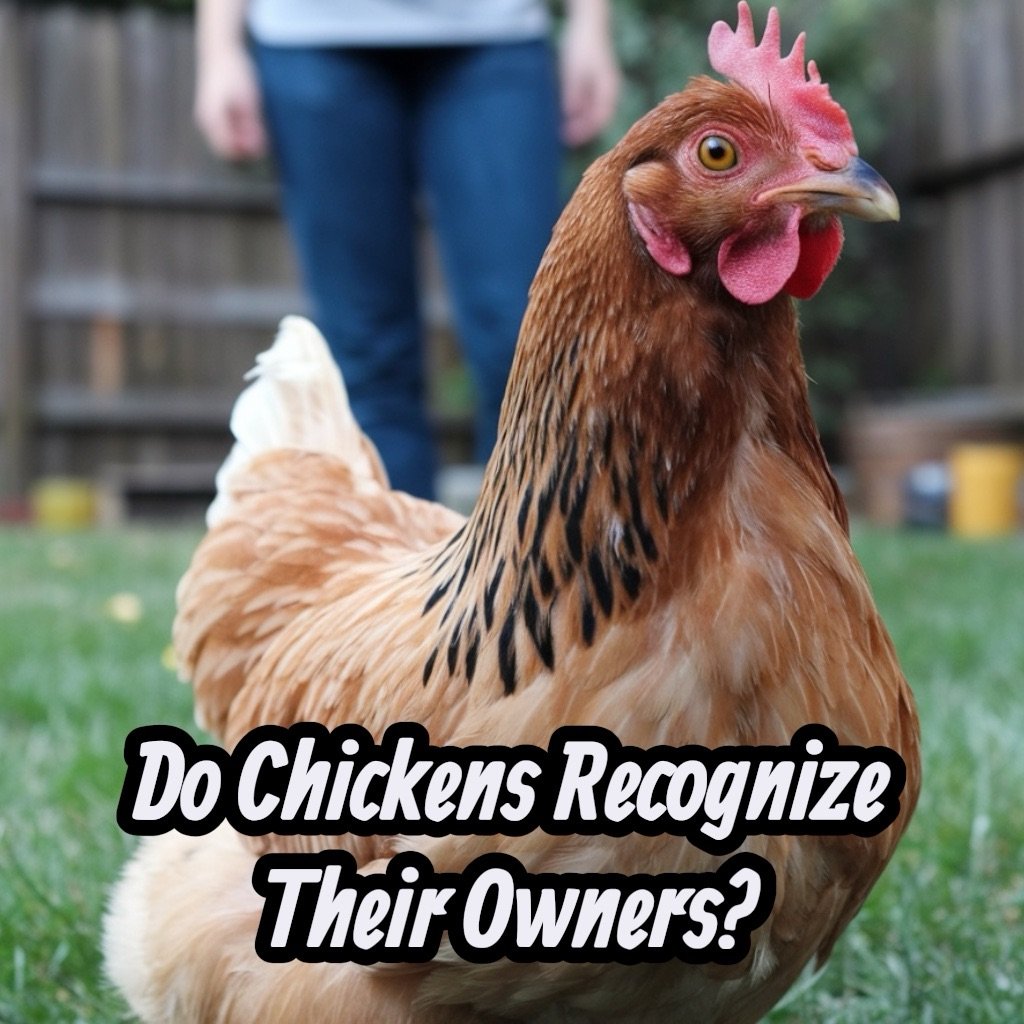
The relationship between a keeper and their flock builds over time in a real way. The more consistent positive interaction, the stronger and more reliable the recognition response. The full guide on whether chickens recognize their owners goes deeper on how that bond forms and what it looks like in a well-handled flock.
Do Chickens Know Other Chickens by Name?
Not by name in the human sense — chickens don’t assign labels to each other the way we do. But they absolutely recognize individual flock mates and remember them over time.
A chicken flock maintains a stable social hierarchy — the pecking order — and that hierarchy requires each bird to know every other bird’s relative status. In a flock of ten hens, each bird needs to track nine individual relationships. Research has found that chickens can maintain accurate social recognition in flocks of up to around 100 birds, though the cognitive demands increase as flock size grows.
This recognition is based primarily on visual cues — the face and comb of individual birds — combined with behavioral cues and vocalizations. When a bird from an established flock is removed and then reintroduced after a period of weeks or months, the flock often recognizes her rather than treating her as a stranger. The strength of this recognition depends on the length of separation and how well established the original relationship was.
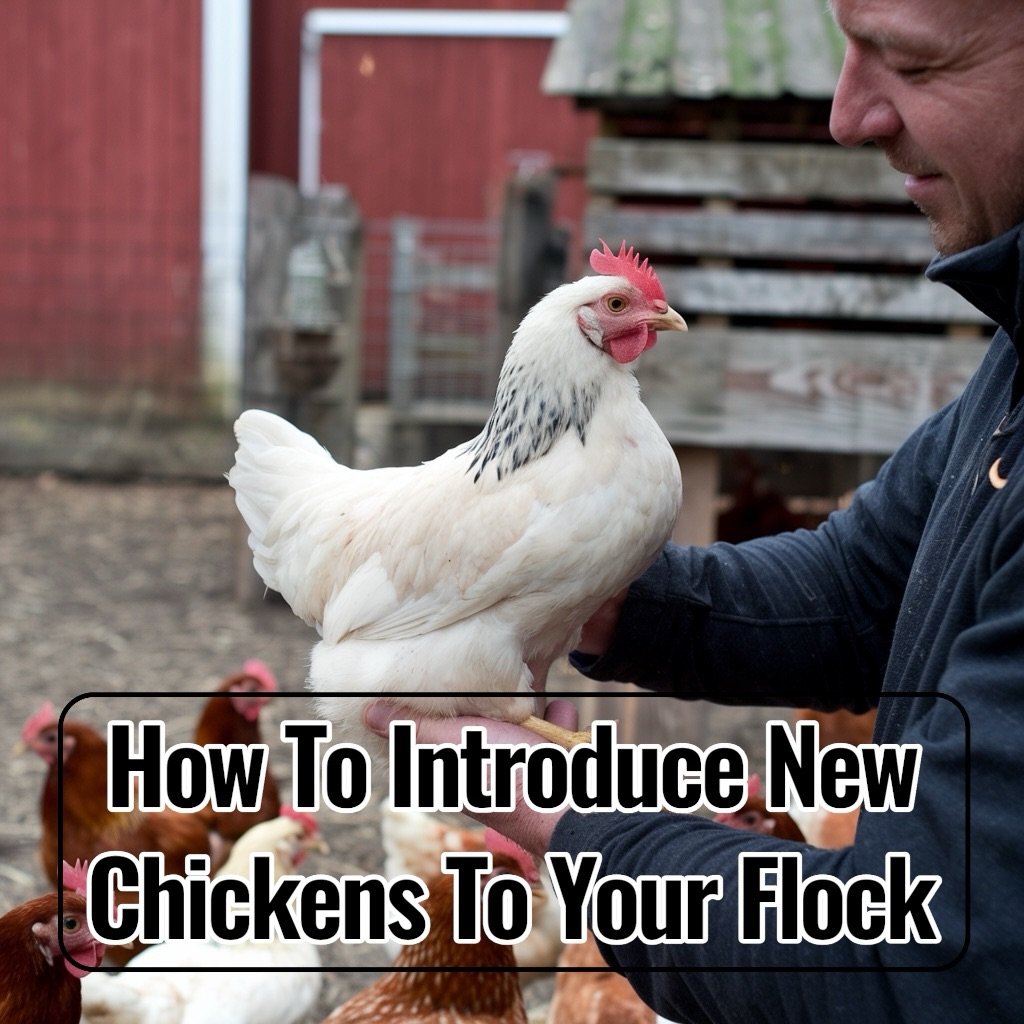
It’s also why introducing new birds to an established flock is reliably disruptive — the new birds are genuinely unknown quantities whose status in the hierarchy hasn’t been established, and the existing flock has to figure out where each new bird fits. The guide to introducing new chickens covers how to manage that process in a way that minimizes the disruption.


Do Chickens Miss Their Owners?
This one generates a lot of debate, but the honest answer is: probably something that functions like missing, yes — particularly for hens who have had frequent, positive interaction with a specific person.
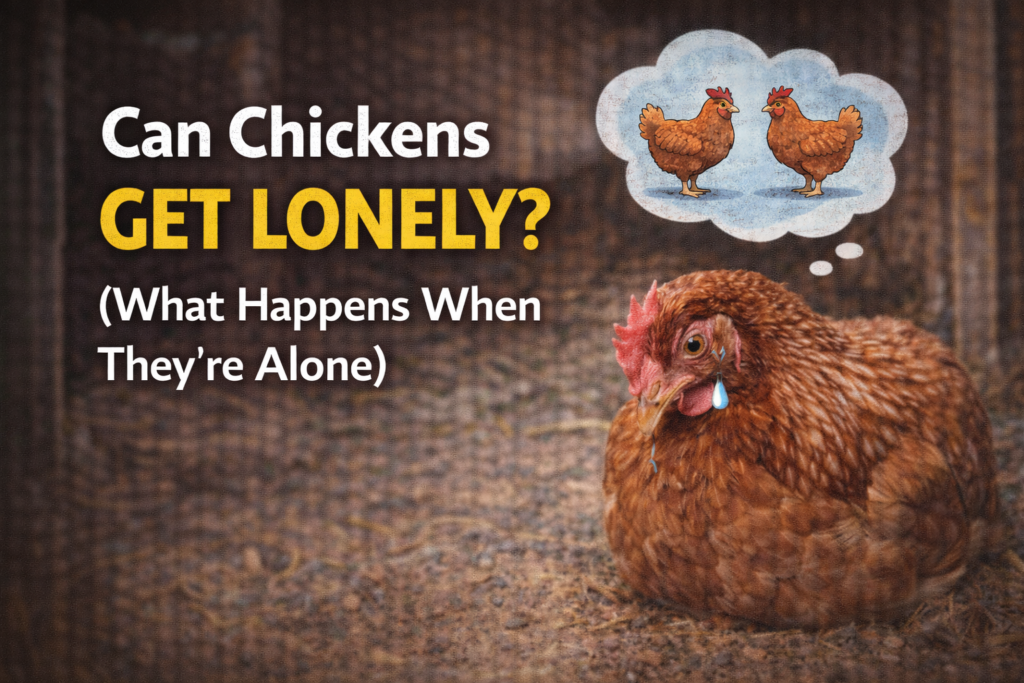
Chickens don’t experience absence the way humans do — they’re not sitting in the coop thinking about you. But they do show behavioral changes in response to the absence of familiar individuals, both human and chicken. A hen who’s used to daily interaction with her keeper may be more unsettled, less exploratory, or more vocal on days when that interaction doesn’t happen. Whether that constitutes “missing” someone is a semantic question, but the behavioral reality points toward something meaningful. These behavioral changes are part of the broader question of chicken loneliness and flock needs, especially when a bird loses regular contact with flock mates.
What’s more clearly documented is the response to reunion. Hens who have a strong bond with their keeper consistently show recognizable greeting behaviors — approaching quickly, vocalizing in specific ways, being more willing to engage — when that person returns after an absence. That differential response between stranger and known person, and between absence and return, is evidence of something that functions very much like attachment.
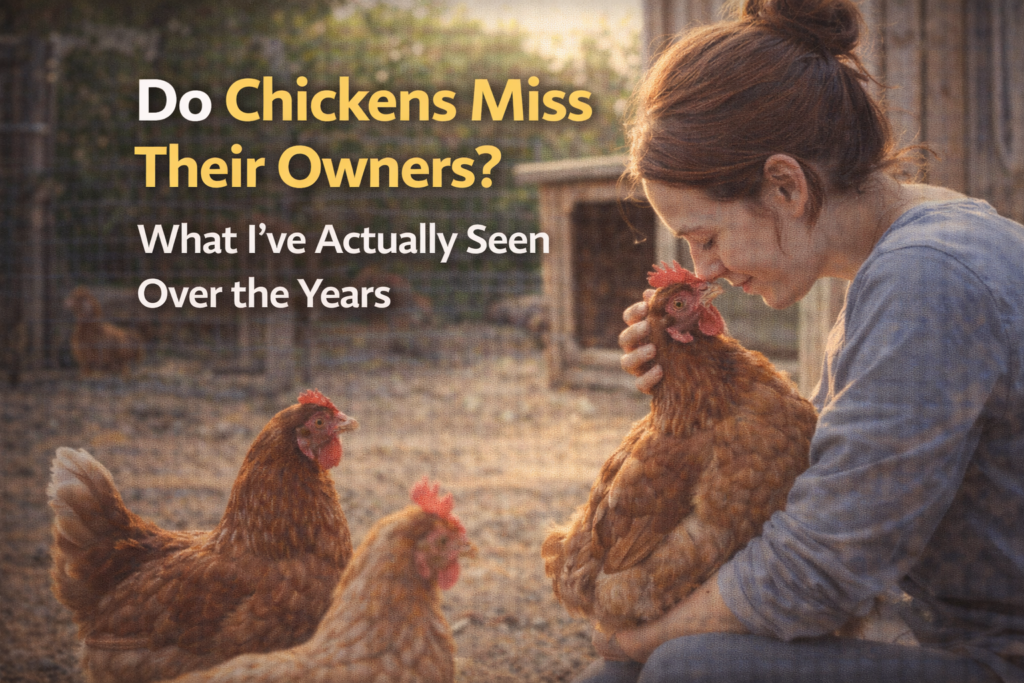
The piece on whether chickens miss their owners covers the full range of what that attachment looks like in practice, including some observations that surprise most people who haven’t spent much time with a well-bonded flock.
Can Chickens Recognize Faces?
Yes — this is one of the better-established findings in chicken cognition research. Chickens can distinguish between photographs of individual human faces and respond differently to familiar versus unfamiliar faces. They maintain this recognition across changes in expression, viewing angle, and even partial obstruction of the face.
The mechanism appears to be similar to human face recognition — chickens process faces as holistic patterns rather than collections of individual features, which is a relatively sophisticated form of visual recognition. This is the same processing strategy humans use, and it allows for recognition even when conditions aren’t perfect.
What this means practically: your chickens know what you look like. They can distinguish you from your family members, from visitors, and from strangers. Their behavior toward you reflects that recognition — and it explains why a flock that’s relaxed and easy to handle with their regular keeper can seem completely different around unfamiliar people. It’s not that they’re being difficult with the stranger — they genuinely don’t know that person yet.

How to Teach Your Chicken to Respond to Her Name
If you want your hens to reliably respond to their names — and it’s genuinely useful for getting a specific bird to come to you — the process is straightforward. It’s basic association training, and chickens are capable learners when the reward is good enough.
Use High-Value Treats

The treat needs to be something the hen really wants — not her regular feed, which she can get anytime. Mealworms are the gold standard for most flocks. Dried black soldier fly larvae work equally well and have better nutritional value. The point is that the reward needs to be motivating enough to create a strong association quickly.
Say the Name, Then Immediately Deliver the Treat
The sequence matters. Say the name clearly, then deliver the treat within a second or two. Repeat this consistently — same name, same treat, many repetitions over multiple sessions. You’re building a conditioned response: name → good thing happens → approach.
Do this with one hen at a time initially, separated from the flock if possible, so the association builds to her specifically rather than becoming a flock-wide response to food sounds.
Be Consistent With the Name
If her name is Rosie, always call her Rosie — not Rose, not Ro, not “the red one.” Chickens discriminate sounds carefully, and inconsistent naming means inconsistent association-building. Pick a name and use it the same way every time.
Generalize Across Contexts
Once she reliably turns or approaches when called by name in the training context, start using the name in other situations — when she’s in the run with the flock, when she’s ranging, when she’s at the feeder. The goal is for the name to work anywhere, not just when you’re standing there with a treat in hand.
Most hens show reliable name response within a few weeks of consistent training. Some pick it up faster. The speed depends on the hen’s individual personality — curious, bold birds typically learn faster than more cautious or independent ones.
Why Some Chickens Respond to Names Better Than Others
Not every chicken will respond to her name with equal reliability, and it’s not always about training. Individual personality plays a significant role.
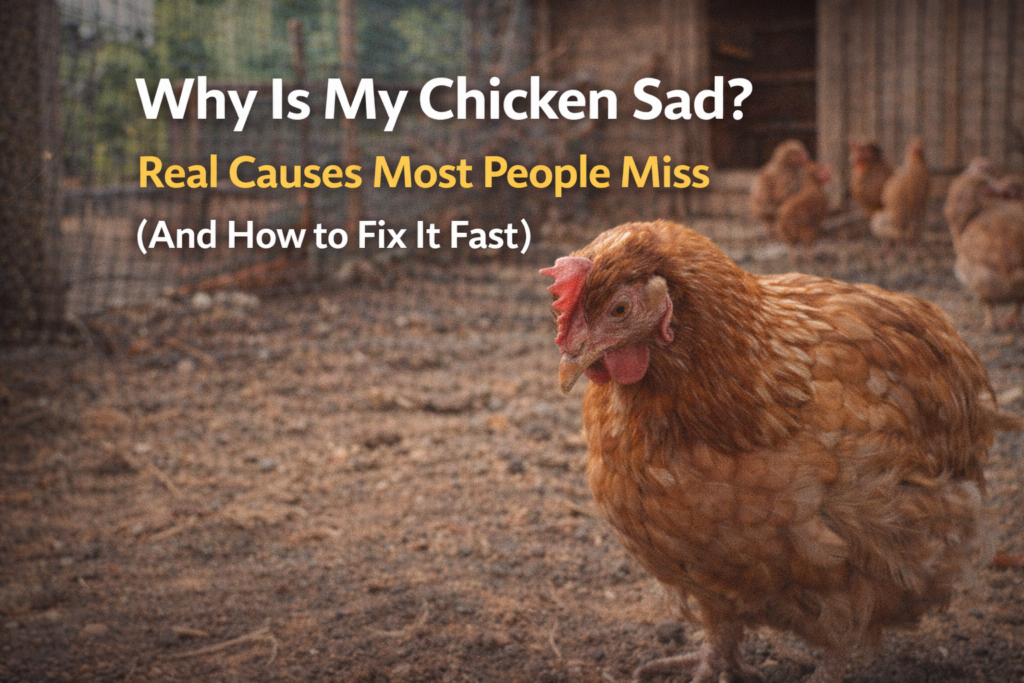
Chickens have distinct, consistent personalities — some are curious and people-oriented, others are independent and food-motivated above all else, others are skittish and take longer to build trust with humans. The curious, people-oriented hens tend to be the best name-learners because they’re already paying attention to human behavior as a source of interesting things. The skittish ones may never respond reliably to their names not because they’re less intelligent, but because their default response to human approach is caution rather than engagement.
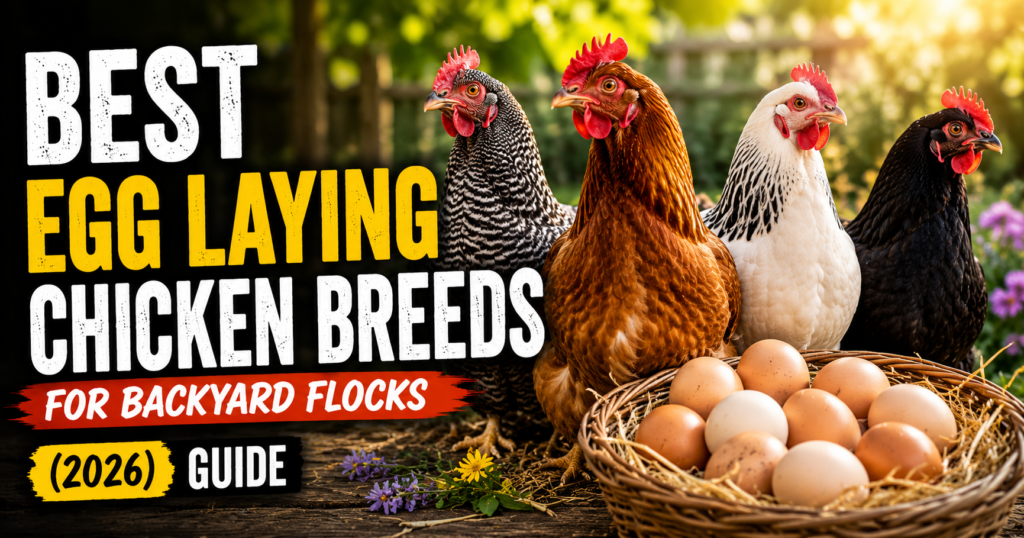
Breed also plays a role. Docile, people-friendly breeds like Buff Orpingtons, Australorps, and Cochins tend to be more responsive to individual attention and training than flighty breeds like Leghorns or certain game breeds. This isn’t a hard rule — individual variation within breeds is significant — but it’s a real tendency worth knowing about if you’re specifically hoping for hens who engage readily with you. If temperament and egg production both matter, people-friendly breeds compares several backyard options.
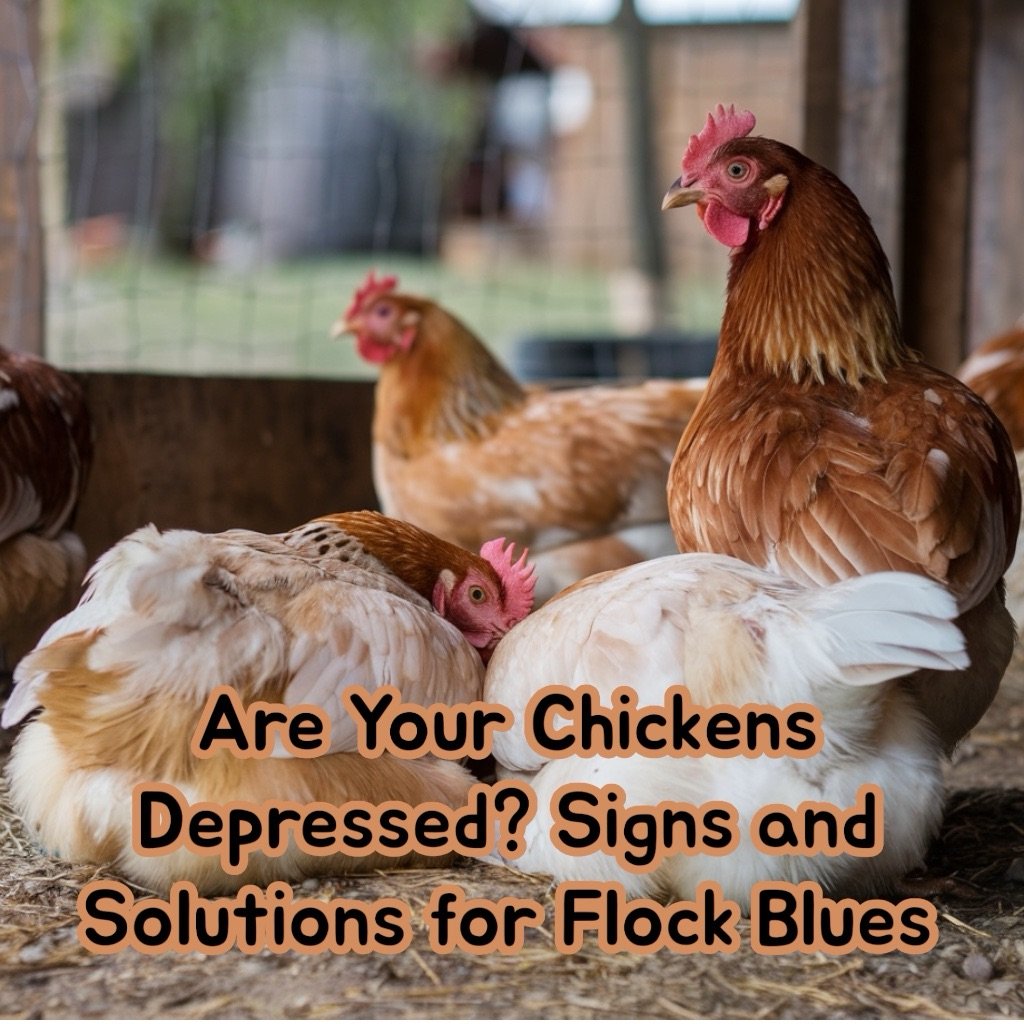
Age at handling matters too. Chicks who are handled consistently from the first days of life become adults who are comfortable with human contact and more responsive to individual interaction. Hens who had minimal human contact during the brooder phase are often manageable but rarely as engaged with their keepers as well-handled birds. The piece on flock wellbeing touches on how the early social environment shapes adult behavior in chickens.
What This Tells Us About Chicken Intelligence
The capacity for name learning — even in the associative sense — is part of a broader picture of chicken cognition that most people significantly underestimate.
Chickens demonstrate numerical competence — newly hatched chicks prefer groups of objects with higher numbers, suggesting basic numerical understanding is present from birth. They show evidence of self-control in delay-of-gratification tasks. They have a basic theory of mind — they can model what other birds can and can’t see, which is relevant to food-hiding behavior. They experience REM sleep and likely dream. They show clear evidence of positive and negative emotional states that influence behavior in measurable ways.
None of this makes a chicken a dog or a primate. But it does mean that “just a chicken” is a significant underestimation. The cognitive and emotional lives of chickens are richer and more complex than their reputation suggests, and backyard keepers who interact closely with their flocks tend to know this intuitively — they just don’t always have the scientific language to describe what they’re observing.

The backyard chicken facts article covers a lot of the more surprising science on chicken behavior and cognition if you want to go deeper — it’s a good companion to this piece.
The Short Answer, for the Practical Keeper
Yes, your chicken can learn her name. She may not understand it as a label for herself in the philosophical sense, but she can absolutely learn that a specific sound from you means something good is about to happen — and respond accordingly, reliably, even when the flock is doing something more interesting.
She also knows who you are. She recognizes your face, your voice, and your behavioral patterns. She responds differently to you than to strangers, remembers you after you’ve been away, and has formed something that functions genuinely like a bond with you if you’ve put in the time and interaction.
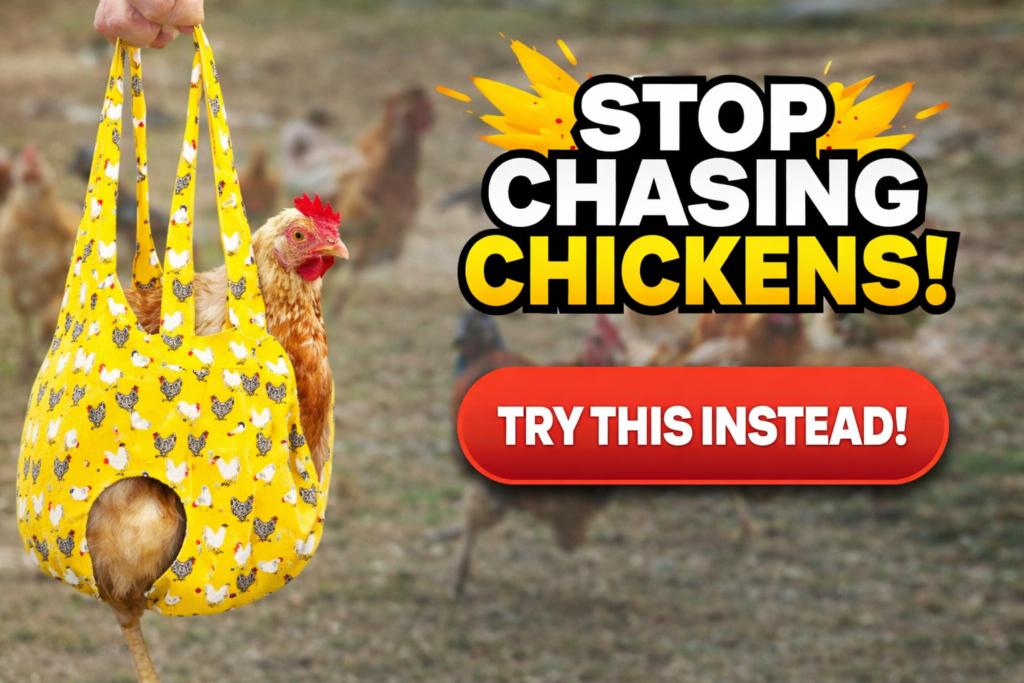
The chickens that seem to know their names best are almost always the ones whose keepers have spent the most time with them — handling them, talking to them, making them associate human presence with good things rather than just the mechanics of feeding and egg collection. That investment pays off in hens who are easier to manage, more enjoyable to keep, and easier to catch when you actually need to catch them. When you need to catch or handle a bird calmly, a chicken holder bag can make those interactions easier.
Which, if you’ve ever tried to catch a hen who doesn’t want to be caught, is reason enough on its own.
About the Author: James Merritt kept his first backyard flock while teaching middle school science, which is probably why he finds the cognitive research on chickens so compelling. He’s been keeping and writing about chickens for seven years and is consistently surprised by what they turn out to be capable of.