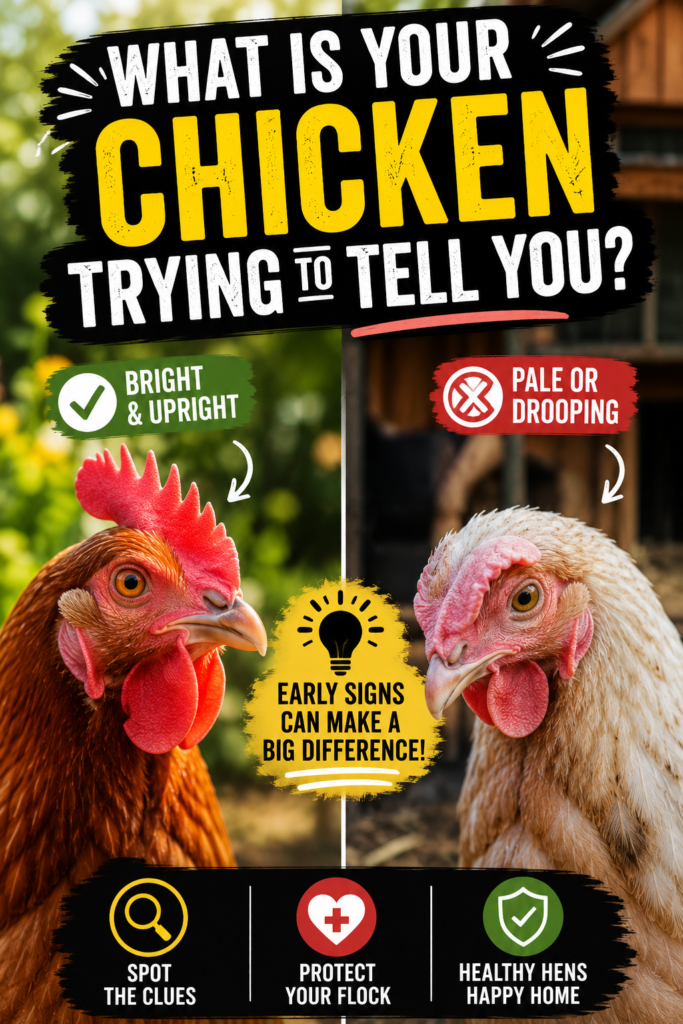
The comb is one of the best health indicators a backyard keeper has. A pale or drooping comb means something has changed — here’s how to figure out exactly what.
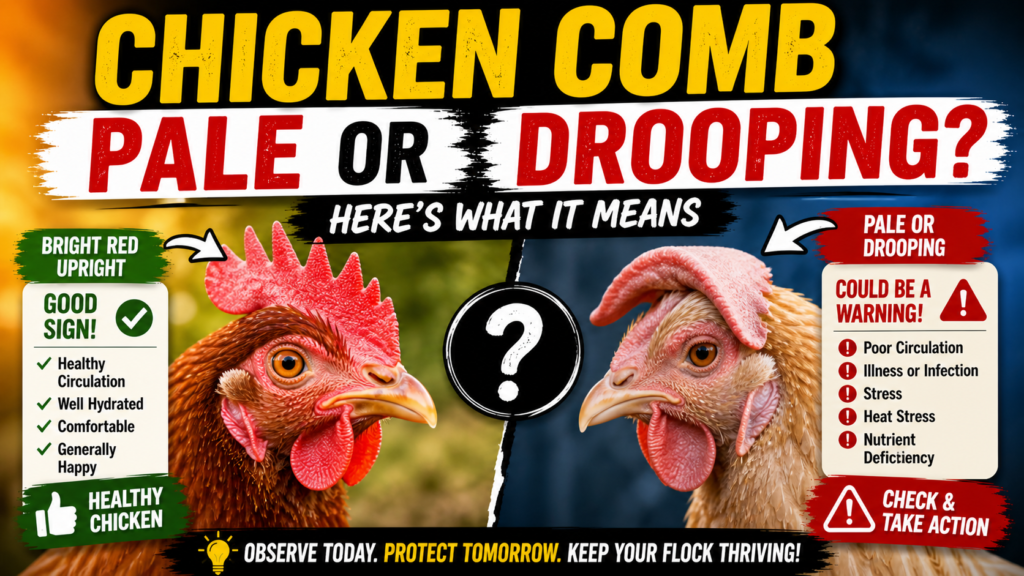
The comb is one of the first things you notice about a chicken — and for good reason. It’s one of the best health indicators a backyard keeper has access to. A bright, firm, deeply colored comb tells you the bird is doing well. A pale, drooping, discolored, or shrunken comb tells you something has changed. Because a changed comb can accompany several problems, other causes of unusual behavior can help put this visible warning sign in context.
The challenge is that “something has changed” covers a lot of ground. A pale or floppy comb can point to anything from a completely normal hormonal shift to a serious illness that needs immediate attention. Knowing how to read the difference is one of the most practical skills a backyard keeper can develop — because the comb gives you information early, before other symptoms become obvious, when you still have the most options.
Here’s a complete guide to what chicken comb color and condition actually mean, what causes the most common comb problems, and when to act fast versus when to watch and wait.
What a Healthy Chicken Comb Looks Like
Before you can read what’s wrong, you need to know what right looks like. A healthy comb varies by breed — single combs, rose combs, pea combs, and walnut combs all have different shapes — but the color and texture norms are consistent across types.
A healthy comb is bright red to deep red, firm but with a slight give when touched, smooth or regularly textured depending on breed, and consistently colored throughout. It should be warm to the touch — not hot, not cold. In a laying hen, the comb is typically larger and more vivid than in a non-laying hen, because estrogen drives comb size and color alongside egg production.
Roosters generally have larger, more dramatically red combs than hens — testosterone drives comb development in males. A rooster with a pale or shrunken comb is showing a more dramatic departure from baseline than a hen with the same symptom, because the baseline is higher to begin with.
Young pullets have small, pale pink combs that gradually deepen and enlarge as they approach laying age. The comb going bright red is often the first reliable signal that a pullet is about to lay her first egg — it can happen within days of that first egg appearing. Understanding that normal developmental progression prevents a lot of unnecessary concern in new keepers.

Why Is My Chicken’s Comb Pale?
Pallor in the comb — anywhere from light pink to white — is one of the most common comb abnormalities keepers notice, and it has several distinct causes that require different responses.
Anemia from Mite or Lice Infestation
This is the most common cause of sudden, significant comb pallor in an otherwise active hen. Northern fowl mites and red roost mites feed on blood. A moderate to heavy infestation draws enough blood over time to produce genuine anemia — and a pale comb is one of the most visible signs of that anemia.
The tricky part is that mites are easy to miss on casual observation. Northern fowl mites live on the bird, concentrated around the vent, under the wings, and along the back — areas hidden by feathers. Red roost mites live in the coop during the day and only come onto the birds at night to feed, which means a daytime inspection of the bird can look completely clean even when the infestation is severe enough to cause anemia. Keeping natural powder for flock mites available can help you respond quickly when an inspection reveals an infestation.
If a hen’s comb has gone pale and you can’t identify another obvious cause, check for mites before anything else. Part the feathers around the vent and look at the skin directly — in good light, mites are visible as tiny moving dots. Check the underside of roost bars and crevices in the coop walls for red roost mites, which appear as dark reddish-brown specks that move when disturbed.
Treating mites promptly matters because the anemia compounds — the longer the infestation runs, the more depleted the hen becomes, and severe anemia can be fatal. Treat the birds and the coop simultaneously — treating one without the other is the primary reason mite treatments fail to resolve the problem. The guide to chicken mite spray covers what to use and exactly how to apply it for a complete treatment.
Internal Laying or Reproductive Issues
Internal laying — where eggs are deposited into the body cavity rather than passing through the oviduct normally — is more common in older hens and high-production breeds. It causes chronic inflammation and infection over time, which produces a pale comb alongside other subtle symptoms: a penguin-like stance, a distended abdomen, weight loss despite eating, and reduced or absent laying.
This is a serious condition that typically requires veterinary assessment. It’s not something a keeper can fix at home, and it tends to progress rather than resolve on its own. If a hen has a pale comb, swollen abdomen, abnormal stance, and is off laying — especially an older hen — internal laying is a strong possibility worth pursuing with a vet.
Illness and Infection
Many illnesses produce comb pallor as a systemic effect. Respiratory infections, Marek’s disease, coccidiosis, and other bacterial or viral conditions draw on the bird’s resources in ways that reduce blood flow to the extremities — including the comb. In these cases, comb pallor typically appears alongside other illness symptoms: lethargy, reduced appetite, abnormal droppings, respiratory sounds, discharge from eyes or nostrils.
Pallor from illness tends to look different from pallor from anemia — illness-related pallor is often accompanied by a comb that looks dull and slightly shrunken rather than just pale, and the overall picture of the bird includes more obvious signs of unwellness. But in early stages, the distinction isn’t always clear, which is why a pale comb warrants a thorough physical assessment of the whole bird rather than a single-factor explanation.
Nutritional Deficiency
Severe nutritional deficiencies — particularly iron deficiency from a prolonged poor diet — can produce comb pallor similar to anemia. In practice this is less common in backyard flocks eating a complete layer feed, but it can occur in flocks fed primarily scratch grains, flocks with restricted access to feed, or hens going through molt whose nutritional demands exceed what their diet provides.

A broad-spectrum poultry vitamin and mineral supplement is worth adding any time nutritional deficiency is in the differential — it covers the micronutrient gaps that aren’t always obvious from looking at the feed label. During molt especially, when hens are nutritionally taxed from feather regrowth, supplementing proactively helps maintain the comb color and overall condition that indicate good health.
Cold Temperatures
In cold weather, combs can appear temporarily paler or slightly duller as circulation is redirected to core body systems. This is generally mild and reverses when temperatures warm or the bird warms up. It becomes a welfare concern when it progresses to frostbite — which shows as pale patches that turn gray, then black and crusty as the tissue dies. For practical ways to protect hens from cold without relying on electricity, see this winter coop warmth guide.
Large single combs are most vulnerable to frostbite. If you’re in a cold climate and your hens have large combs, petroleum jelly applied to the comb before an extremely cold night provides meaningful protection. Ensuring the coop is draft-free — not necessarily heated, but without cold air moving across roosting birds — is more important than absolute temperature for preventing frostbite.
Non-Laying Status
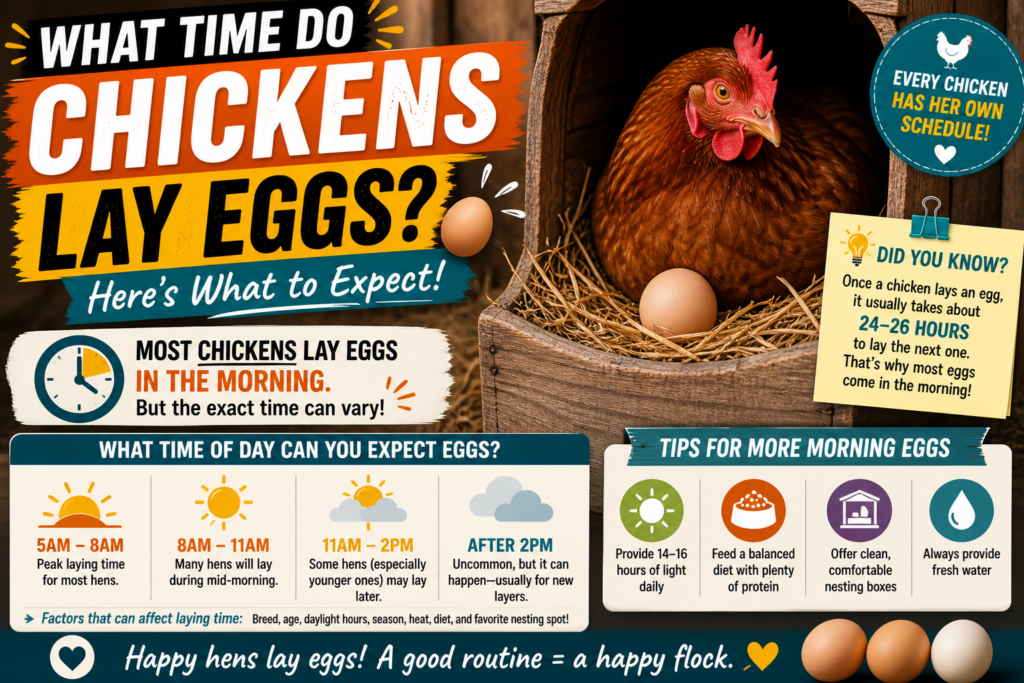
A hen who isn’t laying — due to molt, seasonal day length changes, age, or stress — will have a noticeably paler and smaller comb than when she’s in full production. This is completely normal and reflects the reduction in estrogen that accompanies non-laying status. The comb will return to its full color and size when laying resumes. The timing and consistency of laying can also shift with seasonal light, age, and other changes, as explained in how light and age affect laying.
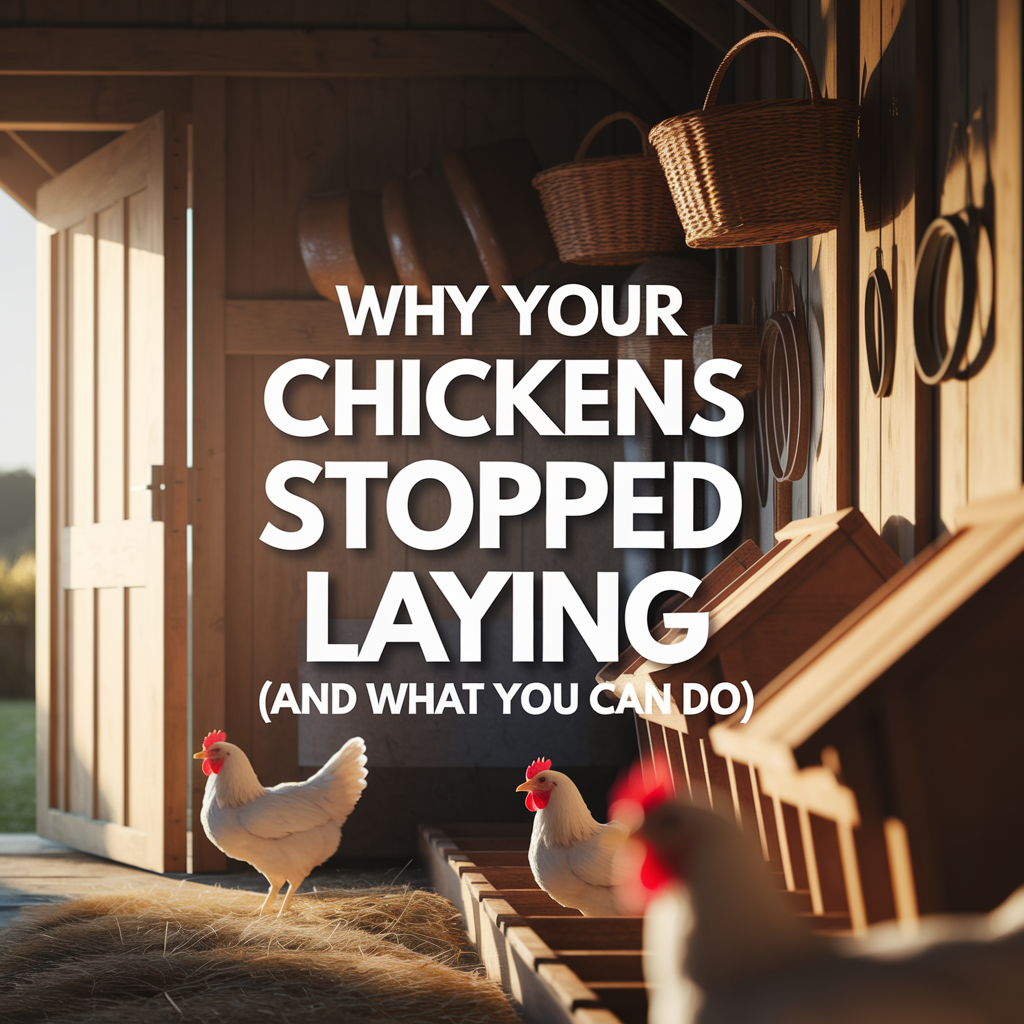
This is the most common cause of comb pallor that requires no intervention — just patience and understanding of the laying cycle. If a hen’s comb has gone pale and she’s simultaneously in molt or it’s the shortest days of winter, non-laying status is the most likely explanation. The guide to why chickens stop laying covers this cycle in full.
Why Is My Chicken’s Comb Drooping or Floppy?
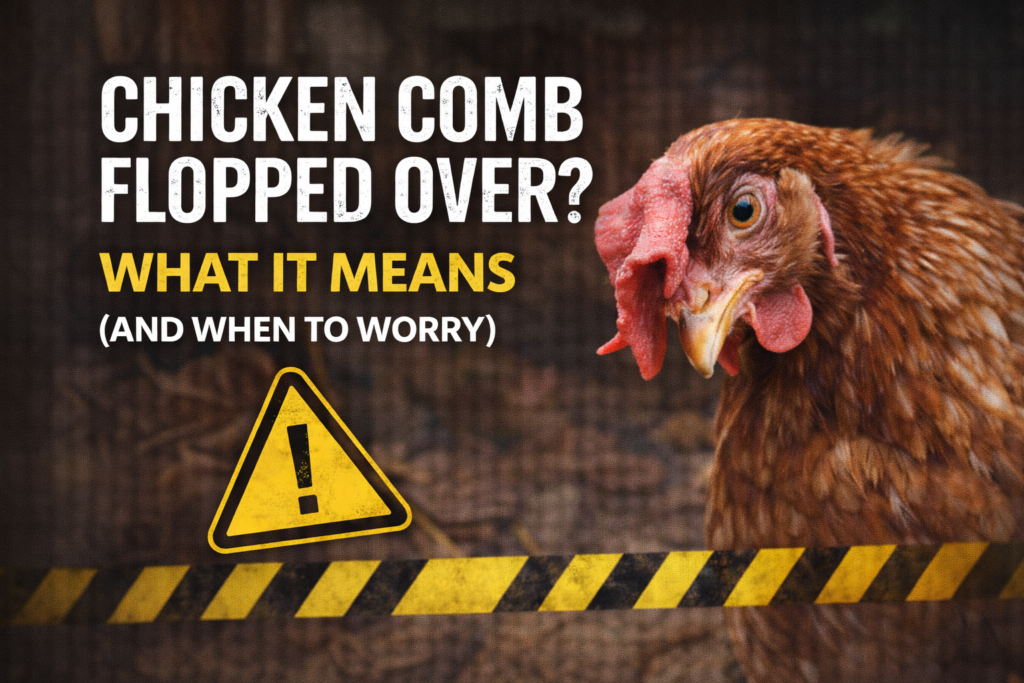
A drooping or floppy comb — particularly a single comb that flops to one side rather than standing upright — is one of the most common comb questions keepers have, and it’s also one of the most frequently misunderstood. Floppy combs have a wide range of causes, from completely benign genetics to serious health problems. For help distinguishing normal genetics from warning signs, see what a floppy comb means.
Genetics and Breed Normal
Some breeds simply have combs that flop. Leghorns are the most famous example — in females, the single comb almost always droops to one side, and this is completely normal for the breed. It’s not a health indicator, it’s not a problem, it’s just how Leghorn hens look. Other large single-comb breeds can have naturally drooping combs in females as well, particularly as the comb grows larger.
If you have a breed known for large single combs and the comb flops — and the hen is otherwise healthy, active, and laying normally — breed genetics is the explanation. No action needed.
Dehydration
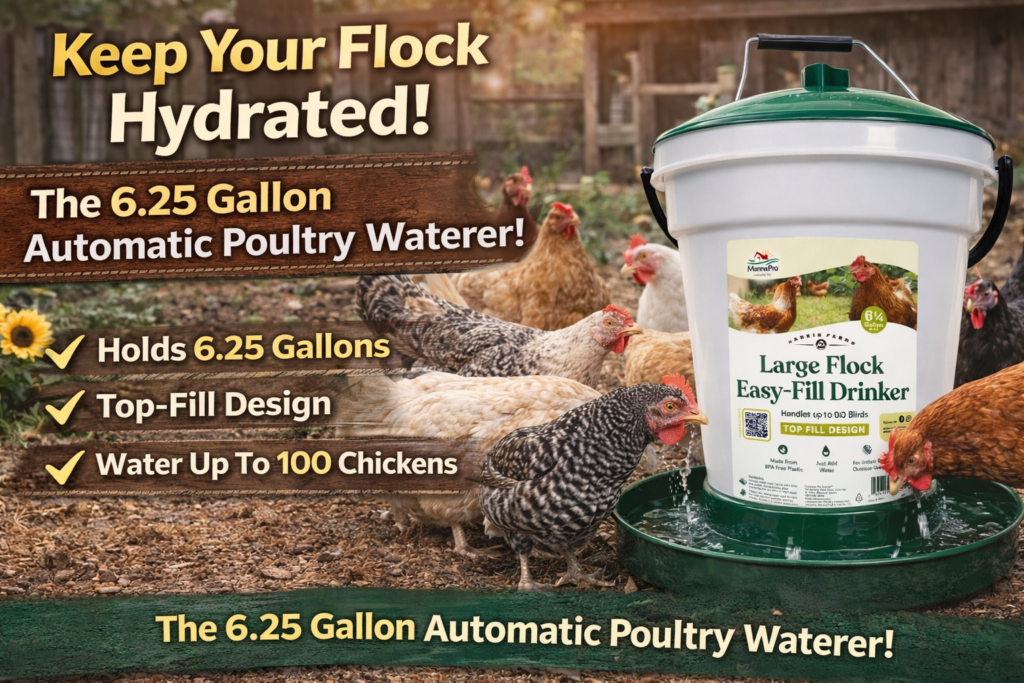
Dehydration causes comb drooping reliably and quickly. The comb is vascular tissue, and when a hen is dehydrated, reduced blood volume causes the comb to lose its firmness and flop. This is one of the fastest-developing comb changes you’ll see — a comb that was upright in the morning can be drooping by afternoon if a waterer ran dry on a hot day. A large easy-fill chicken waterer can help maintain dependable access to water when a flock goes through it quickly.
Check water access immediately if a previously upright comb suddenly droops. If the waterer is empty or fouled, refill it and observe the hen. A hen who was simply dehydrated will typically perk back up — including her comb — within a few hours of rehydrating.
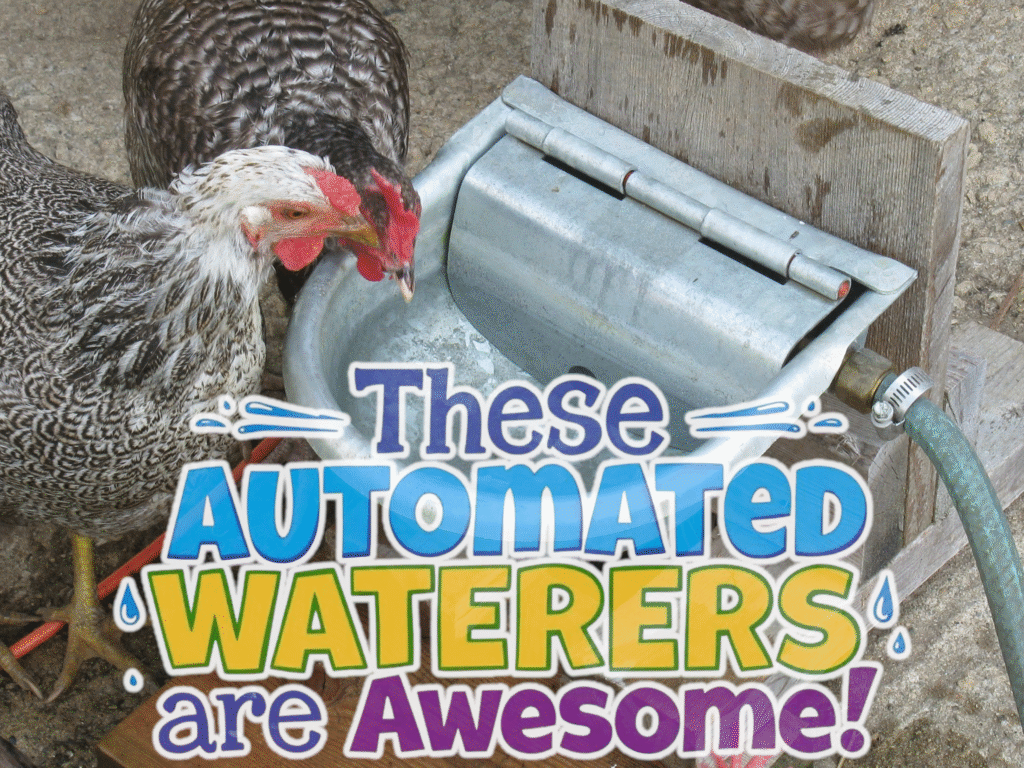
Water access is one of those foundational things that’s easy to take for granted until something goes wrong. Making sure waterers are checked and refilled daily — twice daily in hot weather — is basic flock management that prevents a lot of secondary problems. The overview of automatic chicken waterers covers options that reduce the risk of a flock going without water when you’re not around to check manually.
Heat Stress
High temperatures cause comb drooping as chickens divert resources to cooling rather than maintaining peripheral circulation. A hen in heat stress will pant with her beak open, hold her wings away from her body, and may have a pale, floppy comb. This is a welfare emergency at the extreme end — heat stroke in chickens can be fatal quickly.
Shade, cold water, and ventilation are the immediate responses. Frozen treats — frozen watermelon, ice water, frozen corn — help lower core temperature. If a hen is severely heat-stressed and not responding to cooling measures, cool water applied to the legs and vent area helps bring temperature down faster.
Illness and Systemic Disease
Many illnesses cause comb changes that include drooping alongside pallor. Avian influenza, Newcastle disease, and other serious systemic infections can produce dramatic comb changes — rapid color loss, drooping, and a dull, shrunken appearance — as early indicators before other symptoms become obvious.
A comb that droops suddenly in a bird who was previously healthy, combined with other symptoms — lethargy, respiratory sounds, dramatic drop in egg production, or multiple birds affected simultaneously — warrants urgent attention. When several birds in a flock show comb changes at the same time, the likelihood of an infectious cause increases significantly.
Post-Illness or Stress Recovery
A hen recovering from any significant illness or stress event may have a comb that’s temporarily paler and less upright than normal while her body recovers. This is a recovery sign rather than an ongoing problem — the comb returns to normal as the hen regains condition. Supporting recovery with good nutrition, reduced stress, and access to clean water accelerates the process.
Comb Color Changes Beyond Pale and Floppy
Comb color changes beyond pallor also carry specific meanings worth knowing.
Purple or Blue-Tinged Comb
A purple, bluish, or dusky-colored comb is a serious sign that indicates circulatory problems — the bird isn’t getting adequate oxygen to the extremities. This can be caused by respiratory disease that reduces oxygen uptake, heart problems, or severe circulatory compromise from illness. A purple comb warrants urgent assessment — it’s not a wait-and-see situation.
Black Patches on the Comb
Black patches can indicate two very different things: frostbite (in cold conditions) or dry gangrene from severe infection. Frostbite-related blackening typically follows a cold exposure event and starts at the tips of the comb points. Infection-related blackening is usually irregular, may smell off, and is accompanied by other signs of serious illness. Both require action — frostbite damage is generally permanent but the bird can recover, while infection-related blackening indicates a deeper health crisis.
Scabby or Crusty Comb Surface
A comb with crusty, scabby lesions — particularly around the base — is a classic presentation of fowlpox, a viral disease spread by mosquitoes and direct contact. The dry form of fowlpox produces wart-like lesions on the comb and face. It’s rarely fatal in otherwise healthy adult birds but is contagious through the flock and takes several weeks to resolve. There’s no treatment — management focuses on supportive care and preventing secondary infection in the lesions.
Comb Injuries
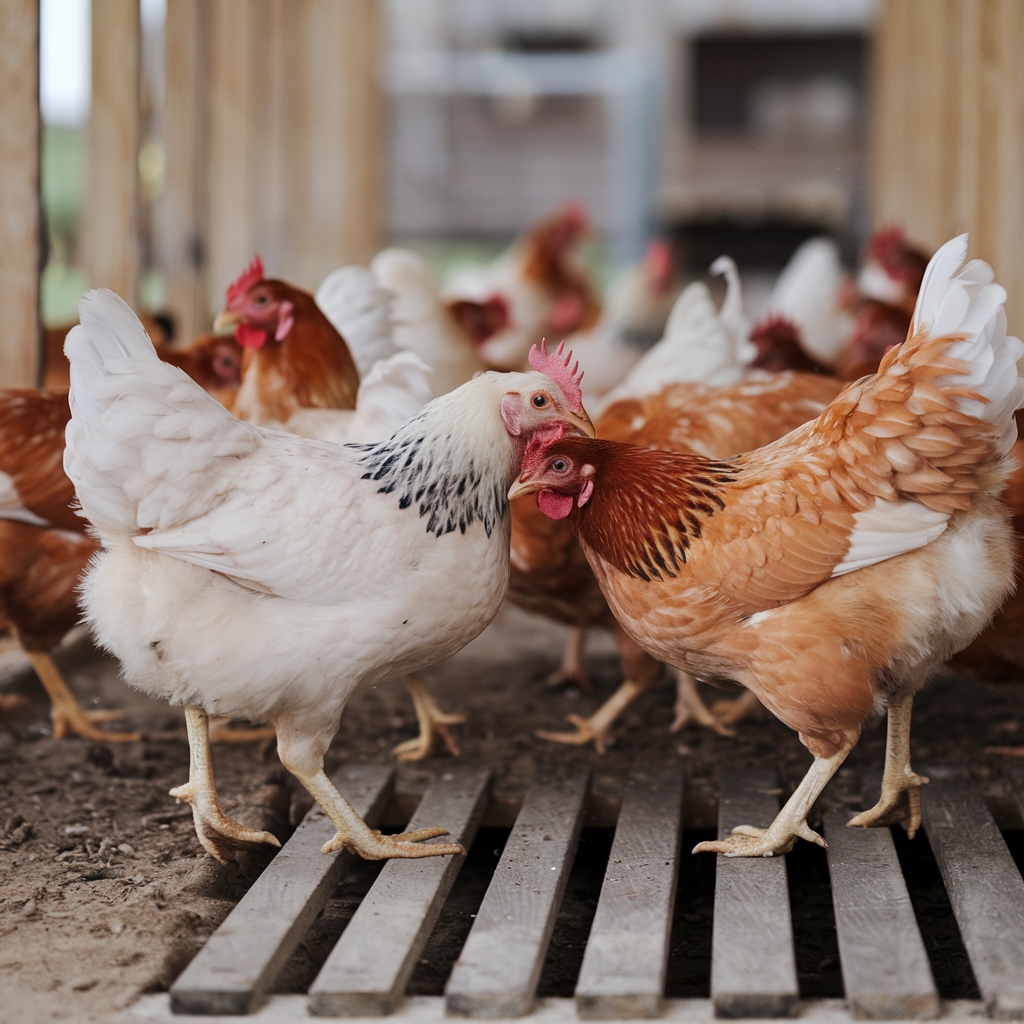
Pecking injuries to combs are common, especially in densely housed flocks or after the introduction of new birds. The comb bleeds dramatically for its size — a small peck wound can look alarming — and blood attracts more pecking, which can escalate quickly. Clean and treat any comb wound promptly, and if a bird is being repeatedly targeted, separate her until the wound heals and the situation stabilizes. The guide to stopping pecking behavior covers both the immediate response and the underlying causes.
How to Monitor Comb Health as a Routine Practice
The keepers who catch health problems earliest are almost always the ones who make hands-on bird assessment a regular habit rather than something they do when they suspect a problem. The comb is the easiest and fastest health check available — a quick look at each bird’s comb during daily feeding takes seconds and gives you meaningful information.
What you’re looking for: consistency. Is the comb the same color and firmness it was yesterday? Is it the same as the other hens in the flock? Any bird whose comb looks different from her own baseline or from her flock mates deserves a closer look.
Pick your birds up regularly — not just when something seems wrong. Handling lets you feel changes in body weight and condition that you can’t see through feathers, and it maintains the kind of human-bird relationship where handling isn’t itself a stress event. A hen who’s comfortable being picked up and assessed is far easier to evaluate accurately than one who panics at every touch.

Combine comb observation with checking droppings, watching behavior at the feeder and waterer, and noting any changes in egg production. No single indicator tells the whole story, but together they give you a remarkably complete picture of flock health. The backyard chicken facts article has a useful section on reading chicken health indicators that complements the comb-specific information here.
When something looks off, check it against what you know about the bird’s recent history — any stressors, changes in feed, environmental changes, predator activity at night — before jumping to a diagnosis. Most comb changes have a mundane explanation that becomes obvious once you look at the full picture. And the ones that don’t have a mundane explanation are exactly the situations where early detection from regular monitoring makes the most difference.
The Comb Tells You More Than You Think
Most backyard keepers learn to read their chickens’ combs over time, through a combination of observation and the occasional problem that teaches them what to watch for. The process of building that knowledge doesn’t have to be reactive.
Spend thirty seconds looking at each bird’s comb every day. Know what normal looks like for each individual bird — because normal varies by breed, age, and laying status. Notice changes early, when your options are broadest and the path to resolution is simplest.
The comb is your chicken’s way of showing you how she’s doing. Learning to read it fluently is one of the best investments you can make in your flock’s long-term health — and it costs nothing but attention.
About the Author: Sarah Holloway has kept backyard chickens for nine years and has learned more from watching her flock’s combs than from any single book or resource. She writes about practical flock health with an emphasis on observation skills that prevent problems before they become emergencies.