
If you spend enough time around your chickens, you start to notice something most people don’t expect… they recognize you.
They run up when you walk out, follow you around the yard, and some even wait by the coop door like they know you’re coming.
So it makes you wonder…
Do chickens actually miss their owners, or are they just showing up for food?
The truth is a lot more interesting than most people think.
Can Chickens Recognize Their Owners?
Yes, they absolutely can.
Chickens are much smarter than people give them credit for. They can recognize faces, remember routines, and even tell different people apart.
What This Looks Like in Real Life
- Chickens running toward you when you walk outside
- Acting calm around you but nervous around strangers
- Following you around the yard
- Coming when they hear your voice
This isn’t random behavior. It’s learned recognition.
Chickens associate you with safety, food, and routine.
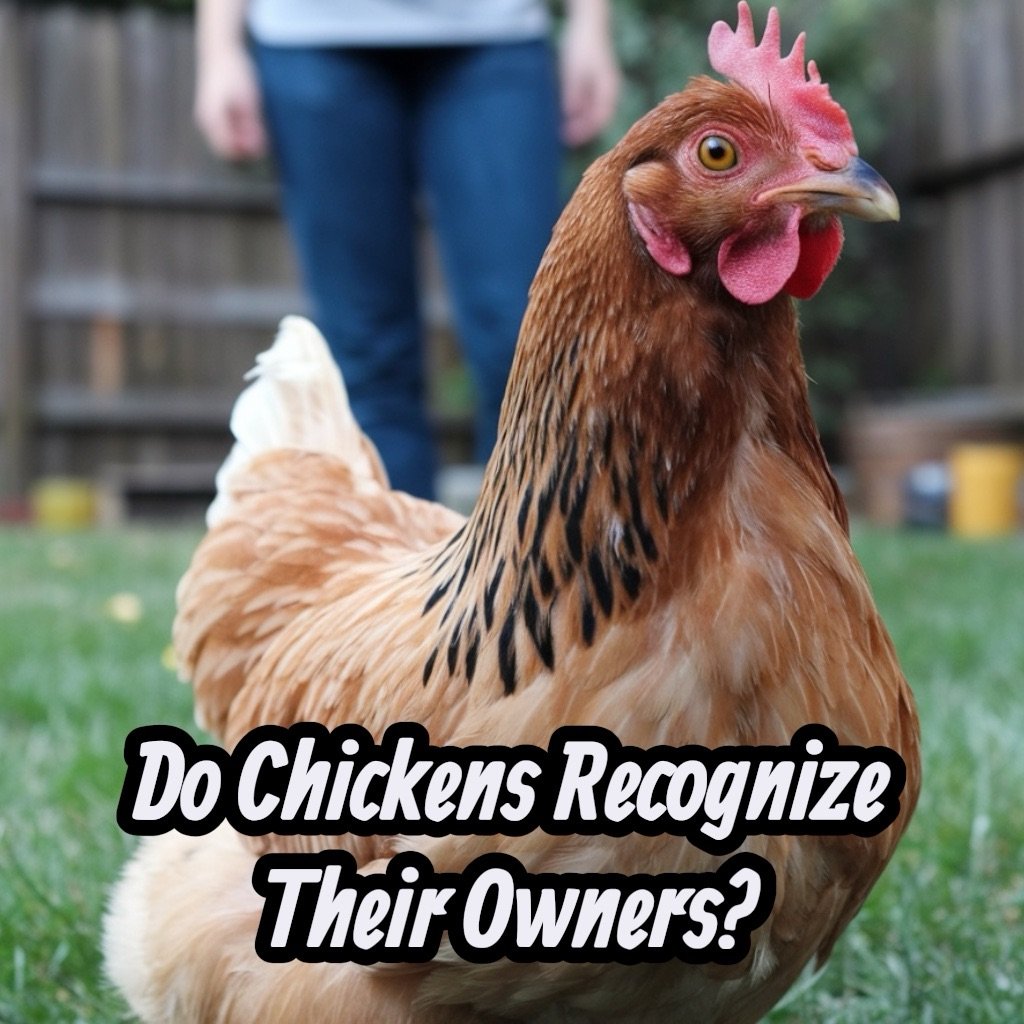
If you’ve ever wondered how deep that connection goes, this explains it further:
Do chickens recognize their owners? Discover how they bond
So… Do Chickens Actually Miss You?
Here’s the honest answer:
Chickens don’t “miss” people in the same emotional way humans do, but they absolutely notice when you’re gone.
And more importantly, they react to that absence.
What Happens When You’re Not Around
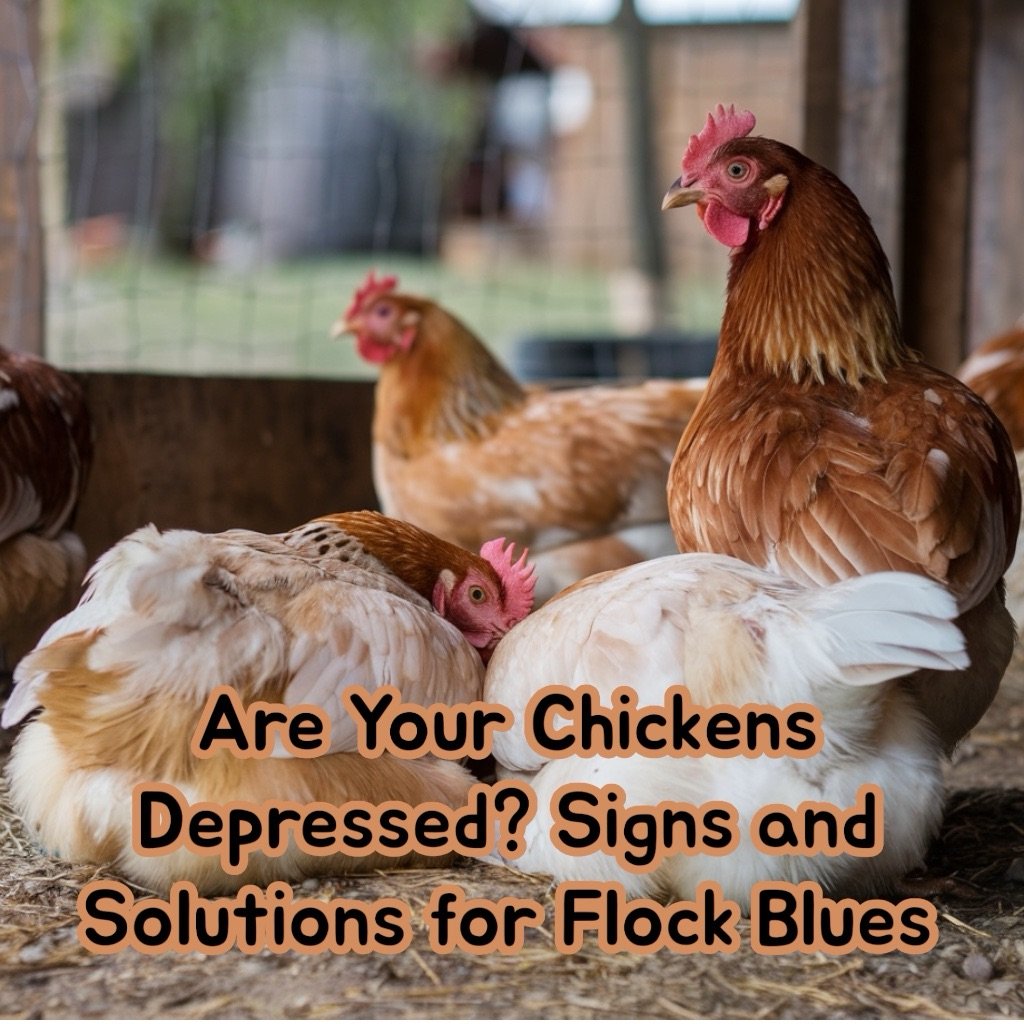
When a chicken is used to seeing you every day, your absence can cause noticeable changes.
Common Changes in Behavior
- Less excitement when someone else feeds them
- More cautious or alert behavior
- Sticking closer together as a flock
- Less interaction overall
Some chickens even seem quieter or less active without their usual routine.
It’s not sadness in the human sense, but it is a form of disruption.
Routine Matters More Than You Think
Chickens thrive on routine.
Same time feeding
Same person showing up
Same environment
When that changes, it throws them off.
That’s why some chickens can appear “off” or even withdrawn when their normal routine is disrupted.
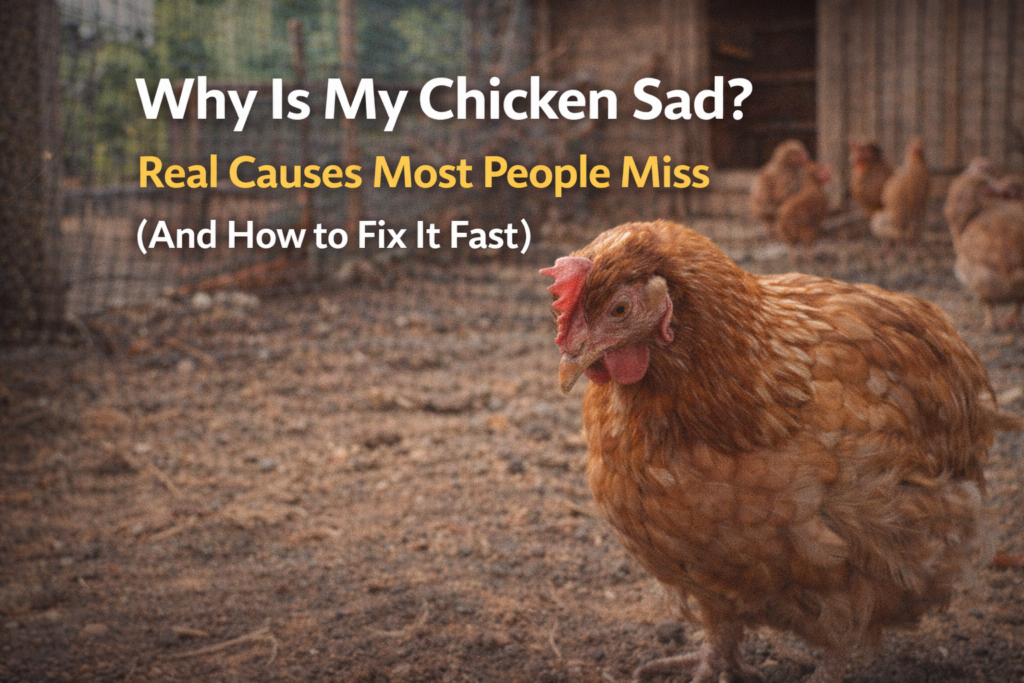
If you’ve noticed this kind of behavior, it can look very similar to other issues:
Why is my chicken sad? Real causes most people miss and how to fix it fast
Chickens Form Flock Bonds First
Here’s something important to understand.
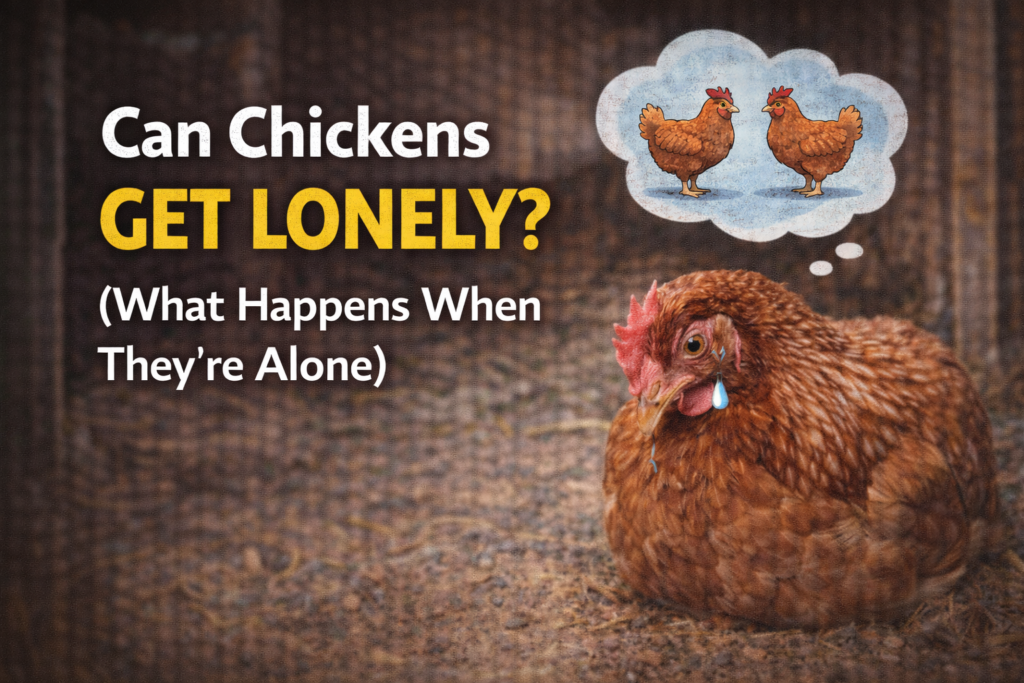
Your chickens are bonded to their flock more than anything else. That flock connection helps explain Can Chickens Get Lonely? (What Happens When They’re Alone) when a companion is missing or a bird is isolated.
You are part of their world… but not their primary emotional anchor.
What That Means
- Chickens rely on each other for safety
- They follow a pecking order
- They stick together when stressed
If a chicken loses a flock mate, that often has a bigger impact than a human being gone.
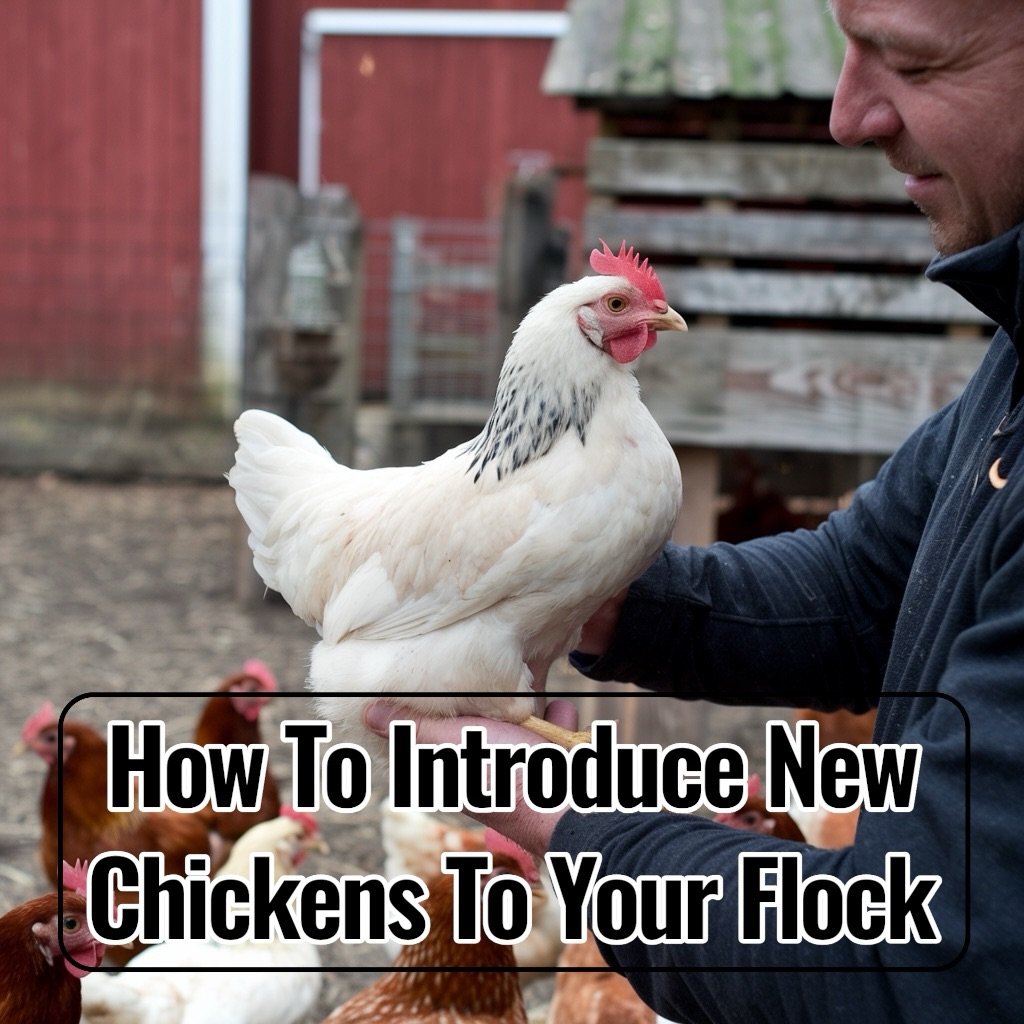
This is why introducing new birds or changing flock dynamics can cause stress:
Introducing new chickens to the flock like a pro
Some Chickens Bond More Than Others
Not all chickens act the same.
Some breeds and personalities are way more interactive than others.
Chickens More Likely to Bond With You
- Hand-raised chicks
- Chickens handled often
- Curious or calm breeds
- Birds that associate you with treats
These are the ones that will:
- Follow you around
- Sit near you
- Seem excited when you show up


What People Mistake for “Missing You”
A lot of behaviors get interpreted as emotional attachment.
Sometimes they are… sometimes they aren’t.
Food Association
Chickens quickly learn:
You = food
So when you show up, they come running.
That doesn’t mean it’s ONLY about food… but food is a big part of it.
Safety Recognition
Chickens recognize who is safe.
If you’re calm, consistent, and around often, they trust you.
That trust can look like attachment.
Habit and Routine
If you feed at the same time every day, chickens expect it.
When that pattern breaks, they notice.
Can Chickens Get Lonely?
Yes, and this is where things get closer to what people think of as “missing.”
Chickens can absolutely get lonely, but it’s usually tied to their flock, not humans.
Signs of Loneliness
- Calling out more than usual
- Pacing or restlessness
- Staying near coop areas
- Less activity
If you only have one chicken, this becomes a much bigger issue.
Stress Can Look Like Emotional Behavior
A chicken that seems sad or withdrawn might not be missing you at all.
It could be:
- Stress
- Illness
- Bullying
- Nutrition issues
One of the biggest causes is feather pecking and stress-related behavior:
Why do chickens eat feathers? Top reasons explained
Always rule out physical or environmental issues first.
How to Build a Stronger Bond With Your Chickens
If you want your chickens to recognize you more and interact with you, there are simple ways to make it happen.

Spend Time Around Them Daily
Consistency matters more than anything
Even just being present helps
Hand Feed Occasionally
This builds trust quickly
Chickens start associating you directly with good things
Move Calmly Around Them
Fast movements scare chickens
Slow, predictable movement builds comfort
Talk to Them
It sounds weird… but it works
Chickens recognize voices over time
Keep Their Environment Positive
Happy chickens are more interactive chickens
Letting them roam can make a big difference in behavior and interaction:
7 real-life advantages of free range chickens
The Real Answer Most Chicken Owners Learn
Chickens may not miss you like a dog would…
But they absolutely:
- Recognize you
- Trust you
- React to your presence
- Notice when something changes
And over time, that creates a connection that feels a lot more personal than people expect.
About the Author
Jake Miller
Backyard Chicken Keeper & Homestead Writer
Jake has spent years raising backyard chickens and learning how they actually behave day to day. From flock dynamics to chicken behavior and bonding, he focuses on sharing real-world experience that helps other chicken owners better understand their birds and avoid common mistakes.