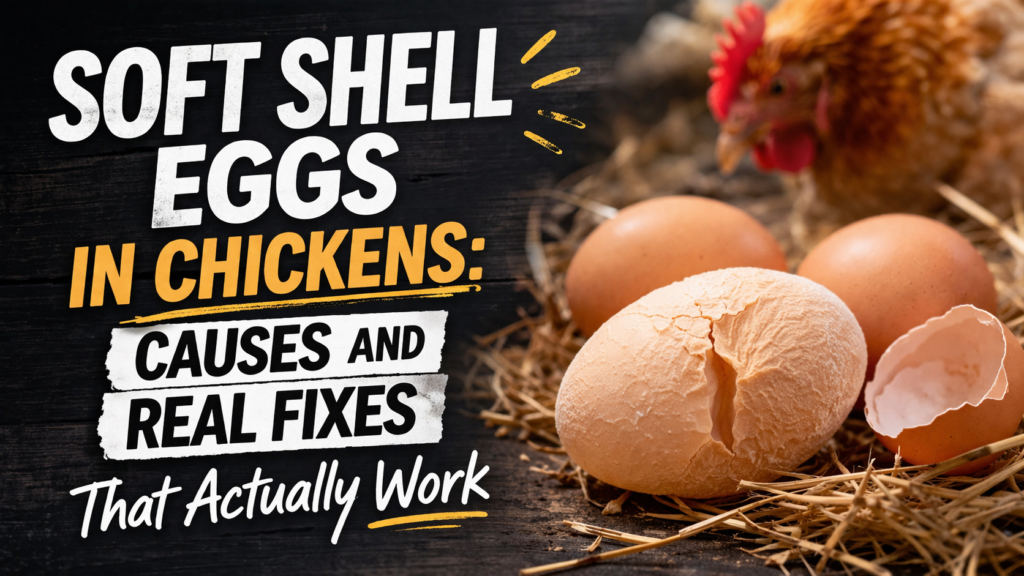
If you’ve ever gone out to your coop expecting a nice solid egg… and instead find something soft, rubbery, or even broken before you pick it up, it’s frustrating fast.
It usually catches people off guard, especially if your chickens have been laying just fine up until now.
The good news is this is one of the most fixable problems you’ll run into. But you have to understand why it’s happening first, because just throwing random fixes at it rarely works long term. The practical checklist in Prevent Soft Eggs in Chickens! Top Tips for Strong Shells helps turn that understanding into steps for stronger shells.
What Soft Shell Eggs Actually Mean

A soft shell egg isn’t just a weird one-off… it’s your chicken telling you something is off internally. Understanding the difference between grit and calcium can help you investigate shell problems, and Do Chickens Need Grit? (Yes—Here’s Why It’s Non-Negotiable) explains that distinction.
Normally, a hen forms a shell using calcium as the egg moves through her reproductive system. If something interrupts that process, the shell doesn’t fully harden.
What You Might See
- Thin shells that crack easily
- Rubbery eggs
- Eggs with no shell at all (just membrane)
- Eggs breaking in the nesting box
Sometimes it happens once and never again. Other times, it becomes a pattern.


The #1 Cause: Not Enough Calcium
This is by far the most common reason, especially in backyard flocks.
Chickens need a steady supply of calcium to produce strong shells. If they don’t have it, the shell simply won’t form correctly.
Why It Happens
- No access to oyster shell
- Low-quality feed
- Too many treats replacing proper nutrition
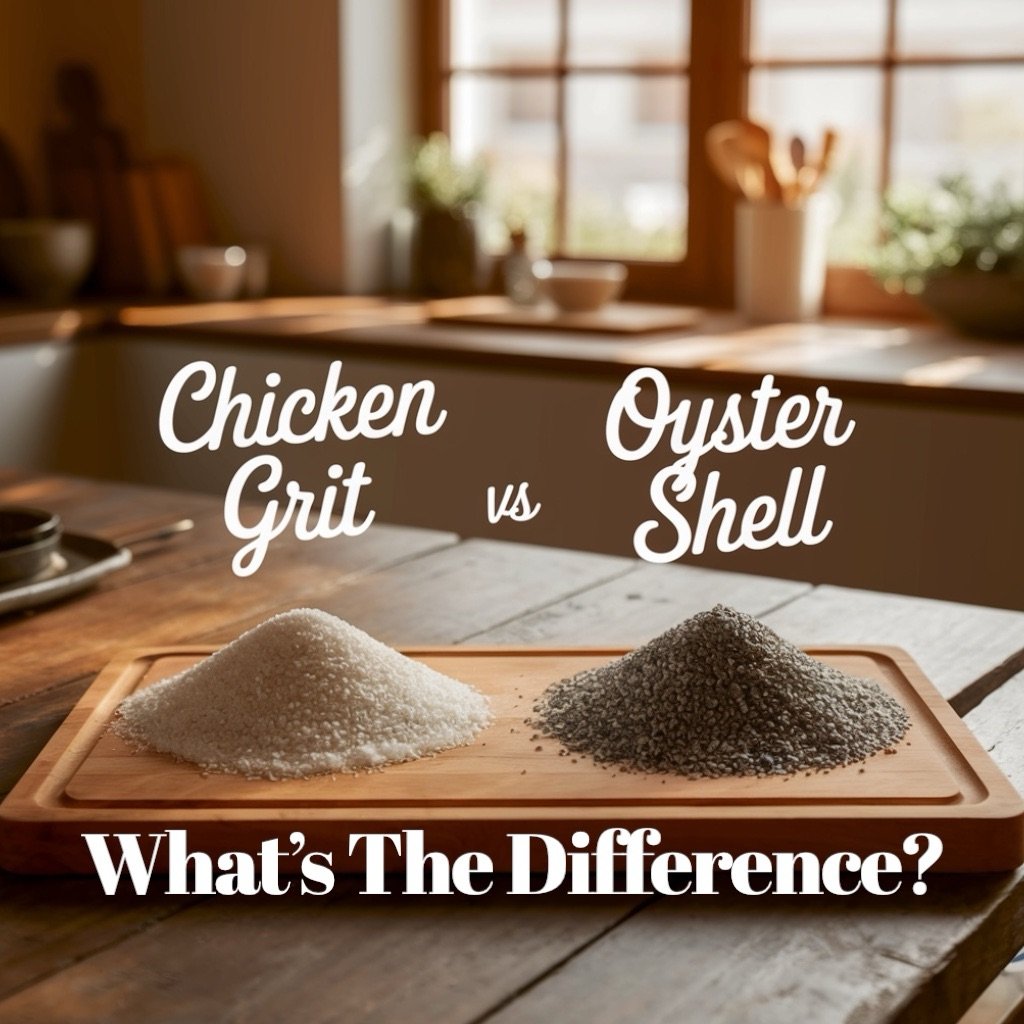
If you haven’t dialed this in yet, this breaks it down clearly:
Chicken grit vs oyster shell – what’s the difference and do you need both
Calcium Needs Change Over Time
Even if your setup was working before, things can shift.
When Calcium Problems Show Up
- Hens start laying more frequently
- Seasonal changes
- Older hens losing efficiency
- New layers entering production

This is exactly why many people see sudden shell issues out of nowhere:
This calcium boost gave me stronger eggs in a week
Diet Imbalance (More Common Than You Think)

It’s not just about calcium. The whole diet matters. A broader nutritional review may reveal missing support, including the chicken vitamin boost described here: This Chicken Vitamin Boost Turned My Flock Around Fast.
Common Feeding Mistakes
- Too many scraps
- Too many treats (like mealworms)
- Not enough balanced layer feed
When chickens fill up on treats, they eat less of what they actually need.

This is especially important if you’re feeding extras like this:
Feeding mealworms to chickens – the benefits and the warnings
Stress Can Disrupt Egg Formation
Chickens don’t lay well under stress.
And stress doesn’t just affect laying… it affects shell quality too.
Common Stress Triggers
- Predator scares
- Loud noises
- New flock members
- Coop changes
- Extreme weather

Even simple flock changes can throw things off:
Introducing new chickens to the flock like a pro
Age Plays a Bigger Role Than People Realize
Soft shell eggs are very common in:
Young Hens
- Just starting to lay
- System still developing
Older Hens
- Calcium absorption drops
- Shell quality declines over time
If your hen is at either stage, occasional soft eggs aren’t unusual.

Dehydration Is a Hidden Cause
This one gets overlooked all the time.
Chickens need water for nearly every bodily function, including egg formation. In cold weather, keeping chicken water available in winter can help prevent reduced drinking from affecting shell quality.
If water intake drops, shell quality can suffer quickly.
What Causes Dehydration
- Dirty water
- Frozen water in winter
- Algae buildup
- Not enough waterers

Keeping water clean and consistent matters more than people think:
How to stop algae in chicken water the easy natural way
Egg Binding Can Start With Soft Shell Issues
Here’s something a lot of people don’t realize.
Soft shell eggs can sometimes lead to egg binding, because they’re harder for the hen to pass.
If you’re seeing both issues together, don’t ignore it:
Egg bound chicken symptoms: how to spot it early
Illness or Internal Issues
If soft shell eggs keep happening and nothing else explains it, it could be health-related.
Possible Issues
- Reproductive tract problems
- Infection
- Internal laying issues

A drop in laying along with shell issues is a big clue:
Why your chickens stopped laying and what you can do
How to Fix Soft Shell Eggs Fast
Now let’s get into what actually works.


Step 1: Add Free-Choice Calcium Immediately
This is the fastest fix in most cases.
- Offer oyster shell separately
- Let chickens choose how much they need
Do NOT mix it into feed. Chickens regulate intake themselves.
Step 2: Clean Up the Diet
Make sure your chickens are eating what they should.
Focus On
- High-quality layer feed
- Limited treats
- Balanced nutrition
Step 3: Fix Water Access
- Clean water daily
- Prevent algae buildup
- Make sure it never runs out
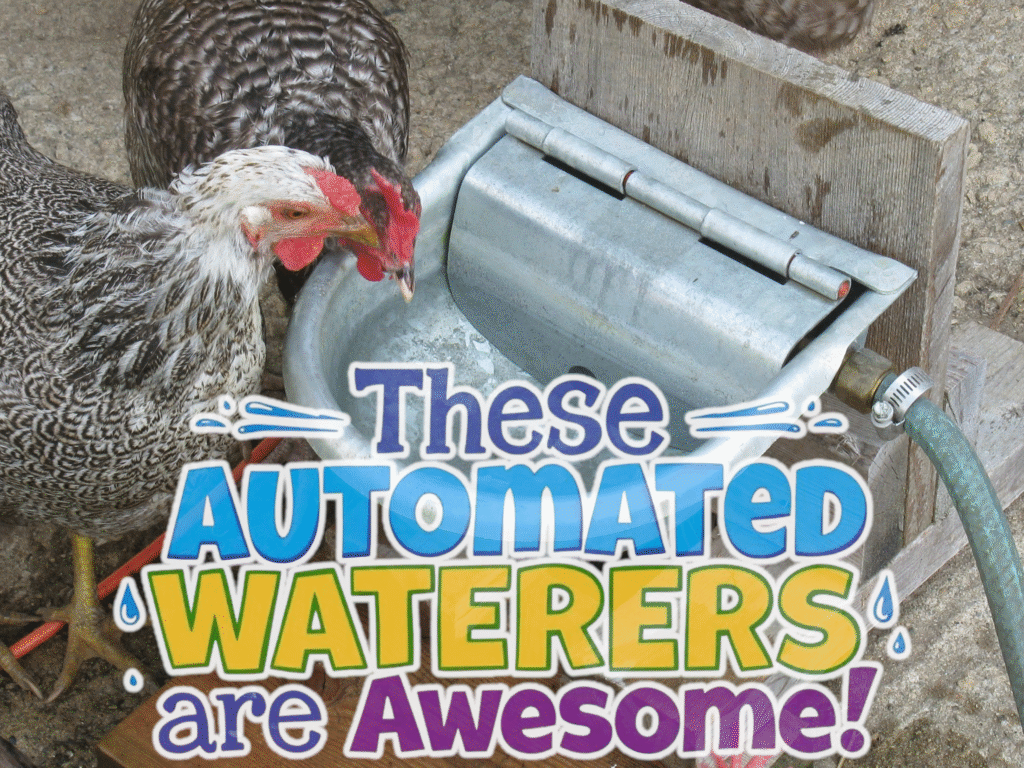
A better watering setup can make a big difference:
These automatic chicken waterers are awesome
Step 4: Reduce Stress
Look around your setup and ask:
- Are they overcrowded?
- Are they being bullied?
- Has anything changed recently?
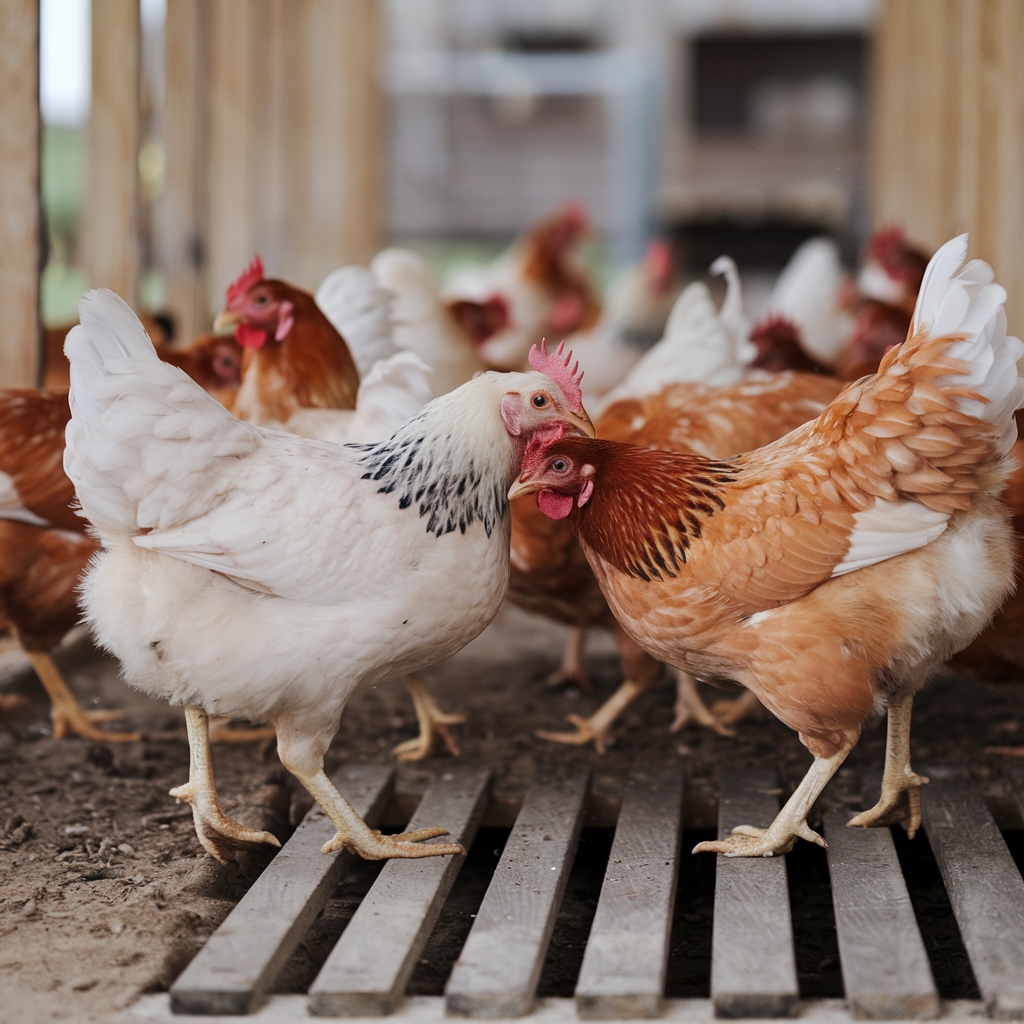
Pecking and stress often go hand in hand:
Quick tips to stop chickens pecking each other in your flock
Step 5: Monitor for Patterns
One soft egg isn’t a big deal.
Repeated soft eggs = something needs fixing.
Keep an eye on:
- Which hens are affected
- How often it happens
- Changes after adjustments
Mistakes That Keep This Problem Going
These are the big ones.
Only Fixing It Once
Adding calcium once won’t solve a long-term deficiency
Letting Chickens Overeat Treats
Mealworms and scraps are fine… until they replace real nutrition
Ignoring Water Quality
Dirty water = less drinking = weaker shells
Not Watching the Flock Closely
Chickens give signs early. You just have to notice them
When to Be Concerned
If you’re seeing:
- Repeated shell-less eggs
- Weak or lethargic hens
- Changes in behavior
It’s time to act quickly.
Soft shell eggs are usually easy to fix… but they can lead to bigger problems if ignored.
The Bottom Line Most Chicken Owners Learn
Soft shell eggs aren’t random.
They’re almost always caused by:
- Calcium issues
- Diet imbalance
- Stress
- Water problems
Fix those, and the problem usually disappears fast.
About the Author
Ryan Carter
Backyard Flock Owner & Poultry Care Enthusiast
Ryan has raised backyard chickens for years, focusing on egg production, nutrition, and practical flock management. Through real hands-on experience, he shares straightforward advice that helps chicken owners solve common problems quickly and keep their hens laying strong.