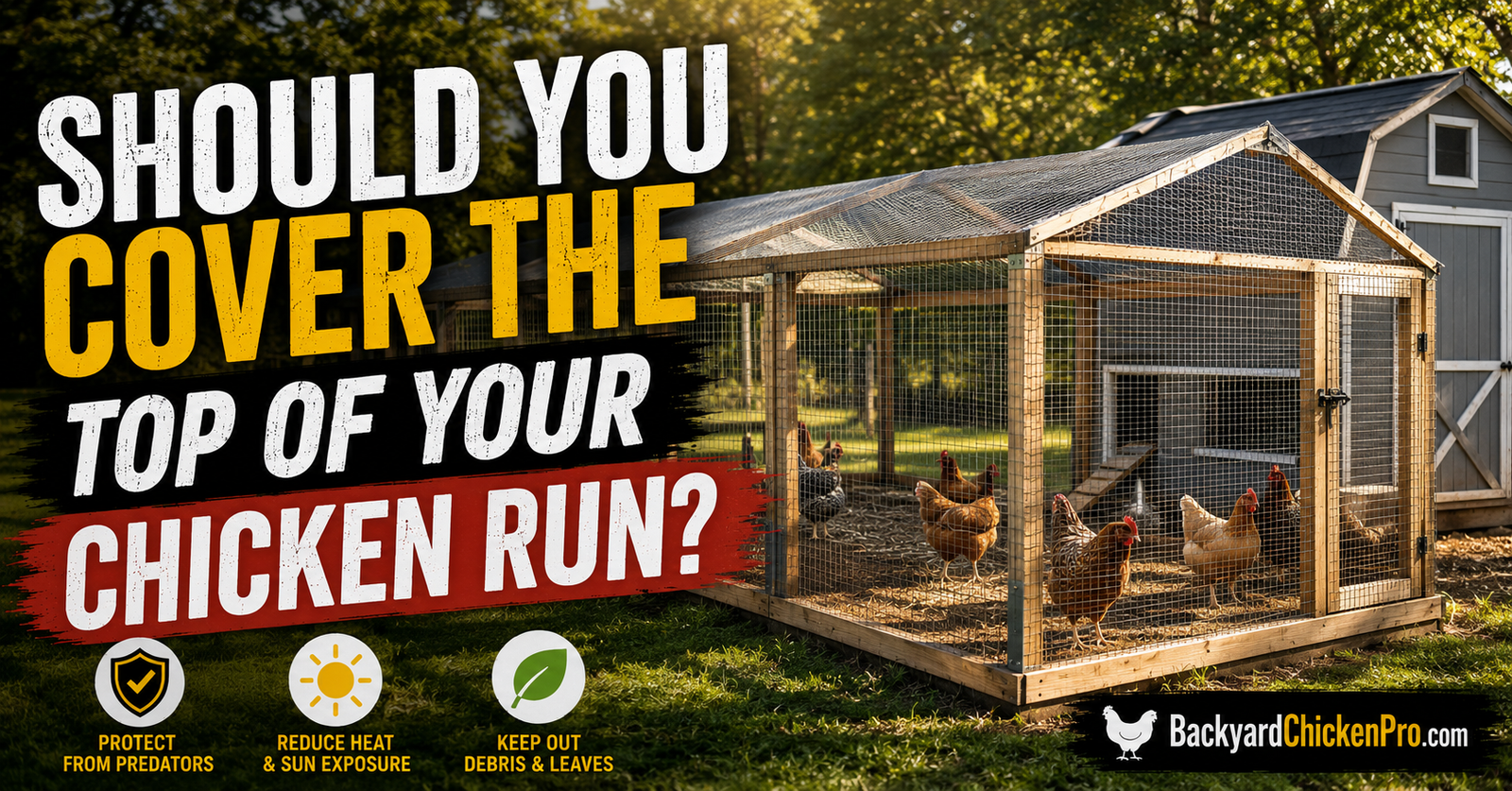
Should You Cover the Top of Your Chicken Run?
Is covering the top of a chicken run really necessary? Learn when it matters, what materials work best, and how it helps protect your flock.
Is covering the top of a chicken run really necessary? Learn when it matters, what materials work best, and how it helps protect your flock.
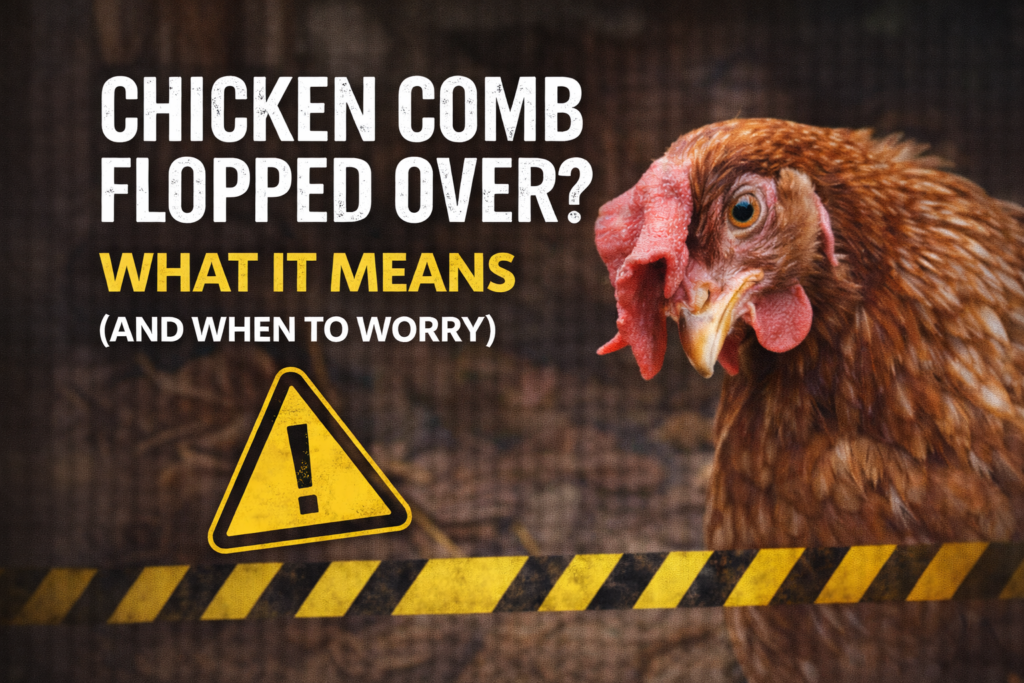
Chicken comb flopped over? Learn what causes it, when it’s normal, and when it’s a warning sign you shouldn’t ignore.
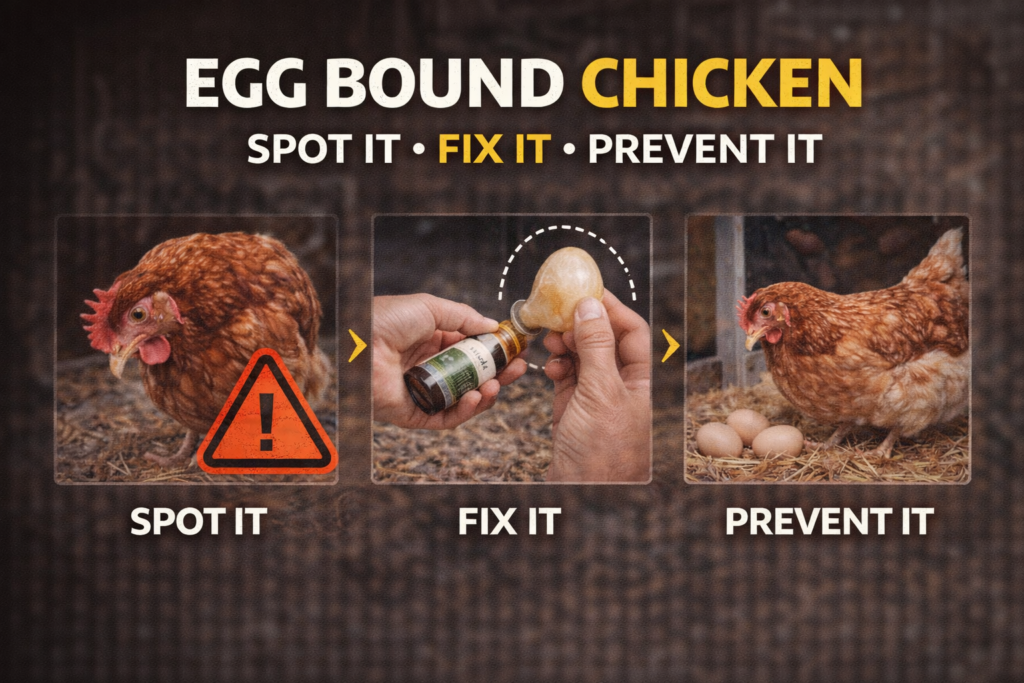
Egg bound chicken symptoms explained plus how to treat and prevent it. Learn what to look for before it becomes serious.
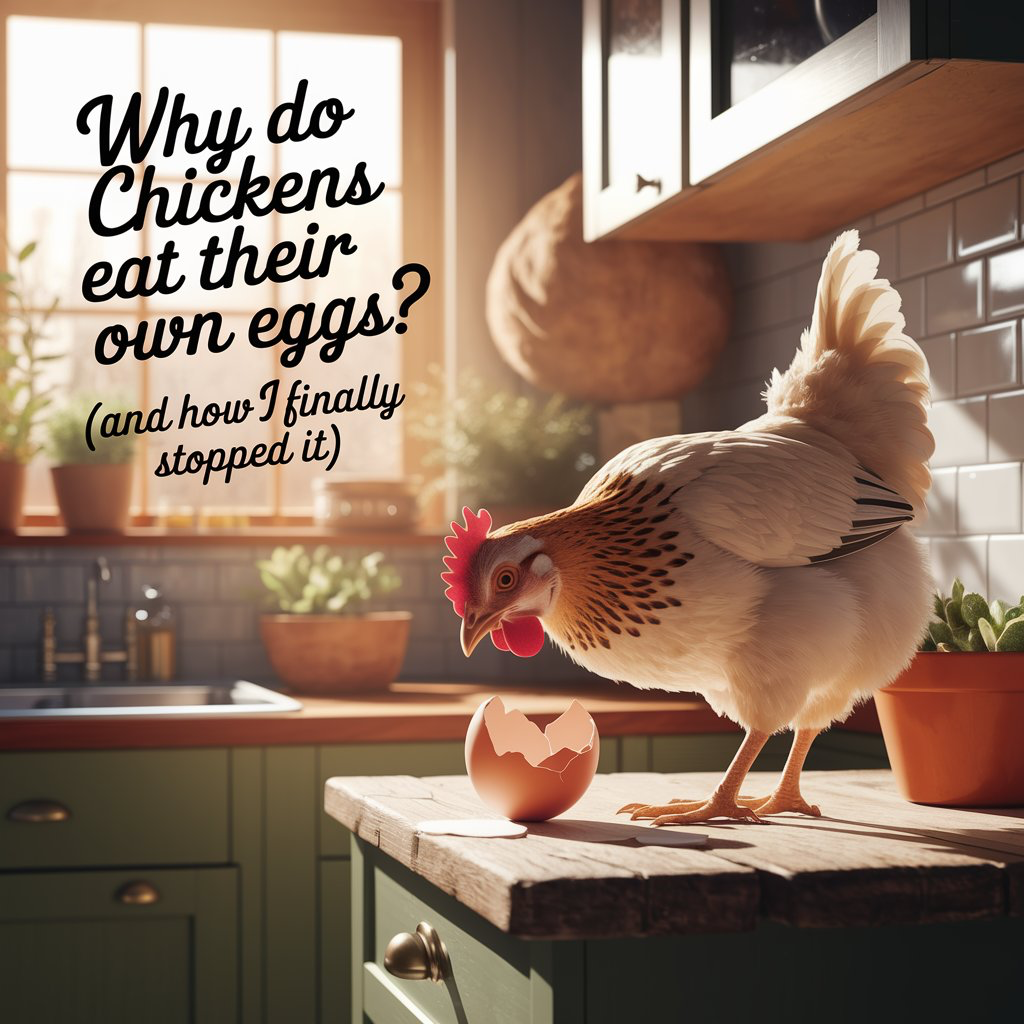
A cracked egg can turn one curious peck into a flock-wide habit. Calcium-rich feed, free-choice oyster shell, more frequent collection, darker nesting boxes, and ceramic eggs helped stop my hens from losing breakfast to yolk-thieving beaks.

Stop tossing oyster shell on the ground and let your hens pick what they need from this sturdy 5.5-pound grit and oyster shell feeder. It hangs neatly in the coop, cuts waste, and keeps calcium available with less daily fuss.

A 10-compartment metal nesting box put an end to scattered eggs by giving hens wide, wall-mounted openings and keeping the collection spot together. Its vented design also helps reduce stale, stinky nests and lets you gather eggs without disturbing the flock.
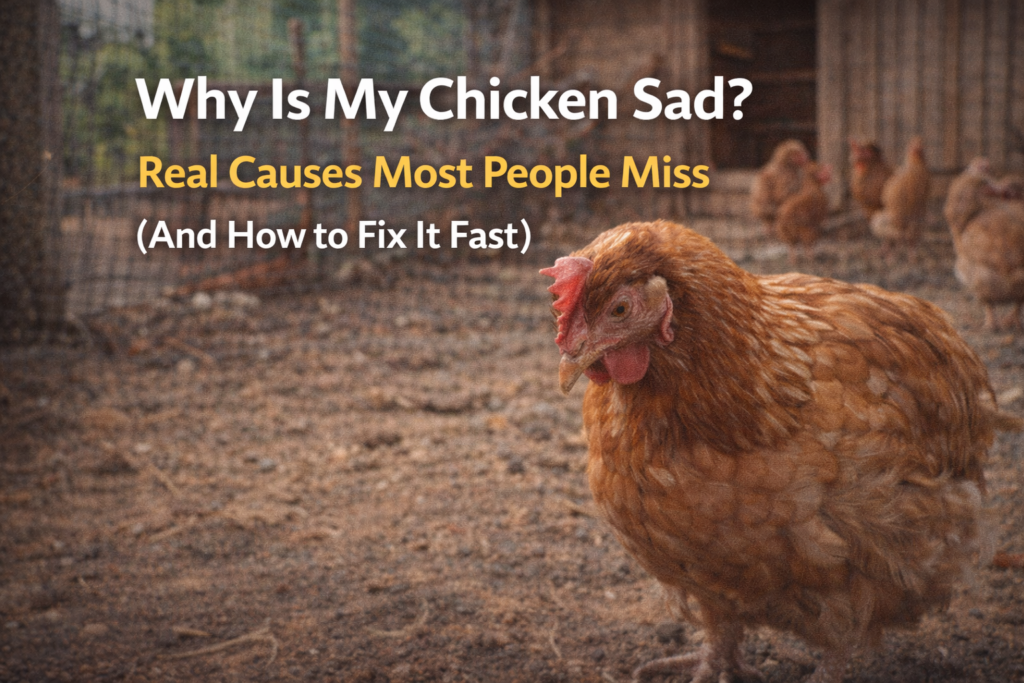
Why your chicken seems sad and what it really means. Learn the real causes and how to fix it fast to keep your flock healthy and happy.
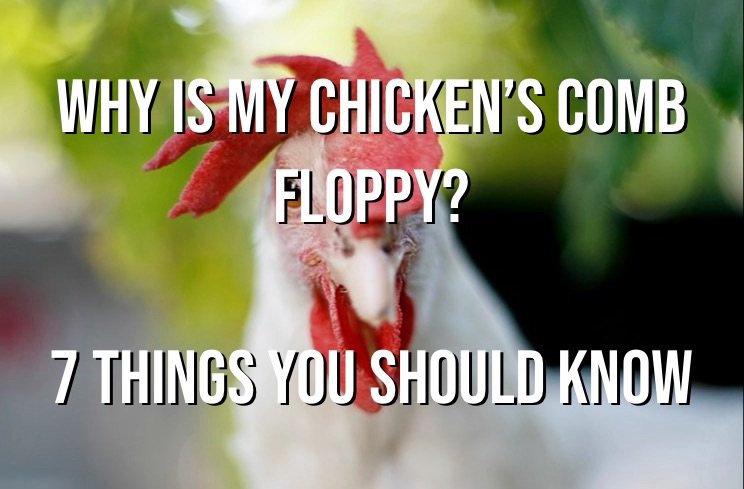
A floppy comb is not automatically bad news. Breed, age, laying maturity, heat, molting, mites, illness, stress, and frostbite can all change its shape, so the comb’s color and your chicken’s behavior matter just as much.
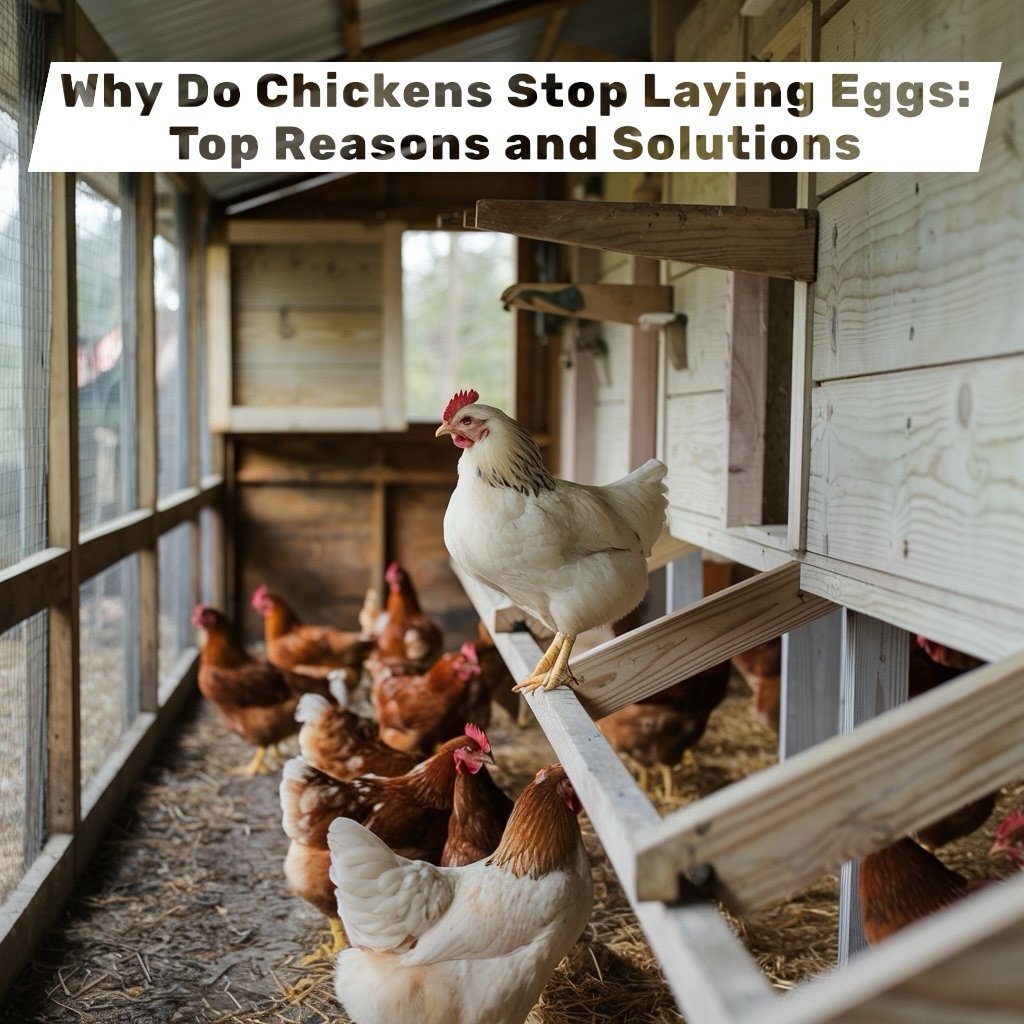
Why do chickens stop laying eggs? From molting mayhem to light drama and stress, get the scoop on your clucky crew’s egg hiatus!
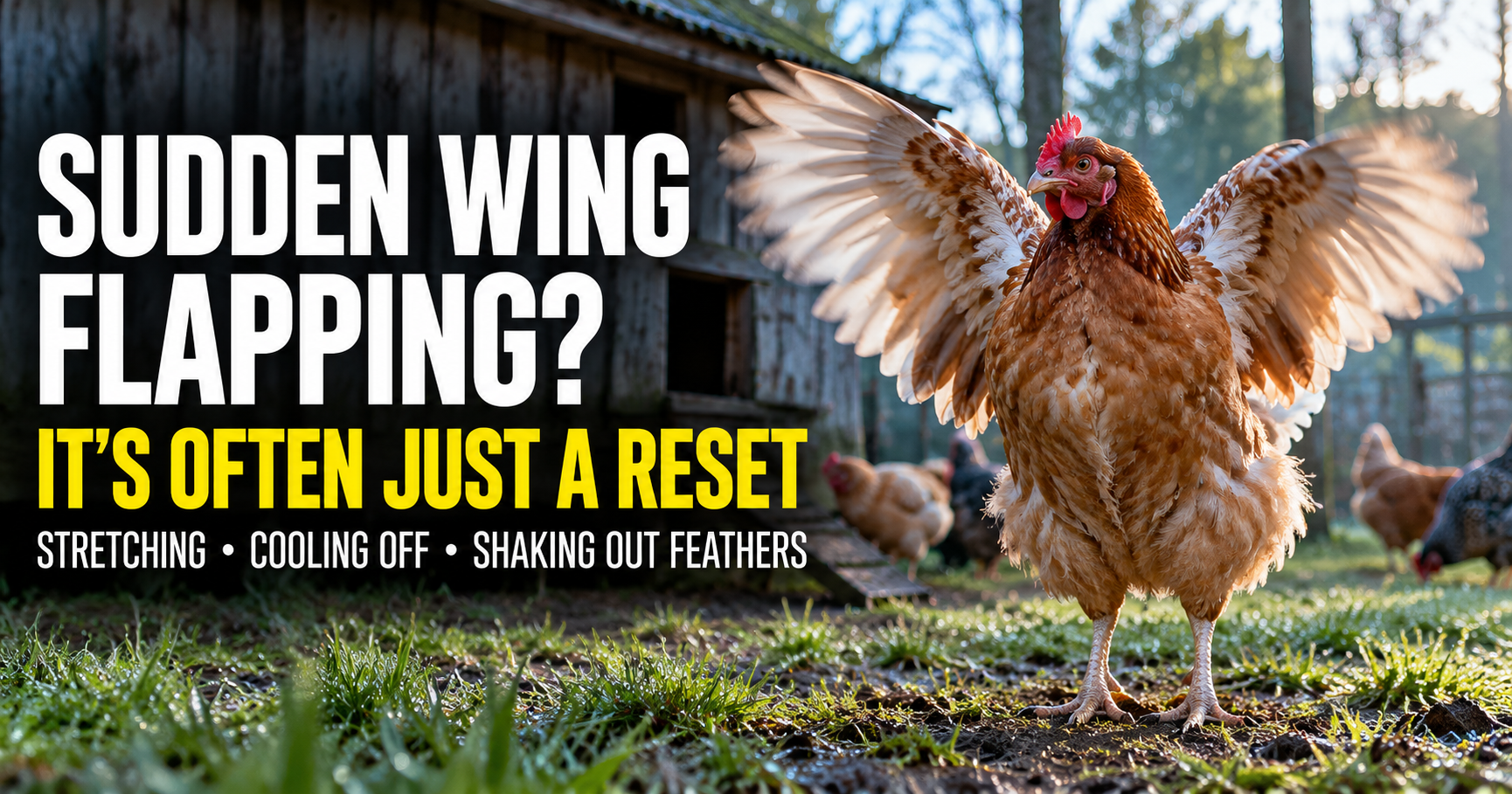
Chickens flap their wings for more reasons than flying. Here’s what I’ve noticed from excitement and stretching to dominance and warning signs.
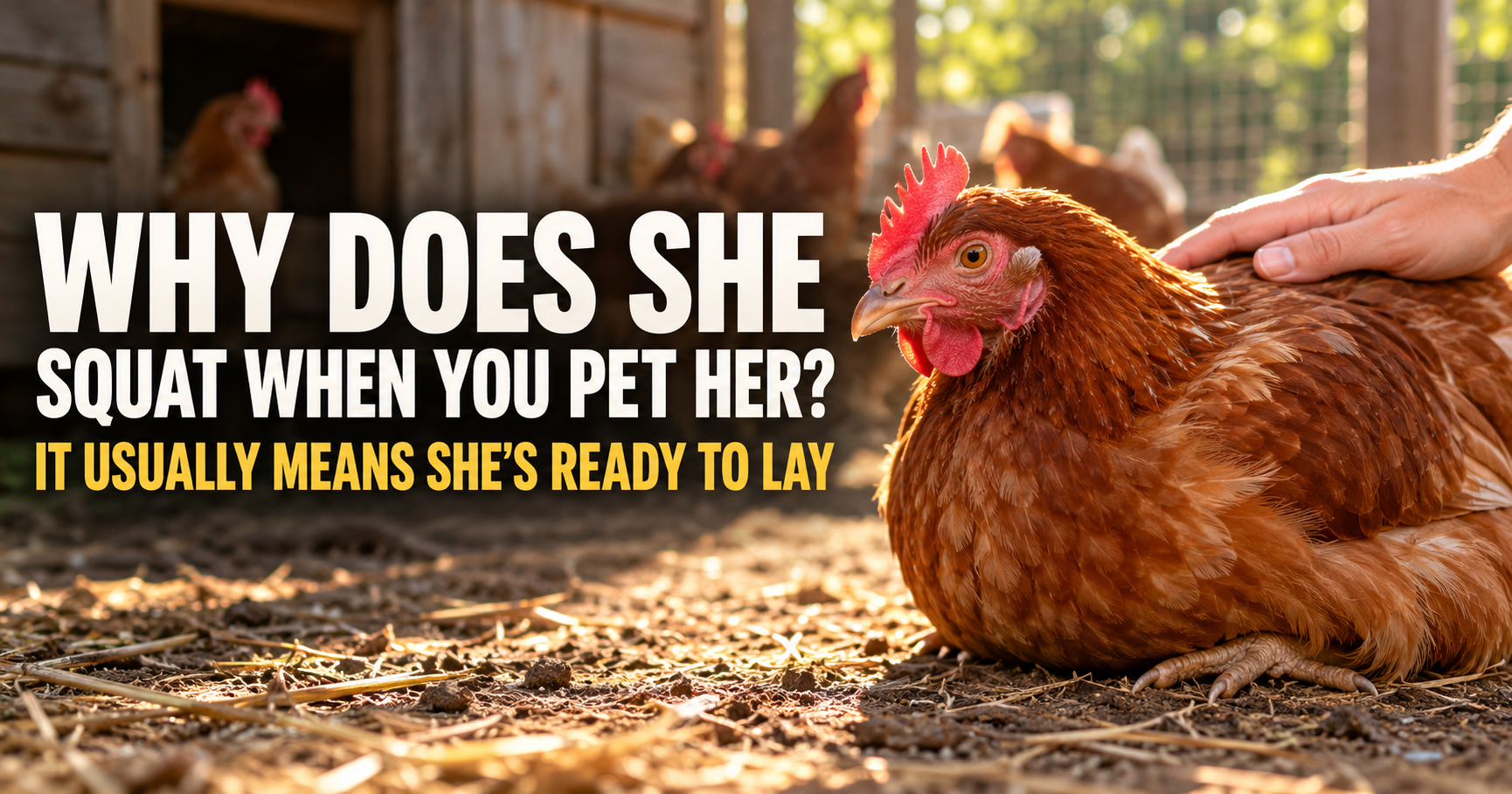
My hens sometimes drop into a squat when I reach toward them. Here’s what that strange behavior means and what it can tell you about your flock.
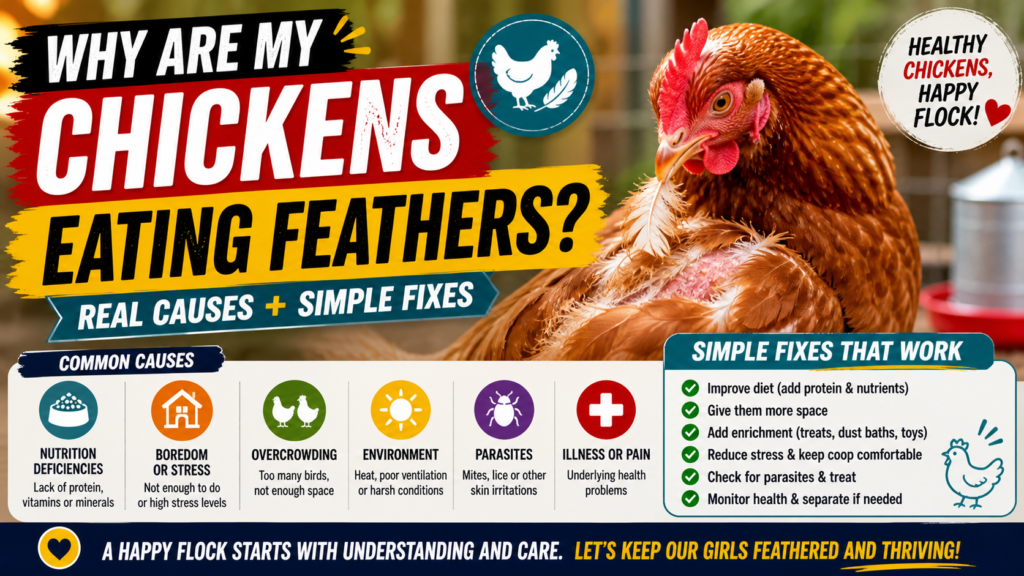
Chickens eating feathers is one of those behaviors that makes you stop and stare. It looks weird, it feels wrong, and if you don’t catch it early it can turn into a real flock problem. Here’s what’s actually behind it — and how to make it stop.