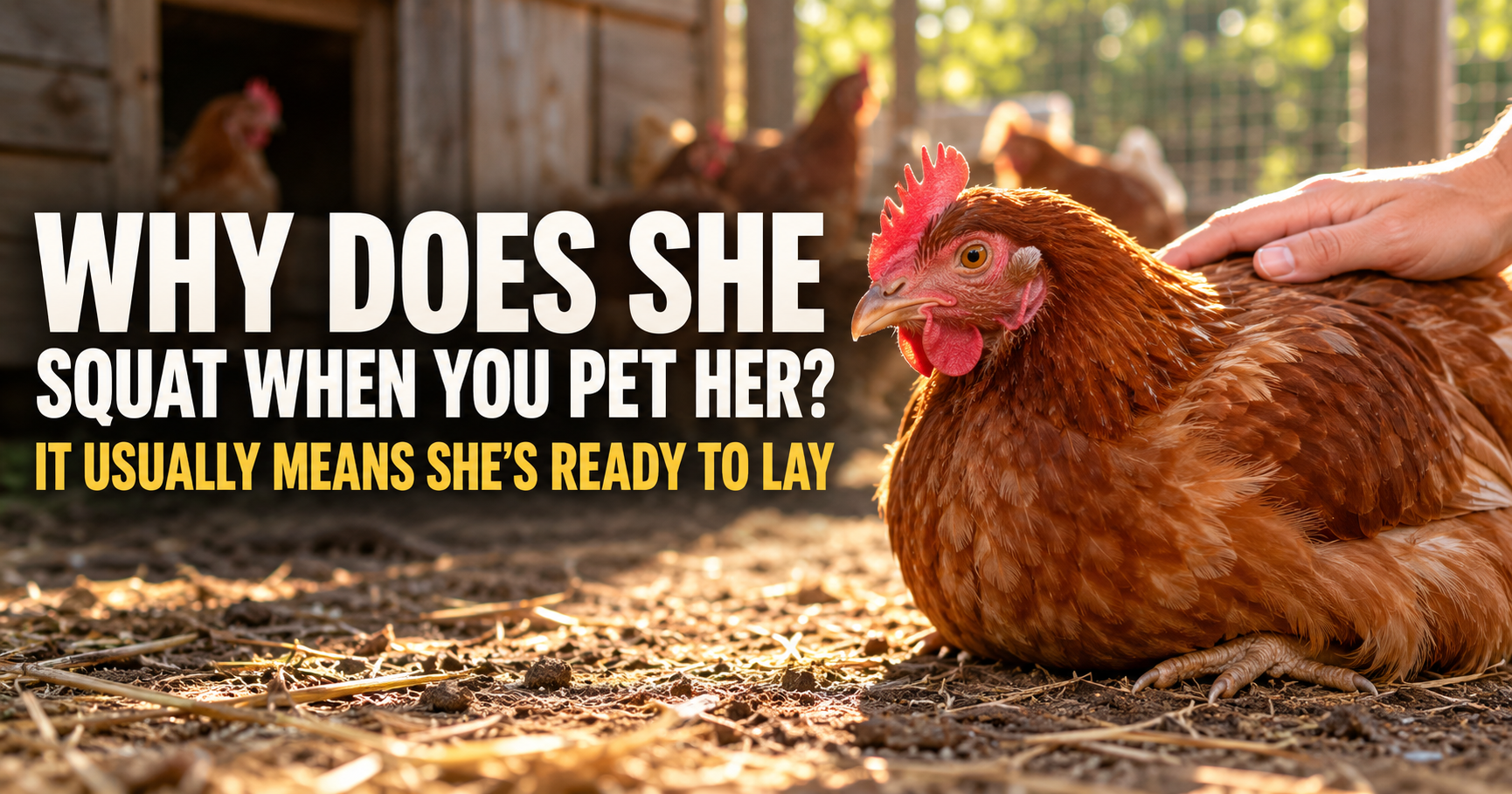
If you’ve never seen a hen suddenly drop into a squat when you walk toward her, it can catch you completely off guard.
She may be walking around normally one second, then you reach toward her and she lowers herself toward the ground, holds her wings slightly away from her body, flattens her back, and practically freezes.
Then you pet her, step away, and she stands back up like nothing happened.
I’ve seen this enough around chickens that I don’t think twice about it anymore, but I completely understand why someone with a young flock would wonder whether something is wrong.
Most of the time, there isn’t.
What you’re seeing is a normal reproductive and submissive behavior in a mature or nearly mature hen. It’s closely connected with mating behavior, but it can also tell you something useful about where a young pullet is in her development.
And once you learn what the squat looks like, it becomes surprisingly easy to recognize.
Why Does a Chicken Squat When You Pet Her?
The simple explanation is that the hen is responding instinctively to your approach or touch.
In a flock with a rooster, this crouched posture is part of normal mating behavior. A receptive hen lowers herself when a rooster approaches so he can mount her.
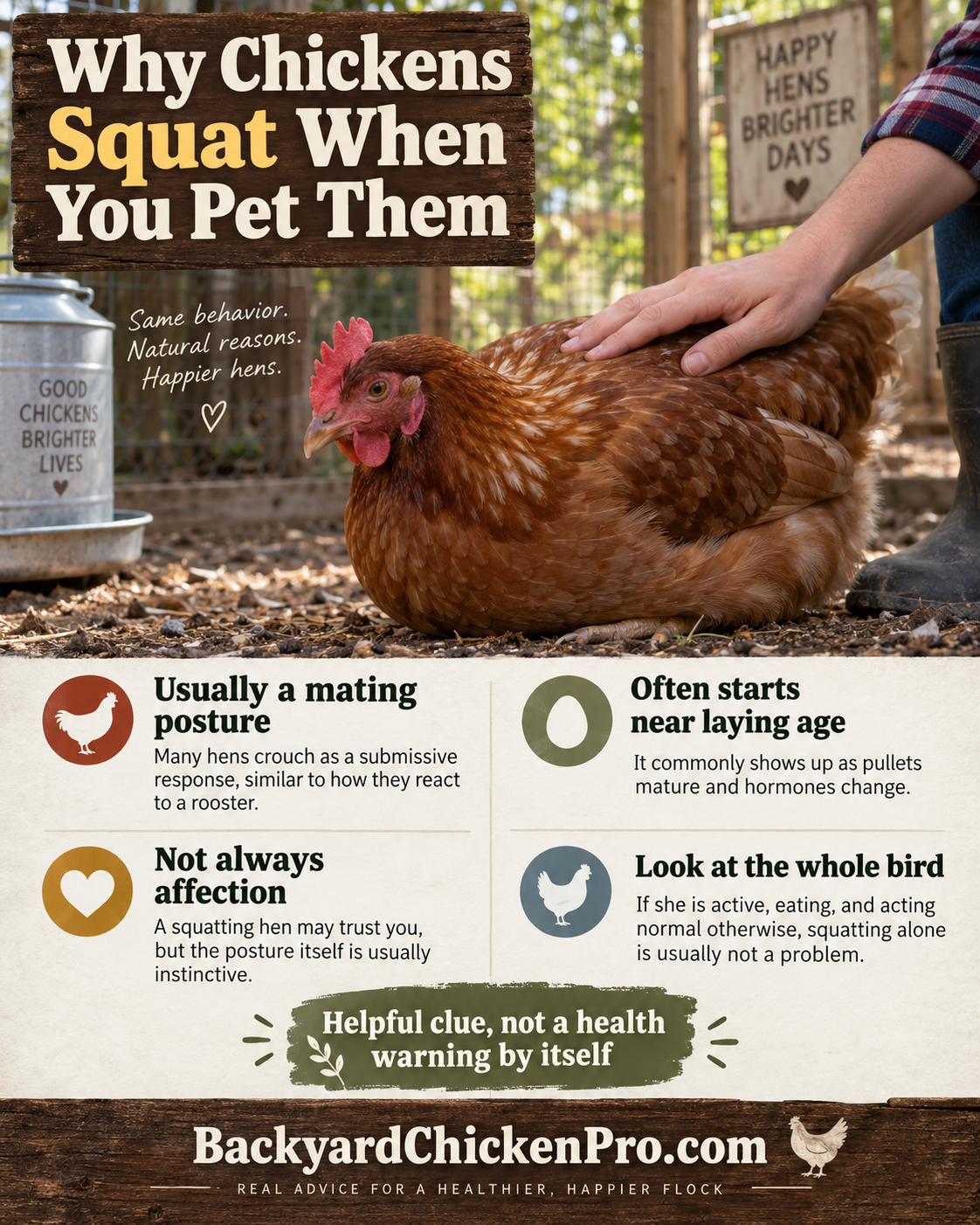
People often call it the submissive squat.
You may also hear the scientific term lordosis used for the reproductive posture.
When a hen does the same thing for a person, it doesn’t mean she’s confused about what species you are. It’s more useful to think of it as an instinctive response to a larger, familiar figure approaching from behind or reaching toward her back.
The posture can become especially noticeable as a pullet reaches reproductive maturity.
That’s where this behavior becomes useful to chicken owners.


Squatting Can Be a Clue That First Eggs Are Getting Close
This is one of my favorite things about noticing the chicken squat in young hens.
It can be another clue that a pullet is maturing.
When young hens get closer to laying age, you’ll usually notice several changes happening around the same time.
Their combs may become larger and redder.
They start showing more interest in nesting areas.
Their bodies begin looking more mature.
And some start squatting when you approach them.
That doesn’t give you an exact countdown to the first egg, but when I see a pullet suddenly start doing it after months of running away from me, I start paying closer attention to the nesting boxes.
If you’ve got pullets approaching that stage, our guide to when chickens usually start laying eggs goes much deeper into the other signs I watch for.
Why Does My Hen Squat Before I Even Touch Her?
This is the part that confuses people.
Sometimes you don’t actually have to pet the chicken.
You simply walk toward her.
She drops.
I’ve had chickens respond while my hand was still nowhere near them.
That’s because the physical touch isn’t necessarily what starts the behavior.
Your approach can be enough.
A hen that’s accustomed to you may recognize your movement and respond before your hand ever reaches her back.
You’ll sometimes notice that especially strongly with calmer hens that are comfortable around people.
A more nervous hen may simply run away.
Chicken personalities vary a lot.
Does Squatting Mean My Chicken Likes Me?
Sort of, but I wouldn’t describe the squat itself as chicken affection.
The behavior is rooted much more strongly in reproductive and submissive behavior than in a desire to be petted.
That said, there’s still something useful you can learn from it.
A hen that calmly squats instead of panicking and sprinting away clearly isn’t treating you like an immediate threat.
She’s comfortable enough with your presence to remain where she is.
That’s different from saying:
“She’s squatting because she loves me.”
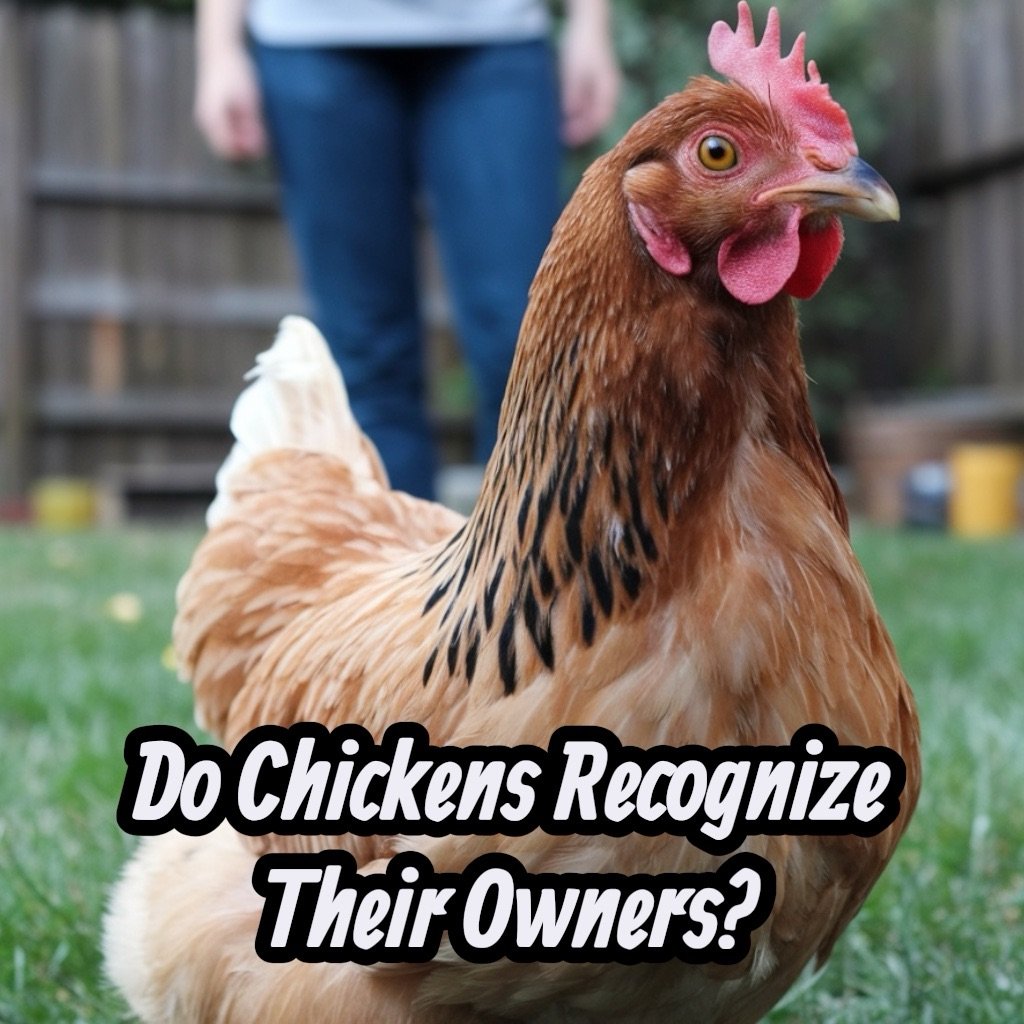
Chickens show familiarity with people in several ways, and we’ve seen how strongly some birds learn routines and recognize the humans caring for them. If you’re curious about that side of their behavior, do chickens recognize their owners is a much better place to dig into that question.
The Full-Body Shake Afterwards Is Normal Too
Here’s another part I think is funny when you first notice it.
You pet the squatting hen.
She stands up.
Then she gives herself a big full-body shake.
It can look like she suddenly decided she hated being touched.
Usually that’s not what happened.
The shake fits naturally into the same behavioral sequence. Hens commonly rearrange their feathers after mating or being handled across the back.
So when I see:
Squat.
Pet.
Stand.
Shake.
Walk away.
I’m not particularly concerned.
It’s one of those odd little chicken behaviors that starts looking completely normal after you’ve kept them awhile.
Does Every Laying Hen Squat?
No.
This is important because otherwise people start worrying when one of their hens never does it.
I’ve seen a huge amount of personality variation between chickens.
Some hens squat almost every time you get close.
Others occasionally do it.
Some hardly ever seem to squat for people at all.
That doesn’t automatically mean anything is wrong with the hen.
You can have a completely healthy laying hen that simply doesn’t respond to you that way.
This is why I treat squatting as one clue, not a test of reproductive health.
If she’s eating well, behaving normally, and laying normally, I’m not going to worry because she doesn’t crouch every time I walk through the run.

Roosters Change the Situation a Little
I’ve noticed this behavior can look different depending on whether there’s a rooster in the flock.
When hens have an active rooster around, much of that reproductive interaction happens with him.
In a flock without a rooster, you may notice hens responding more obviously to people.
That doesn’t mean you need a rooster.
Hens do not need a rooster in order to lay eggs.
A rooster is necessary if you want fertile eggs that can develop into chicks, but egg production itself happens regardless.
That’s another reason I don’t use the squat as a simple “rooster present or absent” behavior.
There are too many individual differences between birds.
Don’t Confuse a Normal Squat With a Chicken That Can’t Stand
This is probably the most important distinction in the whole article.
A healthy submissive squat is brief and deliberate.
The hen is walking normally.
You approach.
She lowers herself.
She stays there briefly.
Then she gets back up and walks away normally.
That’s very different from a chicken that’s spending the whole day crouched close to the ground.
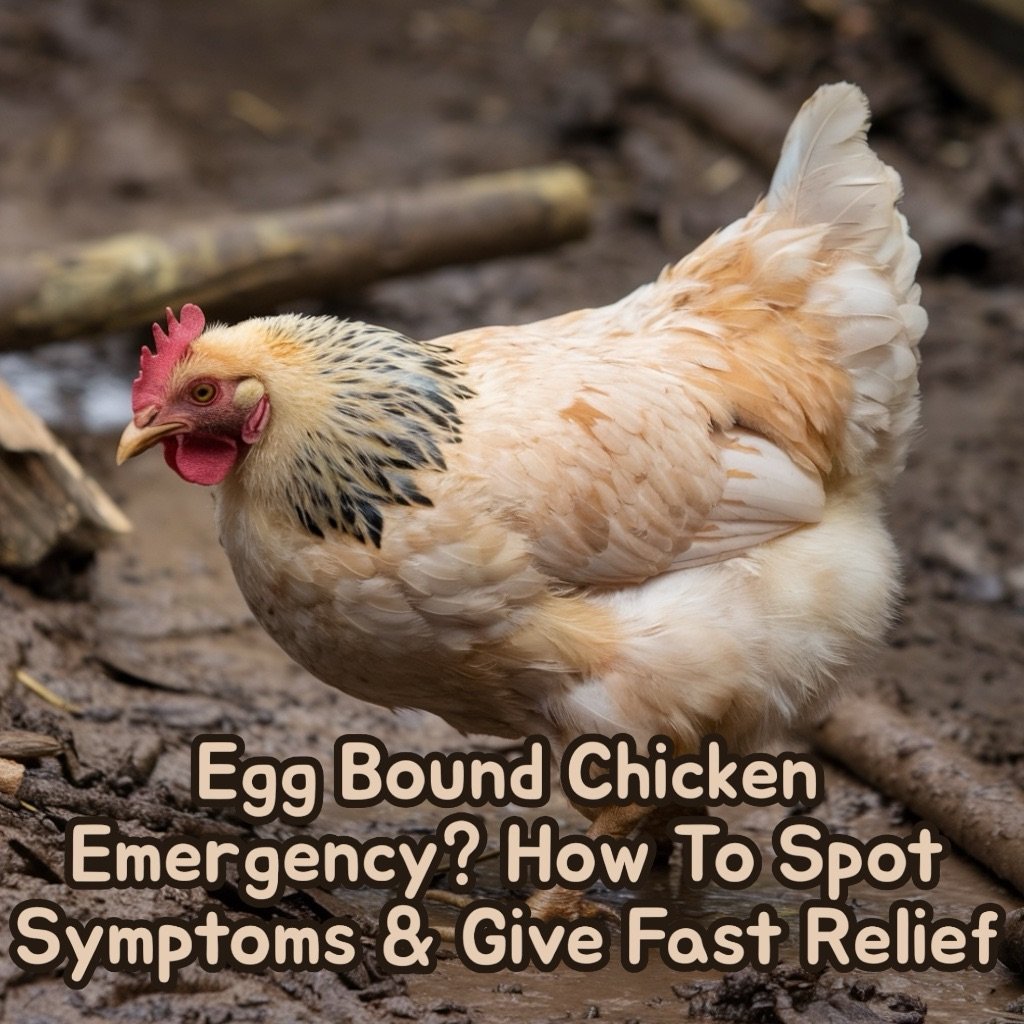
If she’s struggling to stand, walking strangely, sitting constantly, losing her balance, or remaining hunched even when nobody approaches her, I’m no longer thinking about normal squatting behavior.
I’m looking for a health problem.
That’s when details matter.
Is she eating?
Drinking?
Walking normally?
Is her comb pale?
Are her wings hanging?
Is she staying away from the flock?
Sometimes one posture looks similar to another until you watch what the bird does before and afterward.
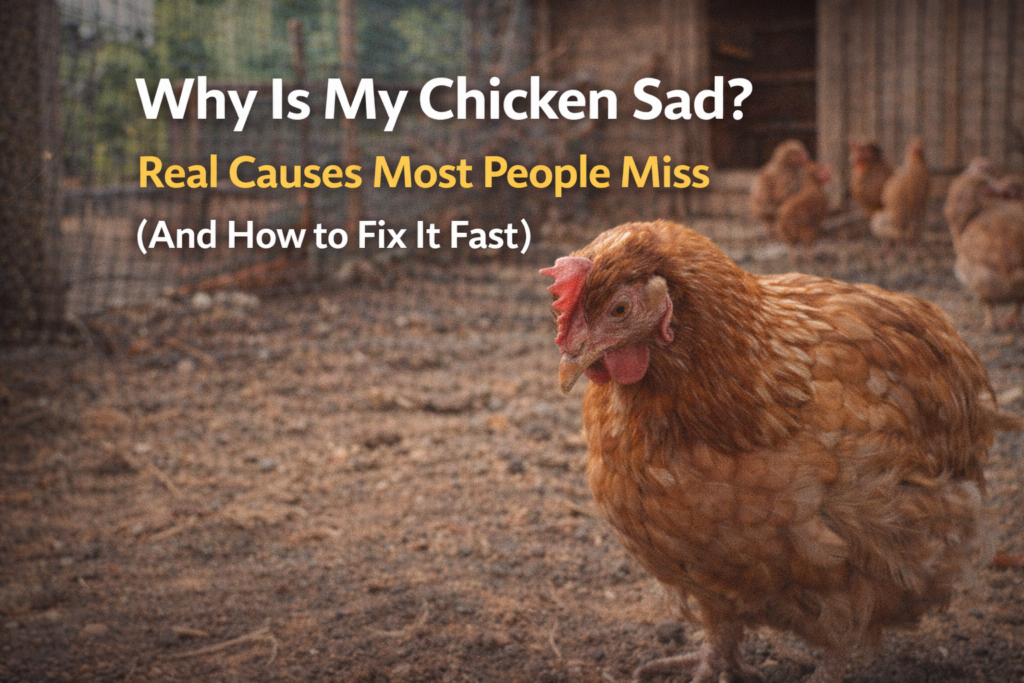
A Puffed-Up Hen Is Different From a Squatting Hen
We just covered this behavior recently because it comes up so often.
A hen deliberately dropping into a flat-backed squat when you approach isn’t the same thing as a bird standing around puffed up for hours.
Those two postures can look vaguely similar in a quick photo, but when you’ve watched chickens in person, they’re pretty easy to tell apart.
A normal squat is usually responsive.
Something triggered it.
A persistently fluffed, hunched bird may be telling you something completely different.
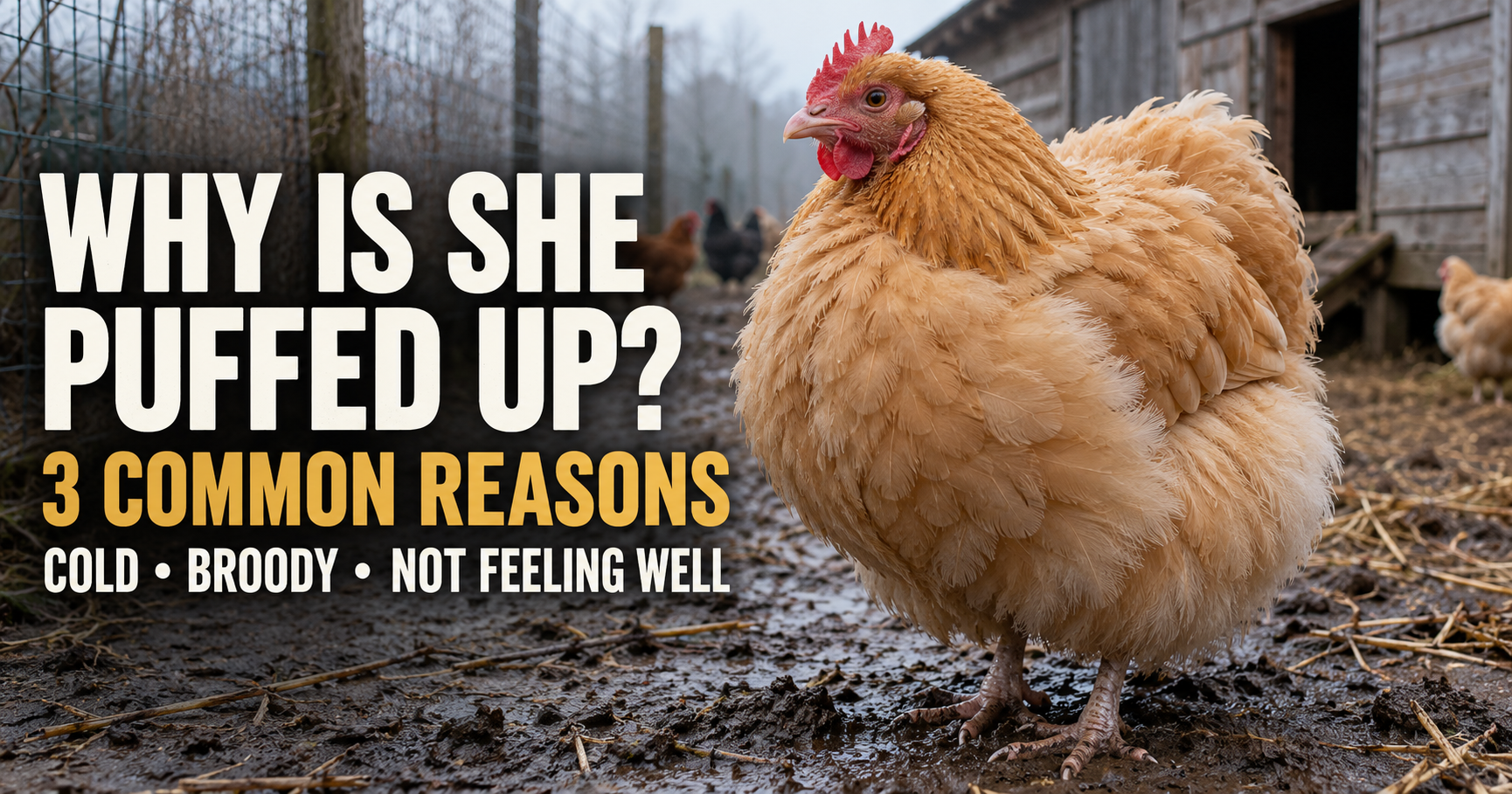
If that’s actually what you’re seeing, read why chickens puff up their feathers and how I tell normal fluffing from something concerning instead.
That distinction can save you a lot of unnecessary worrying.
Can Squatting Help Me Catch a Chicken?
Absolutely.
This is one practical benefit I’ve learned to appreciate.
Trying to catch a chicken that wants absolutely nothing to do with you can become a ridiculous chase around the run.
Once certain hens begin squatting when you approach, handling them becomes much easier.
Instead of chasing the bird, I can calmly approach, let her squat, and gently pick her up.
That can make routine things easier, including checking feet, looking for mites, inspecting an injury, trimming nails, or simply moving a hen.
I’ve found calm handling is always easier on everyone than turning chicken care into a rodeo.
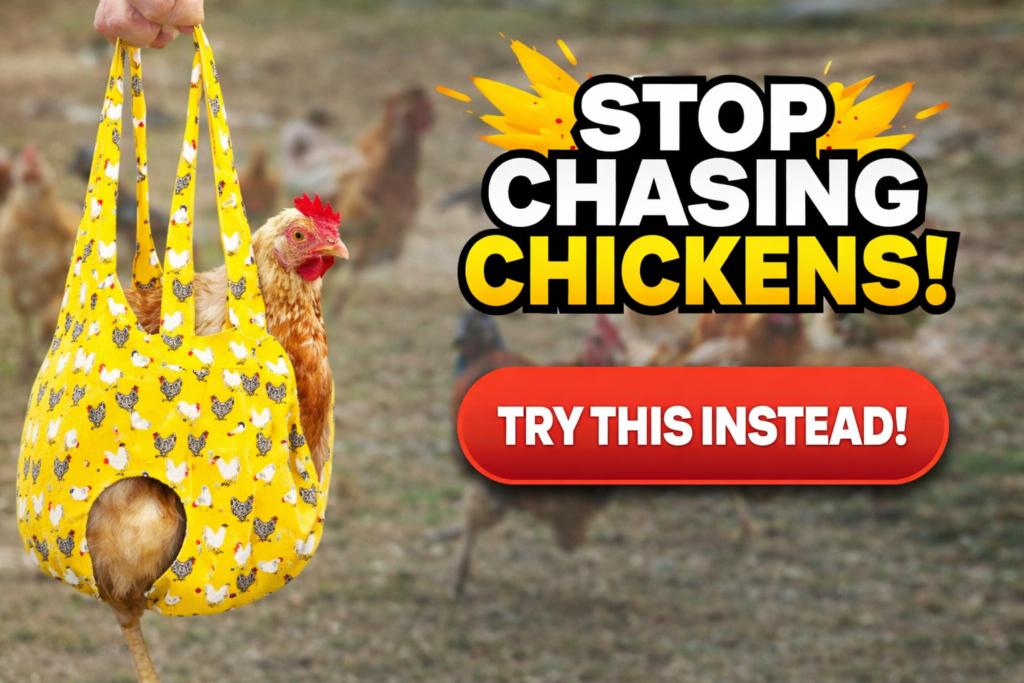
If you frequently have trouble safely holding birds for routine care, the chicken holder bag I use for easier handling and nail trimming is another option for jobs where you need the bird to stay controlled.

What If My Chicken Suddenly Stops Squatting?
I wouldn’t panic over this either.
Chicken behavior changes.
A hen may squat frequently for awhile and then do it less.
Season.
Molting.
Stress.
Age.
Changes in flock dynamics.
A rooster being added or removed.
All of those things can affect how chickens behave.
What matters more to me is whether there are other changes happening at the same time.
If she stops squatting but everything else is completely normal, I wouldn’t consider that alone a warning sign.
If she stops squatting and also stops eating, becomes withdrawn, loses weight, or quits laying unexpectedly, then I start looking at the whole picture.
Squatting and the Pecking Order Aren’t Exactly the Same Thing
The word “submissive” causes some confusion here.
Chickens absolutely have a social hierarchy.
Lower-ranking birds move out of the way of dominant birds.
They may crouch, avoid confrontation, or flee.
But the classic flat-backed hen squat we’re talking about is strongly tied to reproductive behavior.
So I wouldn’t look at a hen squatting for you and assume:
“She thinks I’m the alpha chicken.”
Chicken social behavior is more complicated than that.
People sometimes take a convenient label and stretch it much farther than it deserves.
I prefer watching what the bird is actually doing.
Why Does My Chicken Squat and Stamp Her Feet?
Sometimes you’ll see a little foot movement during the squat.
She may shuffle.
Stamp.
Lower herself.
Adjust her wings.
Again, if the chicken immediately gets up afterward and walks normally, this generally fits with the same behavior.
Watch enough hens and you’ll realize none of them performs it exactly the same way.
Some practically pancake themselves onto the ground.
Others barely crouch.
Some stretch their wings outward.
Others simply freeze.
Individual personality shows up even in instinctive behavior.
Does Squatting Mean She Will Lay an Egg Today?
Not necessarily.
This is where I don’t want to overpromise what the behavior can tell us.
A hen beginning to squat can be associated with reaching reproductive maturity, but it doesn’t mean she’s going to run into the nesting box ten minutes later.
Once hens are actively laying, you’ll see plenty of squatting that has nothing to do with an egg being immediately on the way.
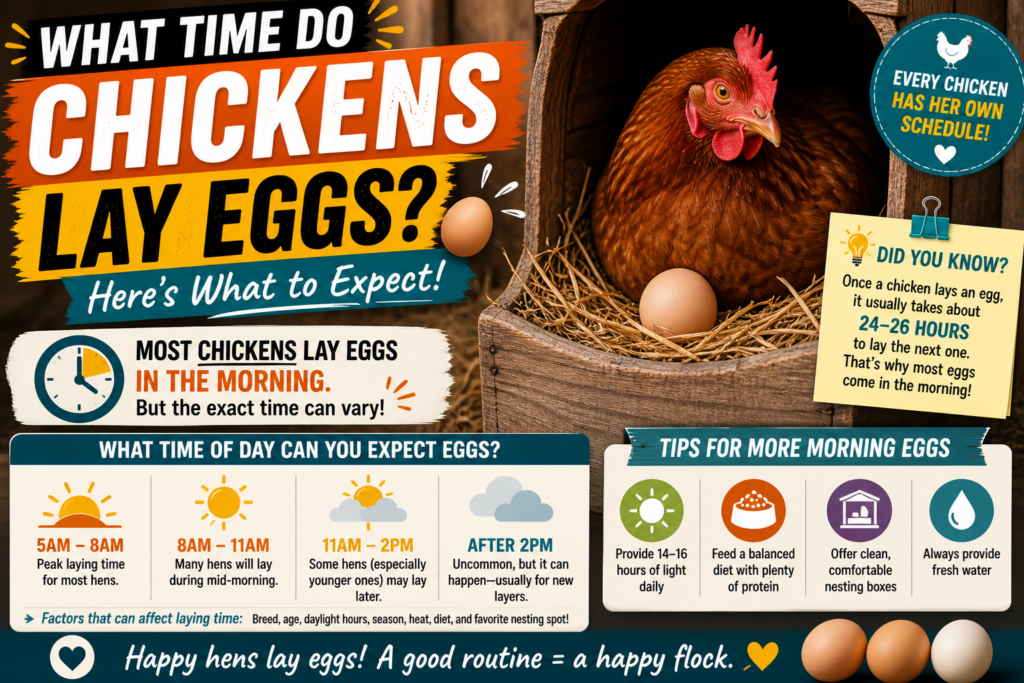
If you’re trying to figure out when you should actually be checking the nesting boxes, what time chickens usually lay their eggs answers that question much better.
What I’ve Learned to Look at Instead of One Behavior
The longer I’m around chickens, the less I like diagnosing anything from one little movement.
Chicken squats?
Okay.
What else is happening?
Is she reaching laying age?
Is she healthy?
Is she active?
Is she eating?
Is she comfortable around people?
Does she stand immediately afterward?
Is there a rooster nearby?
Those details matter.
It’s the same lesson I’ve learned with feather puffing, comb changes, odd noises, and chickens temporarily separating themselves from the flock.
Context matters more than one snapshot.
That’s why simply spending time watching your chickens when they’re healthy is one of the most useful things you can do.
You learn what’s normal for your birds.
Then when something actually changes, you notice.
When Squatting Would Make Me Look Closer
I don’t worry about a healthy hen briefly squatting when I approach her.
I would pay closer attention if she’s crouched when nobody is approaching, unable to stand normally, walking low to the ground, showing weakness, refusing food, breathing strangely, or acting withdrawn.
Those are different circumstances.
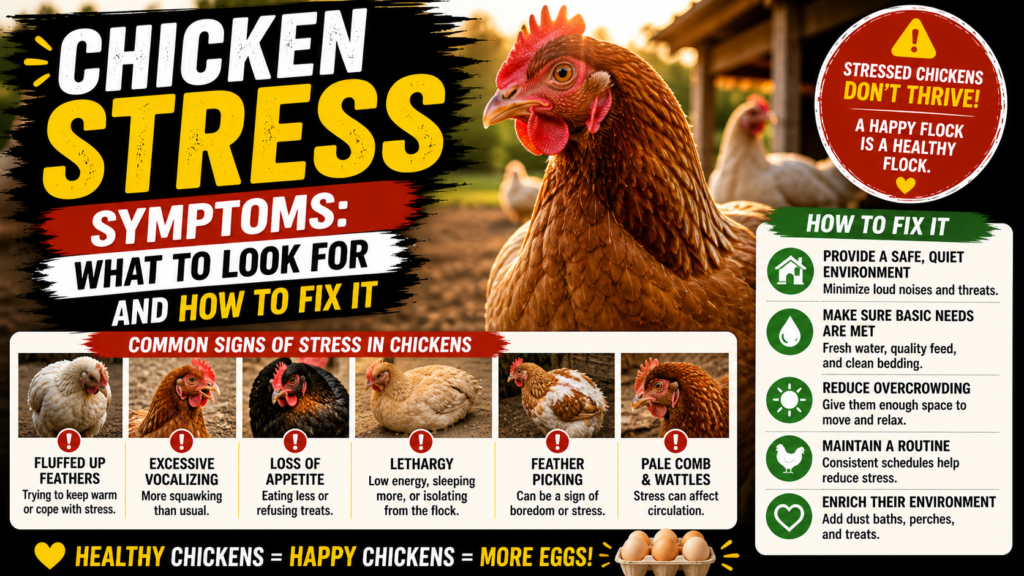
If the entire bird seems off rather than simply displaying one normal behavior, our guide to chicken stress symptoms and what I check first can help you work through the bigger picture.
The squat itself is usually one of the least concerning strange behaviors you’ll see from a healthy hen.
Once you’ve watched it happen enough times, you’ll probably stop thinking it’s strange at all.
Frequently Asked Questions
Why does my chicken squat when I reach toward her?
Most often, an adult or nearly mature hen is showing a normal reproductive crouching response. Hens use this posture during mating, and your approach can trigger the same instinctive behavior.
Does a chicken squatting mean she’s about to start laying eggs?
It can be one clue that a young pullet is nearing reproductive maturity. I wouldn’t use it to predict the exact day she’ll lay her first egg, but it often appears around the same stage when other laying signs begin showing up.
Why does my hen shake after I pet her?
That full-body shake helps rearrange her feathers after you’ve touched her back. It’s commonly seen as part of the same behavioral sequence and usually isn’t something I’d worry about.
Do hens squat if there is no rooster?
Yes. In fact, some chicken keepers notice the behavior very clearly in rooster-free flocks when hens respond to their human caretaker instead.
Do all hens squat when they’re ready to lay?
No. Some hens perform the behavior much more readily than others. A hen can be a perfectly normal layer without regularly squatting for people.
Is a chicken squatting the same thing as being sick and hunched over?
No. A normal squat is typically brief and triggered by an approach. A sick chicken may remain crouched or hunched, appear lethargic, refuse food, or show additional symptoms even when nobody is near her.
About the Author
Megan Whitaker writes about chicken behavior and flock dynamics for Backyard Chicken Pro, with a focus on the strange little behaviors that often leave chicken owners wondering whether what they’re seeing is normal. Her articles combine close observation of everyday flock behavior with practical explanations that help readers understand what their chickens are communicating.