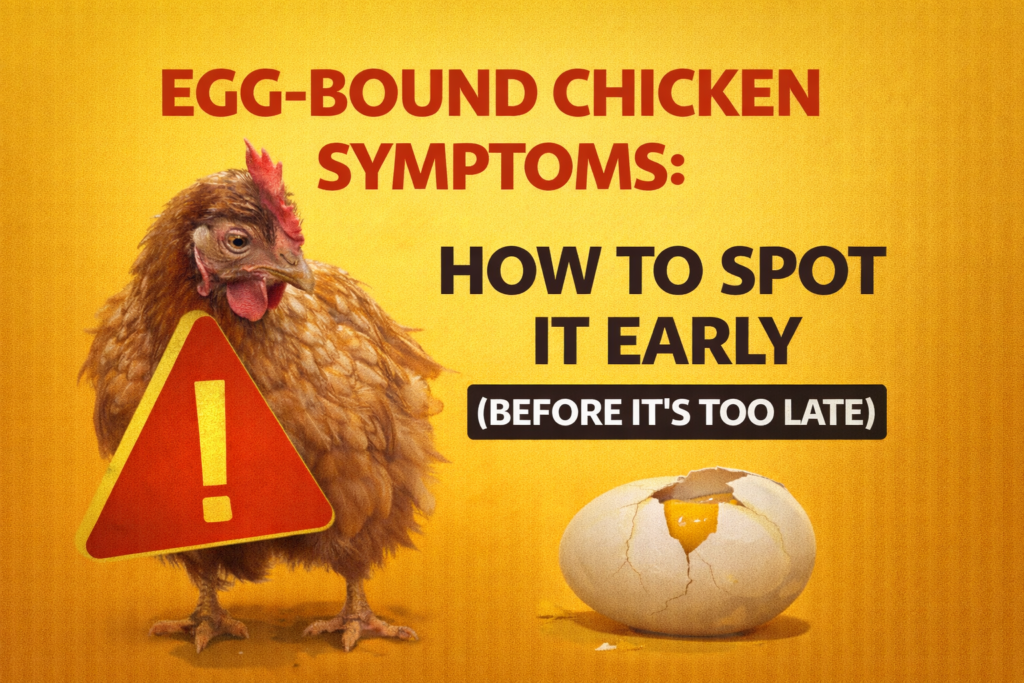
If you’ve ever had a hen acting off, sitting weird, not laying, or just not herself… egg binding should be one of the first things you check.
This is one of those problems that can go from “something seems off” to losing a hen way faster than most people expect.
The good news is… if you catch it early, you can often fix it.
What Is Egg Binding in Chickens?
Egg binding is when a hen can’t pass an egg. It gets stuck inside her reproductive tract, and that creates serious pressure and stress on her body.
This isn’t just uncomfortable… it can be fatal if left untreated.
In fact, once an egg is stuck, it can block normal body functions and lead to shock if not handled quickly .
The Most Common Egg Bound Chicken Symptoms
This is where most people miss it. The early signs are subtle.
Early Warning Signs Most People Overlook
- Acting quiet or withdrawn
- Sitting longer than usual
- Less interest in food
- Slightly puffed up feathers
- Staying in the nesting box too long
These don’t scream “emergency”… but they are often the first clues.
Clear Signs Your Chicken Is Egg Bound
As it progresses, the symptoms become much more obvious:
Lethargy and Weakness
A normally active chicken suddenly slows way down or just stands around
Lethargy is one of the most consistent signs reported across egg binding cases
Straining or Pushing
- Repeated attempts to lay
- Tail pumping up and down
- Squatting without producing an egg
This happens because the hen is physically trying to push the egg out
Penguin-Like Stance
One of the biggest giveaways:
- Walking upright
- Waddling awkwardly
- Standing differently than normal
This posture happens because of pressure in the abdomen
Swollen Abdomen
If you gently feel the lower belly:
- It may feel firm or enlarged
- Different from other hens
This can indicate a stuck egg or buildup behind it
Not Eating or Drinking
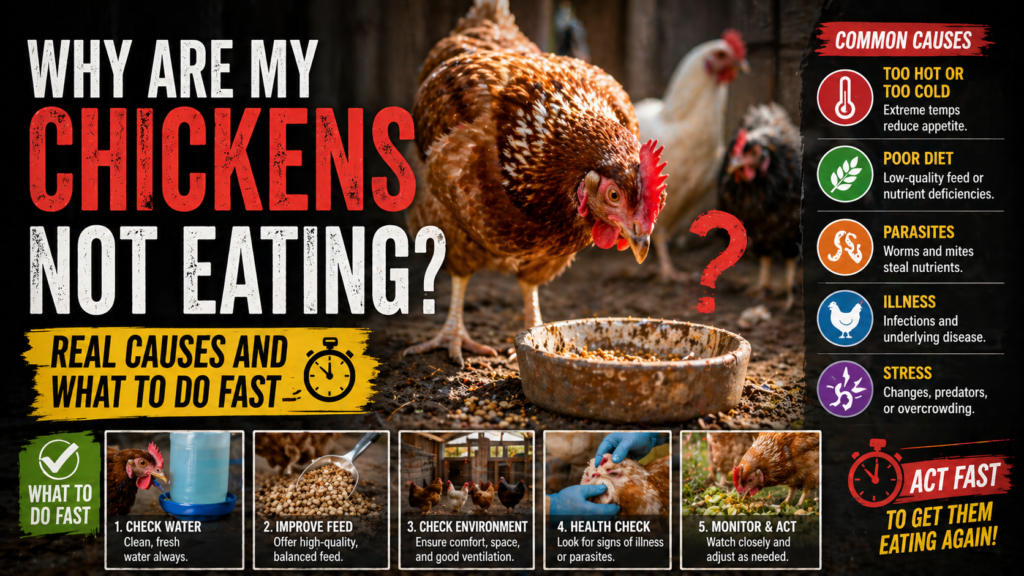
A hen dealing with egg binding often loses interest in food and water Because appetite loss can have several causes, Why Are My Chickens Not Eating? (Real Causes and What to Do Fast) helps you assess what may be happening alongside the egg-binding symptoms.
Loss of appetite is a key symptom seen in egg-bound hens
Isolation From the Flock
You’ll often see the hen separate herself
This is a huge red flag in chickens overall
This behavior is also seen in many health-related issues and general illness in chickens

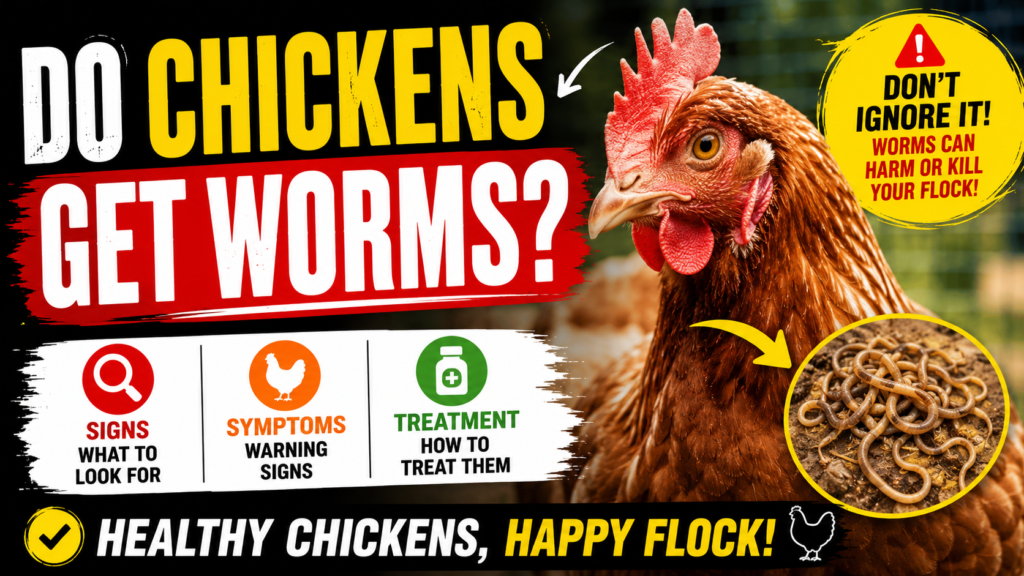
Why Egg Binding Happens (Real Causes)
Understanding the cause helps you prevent it from happening again.
Poor Nutrition (Biggest Cause)
This is the #1 issue in backyard flocks.
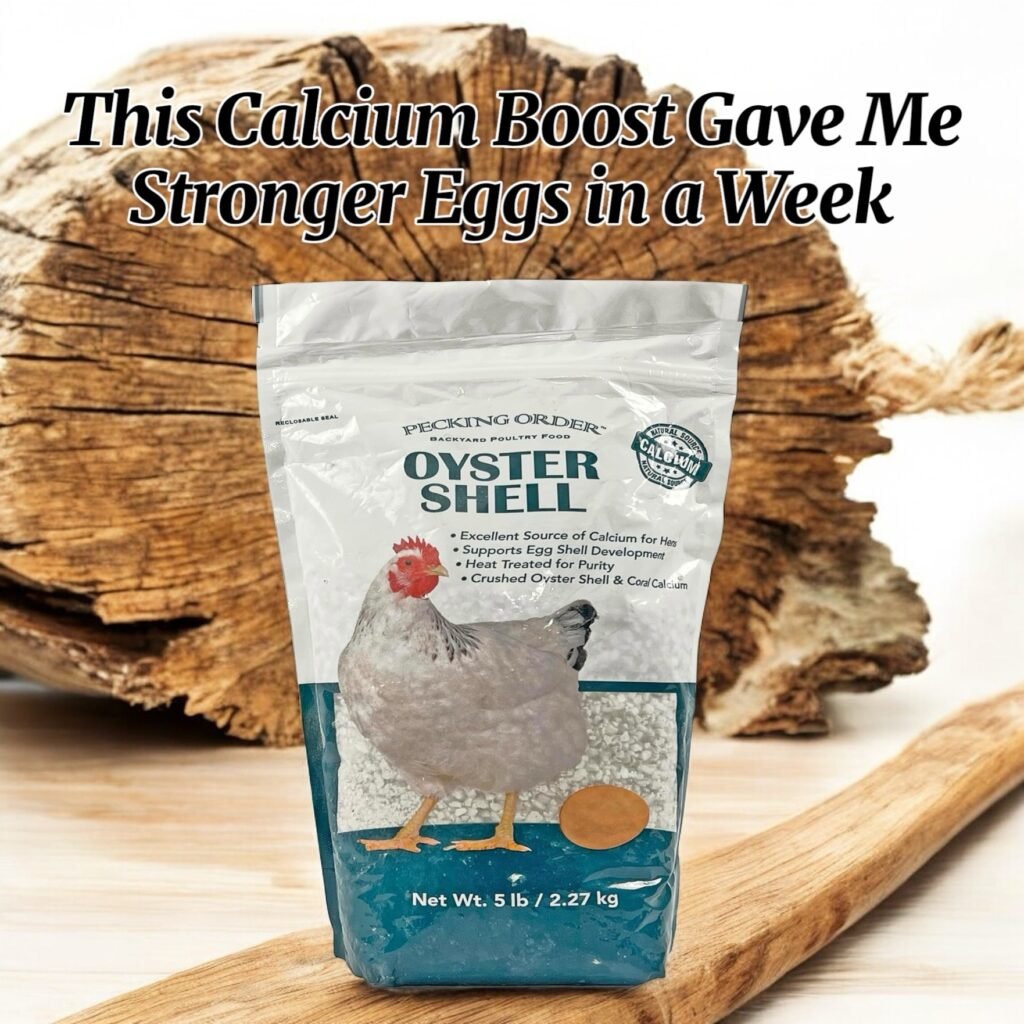
Chickens need proper nutrients to form and pass eggs. For readers reviewing calcium intake, calcium support for laying hens may be worth considering alongside a balanced diet.
Common Nutrition Problems
- Not enough calcium
- Poor quality feed
- Too many treats
- No access to oyster shell
This ties directly into shell strength issues:
Prevent soft eggs in chickens: top tips for strong shells

And if you’re unsure about calcium vs grit:
Chicken grit vs oyster shell – what’s the difference and do you need both
Eggs That Are Too Large
Sometimes the egg itself is the problem.
- Double yolkers
- Oversized eggs
- Young hens laying too early
These are harder to pass and can get stuck
Dehydration
Without enough water, the laying process becomes harder. A consistent water source can support flock hydration, as shown in this DIY chicken waterer guide.
Muscles need hydration to function properly

Water issues cause more problems than most people realize:
How to stop algae in chicken water the easy natural way
Obesity or Poor Condition
Overweight hens are more prone to egg binding
Too much fat can interfere with the reproductive system
Stress or Poor Coop Setup
Stress slows everything down, including laying
Common Stress Triggers
- Overcrowding
- Dirty coop
- Not enough nesting boxes
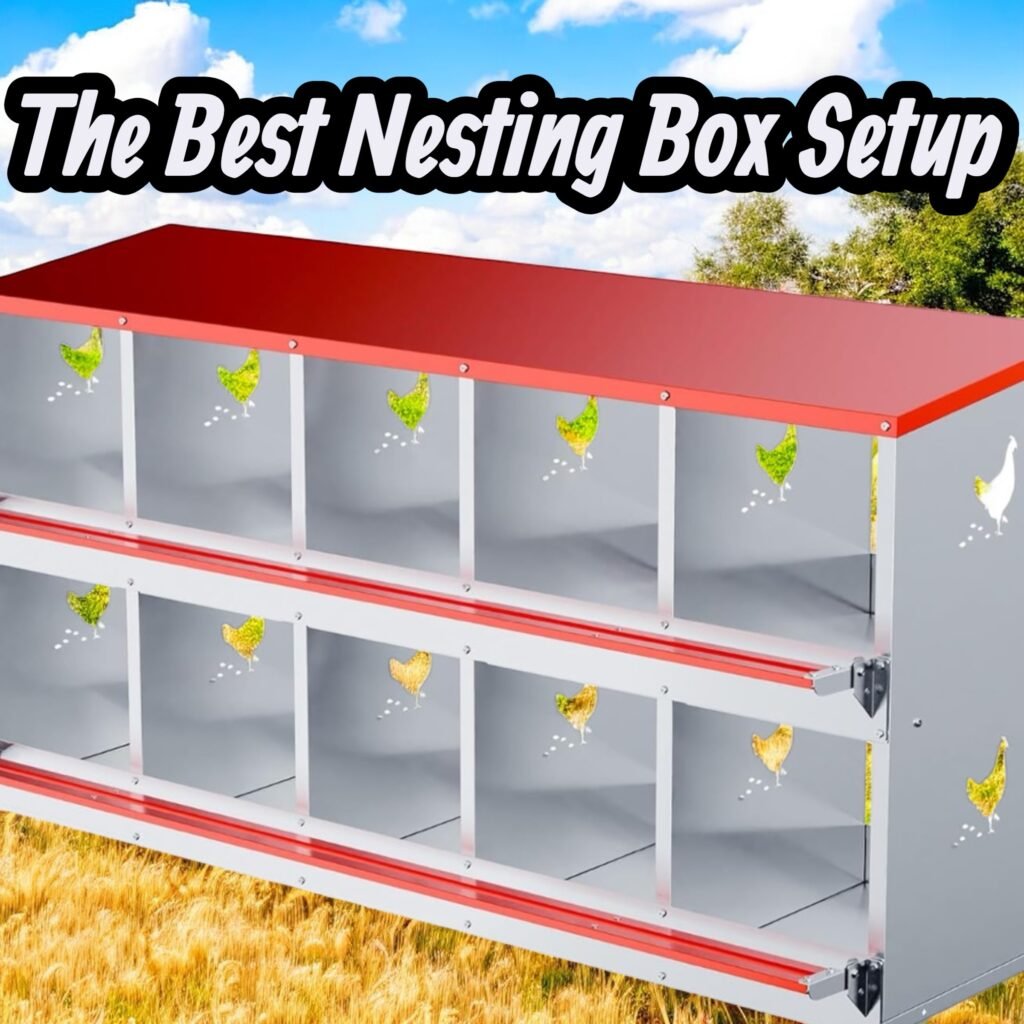
Fixing your nesting setup can help more than you think:
The nesting box setup that finally ended the egg hunt
How Fast Egg Binding Becomes Dangerous
This is the part most people don’t realize.
A hen can go downhill FAST.
If an egg stays stuck too long:
- Waste can’t pass
- Pressure builds internally
- Infection risk increases
In many cases, a hen may only survive around 24 hours without treatment
That’s why early detection matters so much.
What To Do If You Think Your Chicken Is Egg Bound
If you suspect it, don’t wait around.
Here’s what actually helps.
Step 1: Isolate the Hen
Move her somewhere:
- Quiet
- Warm
- Low stress
This alone can sometimes help her relax enough to lay
Step 2: Warm Water Soak
This is one of the most effective home methods
- Use warm (not hot) water
- Add Epsom salt
- Let her soak 15–20 minutes
This helps relax muscles needed to pass the egg
Step 3: Increase Calcium
Calcium helps with muscle contractions
- Offer oyster shell
- Use calcium supplements if needed
Step 4: Keep Her Hydrated
Encourage drinking
Electrolytes can help in stressful situations
Step 5: Monitor Closely
If she doesn’t improve quickly:
- You may need a vet
- Do NOT force the egg out aggressively
Mistakes That Make Egg Binding Worse
These are big ones people mess up.
Waiting Too Long
The biggest mistake by far
People assume “she’ll figure it out”
Sometimes… she won’t
Poor Diet Over Time
Egg binding usually doesn’t come out of nowhere
It builds up from long-term nutrition issues
Ignoring Early Symptoms
That “slightly off” behavior is often the first warning
How to Prevent Egg Binding in the First Place
Prevention is honestly way easier than treatment.
Provide Proper Nutrition
- High-quality layer feed
- Free-choice calcium
- Balanced diet
Keep Water Clean and Available
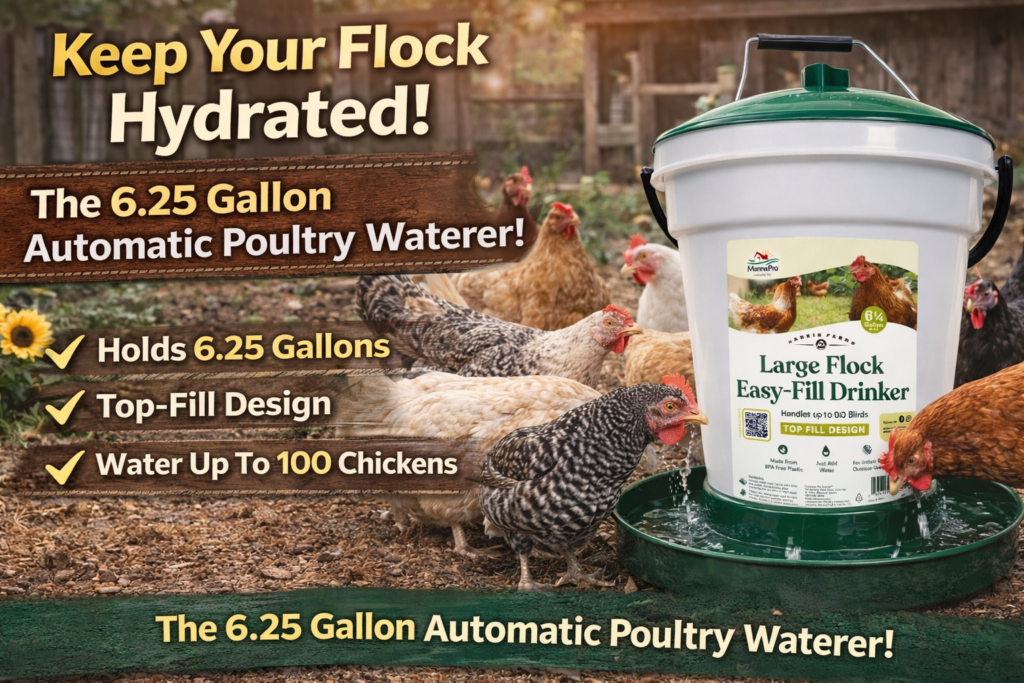
Chickens need constant access to clean water A large easy-fill chicken waterer can make it easier to maintain reliable water access for the flock.
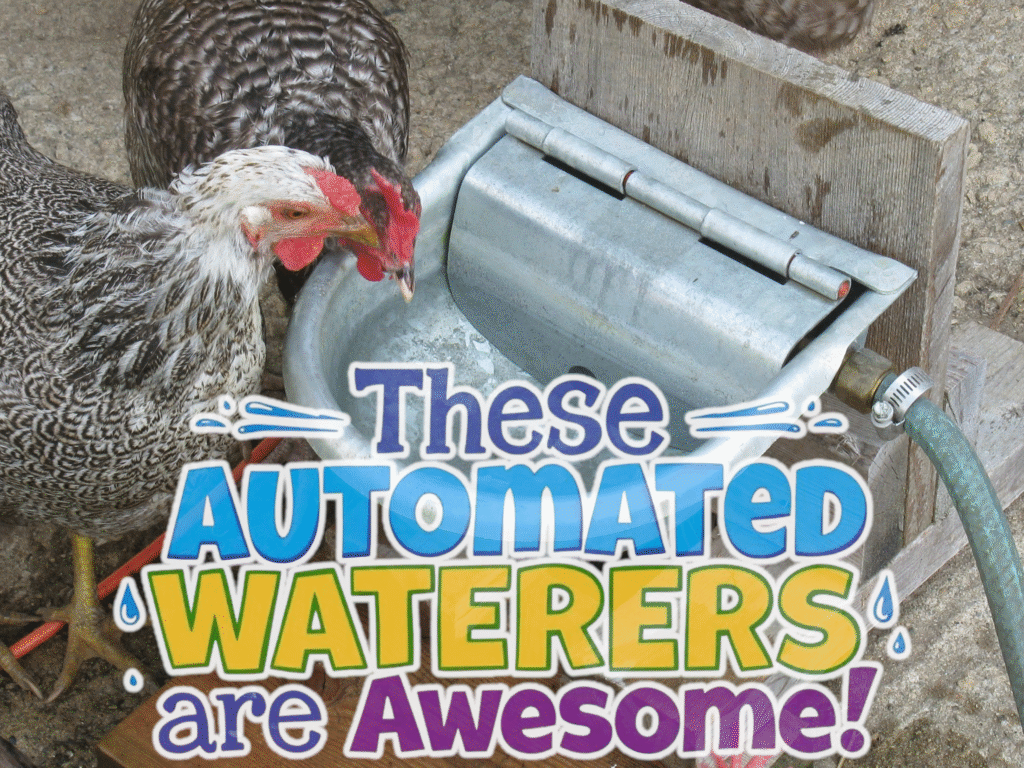
A good watering setup makes life easier:
These automatic chicken waterers are awesome
Don’t Push Young Hens Too Early
Let pullets develop naturally before heavy laying
Maintain a Low-Stress Environment
- Enough space
- Clean coop
- Proper nesting areas
The Bottom Line Most Chicken Owners Learn the Hard Way
Egg binding isn’t rare.
And it’s not something you want to figure out too late.
The key is simple:
Know the signs
Act early
Fix the root cause
Most hens can recover if you step in early enough.
About the Author
Jake Miller
Backyard Chicken Keeper & Homestead Writer
Jake has raised backyard chickens for years and focuses on practical, real-world solutions that actually work for everyday flock owners. Through hands-on experience with egg production, flock health, and coop management, he shares simple advice that helps chicken keepers avoid common mistakes and keep their birds healthy year-round.