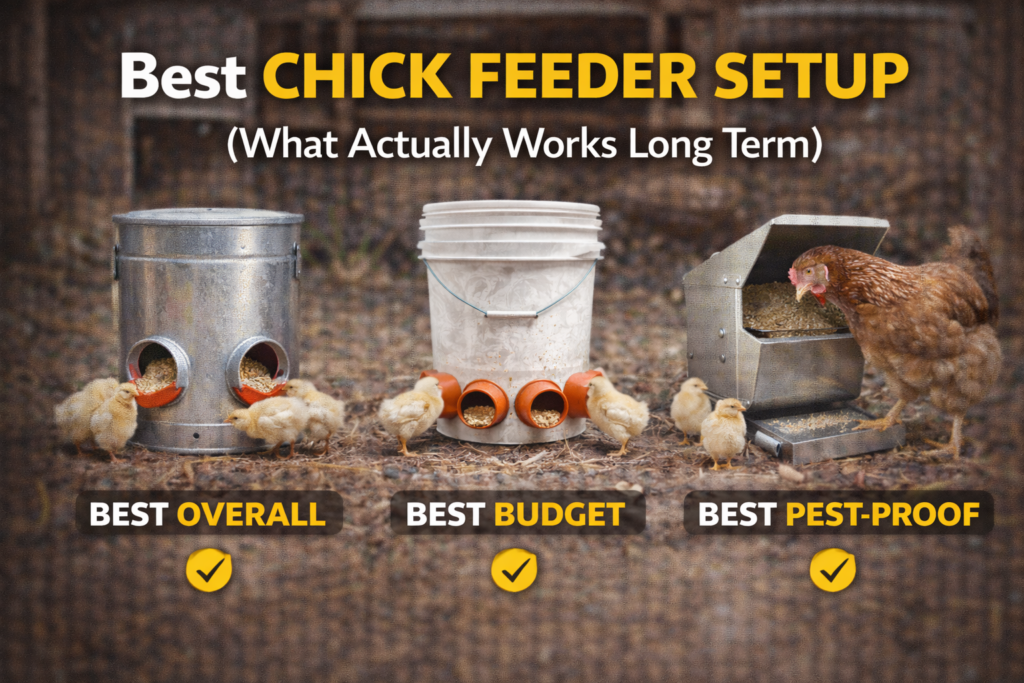
If you’ve ever raised chicks, you already know how quickly feeding can turn into a mess.
Feed gets kicked everywhere, wasted, pooped in, or just flat-out ignored if something feels off to them. Keeping the coop and feeding area under control starts with managing chicken poop and mess, not just choosing the right feeder.
And the frustrating part?
A bad feeder setup doesn’t just waste feed… it can slow growth, create health issues, and even lead to weaker birds.
The good news is, once you dial this in correctly, feeding chicks becomes almost effortless.
Quick Answer
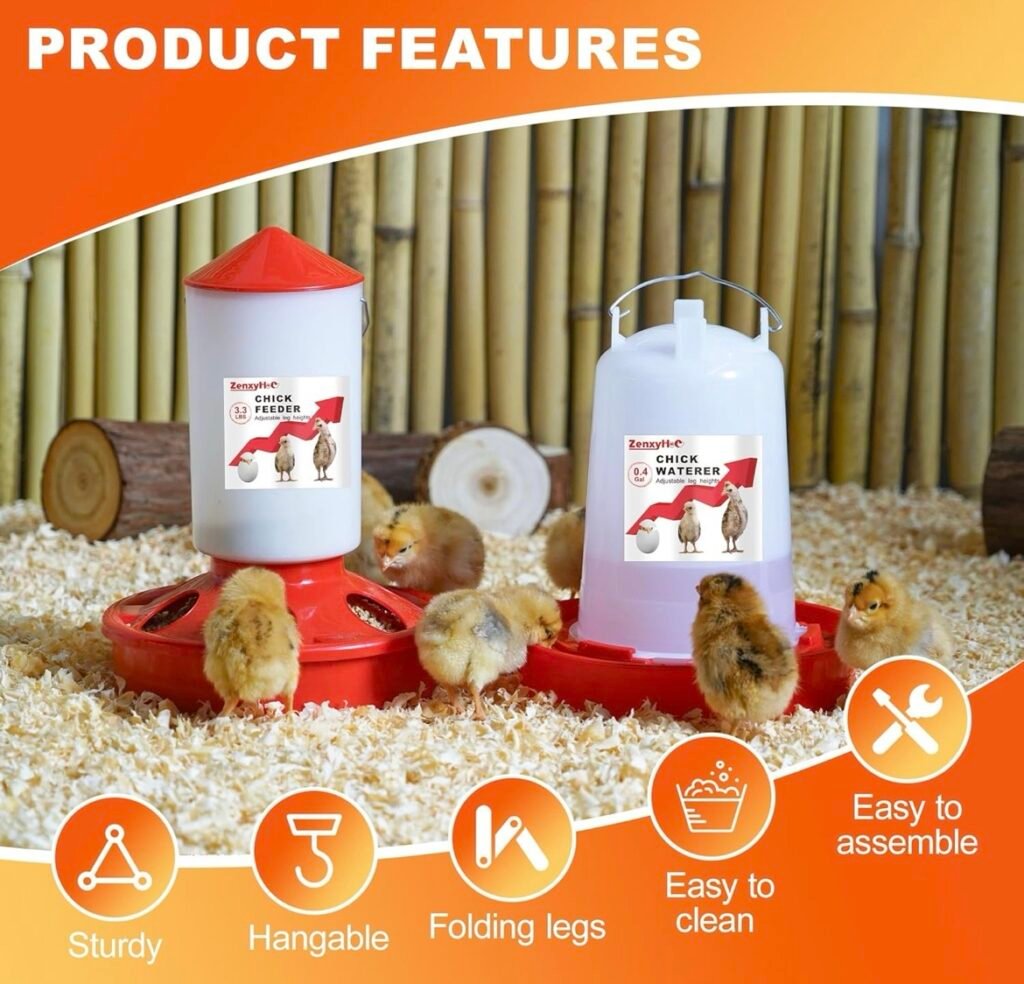
The best chick feeder setup keeps feed clean, dry, easy to access, and minimizes waste. A properly sized feeder, correct placement, and consistent feed quality make the biggest difference in chick growth and health. For readers choosing the basic equipment, this baby chick feeder and waterer is a practical option to consider alongside the setup principles above.


Why Chick Feeder Setup Matters More Than People Think
Most people treat feeders like a simple accessory.
But in reality, your feeder setup directly affects:
- Growth rate
- Health
- Feather development
- Behavior
- Feed costs
A poor setup leads to waste and stress, while a good setup creates steady, healthy development.

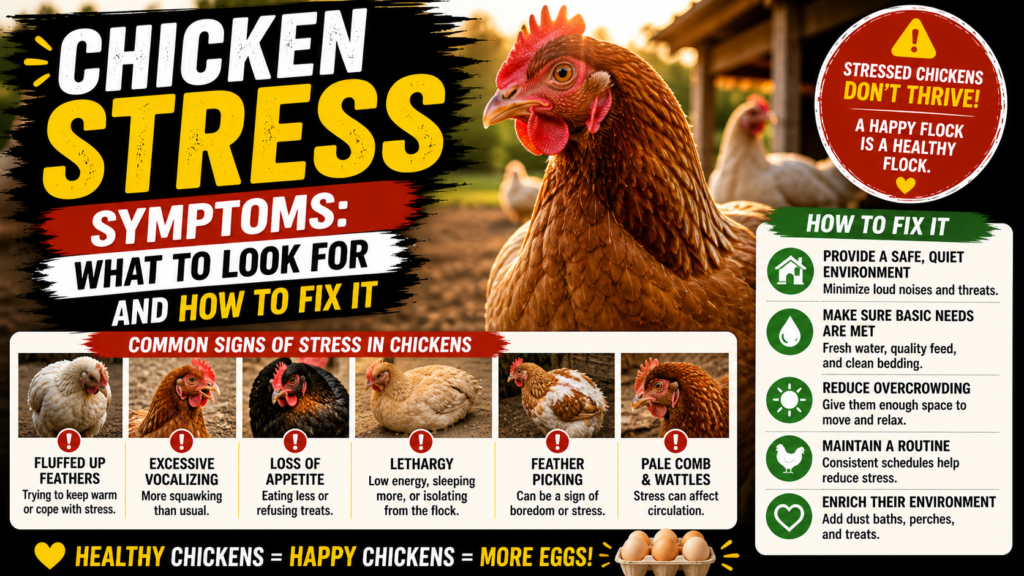
The Biggest Problems With Chick Feeders
Before fixing it, you need to understand what goes wrong.
Feed Waste (The #1 Issue)
Chicks scratch constantly.
That means they:
- Kick feed out
- Scatter it everywhere
- Waste a surprising amount
Even a small flock can waste a lot over time.
Dirty Feed
Chicks will:
- Step in feed
- Poop in feed
- Spill water into feed
Once feed gets wet or dirty, they’re less likely to eat it.
That’s when problems start.
Overcrowding at the Feeder
If too many chicks are trying to eat at once:
- Some won’t get enough food
- Smaller chicks fall behind
- Pecking can start
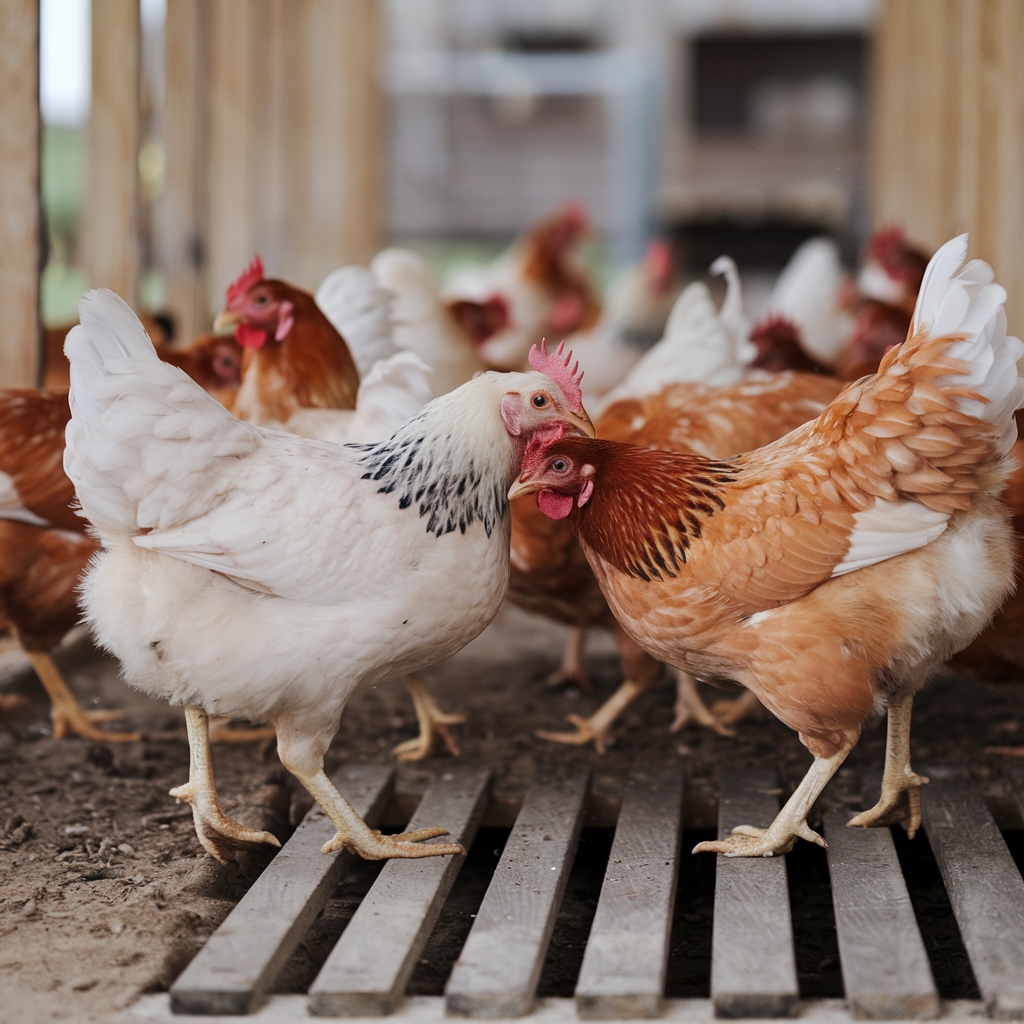
This ties into early flock behavior issues:
Quick tips to stop chickens pecking each other in your flock
Poor Placement
Where you put the feeder matters just as much as the feeder itself.
Bad placement leads to:
- Wet feed
- Bedding contamination
- Uneven access
What the Best Chick Feeder Setup Looks Like
Now let’s build this the right way.
Use the Right Size Feeder
This is where a lot of people mess up.
You Want:
- Enough space for multiple chicks
- Not so big they climb inside
- Easy access from all sides
Too small = crowding
Too big = mess
Keep Feed Off the Ground
This alone fixes a huge percentage of problems.
Why It Works
- Less bedding contamination
- Less poop in feed
- Cleaner overall setup
Raise feeders slightly as chicks grow.
Match Feeder Height to Chick Size
As chicks grow, your setup should change.
Rule of Thumb
- Feeder opening should be at chest height
- Not too low
- Not too high
This prevents scratching inside the feeder.
Keep Feed Dry at All Times
Moisture ruins feed fast.
Watch For
- Water spills
- Humidity
- Wet bedding

Water management plays a huge role here:
The best chick feeder and waterer kit I’ve found
Use Multiple Feeding Points if Needed
If you have a larger group:
- Add a second feeder
- Spread them out
This reduces crowding and stress.
Real-Life Example (What Most People Experience)
Most people start with:
- One feeder
- Sitting directly on bedding
- No height adjustment
Within days:
- Feed is everywhere
- It’s wet or dirty
- Chicks aren’t eating evenly
After fixing setup:
- Feed stays clean
- Waste drops significantly
- Chicks grow more evenly
That’s how big the difference is.
What Happens If You Ignore This
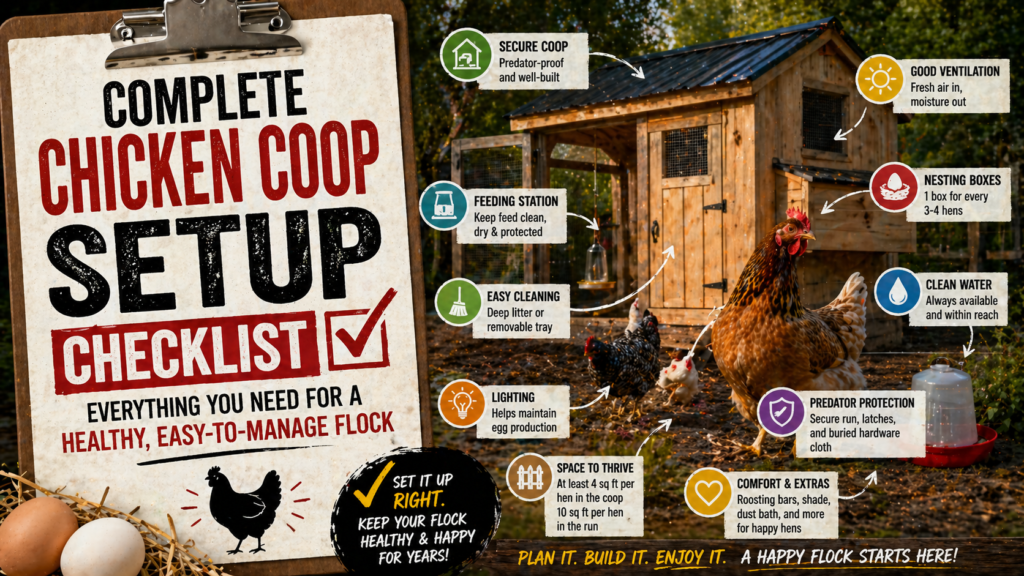
A poor feeder setup leads to bigger issues than people expect. A healthy chicken coop setup should also account for water access, feeding space, and daily maintenance.
Slower Growth
Chicks that don’t eat properly won’t develop correctly
Increased Pecking
Competition for food creates aggression
Health Problems
Dirty feed can lead to:
- Digestive issues
- Weak immune systems
Wasted Money
Feed loss adds up quickly
How to Set It Up Step-by-Step
Step 1: Choose the Right Feeder
Pick something:
- Stable
- Easy to clean
- Hard to climb into
Step 2: Raise It Slightly
Start low, then adjust as chicks grow
Step 3: Keep It Away From Water
Water + feed = mess
Step 4: Monitor Daily
Watch how chicks interact with it
Adjust as needed
Step 5: Upgrade as They Grow
Chicks outgrow setups quickly
Don’t wait too long to adjust
Beginner Mistakes to Avoid
Using One Feeder for Too Many Chicks
This causes crowding and uneven growth
Letting Feed Sit in Dirty Conditions
Fresh feed matters more than people think
Not Adjusting Height
Chicks grow fast… your setup should too
Ignoring Behavior
Your chicks will show you if something isn’t working
How This Connects to Long-Term Flock Health
Early feeding habits carry over into adulthood.
Chickens that grow up with:
- Proper nutrition
- Low stress
- Good access to feed
Perform better later in life
Including:
- Stronger egg production
- Better feather health
- Less behavior issues
Quick Fix Checklist
- Use correct feeder size
- Keep feed off the ground
- Adjust height as chicks grow
- Keep feed dry
- Avoid overcrowding
- Monitor daily
Common Questions
How many chicks per feeder?
Depends on size, but overcrowding should never happen. If they’re fighting for space, you need another feeder.
Can chicks share one feeder?
Yes, but only if there’s enough room for all of them to eat comfortably.
When should I change feeders?
As soon as chicks outgrow their current setup or start making a mess of it.
Why are my chicks wasting so much feed?
Usually because the feeder is too low, too open, or overcrowded.