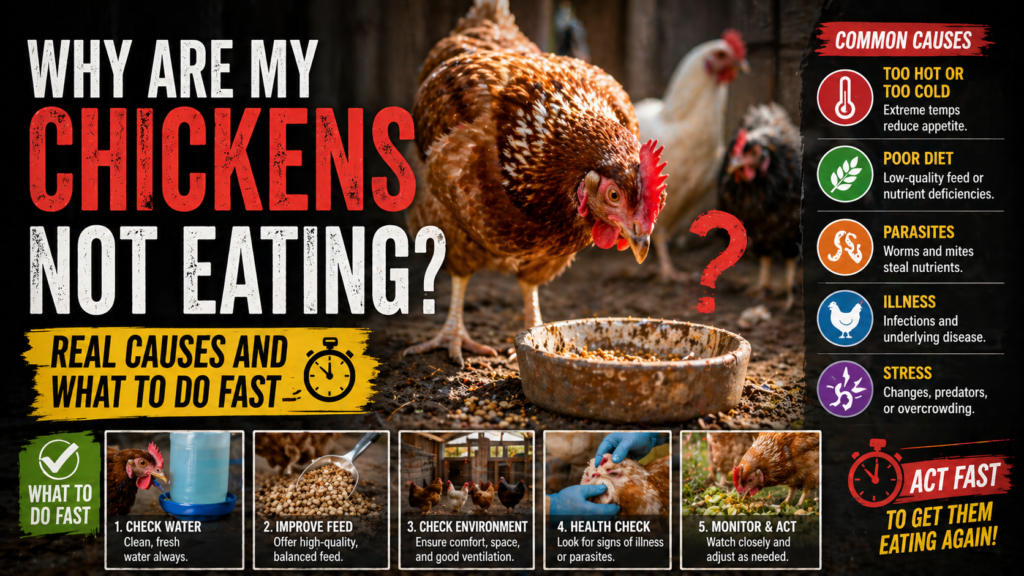
If you walk out to your coop and notice your chickens ignoring their feed, it hits you right away something is off.
Healthy chickens are always pecking, scratching, and eating throughout the day. So when that suddenly stops, it’s not something to brush off.
In most cases, a chicken not eating is one of the earliest warning signs that something is wrong.
The key is figuring out what’s causing it before it turns into a bigger problem.
Quick Answer
Chickens stop eating due to stress, illness, heat, poor feed quality, parasites, or egg-related issues. Identifying the cause quickly and correcting it is critical to prevent health decline and loss of egg production.
What It Means When Chickens Stop Eating
A chicken skipping a bite or two isn’t unusual.
But when they:
- Ignore feed completely
- Stop eating for extended periods
- Show other behavior changes
That’s when you need to take it seriously.
Eating drives everything in a chicken’s body:
- Energy
- Egg production
- Immune system
Without it, things go downhill fast.
The Most Common Cause: Stress
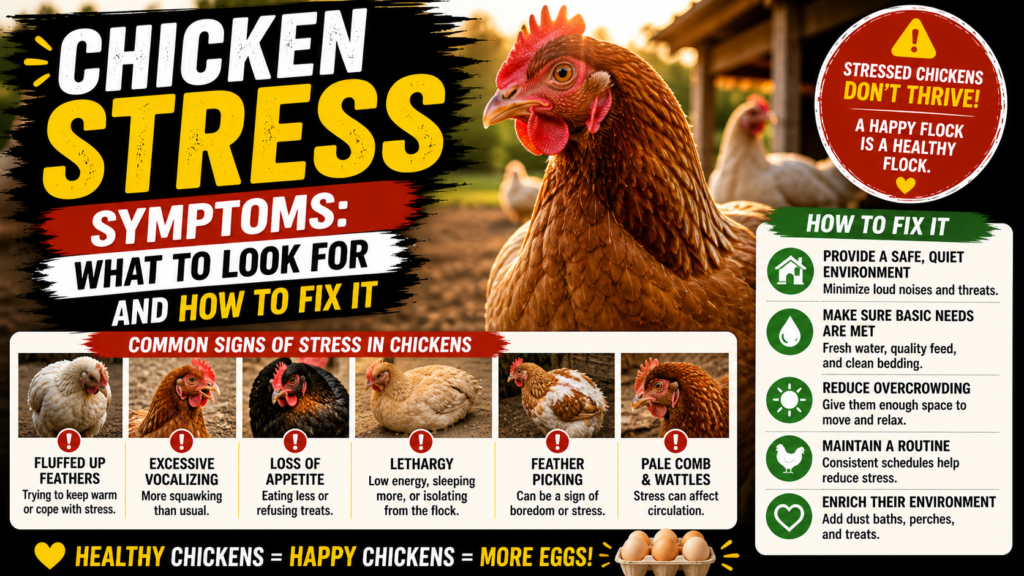
Stress is one of the fastest ways to shut down appetite. Recognizing the broader signs in Chicken Stress Symptoms: What to Look For and How to Fix It can help you determine whether stress is behind the appetite loss.
Common Stress Triggers
- Predator activity
- Loud noises
- Sudden coop changes
- New chickens
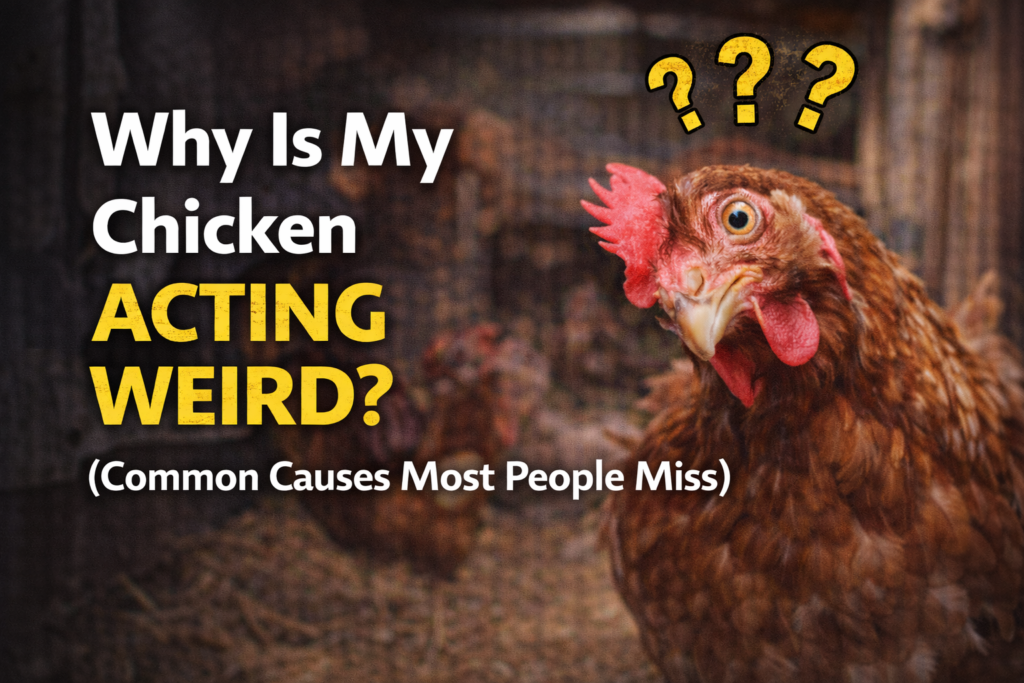
These situations often show up in behavior changes first:
Why is my chicken acting weird? Common causes most people miss
How Stress Affects Eating
- Chickens become alert instead of relaxed
- They stop focusing on food
- They isolate themselves
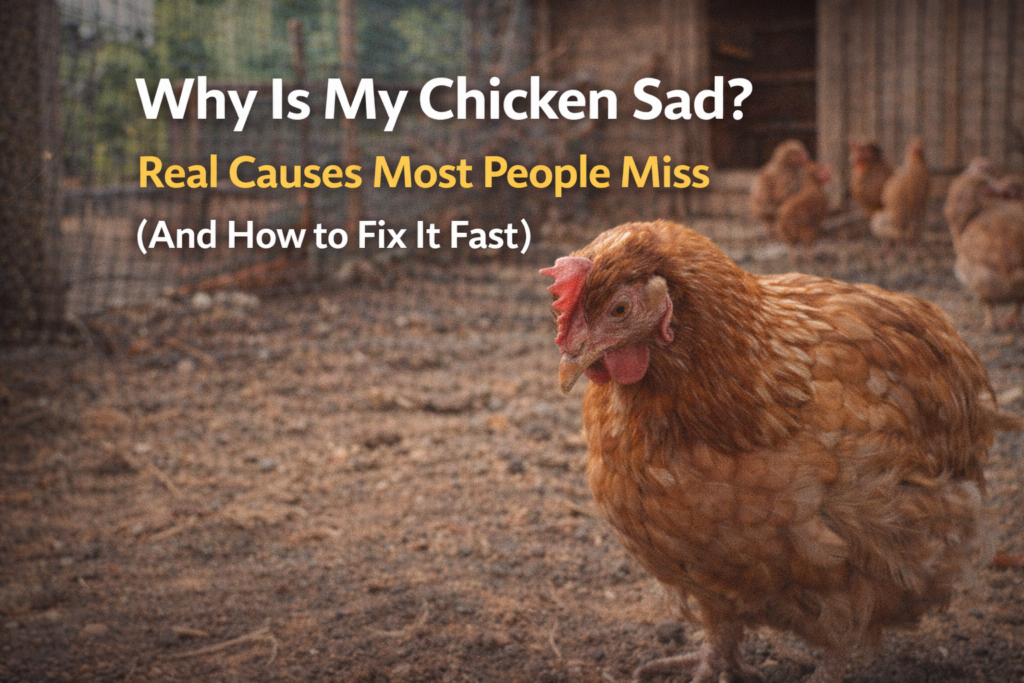
Stress can also make chickens seem withdrawn:
Why is my chicken sad? Real causes most people miss and how to fix it fast
Illness Is a Major Red Flag
If a chicken isn’t eating and seems off, illness should always be considered.
Signs It May Be Health-Related
- Lethargy
- Puffing up feathers
- Closed or dull eyes
- Staying in one spot
These symptoms can overlap with serious conditions:
Egg bound chicken symptoms: how to spot it early before it’s too late
Heat and Weather Changes
Hot weather can shut down appetite fast.
What Happens in Heat
- Chickens drink more
- Eat less
- Move less
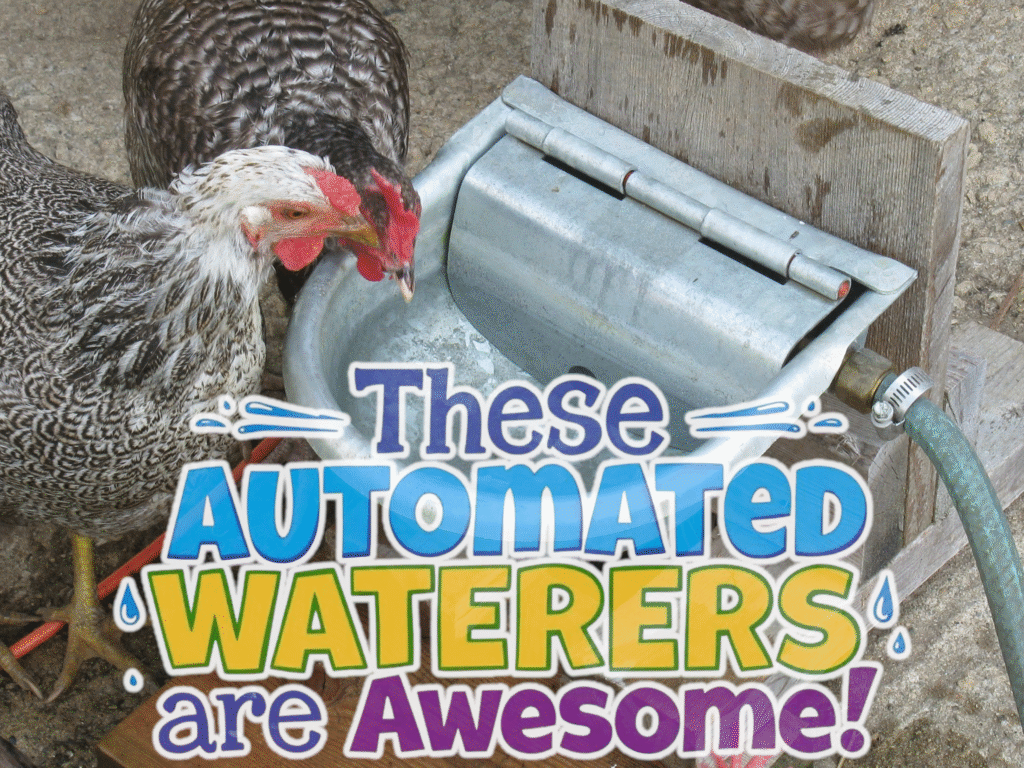
Managing water becomes critical here:
These automatic chicken waterers are awesome
Poor Feed Quality or Changes
Chickens can be picky when something changes.
Common Feed Issues
- Old or stale feed
- Mold or moisture
- Sudden brand changes
If the feed smells off or looks clumpy, chickens may avoid it.
Parasites Like Mites
Parasites drain energy and appetite.
Signs of Parasites
- Weight loss
- Restlessness
- Reduced eating
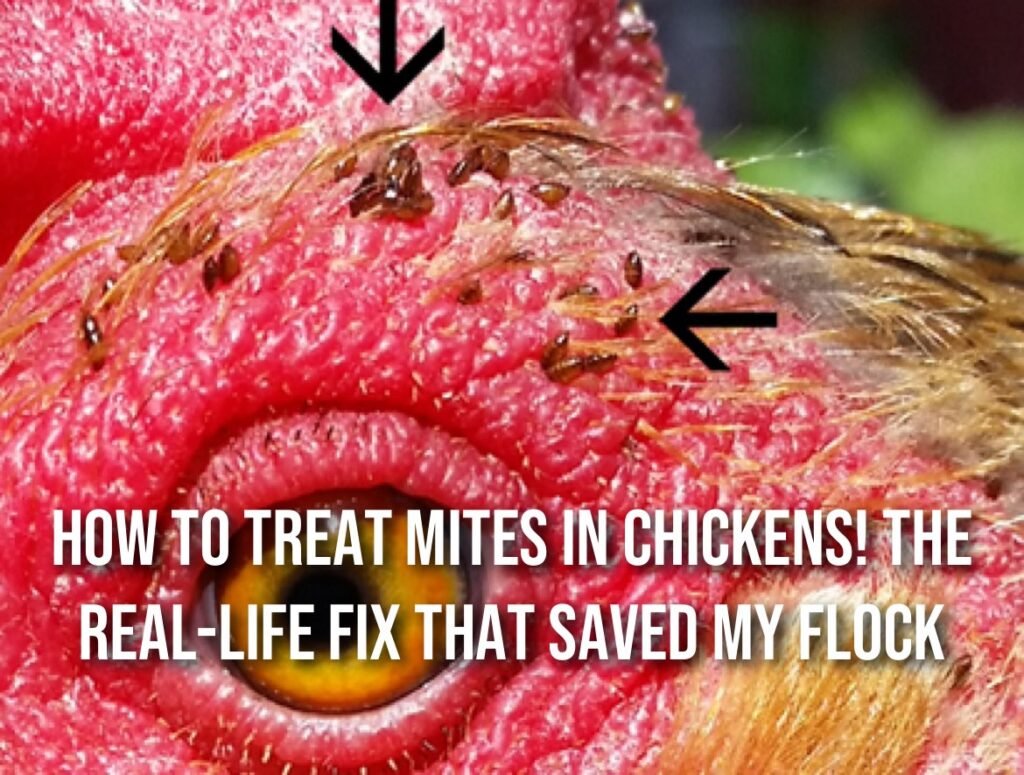
Mites are one of the most common hidden causes:
How to treat mites in chickens – the real fix that saved my flock
Egg Problems Can Kill Appetite
Hens dealing with laying issues often stop eating.
Common Egg Issues
- Egg binding
- Soft shell eggs
- Laying stress
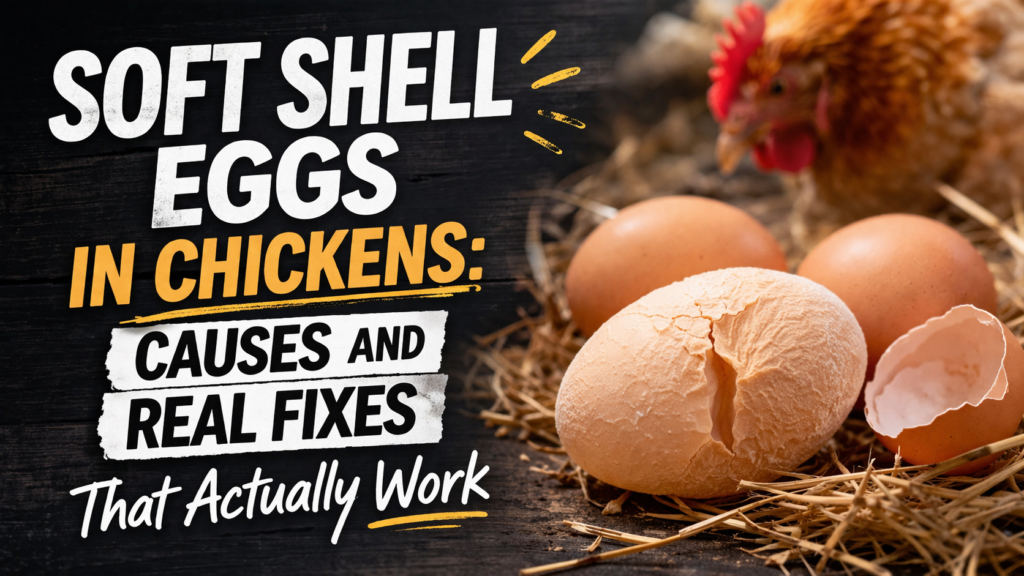
This is a huge connection most people miss:
Soft shell eggs in chickens: causes and real fixes that actually work
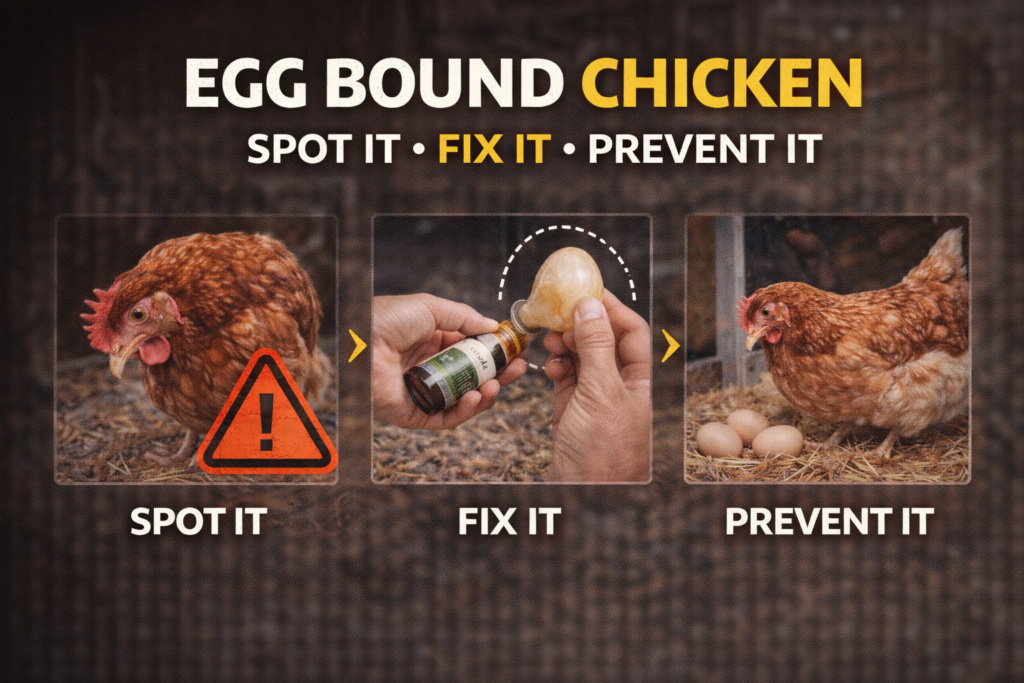
And more serious cases:
Egg bound chicken symptoms full guide to spot fix and prevent it
Too Many Treats (Big Mistake)
This is extremely common.
Chickens fill up on treats and ignore real feed.
Problem Treats
- Mealworms
- Kitchen scraps
- Scratch grains
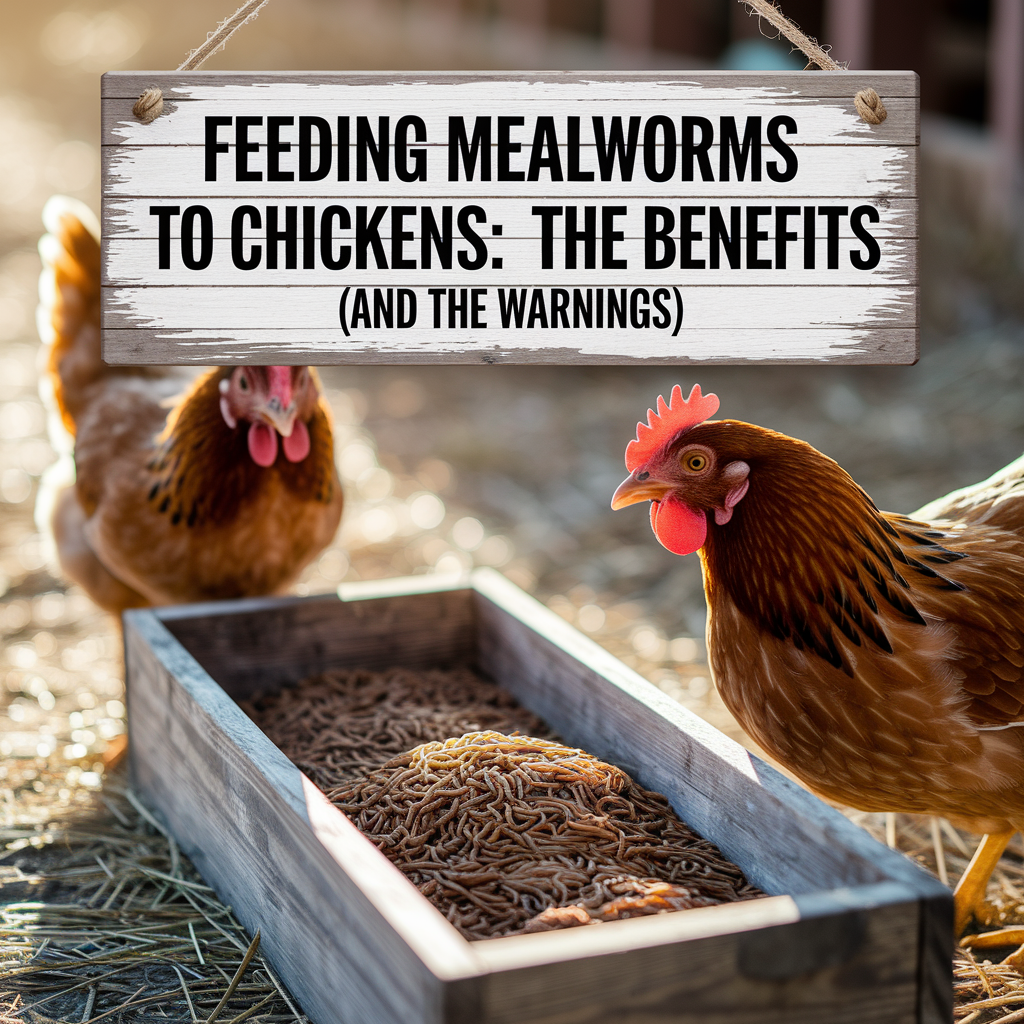
This is where people unknowingly cause problems:
Feeding mealworms to chickens – the benefits and the warnings
Water Problems
Chickens won’t eat if they aren’t drinking.
Check for:
- Dirty water
- Algae buildup
- Empty containers
Water issues show up fast in behavior:
How to stop algae in chicken water the easy natural way
What Happens If You Ignore It
A chicken not eating doesn’t fix itself.
Short-Term Effects
- Weakness
- Low energy
- Reduced egg laying
This ties directly to production problems:
Why aren’t my chickens laying eggs and how to fix it
Long-Term Effects
- Weight loss
- Illness
- Possible death
How to Get Chickens Eating Again (Step-by-Step)
Step 1: Check Water First
Always start here.
Clean, fresh water is critical.
Step 2: Inspect Feed
- Fresh
- Dry
- No mold
Step 3: Look for Stress
Check for changes in environment or flock
Step 4: Check the Chicken Closely
- Behavior
- Physical signs
- Droppings
Step 5: Limit Treats
Force focus back to proper feed
Step 6: Isolate If Needed
If one chicken is affected, separate and monitor
Beginner Mistakes That Make It Worse
Waiting Too Long
Chickens decline quickly without food
Ignoring Early Signs
Behavior changes come before major problems
Overfeeding Treats
This causes long-term feeding issues
Not Checking Water Daily
This is one of the most overlooked problems
Quick Fix Checklist
- Check water immediately
- Replace feed if needed
- Reduce stress
- Watch for illness
- Limit treats
- Monitor closely
Common Questions
How long can a chicken go without eating?
Not long safely. Even a day or two can cause serious issues.
Should I force feed a chicken?
Only in extreme cases and with proper knowledge. Usually fixing the cause is enough.
Why is only one chicken not eating?
This usually points to illness, injury, or pecking order issues.
Can weather stop chickens from eating?
Yes, especially heat.
About the Author
Trevor Hayes
Backyard Chicken Keeper & Flock Health Writer
Trevor has raised backyard chickens for years with a focus on early problem detection, feeding habits, and flock health. His hands-on experience helps chicken owners quickly identify issues like appetite loss and fix them before they turn serious.