Worms are one of those backyard chicken problems that sneaks up on you. There’s no dramatic moment where a hen collapses and you know exactly what happened. It’s gradual — a bird that seems a little thinner than she should be, production that’s quietly dropped off, a hen who eats well but doesn’t seem to thrive the way she used to. By the time most keepers connect the dots, the flock has been carrying a worm burden for weeks. These gradual changes are among the key signs of a growing worm burden to watch for in a backyard flock.
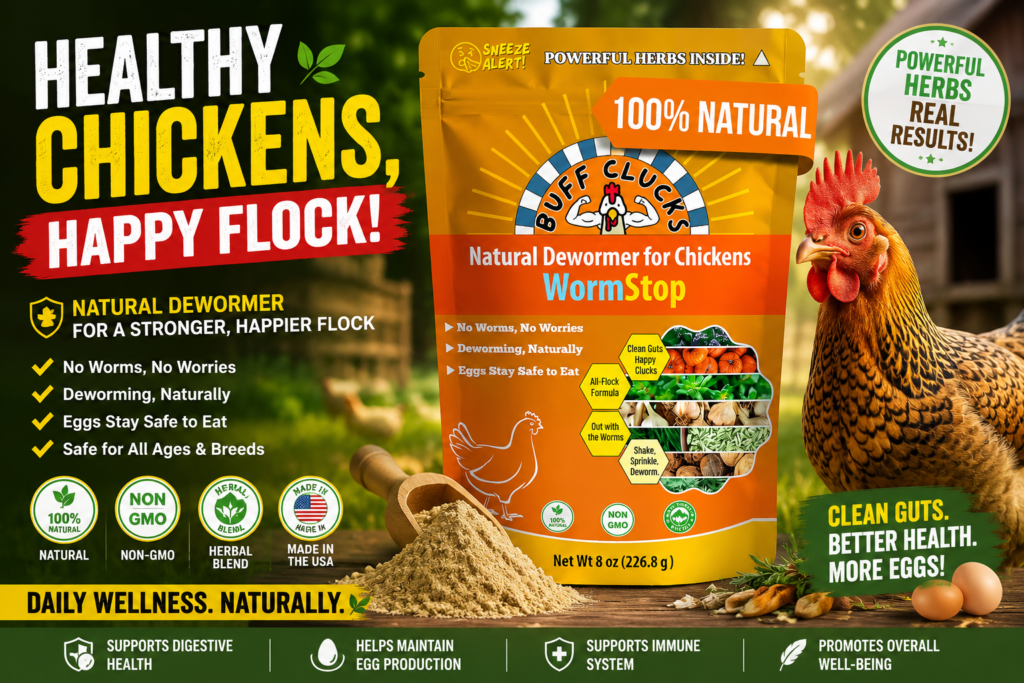
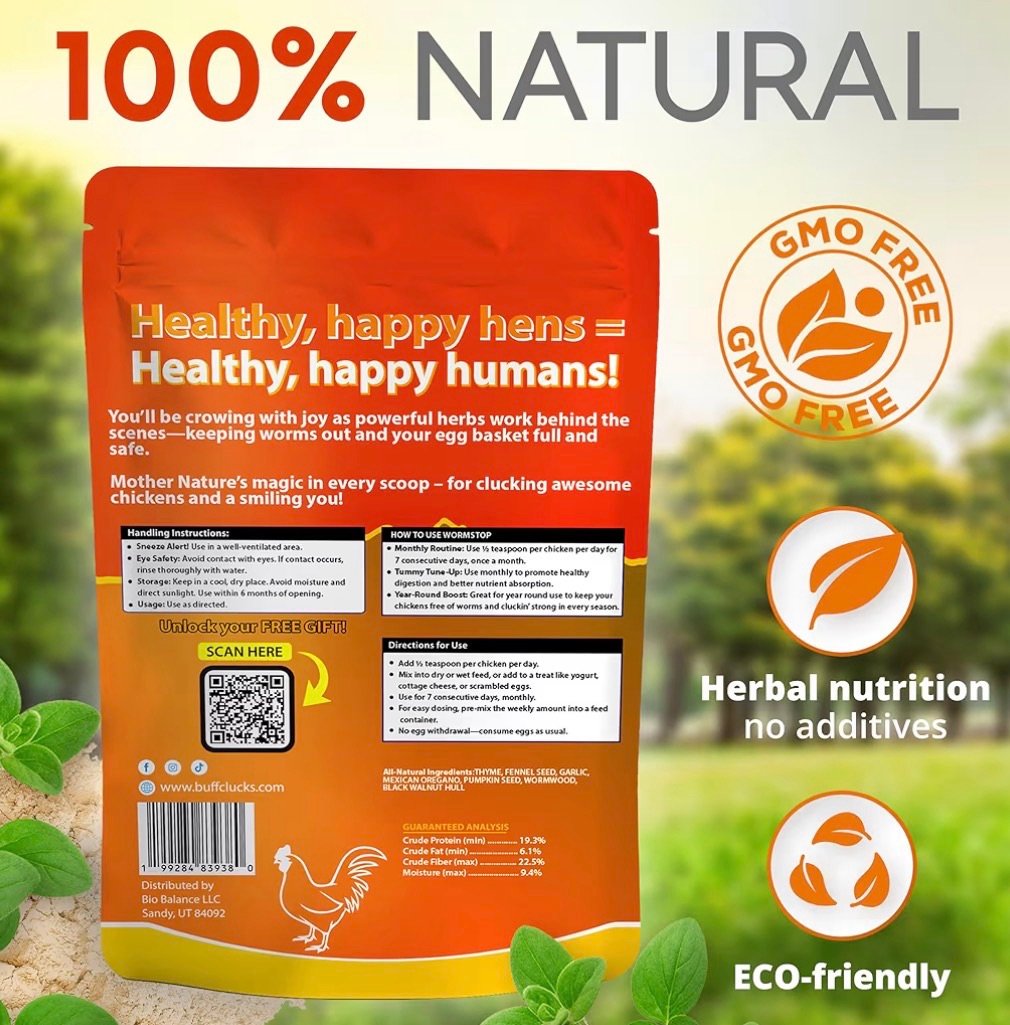
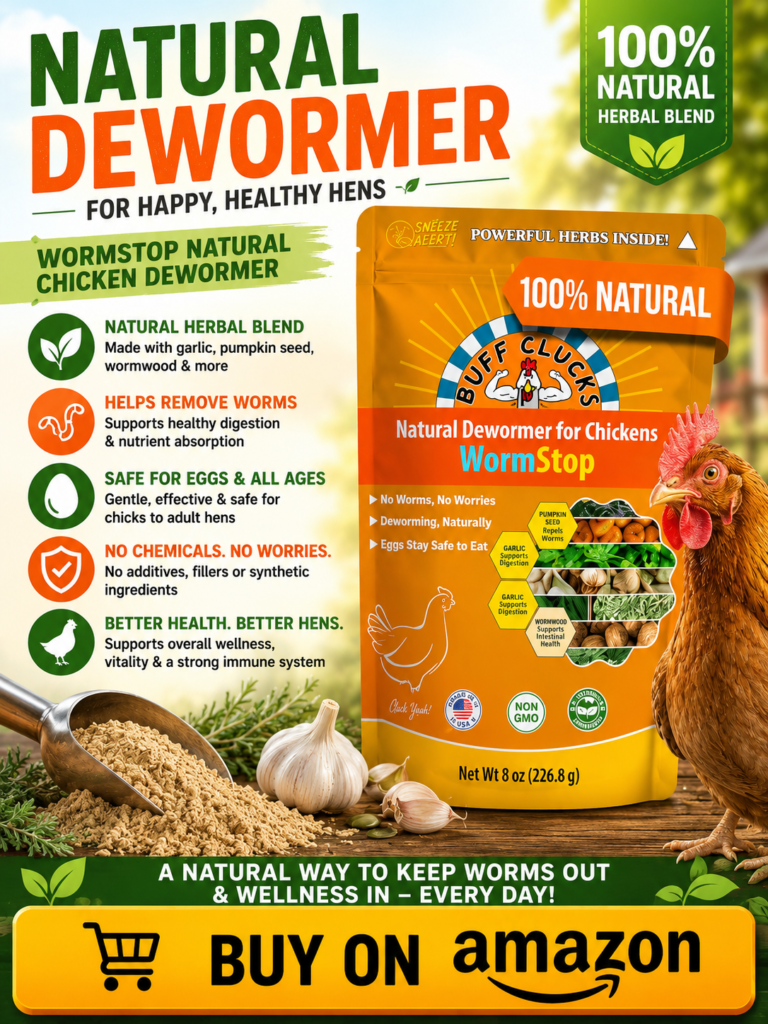
I started taking deworming seriously after a hen I thought was just aging turned out to have a significant worm load. She recovered fine once treated, but it changed how I think about preventive flock health. Since then I’ve made natural deworming support a regular part of how I manage the flock — and the WormStop Natural Chicken Dewormer Powder is what I’ve settled on for daily wellness maintenance.
Here’s my honest take on it — what it is, how I use it, what I’ve observed, and who it actually makes sense for.
Why Worms Are a Bigger Problem Than Most Keepers Realize
Before getting into the product itself, it’s worth understanding why deworming support matters in the first place — because a lot of backyard keepers assume their flock is fine unless they see obvious signs of illness.
Chickens pick up intestinal worms through the environment. Scratching in soil, eating earthworms and insects, foraging in areas where infected birds have been — all of it creates ongoing exposure. Free ranging birds have higher exposure than confined ones, but even birds in a run on bare soil carry worm risk over time.
The most common internal parasites in backyard flocks include roundworms, cecal worms, capillary worms, and tapeworms. Most chickens carry some level of worm burden at any given time — the problem isn’t the presence of worms, it’s when the burden grows large enough to affect health and production. A hen with a heavy worm load can’t absorb nutrients efficiently regardless of what she’s eating, which explains the “eats well but doesn’t thrive” pattern that’s easy to miss.
Signs of significant worm burden include weight loss despite good appetite, pale comb and wattles, decreased egg production, loose or abnormal droppings, lethargy, and a generally unthrifty appearance. The challenge is that these symptoms overlap with a dozen other issues — which is part of why worms go undiagnosed for so long in many flocks. Because these symptoms can point to several underlying problems, review the common reasons chickens act strangely before assuming worms are the cause.
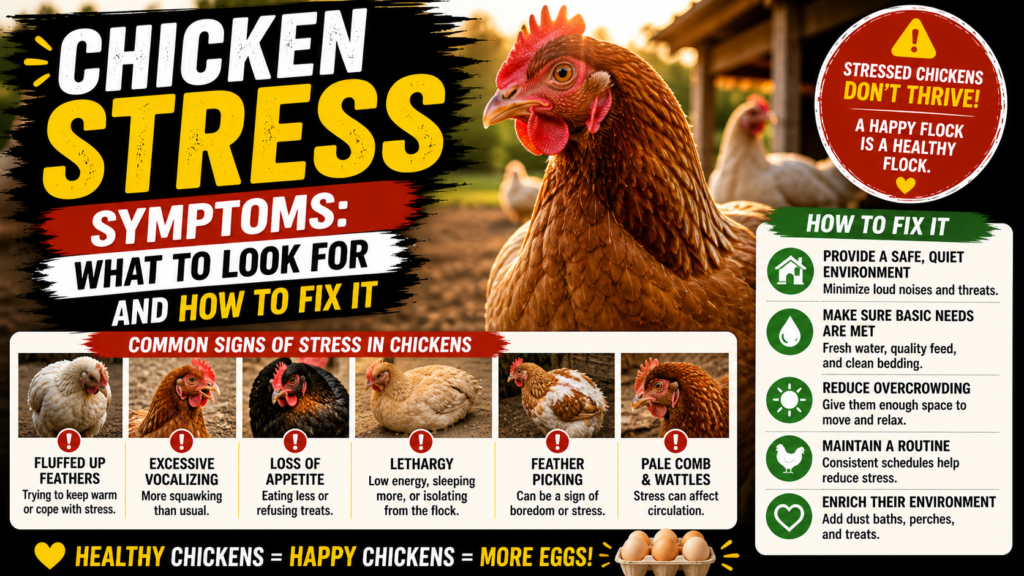
For a flock showing active stress symptoms alongside these signs, the full guide on chicken stress symptoms is worth cross-referencing — worm burden and stress often compound each other in ways that make both harder to identify.
What WormStop Is — and What It Isn’t
This is important to be clear about upfront: WormStop is a natural herbal supplement designed for daily wellness support and prevention. It is not a pharmaceutical dewormer. It will not eliminate an established, heavy worm infestation the way a chemical anthelmintic like fenbendazole will.
If you have a bird showing serious symptoms of worm overload — significant weight loss, visible worms in droppings, severe lethargy — you need a veterinary-grade treatment first, not a natural supplement. WormStop is the right tool for ongoing management and prevention, not crisis intervention.
With that clearly stated: for routine flock maintenance, supporting digestive health, and reducing the likelihood of worm burdens building to problematic levels, a daily herbal dewormer additive is a genuinely useful tool — and the ingredient profile in WormStop is well-chosen for the purpose.
The Ingredients — Why This Formula Works
WormStop’s formula centers on three active ingredients that have documented antiparasitic properties: garlic, pumpkin seed, and wormwood. These aren’t random herbs thrown together — each has a specific mechanism of action and a history of use in livestock and poultry management.
Garlic
Garlic has been used as a natural antiparasitic in livestock for generations, and there’s reasonable science behind it. Allicin — the active compound in garlic — creates an inhospitable environment for intestinal parasites and has antimicrobial properties that support overall gut health. It also acts as a mild immune stimulant, which helps the bird’s own defenses stay active against parasites.
As a bonus: garlic added to the diet has long been associated with improvements in egg quality and yolk color in laying hens, and some keepers report it as a mild deterrent to external parasites as well. Whether that last point holds up to scrutiny depends on who you ask, but the digestive health benefits are well enough documented to make it a worthwhile addition to any flock supplement program.
Pumpkin Seed
Pumpkin seeds contain cucurbitacin, a compound that paralyzes certain intestinal parasites — specifically tapeworms and roundworms — allowing the bird’s digestive system to expel them naturally. This is one of the better-documented natural antiparasitic mechanisms in poultry nutrition, and pumpkin seeds have been used as a folk dewormer in poultry for well over a century.
The effect is more preventive than curative — cucurbitacin works better at keeping worm loads from establishing and growing than at eliminating a large existing population. Which makes it exactly right for a daily supplement program.
Wormwood
Wormwood — Artemisia absinthium — has a long history in antiparasitic herbal medicine across multiple species. It contains compounds that are directly toxic to many intestinal parasites and creates a bitter, inhospitable gut environment that discourages parasite establishment. It’s also been studied in commercial poultry production as part of antibiotic-free management programs, with results that support its inclusion in a natural parasite management approach.
Wormwood is potent — which is why it’s used in a measured, blended formula rather than fed directly in large quantities. The WormStop blend gets the benefit of the compound at an appropriate inclusion level without the risk of overfeeding a single herb.
Safe for Eggs and All Ages — Why That Matters
One of the practical limitations of pharmaceutical dewormers in laying flocks is egg withdrawal. Most chemical anthelmintics aren’t approved for laying hens in the US, which means if you treat with them you’re technically supposed to discard eggs for a withdrawal period — and that period isn’t always clearly defined for backyard flock use.
WormStop is safe for laying hens with no egg withdrawal period, and safe for birds of all ages including young chicks. That’s not a small thing. Being able to maintain a deworming support program year-round without worrying about egg safety simplifies flock management significantly — you add it to feed or water on a regular schedule and don’t have to think about it.
Made in the USA, which matters to me for quality control and ingredient sourcing. The herbal supplement market has real quality variation, and domestic manufacturing with consistent sourcing is a meaningful differentiator.
How I Use It
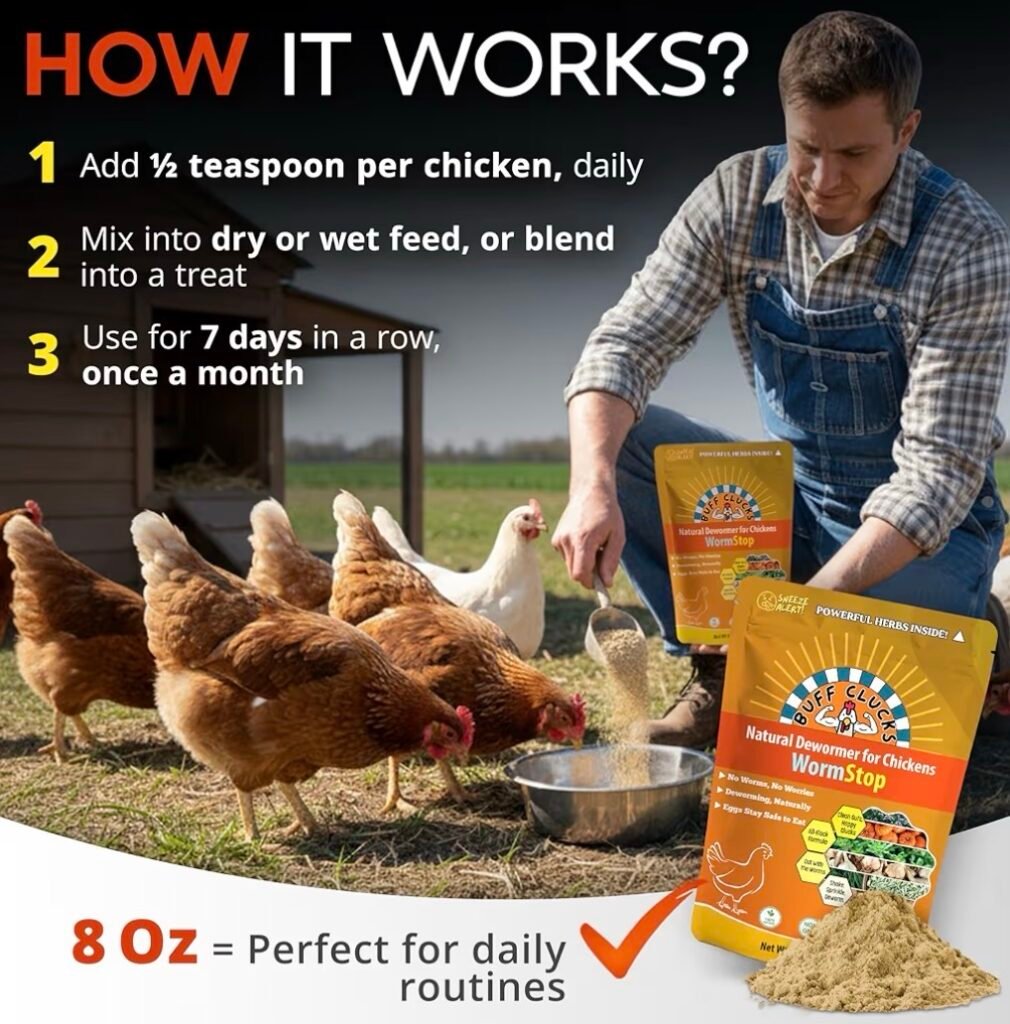
WormStop comes as a powder, which makes it easy to incorporate into feed. The recommended approach is mixing it into feed at the specified rate — I do this every other week as a maintenance schedule through spring, summer, and fall when worm exposure is highest. In winter when the flock is less active on pasture, I back off to once a month.
The powder mixes easily into both pellet and crumble feeds. I’ve found the flock accepts it without any fuss — the garlic scent is noticeable but doesn’t appear to put them off their feed at all. Some keepers mix it into a wet mash, which works equally well and may improve palatability for picky birds.
You can also add it to water, though I prefer the feed route to ensure each bird gets a consistent dose rather than relying on individual water consumption patterns.
I increase frequency — moving to weekly — any time I introduce new birds to the flock, after the flock has had extended free range time in new pasture, or heading into spring after birds have been confined over winter and the pasture is carrying overwintered worm eggs.
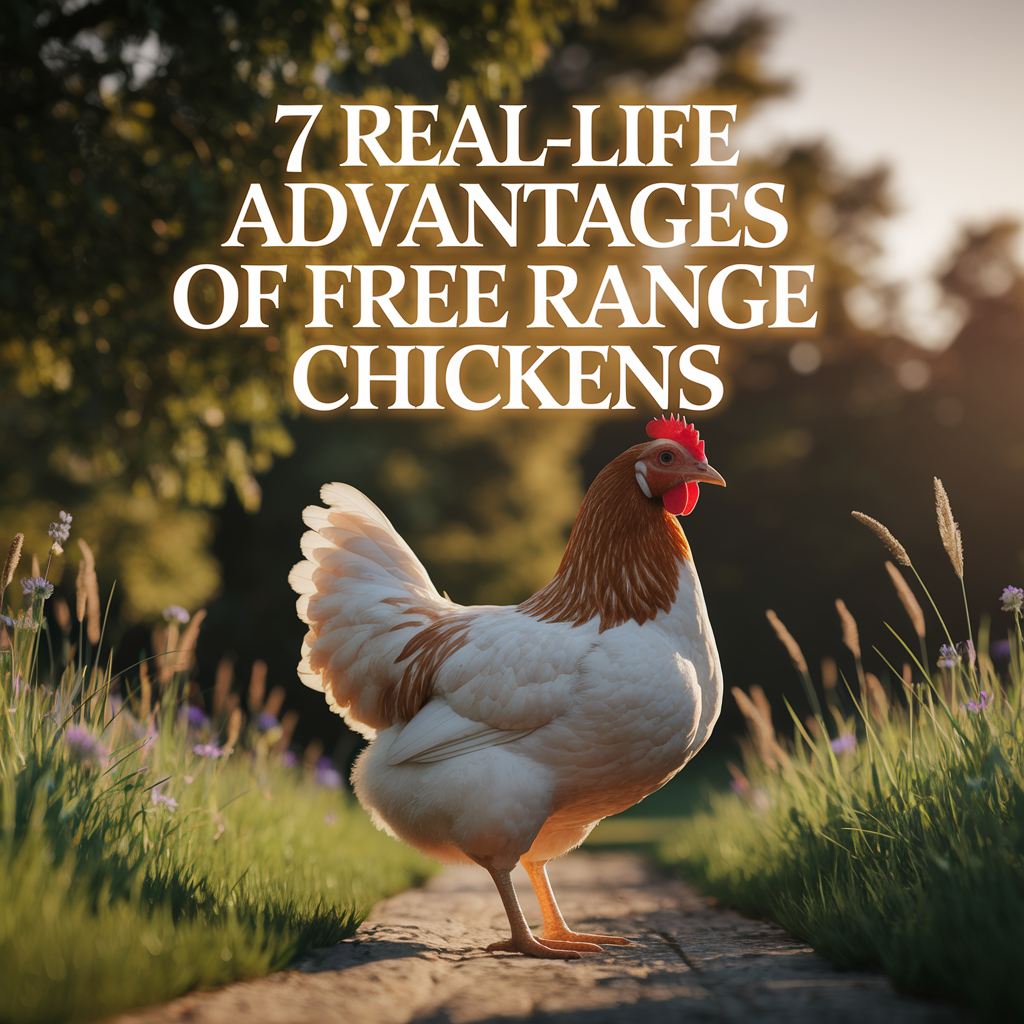
If you’re free ranging your flock — and there are good reasons to if your setup allows it — worm exposure is higher and a consistent prevention program matters more. The advantages of free ranging are real, and managing the increased parasite exposure that comes with it is just part of the equation. The guide to free ranging and feed costs is a good companion read if you’re weighing whether to let your birds range more broadly.
What I’ve Observed After Regular Use
I want to be careful here not to overclaim. Natural supplements are genuinely harder to evaluate than pharmaceutical treatments — there’s no before/after worm count to point to, and the benefits of prevention are invisible by definition.
What I can say from consistent use over two seasons: my flock’s overall condition has been solid. The birds that went through last fall’s molt came back into production faster than in previous years, and body condition through the winter was better than I’d seen in a while. I can’t attribute that solely to WormStop — nutrition, housing, and management all factor in — but it’s part of a supplement program that I’m confident is contributing positively.
I’ve had no birds showing the weight-loss-despite-good-appetite pattern that first tipped me off to worm issues in my flock years ago. That’s not proof, but it’s the kind of observable outcome that tells me the program is doing its job.
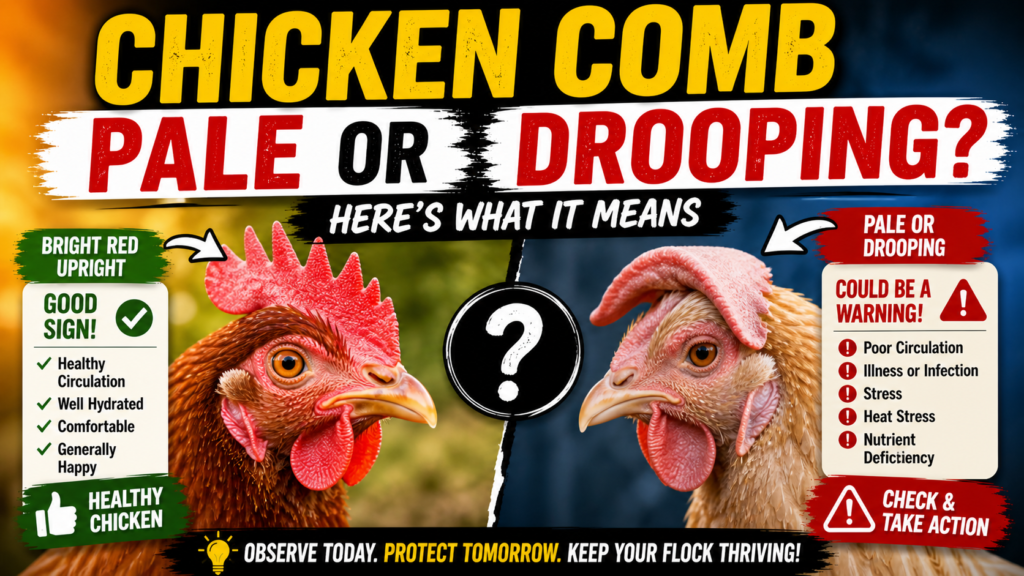
Egg production has been consistent through the seasons when hens are laying. Comb color on the flock — which is one of the better visible health indicators — stays bright and full. For more on reading comb health as a routine practice, the guide to comb color and condition covers what to look for.
How It Fits Into a Complete Flock Health Program
WormStop works best as one piece of a broader approach to flock health rather than the only thing you’re doing. Here’s how I think about it in context:
Pasture rotation. Where possible, rotating which areas of the yard or pasture your flock accesses breaks the worm lifecycle in the environment. Worm eggs in soil can remain viable for months — giving pasture a rest period reduces the concentration of infective larvae the flock is walking through daily.
Coop hygiene. A clean, dry coop reduces the moisture conditions that worm eggs and larvae need to survive. Regular bedding changes and thorough cleanouts are basic management that supports everything else you’re doing for flock health.
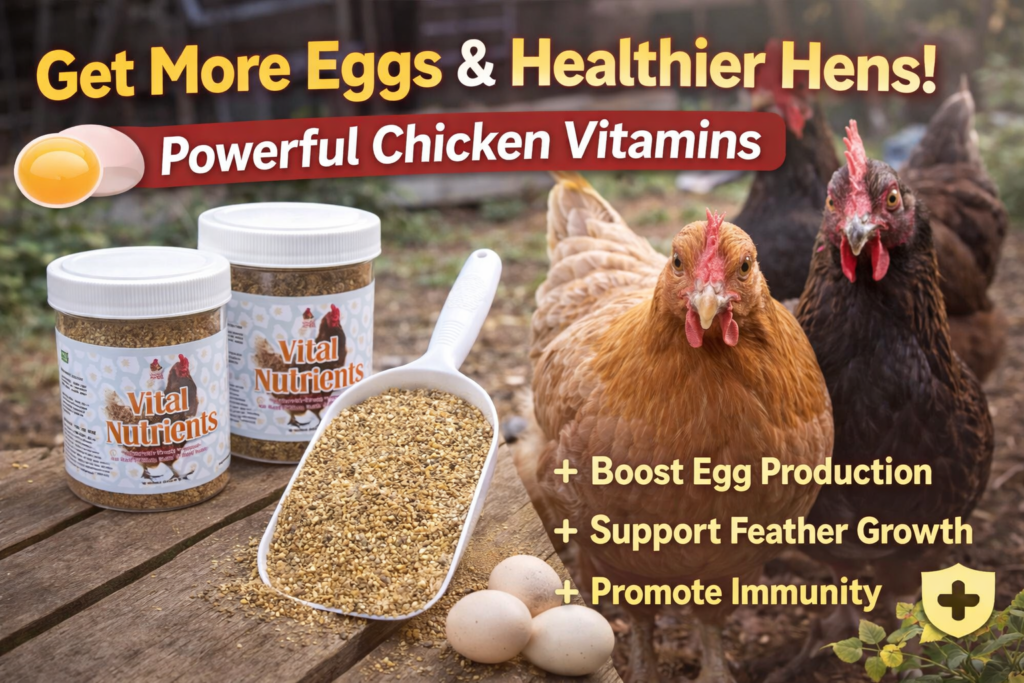
Nutritional support. A hen whose nutritional status is solid is better equipped to handle the worm burden she inevitably carries. Adequate protein, calcium, and micronutrients support the immune response that helps keep parasite loads in check. A quality poultry vitamin supplement alongside WormStop covers both the antiparasitic and the nutritional support angles simultaneously.
Regular observation. The birds that develop serious worm problems are almost always in flocks where the keeper isn’t doing regular hands-on assessment. Picking birds up, feeling body condition, watching droppings, and monitoring production catches problems early when they’re easiest to address. Combining that observation habit with a consistent natural deworming program is about as proactive as backyard flock management gets.
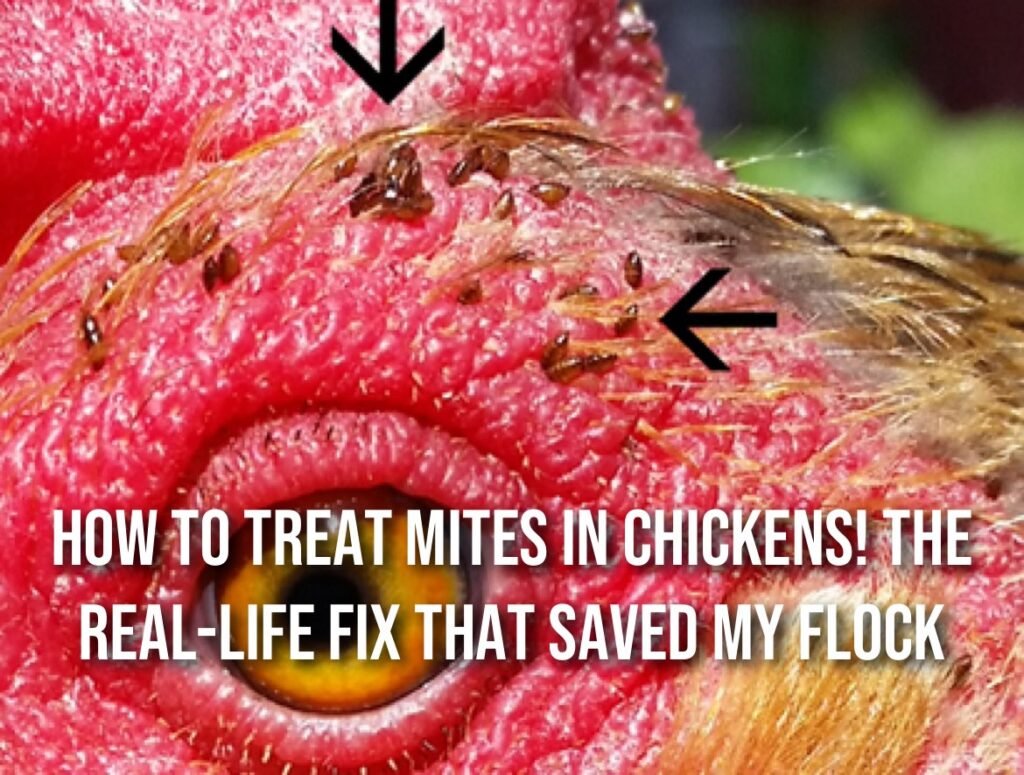
Mite management alongside worm management. External and internal parasites often coexist in flocks with high overall parasite pressure. If you’re addressing worms, it’s worth also making sure mite control is part of your routine. The mite treatment guide and the natural powder for mite control cover that side of the equation.
Who WormStop Makes Sense For
If you’re a backyard keeper with a free-ranging or semi-free-ranging flock, a natural daily dewormer supplement is one of the smarter routine investments you can make. The exposure is ongoing, the symptoms of worm burden are subtle until they aren’t, and prevention is significantly easier than treatment.
If you have a confined flock on a bare run that gets thoroughly cleaned regularly, your worm risk is lower — but not zero. Worm eggs come in on your boots, on wild birds that visit the run, and on any insects or earthworms the birds might encounter. A maintenance schedule rather than a continuous one makes sense for lower-risk setups.
If you’re already dealing with a bird showing significant worm symptoms, start with a veterinary assessment and appropriate treatment before adding a natural supplement. Get the acute problem handled, then use WormStop as the ongoing management tool it’s designed to be.
For anyone who values not having egg withdrawal concerns, prefers keeping chemical inputs minimal in their flock management, and wants a simple powder-format supplement that fits easily into a regular feeding routine — the WormStop Natural Chicken Dewormer Powder is genuinely worth adding to the program.
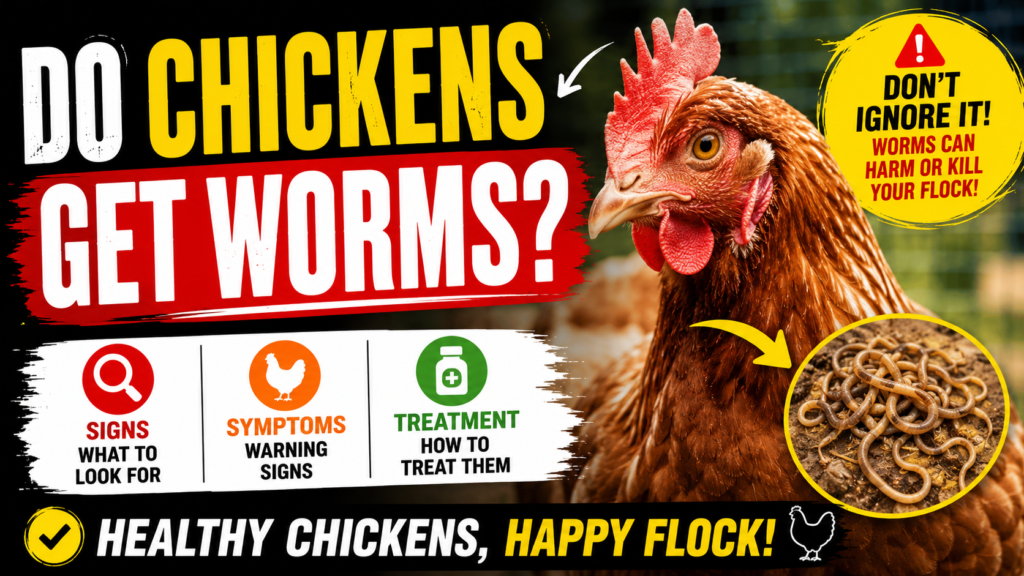
The Bottom Line on Natural Deworming
Internal parasites are a normal part of keeping chickens. The goal isn’t eliminating all exposure — that’s not realistic for any flock that has contact with soil, insects, or other birds. The goal is keeping worm burdens below the threshold where they affect health and production, and catching it when they don’t.
A daily natural dewormer supplement addresses that goal in the most practical way available to backyard keepers — no withdrawal periods, no pharmaceutical concerns, no complicated treatment protocols. Mix it into feed on a regular schedule, observe your birds consistently, and support their overall health with good nutrition and housing. That combination handles most of what internal parasites throw at a backyard flock.
Worms are the problem you don’t see coming until they’ve already been there a while. Getting ahead of them is worth the small effort it takes.
About the Author: Marcus J. Webb has kept backyard chickens for twelve years and has learned most of what he knows about flock health the hard way. He writes about practical management strategies with an emphasis on prevention over reaction.