
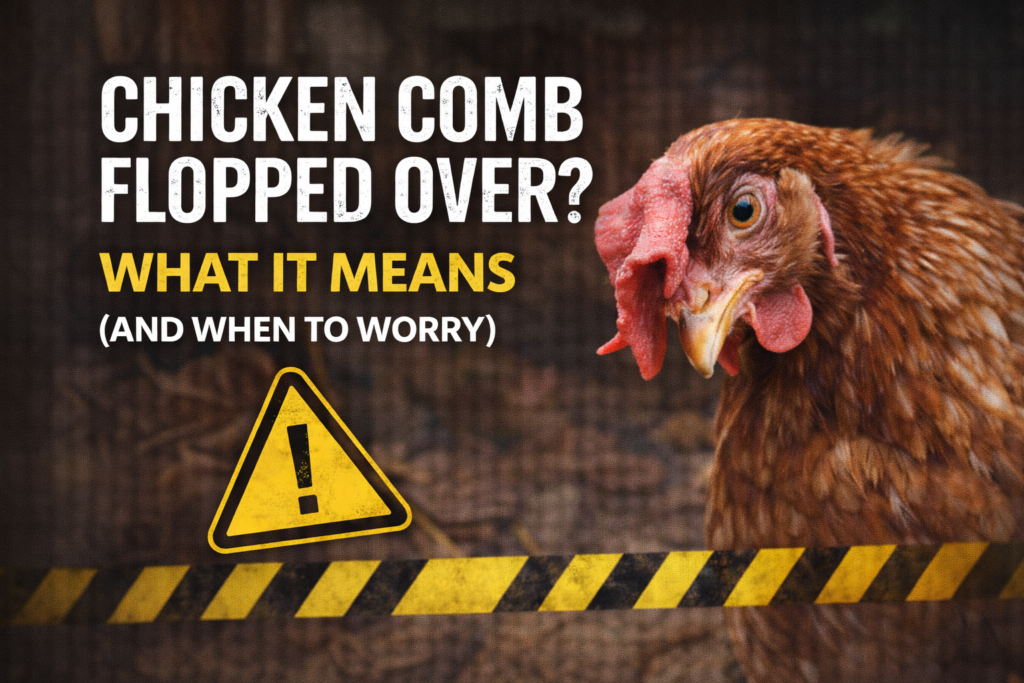
Chicken Comb Flopped Over? What It Means (And When to Worry)
Chicken comb flopped over? Learn what causes it, when it’s normal, and when it’s a warning sign you shouldn’t ignore.
Chicken comb flopped over? Learn what causes it, when it’s normal, and when it’s a warning sign you shouldn’t ignore.

I’ve run three hatches in the MATICOOPX 20 egg incubator. Here’s an honest review of what works, what to know going in, and whether it’s worth buying.
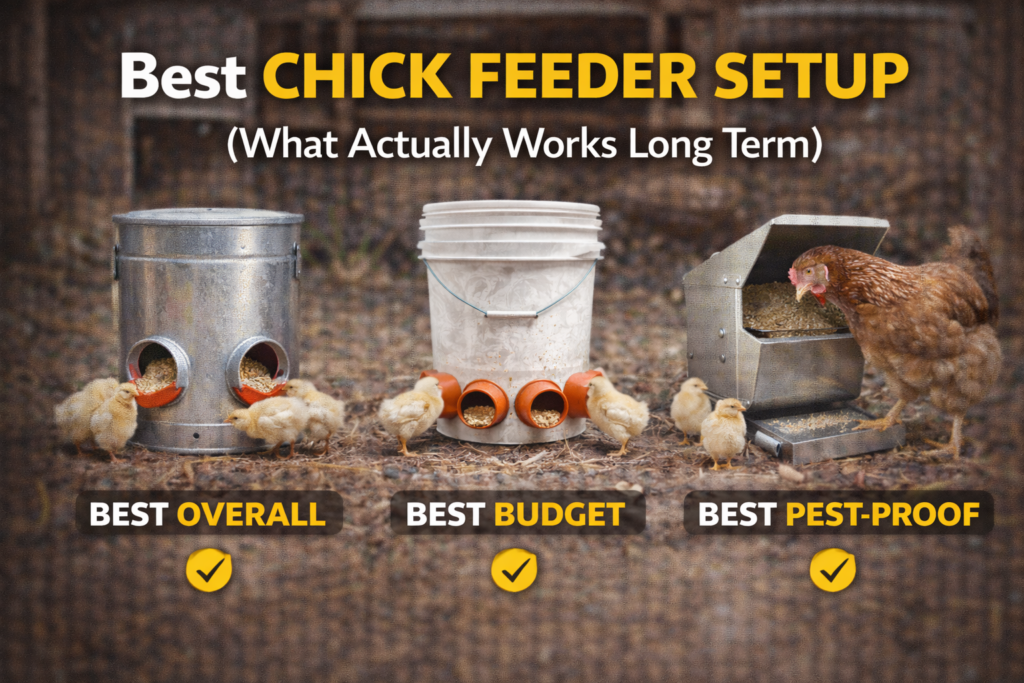
Most chick-feeder problems come down to three fixable details, keep feed off the bedding, raise the opening to chest height, and move it away from water. These small adjustments reduce waste, crowding, dirty feed, and uneven growth.
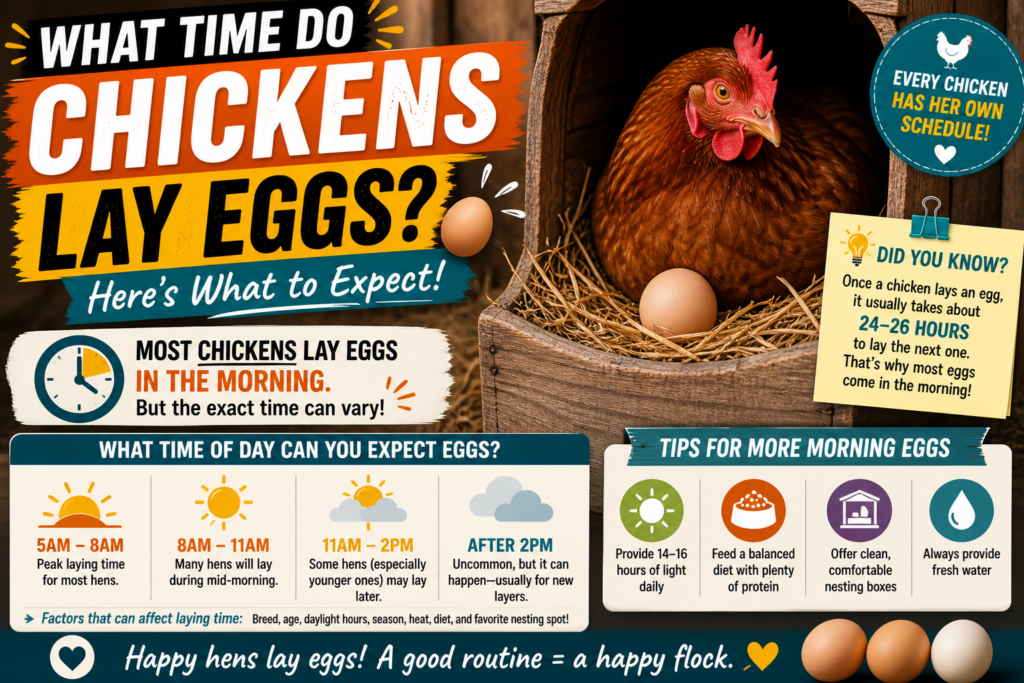
Most hens lay in the morning — but the exact timing shifts more than people expect. Here’s how the laying cycle actually works and what you can do to work around it.
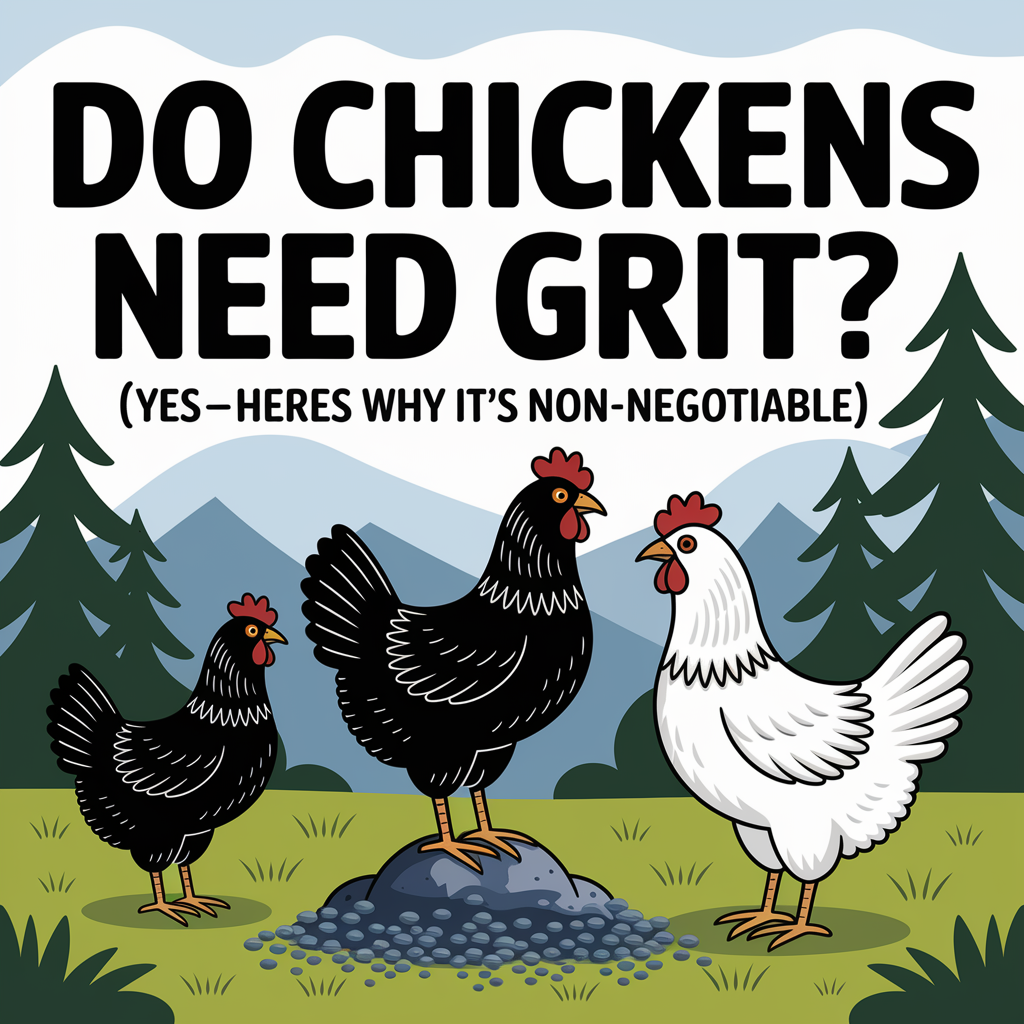
Chickens have no teeth, so their gizzards depend on insoluble grit to grind up grains, greens, bugs, and scraps. Learn when free-ranging birds still need it, why chicks require a finer size, and how to offer grit without overthinking it.

Free-ranging isn’t just a different setup for chickens. Eggs from birds allowed to roam can contain up to twice as much omega-3, giving backyard keepers a nutritional reason to let the flock out.
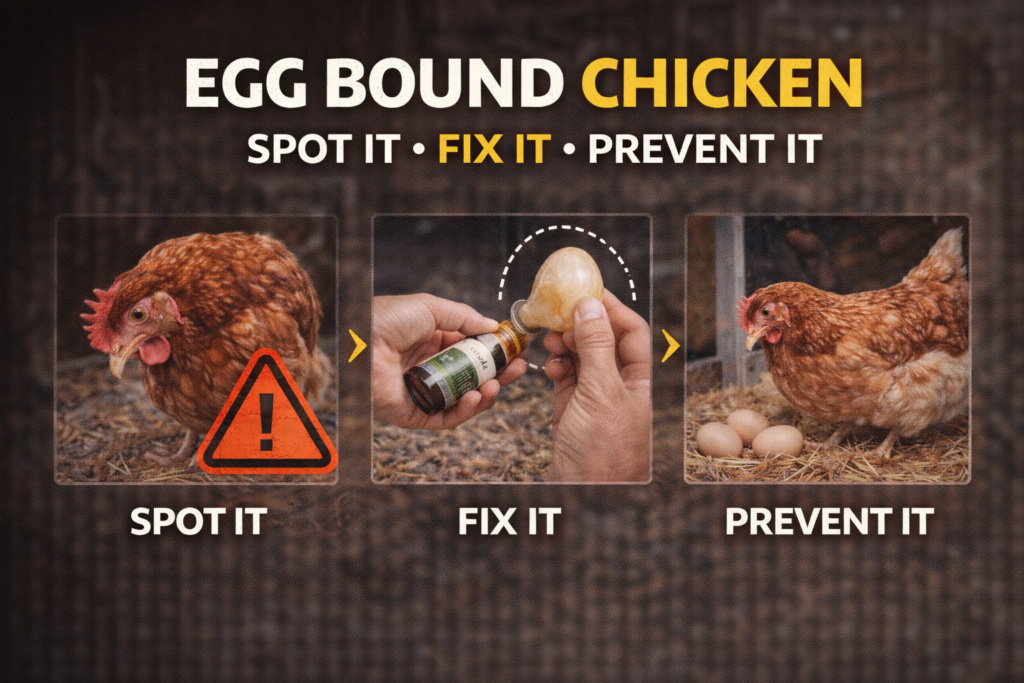
Egg bound chicken symptoms explained plus how to treat and prevent it. Learn what to look for before it becomes serious.
Most hens start laying between 16 and 24 weeks, but breed, daylight, diet, and stress can shift the schedule. Learn to spot red combs, squatting, nesting interest, and extra chatter before the first tiny, strange, unforgettable egg appears.

Most chicken keepers name their birds. But do chickens actually know their names — or are they just responding to the sound of food coming? The answer is more interesting than you’d expect.
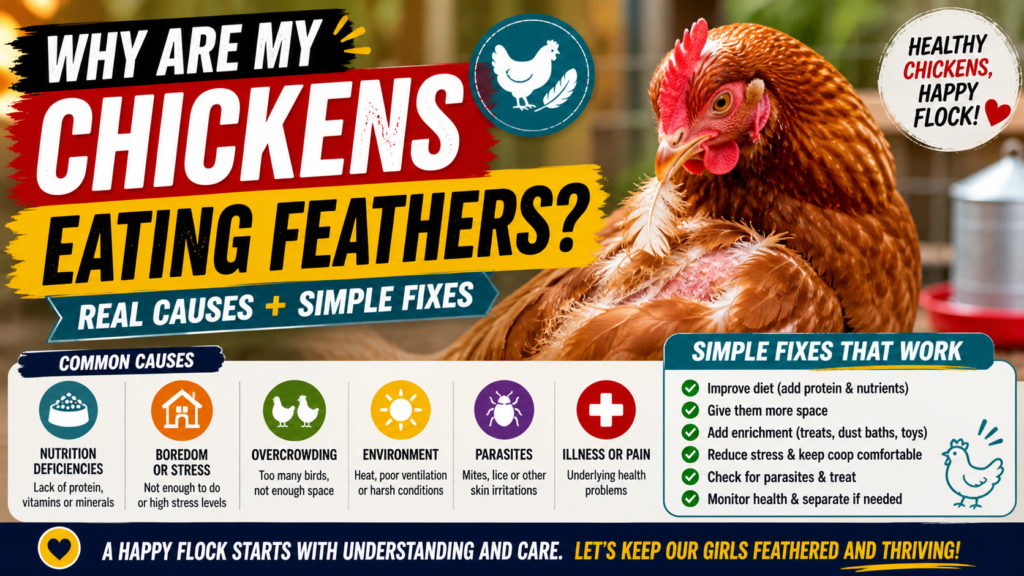
Chickens eating feathers is one of those behaviors that makes you stop and stare. It looks weird, it feels wrong, and if you don’t catch it early it can turn into a real flock problem. Here’s what’s actually behind it — and how to make it stop.
Stop yawning! Learn why do roosters crow all day – from territorial dawn calls to circadian quirks that’ll rock your morning vibes!
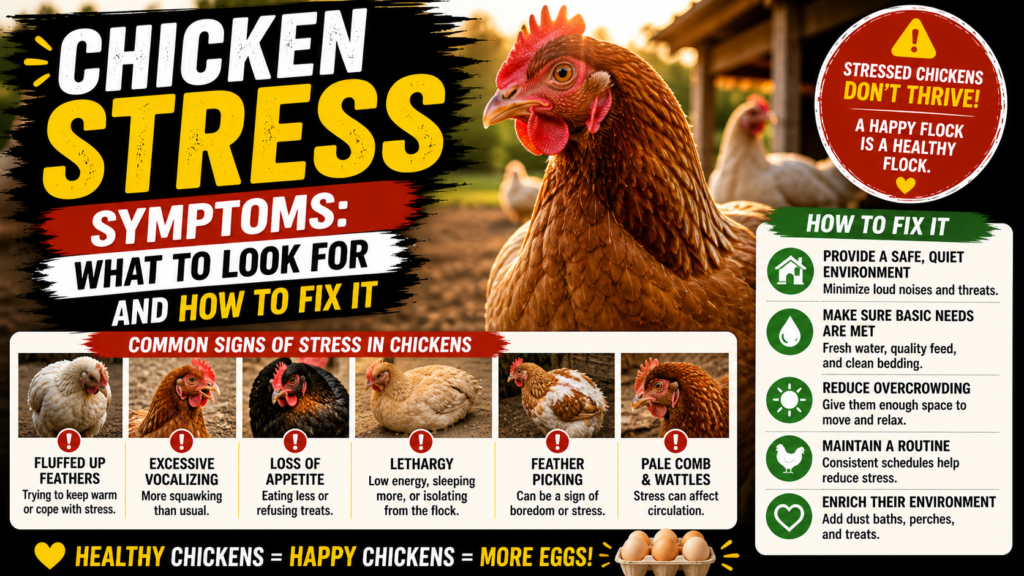
Stress is one of the most underdiagnosed problems in backyard flocks. By the time it’s obvious, it’s been building for weeks. Here’s what chicken stress actually looks like — and how to stop it before it becomes a real problem.