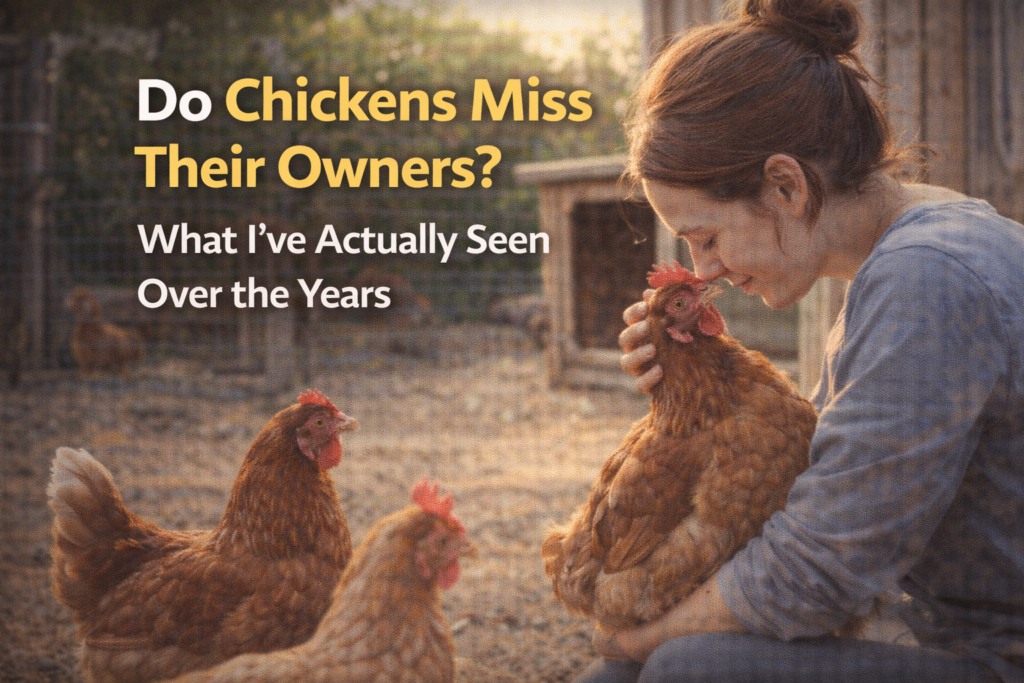
Do Chickens Miss Their Owners? What I’ve Actually Seen Over the Years
Do chickens miss their owners or just want food? Learn how chickens recognize people and what their behavior really means.
Do chickens miss their owners or just want food? Learn how chickens recognize people and what their behavior really means.
Most hens start laying between 16 and 24 weeks, but breed, daylight, diet, and stress can shift the schedule. Learn to spot red combs, squatting, nesting interest, and extra chatter before the first tiny, strange, unforgettable egg appears.
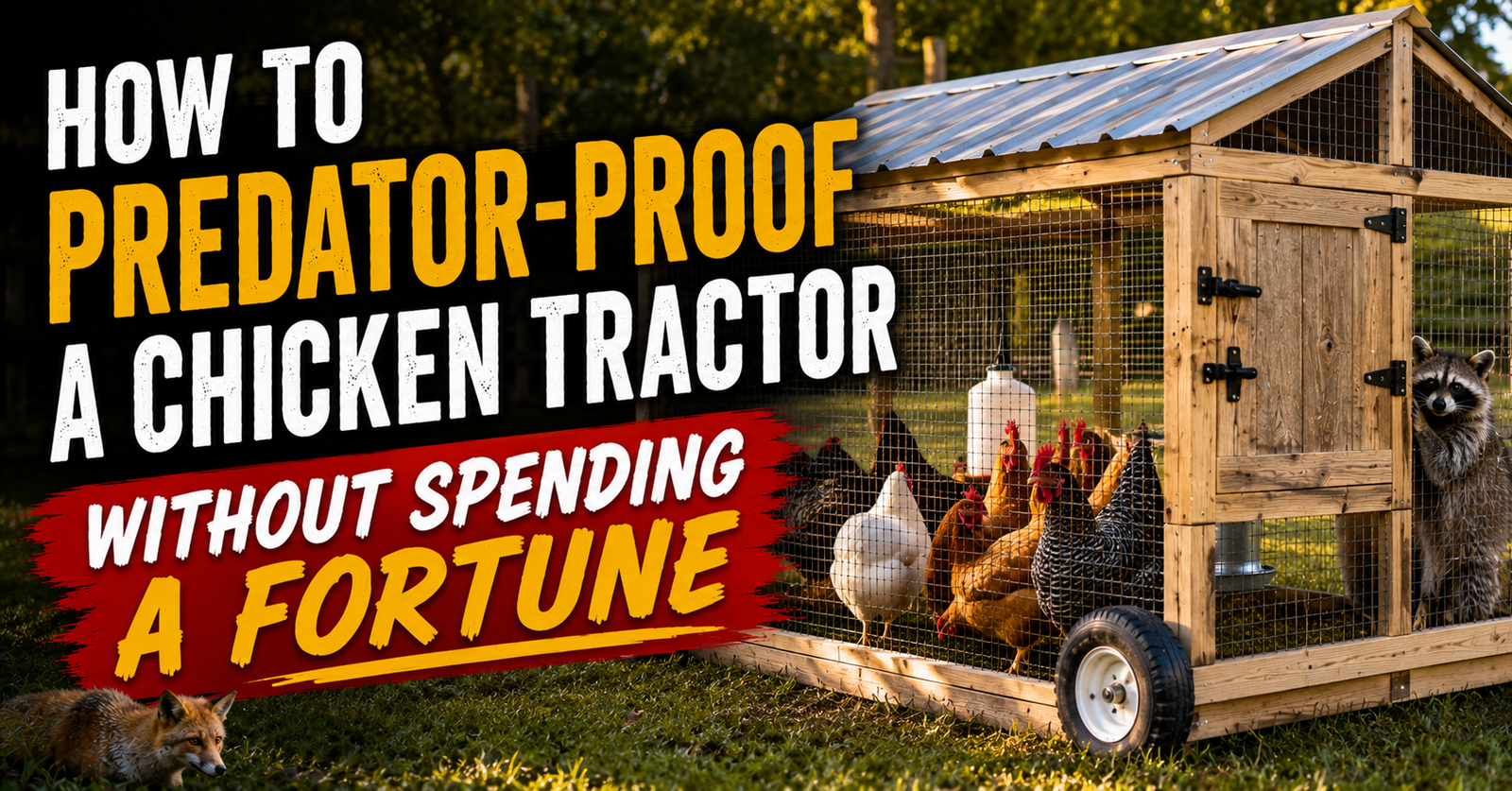
Learn how to predator-proof a chicken tractor with stronger fencing, secure latches, and simple upgrades that help keep your flock safe.

Watch your chickens day and night with this solar coop camera that helps catch predators and monitor your flock.
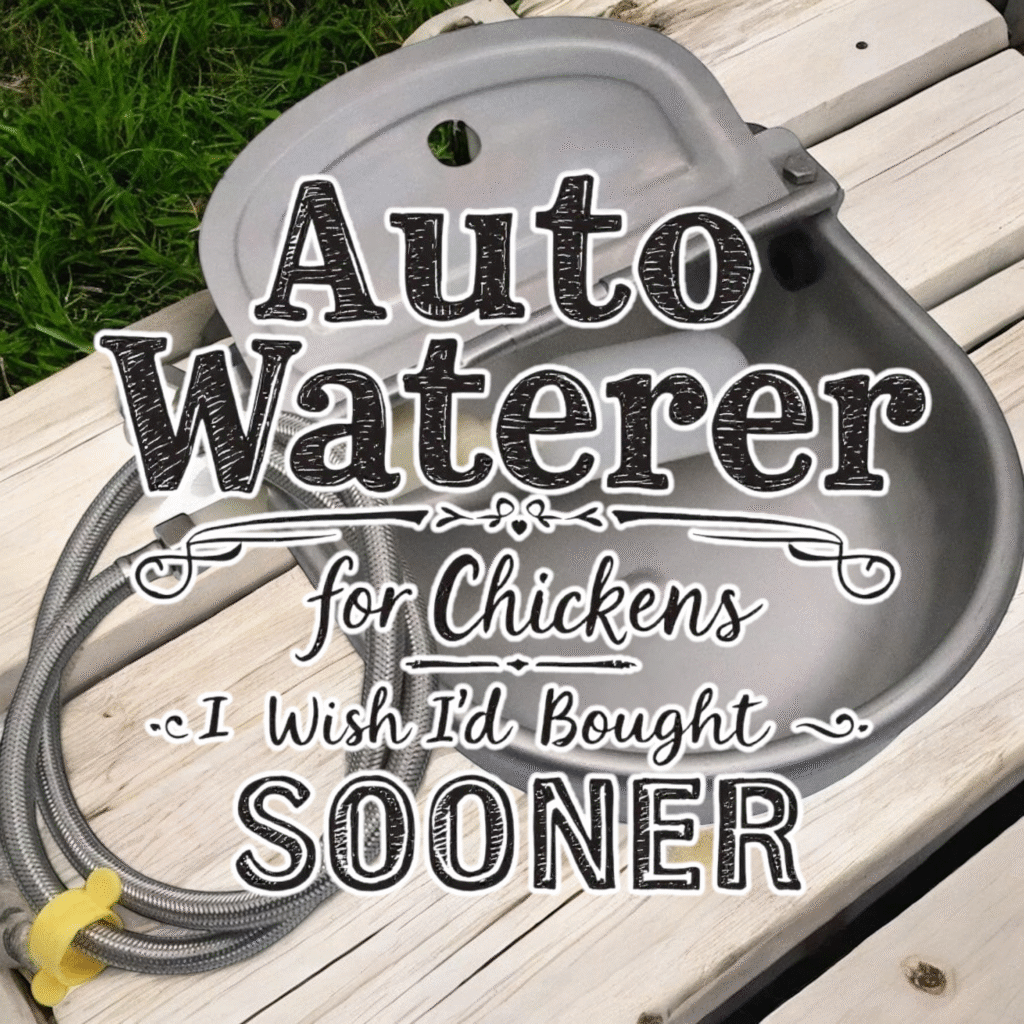
A valve-controlled bowl ends the daily cycle of hauling buckets, scrubbing algae, and finding spilled water in the mud. This setup connects to a standard hose, installs in about five minutes, and even works for goats without complicated plumbing.
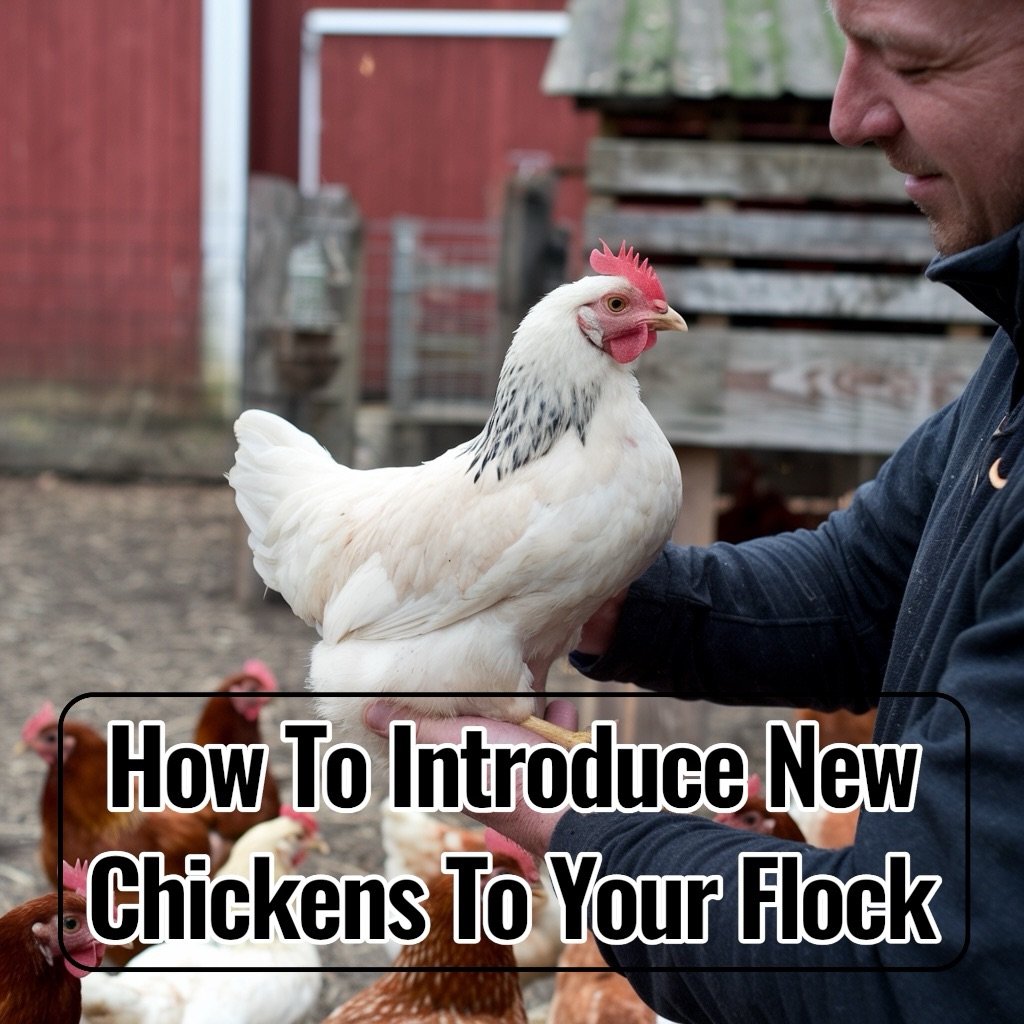
Ready to learn how to introduce new chickens to the flock like a pro? No pecking chaos—just coop comfort, cluck harmony & happy hens.
Healthy adult chickens usually do not need a heated coop, even below freezing. Dry bedding, draft-free ventilation, sturdy roosts, extra calories, and unfrozen water matter far more, while heat lamps add a serious fire risk and can leave birds less prepared for sudden cold.
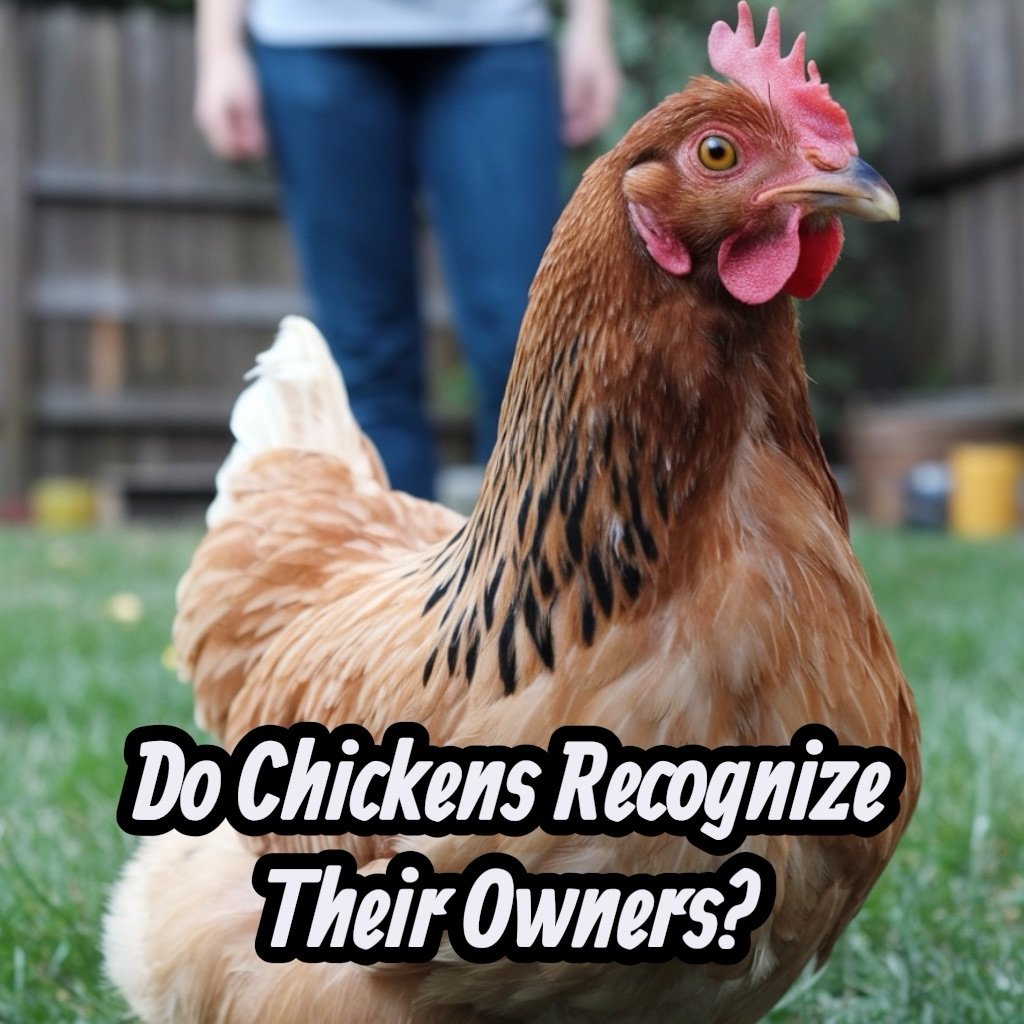
A hen sprinting across the yard is more than a hungry greeting. Chickens learn your voice, footsteps, appearance, scent, and routine, then connect you with safety and care. Here are the unmistakable signs of recognition and simple ways to build that trust.
Finding the guilty hen is only half the battle. The useful part is working out why egg-eating began, then breaking the habit before other chickens pick it up and make the problem harder to fix.
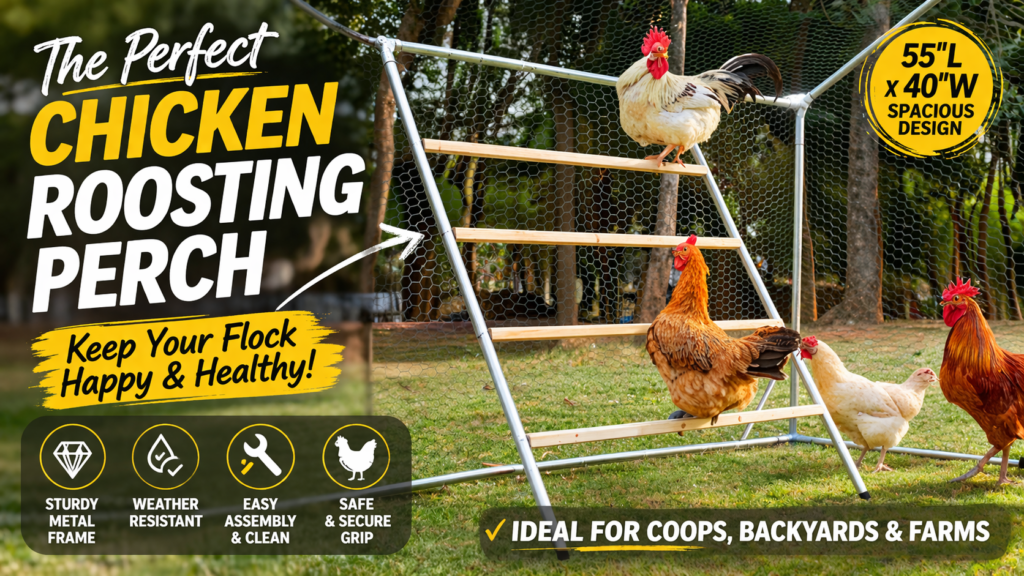
Give your chickens a proper place to roost with this sturdy perch that improves coop comfort and cleanliness.
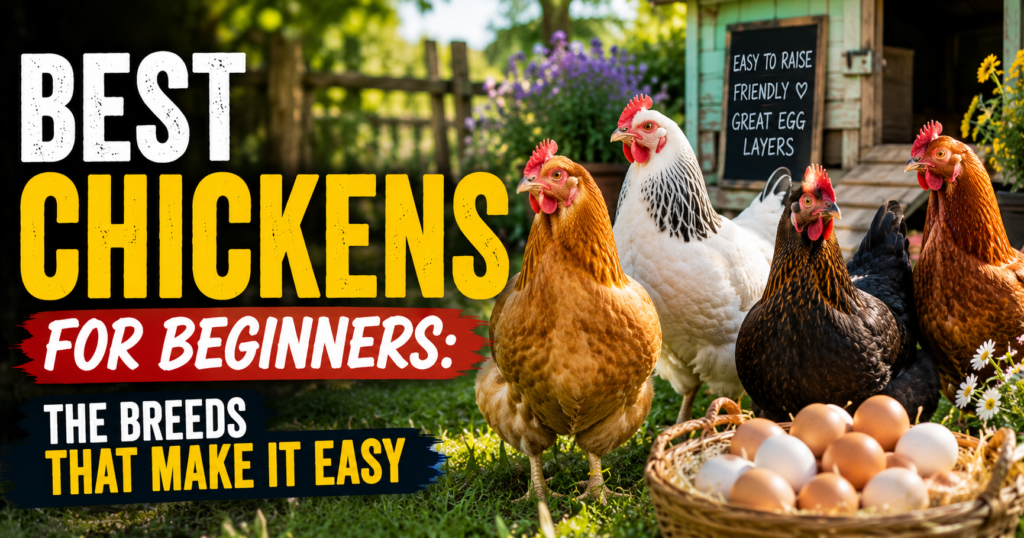
The breed you start with makes or breaks your first flock experience. Here are the best chickens for beginners — calm, reliable, forgiving, and worth keeping.
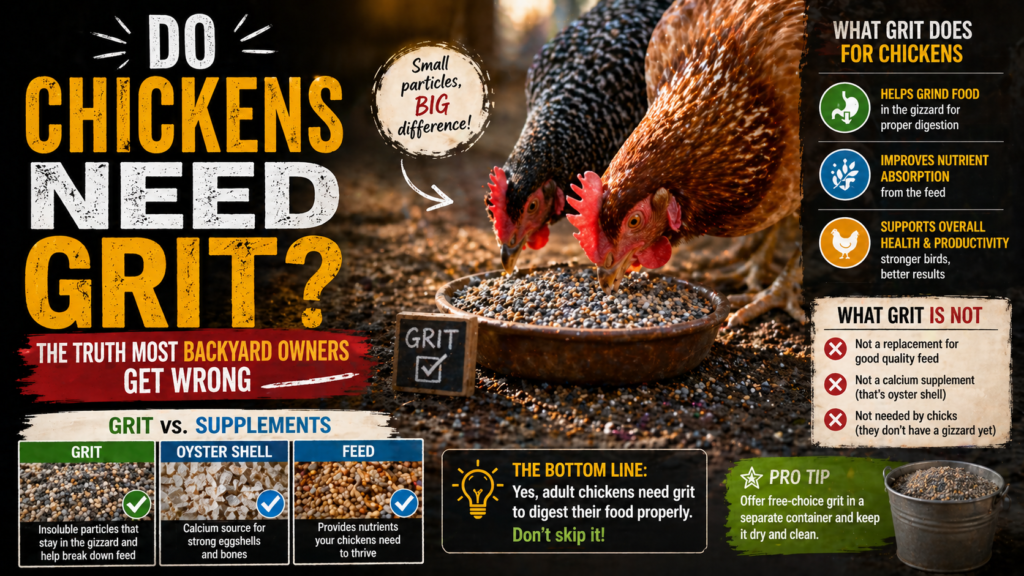
Oyster shell cannot replace grit, because they solve two entirely different problems. Chickens need hard grit to grind anything beyond processed feed, while oyster shell supplies calcium for eggshells, and free-ranging does not always provide enough grit from the soil.