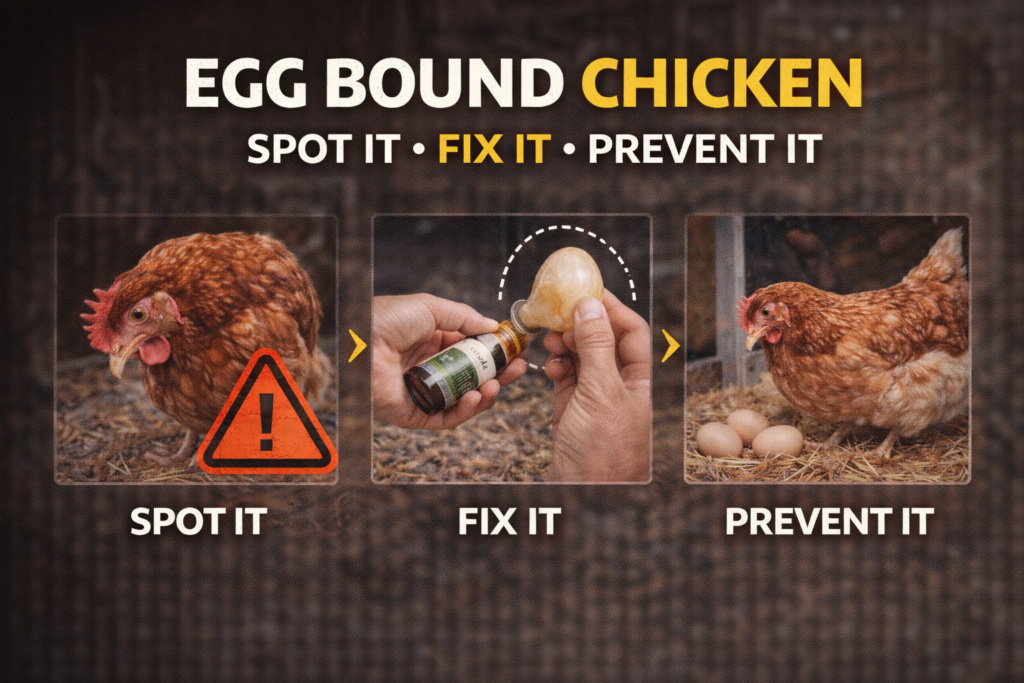
If you’ve ever had a hen that suddenly stops acting right… sits around… strains… or just seems off, egg binding should be one of the first things on your mind.
This is one of the most serious issues backyard chicken owners run into, and it’s also one of the most misunderstood.
Because here’s the truth most people don’t realize…
By the time the symptoms are obvious, you’re already on a clock.
Catching it early is everything.
Quick Answer
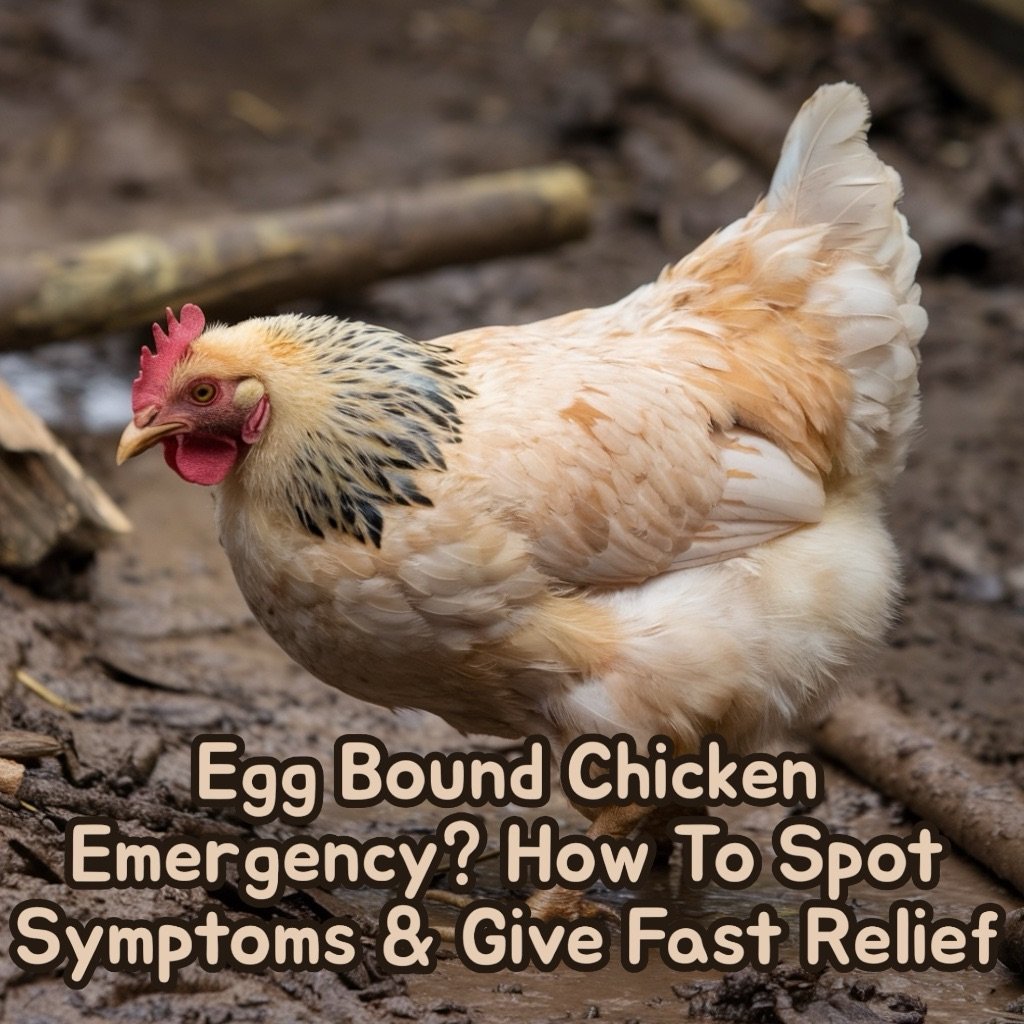
Egg bound chickens show symptoms like straining, lethargy, swollen abdomen, penguin-like posture, and loss of appetite. It’s usually caused by calcium deficiency, poor diet, dehydration, or oversized eggs, and needs quick action to prevent serious complications. When these symptoms appear, the Egg Bound Chicken Emergency: Spot Symptoms & Fast Relief provides a practical checklist and immediate steps to take safely.
What Egg Binding Actually Is (And Why It’s Dangerous)
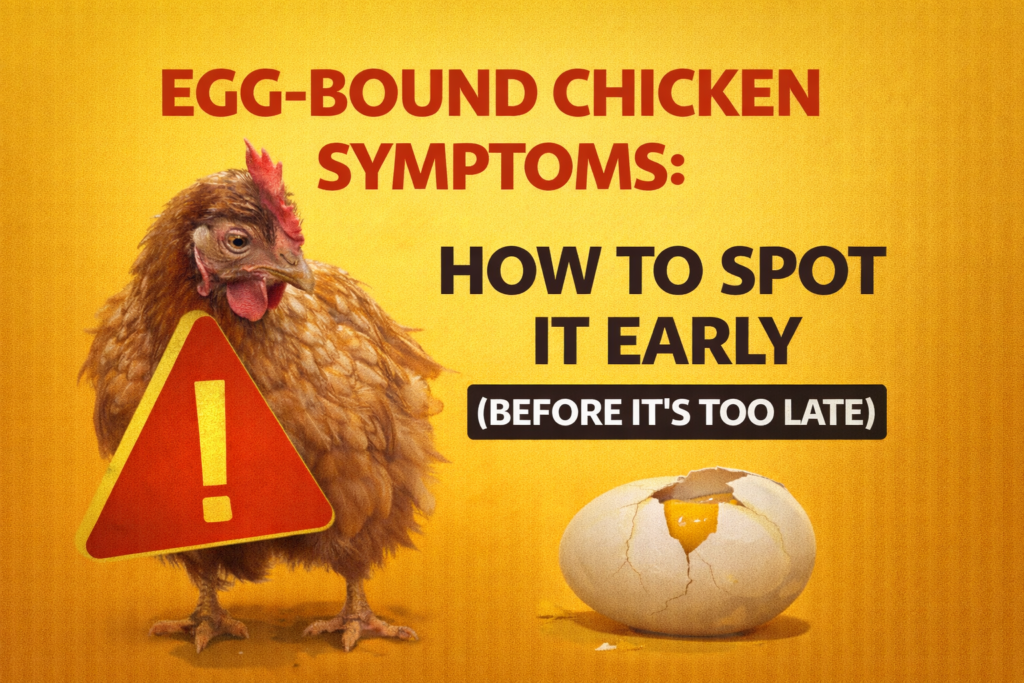
Egg binding happens when a hen cannot pass an egg through her reproductive tract. For the subtle warning signs that can appear before the condition worsens, use Egg Bound Chicken Symptoms: How to Spot It Early (Before It’s Too Late) as an early-check reference.
That egg becomes stuck, and pressure builds internally.
This leads to:
- Pain and stress
- Blocked digestion
- Risk of infection
- Possible death if untreated
This is not just a “wait and see” situation.
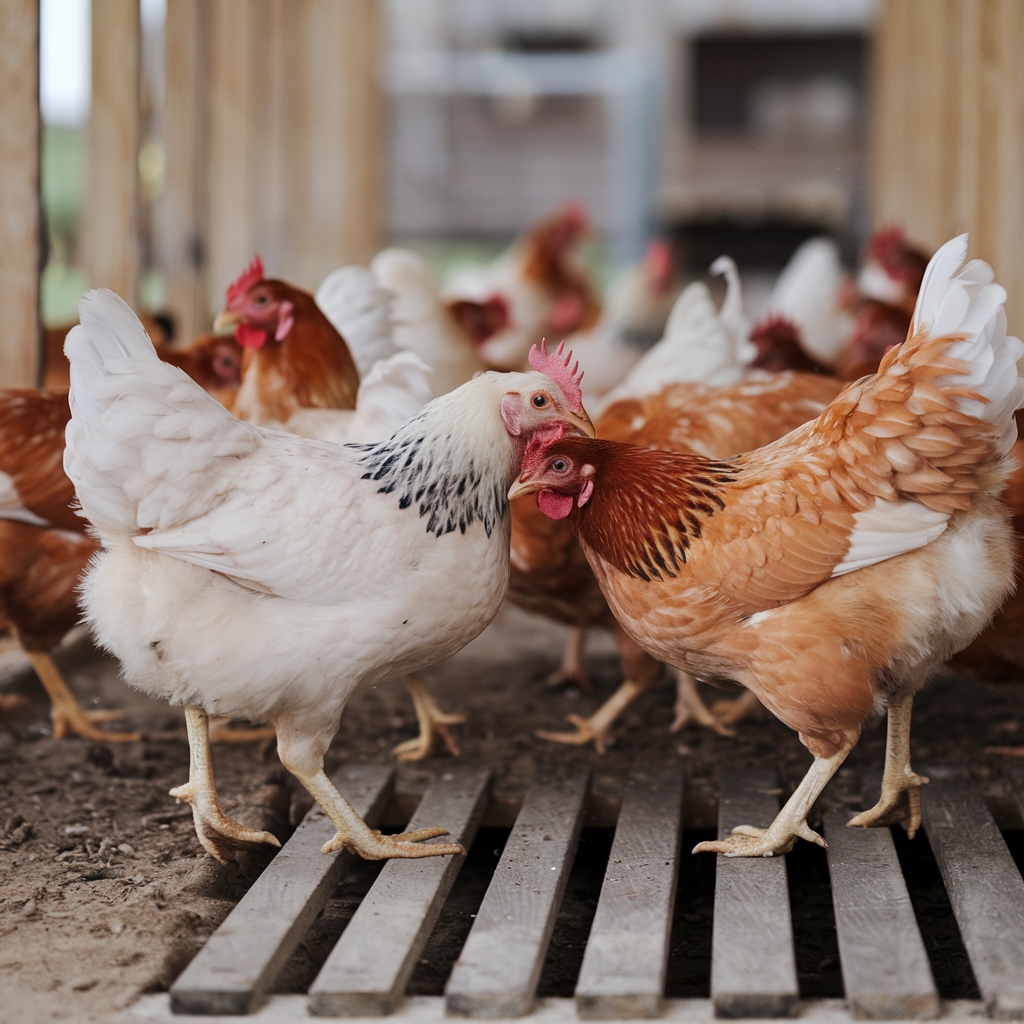
Early Egg Bound Chicken Symptoms Most People Miss
The biggest mistake people make is waiting for obvious signs.
The early signs are subtle.
Behavioral Changes
- Acting quieter than normal
- Less active
- Standing alone
- Not scratching or exploring
This often overlaps with general behavior issues:
Why is my chicken acting weird? Common causes most people miss
Changes in Eating and Drinking
- Eating less
- Ignoring treats
- Drinking less water
These are early warning signs something internal is off.
Spending Too Much Time in the Nesting Box
- Sitting without laying
- Going in and out repeatedly
- Looking uncomfortable
This behavior also connects to laying issues in general:
Why your chickens stopped laying and what you can do
Advanced Symptoms (When It’s Getting Serious)
Once it progresses, the signs become much clearer.
Straining or Pushing
- Tail pumping
- Squatting repeatedly
- Trying to lay with no result
This is the hen actively trying to pass the egg.
Penguin-Like Posture
This is one of the biggest red flags.
- Standing upright
- Walking awkwardly
- Abdomen pushed forward
This happens because of internal pressure.
Swollen or Hard Abdomen
If you gently check:
- Belly may feel firm
- Slight swelling may be noticeable
Lethargy and Weakness
- Barely moving
- Sitting puffed up
- Eyes partially closed
This is similar to what you see in other serious issues:
Why is my chicken sad? Real causes most people miss and how to fix it fast
What Causes Egg Binding (The Real Reasons)
Most cases come down to a few root problems.
Calcium Deficiency (The Biggest Cause)

Without enough calcium, muscles can’t contract properly to push the egg out. A consistent source of oyster shell calcium can help support the calcium needs of laying hens.
Why This Happens
- No oyster shell access
- Poor feed quality
- Too many treats

This is one of the most important nutrition topics to get right:
Chicken grit vs oyster shell – what’s the difference and do you need both
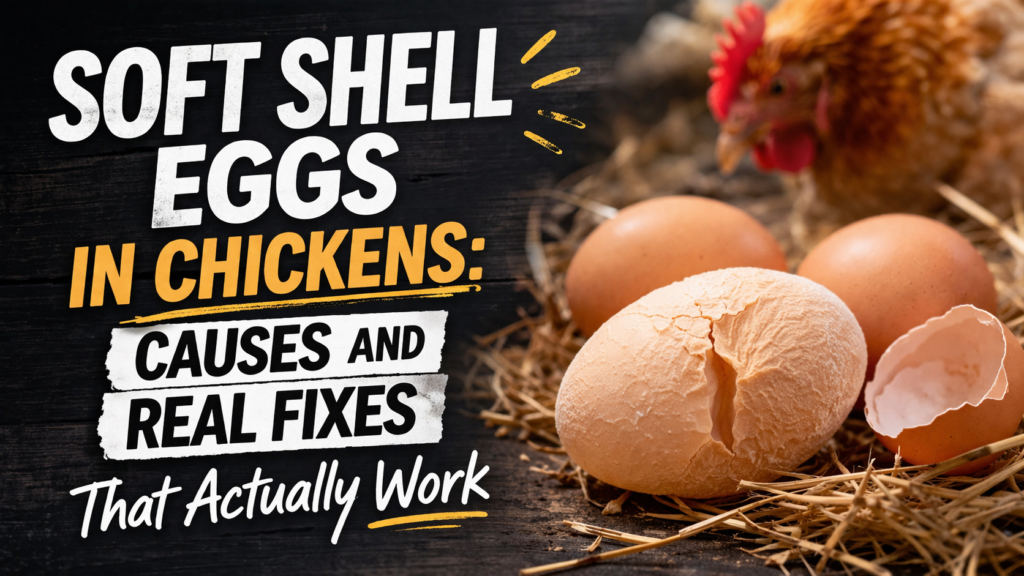
And this directly ties into shell issues:
Soft shell eggs in chickens: causes and real fixes that actually work
Dehydration
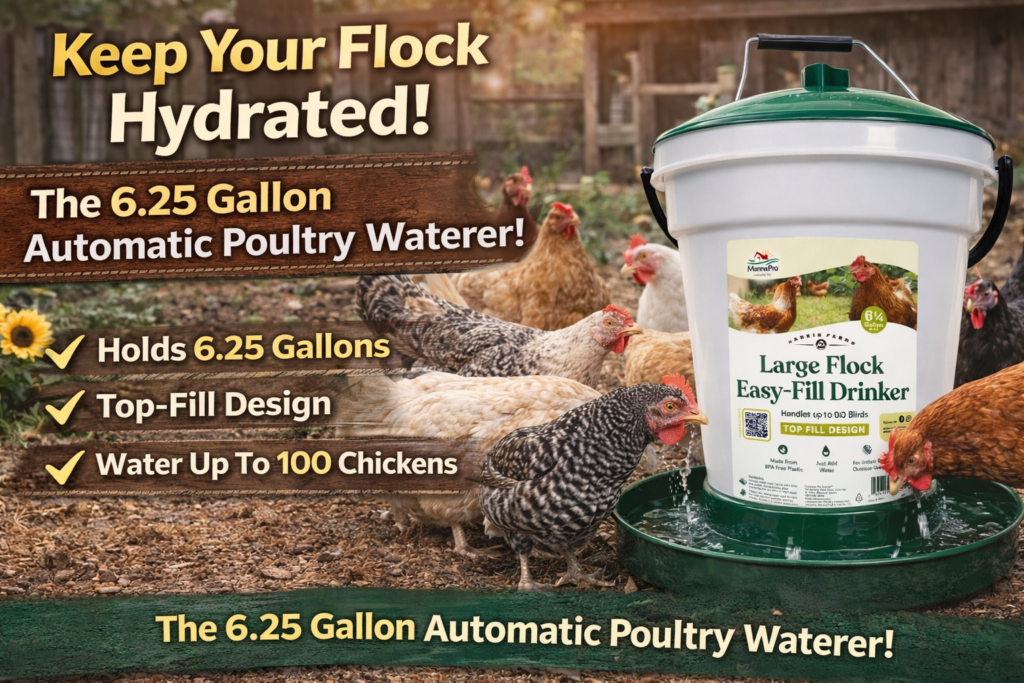
Water is critical for muscle function. Keeping fresh water available is easier with a large easy-fill chicken waterer, especially when several hens share the run.
Without it:
- Egg movement slows
- Passing becomes harder

Water issues are more common than most people think:
How to stop algae in chicken water the easy natural way
Oversized or Abnormal Eggs
- Double yolk eggs
- Extra large eggs
- Irregular shapes
These are physically harder to pass.
Poor Diet and Nutrition Imbalance
It’s not just calcium.
Chickens need:
- Protein
- Vitamins
- Balanced feed
Overfeeding treats can cause long-term problems:
Feeding mealworms to chickens – the benefits and the warnings
Stress and Environment
Stress can slow down the laying process.
Common Triggers
- Overcrowding
- Dirty coop
- Flock conflict
Your setup plays a bigger role than people realize:
What do chickens need to survive? Start with these 7 essentials
What Happens If You Ignore Egg Binding
This is where things get serious.
Internal Pressure Builds
- Digestive system affected
- Waste can’t pass
Infection Risk Increases
- Bacteria buildup
- Internal damage
Rapid Decline
Chickens can go downhill fast once this starts
How to Treat an Egg Bound Chicken (What Actually Works)
You don’t need to panic… but you do need to act.
Step 1: Move Her to a Quiet Space
- Warm
- Calm
- Low stress
This alone can help relaxation.
Step 2: Warm Water Soak
- 15–20 minutes
- Add Epsom salt
This helps relax muscles.
Step 3: Increase Calcium
- Offer oyster shell
- Provide supplement if needed
Step 4: Hydration
Encourage water intake
Electrolytes can help
Step 5: Monitor Closely
If no improvement:
- Seek veterinary help
- Do not force aggressively
How to Prevent Egg Binding Long Term
This is where you win.
Provide Consistent Calcium
Always available, not occasional
Maintain Clean Water
- Fresh daily
- No algae buildup
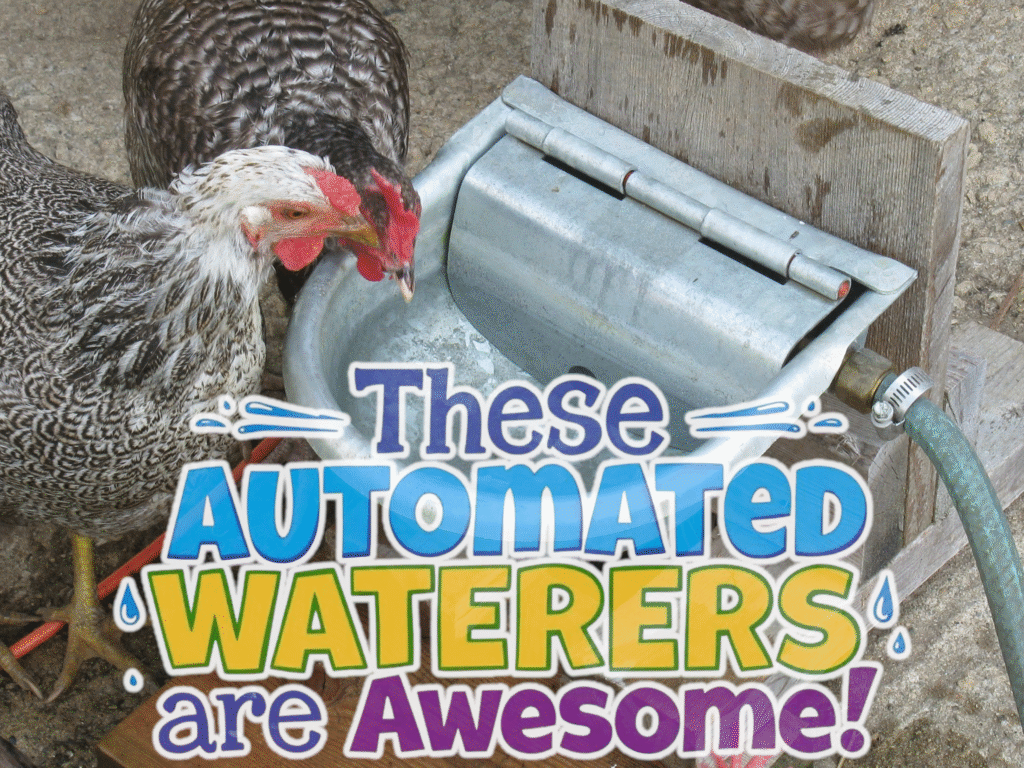
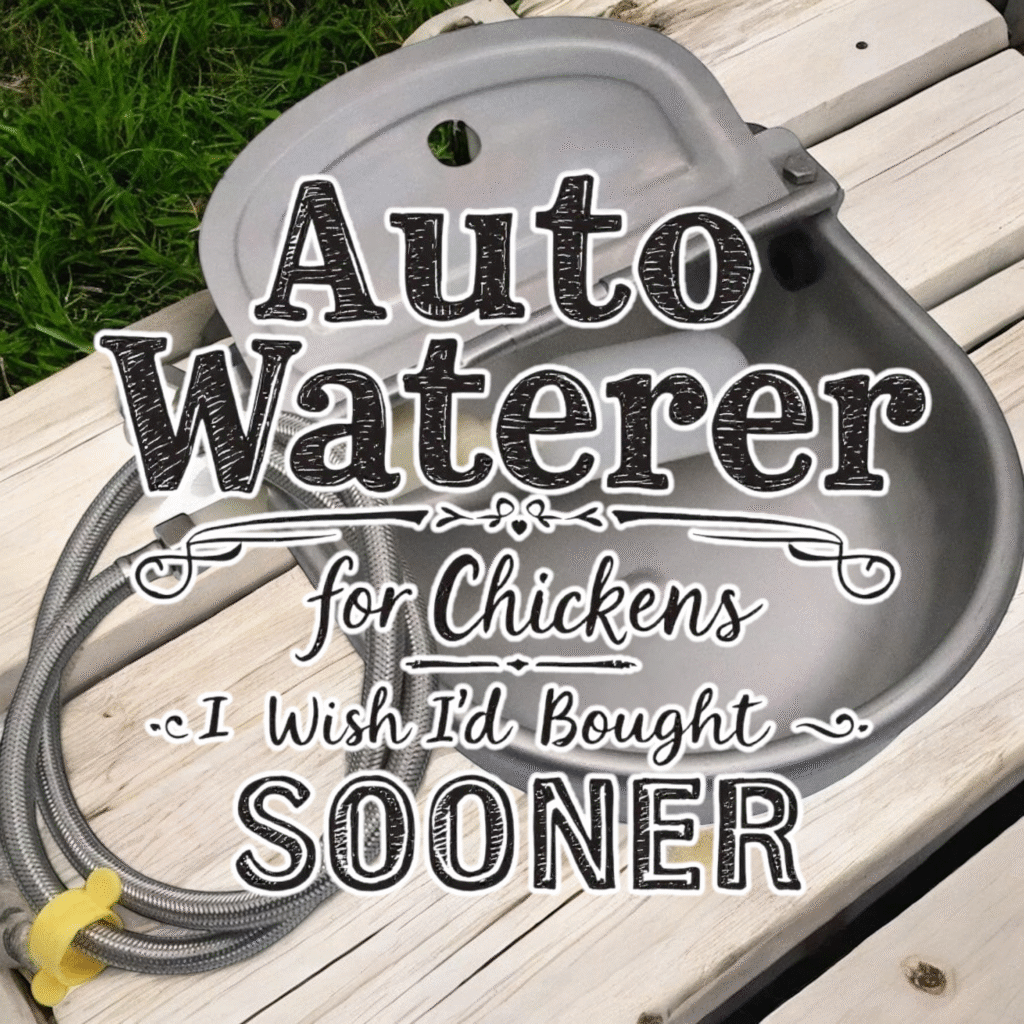
A better system helps keep it consistent:
These automatic chicken waterers are awesome
Feed a Balanced Diet
- Quality layer feed
- Limit treats
Reduce Stress
- Enough space
- Clean coop
- Stable environment
Monitor Your Flock Regularly
The earlier you catch issues, the easier they are to fix
Beginner Mistakes That Lead to Egg Binding
Ignoring Early Signs
That “slightly off” behavior matters
Poor Nutrition Over Time
Problems build slowly before they show up
Inconsistent Care
Chickens need consistency more than anything

Quick Fix Checklist
- Watch for early symptoms
- Ensure calcium access
- Keep water clean
- Reduce stress
- Act quickly if behavior changes
Common Questions
Can a chicken survive egg binding?
Yes, if caught early and treated properly.
How long can a chicken be egg bound?
Not long safely. It can become serious within 24–48 hours.
Is egg binding common?
More common than most backyard owners expect.
Can soft shell eggs cause egg binding?
Yes. They are harder to pass and can lead to complications.
About the Author
Garrett Lawson
Backyard Chicken Keeper & Poultry Health Writer
Garrett has spent years raising backyard chickens with a strong focus on flock health, early symptom detection, and prevention. Through hands-on experience managing laying hens and common health issues, he shares practical advice that helps chicken owners catch problems early and keep their birds healthy.