The single biggest mistake new chicken keepers make isn’t the coop setup or the feed choice or the waterer situation. It’s the breed selection. People walk into a feed store in spring, see a bin of adorable chicks with a sign that says “Assorted Bantams” or get pulled in by a beautiful breed photo online, and end up with birds that are flighty, difficult to handle, poor layers, or just not suited to a backyard situation.
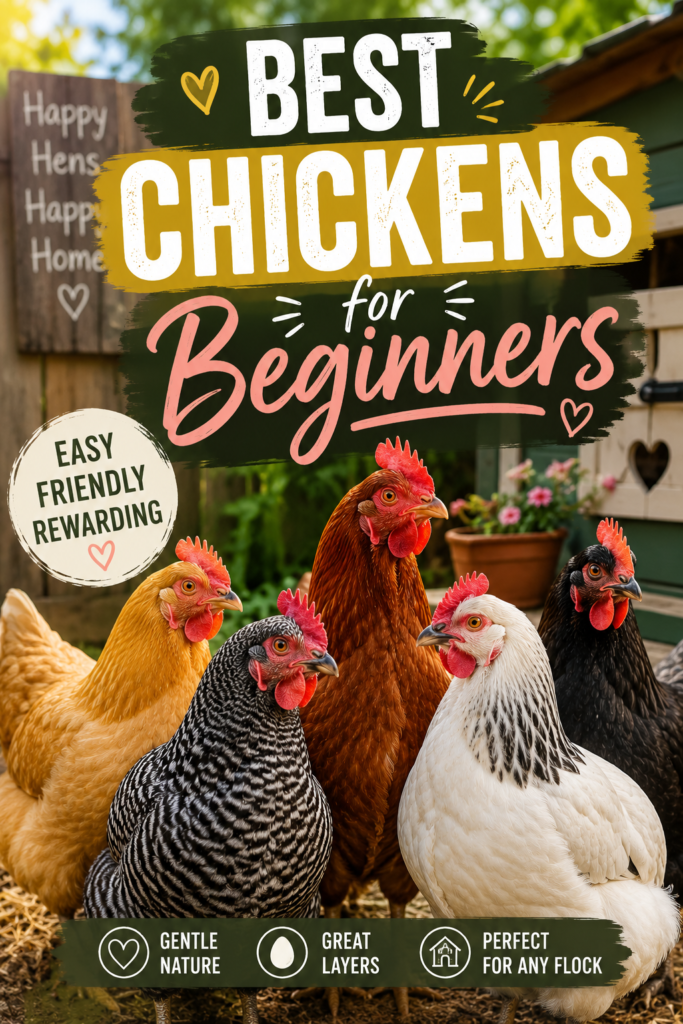
Starting with the right breeds makes everything easier. The learning curve of keeping chickens for the first time is real enough without adding temperament problems or management challenges that experienced keepers know to avoid. Here’s a straightforward guide to the best chickens for beginners — breeds that forgive rookie mistakes, lay reliably, handle a range of conditions, and make the experience genuinely enjoyable rather than frustrating.
What Makes a Breed Good for Beginners?
Not every great chicken breed is a great beginner breed. Some excellent layers are high-strung and difficult to manage. Some beautiful show birds need specialized care. Some cold-hardy breeds struggle in heat. Here’s what actually matters for a first flock:
Forgiving temperament. A beginner is going to make mistakes — slow on the coop door one night, spill the waterer, fumble a handling situation. Breeds that stay calm under imperfect conditions, don’t panic easily, and tolerate less-than-perfect management are dramatically easier to learn with than flighty or aggressive birds.
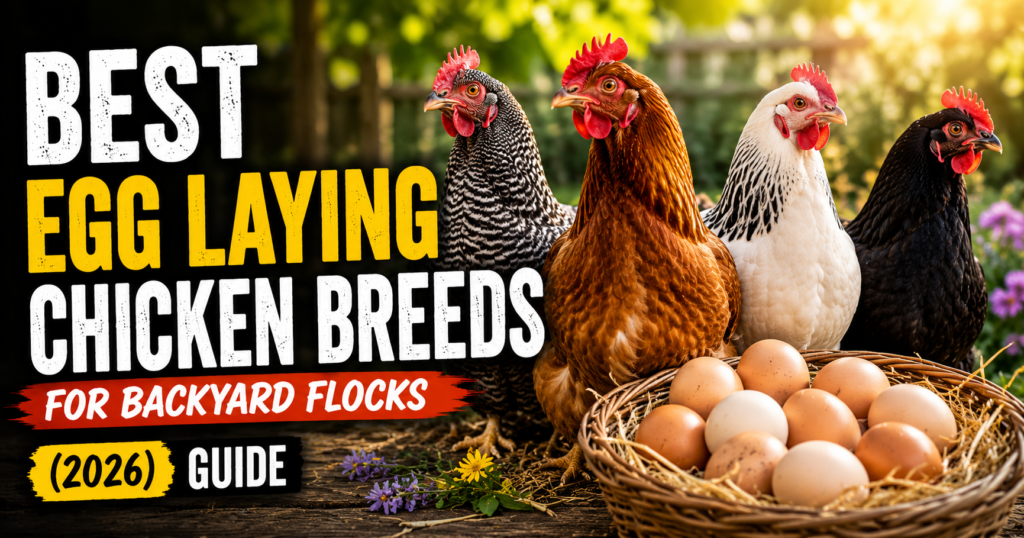
Reliable egg production. Most people keeping chickens for the first time want eggs. A beginner breed should lay consistently without requiring specialized management to hit its production potential. 200-plus eggs per year from a calm, manageable hen is the target. For a wider comparison of productive options, see the Best Egg Laying Chicken Breeds for Backyard Flock before choosing your first birds.
Climate adaptability. Unless you’re in an extreme climate, a good beginner breed should handle your conditions without special intervention. Cold hardiness and heat tolerance both matter depending on where you are — breeds that need supplemental heat in winter or special cooling management in summer add complexity a beginner doesn’t need.
Health robustness. Some breeds are more prone to health issues than others. For a beginner who isn’t yet experienced at reading chicken health signals, a naturally robust, low-maintenance breed reduces the risk of losing birds to problems that are harder to catch and treat without experience.
Flock compatibility. A first flock usually means a mixed group of birds sharing a space. Breeds that get along well with others, don’t bully smaller or more docile birds, and integrate without major drama make flock management simpler for someone who’s still learning the basics.
Before your first birds arrive, get the fundamentals sorted — the right feed, waterers that won’t run dry, a coop with adequate space and security. The 7 essentials every chicken needs to survive is the right starting point if you haven’t already worked through it.
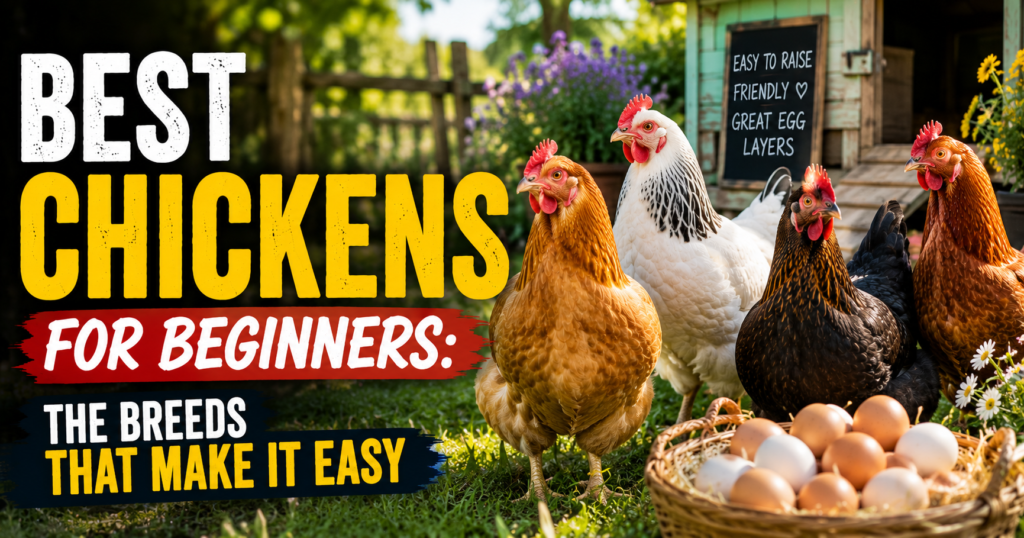
The Best Chicken Breeds for Beginners
1. Rhode Island Red
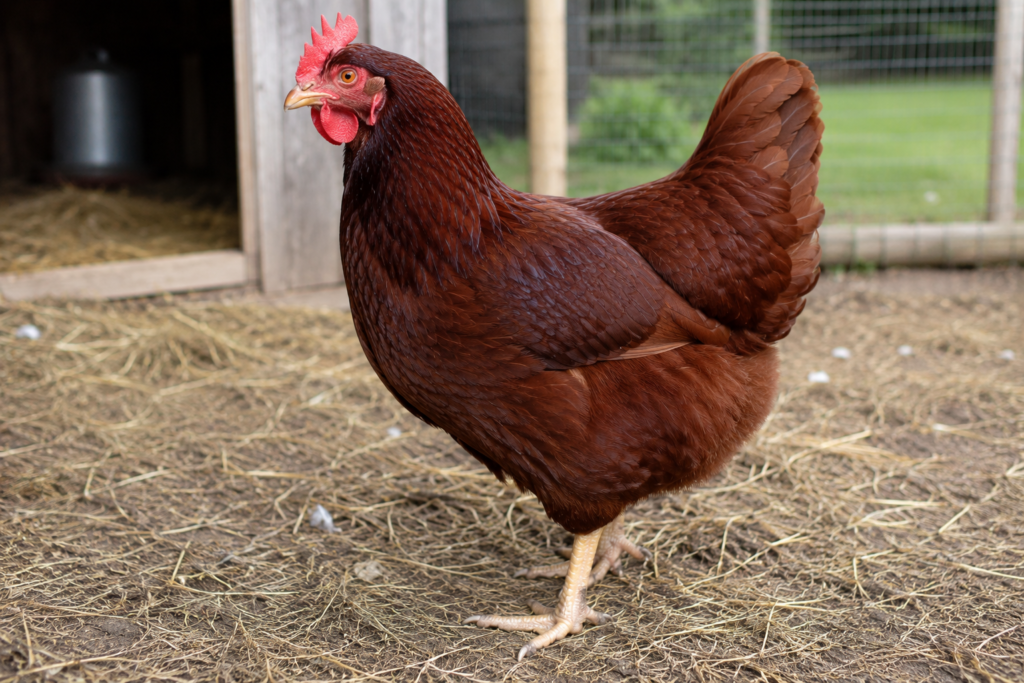
Annual eggs: 250–300 Egg color: Brown Temperament: Confident, curious, adaptable Cold hardy: Yes
The Rhode Island Red is the most recommended beginner breed for a reason — it’s the combination of reliable production, adaptability, and manageable temperament that makes it forgiving for new keepers. RIRs lay consistently through their first two to three years, handle cold winters and warm summers without special management, and are curious enough to be interesting without being flighty or difficult.
They’re also widely available. Almost every hatchery, feed store chick bin, and local breeder carries Rhode Island Reds — so finding quality birds is easy, and finding replacement birds later is equally straightforward.
The one temperament note for beginners: Rhode Island Reds are assertive. In a mixed flock they tend toward the top of the pecking order, and they can bully smaller or more docile breeds. Starting with all RIRs, or mixing them only with breeds of similar size and confidence, avoids that issue. If you want a mixed flock, read through the section on breed compatibility below before finalizing your selection.
2. Australorp
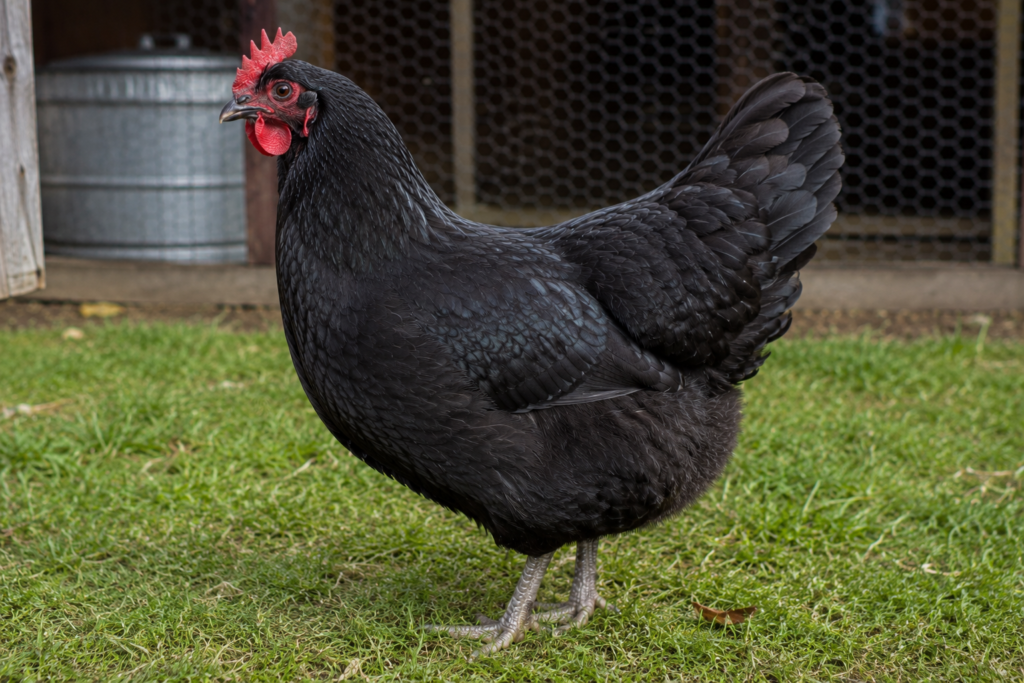
Annual eggs: 250–300 Egg color: Brown Temperament: Gentle, calm, people-friendly Cold hardy: Yes
If the Rhode Island Red is the practical first choice, the Australorp is the one people fall in love with. It combines near-identical production numbers with a temperament that’s significantly gentler — Australorps are calm, curious, tolerant of handling, and low-drama in mixed flocks. They’re the breed that makes new keepers say “I didn’t know chickens could be like this.”
Australorps are cold hardy, reasonably heat tolerant, good foragers when free ranged, and maintain consistent production through their second and third years better than many commercial hybrids. Their glossy black feathers with a green sheen in sunlight make them one of the more visually striking production breeds.
For a beginner who wants reliable production from birds they’ll actually enjoy interacting with every day, the Australorp might be the single best first breed available. It forgives management mistakes more graciously than most, lays consistently without drama, and makes the whole experience more pleasant than starting with a more challenging bird.
3. Barred Plymouth Rock
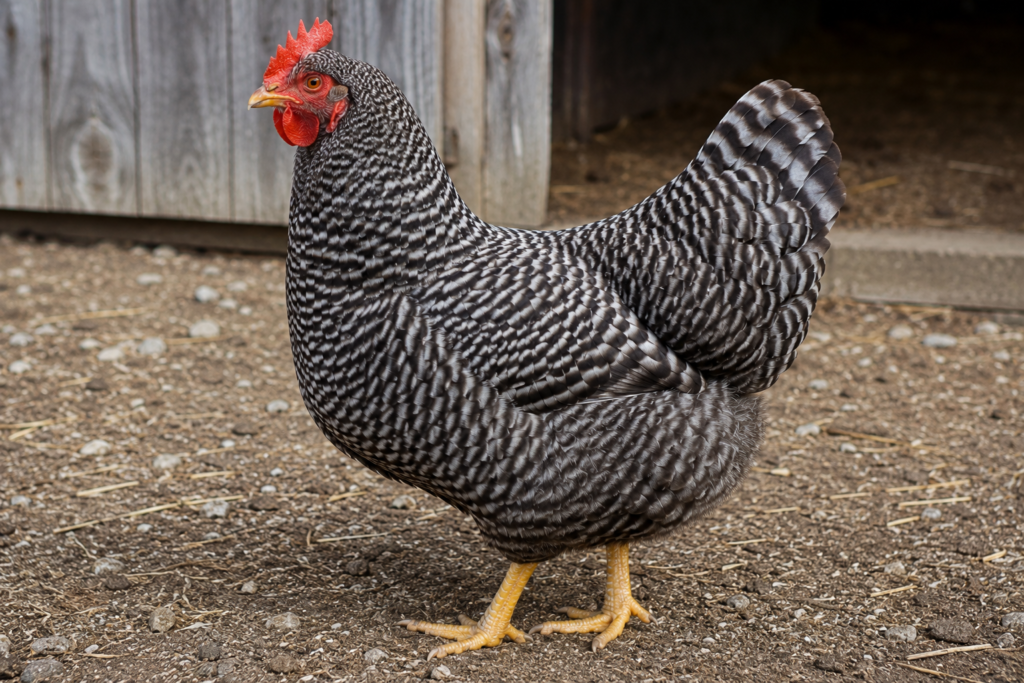
Annual eggs: 200–280 Egg color: Brown Temperament: Calm, friendly, cold hardy Cold hardy: Excellent
The Barred Plymouth Rock has been a backyard staple for generations, and it earns that longevity. Barred Rocks are calm, friendly birds that handle cold climates better than almost any other breed on this list — their dense feathering and rose-adjacent comb type keep them comfortable in conditions that stress other breeds. They lay consistently through their second and third years, which means less flock turnover for a beginner still learning the rhythm of managing laying hens.
Barred Rocks are dual purpose — the cockerels develop well enough to be worth processing for meat, which matters to homestead-oriented beginners who want a flock that serves multiple functions. They’re good foragers, tolerant of confinement, and get along well in mixed flocks without the assertiveness issues that Rhode Island Reds can bring.
If you’re in a cold climate — genuinely cold, not just cool — the Barred Rock should be near the top of your list. It’s one of the few breeds that maintains reasonable production through harsh winters without supplemental light or heat, which simplifies management significantly for a first-time keeper.
4. Buff Orpington
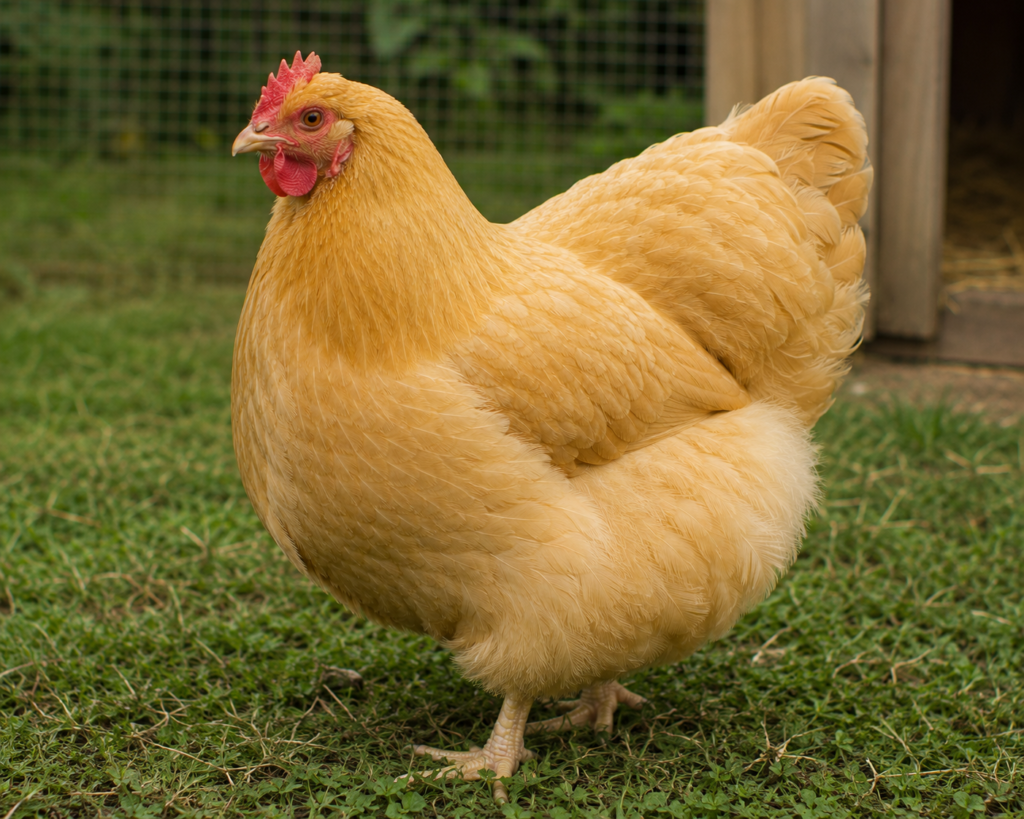
Annual eggs: 180–200 Egg color: Light brown Temperament: Exceptionally gentle, calm, excellent with children Cold hardy: Yes
The Buff Orpington is the breed that converts people who weren’t sure they were “chicken people” into devoted flock keepers. They’re large, fluffy, golden-colored birds with a temperament so gentle it seems almost impossible for a chicken. They come when called, tolerate being picked up with minimal protest, sit calmly while being handled, and are genuinely affectionate with the people who keep them.
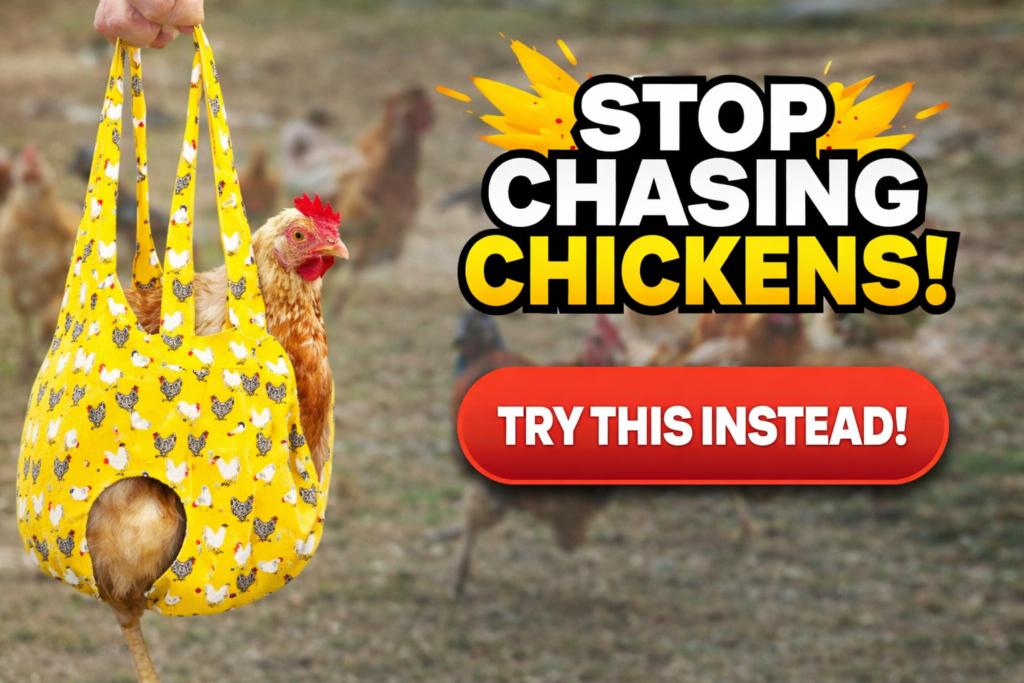
Production numbers are the lowest of the beginner-friendly breeds — 180 to 200 eggs per year versus the 250-plus of a Rhode Island Red or Australorp. For a beginner whose family includes children who will interact with the flock, that production tradeoff is almost always worth it. A hen that a six-year-old can pick up and carry around is worth a lot more in a family setting than a hen who produces 60 more eggs but panics every time someone reaches for her. For routine handling, a chicken holder bag can give beginners another practical way to manage a calm flock safely.
Buff Orpingtons are also one of the broodier breeds available — they’ll go broody fairly regularly and make good mothers, which is useful if hatching chicks interests you down the line. They’re cold hardy and get along beautifully in mixed flocks, rarely causing pecking order problems even as new birds are introduced.
5. Easter Egger
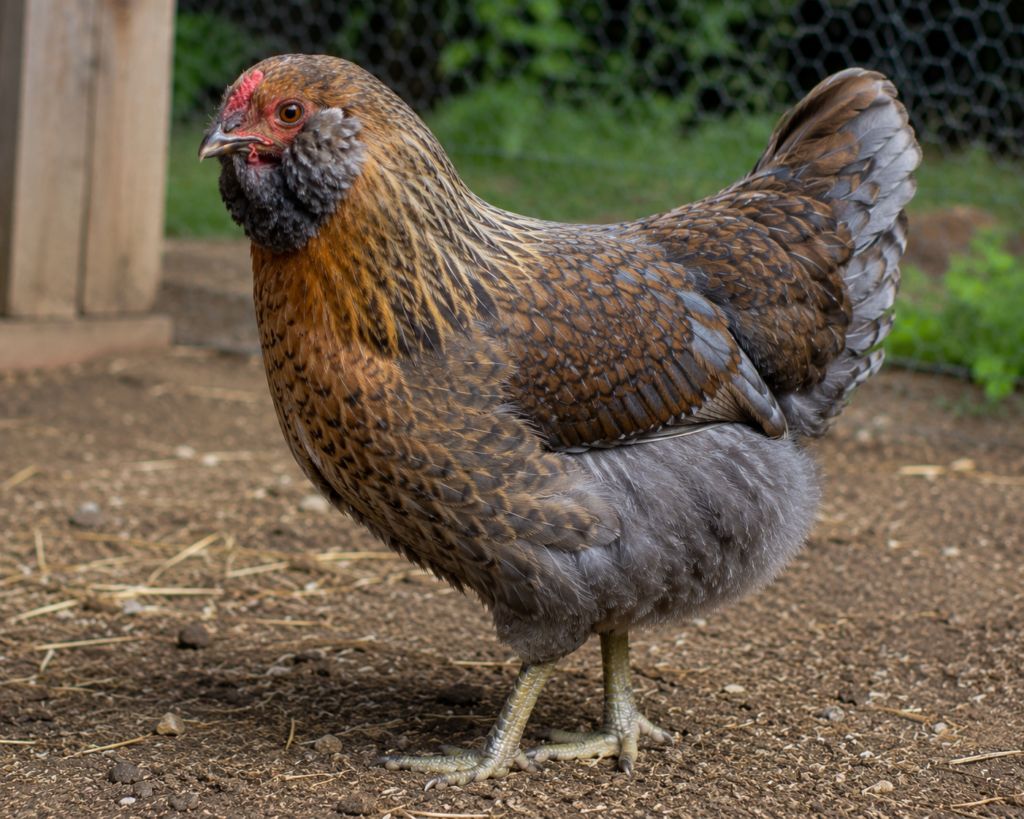
Annual eggs: 200–280 Egg color: Blue, green, olive, pink — varies by hen Temperament: Curious, friendly, adaptable Cold hardy: Good
Easter Eggers aren’t a true breed — they’re a hybrid carrying the blue egg gene from Araucana or Ameraucana ancestry. What they offer that no other beginner-friendly bird can match is colored eggs — and each hen lays a consistent color throughout her laying life. A flock of Easter Eggers produces a basket of blue, green, olive, and cream eggs that stops people cold when they see it.
Production numbers are solid and temperament is generally friendly and curious. Their pea combs are excellent for cold climates — low-profile combs don’t frostbite the way large single combs do in genuine winter conditions. Easter Eggers are widely available from hatcheries and feed stores under various names including “Americana” (note the different spelling from the true Ameraucana breed).
Most beginners benefit from including a few Easter Eggers in a mixed flock rather than running them exclusively — the colored eggs are wonderful but production consistency varies more in Easter Eggers than in purpose-bred layers. Mix three or four Easter Eggers with three or four Rhode Island Reds or Australorps and you get both consistent production and the colorful egg variety that makes the whole operation more fun.
6. Sussex
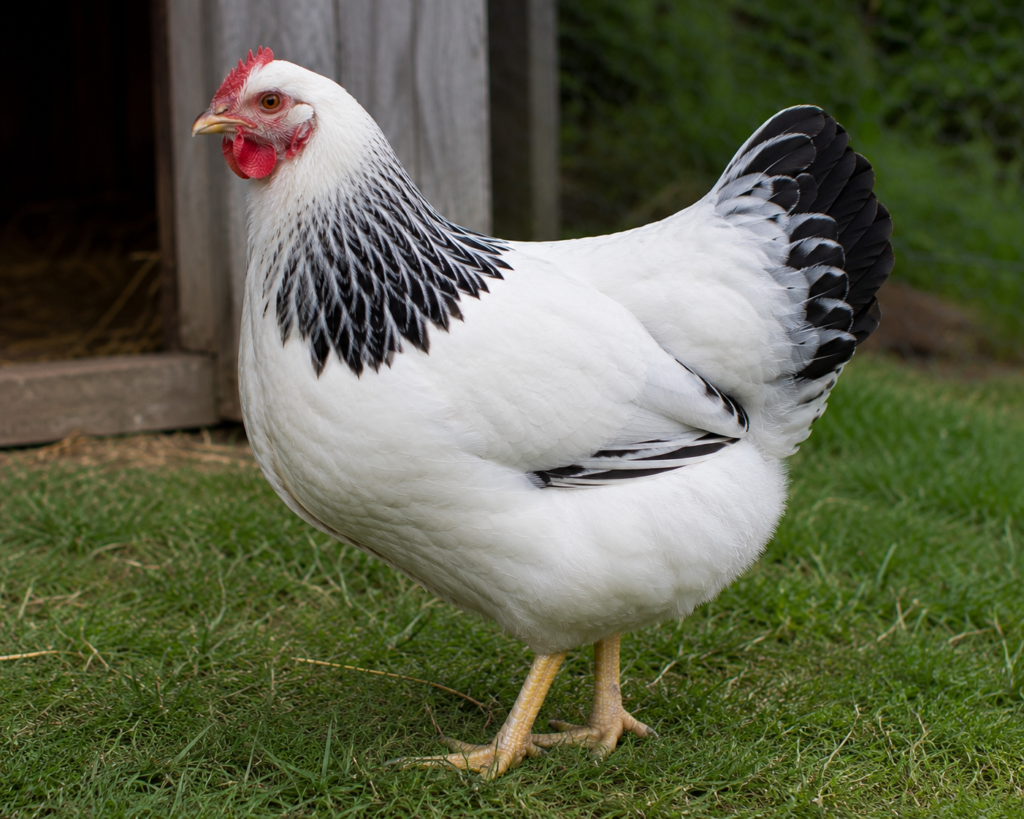
Annual eggs: 200–250 Egg color: Light brown to cream Temperament: Docile, curious, excellent forager Cold hardy: Yes
The Sussex — particularly the Speckled Sussex variety — is one of the most underrated beginner breeds available. They’re curious birds that follow their keepers around the yard, tolerate handling well, and bring a visual appeal that few other production breeds match. Speckled Sussex have striking spotted plumage that gets more beautiful with each molt as the speckles increase.
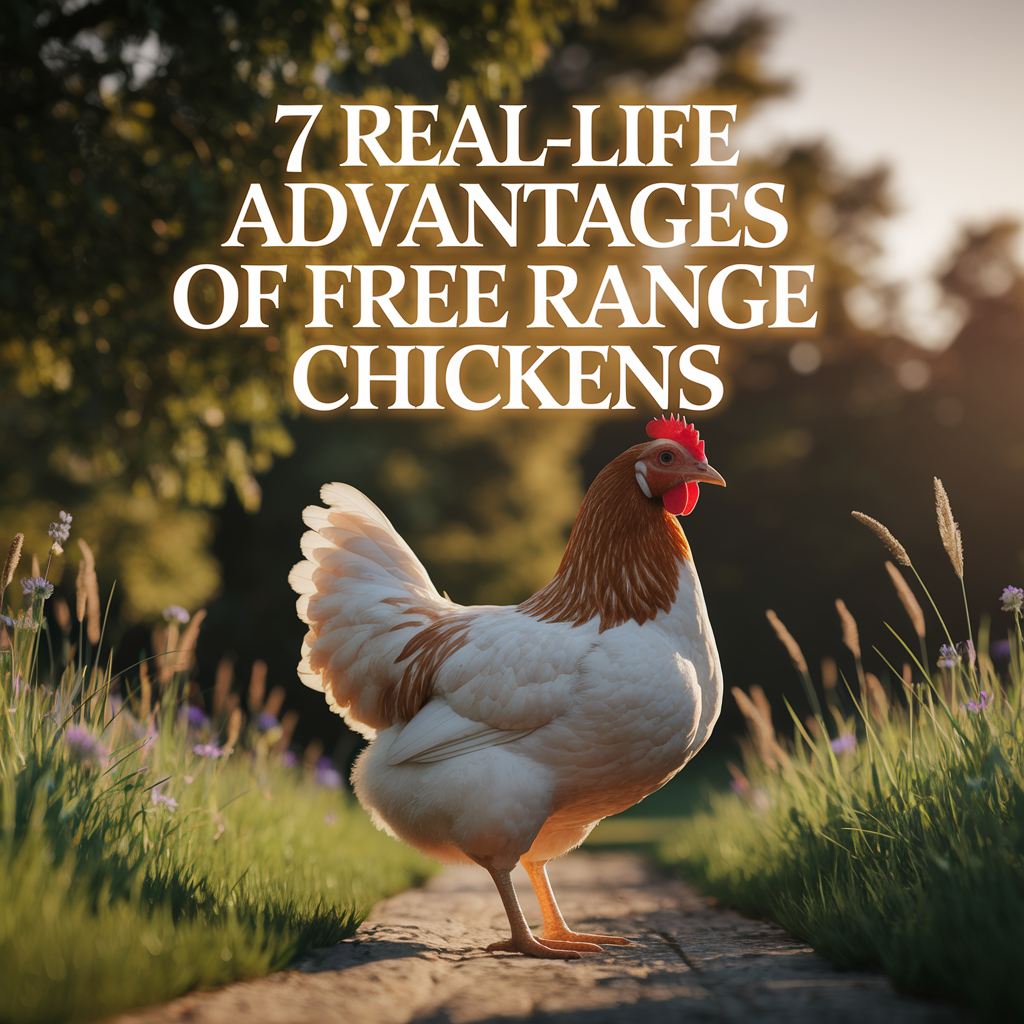
Production is consistent without being exceptional — 200 to 250 eggs per year — and Sussex hens maintain reasonable output through multiple years. They’re cold hardy, dual purpose, and get along well in mixed flocks. They’re also excellent foragers — given access to pasture, Sussex hens work it harder than most breeds, which reduces feed costs and keeps them engaged and healthy. Sussex hens can make especially good use of pasture, and advantages of pasture access explains the wider benefits of giving chickens room to forage.
If you want a breed that’s a little less common than the Rhode Island Red or Barred Rock but equally beginner-friendly, the Sussex is worth seeking out. Availability varies by region, so you may need to order from a hatchery rather than finding them at a local feed store.
Breeds Beginners Should Avoid
As important as knowing what to start with is knowing what to skip — at least for the first flock.
Leghorns. Excellent layers, difficult first-time birds. Leghorns are flighty, easily startled, and strongly independent — they’re not interested in interacting with you and they don’t tolerate handling well. For a beginner learning to read chicken behavior and build confidence handling birds, starting with Leghorns creates unnecessary frustration. Learn with a friendlier breed first.
Silkies and other ornamental breeds. Silkies are charming and gentle but their fluffy crests restrict their vision, making them vulnerable to predators and difficult to integrate with standard breeds. They’re also poor layers relative to the breeds on this list. They make wonderful pets for experienced keepers who understand their specific needs — not ideal first birds.
Bantams as a first flock. Bantam chickens — miniature versions of standard breeds — are popular for small spaces, but they’re more vulnerable to predators, lay smaller eggs, and are sometimes more flighty than their standard counterparts. If space is genuinely limiting, bantams can work — but for a first flock with normal space, start standard size.
Aggressive roosters of any breed. If you’re adding a rooster to your first flock — which isn’t necessary for hens to lay — choose carefully. Some breed lines have significant rooster aggression issues. A rooster that spurs the keeper is a real problem for a beginner who isn’t yet confident around birds. If you want a rooster, a breed known for calmer males — like Australorp or Orpington — is the right starting point.
How Many Chickens Should a Beginner Start With?
Three to six hens is the right starting range for most first-time keepers. Here’s the reasoning:
Fewer than three hens creates flock dynamic problems — chickens are social animals and a pair can develop stress behaviors without the social buffer that a larger group provides. If you lose one bird to illness or predation, a pair becomes a singleton, which is genuinely difficult for both the remaining bird and the keeper. Three is the minimum stable social unit. That minimum group size reflects why chickens need flock company, not just a preference for keeping more birds.
More than six hens in the first year can be overwhelming — more eggs than most households use, more management complexity, more coop space required, and more to learn at once. Starting with four to six gives you enough birds to have a stable flock dynamic, enough eggs to be meaningful, and a manageable learning curve.
Plan your coop for more birds than you’re starting with. The standard advice — four square feet per bird inside the coop, ten square feet per bird in the run — should be calculated based on the maximum number of birds you might eventually keep, not just your starter flock. Adding birds later is almost inevitable, and retrofitting a too-small coop is significantly more work than building right the first time.

For more on what a first flock actually needs in terms of equipment and space, the full breakdown of what it costs to raise chickens gives a realistic picture of the startup investment and ongoing expenses — useful to have before you commit.
Starting With Chicks vs. Pullets vs. Adult Hens
Beginners have three options for sourcing their first birds, and each has real tradeoffs.
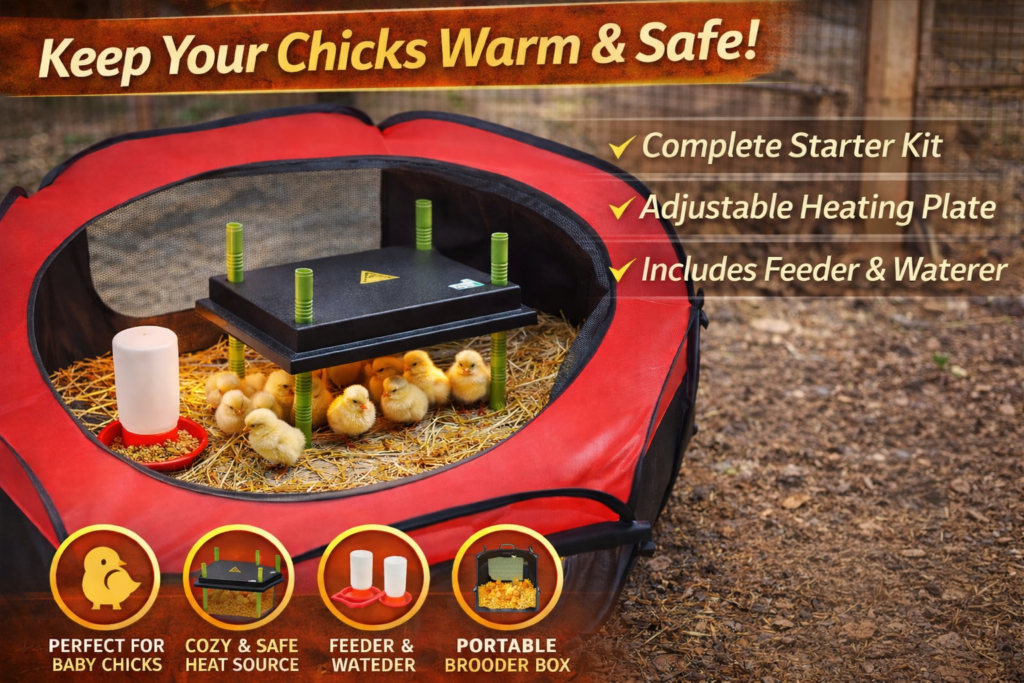
Day-old chicks are the most common starting point. They’re widely available in spring from feed stores and hatcheries, they’re the least expensive option per bird, and raising them from day one builds a bond with the birds that you don’t get starting with older hens. The tradeoff: chicks need a brooder setup for six to eight weeks before they’re ready for the coop, and you won’t get eggs for five to six months. The brooder kit guide covers everything you need for that early stage.
Started pullets — young hens between eight and eighteen weeks old — skip the brooder stage and get you to laying age faster. They’re more expensive per bird than day-old chicks, and selection is more limited, but they’re a reasonable option for beginners who want to simplify the startup process.
Adult laying hens give you immediate eggs but come with unknowns — health history, exact age, production history. Buying adult hens from a reputable source with known history is fine. Buying from an unknown source risks introducing disease or parasites to your property, and older hens have fewer productive years ahead. If you go this route, quarantine incoming birds for at least 30 days before introducing them to any other birds. The full guide to introducing new chickens covers the quarantine and introduction process in detail.
Setting Your First Flock Up for Success
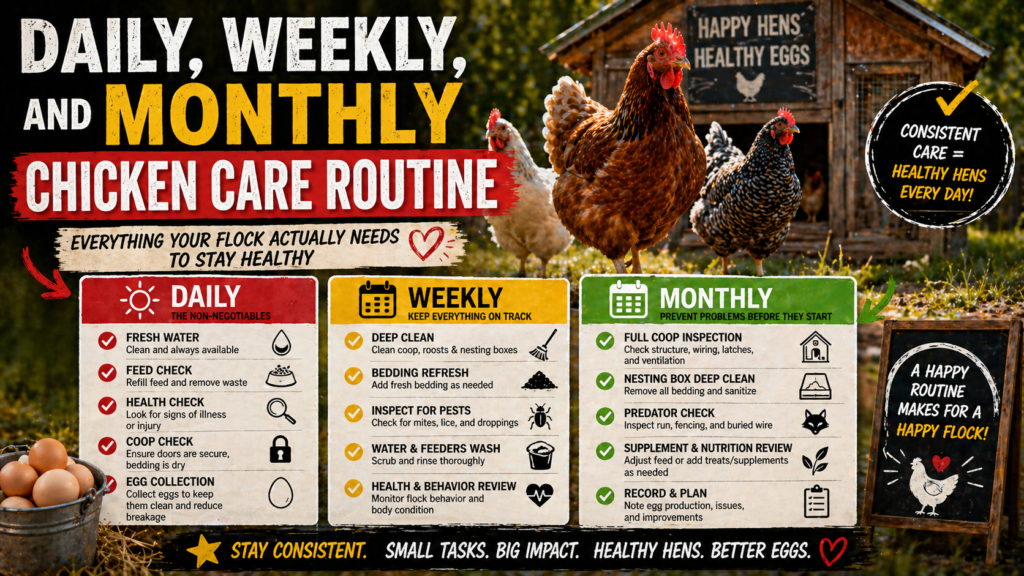
Breed selection gets your first flock started on the right foot. What keeps it going is consistent management of the basics — and those basics are simpler than most new keepers expect.
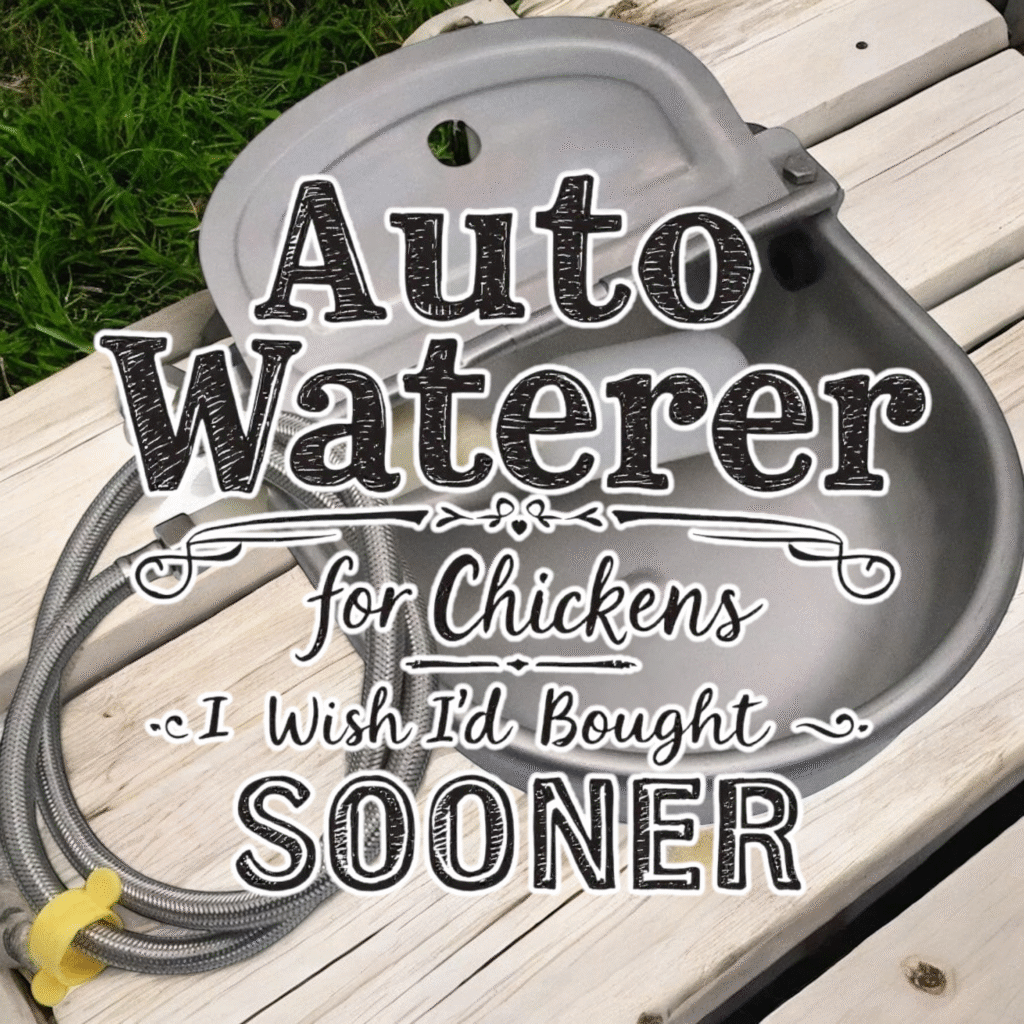
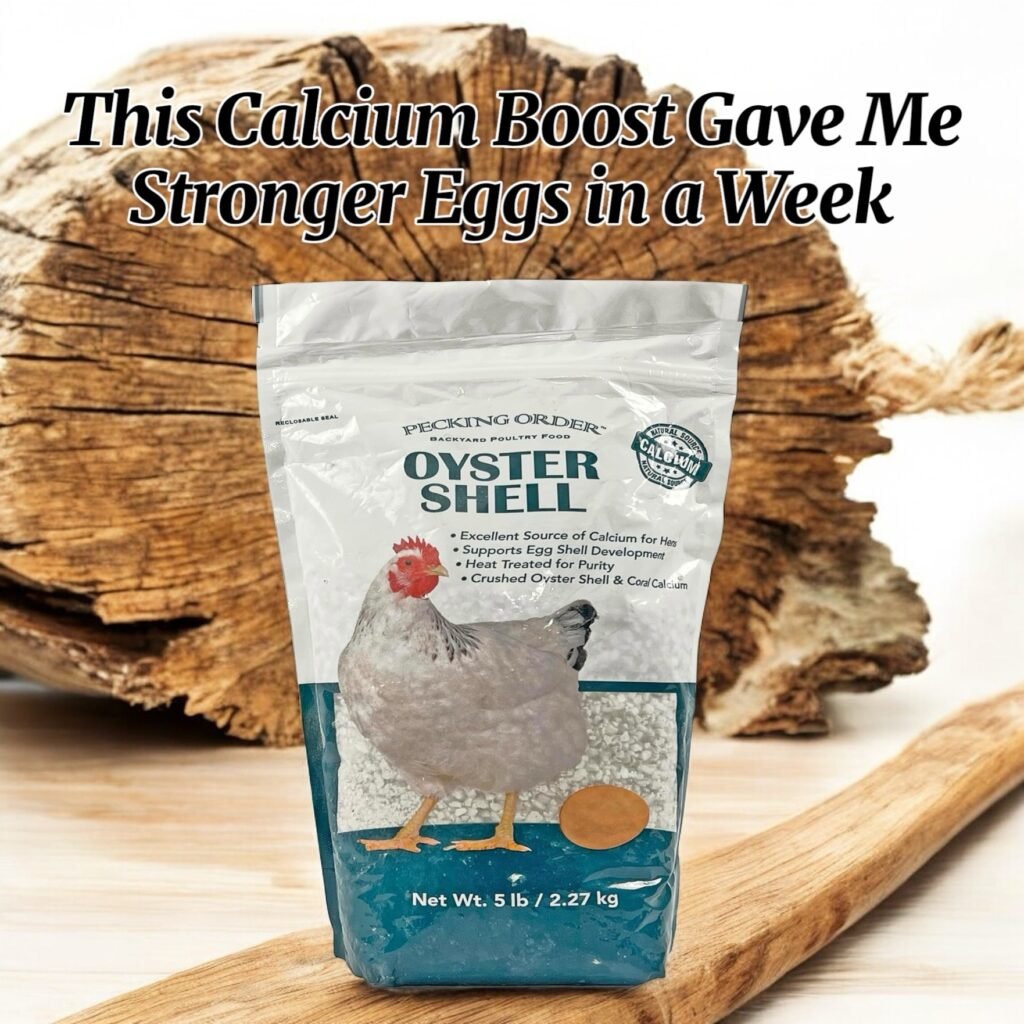
Quality layer feed with 16-18% protein is the nutritional foundation. Free-choice oyster shell alongside the feed gives laying hens the calcium they need for strong shells without over-supplementing birds who aren’t yet laying. Clean water available at all times — not frozen in winter, not warm and algae-filled in summer. Adequate space so the flock isn’t stressed by crowding. A secure coop that keeps predators out at night, which is when most losses happen. For a lower-effort way to keep that water available, an automatic chicken water bowl can simplify daily flock care.
Grit is one of those basics that new keepers often overlook. Chickens need insoluble grit to grind their food in the gizzard — without it they can’t properly digest what they eat regardless of feed quality. The full explanation of why grit matters covers it properly if you’re not sure what you need.
Internal parasite management is another thing beginners often don’t think about until there’s a problem. A natural dewormer supplement on a regular maintenance schedule keeps worm burdens from building to levels that suppress production and affect health — much easier to prevent than to treat. The guide to worms in chickens covers the signs to watch for so you catch any issues early.
Spend time with your birds daily — not just filling feeders and collecting eggs, but actually observing them. Learn what each hen looks like when she’s healthy, how she normally behaves, what her comb looks like on a good day. That baseline knowledge is what lets you catch problems early, when they’re easiest to address. It’s also what makes keeping chickens genuinely enjoyable rather than just a chore — these are interesting, individual animals, and getting to know them is one of the real rewards of the whole enterprise.
One mistake many new chicken keepers make isn’t choosing the wrong breed. It’s underestimating predators. Before bringing home your first flock, I’d spend some time going through my Predator-Proof Chicken Coop Checklist Before You Buy or Build to make sure your setup is ready.
You’ll Figure It Out — Everyone Does
Every experienced chicken keeper started where you are — zero birds, a lot of questions, and some combination of excitement and anxiety about getting it right. The learning curve is real but short. Most of what you need to know becomes obvious quickly once you have birds in front of you.
Starting with the right breeds — calm, forgiving, reliable — makes that learning curve significantly less steep. You’ll have enough to figure out in the first season without adding difficult birds to the equation. Get the breed right, get the basics in place, and the rest follows.
The chickens will teach you most of what you need to know. Give them the foundation to thrive and pay attention to what they show you — and you’ll be wondering why you didn’t start sooner.
About the Author: James Merritt started his first flock with six Barred Rocks and no idea what he was doing. Seven years and four flock iterations later, he writes about backyard chickens with the perspective of someone who learned most of it the hard way — and thinks every mistake was worth it.