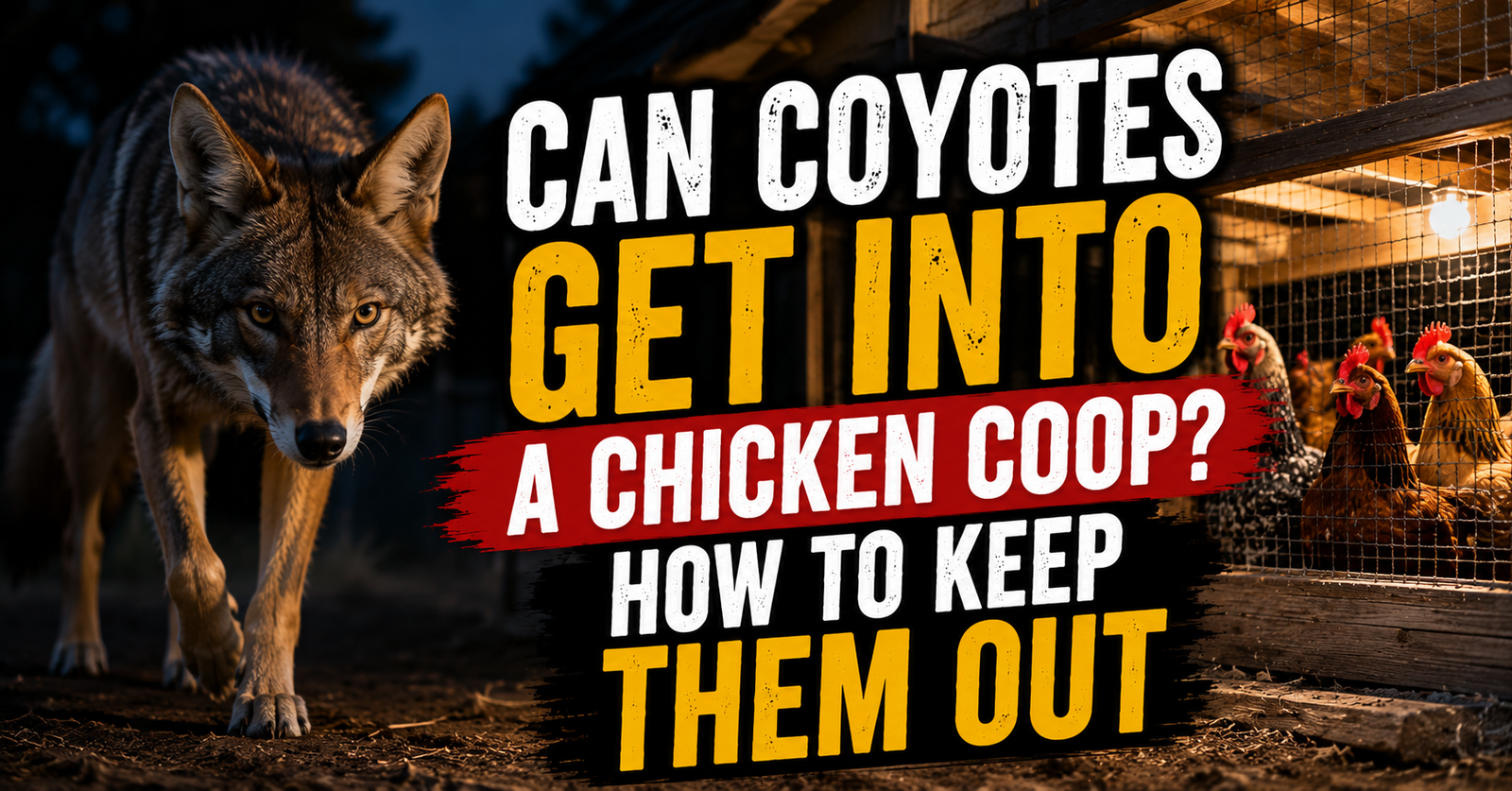
Coyotes Are Smarter Than Most People Give Them Credit For
If you raise backyard chickens long enough, you’ll eventually hear someone say they lost an entire flock overnight.
More often than not, a coyote was responsible.
Coyotes live almost everywhere now. They’re just as comfortable around farms and small towns as they are in wide open country. Many people never even realize they’re nearby until chickens suddenly disappear.
After spending time touring the impressive predator-proof chicken run at Weaver Family Farms and talking with Daxon about how he designed it, one thing became obvious.
He never built it assuming predators might show up.
He built it knowing they eventually would.
That’s exactly how I think every chicken owner should approach predator protection.
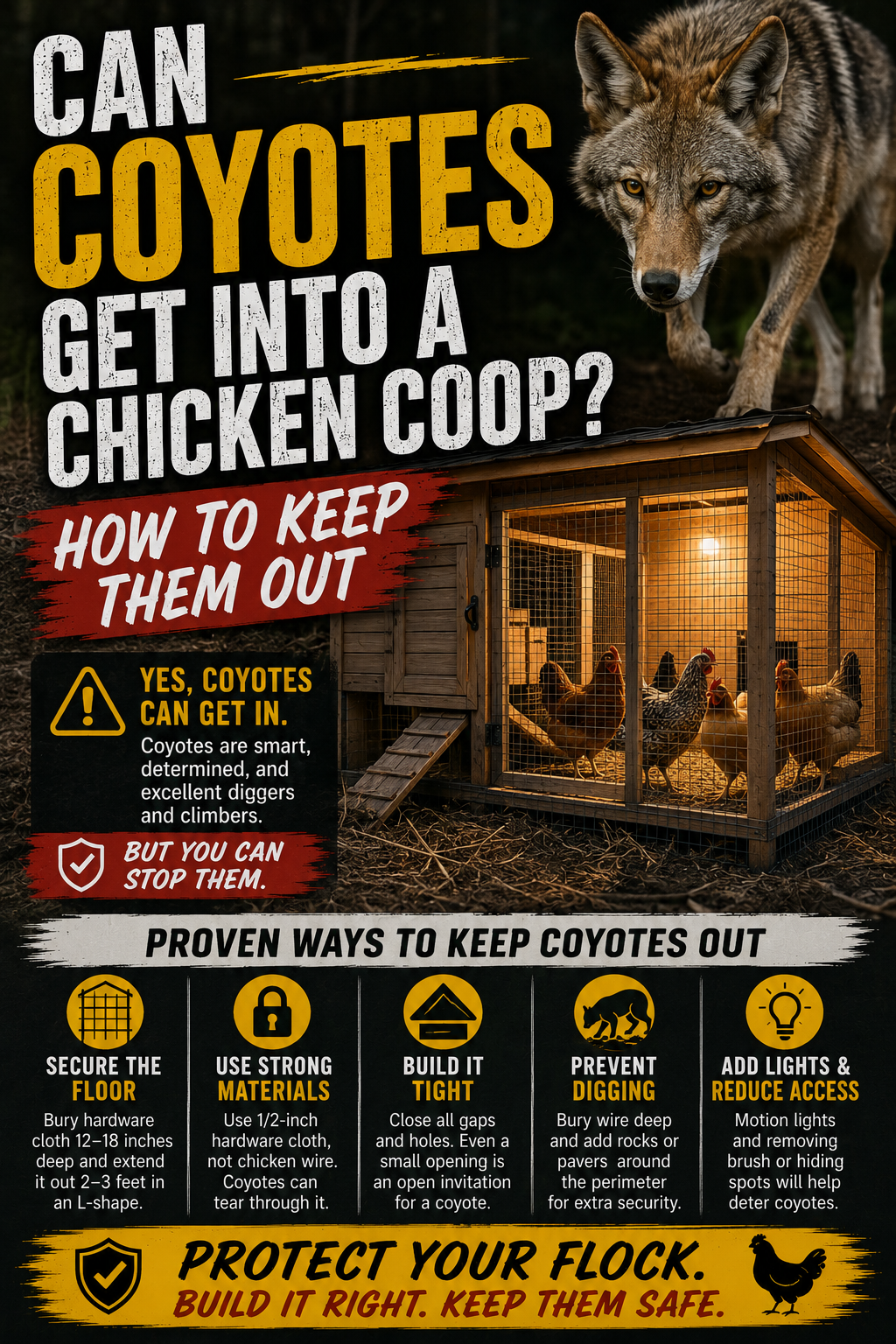
Yes, Coyotes Can Get Into a Chicken Coop
The short answer is yes.
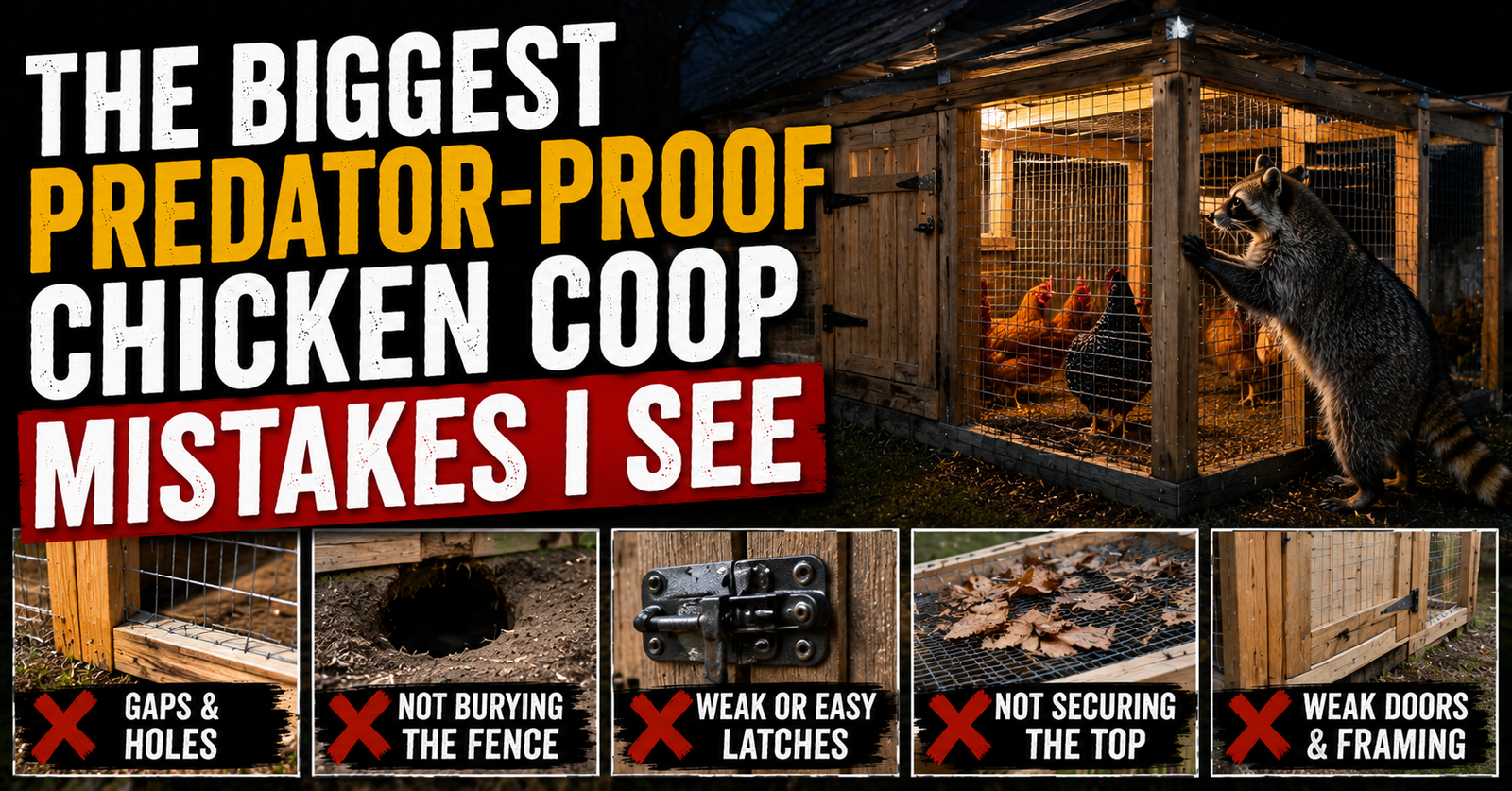
If your coop has weak spots, loose fencing, or gaps underneath, a determined coyote can absolutely get inside. These vulnerabilities are also covered in The Biggest Predator-Proof Chicken Coop Mistakes I See, including the overlooked details that give predators an easy opportunity.
Unlike raccoons that often spend time pulling and reaching through openings, coyotes rely much more on their size and strength.
They’ll push.
Dig.
Jump.
Test weak fencing.
Search for open doors.
And if they discover an easy meal, they’ll often return again.
Coyotes Usually Look for the Easy Way In
One thing I’ve noticed talking with experienced chicken keepers is that coyotes rarely waste energy.
They don’t usually attack the strongest part of a coop.
They search for mistakes.
A loose corner.
An open gate.
A damaged fence.
A section where something has started digging.
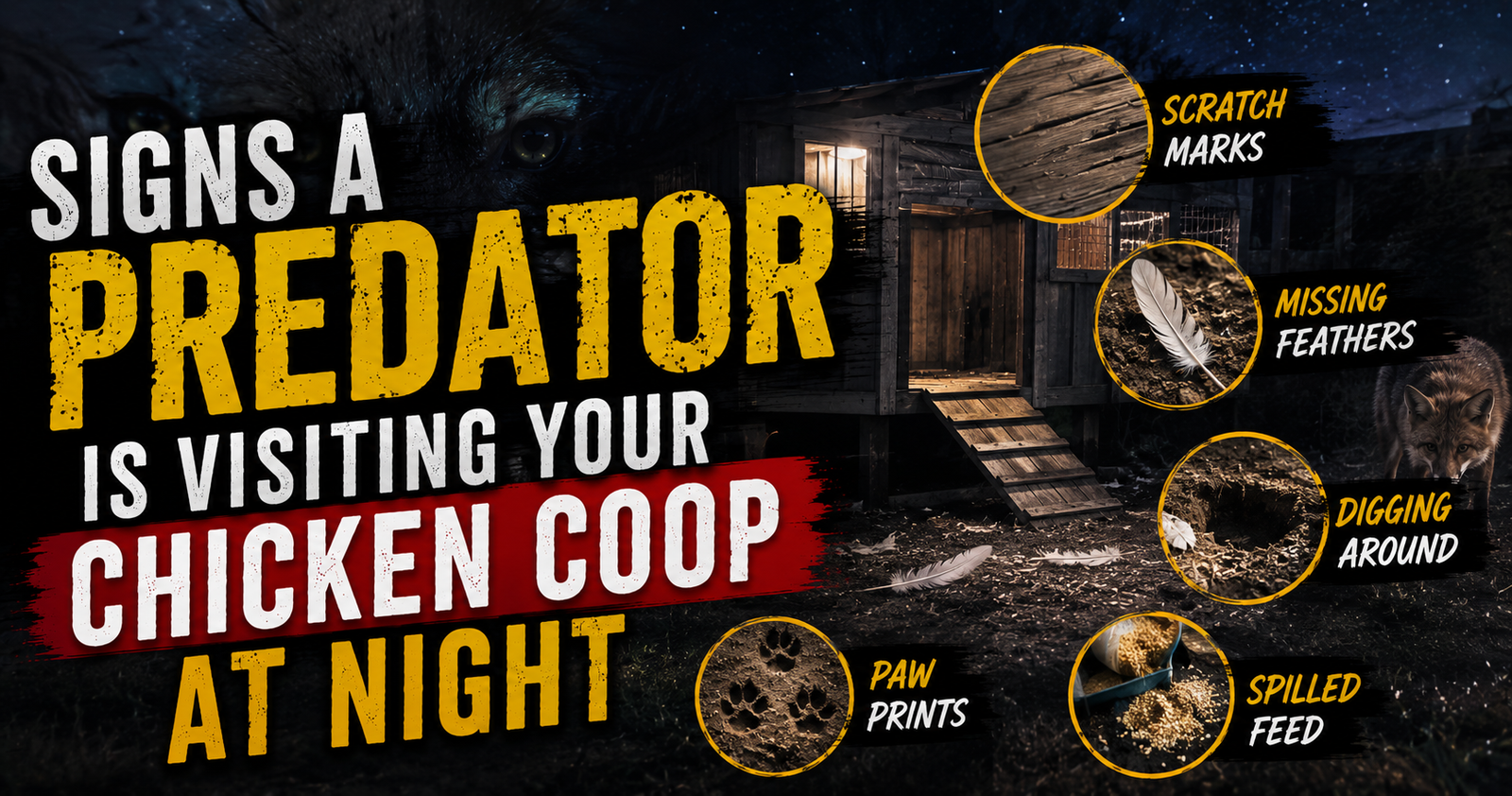
That’s one reason regular inspections matter so much. Regular inspections are more effective when you know the clues explained in Signs a Predator Is Visiting Your Chicken Coop at Night.
Even a small problem can become a major one if it’s ignored for several weeks.
Strong Fencing Is Your First Line of Defense
The fence surrounding your chickens does much more than keep birds contained.
It creates the first obstacle predators have to overcome.
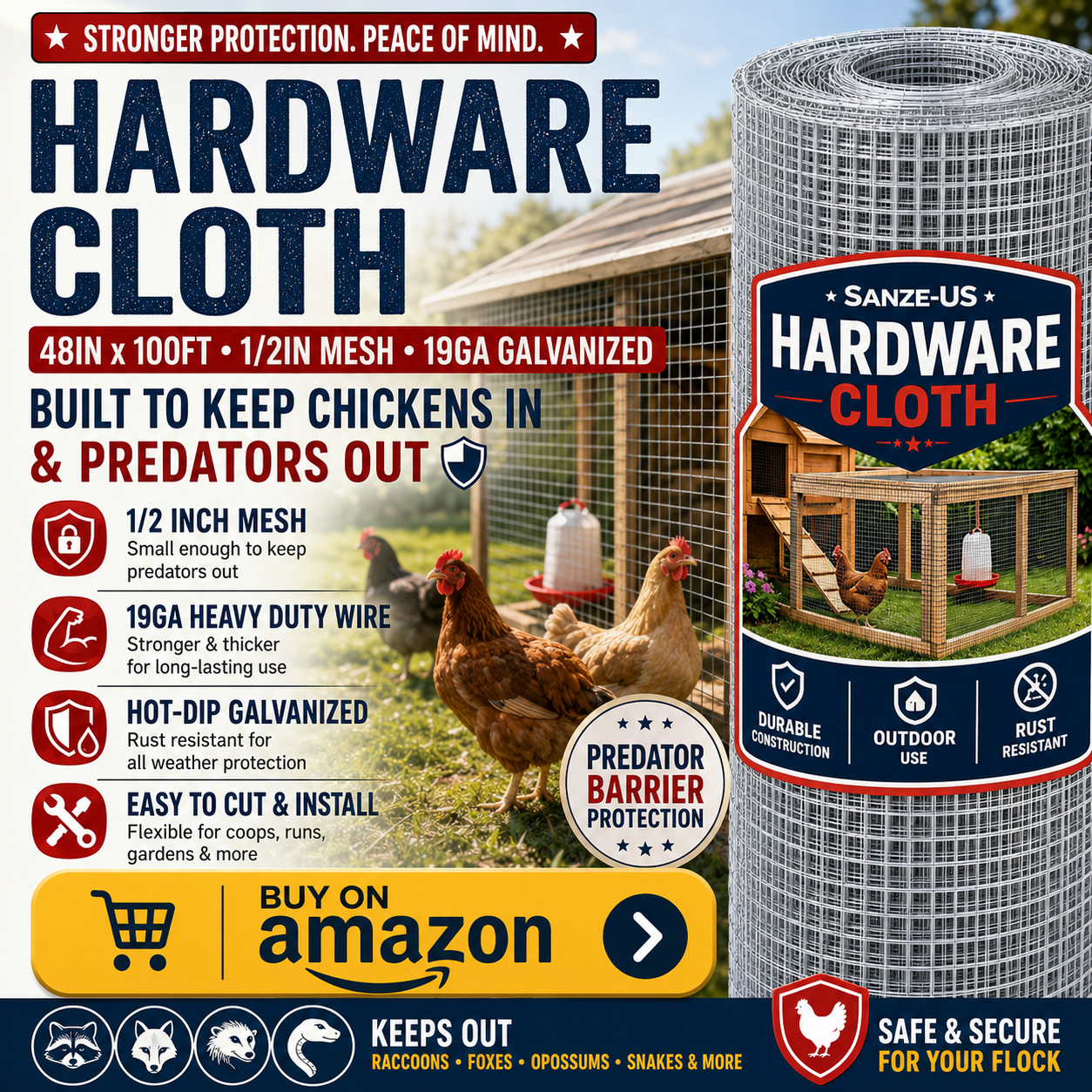
For vulnerable areas around the coop, I’d choose something like this 48-inch x 100-foot galvanized ½-inch hardware cloth because the welded construction holds up much better against predators pushing or pulling on the fence.
It’s one of those upgrades that’s difficult to appreciate until you compare it side by side with lighter fencing.
Chicken Wire Still Works in the Right Places
That doesn’t mean chicken wire has no place around a chicken coop.
Large walk-in runs often require hundreds of feet of fencing.
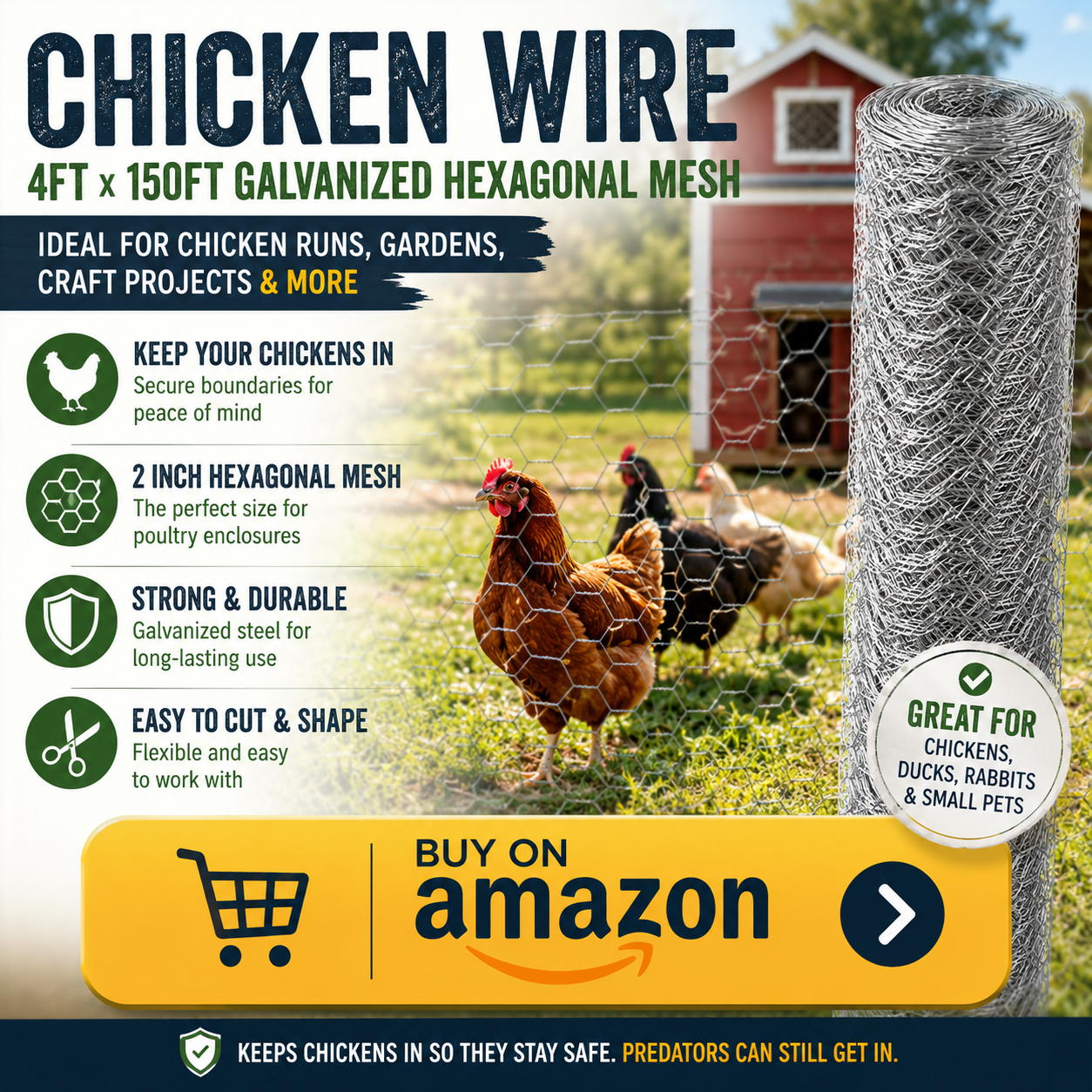
Using quality 150-foot galvanized chicken wire fencing can make those larger projects much more affordable while reserving hardware cloth for the areas where predators are most likely to attack.
The important thing is understanding the strengths of each material.
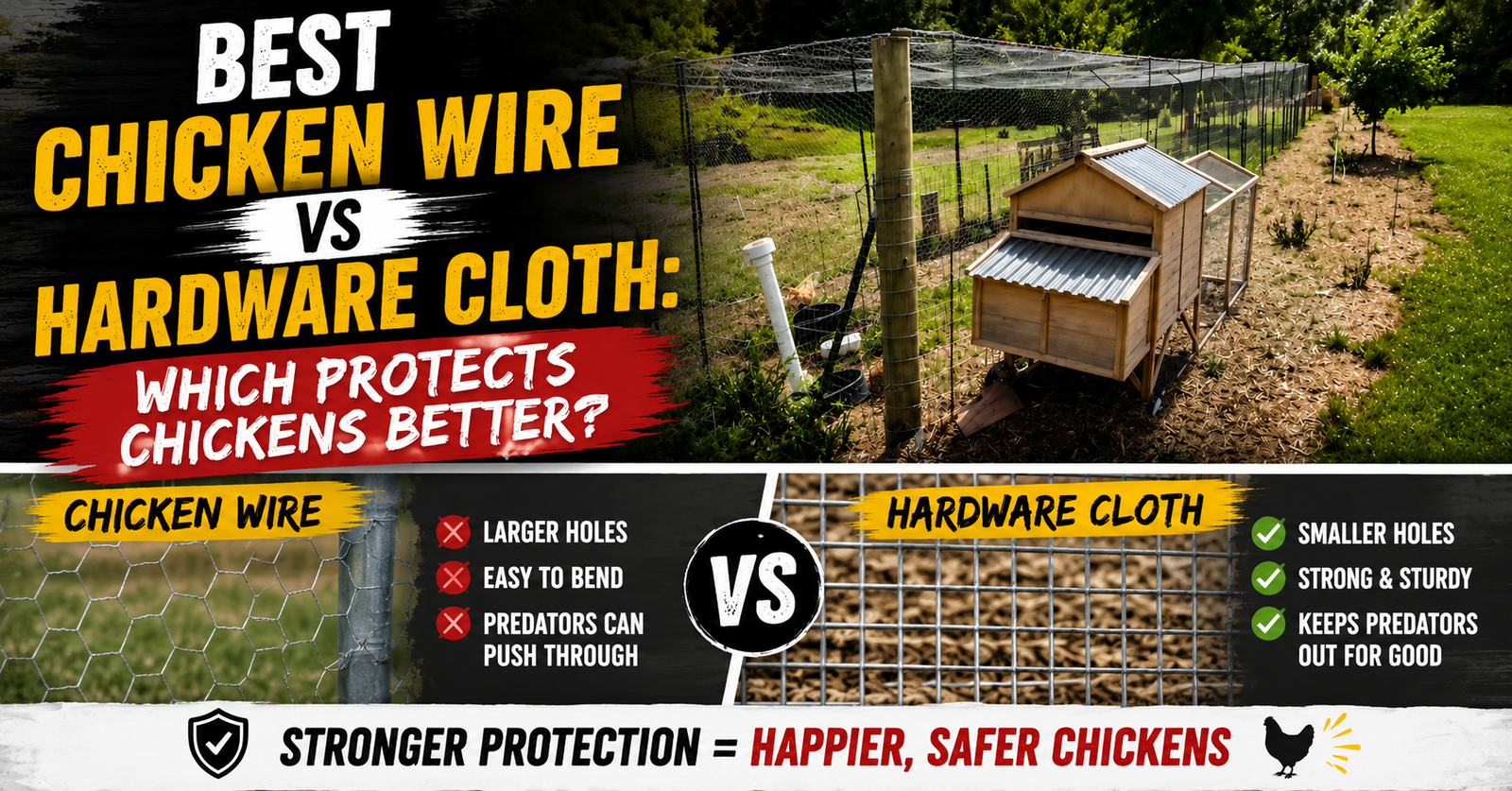
If you’re still deciding between them, my comparison of chicken wire and hardware cloth explains when each one makes the most sense.
Coyotes Love to Dig
One thing many first-time chicken owners don’t expect is how willing coyotes are to dig.
If climbing over a fence seems difficult, they’ll often try going underneath instead.
That’s exactly why underground protection has become so popular.
During my visit to Weaver Family Farms, Daxon pointed out that predator protection didn’t stop at ground level. Planning for digging predators was simply part of the original design.
That attention to detail impressed me because it addressed the problem before it ever happened.
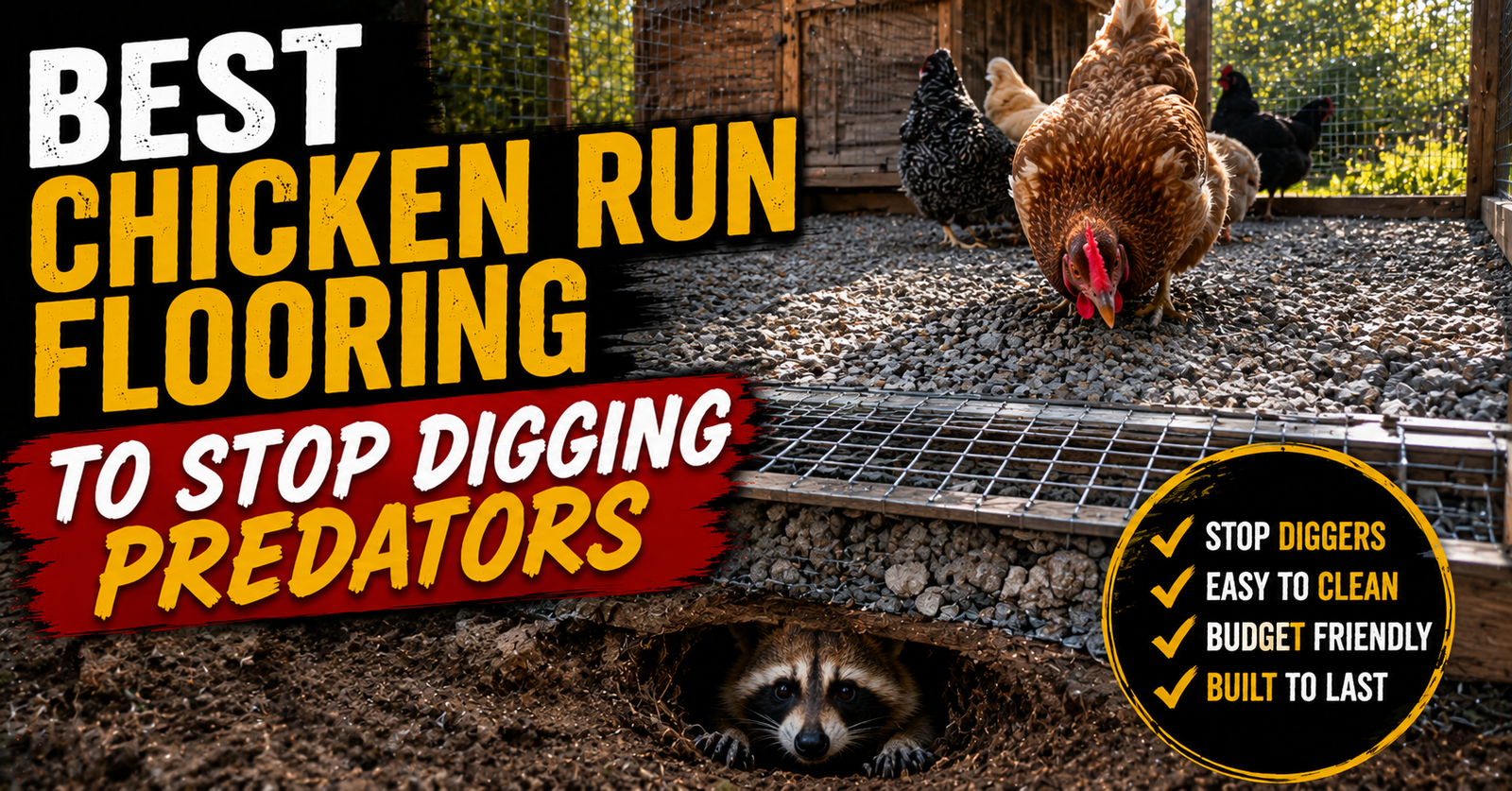
Coyotes don’t just test your fencing. They often begin by investigating the ground around your enclosure, looking for soft spots where digging will be easiest. Choosing the right surface inside and around your run can make a bigger difference than many people realize. I compare the most practical options in Best Chicken Run Flooring to Stop Digging Predators if you’re still planning your setup.
Underground Protection Makes Coyotes Think Twice
Once you realize how coyotes behave, underground protection starts making a lot more sense.
Whether you bury hardware cloth or install a predator apron, the goal is the same.
Make digging unsuccessful.
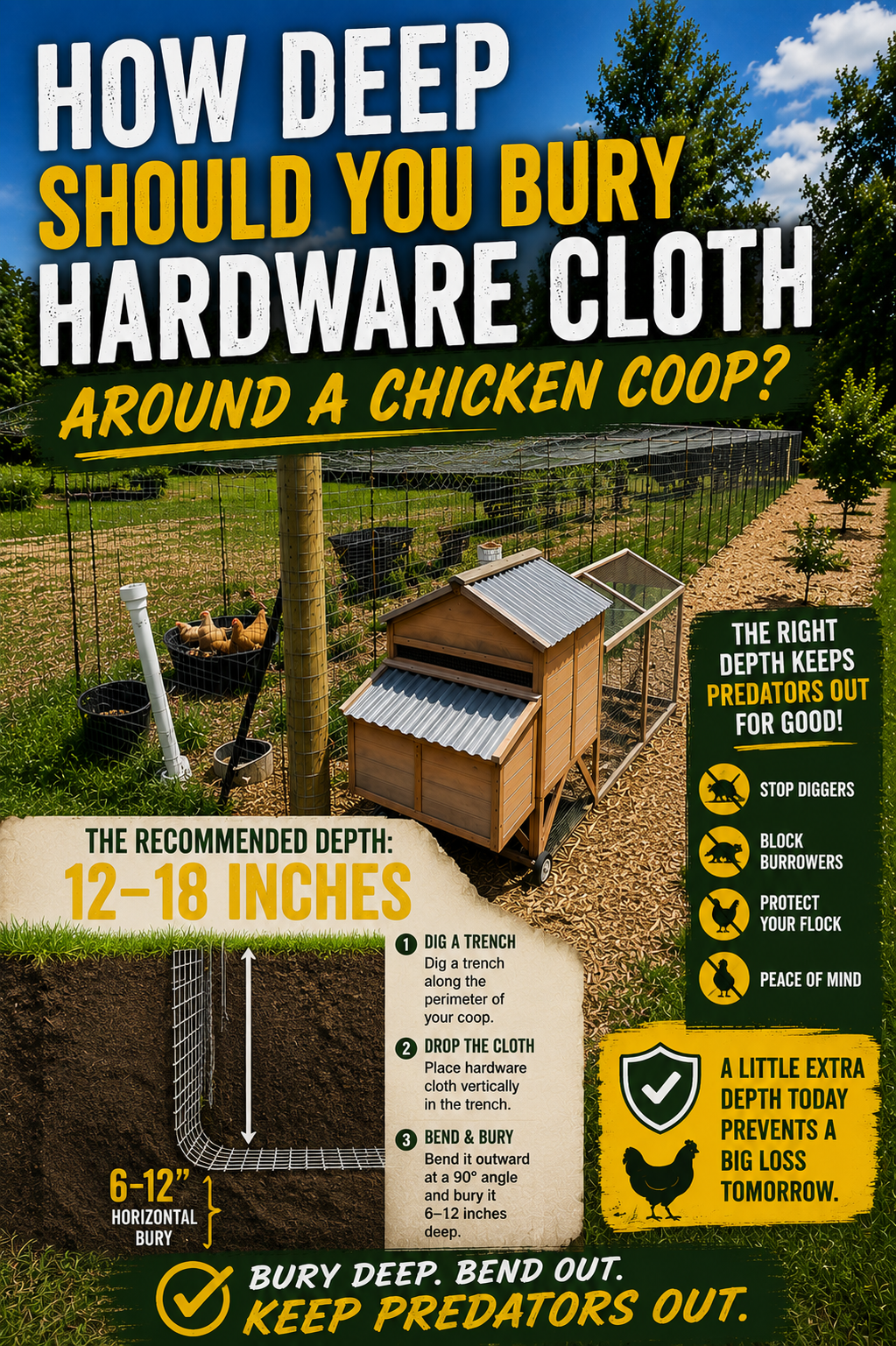
If you’re wondering how deep underground protection should go, you’ll probably find this guide on burying hardware cloth around a chicken coop helpful before you start digging.
Height Matters More Than Many People Think
Coyotes don’t just dig.
They’re surprisingly athletic.
A short fence might slow one down, but it won’t necessarily stop it.
That’s one reason I liked the chicken run I toured so much.
The enclosure wasn’t only built to resist digging.
It was also tall enough to make climbing and jumping much more difficult.
Security wasn’t based on one feature.
Every part of the design worked together.
Don’t Leave the Roof Open
One mistake I still see quite often is building a beautiful fenced run while leaving the top completely open.
Even if coyotes aren’t likely to jump inside, an enclosed roof provides another barrier and also protects your flock from hawks and other aerial predators.
Walking through the predator-proof run at Weaver Family Farms reminded me how much more secure a fully enclosed run feels compared to one that’s only fenced around the sides.
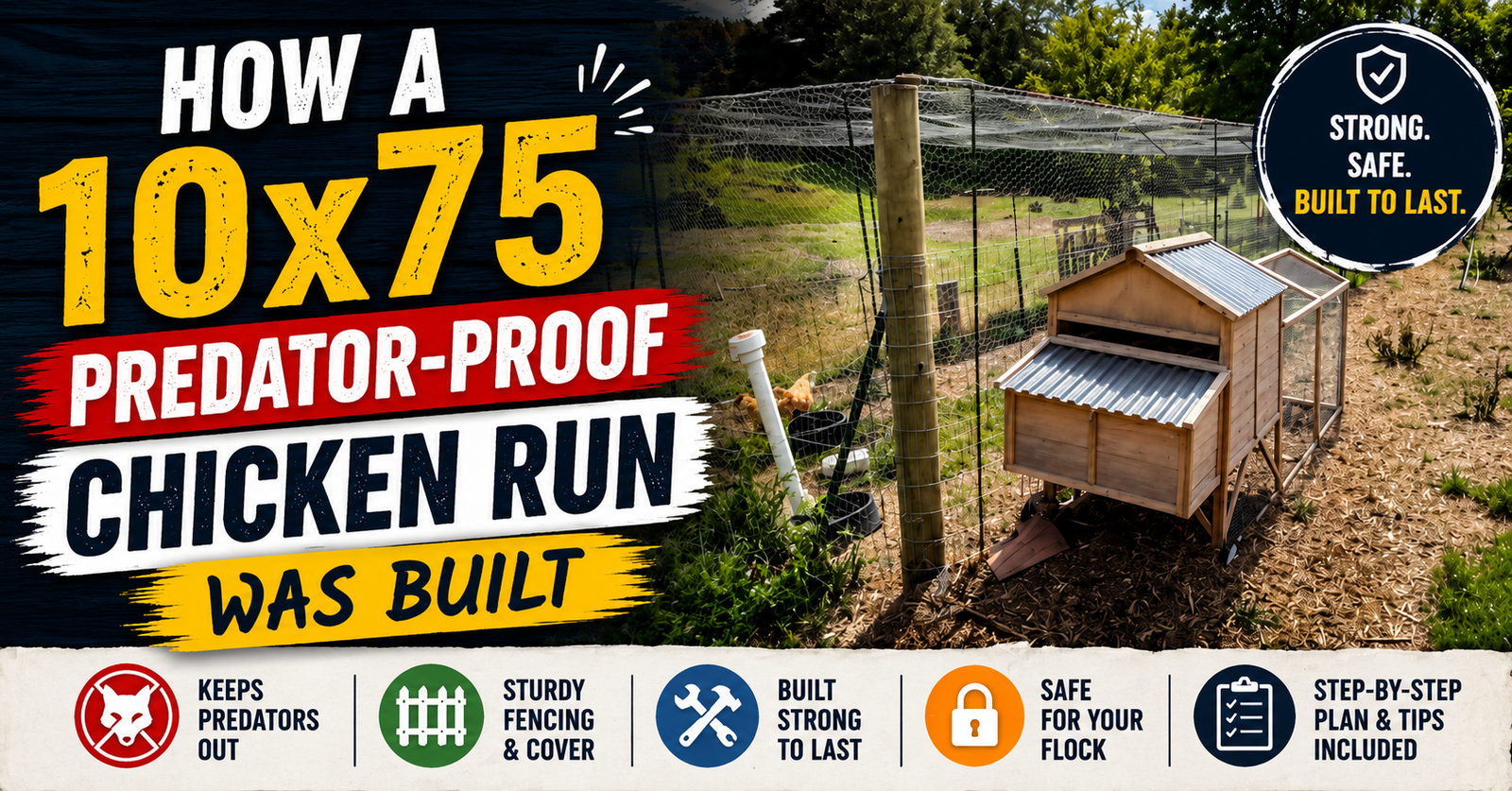
If you haven’t seen that project yet, this walkthrough of the 10×75 predator-proof chicken run shows how all those defensive layers work together in one practical design.
Coyotes Almost Always Hunt at the Worst Time
One advantage coyotes have is that they’re usually active when your chickens are most vulnerable.
They’re most commonly seen around dusk, throughout the night, and just before sunrise.
That’s when chickens are settling onto their roosts and paying less attention to what’s happening outside.
If your flock spends the night in an unsecured run or the coop door accidentally gets left open, a coyote may only need a few minutes to cause serious damage.
That’s one reason I think having a consistent evening routine is so important.
Checking latches, making sure every bird is inside, and doing one last walk around the coop only takes a few minutes.
Those few minutes can save your entire flock.

An Automatic Coop Door Makes Life Easier
Let’s be honest.
Life gets busy.
Sometimes you’re working late.
Sometimes you’re away from home.
Sometimes you simply forget.
An automatic coop door removes a lot of that stress.
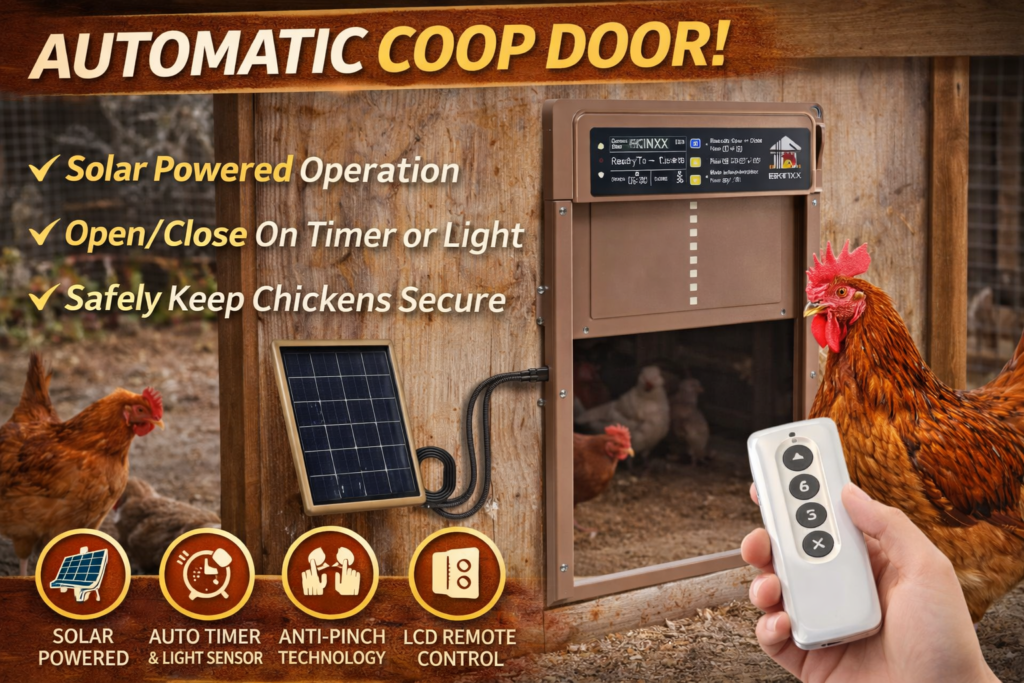
One option I like is this solar-powered automatic chicken coop door with timer and light sensor because it closes automatically each evening and opens again in the morning. It’s a simple upgrade that helps reduce the chances of accidentally leaving your chickens exposed overnight.
It’s not a replacement for good predator-proofing, but it’s another layer of protection that works while you’re sleeping.
Motion Cameras Can Tell You What’s Really Visiting
If you’ve ever walked outside and found fresh tracks around your coop, you know how frustrating it is not knowing what caused them.
Instead of guessing, I’d much rather know exactly what’s visiting.
A good trail or security camera lets you see whether you’re dealing with coyotes, raccoons, foxes, neighborhood dogs, or something completely different.
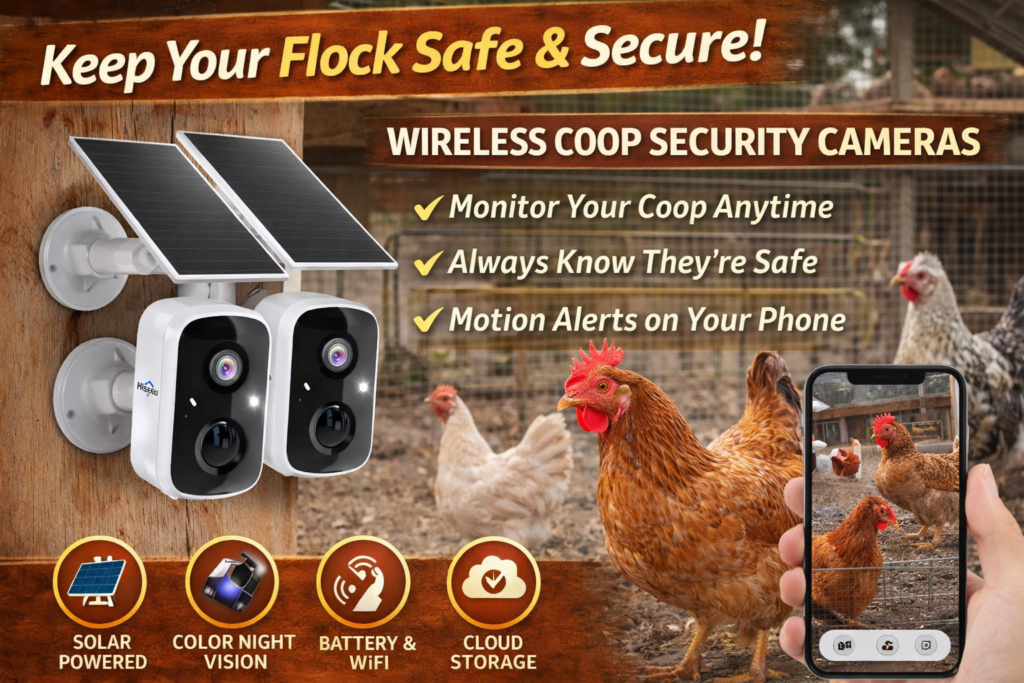
I’ve been impressed with this solar-powered wireless security camera system because it’s easy to install near a coop without worrying about running power to it.
Knowing your predator is the first step toward stopping it.

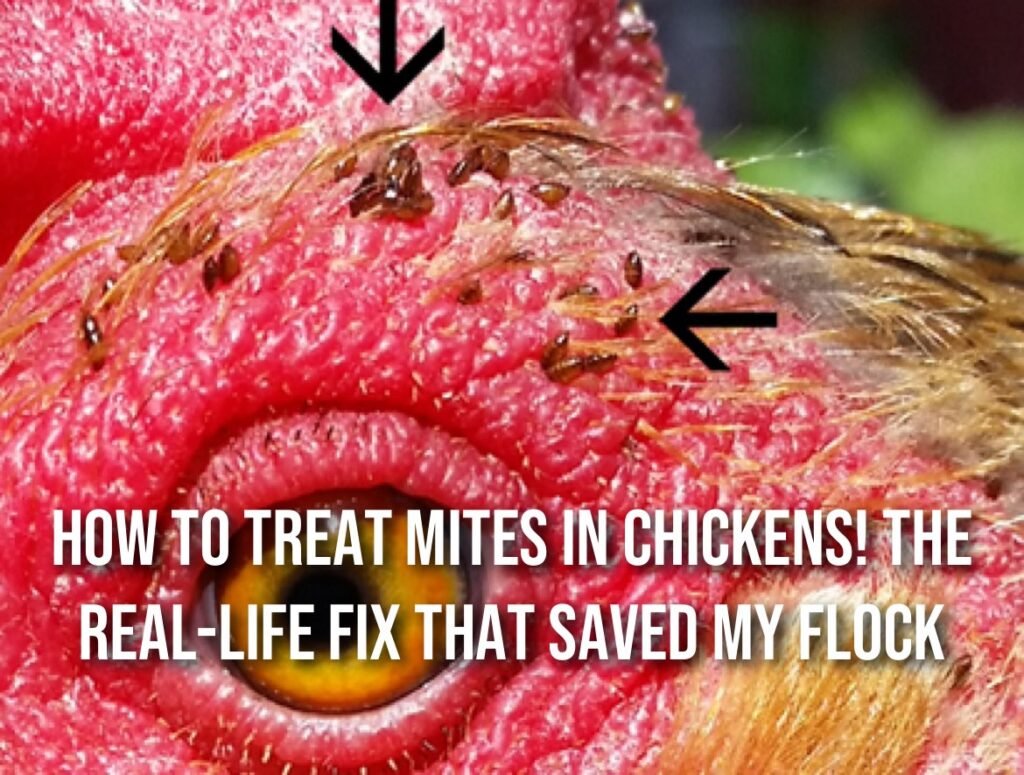
Signs Coyotes Are Watching Your Coop
One thing I’ve learned is that coyotes rarely make their first visit the night they attack.
They usually spend time checking things out first.
Some common warning signs include:
- Tracks around the coop or chicken run.
- Fresh digging near the fence.
- Scat along trails or field edges.
- Hearing coyotes howling nearby after dark.
- Chickens suddenly acting nervous when they normally aren’t.
If you notice several of those signs together, I’d assume coyotes are becoming interested in your flock and take action before they become bolder.
Keep the Area Around Your Coop Clean
Coyotes are drawn to opportunity.
Leaving spilled feed on the ground, overflowing trash cans, or piles of food scraps near the coop can encourage wildlife to investigate your property.
While those things may not attract coyotes directly every time, they often attract rodents, which in turn attract larger predators.
Keeping the area neat won’t eliminate every risk, but it removes one more reason for predators to stick around.

Don’t Ignore Small Repairs
One thing Daxon mentioned while showing me the chicken run at Weaver Family Farms was that predator protection isn’t something you build once and forget.
It’s something you maintain.
That really stuck with me.
A loose piece of fencing today might become the opening a coyote finds next month.
A bent gate can become a gap.
A broken latch can become an invitation.
Walking around your coop every week looking for little problems is one of the easiest ways to avoid much bigger ones later.
Coyotes Aren’t the Only Predator You Need to Think About
While coyotes are certainly one of the biggest threats to backyard chickens, they’re rarely the only one.
In many areas, raccoons are just as destructive, especially around smaller coops with weak fencing or simple latches.
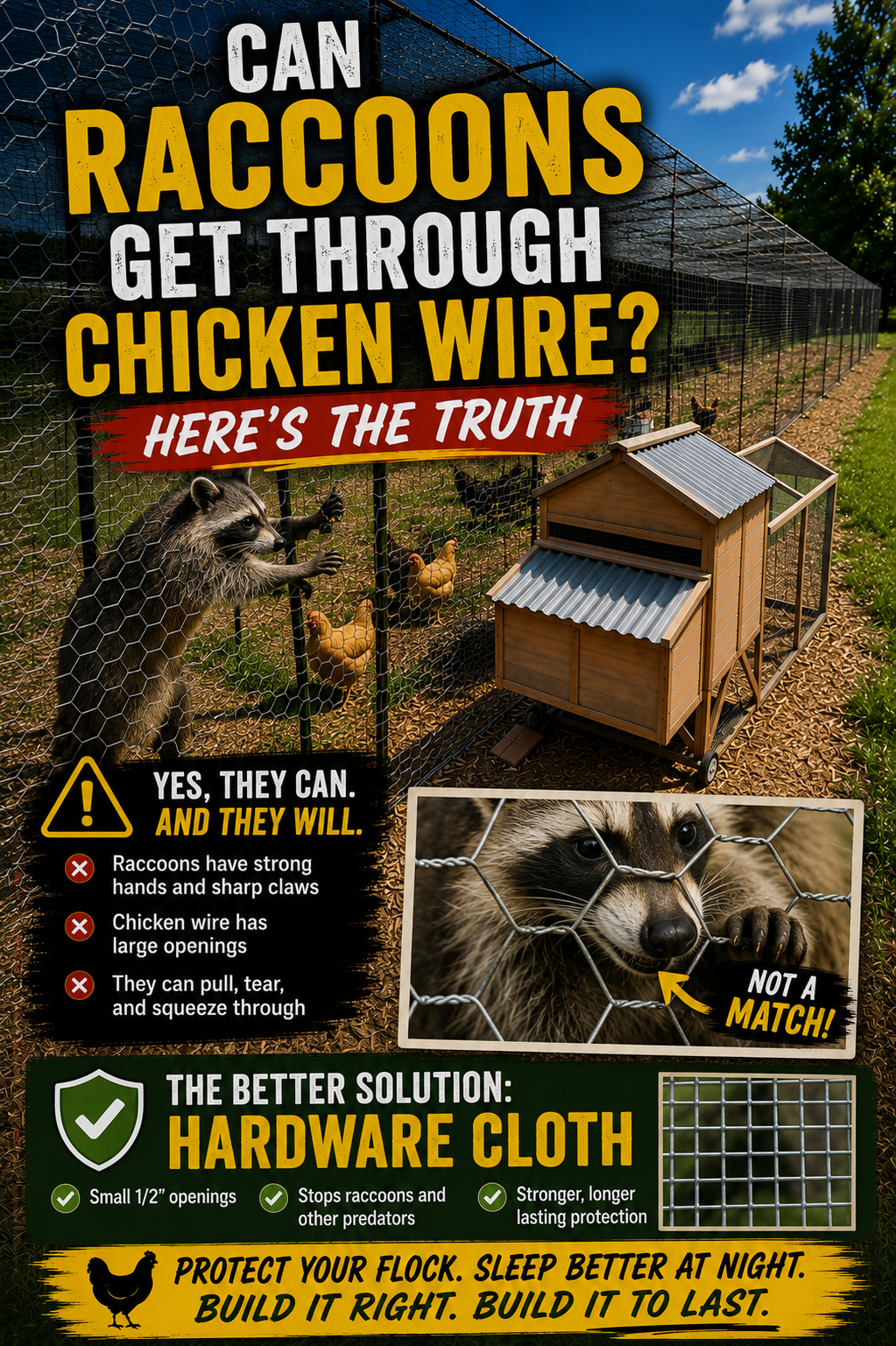
If raccoons are common where you live, I think you’ll also find Can Raccoons Get Through Chicken Wire? Here’s the Truth helpful because they attack very differently than coyotes and often exploit completely different weaknesses.
My Biggest Takeaway
After learning from experienced chicken keepers and seeing one of the most thoughtfully designed chicken runs I’ve visited, I’ve become convinced that coyote protection isn’t about finding one perfect product.
It’s about removing opportunities.
Strong fencing.
Secure latches.
Covered runs.
Underground barriers.
Automatic doors.
Regular inspections.
Each improvement makes your coop a little less appealing to predators.
Eventually, most coyotes decide the effort simply isn’t worth it.
That’s exactly what you want.
Frequently Asked Questions
Can coyotes climb into a chicken coop?
Coyotes are capable climbers and impressive jumpers, especially if fencing provides footholds. A tall, fully enclosed run offers much better protection than fencing alone.
How high should a fence be to stop coyotes?
Taller fences make access much more difficult, but height alone isn’t enough. Good fencing should also include secure gates, underground protection, and a covered top whenever possible.
Can coyotes dig under chicken coops?
Yes. Coyotes frequently test the base of fences by digging. That’s why many experienced chicken keepers install buried hardware cloth or predator aprons.
What scares coyotes away from chickens?
Motion lights, cameras, secure fencing, and removing food sources can all help discourage coyotes, but a properly built predator-proof coop remains your best defense.
Will coyotes keep coming back?
If coyotes find an easy meal, they often return repeatedly. Making your coop difficult to access usually encourages them to move on to easier prey.

About the Author
Nathan Holloway
Nathan Holloway specializes in predator prevention, chicken coop construction, and practical backyard flock security. He regularly visits farms, studies real-world chicken housing designs, and learns directly from experienced poultry keepers about what works in everyday backyard flocks. Through Backyard Chicken Pro, Nathan shares practical observations and straightforward advice to help chicken owners build safer coops, stronger chicken runs, and long-lasting predator protection.