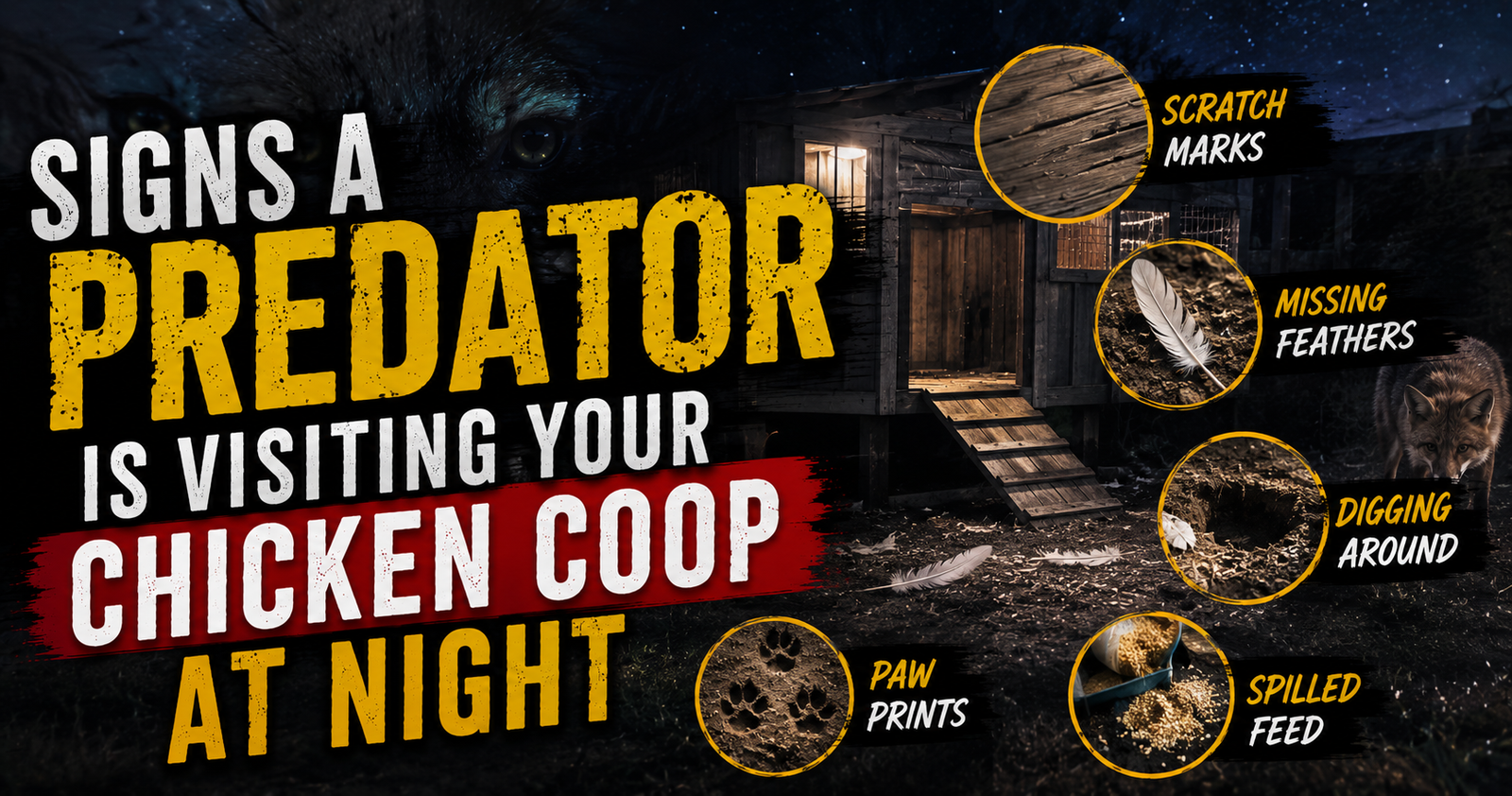
One thing I’ve learned from talking with experienced chicken keepers is that predators rarely appear out of nowhere.
Most of them spend days, or even weeks, investigating your coop before they ever make an attack.
They’re watching.
Testing.
Looking for weaknesses.
After spending time at Weaver Family Farms and walking through the large predator-proof chicken run Daxon built, I started paying much closer attention to how predators actually behave.
The entire enclosure was designed with one assumption in mind.
Eventually, something would come looking for the chickens.
That’s a much smarter way to think than assuming predators only become a problem after you’ve already lost birds.
If you know what warning signs to watch for, you often have time to fix the problem before that first attack ever happens.
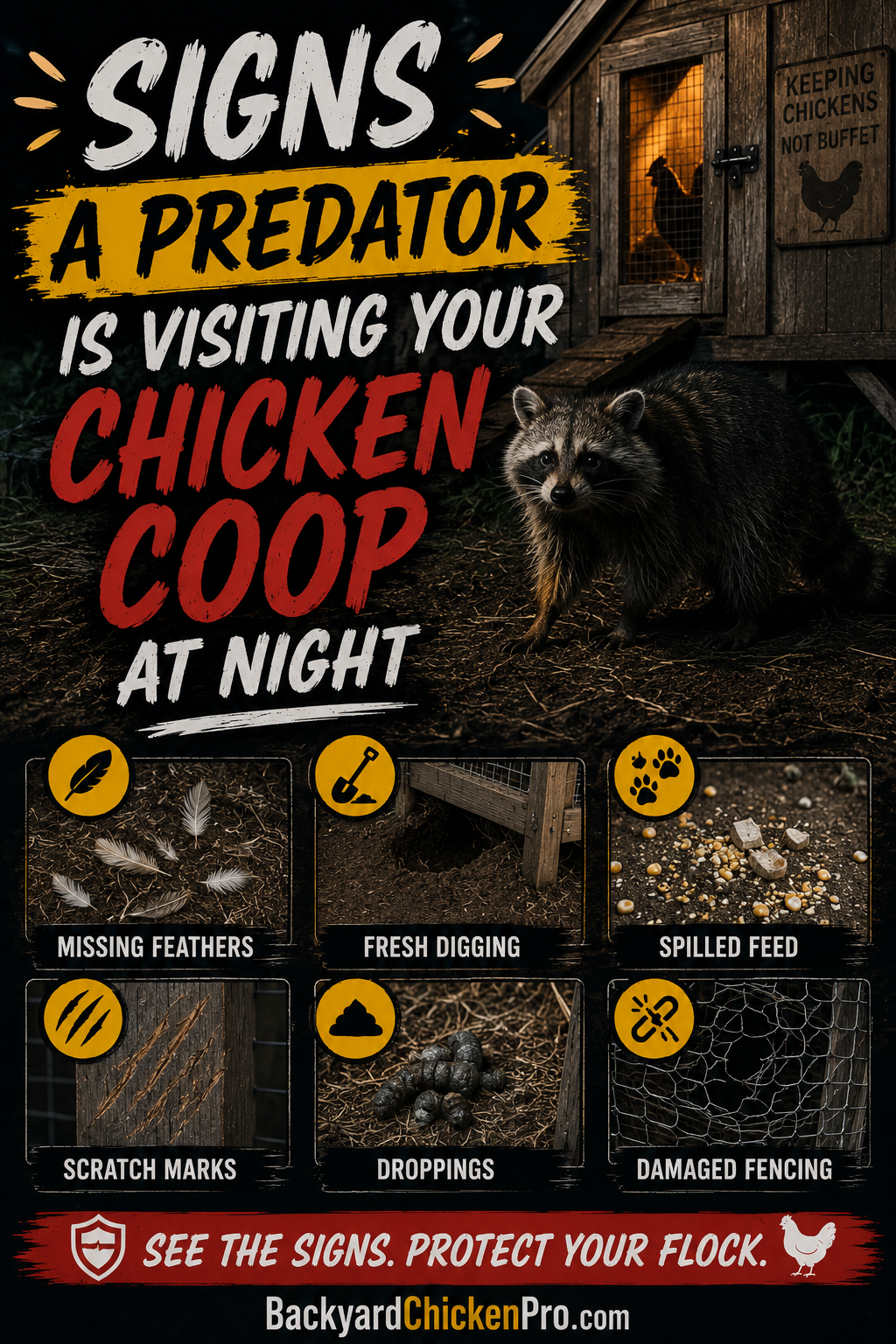
Fresh Digging Around the Fence
One of the first things I look for is disturbed soil.
Fresh dirt piled against the fencing.
Small holes beginning near the corners.
Scratches running alongside the coop.
Those are all signs something may be trying to figure out a way underneath your enclosure.
Digging predators almost always begin at the edge of a fence instead of out in the middle of the yard.
If you start noticing fresh digging, don’t ignore it. Fresh digging is often a sign that one of the protection gaps covered in The Biggest Predator-Proof Chicken Coop Mistakes I See needs attention.
That’s often your first warning.
Bent or Loose Fencing
Predators don’t usually charge straight through a fence.
Instead, they spend time testing it.
Look closely for:
- Bent wire.
- Loose staples.
- Pulled fencing.
- Corners beginning to separate.
- Small openings that weren’t there last week.
Those little changes tell you something has probably been working on your coop while you’re asleep.
If you’re still deciding which fencing holds up better against predators, Chicken Wire vs. Hardware Cloth: Which Protects Chickens Better? explains why different materials perform differently under pressure.
Your Chickens Suddenly Act Nervous
Your flock often notices predators long before you do.
Pay attention if normally calm chickens suddenly become uneasy.
They may:
- Refuse to leave the coop.
- Stay unusually quiet.
- Constantly look toward the woods.
- Avoid certain sections of the run.
- Crowd together more than normal.
Animals have excellent instincts.
When several chickens begin acting differently at the same time, I always pay attention. A flock-wide change deserves a closer look, and why chickens suddenly act differently offers a useful starting point for sorting through possible causes.
Tracks Around the Coop
After a rain or on soft ground, tracks can tell you an incredible amount.
Raccoons leave hand-like prints.
Foxes leave narrow dog-like tracks.
Coyotes leave larger canine tracks that often travel in fairly straight lines.
Even if you don’t immediately recognize every print, simply knowing something visited overnight tells you it’s time to inspect the coop more carefully.
A Camera Removes the Guesswork
One upgrade I recommend more and more is installing a camera near the chicken coop.
Instead of wondering what keeps digging around your fencing or making noise outside at 2 a.m., you can actually watch the footage the next morning.
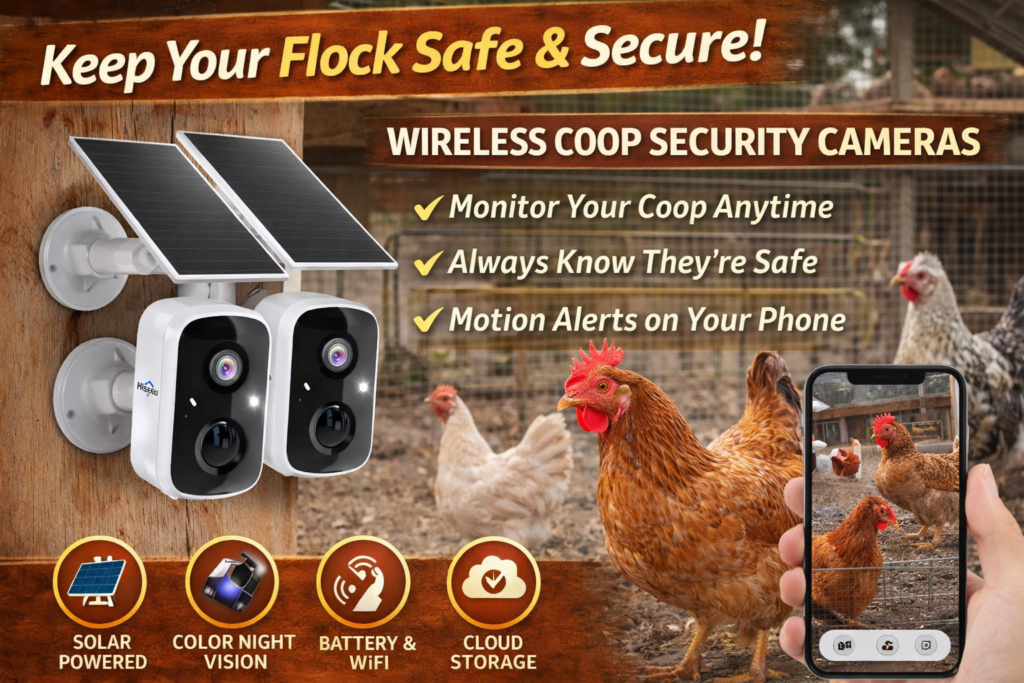
I’ve had really good luck recommending this Hiseeu solar-powered wireless security camera system because it doesn’t require running electrical wires across your yard, records motion, and lets you identify exactly what’s visiting your flock after dark.
That information is incredibly valuable.
Knowing whether you’re dealing with raccoons, coyotes, foxes, neighborhood dogs, or even stray cats helps you choose the right solution instead of guessing.
Once you know what predator is visiting your flock, the next step is figuring out where your coop needs improvement. That’s exactly why I created the Predator-Proof Chicken Coop Checklist Before You Buy or Build. It helps you systematically inspect every major part of your setup before the next nighttime visitor finds a weakness.
Feathers Outside the Coop
Finding a feather or two isn’t unusual.
Chickens molt.
They preen.
They occasionally lose feathers while interacting with each other.
Finding piles of feathers scattered around the outside of the coop is different.
That often means something attempted an attack.
Sometimes the predator succeeds.
Sometimes your fencing prevented it.
Either way, it’s a warning you shouldn’t ignore.
Your Feed Keeps Disappearing
Predators aren’t always interested in your chickens first.
Sometimes they’re attracted by spilled feed.
Raccoons, opossums, rodents, and other wildlife love an easy meal.
Once they’re visiting your property regularly, it doesn’t take long for them to discover your flock.
Keeping feeders clean and storing feed properly can reduce unnecessary nighttime visitors.
Strange Noises After Dark
Many predators make very little noise.
Others don’t.
If you regularly hear:
Scratching.
Digging.
Metal rattling.
Chickens suddenly squawking.
Something bumping against the coop.
I’d investigate the next morning.
Even if you don’t catch the predator in the act, those sounds usually mean something is testing your enclosure.
Scat Around the Coop Is a Warning Sign
It may not be pleasant to look for, but animal droppings can tell you a lot about what’s been visiting your chickens.
If you begin finding scat around fence lines, beside gates, or along the same trail every morning, chances are a predator has started making your coop part of its nightly routine.
Don’t ignore it just because your chickens are still safe.
Many predators spend several nights scouting before they ever attempt an attack.
The sooner you recognize that activity, the sooner you can strengthen weak areas.


Damaged Doors or Latches
Earlier I talked about checking your fencing, but your doors deserve just as much attention.
Predators often spend their time working on whatever looks easiest.
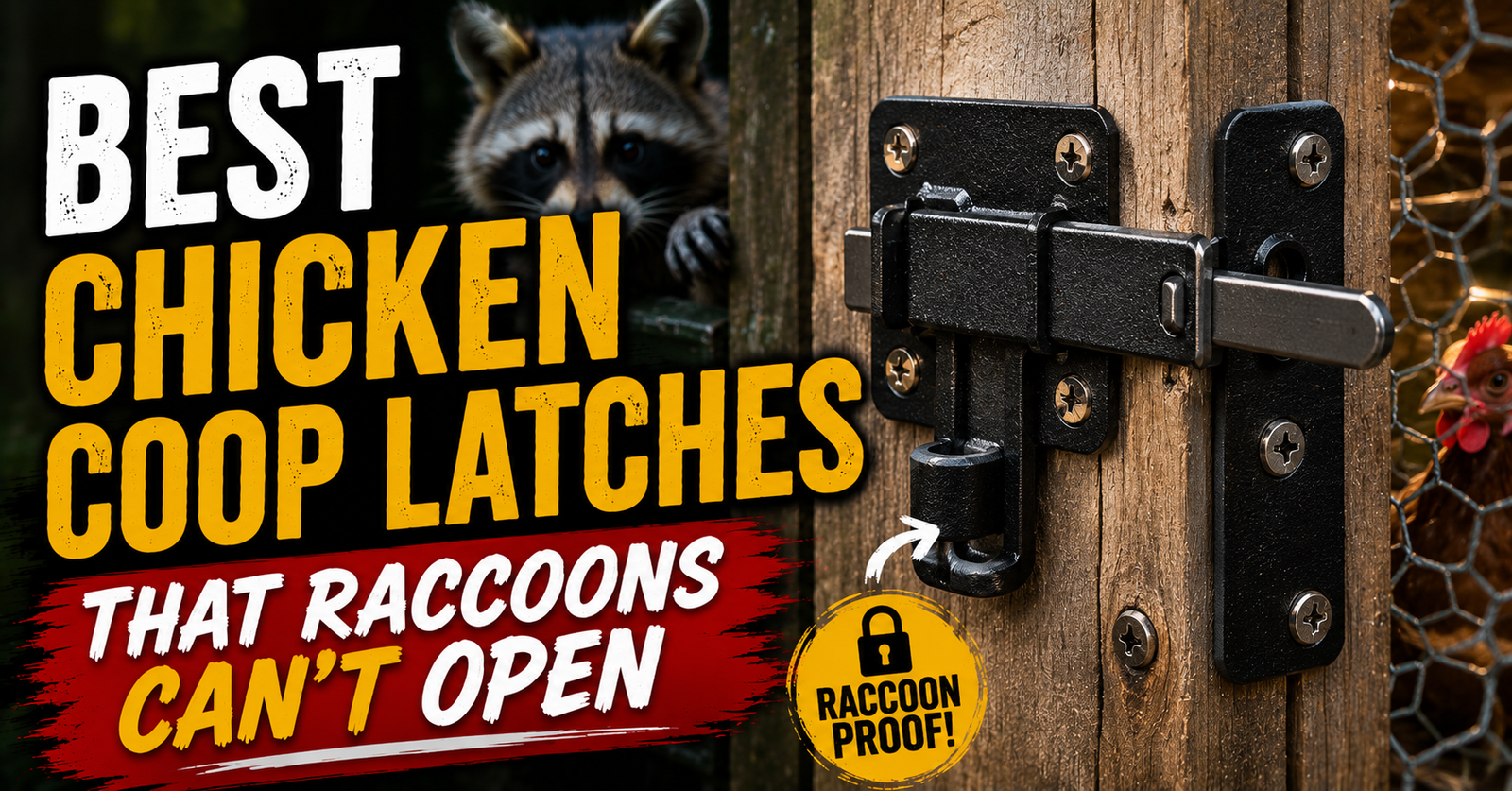
Look for scratches around the door. A more secure chicken coop latch can make it harder for raccoons and other clever predators to get inside.
Fresh bite marks.
Bent hinges.
Loose screws.
A latch that suddenly feels easier to open than it did last week.
Those small clues usually mean something has been testing your coop while you were asleep.
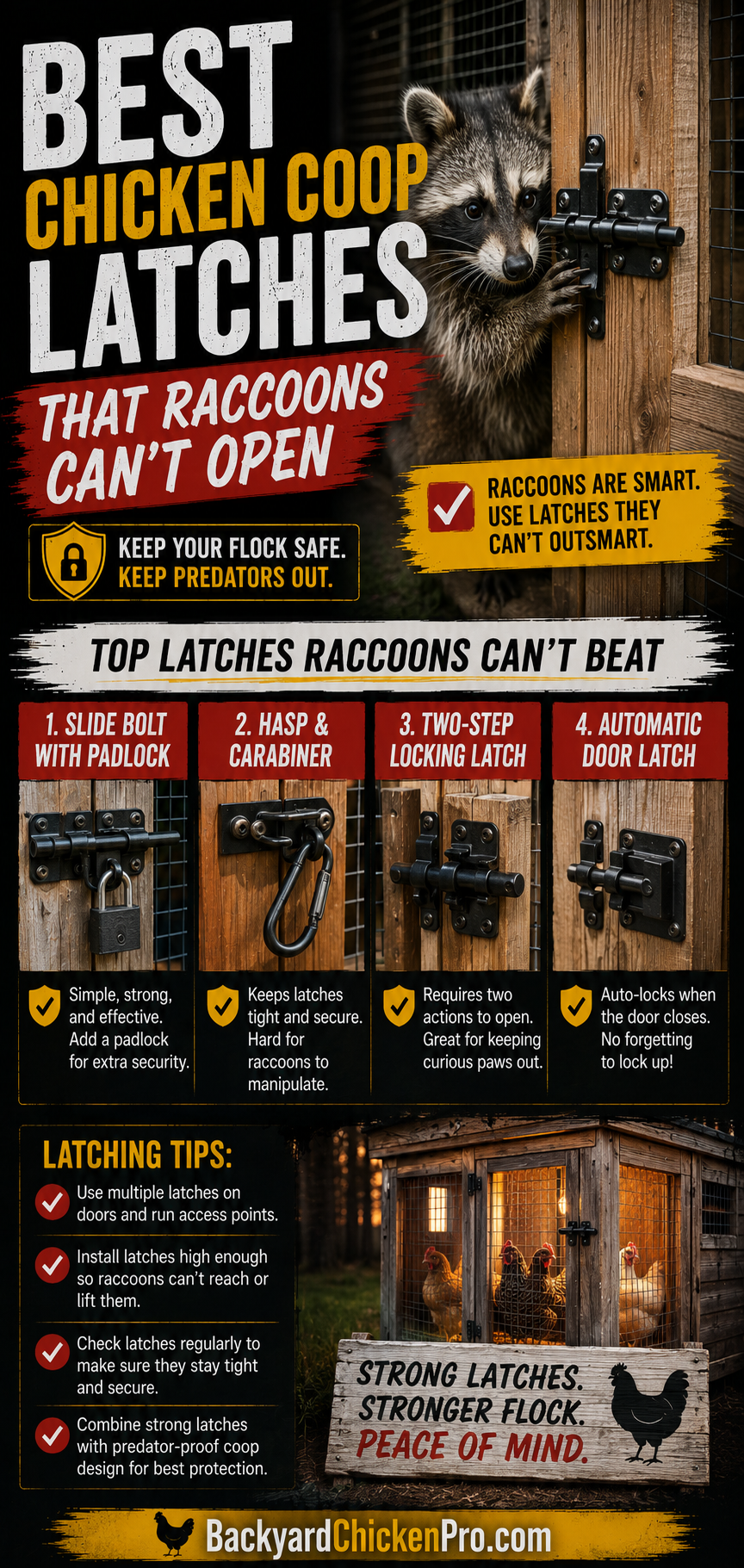
If your current hardware isn’t giving you much confidence, Best Chicken Coop Latches That Raccoons Can’t Openexplains the latch styles I trust most around determined predators.
Missing Eggs Can Sometimes Be Your First Clue
When people think about predators, they usually picture missing chickens.
Sometimes the first thing that disappears is the eggs.
Raccoons, snakes, opossums, and several other animals are perfectly happy stealing eggs long before they attempt to attack your flock.
If your hens are laying normally but eggs begin disappearing overnight, don’t automatically assume your chickens are hiding them somewhere new.
Something may already know exactly where your nesting boxes are.
Walk Around Your Coop Every Morning
One habit I’ve picked up from experienced chicken keepers is making a slow walk around the coop part of the daily routine.
It doesn’t have to take long.
I usually check:
- Fresh digging.
- Tracks.
- Bent fencing.
- Loose latches.
- New gaps underneath the run.
- Feathers or signs of a struggle.
That quick inspection often catches problems before they become emergencies.
Motion-Activated Lights Can Help
Some predators don’t like sudden light.
While lights won’t stop every animal, they can discourage curious nighttime visitors from hanging around your coop.
Combined with strong fencing, secure latches, and a camera, motion lights become another useful layer in your overall predator protection plan.
The goal isn’t to rely on one product.
It’s to make your coop the hardest target in the neighborhood.
The Best Predator Defense Is Paying Attention
Walking through the predator-proof chicken run at Weaver Family Farms, I noticed something that had nothing to do with fencing.
Everything looked maintained.
Nothing was loose.
Nothing appeared forgotten.
That might sound simple, but I honestly think it’s one of the biggest reasons the setup works so well.
Predators look for neglected coops.
They look for broken gates.
Loose wire.
Rotting wood.
Doors that don’t quite close anymore.
Regular maintenance removes those opportunities before predators can take advantage of them.

Don’t Wait Until You Lose a Chicken
This is probably the biggest takeaway I hope readers remember.
Most predator attacks don’t happen without warning.
The signs are usually there.
Fresh digging.
Tracks.
Noises.
Bent fencing.
Missing eggs.
The challenge is noticing them before it’s too late.
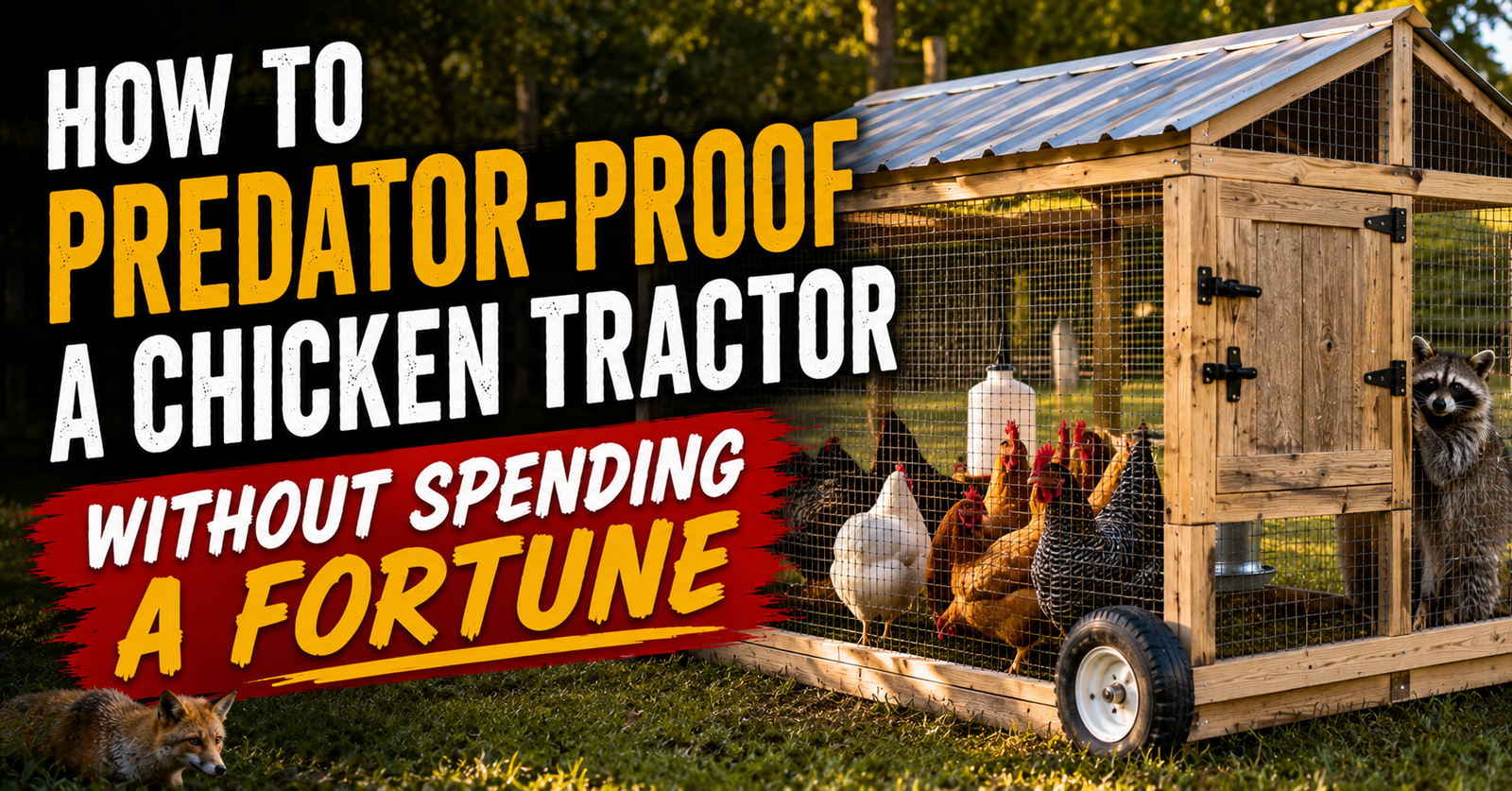
Earlier, I shared how to predator-proof a chicken tractor without spending a fortune, and one of the themes in that article applies here too. A few minutes spent checking your setup each day can prevent far bigger problems later.
My Biggest Piece of Advice
If I could recommend only one upgrade for someone who isn’t sure what’s visiting their coop at night, it would be installing a camera.
Instead of wondering…
Instead of guessing…
Instead of blaming the wrong predator…
You’ll know.
That makes every decision afterward much easier.
Whether the footage shows raccoons pulling at your latches, coyotes circling the fence, or foxes investigating the corners, you can build a solution based on what is actually happening instead of what you think might be happening.
Frequently Asked Questions
What animal usually attacks chickens at night?
Raccoons, foxes, coyotes, opossums, and owls are among the most common nighttime predators, although the exact threat depends on where you live.
How can I tell what predator killed my chickens?
Tracks, feathers, bite marks, damaged fencing, and camera footage often provide valuable clues. Motion-activated cameras are one of the best tools for identifying the exact predator.
Will a security camera scare predators away?
Some predators ignore cameras completely, but the footage helps you understand when they’re visiting, how they’re approaching the coop, and which weak spots they’re targeting.
Should I inspect my chicken coop every day?
A quick walk around the coop each morning is one of the best habits you can develop. It allows you to spot fresh digging, loose fencing, broken latches, or other warning signs before they become serious problems.
What should I do if I see signs of a predator?
Act immediately. Repair damaged fencing, secure loose doors, remove anything attracting wildlife, and strengthen weak areas before the predator returns.
About the Author
Nathan Holloway
Nathan Holloway specializes in predator prevention, chicken coop construction, and practical backyard flock security. He regularly visits farms, studies real-world chicken housing designs, and learns directly from experienced poultry keepers to understand what truly works against common predators. Through Backyard Chicken Pro, Nathan shares practical observations, practical construction ideas, and proven strategies that help backyard chicken owners protect their flocks with confidence.