One thing I’ve learned from visiting chicken keepers over the years is that very few people lose chickens because they didn’t care.
Most lose them because they overlooked one small detail.
A loose latch.
A gap under the fence.
A door that didn’t quite close all the way.
After spending time at Weaver Family Farms and walking through Daxon’s predator-proof chicken run, I kept noticing the same thing over and over.
Nothing had been left to chance.
Every part of the enclosure had a purpose.
The roof.
The fencing.
The underground protection.
The doors.
Everything worked together.
That visit reminded me that predator protection isn’t about building an indestructible coop.
It’s about removing every easy opportunity predators can find.
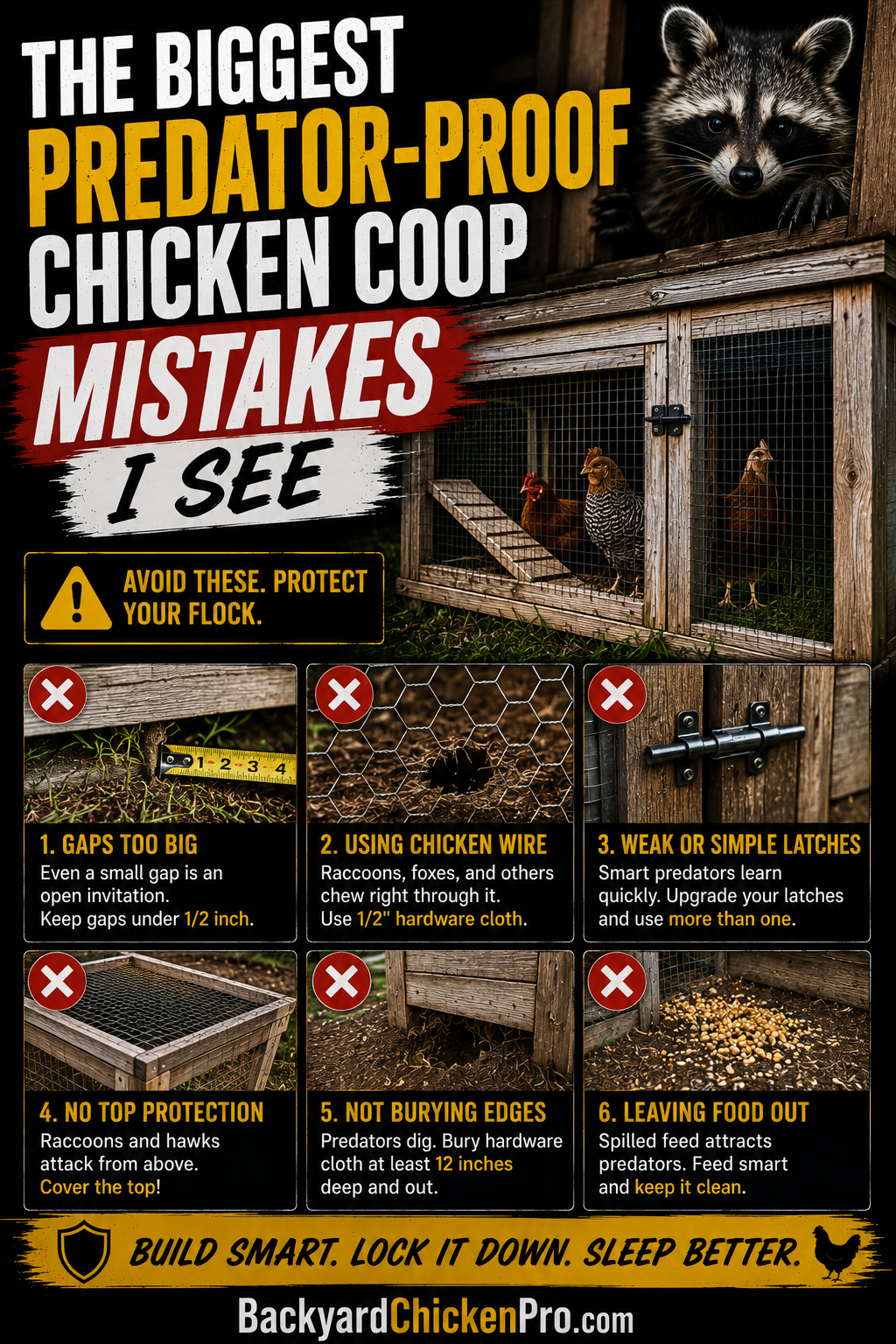
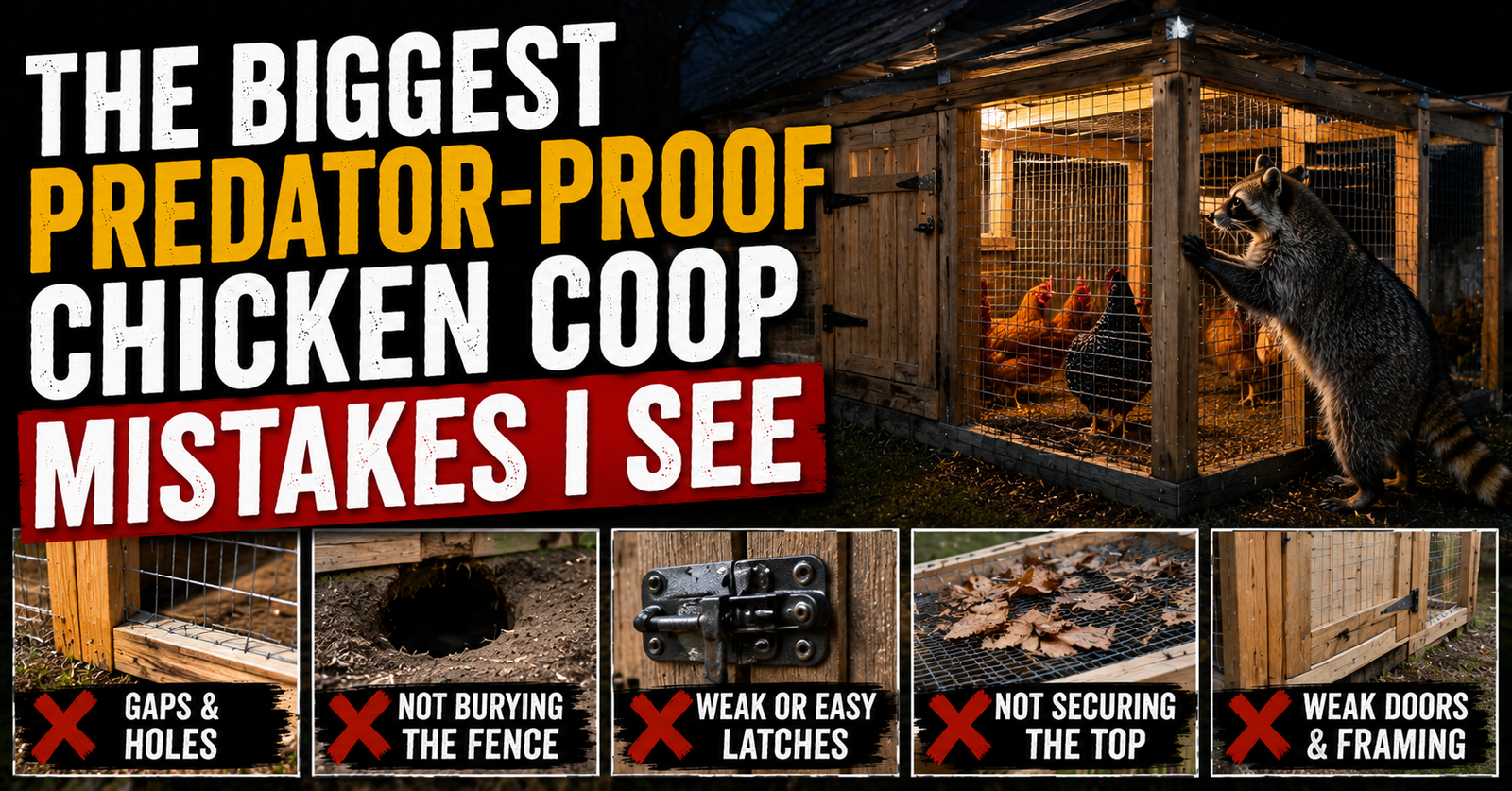
Here are the biggest mistakes I see people make and how to avoid them.
Mistake #1: Trusting Chicken Wire Everywhere
Chicken wire has been around for generations, so it’s easy to assume it’s the answer for every project.
It isn’t.
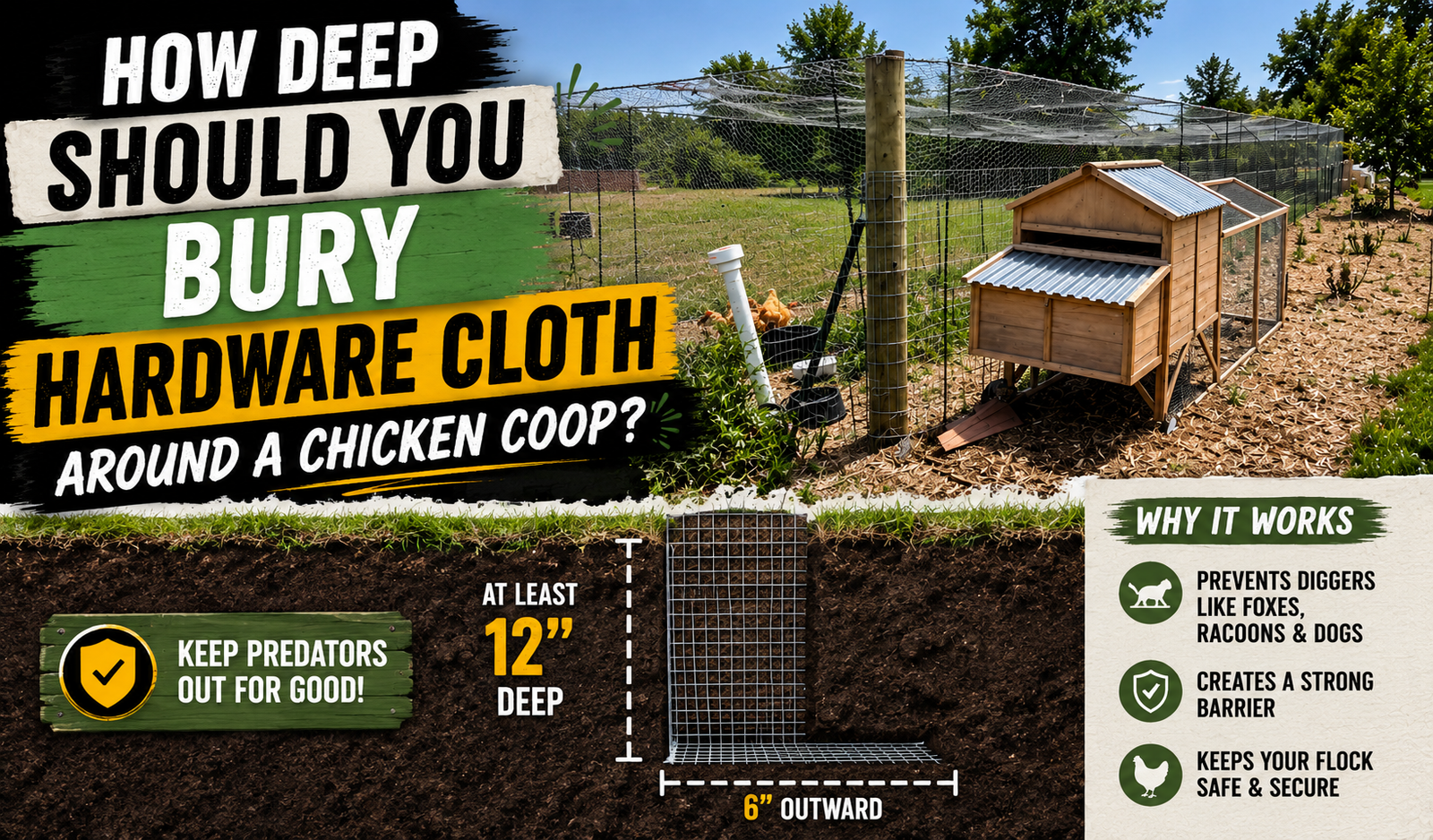
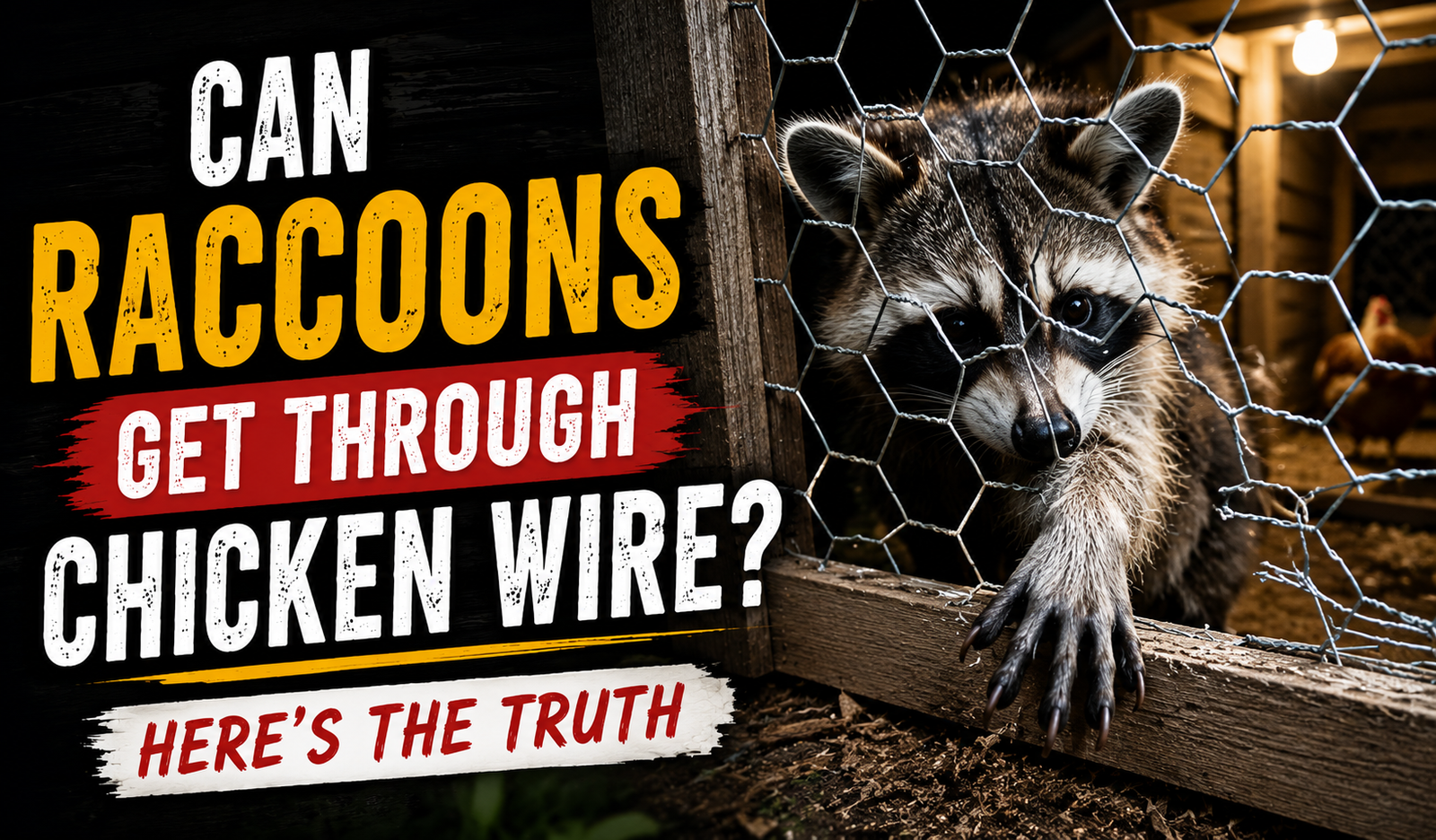
Chicken wire does an excellent job keeping chickens where they belong, but it’s not designed to stop determined predators like raccoons, foxes, or coyotes. Ground-level protection matters too, and How Deep Should You Bury Hardware Cloth Around a Chicken Coop? explains how an underground barrier helps stop predators from digging their way in.
That doesn’t mean you shouldn’t use it.
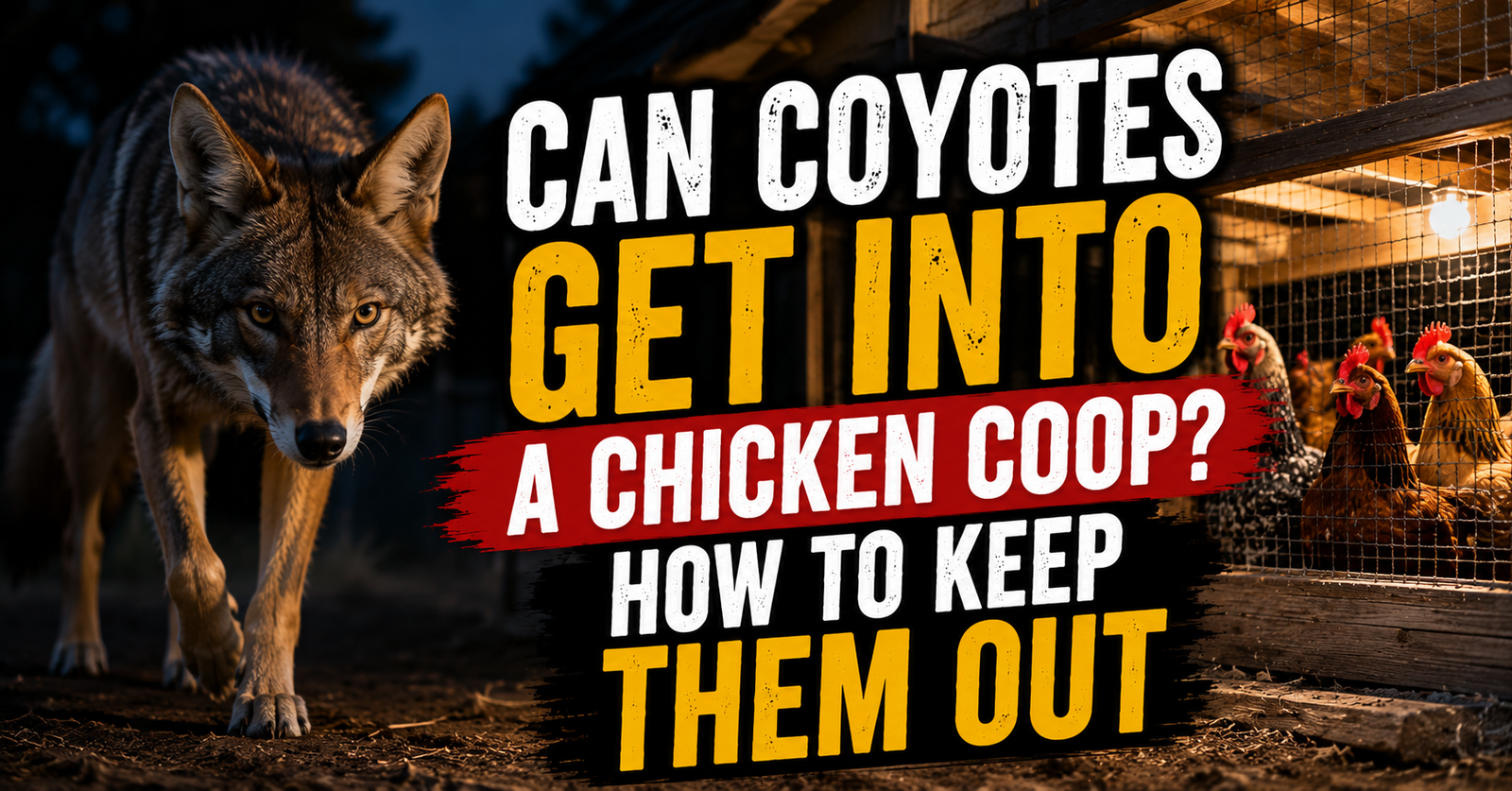
It simply means you should use it where it makes sense. Placement matters even more when you understand how coyotes can get into a coop in Can Coyotes Get Into a Chicken Coop? How to Keep Them Out.
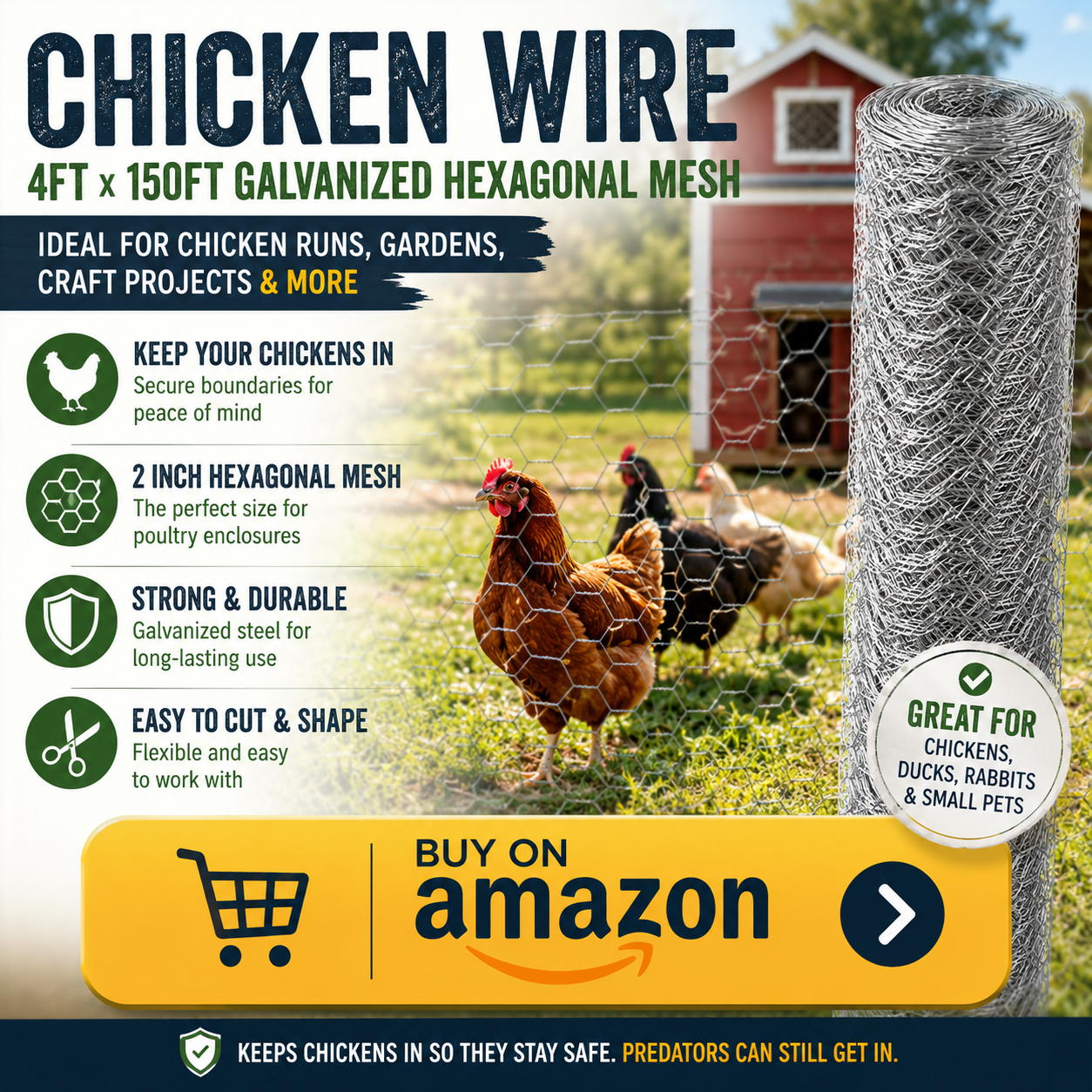
For larger runs, I still like recommending this 150-foot roll of galvanized chicken wire fencing because it covers a lot of ground economically. Around doors, lower walls, vents, and other vulnerable areas, however, I’d spend the extra money on stronger materials.
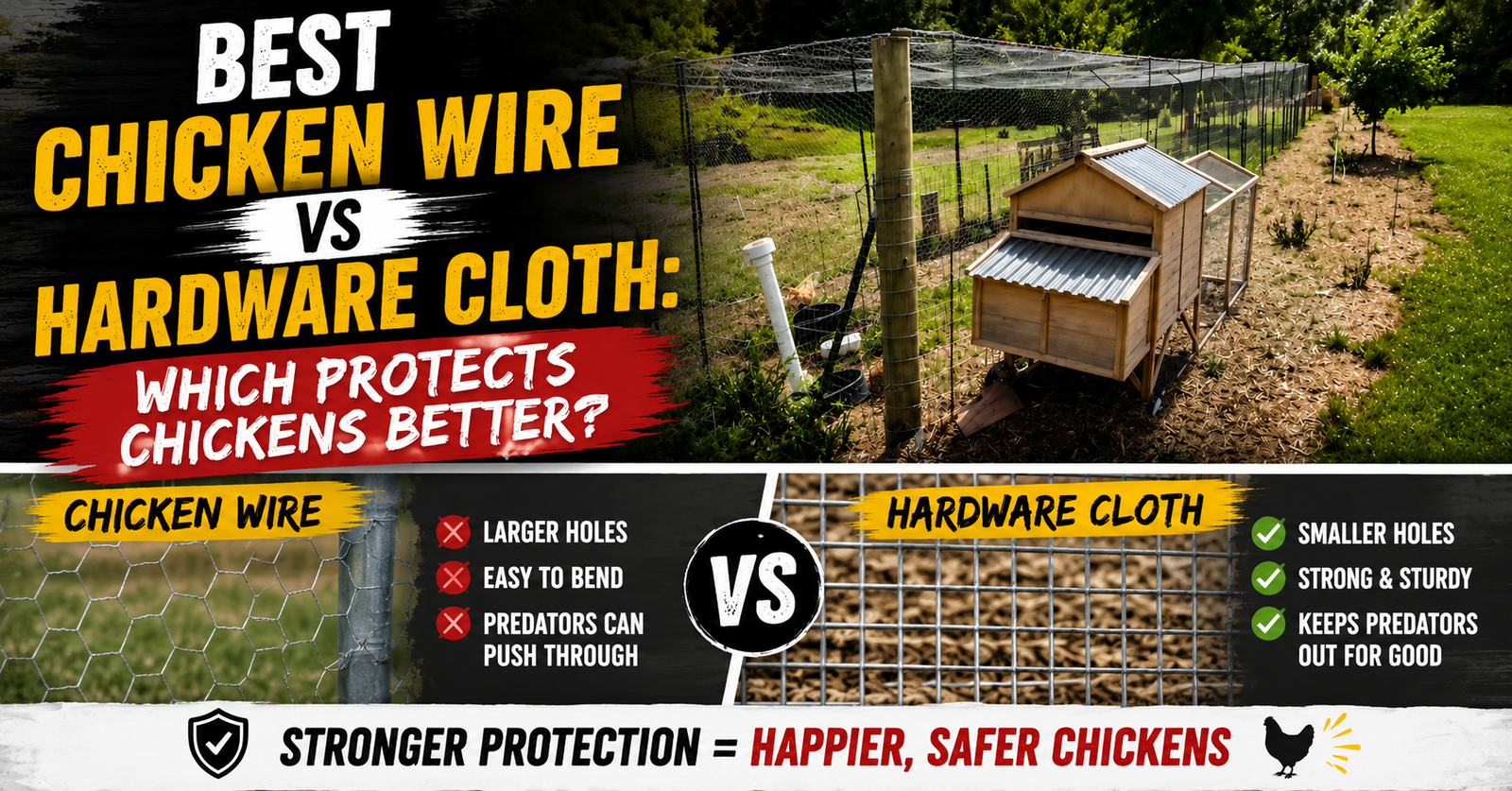
If you’re still deciding where each belongs, Chicken Wire vs. Hardware Cloth: Which Protects Chickens Better?breaks down the strengths of both.
Mistake #2: Forgetting That Predators Dig
Many first-time chicken owners build a beautiful fence…
Then stop at ground level.
Unfortunately, foxes, coyotes, dogs, and other predators don’t always try climbing over.
They often start digging underneath.
One thing I noticed while touring the Weaver Family Farms chicken run was that underground protection had already been planned into the project.
Nobody was waiting for the first predator to show up.
The barriers were already in place.
That kind of planning prevents problems before they happen. Buried hardware cloth or a properly installed predator apron are two of the most effective ways to discourage digging predators.

Mistake #3: Ignoring the Roof
I’ve seen plenty of chicken runs with excellent fencing around the sides…
And nothing overhead.
That’s an open invitation for hawks.
It also gives climbing predators one less obstacle to deal with.
A covered run creates another layer of protection while helping keep adventurous chickens from escaping.
It’s one of the smartest upgrades you can make, especially if your birds spend most of the day inside the run.
Mistake #4: Using Weak Door Latches
Some predators don’t bother testing your fencing.
They head straight for the doors.
Raccoons, in particular, are surprisingly good at manipulating simple latches with their front paws. Experienced chicken keepers often recommend two-step locking systems or adding a carabiner to prevent easy opening.
If your coop still uses a basic hook latch, I’d strongly suggest upgrading it before you need to.
It’s one of the least expensive improvements you can make.
Mistake #5: Never Watching What Happens at Night
This might be the mistake I see most often.
People assume they know what’s visiting their coop.
Sometimes they’re right.
Sometimes they’re completely wrong.
Instead of guessing, I’d rather know.
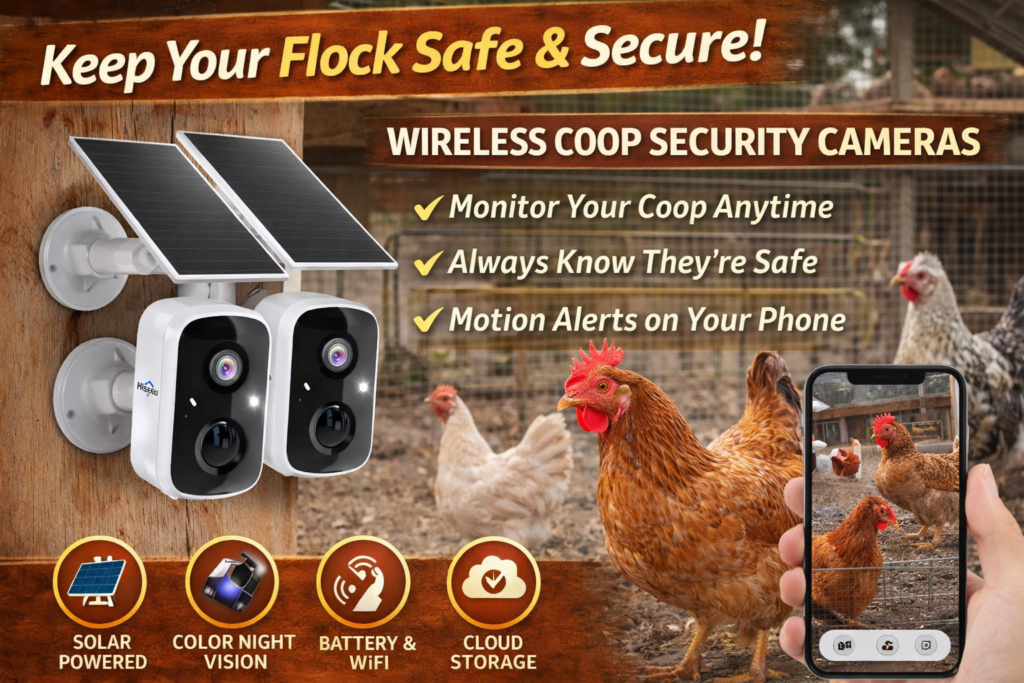
That’s why I like recommending this Hiseeu solar-powered wireless security camera system. It lets you see exactly what’s happening after dark without running electrical wires out to the coop.
You may discover raccoons.
Foxes.
Coyotes.
Or you might find out it’s simply a neighborhood cat checking things out.
Knowing the real visitor makes solving the problem much easier.
Mistake #6: Skipping Routine Maintenance
A predator-proof coop isn’t something you build once and forget about.
Everything outdoors changes.
Wood shrinks and swells.
Screws loosen.
Wire gets bent.
Heavy rain washes away dirt.
Tree limbs fall during storms.
One thing I admired about the chicken run at Weaver Family Farms was how well it was maintained. Nothing looked neglected. Every gate closed properly. The fencing stayed tight. Small issues were clearly fixed before they became bigger ones.
I honestly think that’s one of the biggest reasons the setup has remained so secure.

Mistake #7: Trusting a Chicken Tractor Too Much
Chicken tractors are fantastic tools.
They let chickens enjoy fresh grass.
They reduce muddy conditions.
They help spread manure naturally across your property.
But they’re not automatically predator-proof.
Every time you move one, you’re placing it on different ground.
That means new gaps can appear underneath.
Doors can shift.
Corners may no longer sit flat.
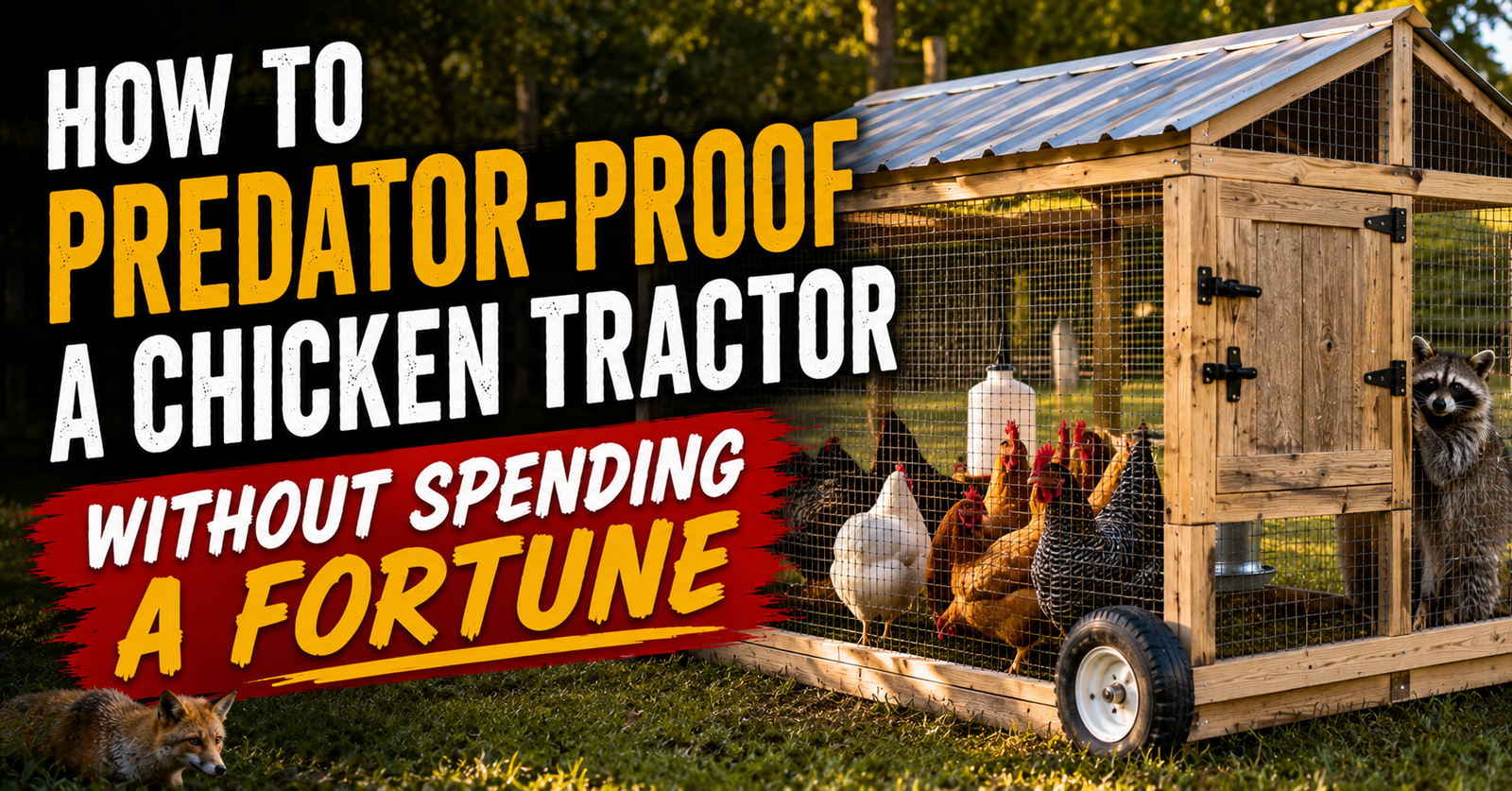
Earlier I shared how to predator-proof a chicken tractor without spending a fortune because a movable coop requires a slightly different way of thinking than a permanent structure.
Never assume it’s just as secure after moving it.
Take a minute to walk around it before your chickens go back inside.
Mistake #8: Waiting Until After You Lose Chickens
This one breaks my heart because it’s so common.
Everything seems fine…
Until one morning it isn’t.
The truth is predators usually leave warning signs long before they make a successful attack.
Fresh digging.
Tracks.
Loose fencing.
Scratches on doors.
Missing eggs.
Nighttime noises.
Those clues are your opportunity to act.
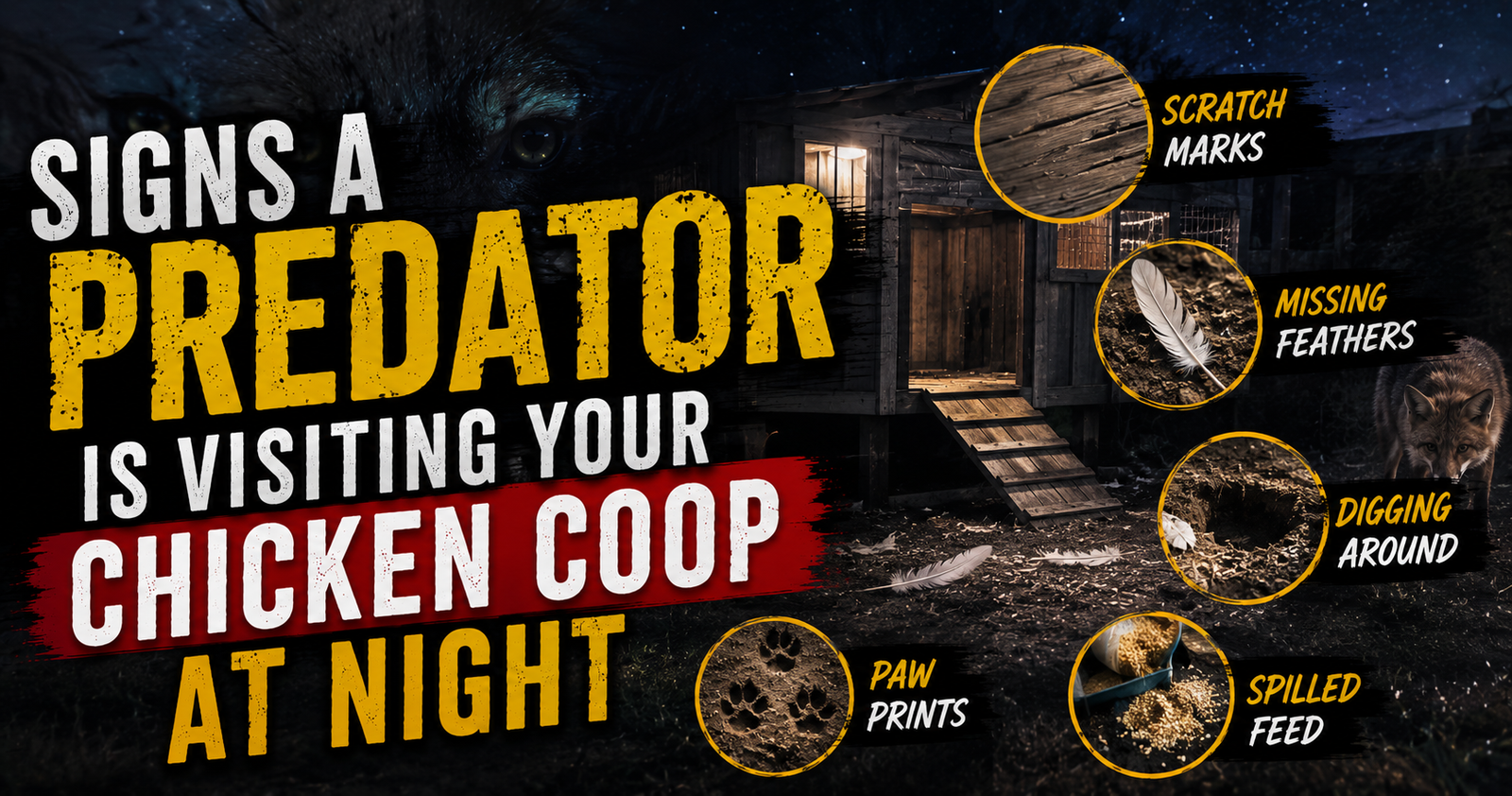
If you’ve started noticing unusual activity around your coop, Signs a Predator Is Visiting Your Chicken Coop at Nightexplains exactly what I look for during my own inspections.
Mistake #9: Thinking One Upgrade Solves Everything
This is probably the biggest misconception I hear.
People ask me:
“Should I buy hardware cloth?”
“Should I install a better latch?”
“Should I bury fencing?”
My answer is usually…
Yes.
But not by themselves.
Predator protection works because several good decisions support one another.
Strong framing.
Quality fencing.
Secure doors.
Covered roofing.
Underground protection.
Routine inspections.
Motion cameras.
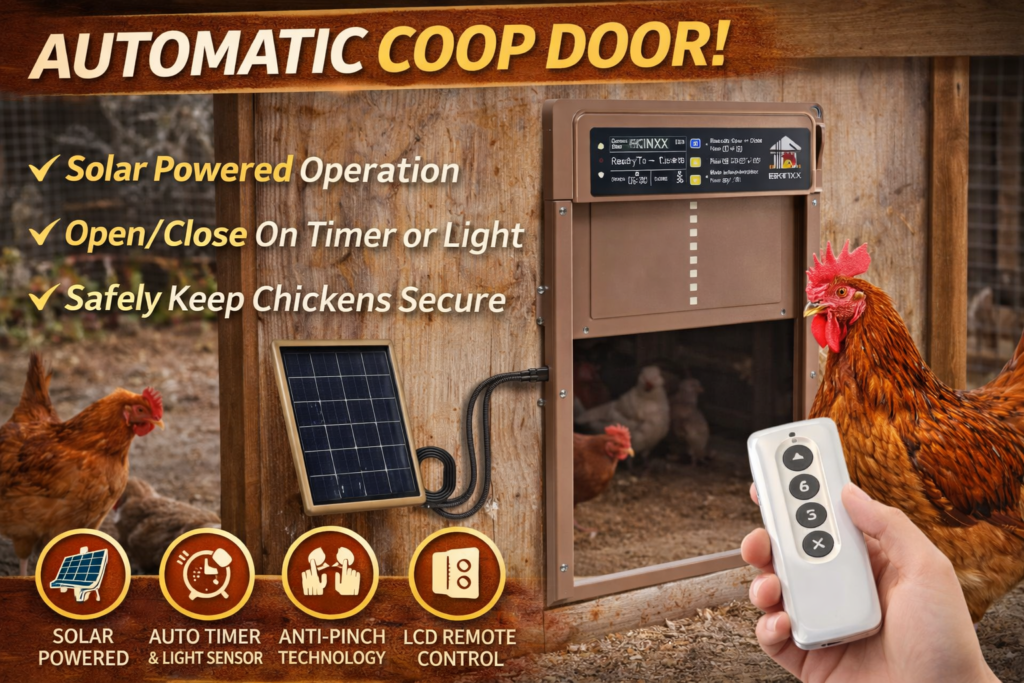
Automatic doors.
Each improvement removes another opportunity for predators to succeed.
That’s exactly what impressed me most while walking through the Weaver Family Farms enclosure.
No single feature made it secure.
Every feature worked together.
Mistake #10: Assuming Every Predator Behaves the Same
Foxes don’t hunt exactly like coyotes.
Coyotes don’t behave like raccoons.
Raccoons don’t attack the way hawks do.
Understanding your local predators helps you spend money where it actually matters.
If raccoons are your biggest problem, stronger latches and smaller fencing openings should move to the top of your priority list.
If coyotes regularly pass through your property, underground protection becomes much more important.
The better you understand the predator, the better you can defend against it.
My Biggest Takeaway After Touring a Truly Secure Chicken Run
Walking through the predator-proof chicken run at Weaver Family Farms changed the way I think about chicken coop security.
Before that visit, I probably focused too much on individual products.
After seeing how everything fit together, I started thinking much more about complete systems.
Nothing had been overlooked.
The frame supported the fencing.
The fencing worked with the underground protection.
The enclosed roof added another barrier.
The doors closed securely.
Every decision made the next one even stronger.
That’s the approach I’d recommend to anyone building or upgrading a chicken coop.
Don’t chase one perfect solution.
Build several good ones that work together.
Frequently Asked Questions
What is the biggest mistake people make when predator-proofing a chicken coop?
Stopping at one improvement. Strong predator protection comes from combining quality fencing, secure latches, underground barriers, covered runs, and regular maintenance.
Is hardware cloth worth the extra money?
For vulnerable areas like doors, windows, vents, and lower sections of the coop, I absolutely think it is. Those are the places predators usually target first.
How often should I inspect my chicken coop?
I recommend doing a quick walk-around at least once a week and another inspection after severe storms or heavy rain.
Do I need a covered chicken run?
In most situations, yes. A covered run adds protection from hawks, climbing predators, and even helps keep adventurous chickens from escaping.
Can a predator-proof coop completely eliminate attacks?
No coop is guaranteed to stop every predator forever, but removing weak points and maintaining your setup greatly reduces the chances of losing chickens.
About the Author
Nathan Holloway
Nathan Holloway specializes in predator prevention, chicken coop construction, and practical backyard flock security. He regularly visits farms, studies real-world chicken housing designs, and learns directly from experienced poultry keepers to discover what works against common predators. Through Backyard Chicken Pro, Nathan shares practical observations, field-tested ideas, and straightforward advice that help backyard chicken owners build safer coops, stronger chicken runs, and better long-term protection for their flocks.