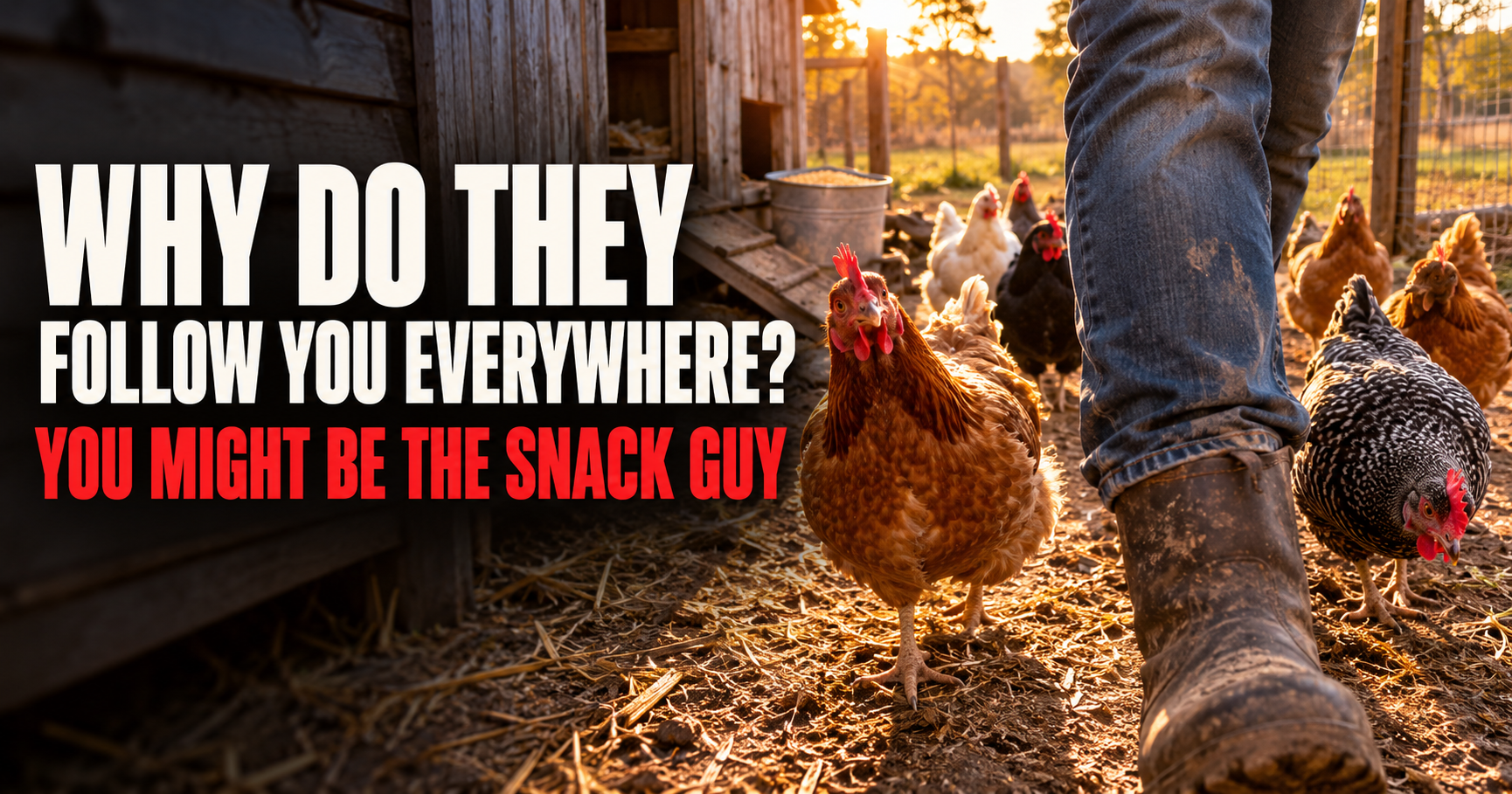
I’ve had chickens spot me from across the yard and suddenly start moving in my direction like I’ve called a meeting I didn’t know about.
One comes running.
Then another notices.
Before long, I’ve got half the flock following behind me while I’m trying to do something completely unrelated to chickens.
If you’ve experienced the same thing, you’ve probably wondered whether they’re following because they like you, because they recognize you, because they’re hungry, or because chickens are simply nosy.
From what I’ve seen, the answer is usually a combination of all of those things.
Chickens learn routines incredibly well. They remember which people bring food, open doors, toss treats, refill water, and let them into interesting parts of the yard. They also become comfortable around familiar people, and research has increasingly shown that chickens can respond differently to familiar human cues and can form positive associations with regular human interaction. ScienceDirect
But I don’t think every chicken following you should automatically be translated into “my chicken loves me.”
Sometimes you’re their favorite person.
Sometimes you’re basically a walking feed bucket.
Usually, you’re a little of both.
Food Is Usually the First Reason I Suspect
I’ll start with the obvious one.
Chickens are extremely food motivated.
If you’re normally the person carrying feed, throwing treats, opening the run, or bringing kitchen scraps, your flock learns that pretty quickly.
I’ve watched chickens completely ignore one person walking across a yard, then suddenly take off running when the person who normally feeds them appears.
That isn’t random.
They’ve learned an association.
Person appears = something interesting might happen.
Sometimes that “something” is food.
The funny part is that they don’t necessarily wait until they actually see food.
You can walk outside empty-handed and still get the whole welcoming committee.
They’ve learned your routine well enough that simply seeing you can be enough to trigger the response.
Research published in Poultry Science has even found that chickens with positive human contact can associate people with rewarding outcomes and may use human presence or cues when looking for food. ScienceDirect
That’s pretty close to what many backyard chicken owners see every day.

Chickens Learn Your Routine Better Than You Think
This is the part that really stands out when you keep the same flock for awhile.
Chickens notice patterns.
What time you come outside.
Which door you use.
Where the feed is stored.
What bucket means treats.
Where you usually walk.
I’ve had birds start gathering before anything was actually happening simply because they recognized part of the routine.
They aren’t reading a clock.
They’re learning patterns in their environment.
That’s why chickens may begin following you as soon as you step outside even though you haven’t called them.
They’ve seen this movie before.
And they already know the part where something good usually happens.
Yes, Your Chickens Probably Recognize You
This is where following gets more interesting.
I’ve never believed chickens simply see every human as one giant interchangeable creature.
Their behavior around familiar people is often too different.
Research supports the idea that chickens can distinguish familiar from unfamiliar human cues, including human voices. A 2024 study found that domestic chicks could discriminate between familiar and unfamiliar human voices, even at relatively young ages. ScienceDirect
That doesn’t mean they’re identifying us exactly the way another person would.
But they clearly process familiarity.
I’ve seen the practical version of that around backyard birds.
A chicken that’s comfortable around the person caring for her may walk right over.
The same bird may keep several feet of distance from a visitor.
That’s why I think it’s completely reasonable to say chickens can learn who their regular caretaker is.
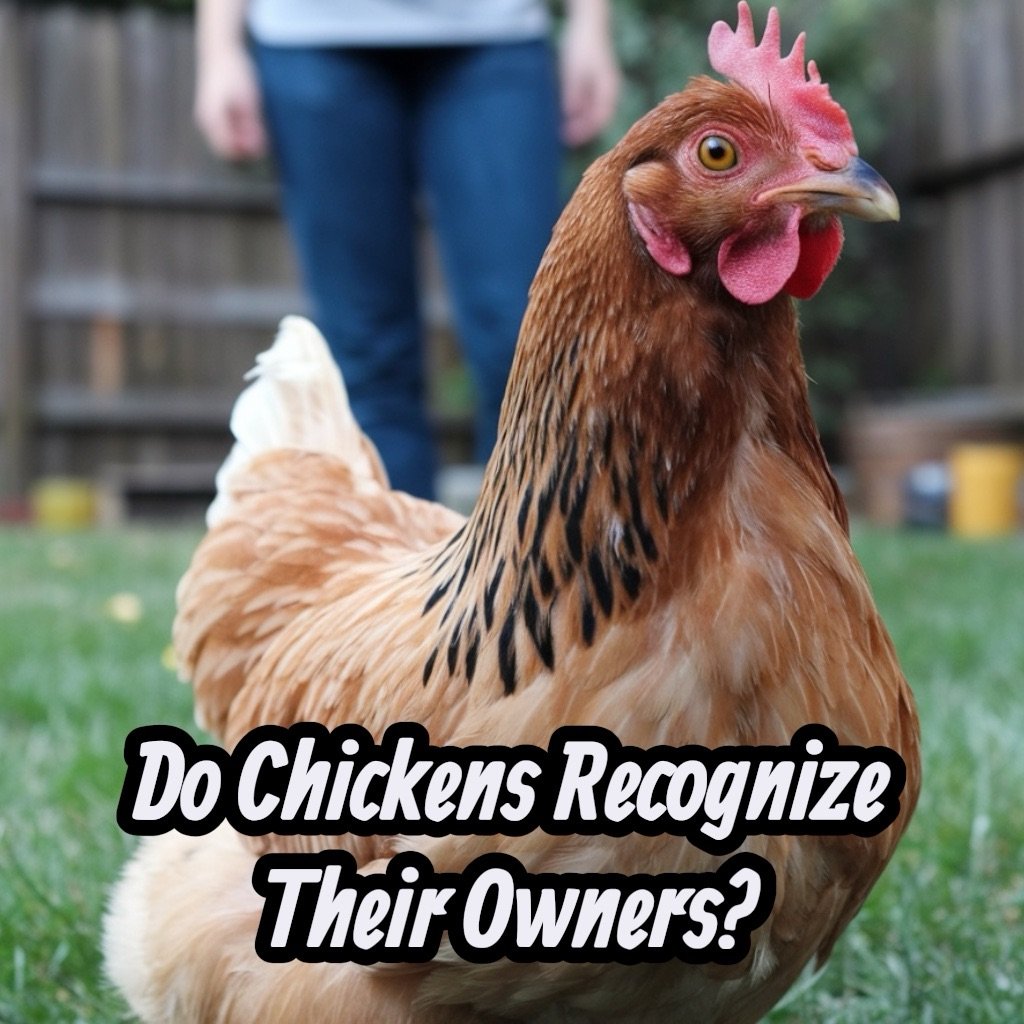
Our article on whether chickens recognize their owners and how that bond develops goes deeper into that side of the behavior.
Following You Doesn’t Always Mean They’re Hungry
This took me longer to appreciate.
There are times I’ve seen chickens follow even after they’ve already been fed.
The feeder isn’t empty.
Nobody is starving.
There’s no obvious treat coming.
Yet there they are.
Following.
Sometimes I think we’re simply interesting to them.
Chickens spend a huge part of their day investigating their surroundings.
They scratch.
Peck.
Watch.
Listen.
Follow other flock members.
If you’re walking through their territory turning over objects, opening gates, moving buckets, or messing around near the garden, you may be creating opportunities.
Maybe you’ll expose a worm.
Maybe you’ll move something with bugs underneath.
Maybe you’ll open access to another area.
From a chicken’s point of view, following the giant human around isn’t necessarily a bad strategy.
I’ve Noticed the Boldest Chickens Usually Arrive First
Not every chicken reacts the same way.
Some birds practically run into your legs.
Others hang back.
Some will follow you across the entire property.
Others come within ten feet, decide that’s close enough, and wait to see what happens.
That’s personality.
I’ve noticed the more confident birds are often the first to approach something new.
Then the rest of the flock watches them.
Once one chicken decides something is safe, several others may follow.
That’s why you’ll sometimes see one hen come running toward you and suddenly the entire group changes direction.
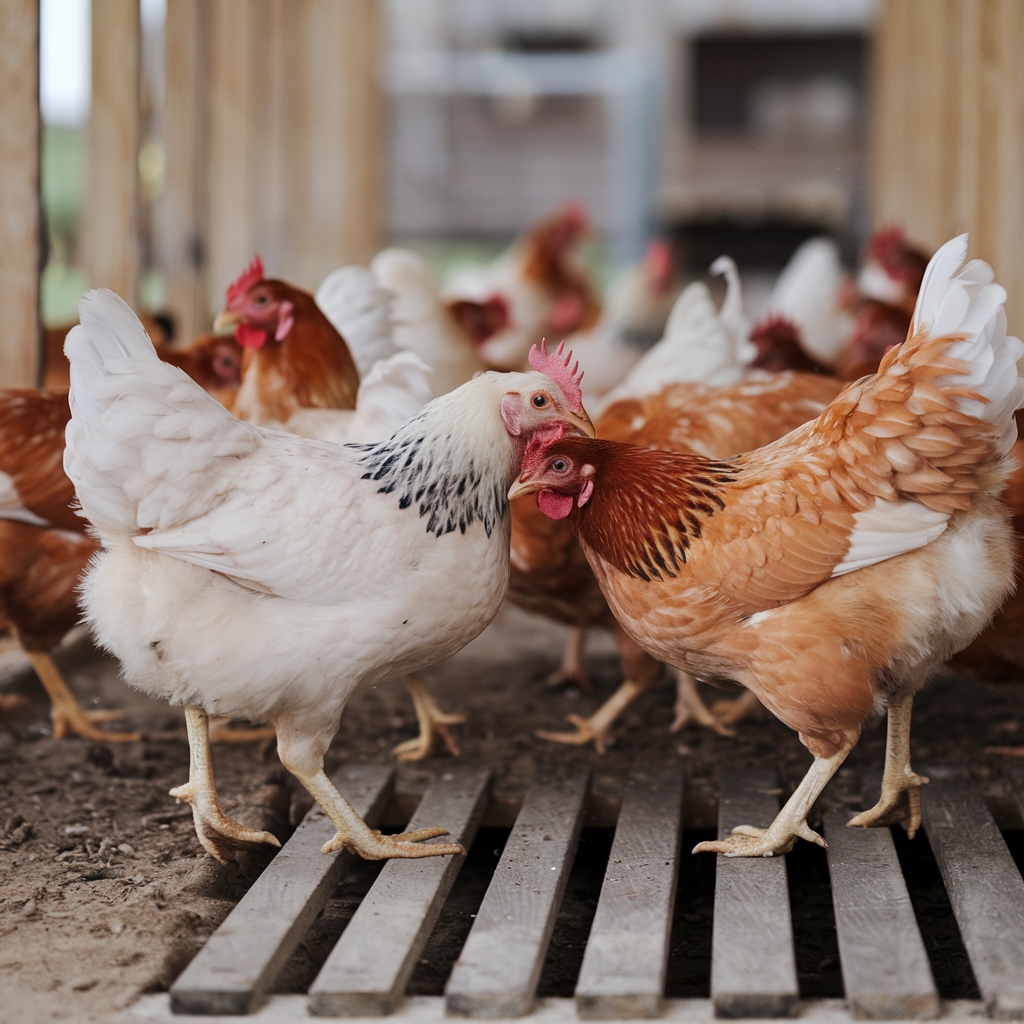
Chickens pay attention to each other.
One bird’s decision can influence the rest.
Sometimes They’re Following the Flock, Not You
This is another distinction I think gets overlooked.
Suppose one hen associates you with treats.
She runs toward you.
Three other chickens see her running.
They follow her.
Now five more follow them.
Suddenly you’ve got twelve chickens behind you.
Did all twelve independently decide you’re their favorite person?
Probably not.
Some are following you.
Some are following chickens that are following you.
That’s flock behavior.
Chickens are social animals, and staying aware of where other flock members are going makes sense for them.
This also explains why one bold chicken can teach the entire flock a routine incredibly quickly.

Positive Handling Can Make Chickens More Comfortable Around You
Chickens that are handled calmly and regularly often behave differently around people than birds that have had very little positive human contact.
That doesn’t surprise me at all.
If every interaction with you means being chased, grabbed, frightened, or cornered, why would a chicken want to follow you?
If your presence usually means food, fresh water, gentle handling, interesting places, and no reason to panic, the association becomes very different.
Recent research found that chickens receiving positive physical contact with a familiar experimenter showed calmer behaviors around that person than chickens receiving minimal human contact. ScienceDirect
I’ve found the same basic idea makes sense in an ordinary backyard.
You don’t have to force chickens to become pets.
Simply being calm and predictable around them goes a long way.
Treats Can Turn You Into the Most Popular Person on the Farm
If you really want to see how quickly chickens can learn to follow someone, shake a container of treats a few times.
They figure that sound out fast.
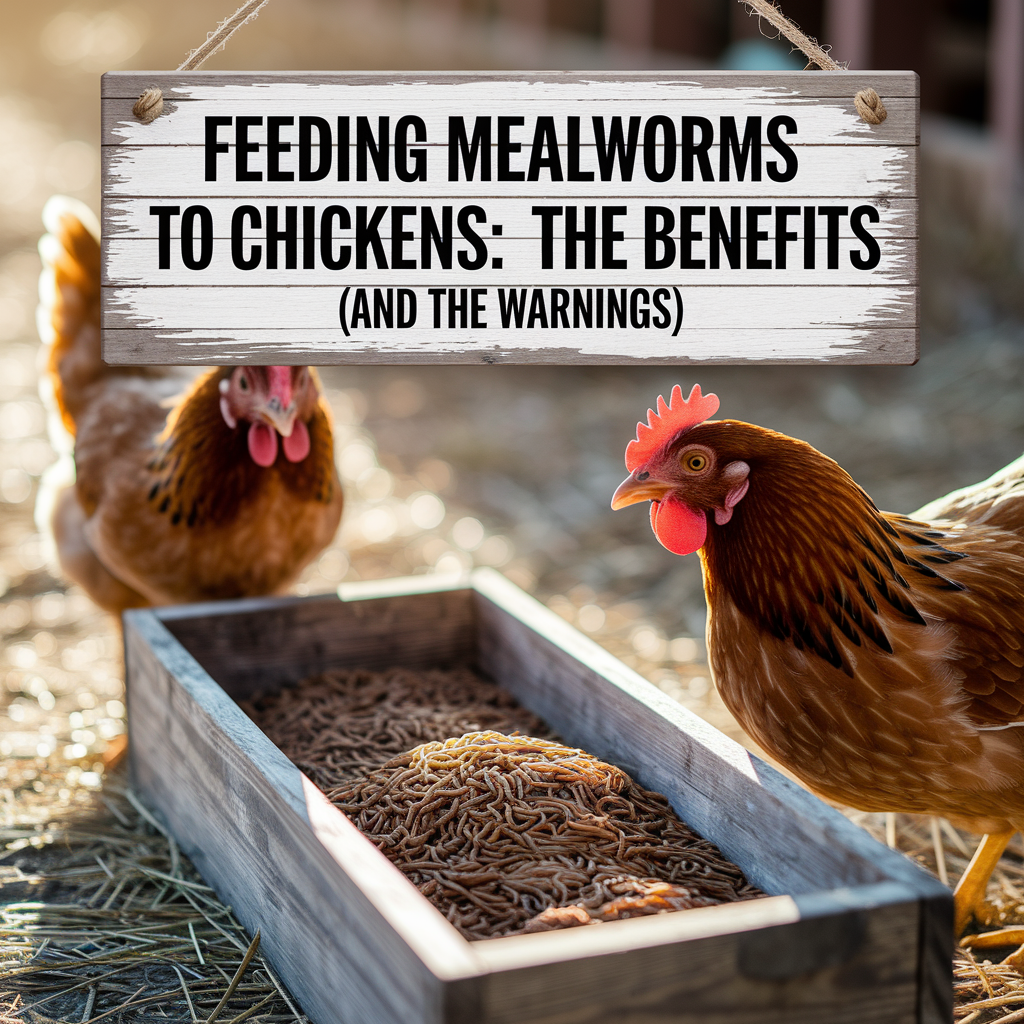
Mealworms are one of those treats chickens tend to get extremely excited about. We already have a full guide on feeding mealworms to chickens and the benefits and warnings I’ve learned, because treats are useful but shouldn’t replace balanced feed.

Another treat option I’ve used for variety is dried black soldier fly larvae for chickens. They’re the kind of high-value treat that can be useful when you want your flock to associate coming toward you with something positive.
I just don’t hand out treats every single time chickens follow me.
Otherwise you may accidentally train them to expect payment every time you step outside.
And chickens can be surprisingly demanding little employees.
Following You Can Make Flock Management Much Easier
This behavior isn’t just cute.
It’s useful.
A flock that’s comfortable following you can be much easier to move.
Instead of chasing ten chickens around the yard, you can often get their attention and simply walk toward where you want them to go.
Feed helps.
Treats help.
Routine helps even more.
If my chickens already expect something good to happen when I move toward the run, getting everyone back inside becomes much easier.
That’s far less stressful than trying to catch individual birds.
Chickens May Follow You Because They Feel Safer Around You
I think this is where backyard observations and newer research get particularly interesting.
Humans obviously aren’t chickens.
But familiar humans can become a predictable part of a chicken’s environment.
A 2025 study found that chickens receiving positive human interactions showed calmer behaviors in the presence of the familiar experimenter, and the researchers described the human as potentially acting as a kind of social buffer in stressful situations. ScienceDirect
A newer 2026 study also reported breed differences in how hens responded to humans and flockmates during social-buffering tests. ScienceDirect
I wouldn’t stretch those studies into saying your hen thinks you’re another chicken.
That’s not what they prove.
But they do reinforce something backyard chicken keepers have noticed for a long time.
Familiar, positive people can matter to chickens.

Does Following Mean My Chicken Loves Me?
This is one of those questions where I think people sometimes want a cleaner answer than chicken behavior can give us.
I wouldn’t look at a hen following me and claim I’ve scientifically proven chicken love.
But I also wouldn’t dismiss it as meaningless.
A chicken choosing to approach you rather than avoid you tells you something.
She’s comfortable with your presence.
She may recognize your routine.
She may associate you with positive outcomes.
She may simply be curious.
She may be looking for food.
And yes, there may be a social component to that familiarity too.
Those explanations can all exist at the same time.
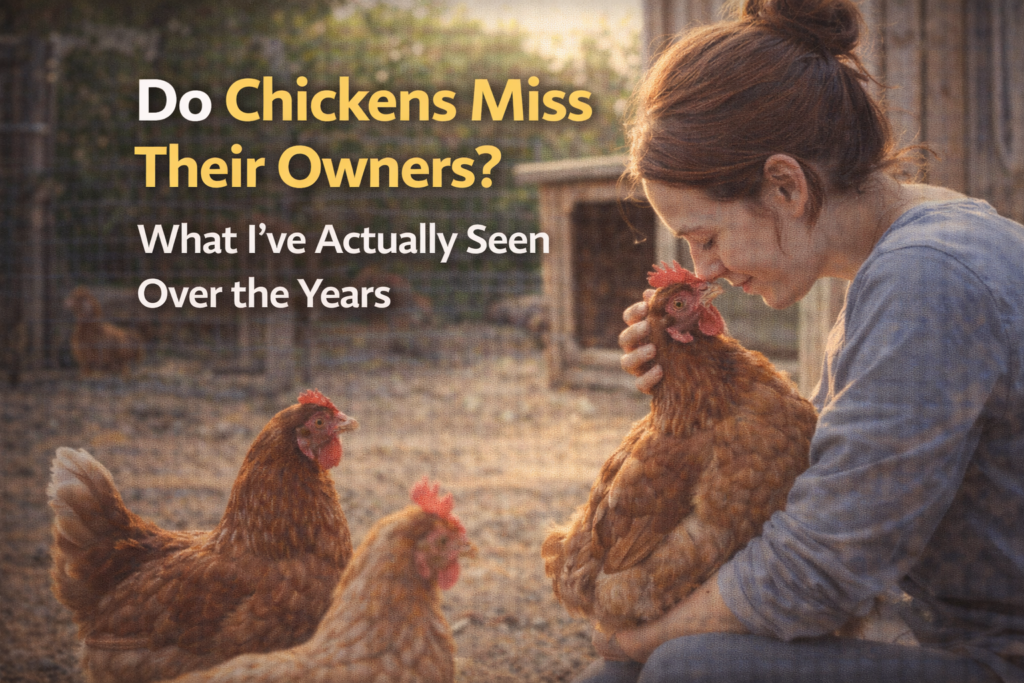
If you’re wondering about the stronger question of whether chickens actually notice when their regular caretaker is gone, our article on whether chickens miss their owners and what I’ve actually seen tackles that separately.
That’s important because I don’t want this article competing with that one.
Following and missing someone are two different questions.
Why Does One Chicken Follow Me More Than the Others?
This is normal.
Just like dogs, cats, livestock, and people, chickens have different temperaments.
Some are naturally bold.
Some are cautious.
Some investigate everything.
Some would rather let another chicken check it out first.
Breed may play a role too. Research into chicken-human relationships has found differences among breeds in how strongly chickens respond to human presence and social cues. ScienceDirect
But even within the same breed, I’ve seen noticeable differences between individual chickens.
You may have one hen that acts like your shadow and another that has lived with you for years and still keeps a respectful distance.
Both can be perfectly normal.
Why Does My Chicken Follow Me and Squat?
Now we’re combining two behaviors.
If a mature hen follows you and then suddenly crouches when you reach toward her, the following and squatting don’t necessarily mean the same thing.
She may have followed you because she recognizes you or expects something interesting.
The squat itself is generally associated with reproductive and submissive behavior in mature hens.
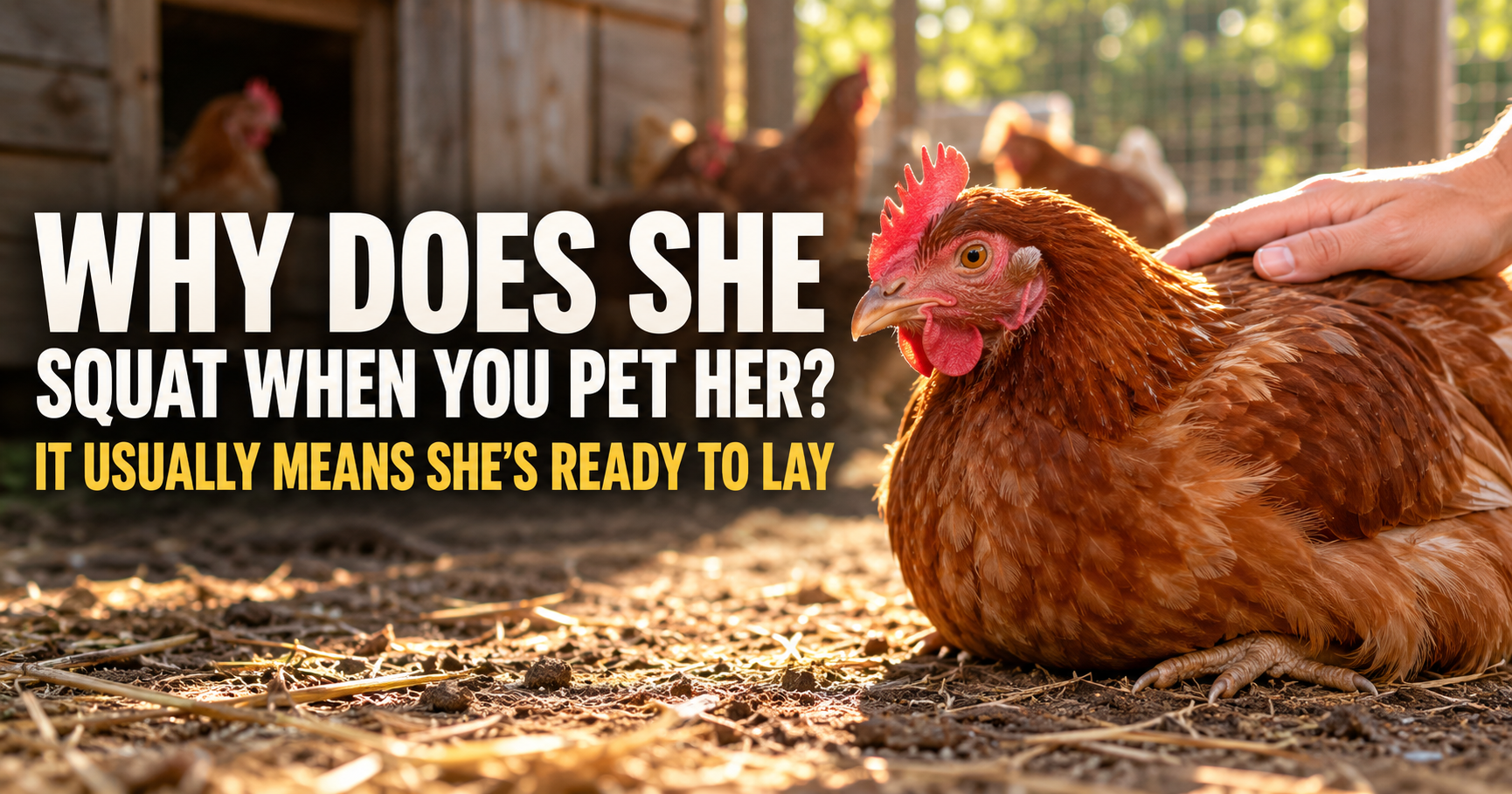
We just covered that in detail in why chickens squat when you pet them and what the behavior actually means.
Seeing both behaviors together is common enough, especially with tame laying hens.
Why Does My Chicken Follow Me and Make Noise?
This depends heavily on the sound.
Some chickens chatter constantly.
Others seem to announce every thought they’ve ever had.
If your hen follows you while making quiet conversational sounds, I generally take the whole situation into account.
Is she relaxed?
Walking normally?
Looking around?
Searching for food?
Then I’m probably seeing normal communication and excitement.
If she’s making loud alarm calls, staring intensely in one direction, or acting frightened, something else may have her attention.
Chicken sounds deserve their own detailed cluster eventually because there’s a surprising amount of information hidden in them.
Why Do My Chickens Run Toward Me?
Running is usually the enthusiastic version of following.
They’ve spotted you.
They’ve learned what you represent.
And they don’t want to miss whatever might happen next.
I’ve had chickens move faster toward the possibility of a snack than they seem willing to move for almost anything else.
That doesn’t mean they’re starving.
It means chickens are opportunists.
If there’s even a chance you’re carrying something good, getting there first may pay off.
This can also be influenced by competition within the flock. A hen that waits too long may watch another bird get the best treat.
So everyone runs.
Do Chickens Know Their Names When They Follow You?
Not necessarily.
A chicken following you and a chicken responding to a familiar sound are different behaviors.
Chickens can learn associations with sounds and routines. Whether we interpret that as “knowing a name” depends on exactly what response we’re observing.
We already have a dedicated article on whether chickens know their names and what the science suggests, so I wouldn’t try to turn this article into another version of that discussion.
That’s exactly how we’re keeping this new behavior cluster from cannibalizing the older pages.
Following Can Become Annoying Around Your Feet
There’s one downside nobody warns you about.
Chickens are not always good at staying out from under your boots.
Once you’ve got a tame flock following closely, you need to pay attention to where you’re stepping.
I’ve had birds dart directly in front of where I’m walking because they’re watching my hands instead of my feet.
When I’m carrying something heavy, I slow down.
The chickens aren’t trying to trip me.
They’re simply extremely interested in whatever they think I’m doing.
Don’t Reward Aggressive Behavior
Following is one thing.
Demanding food aggressively is another.
I don’t mind chickens gathering around me.
I do mind a bird repeatedly jumping at me, aggressively pecking hands, or a rooster challenging people.
Those behaviors shouldn’t be encouraged simply because we’ve trained the flock to associate humans with food.
Treats work best when the flock is calm.
If everybody is mobbing you, sometimes waiting until they settle down before rewarding them is enough to prevent the routine from becoming chaos.
A Chicken Suddenly Not Following Me Can Sometimes Tell Me Something
This is one reason knowing normal behavior is so useful.
If your most outgoing hen normally sprints toward you every morning and suddenly doesn’t get up when you arrive, I notice that.
One missed greeting isn’t automatically a health emergency.
Maybe she’s laying.
Maybe she’s dust bathing.
Maybe she’s busy with something interesting.
But if the normally food-obsessed bird stops approaching, stops eating, stays away from the flock, and acts lethargic, now I have several changes happening together.
That’s when I start looking closer.
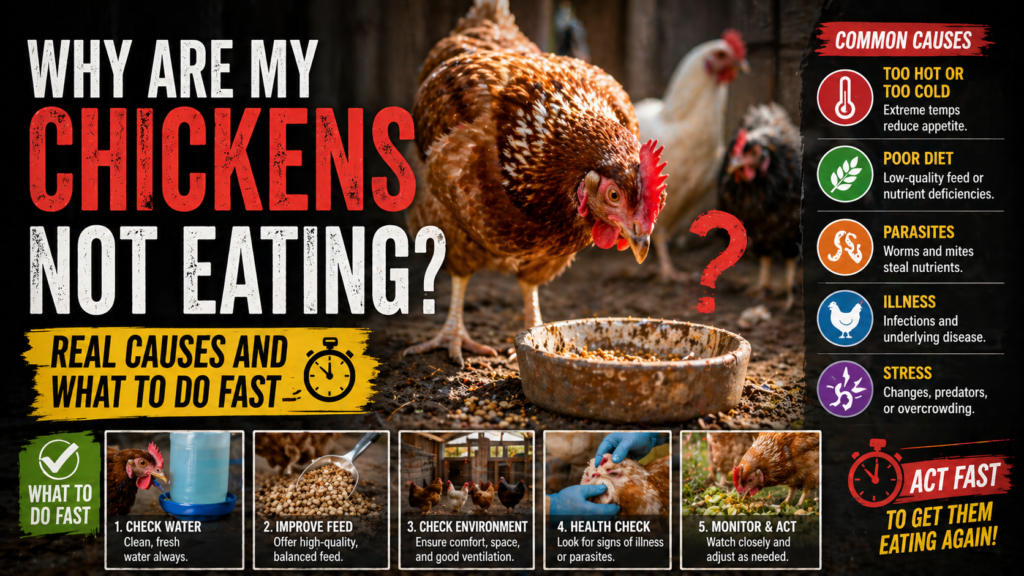
Our guide on why chickens sometimes stop eating and what I check first is much more appropriate if appetite and activity have changed too.
I’ve Learned More by Watching Normal Chickens Than Sick Ones
This is something I keep coming back to in this behavior cluster.
Spend time with chickens when absolutely nothing is wrong.
Watch who follows you.
Who hangs back.
Who arrives first for food.
Who squats.
Who talks constantly.
Who dust bathes in the same place.
Who gets bossed around.
That becomes your baseline.
Then when behavior changes, you aren’t comparing your chicken to an internet checklist.
You’re comparing her to herself.
I think that’s far more useful.
What I Think Your Chickens Are Actually Saying When They Follow You
I don’t think every flock following its owner is expressing one single thing.
What I see is a collection of learned behaviors.
They recognize a familiar human.
They’ve learned routines.
They associate that person with food and access to interesting things.
They may feel more comfortable around someone who’s consistently treated them calmly.
They’re curious.
And because they’re social animals, once one chicken starts moving, the others often join in.
So when a line of hens trails behind you across the yard, I wouldn’t reduce it to:
“They just want food.”
Food is probably part of it.
But there’s more going on than that.
Your chickens have learned that you matter in their environment.
And personally, I think that’s one of the more enjoyable parts of keeping a flock.
Frequently Asked Questions
Why does my chicken follow me everywhere?
Most chickens follow familiar people because they’ve learned to associate them with food, treats, access to new areas, or other positive experiences. Curiosity and familiarity can contribute too.
Does my chicken following me mean she likes me?
It at least suggests she’s comfortable approaching you. Food motivation can be a major part of the behavior, but chickens can also form positive associations with familiar humans. Research has found calmer behavior around familiar humans following positive interactions. ScienceDirect
Why do my chickens run toward me when I come outside?
They’ve probably learned your routine and expect something rewarding or interesting to happen when you appear. Chickens are excellent at learning repeated associations.
Can chickens recognize one person from another?
Evidence suggests chickens can distinguish familiar from unfamiliar human cues. Research has shown chicks can discriminate familiar and unfamiliar human voices, and other work has demonstrated different behavioral responses depending on human contact. ScienceDirect
Why does only one of my chickens follow me?
Individual personality, breed, past handling, confidence, and food motivation can all affect how willing a chicken is to approach and follow people.
Should I give my chickens treats whenever they follow me?
I wouldn’t. Treats are useful for building positive associations and moving a flock, but chickens still need balanced feed as the main part of their diet.
Why did my chicken suddenly stop following me?
A temporary change may mean nothing. If a normally eager chicken also stops eating, becomes lethargic, isolates herself, or develops other symptoms, I’d look more closely at her health and behavior.
About the Author
Megan Whitaker writes about chicken behavior and flock dynamics for Backyard Chicken Pro, focusing on the everyday habits that make people stop and wonder what their chickens are thinking. Her work combines firsthand observation of real flock behavior with poultry research and practical lessons from experienced chicken keepers, helping readers understand what is normal, what chickens learn from us, and which changes deserve a closer look.