
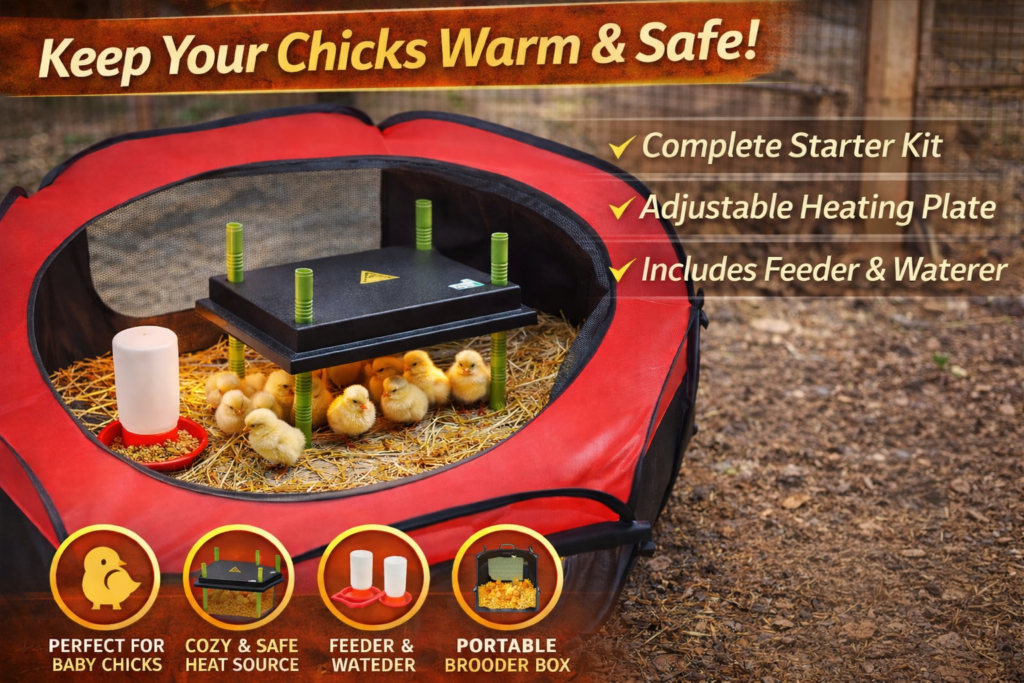
This Chick Brooder Kit Took All the Guesswork Out of Raising Chicks
Simple all-in-one chick brooder setup with heat plate feeder and waterer for safe and easy chick raising.
Simple all-in-one chick brooder setup with heat plate feeder and waterer for safe and easy chick raising.
A cracked egg can turn one curious peck into a flock-wide habit. Calcium-rich feed, free-choice oyster shell, more frequent collection, darker nesting boxes, and ceramic eggs helped stop my hens from losing breakfast to yolk-thieving beaks.

That first egg may follow a $6,000 investment once coop construction, predator-proofing, heated water, feed, bedding, repairs, and chicken math take over. The practical ways to spend less include repurposing materials, buying in bulk, and choosing solid basics instead of replacing cheap gear.

A chicken holder bag keeps wings contained while leaving the head and legs accessible, turning nail trimming, mite checks, and injury inspections from a wrestling match into calm, controlled flock care. It is especially handy when a nervous bird needs moving quickly.

Letting hens roam can cut feed use by 30, 50%, reduce coop cleaning, and turn your flock into a team of bug hunters. These seven advantages explain what free ranging actually improves and where grit, fencing, predators, and supplemental feed still matter.

Mealworms can help hens through molt, support steadier laying, and turn a dull afternoon into a full chicken stampede. The trick is keeping them after the main feed and limiting portions to about 10 to 15 dried worms per bird.
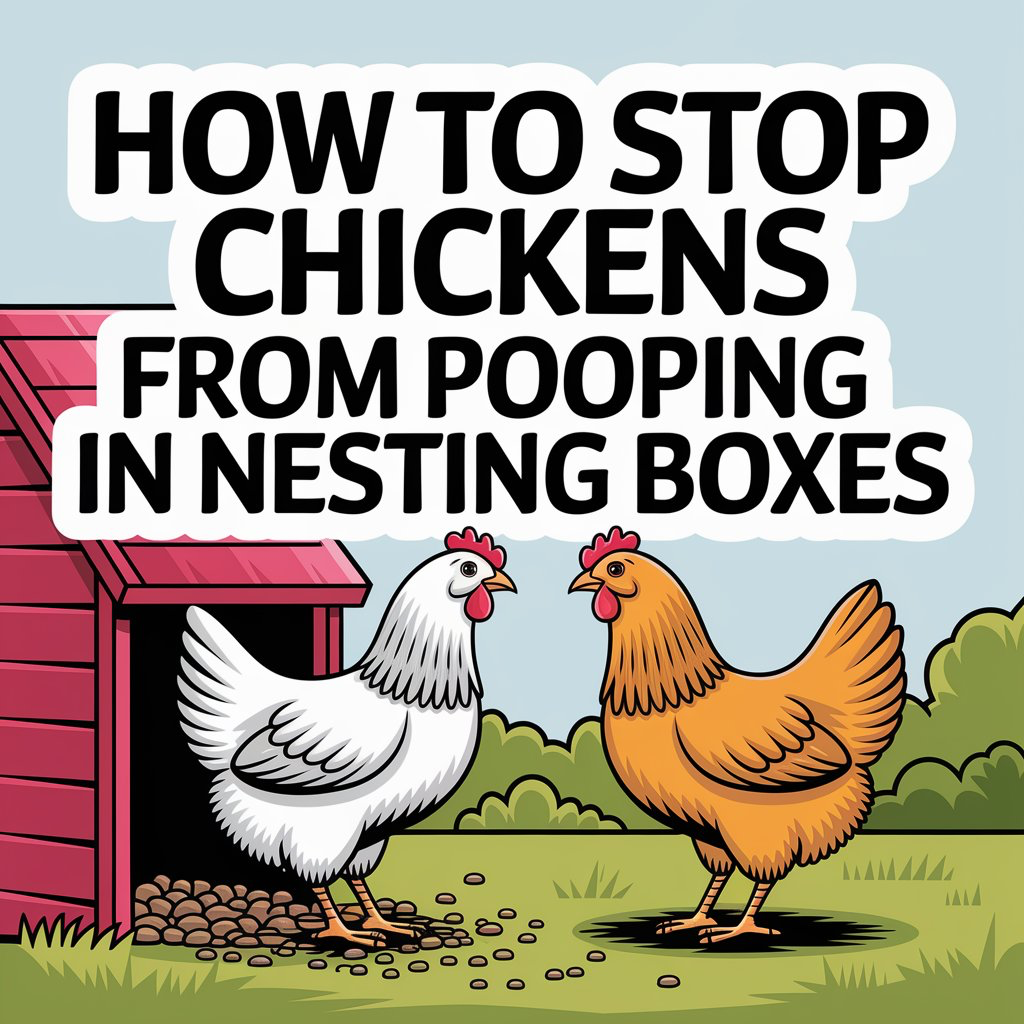
The biggest fix is getting chickens to sleep somewhere other than the nesting boxes. Raise flat 2×4 roosts 18, 24 inches above the boxes, block the entrances after dusk for 7, 10 days, and your poop-covered eggs may become a thing of the past.

Six tiny feathered tornadoes can turn a brooder into a swamp, but this adjustable top-fill feeder and waterer stays upright, keeps bedding drier, and holds enough for 4 to 8 chicks. Setup and cleaning tips make the first weeks far less chaotic.
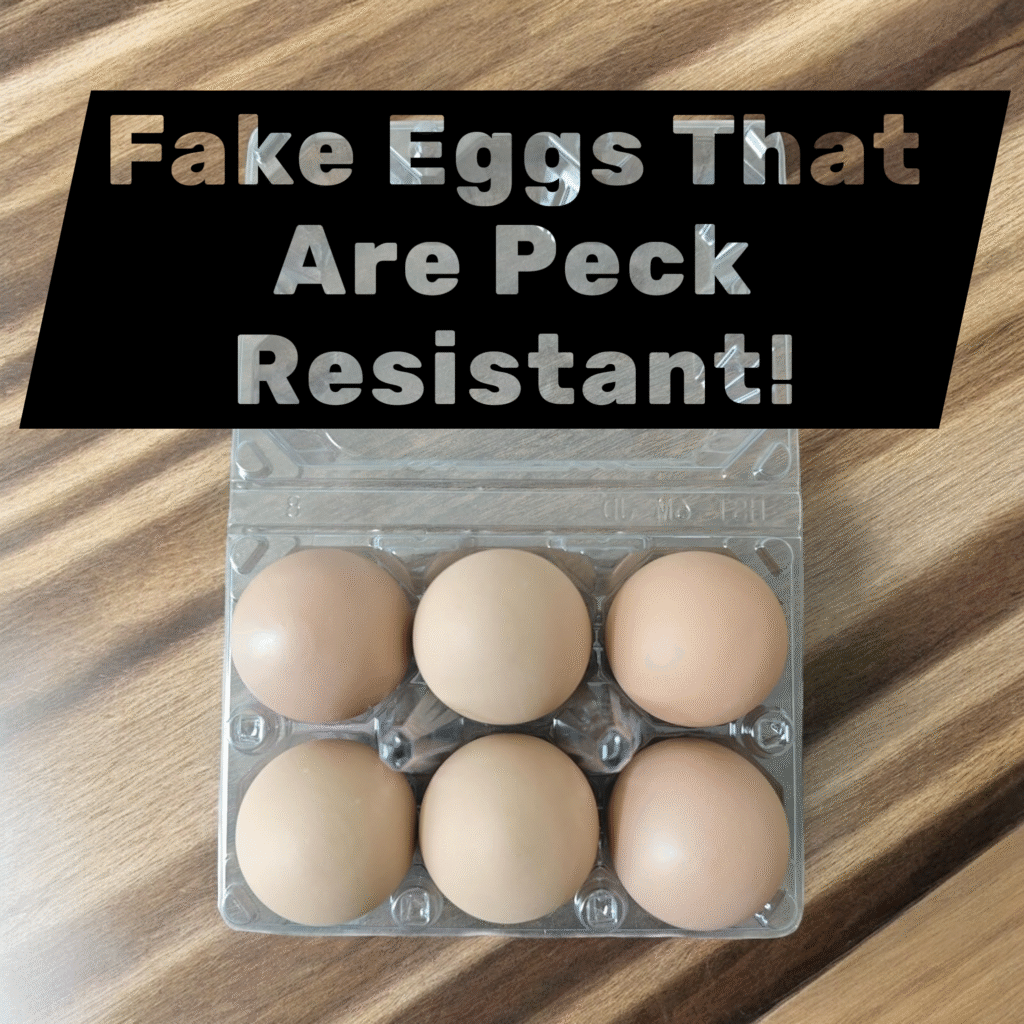
I used to hunt for eggs behind feed barrels and under the coop ramp. A few realistic ceramic eggs helped my hens return to the nesting boxes, discouraged egg eating, guided new layers, and even revealed when one was genuinely broody.
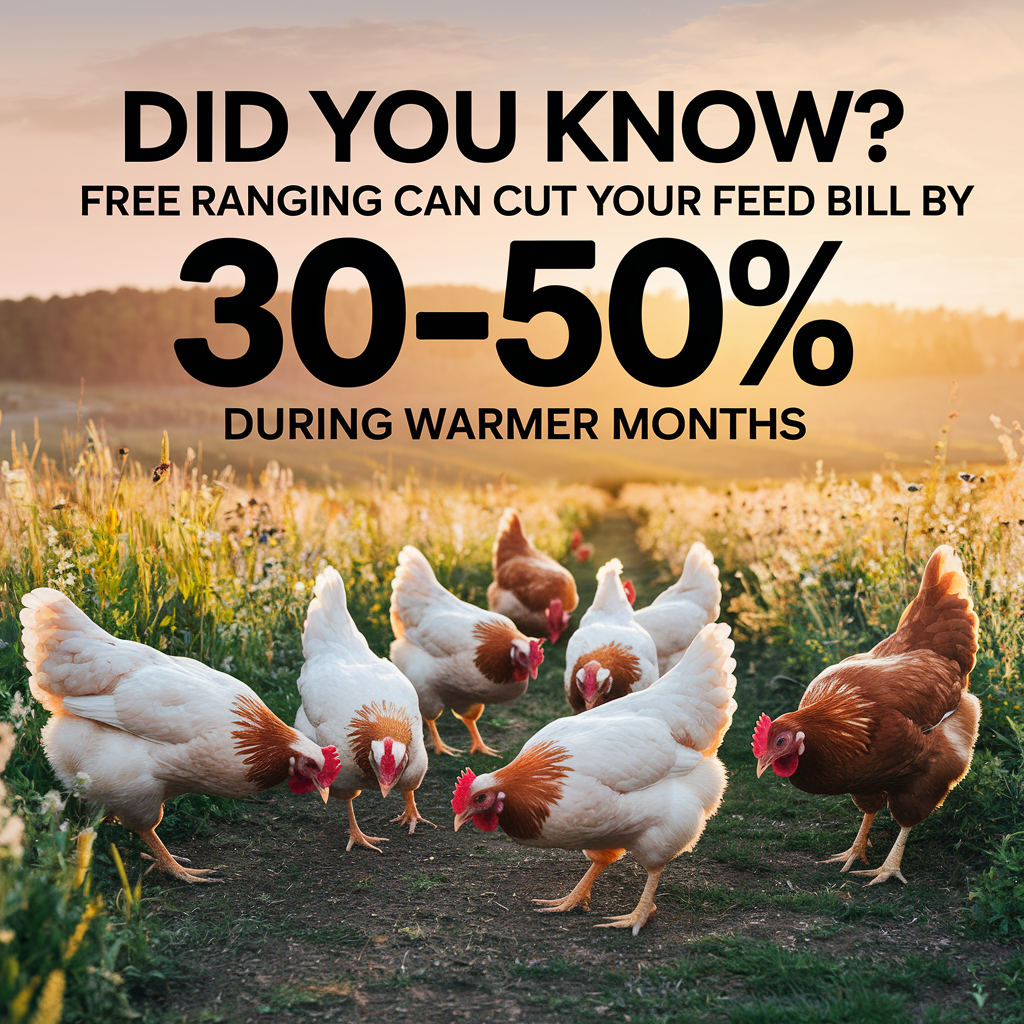
Letting chickens forage on the land can shrink the amount of purchased feed they need by up to 50 percent. Their natural menu may do more of the feeding work.
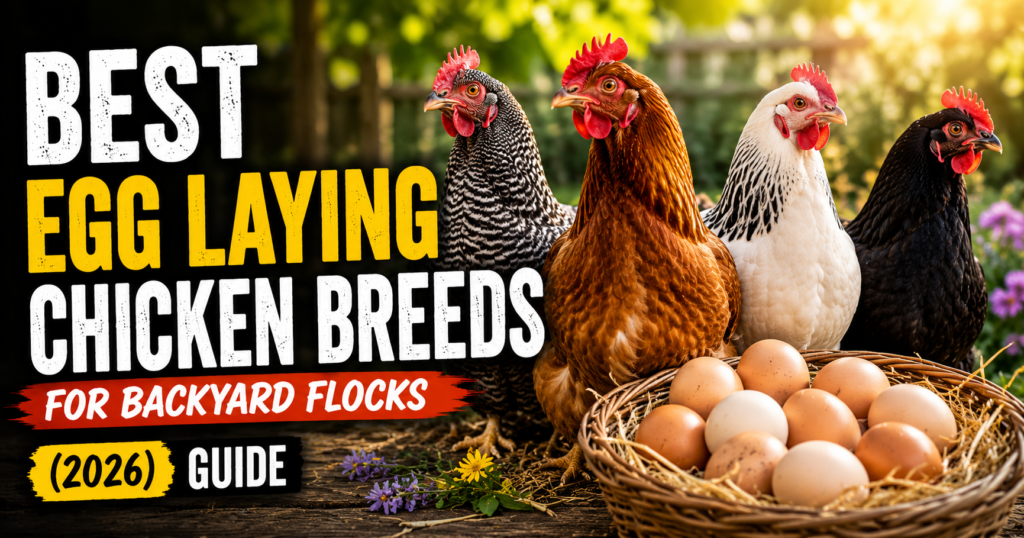
The breed you choose determines how many eggs you actually get. Here are the best egg laying chicken breeds for backyard flocks — ranked by production, temperament, and real-world performance.

Why do chickens eat feathers? Turns out they’re on a wild protein hunt! Discover the crazy reasons behind your backyard hen’s pecking spree!