When people start building a chicken run, they usually focus on one thing.
The fence.
They spend weeks deciding whether to use chicken wire or hardware cloth, how tall the fencing should be, and whether they should bury wire around the perimeter.
Those are all important decisions.
But after visiting Weaver Family Farms and walking through one of the most secure chicken runs I’ve seen, I realized there’s another area that’s often overlooked.
The roof.
As Daxon walked me around the enclosure, one thing immediately stood out.
The protection didn’t stop at the sides.
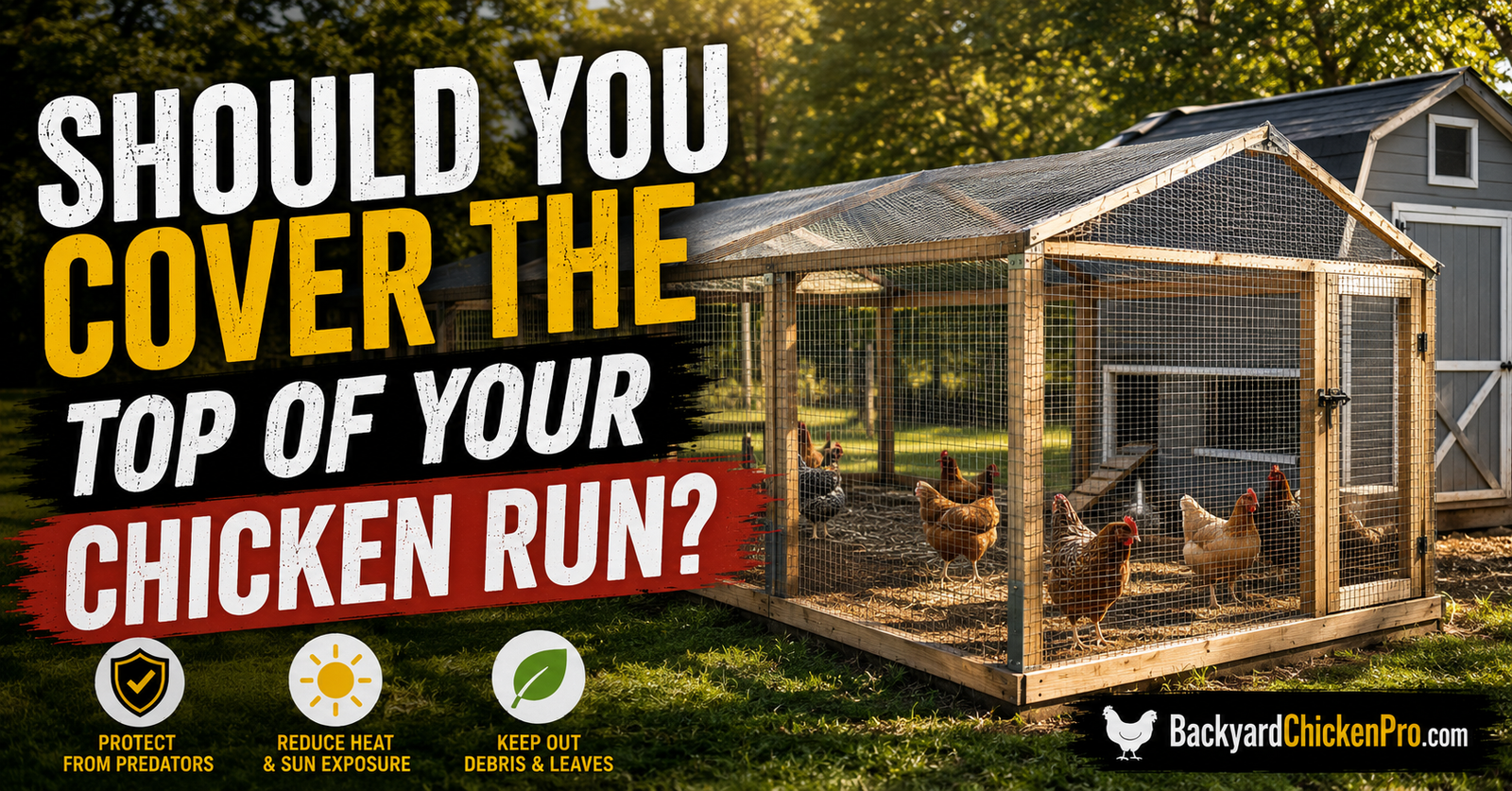
The entire top of the run was enclosed.
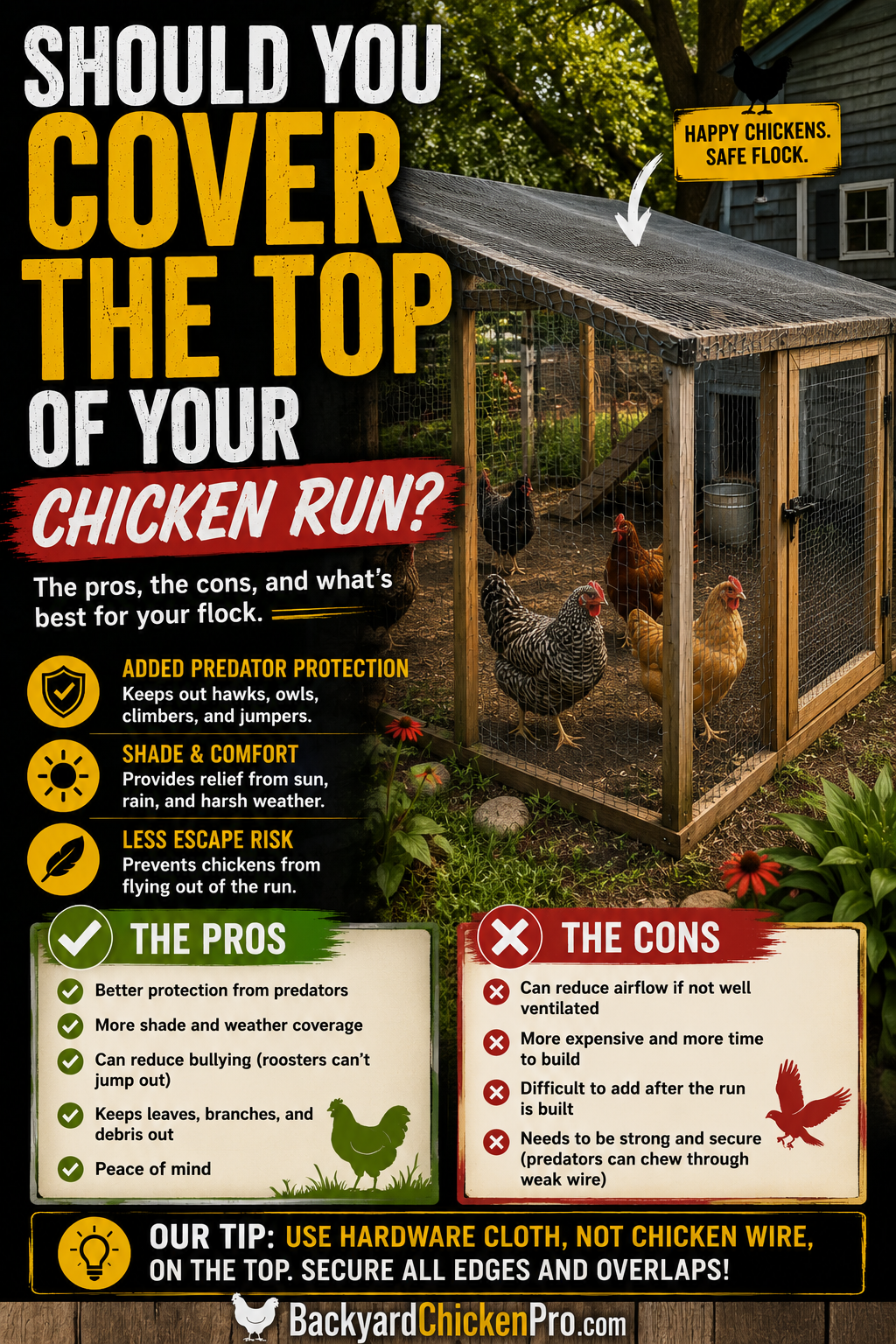
That simple decision doesn’t just help protect chickens from hawks. It also makes it much harder for climbing predators to find a way inside while adding another layer of overall security.
It reminded me that predator protection isn’t about building one really strong wall.
It’s about removing every easy opportunity.
Hawks Aren’t the Only Reason to Cover the Top
Most people think of hawks first.
That’s understandable.
Aerial predators can swoop into an open run before chickens have much time to react.
But they’re not the only concern.
Depending on where you live, an uncovered run may also give climbing predators another opportunity to investigate your flock.
A covered roof creates one more obstacle.
The harder you make your coop to access, the more likely predators are to move on and search somewhere else. A fully enclosed run is one of the most effective ways to reduce risk from above while also discouraging climbing animals.
Walking Through a Fully Enclosed Run Changed My Perspective
Pictures don’t really show how different a fully enclosed chicken run feels until you’re standing inside one.
At Weaver Family Farms, every section of the roof was protected.
Nothing had been left open.
Looking up from inside the enclosure gave me a completely different appreciation for the design.
The run felt finished.
Secure.
Purpose-built.
It wasn’t just built to keep chickens from wandering away.
It was built expecting predators to eventually investigate from every direction.
That visit reinforced something I’ve learned over the years.
It’s much easier to prevent problems than fix them after losing birds.
If you haven’t seen the entire project yet, I’d recommend reading How a 10×75 Predator-Proof Chicken Run Was Builtbecause it explains how every layer of protection works together instead of relying on a single feature.
What Should You Use to Cover the Top?
There’s no single perfect material.
The best choice depends on your budget, your predators, and the size of your run.
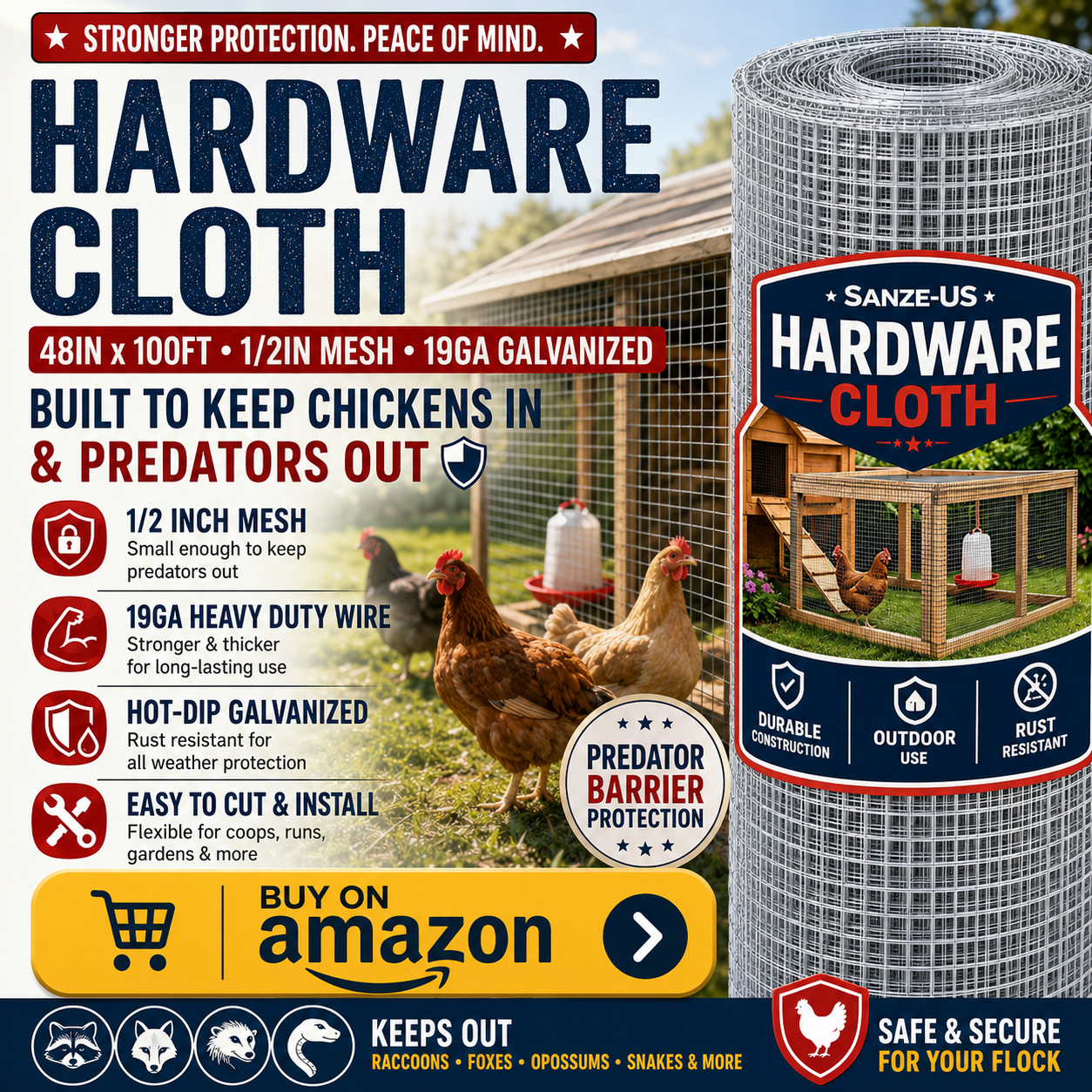
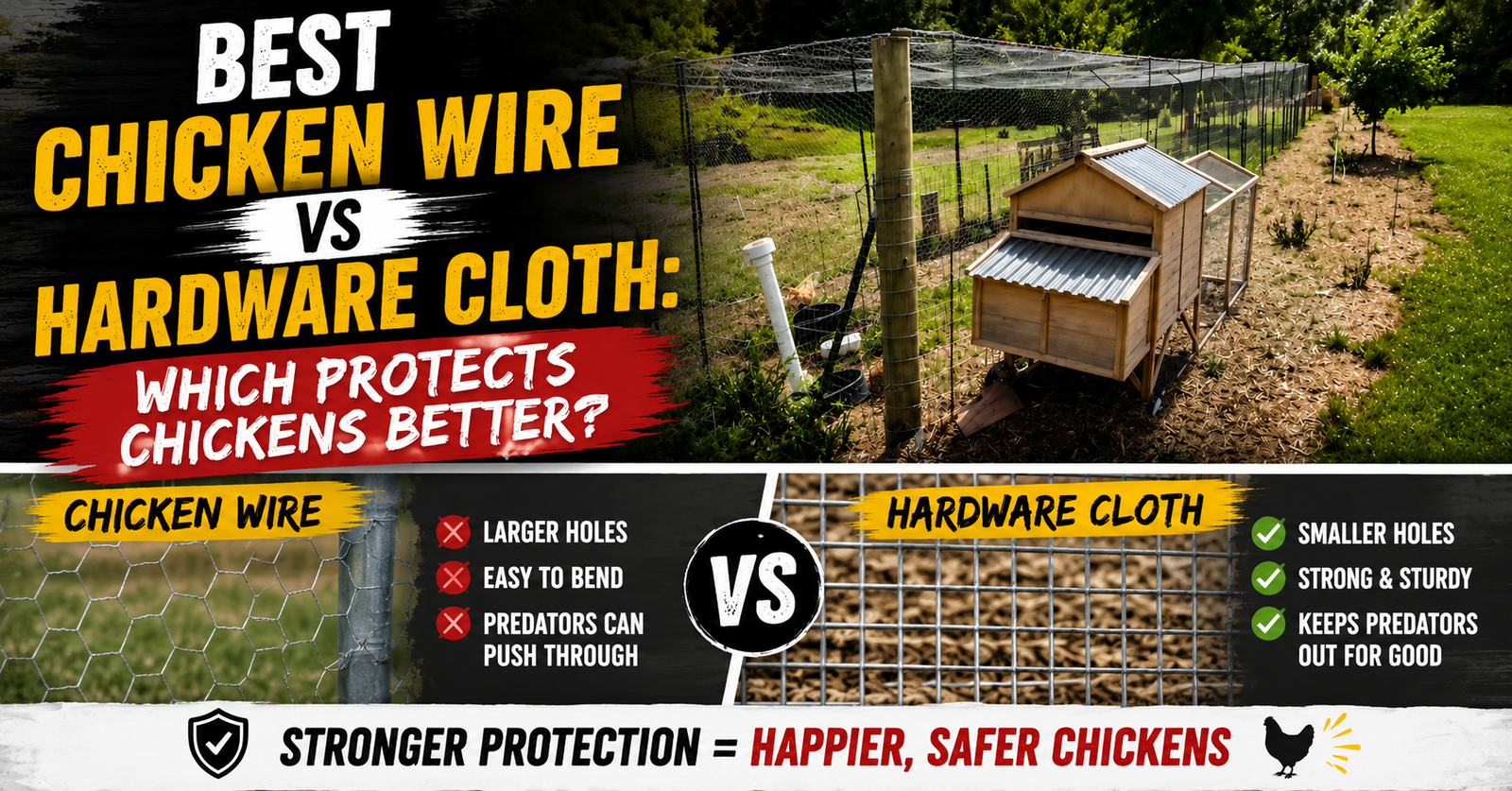
For smaller coops where maximum protection matters, I prefer using 48-inch x 100-foot galvanized ½-inch hardware cloth because it’s strong, durable, and helps keep many predators from reaching through or pulling at weak spots.
For much larger walk-in runs, using hardware cloth over the entire roof can become expensive. Understanding the strengths and limitations of each material can help you make that decision: choosing between chicken wire and hardware cloth.
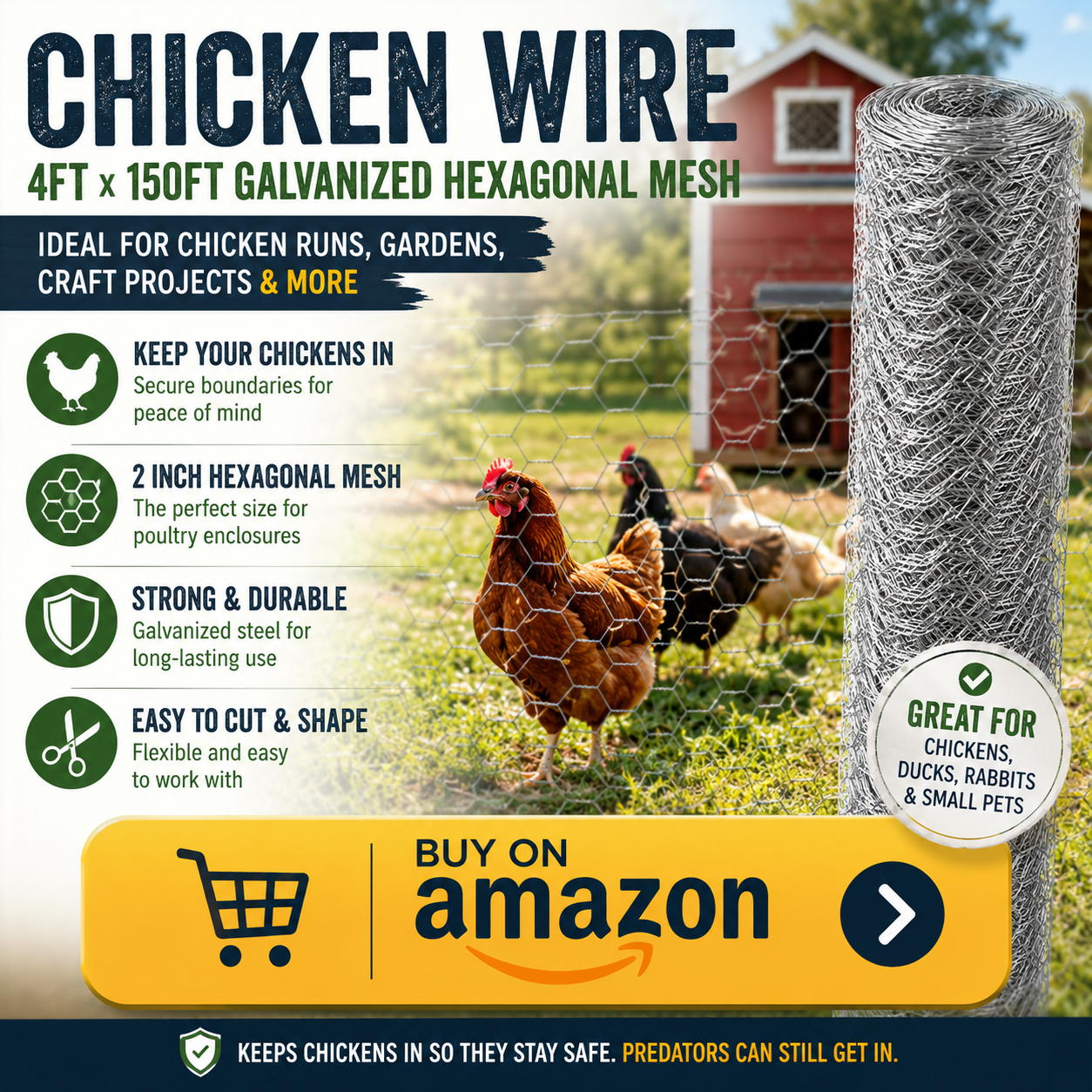
That’s where quality 150-foot galvanized chicken wire fencing often makes more financial sense while still helping keep chickens safely enclosed.
One thing I noticed touring the Weaver Family Farms run was that every material seemed to be chosen based on where it made the most sense instead of simply using one product everywhere.
That practical approach is something I’d definitely copy on my own property.
A Covered Roof Gives Chickens More Than Predator Protection
Something else I noticed while walking through the run was how much more comfortable the chickens seemed.
The enclosed roof wasn’t just about keeping predators out.
It also helped create a more secure environment.
The flock wasn’t constantly looking toward the sky.
They moved around naturally.
Scratched through the grass.
Dug dust baths.
Spent time under the trees without appearing nervous.
While a roof won’t eliminate every threat, it can help chickens feel safer because they’re not exposed from above.

Don’t Forget About Shade
One mistake I see fairly often is people stretching wire across the top of a run and calling it finished.
That certainly helps with predator protection, but it doesn’t provide much relief during the hottest part of summer.
Your chickens still need places where they can escape direct sunlight.
At Weaver Family Farms, the run sits among fruit trees, so the chickens naturally receive changing shade throughout the day.
Not everyone has that luxury.
If your run is out in the open, consider adding a tarp over one section, installing a shade cloth, or planting fast-growing shrubs nearby.
Providing both sunshine and shade gives your flock options throughout the day.

Keep an Eye on Snow and Falling Branches
If you live somewhere that gets heavy snow, don’t forget that anything covering the top of your run may eventually have to support extra weight.
Wet snow can become surprisingly heavy.
Large tree branches can also fall during storms.
Taking a few minutes after severe weather to inspect the roof can help prevent small problems from turning into expensive repairs.
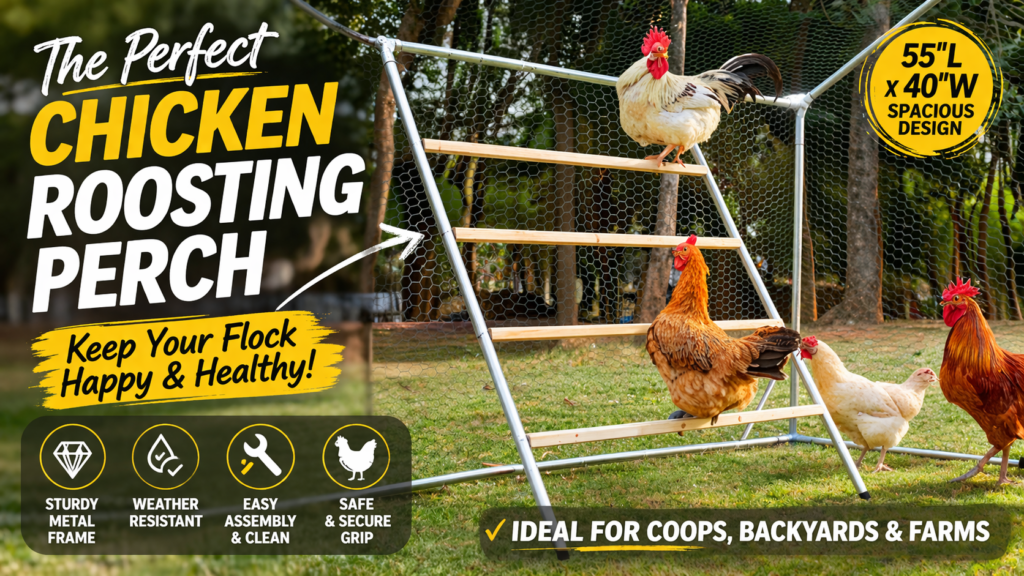
While I was walking through the Weaver Family Farms run, one thing I noticed was how sturdy the rebar frame felt. It gave the entire structure a solid foundation for supporting the overhead fencing.
Don’t Give Climbing Predators an Easy Path
People often think covering the top only protects against hawks.
That’s certainly one benefit.
But climbing predators can create problems too.
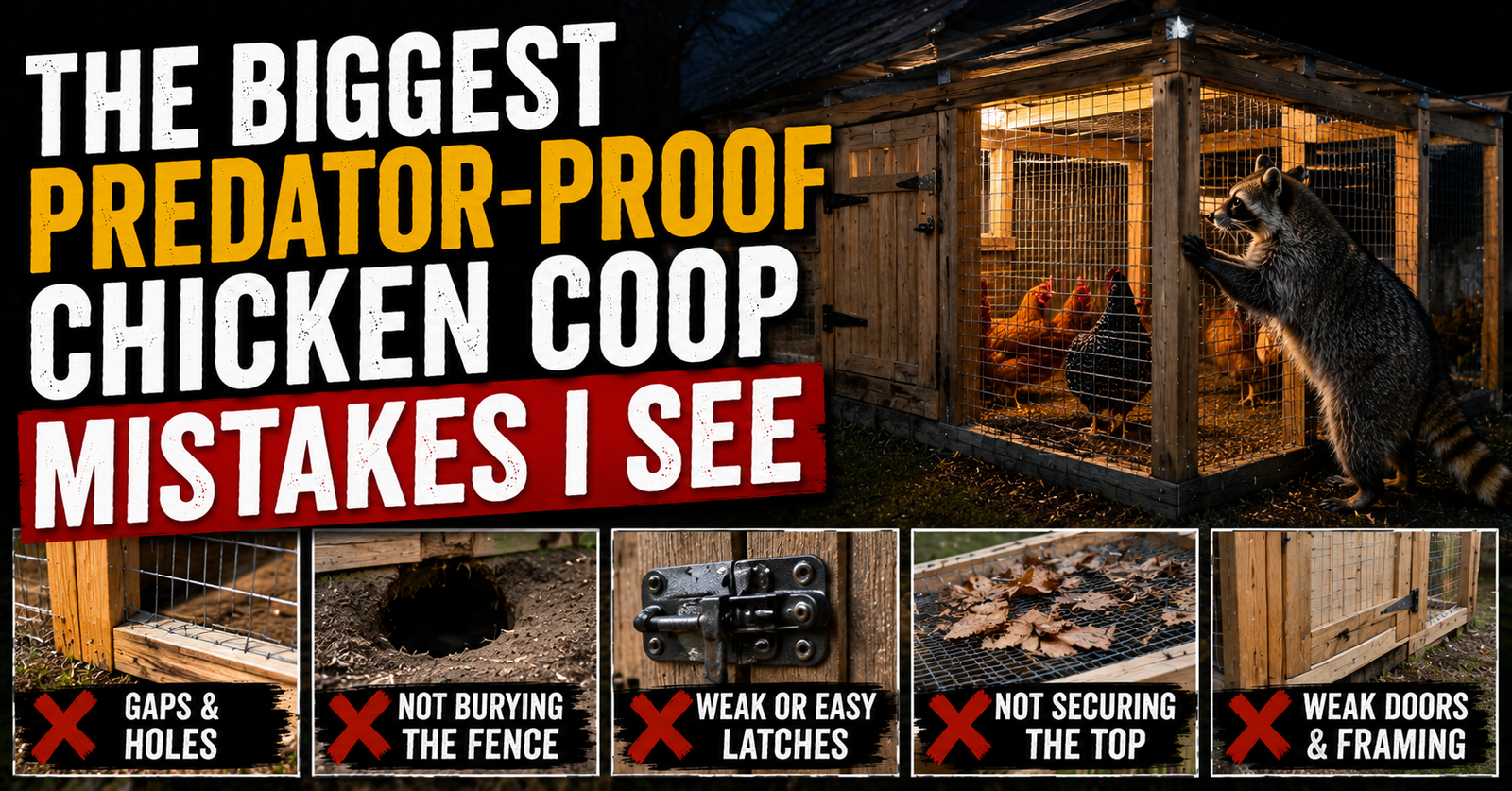
Raccoons are excellent climbers.
Opossums can climb.
Even neighborhood cats may investigate a coop if they think young chicks are inside.
A covered roof forces those animals to work much harder to reach your flock.
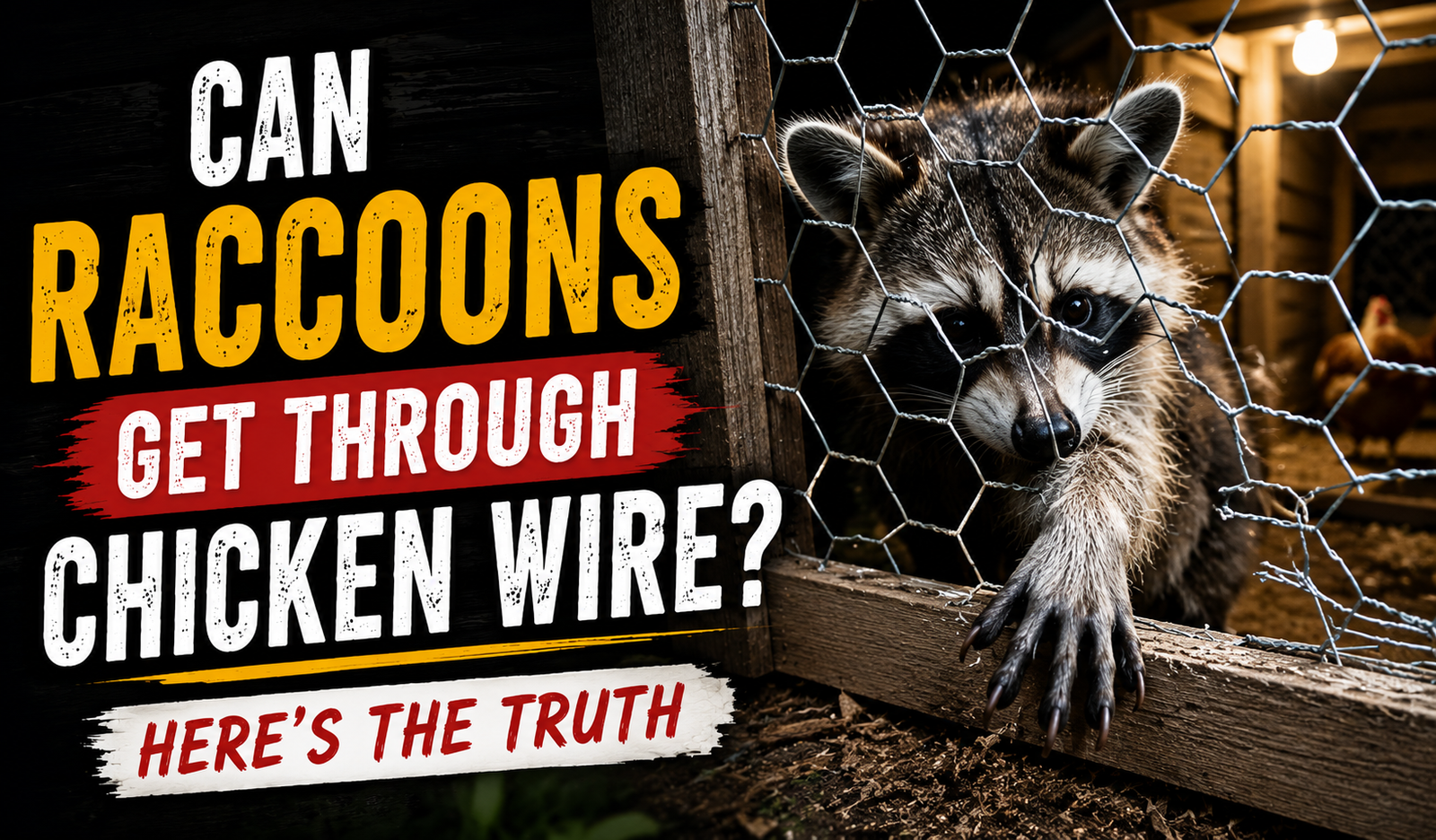
If raccoons are common where you live, you’ll probably also find Can Raccoons Get Through Chicken Wire? Here’s the Truth helpful because it explains how they approach a coop and the weak spots they usually target first.
Check the Roof a Few Times Each Year
The roof of your chicken run shouldn’t be something you install and completely forget about.
A quick inspection every few months can prevent much bigger problems later.
I usually recommend checking for:
- Loose fasteners.
- Bent sections of wire.
- Rust beginning to develop.
- Storm damage.
- Tree limbs rubbing against the fencing.
- Small openings that predators might eventually enlarge.
Most inspections only take a few minutes, but they can save you from discovering a problem after something has already gotten inside.
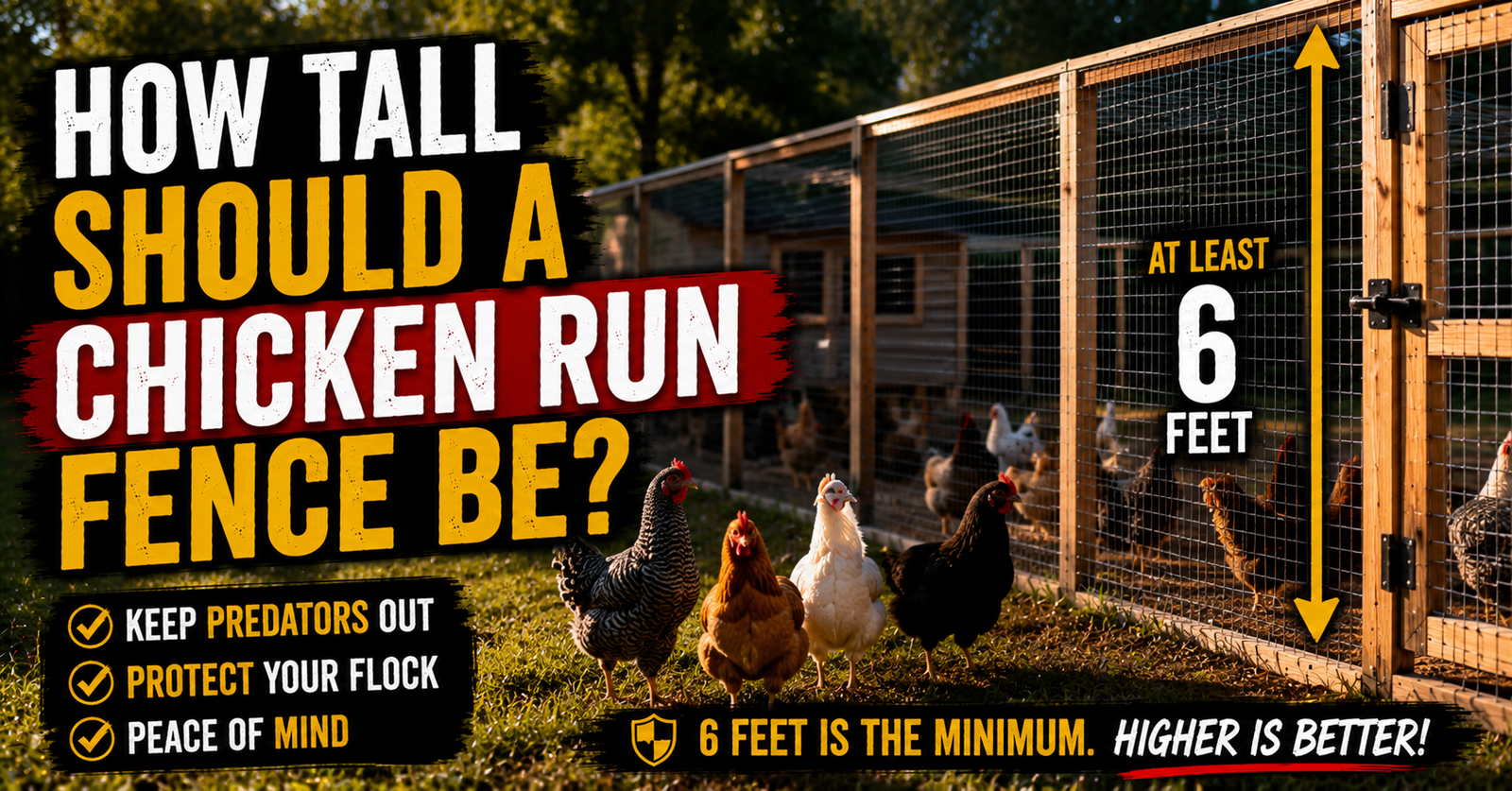
A covered roof is only one piece of a secure enclosure. Fence height also plays a surprisingly important role, especially if you’re raising lighter breeds that enjoy flying or dealing with climbing predators. If you’re still deciding how tall your enclosure should be, How Tall Should a Chicken Run Fence Be? explains what I’ve found works best.
Think About the Entire Coop, Not Just the Roof
One thing I’ve learned while researching predator protection is that every defensive feature supports another.
A covered roof helps from above.
Strong fencing protects the sides.
Underground barriers discourage digging.
Secure latches keep doors closed.
When all of those features work together, predators usually decide your chickens aren’t worth the effort.
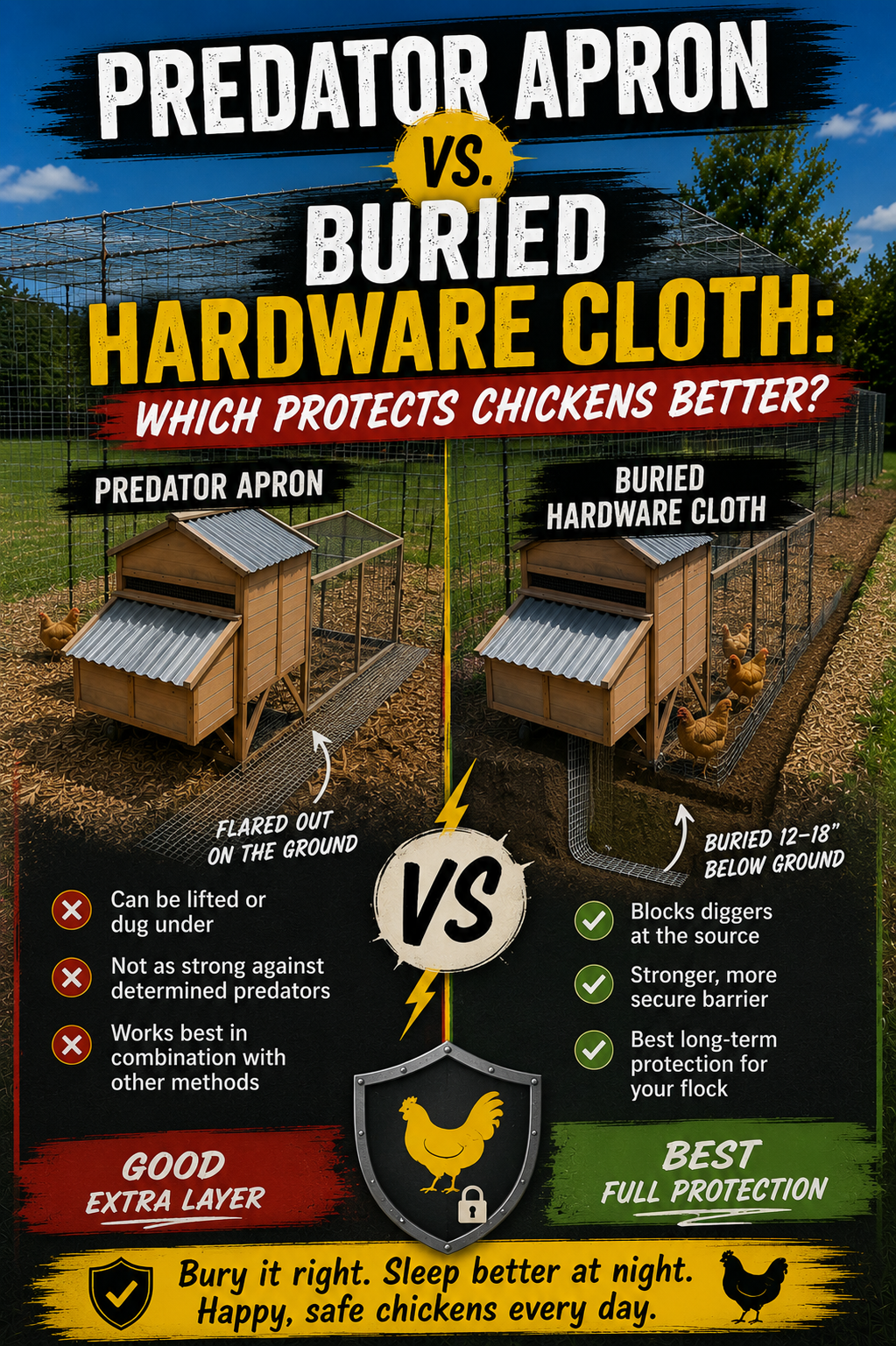
If you’re still deciding how to protect the lower part of your coop, Should You Use a Predator Apron or Bury Hardware Cloth? explains two of the most effective ways to discourage digging predators before they ever reach your flock.

Is Covering the Top Worth It?
After seeing one of the most secure chicken runs I’ve visited and talking with experienced poultry keepers over the years, my answer is yes.
If you’re already investing time and money into building a chicken run, covering the top is one of the smartest upgrades you can make.
It helps protect against hawks.
It discourages climbing predators.
It keeps curious chickens from flying out.
It creates another layer in your overall predator protection plan.
No single feature makes a coop predator-proof.
But adding one more obstacle often makes the difference between a predator moving on and finding a way inside.
Frequently Asked Questions
Do chickens need a roof over their run?
Not every run absolutely requires one, but covering the top provides much better protection from hawks, climbing predators, and chickens that are capable of flying over shorter fences.
Is chicken wire okay for the roof of a chicken run?
It can be a good choice for larger runs where keeping costs reasonable is important. Smaller runs or high-risk areas may benefit from stronger materials like hardware cloth.
Can hawks get into an uncovered chicken run?
Yes. An open run gives hawks a direct path to your chickens, especially younger birds or smaller breeds.
Will a covered roof stop raccoons?
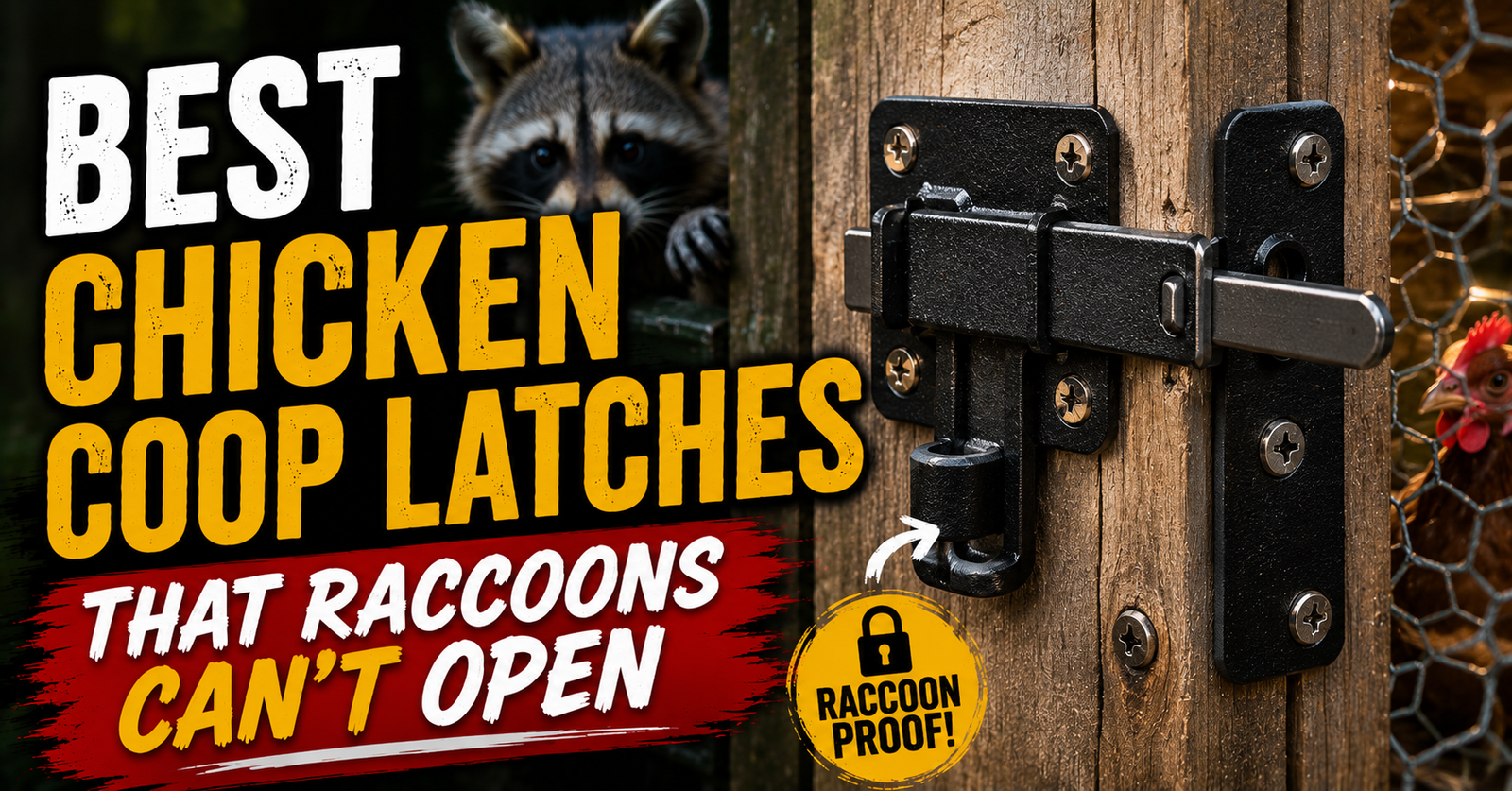
It helps, especially when combined with strong side fencing, secure latches, and underground protection. Predator-proofing works best when multiple layers are used together. The latch is one of those layers, so choosing a secure chicken coop latch is an important part of the overall defense.
Does a covered run keep chickens from flying out?
Yes. Even breeds that don’t fly particularly well can sometimes clear a fence if they’re startled. An enclosed roof prevents those unexpected escapes.

About the Author
Nathan Holloway
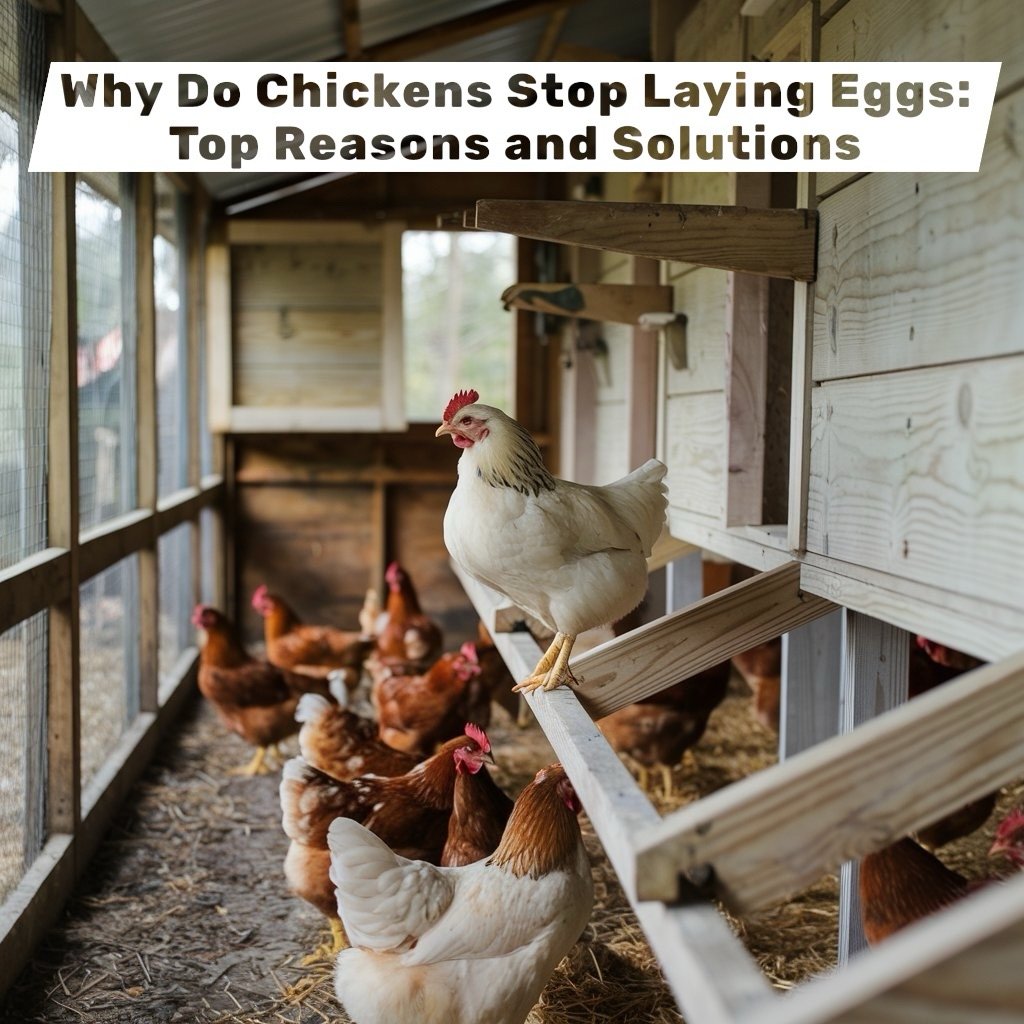
Nathan Holloway specializes in predator prevention, chicken coop construction, and practical backyard flock security. He enjoys visiting farms, learning from experienced poultry keepers, and studying real-world coop designs that successfully protect chickens from predators. Through Backyard Chicken Pro, Nathan shares practical observations, hands-on insights, and straightforward advice to help backyard chicken owners build safer coops and more secure chicken runs.