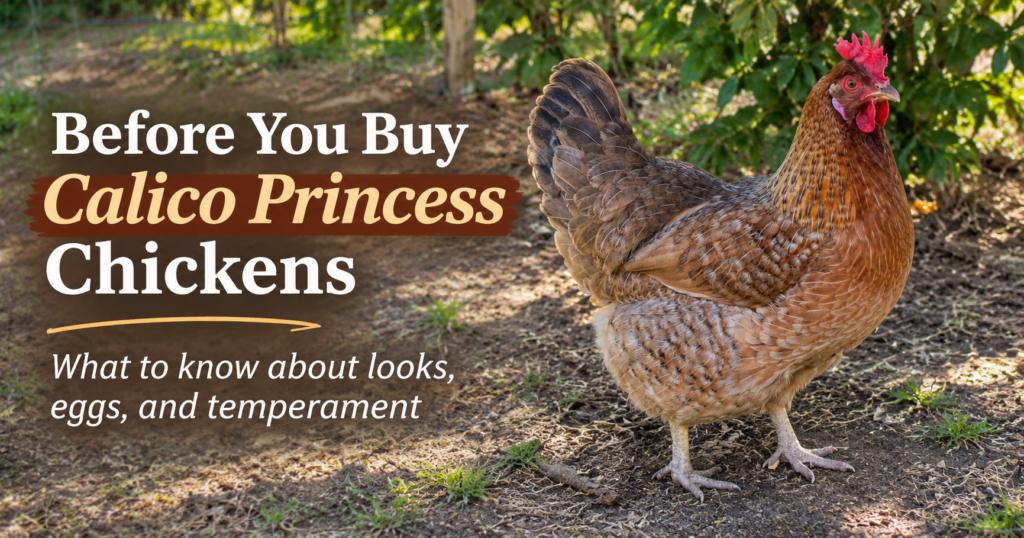
The Calico Princess chicken is one of those birds that can catch your attention at a farm supply store before you even know what you’re looking at.
The reddish-orange feathers mixed with creamy white give these chickens an appearance that stands out among ordinary brown egg layers. But what makes them particularly interesting is what’s underneath those pretty feathers.
They’re productive egg layers, generally have a manageable temperament, and are designed to adapt to a variety of living conditions.
However, there are a few things I would want to know before bringing home a box of Calico Princess chicks.
For starters, they’re not actually a traditional heritage breed. Their advertised egg production isn’t necessarily what you’ll get every year, and some of the information published about their size and characteristics doesn’t even agree.
If you’re deciding whether these chickens belong in your backyard flock, knowing those details can save you from buying birds that don’t match your expectations.
What Is a Calico Princess Chicken?
The Calico Princess is a specialty hybrid chicken developed primarily for egg production. According to the original background information published by Hoover’s Hatchery, the hybrid originated with a breeder in the Czech Republic.
The birds are known for their reddish-orange and white plumage, productive laying ability, and generally calm temperament.
Unlike breeds that have been established for generations with standardized physical characteristics, the Calico Princess is a commercially developed hybrid.
That distinction matters quite a bit if you intend to hatch chicks from your own flock.
If you simply want attractive chickens that produce plenty of breakfast eggs, however, their hybrid background isn’t necessarily a disadvantage.

Calico Princess Chicken Characteristics at a Glance
- Origin: Czech Republic.
- Type: Specialty hybrid.
- Primary purpose: Egg production.
- Advertised egg production: Approximately 290 eggs annually.
- Egg color: Brown, sometimes described as cream or tan.
- Egg size: Large at maturity.
- Temperament: Generally calm and docile.
- Comb type: Single comb.
- Climate suitability: Adaptable to both cold and warm conditions.
- Broodiness: Possible, but not something I would depend on.
- Best suited for: Backyard egg production and mixed flocks.
These are general characteristics rather than guarantees for every individual chicken.
That’s especially important with temperament, laying performance, and mature size.

What Does a Calico Princess Chicken Look Like?
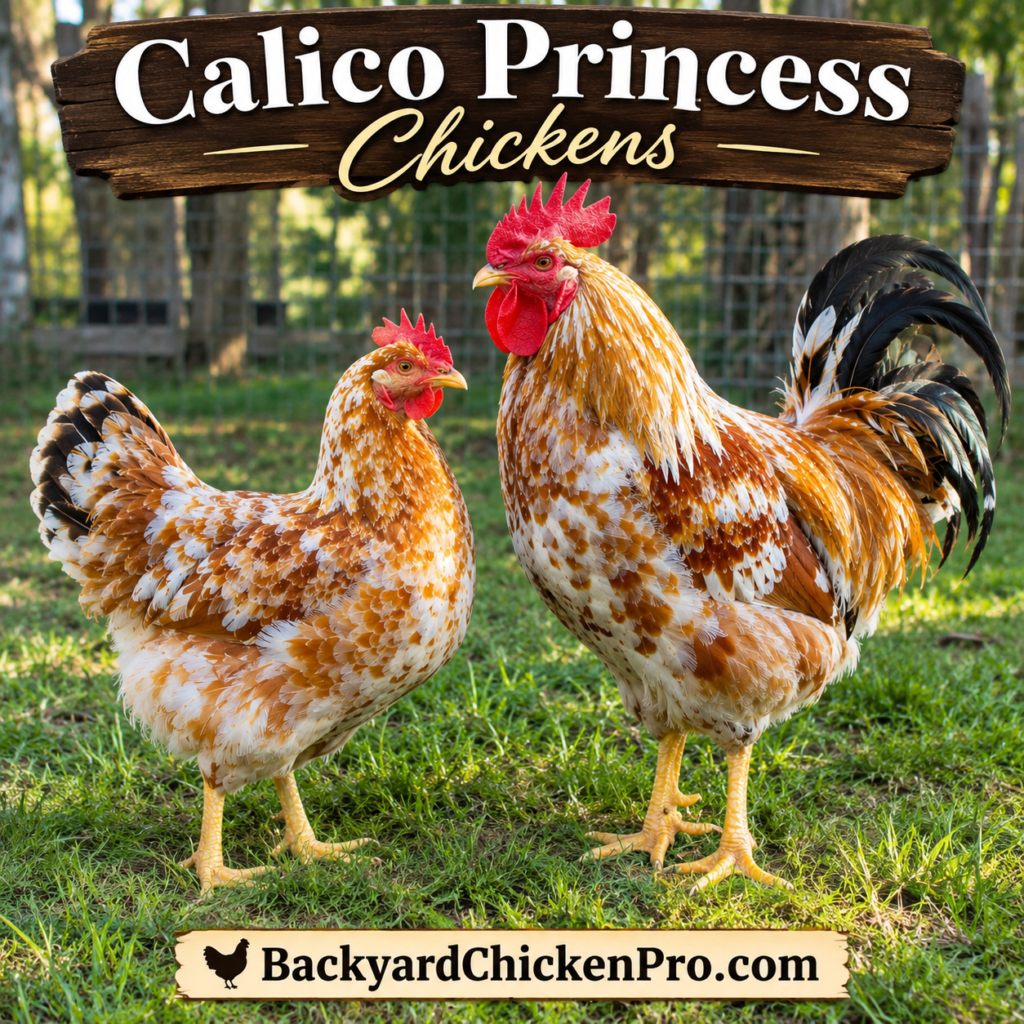
The most recognizable feature is the mixture of reddish-orange and pale feathers.
Depending on the individual bird and the lighting, the reddish portions may look golden, cinnamon-colored, coppery, or light orange. White or cream markings break up the color throughout the body.
Hoover’s Hatchery compares their coloration to topaz, which is a fitting description for some birds.
The appearance can change considerably as chicks feather out.
A fluffy little chick purchased in spring may look quite different by the time she’s producing eggs in late summer.
Adult birds generally have a single comb, red wattles, and the familiar body shape of a productive laying chicken.
I wouldn’t identify an unknown chicken solely from its reddish and white feathers, though. Several commercial hybrids have similar appearances, and hatchery records are much more reliable than guessing from coloration alone.
Are Calico Princess Chickens All the Same Color?
Not exactly.
Two birds from the same hatchery order may have noticeably different amounts of white and reddish coloring.
One may have a lighter chest, while another has stronger reddish tones throughout her body.
That’s part of their appeal for someone who enjoys having a visually interesting flock without necessarily raising exhibition chickens.
It can also make identifying individual hens easier, especially compared with a flock of nearly identical white birds.
Are Calico Princess Chickens a Real Breed?
They’re certainly real chickens, but the word breed needs a little clarification here.
Calico Princess chickens are commercially developed hybrids rather than an established heritage breed with a widely recognized exhibition standard.
That doesn’t make them inferior.
Many excellent backyard layers are hybrids.
The important difference is what happens when you breed them.
Will Calico Princess Chickens Breed True?
You shouldn’t expect chicks from two Calico Princess parents to consistently reproduce the same appearance, laying performance, or other characteristics of the original commercial hybrid.
The offspring can inherit different combinations of characteristics from their parents.
You might hatch perfectly healthy, productive chickens, but they may not be identical to the birds originally purchased from the hatchery.
If your goal is maintaining a predictable flock through generations of home breeding, an established breed may make more sense.
If your goal is collecting eggs for the kitchen, the distinction matters much less.
How Many Eggs Do Calico Princess Chickens Lay?
Hoover’s Hatchery advertises production of approximately 290 large brown eggs per year.
That’s an impressive laying rate.
To put it into everyday terms, 290 eggs annually averages out to roughly five or six eggs per week.
Of course, chickens don’t follow a perfectly predictable weekly schedule.
A productive young hen might lay nearly every day for a while, then take a break. She may also slow down during extreme weather, illness, molting, or periods of shorter daylight.
The advertised number is best understood as a production expectation under favorable conditions, not a promise.
How Many Eggs Would Six Calico Princess Hens Produce?
Let’s say you’re considering a flock of six hens.
If each bird produced the advertised 290 eggs annually, your flock would produce 1,740 eggs per year.
That’s 145 dozen eggs, averaging nearly 34 eggs each week.
For an ordinary household, that’s quite a few eggs.
Even if your actual production falls below the hatchery estimate, six productive hens can still provide a substantial supply for cooking, baking, and sharing with family.
Before deciding how many chicks to purchase, I would think about how many eggs your household actually uses.
It’s easy to get excited about buying a dozen adorable chicks. It’s another thing entirely when they all start laying and your refrigerator fills up.
Do They Lay an Egg Every Day?
Not necessarily.
Like other productive laying chickens, Calico Princess hens may lay frequently during their peak production period.
However, they still need occasional breaks, and laying patterns vary between individual birds.
Egg formation takes time. A hen’s laying schedule may gradually shift later in the day before she skips a day and starts another laying sequence.
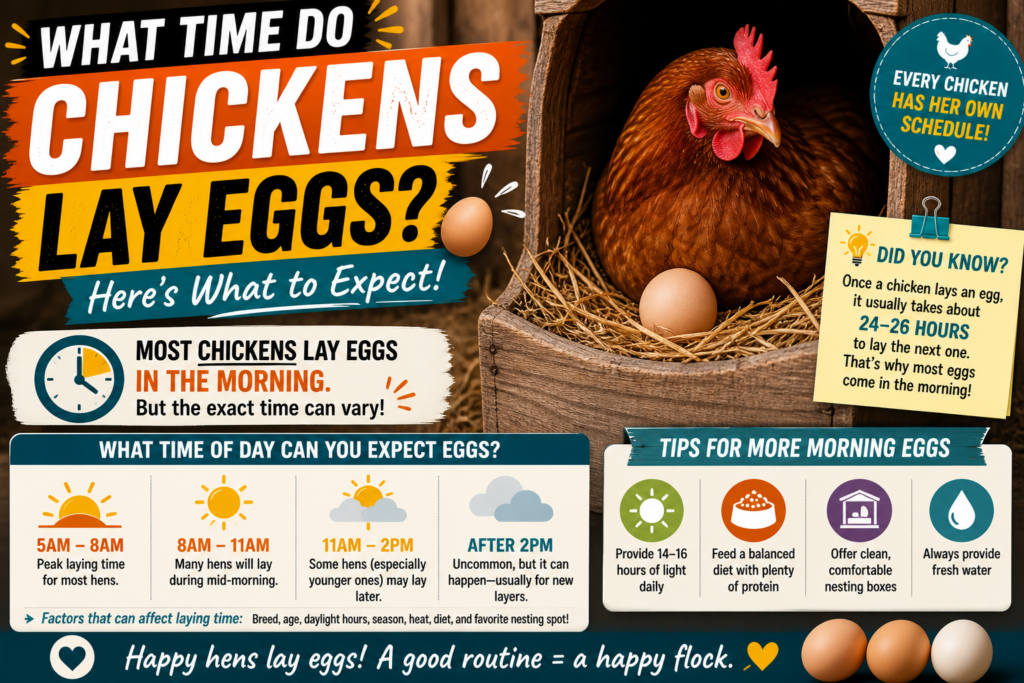
Our explanation of what time chickens typically lay their eggs covers why even a highly productive hen doesn’t necessarily deliver an egg at the same time every morning.
What Color Eggs Do Calico Princess Chickens Lay?
Calico Princess chickens generally lay brown eggs, although some listings describe the shells as cream or tan.
This is one of the inconsistencies I noticed while comparing hatchery and retailer information.
Hoover’s current description identifies the eggs as large and brown. A Tractor Supply listing for Hoover’s Calico Princess chicks describes them as cream to tan.
Those descriptions aren’t necessarily incompatible.
Brown eggs come in a wide range of shades, from pale cream-brown to richer tan and darker brown.
Individual hens may also produce eggs that differ slightly in shell coloration.
What I wouldn’t expect from a typical Calico Princess hen is the blue or green egg associated with certain other chickens.
If you’re specifically building a colorful egg basket, consider combining them with blue, green, or darker-brown egg layers.
How Big Are Calico Princess Eggs?
They’re marketed as large egg layers.
However, don’t be surprised if the first eggs from a young pullet are considerably smaller.
That’s normal for chickens.
A young hen’s reproductive system is still developing when she first begins laying, and early eggs can be small or irregular.
Egg size often increases as she matures.
If your young Calico Princess produces tiny eggs during her first few weeks of laying, that doesn’t mean you purchased the wrong chicken.
Give her time, provide appropriate nutrition, and watch how production develops.
Does a Large Egg Mean a Strong Eggshell?
No. Egg size and shell quality are different things.
A large egg can have a thin shell, while a smaller egg can have a perfectly strong shell.
For productive laying hens, a balanced layer ration and appropriate calcium availability become especially important.
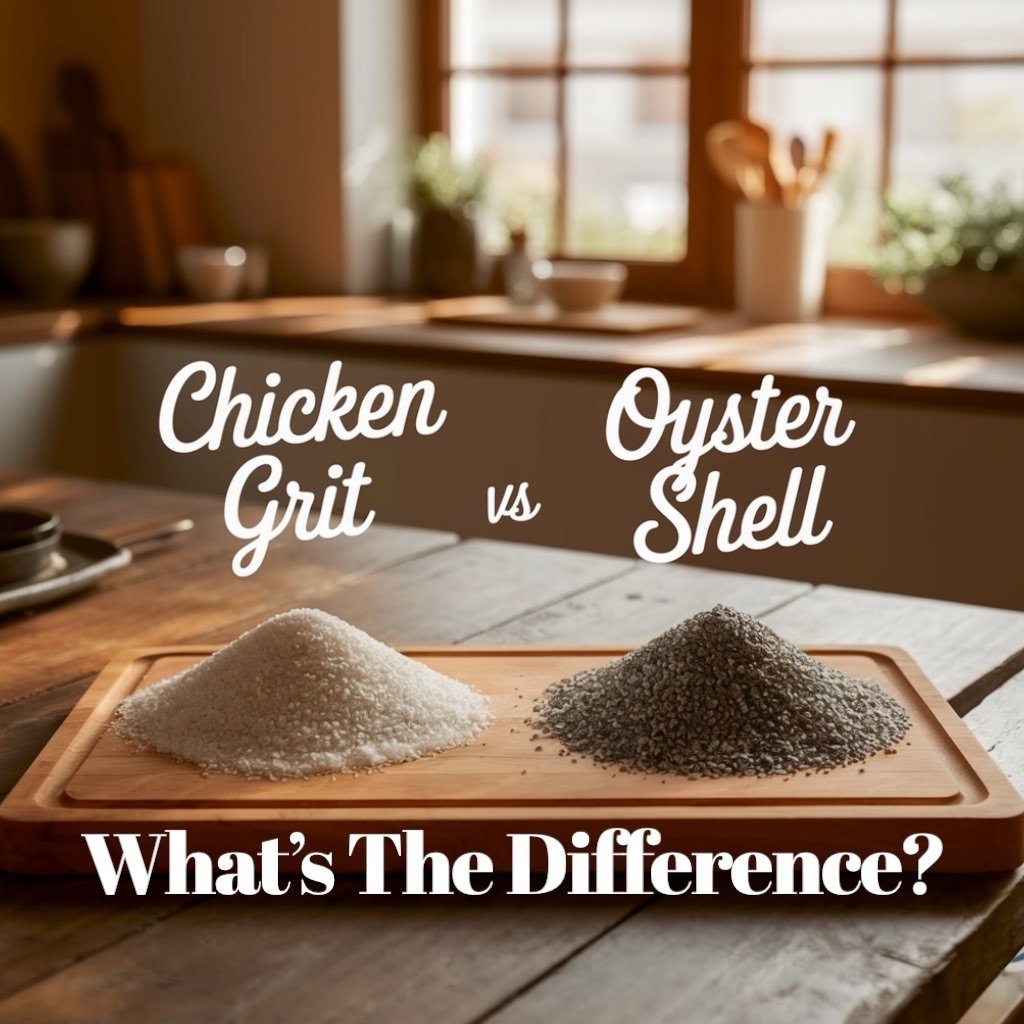
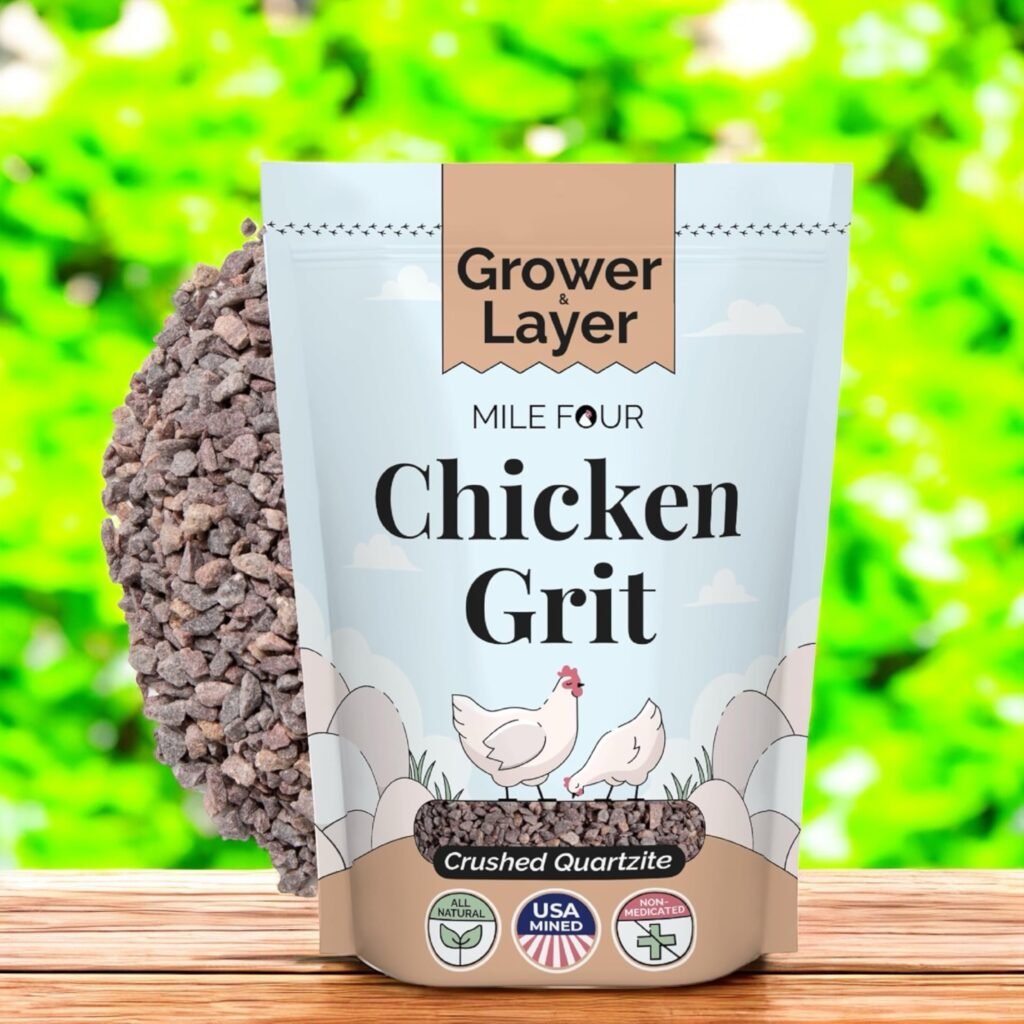
It’s worth understanding the difference between chicken grit and oyster shells before assuming the two products serve the same purpose.
They don’t.
Insoluble grit helps with mechanical digestion, while oyster shell provides calcium.
When Do Calico Princess Chickens Start Laying Eggs?
For a healthy, well-grown commercial laying hybrid, roughly four to six months of age is a reasonable general expectation.
Some birds mature earlier, while others take longer.
An older Hoover’s reference chart listed Calico Princess chickens as beginning around four to five months, but I wouldn’t treat that as a deadline.
Several factors influence when a pullet starts laying:
- Her individual development.
- Nutritional quality during growth.
- Daylight exposure.
- Season of the year.
- Health and body condition.
- Stress and flock management.
A chick purchased during early spring may reach laying age during favorable late-summer conditions.
A chick purchased later in the year could reach physical maturity just as natural daylight begins declining.
That seasonal difference can affect when you find the first egg.
Signs Your Calico Princess Pullet Is Getting Close to Laying
Look for a developing red comb, larger wattles, increasing interest in nesting areas, and changes in behavior.
You might also notice her suddenly crouching when you approach or reach toward her back.
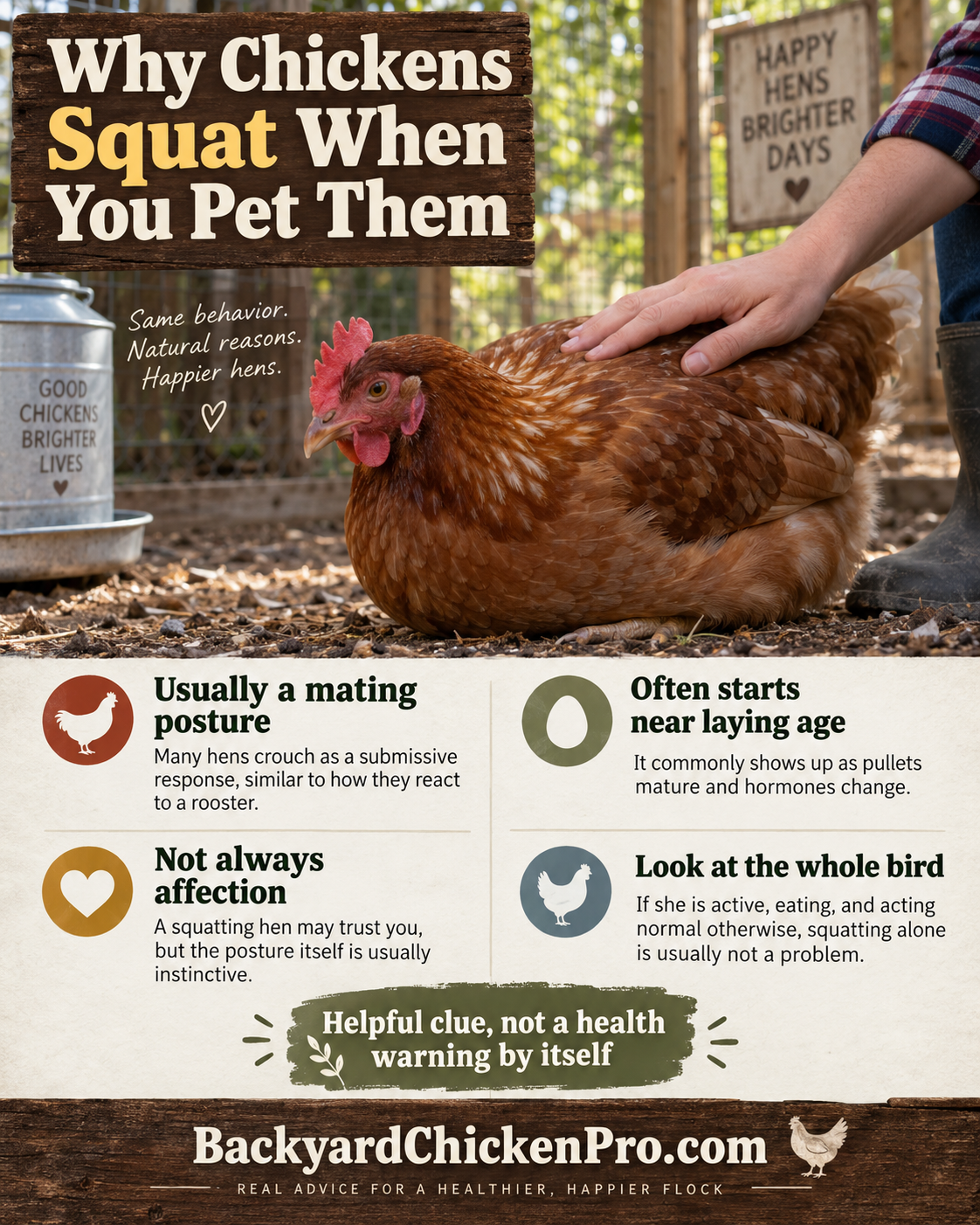
That behavior is associated with reproductive maturity, as explained in our guide to why chickens suddenly squat when you pet them.
None of these signs guarantees an egg tomorrow, but several appearing together may suggest she’s getting closer.
Calico Princess Hen vs. Rooster
One of the most common concerns when purchasing chicks is whether you’re bringing home hens or accidentally starting a rooster collection.
This can become especially important in neighborhoods where roosters aren’t allowed.
Young chickens can be difficult to distinguish without knowing their background, and appearance alone isn’t always reliable.
As Calico Princess chicks grow, you can begin watching for the same general sex-related characteristics found in other chickens.
Calico Princess Hens
A developing hen generally maintains a smaller comb and wattles during early growth compared with a developing rooster of similar age.
As she matures, her comb becomes larger and redder, especially as egg laying approaches.
Her neck and saddle feathers usually remain more rounded.
Adult hens are typically the birds purchased for the hybrid’s advertised egg production.
Calico Princess Roosters
Developing roosters may show earlier comb and wattle growth, thicker legs, more upright posture, and increasingly obvious male feather characteristics.
Mature males may develop elongated, pointed hackle and saddle feathers along with larger tail feathers.
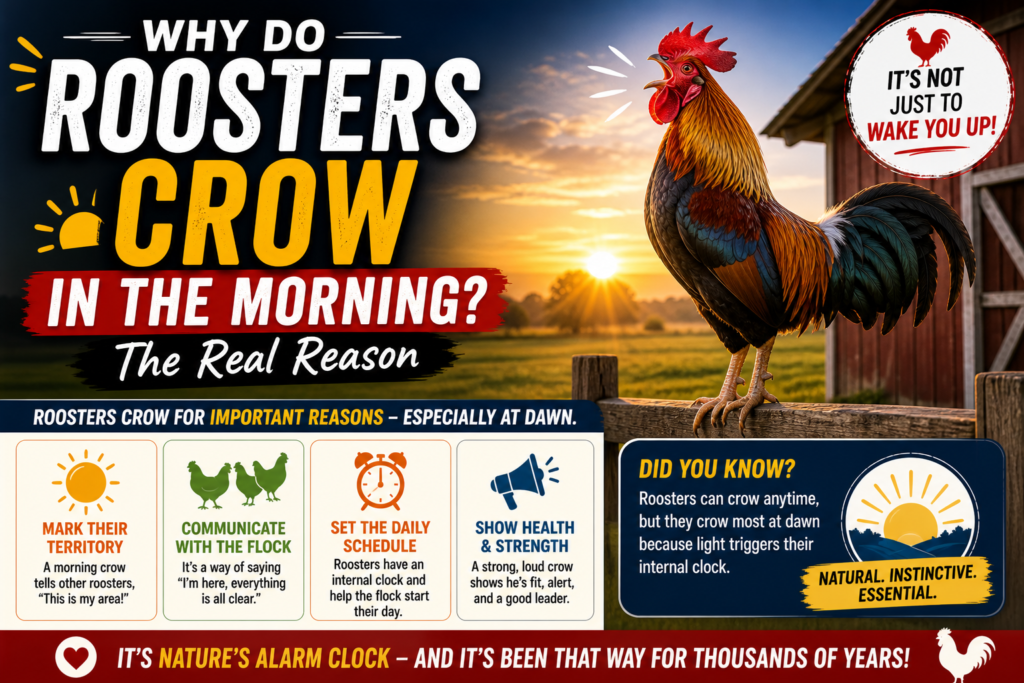
They will also typically begin crowing as they mature.
However, no single physical feature guarantees sex identification in a very young chick.
A fast-developing pullet can temporarily look surprisingly masculine.
A slow-developing rooster can fool you for weeks.
Can You Tell Their Sex by Chick Color?
Some commercial hybrids are specifically developed to make sex identification easier at hatch.
But I would not rely on a generic online chick-color rule for every bird sold under the Calico Princess name.
Ask the hatchery how the particular chicks were sexed and whether they were sold as female, male, or straight run.
Straight run means you’re buying a mixture of unsexed chicks rather than a guaranteed group of hens.
Even professionally sexed poultry isn’t necessarily guaranteed to be 100% accurate.
If keeping a rooster would create problems for your household, find out the seller’s sexing policy before buying.
How Much Do Calico Princess Chickens Weigh?
This is another characteristic where published information varies.
Hoover’s current product page lists a mature weight of approximately six to seven pounds.
However, older hatchery descriptions and certain retailer listings give lower figures, including approximately four pounds for females and five pounds for males.
That’s a meaningful difference, and I don’t think it makes sense to pretend there’s one universally verified adult weight.
Commercial stock specifications, individual genetics, sex, nutrition, and differences between published descriptions can all complicate the picture.
For practical backyard purposes, I would plan for a medium-sized chicken with enough room to move, comfortably use nesting boxes, and access roosts.
If mature weight is particularly important to you, ask the hatchery supplying your specific chicks for its current specifications.

Are Calico Princess Chickens Friendly?
Their general temperament is one of their selling points.
Hoover’s describes them as calm and docile.
That’s attractive for backyard keepers who want birds that are reasonably manageable during daily feeding, watering, and health inspections.
However, friendly and docile don’t always mean the same thing.
A calm hen may tolerate your presence without wanting to be picked up.
Another may follow you around the property looking for treats.
Individual personality, socialization, previous handling, and flock conditions all influence how a chicken interacts with people.
Our article about whether chickens recognize their owners explores how familiarity and positive routines can shape that relationship.
Are They Good Chickens for Children?
Their generally manageable temperament makes them worth considering for families.
But no breed or hybrid should be treated as automatically safe around young children.
Chickens can become frightened, scratch, peck, or flap unexpectedly when restrained.
Young children should be supervised, taught to handle birds gently, and encouraged to let chickens approach voluntarily.
I would also avoid allowing children to kiss chickens or bring them close to their faces. Even apparently healthy poultry can carry bacteria such as Salmonella.
Handwashing after handling chickens, eggs, feeders, or coop equipment should be part of the routine.
Are Calico Princess Roosters Aggressive?
The calm temperament advertised for a chicken type doesn’t guarantee that every rooster will remain calm.
Individual roosters vary enormously.
Some are manageable around people, while others become territorial as they mature.
A rooster that was friendly as a chick may behave differently once hormones, flock protection, and breeding behavior become more influential.
If you’re purchasing Calico Princess chickens primarily for eggs, remember that you don’t need a rooster.
Hens produce eggs without one.
A rooster is only necessary if you want those eggs to be fertile.
That makes an all-hen flock the simpler option for many backyard households.
Are Calico Princess Chickens Noisy?
I wouldn’t describe them as silent chickens.
Their generally calm reputation may make them appealing to people keeping chickens near neighbors, but productive hens still make ordinary chicken noises.
Expect clucking, food-related excitement, nesting complaints, occasional alarm calls, and the famous announcement after laying an egg.
Even a flock without roosters can be surprisingly vocal for short periods.
If you’re concerned about what your neighbors might hear, our explanation of why hens cackle after laying eggs and why others join in gives a realistic picture of everyday laying-hen noise.
Are Calico Princess Chickens Cold Hardy?
Hoover’s identifies the Calico Princess as adaptable to cold conditions.
That’s helpful for those of us keeping chickens in places where the temperature can drop below freezing for extended periods.
However, cold hardy doesn’t mean frostbite-proof.
Calico Princess chickens have single combs, which remain exposed and can be vulnerable during severe cold, especially when coop humidity is excessive.
A good winter setup should provide:
- Dry bedding.
- Protection from wind and precipitation.
- Adequate ventilation above the birds.
- Unfrozen drinking water.
- Suitable roosts.
- Reliable access to balanced feed.
Keeping the coop dry is particularly important.
A tightly sealed coop that traps moisture isn’t necessarily a warmer or healthier environment for chickens.

Before deciding that supplemental heating is necessary, read our guide to keeping chickens comfortable during winter without electricity.
Good housing often matters more than the temperature rating associated with a particular breed.
Can Calico Princess Chickens Handle Hot Weather?
They’re also marketed as heat hardy, but again, that doesn’t mean they’re immune to heat stress.
A productive laying chicken needs reliable water access throughout the day.
During hot weather, provide shade, good airflow, and fresh drinking water.
Avoid unnecessary handling during the hottest part of the afternoon.
Watch for persistent heavy panting, wings held away from the body, weakness, or reduced activity.
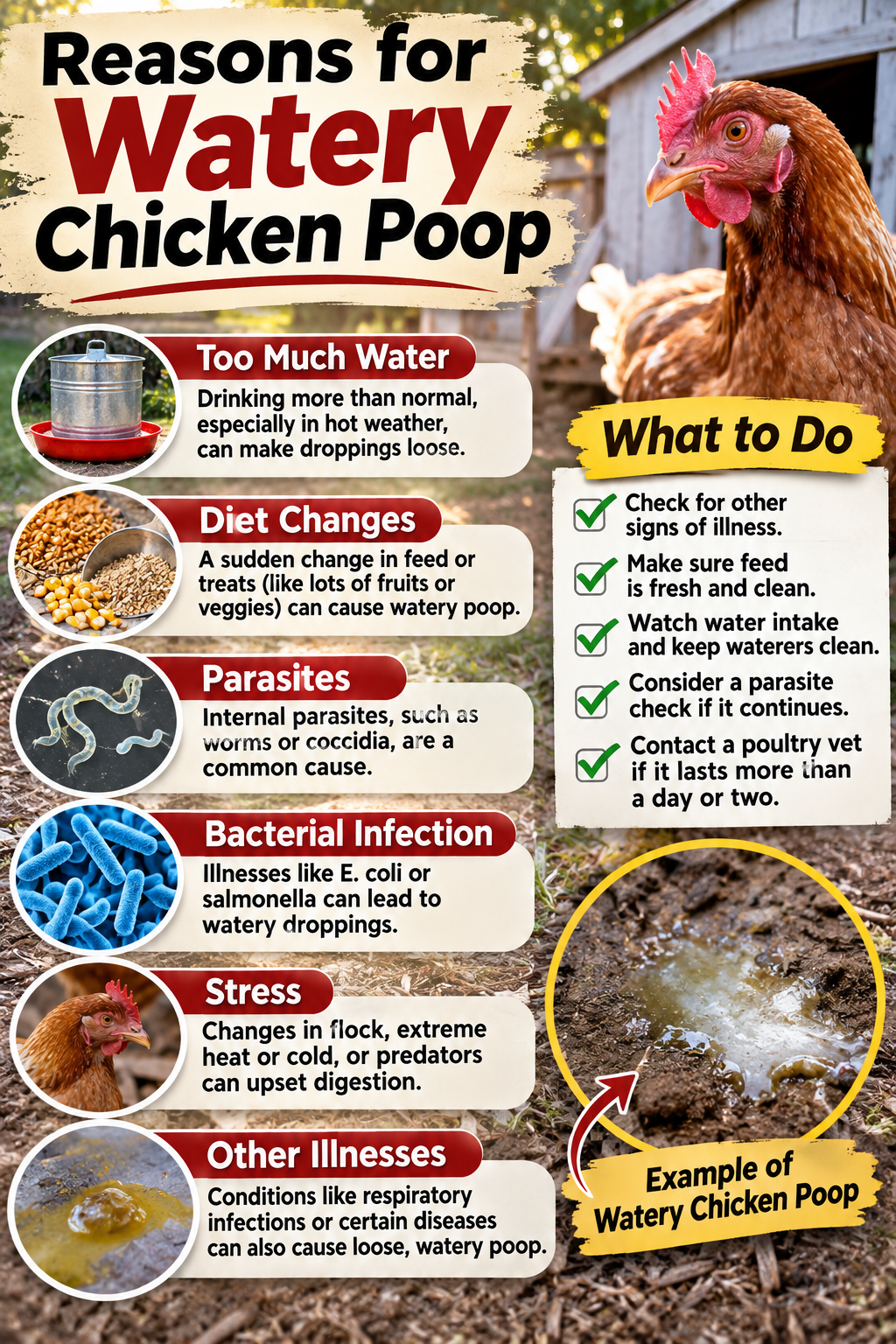
Extra water consumption during hot weather may even change the appearance of their droppings. Our guide to watery chicken poop and when it’s actually concerning explains why wetter droppings don’t always indicate intestinal disease.
Climate adaptability is an advantage, but proper care remains necessary.
Do Calico Princess Chickens Do Well Free Ranging?
They can be suitable for managed free-ranging environments.
Like other chickens, they may spend considerable time scratching through soil, searching for insects, and investigating their surroundings.
But I wouldn’t purchase any particular chicken believing it will somehow be predator-proof.
Calm birds may be easier to manage around people, but they still need protection from foxes, raccoons, hawks, dogs, coyotes, and other predators.
If you want to provide outdoor access without allowing the flock to roam unrestricted, consider a large, secure enclosure.

The real-world example in how a 10-by-75-foot predator-resistant chicken run was built demonstrates how chickens can have considerable outdoor space without relying entirely on unrestricted free ranging.
How Much Coop Space Do They Need?
For a medium-sized backyard chicken, approximately four square feet of indoor coop space and ten square feet of outdoor run space per bird can be a reasonable starting point.
These are planning guidelines, not universally sufficient minimums for every situation.
Flocks spending extended periods indoors during severe weather may benefit from additional space. Larger birds, limited feeder access, and individual flock dynamics also matter.
For example, six hens would translate to approximately 24 square feet inside the coop and 60 square feet in an outdoor run using those starting figures.
More usable outdoor space is generally beneficial when it can be provided safely.
I would also include multiple access points for food and water so one dominant hen cannot easily control everything.
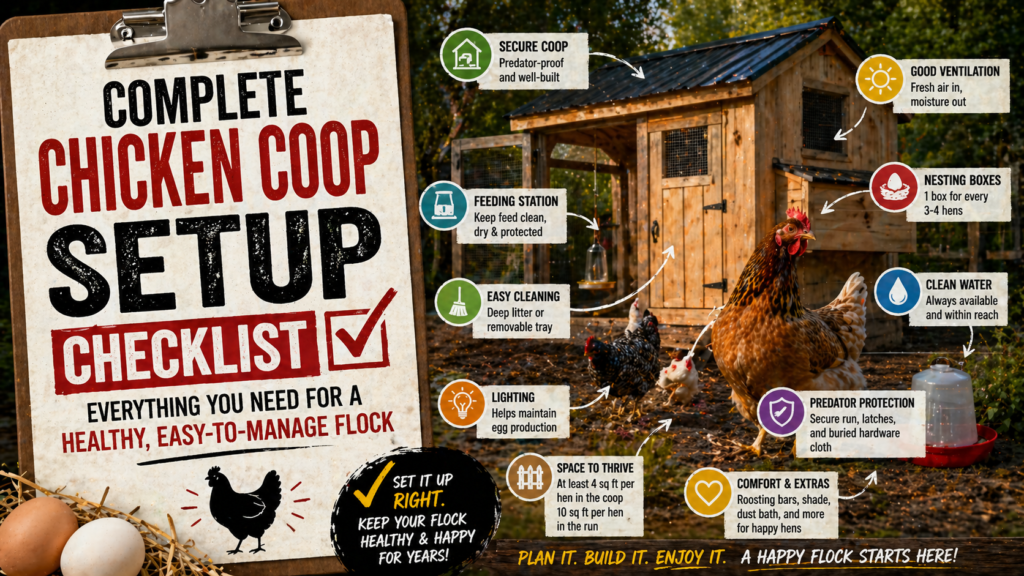
The complete backyard chicken coop setup checklist is a useful resource when planning housing before the chicks arrive.
What Should You Feed Calico Princess Chickens?
Their feeding requirements are broadly similar to those of other productive laying chickens.
Start with an age-appropriate chick starter ration, transition according to the feed manufacturer’s guidance, and provide suitable adult feed once the birds reach laying age.
Productive hens need adequate protein, energy, vitamins, minerals, and calcium.
They cannot maintain optimal egg production indefinitely on kitchen scraps and whatever insects happen to be available.
Treats can be part of the routine, but they shouldn’t displace a balanced ration.
Do They Need Extra Calcium?
Once laying begins, access to an appropriate calcium source is beneficial.

I prefer providing supplemental oyster shells for laying hens separately so mature hens can consume additional calcium according to their needs.
If you’re keeping roosters or growing pullets with laying hens, a suitable all-flock ration with separately available calcium may be worth considering.
Young chicks should not routinely receive high-calcium layer feed intended for mature laying hens.
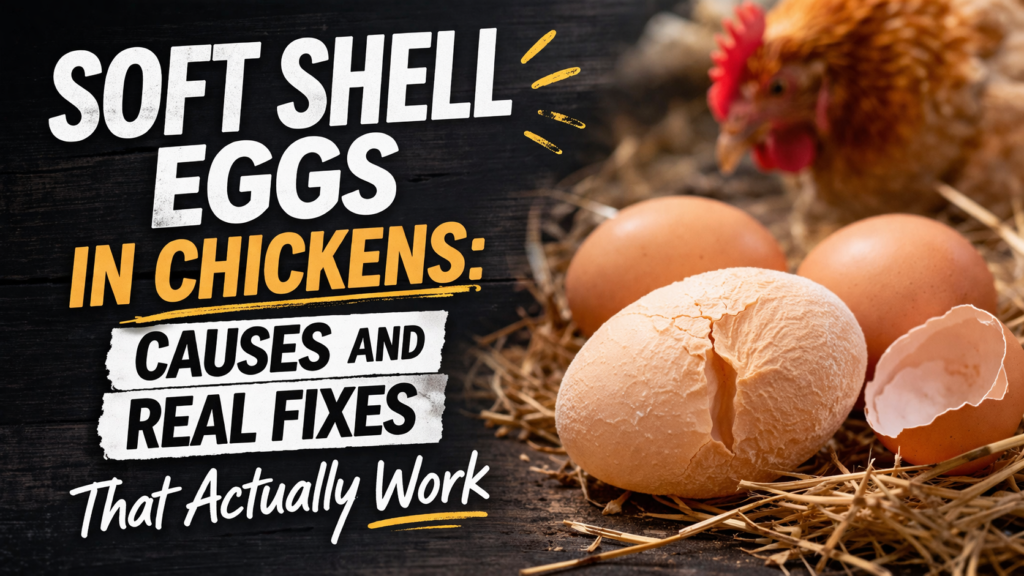
If your hens begin producing thin or soft eggshells, don’t automatically assume calcium deficiency is the only explanation. Our article about what causes soft-shell eggs in chickens covers other possibilities.
How Long Do Calico Princess Chickens Live?
This is a question I would approach differently from many breed guides.
I couldn’t establish a reliable, breed-specific average lifespan from the original hatchery information.
You’ll find websites suggesting various lifespan ranges, often around five to eight years. Those figures should be treated as general backyard chicken estimates rather than confirmed Calico Princess lifespan statistics.
A chicken’s actual lifespan depends heavily on genetics, disease exposure, nutrition, predator protection, reproductive health, and management.
Some hens die relatively young.
Others continue living for years after their most productive laying period has ended.
Productive Lifespan and Actual Lifespan Are Different
A chicken doesn’t automatically reach the end of her life when she stops producing an egg every day.
Commercial laying hybrids are selected for productivity, but their laying rate naturally changes as they age.
You may have a hen that produces heavily during her earlier years and gradually lays fewer eggs later.
For someone who considers chickens family pets as well as egg producers, that distinction matters.
Before buying a productive hybrid, think about whether you’re prepared to continue caring for her once egg production slows.
Do Calico Princess Hens Lay During Winter?
Some may continue laying through winter, particularly younger hens.
Others may slow down or temporarily stop as daylight decreases or they go through a molt.
Being cold hardy doesn’t automatically guarantee excellent winter egg production.
Temperature and daylight are different factors.
A hen may remain perfectly healthy and comfortable in winter while producing fewer eggs than she did during summer.
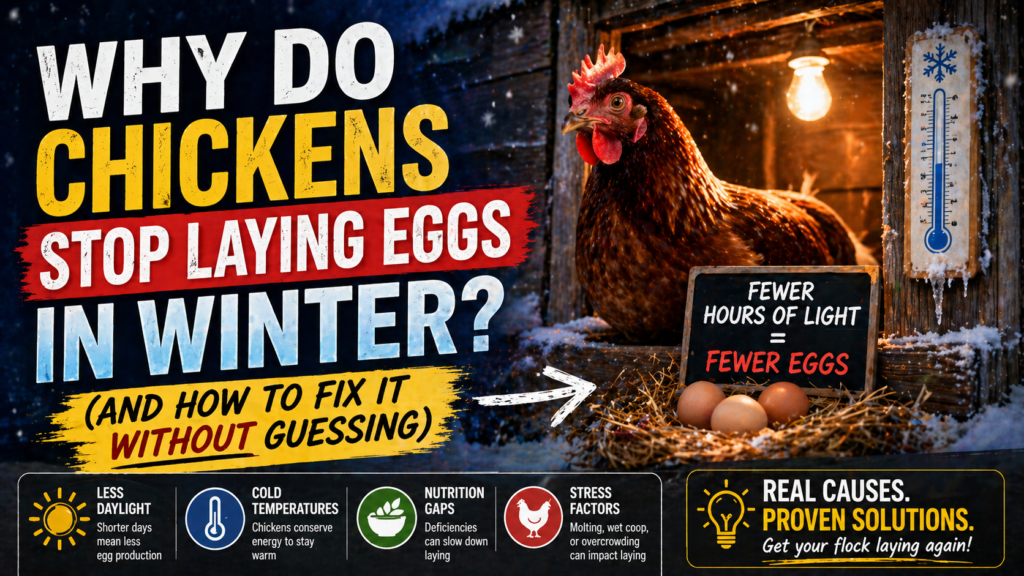
Our guide to why chickens stop laying eggs in winter explains why seasonal changes can affect even otherwise productive hens.
Do Calico Princess Chickens Go Broody?
They can, but I would not purchase them specifically for their mothering ability.
Hoover’s current description lists occasional broodiness, while older product information describes the behavior as uncommon.
That’s typical of many productive commercial laying hybrids.
A broody hen stops laying temporarily and focuses on incubating eggs. For a chicken developed primarily for ongoing egg production, frequent broodiness isn’t necessarily a desirable commercial characteristic.
If you want a reliable mother hen for naturally incubating eggs, there are other chickens better known for that behavior.
For someone who simply wants breakfast eggs, less frequent broodiness may actually be an advantage.
Can You Keep Calico Princess Chickens With Other Breeds?
Absolutely, provided the individuals are compatible and the flock has adequate resources.
They may fit nicely alongside other medium-sized backyard hens.
I would be more concerned about existing flock dynamics than whether every chicken belongs to the same breed.
A calm bird entering an established flock still needs to find her place in the pecking order.
Adding younger pullets to a group of mature hens can also create challenges, especially when there is limited space or only one feeder.

Follow a gradual introduction process rather than simply dropping unfamiliar birds into the coop. Our guide to introducing new chickens to an established flock explains how to make that transition more manageable.
Calico Princess vs. Cinnamon Queen Chickens
These are two appealing options for someone interested in productive backyard egg layers.
Both are marketed for relatively strong egg production and manageable temperaments.
The Calico Princess generally stands out for its lighter reddish-orange and white plumage.
The Cinnamon Queen commonly has a more distinctly reddish-brown appearance, although individual coloration varies.
If choosing between them, I would compare the actual hatchery descriptions rather than relying on a claim that one is universally better.
Housing, egg preferences, temperament, availability, and individual health will probably matter more to most families than small differences in advertised annual egg production.
Calico Princess vs. Golden Comet Chickens
Golden Comets are another popular choice among people who want productive brown egg layers.
Both are commercial hybrids, meaning you shouldn’t expect their offspring to reproduce the original commercial stock consistently.
The choice may come down to availability, preferred appearance, hatchery quality, and the characteristics of the particular birds being sold.
If you’re interested in keeping a mixed flock rather than committing to a single hybrid, there’s no reason you couldn’t consider both.
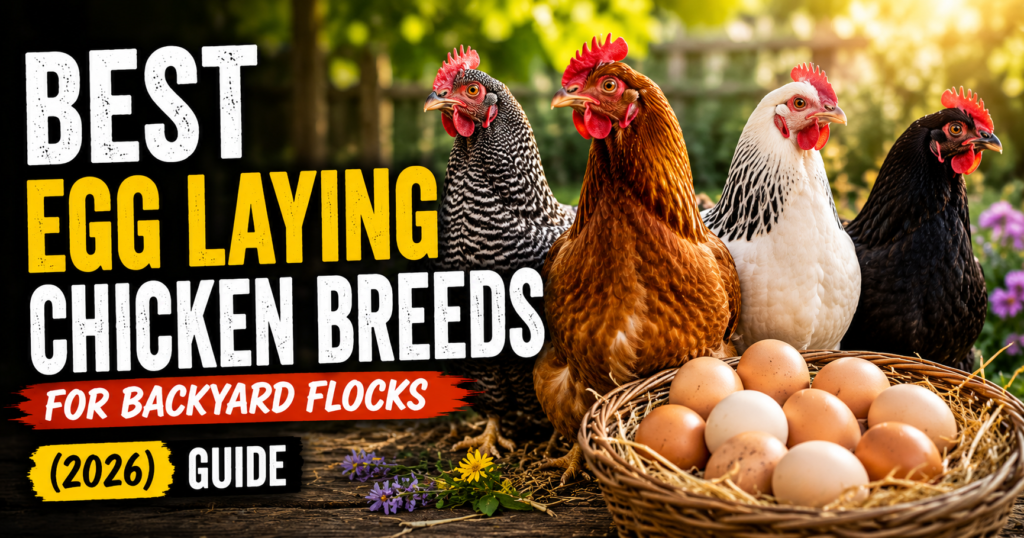
Our broader guide to the best egg-laying chickens for backyard flocks offers more options worth comparing.
Are There Health Problems Specific to Calico Princess Chickens?
I couldn’t establish a documented health disorder unique to the Calico Princess hybrid.
However, that doesn’t mean owners should ignore the general health considerations associated with productive laying chickens.
Reproductive problems, inadequate nutrition, parasites, injuries, digestive disorders, and infectious illnesses can affect them just as they affect other chickens.
I would pay particular attention to appetite, body condition, egg quality, activity, and changes in laying patterns.
A chicken producing eggs regularly is using considerable nutritional resources.
When something changes, investigate rather than immediately assuming she’s simply getting older.
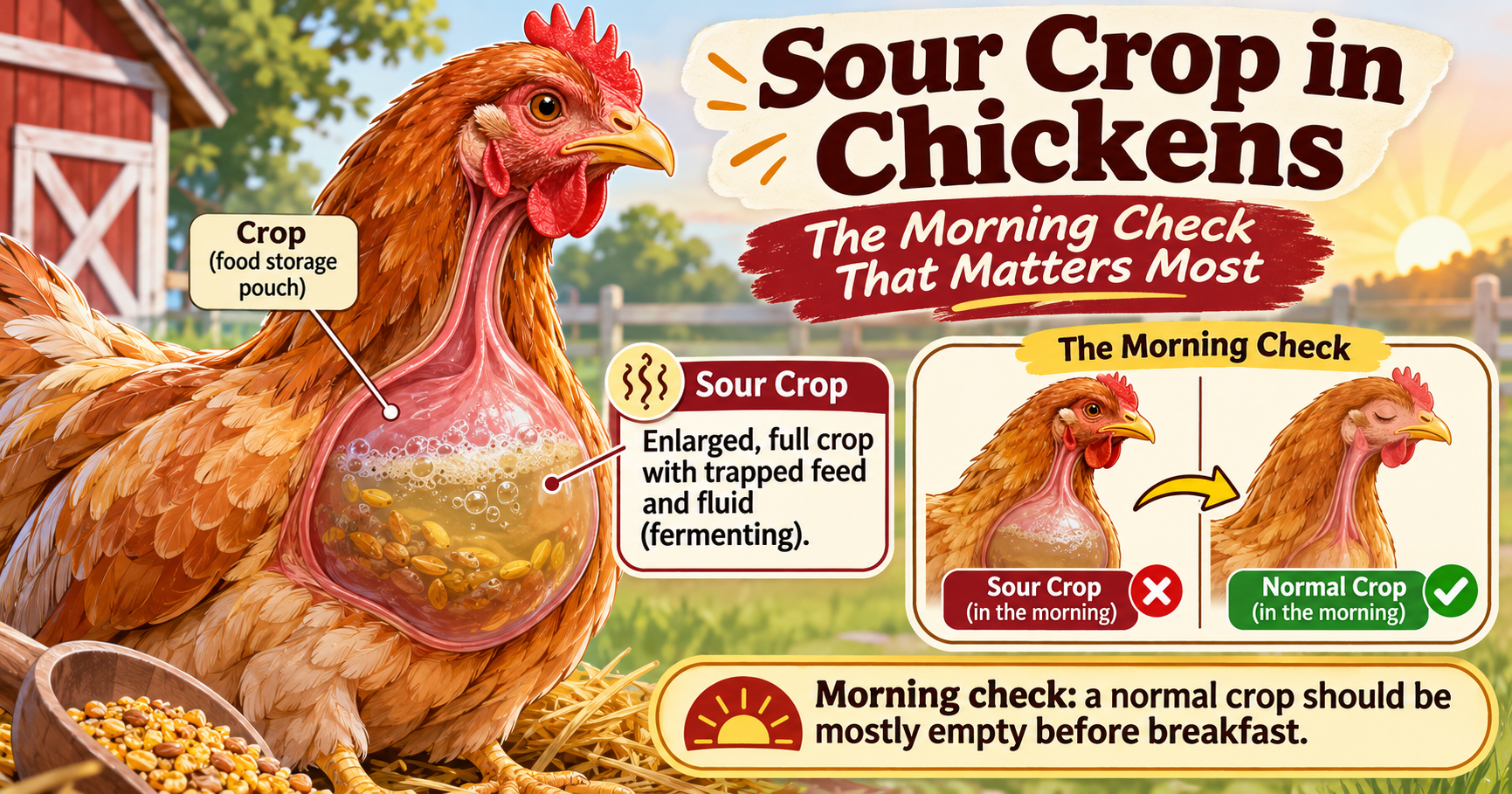
Learning what a healthy chicken’s crop feels like, for example, can help you recognize digestive problems early. Our guide to sour crop in chickens and the important morning crop check explains one useful routine for identifying abnormal crop emptying.
The Advantages of Raising Calico Princess Chickens
There are several reasons I would seriously consider these birds when planning a backyard laying flock.
Their advertised egg production is strong. Their feather patterns are attractive without being excessively unusual. Their generally calm temperament makes them appealing for ordinary backyard management.
They’re also marketed as adaptable to different climates, which is useful for households that experience both freezing winters and hot summers.
For someone who wants a practical laying hen with a little more visual personality than an ordinary solid-colored chicken, they make sense.
The Disadvantages Worth Considering
The main drawback is their hybrid background if you’re planning to maintain your own breeding line.
Their offspring won’t reliably reproduce the same commercial characteristics.
I would also avoid expecting every hen to reach the advertised egg count, remain exceptionally friendly, or continue laying heavily throughout her entire life.
Published information about their adult size and egg shade varies, which makes asking your specific hatchery worthwhile.
Finally, they’re not a particularly logical choice if your primary goal is raising exhibition birds or preserving an established heritage breed.
They’re primarily marketed as practical egg layers.
That’s where their strengths are.
What I Would Ask Before Buying Calico Princess Chicks
Whether you’re buying from a hatchery, feed store, or local seller, these questions are worth asking before paying:
- Which hatchery supplied the chicks?
- Are they sexed pullets or straight run?
- How old are they?
- Have they received any vaccinations?
- What mature weight does this particular hatchery advertise?
- What egg color and laying rate should I realistically expect?
- What feed have the chicks been receiving?
- What happens if a purchased pullet turns out to be a rooster?
Getting answers before bringing the birds home is much easier than sorting everything out afterward.
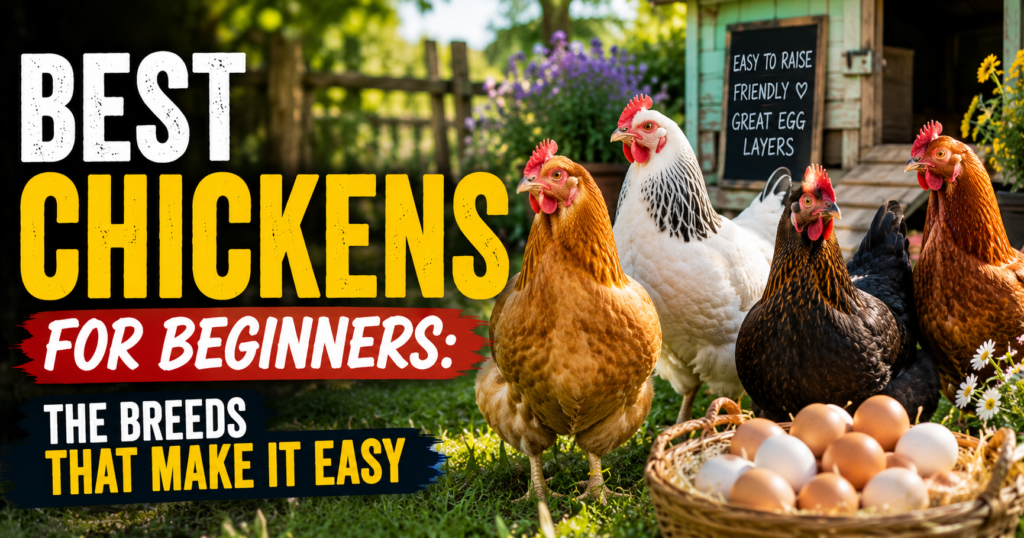
If these will be your first chickens, our guide to choosing chickens that are suitable for beginners can help you compare your options.
Frequently Asked Questions About Calico Princess Chickens
Are Calico Princess chickens good egg layers?
Yes. They are specifically marketed as productive laying hybrids, with Hoover’s Hatchery advertising approximately 290 eggs per year under favorable conditions.
What color eggs does a Calico Princess chicken lay?
They generally produce brown eggs, although shell shades may range from pale cream-brown to tan.
At what age do Calico Princess chickens start laying?
Approximately four to six months is a reasonable general expectation for a healthy, well-developed laying hybrid. Individual birds may begin earlier or later.
Are Calico Princess chickens heritage breeds?
No. Hoover’s Hatchery identifies them as specialty hybrids originating with a breeder in the Czech Republic.
Are Calico Princess chickens friendly?
They are generally described as calm and docile. Individual temperament and comfort around people depend partly on handling, socialization, and genetics.
Are Calico Princess eggs large?
Mature hens are marketed as producing large eggs. Young pullets may initially produce smaller eggs as their reproductive systems develop.
How long do Calico Princess chickens lay eggs?
Healthy hens may continue laying for several years, although productivity generally declines with age. A reliable breed-specific laying lifespan has not been established here.
How long do Calico Princess chickens live?
A precise hybrid-specific lifespan isn’t well documented in the original hatchery information. Like other backyard chickens, their lifespan varies depending on genetics, health, nutrition, and management.
Do Calico Princess chickens need a rooster to lay eggs?
No. Hens produce eggs without a rooster. A rooster is only necessary if you want fertile eggs.
Can Calico Princess chickens hatch their own eggs?
A hen that becomes broody can incubate fertile eggs. However, Calico Princess chickens are hybrids, so their offspring won’t necessarily reproduce the same commercial characteristics.
Are Calico Princess chickens good for beginners?
Their generally calm temperament, productive laying ability, and adaptability make them a reasonable option for beginners who are prepared to provide proper housing and daily care.
Are Calico Princess chickens winter hardy?
They are marketed as cold hardy, but still require dry housing, ventilation, unfrozen water, and protection from harsh weather.
Can Calico Princess chickens live with Rhode Island Reds?
Yes, provided the individual birds are compatible and introductions are handled carefully. Adequate space and access to resources are particularly important when mixing chickens.
Are Calico Princess roosters necessary?
Not for egg production. Many backyard households are better suited to keeping hens only, particularly where noise or local rooster restrictions are concerns.
Are Calico Princess chickens worth buying?
They’re worth considering if you want attractive, productive brown egg layers with a generally manageable temperament. If your main goal is heritage breed preservation or predictable multigenerational breeding, an established pure breed may be a better choice.