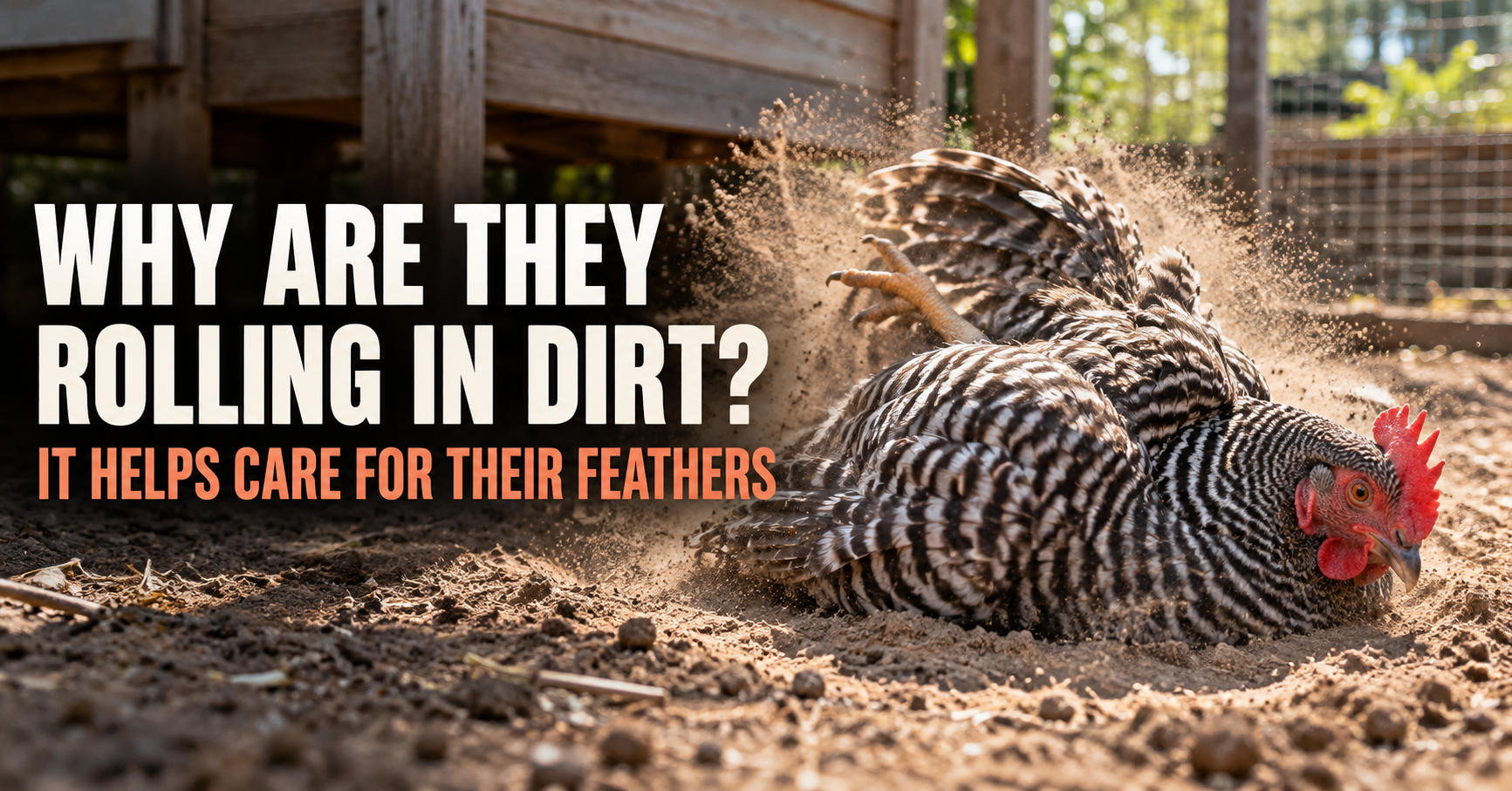
If you’ve never watched a chicken really get into a dust bath, it can look ridiculous.
They flop onto their side.
Kick dirt everywhere.
Spread one wing out.
Rub their head into the ground.
Roll around like they’ve completely lost their mind.
Then sometimes they just lie there.
I’ve seen chickens get so still during a good dust bath that, from a distance, they almost look sick or injured.
Then a few seconds later they’re throwing dirt over themselves again.
Once you’ve been around chickens for a while, you start recognizing it instantly.
Dust bathing is one of the most normal behaviors chickens have.
And it’s not just something they do because it feels good.
There’s actually a purpose behind all that rolling, kicking, and dirt-flinging.
Why Do Chickens Dust Bathe?
Chickens dust bathe as part of normal feather and skin care.
They work dry dirt or other loose material down through their feathers and against their skin.
That helps absorb excess oils, loosen debris, and maintain the condition of their feathers.
It’s basically one of the ways chickens clean themselves.
It just looks completely different from the way we’d expect an animal to get clean.
Instead of water, they’re using dirt.
And the more time I’ve spent watching chickens, the more obvious it becomes that they’re strongly motivated to do it.
Give them the right patch of loose, dry soil and they’ll often dig their own little bathtub.


Chickens Don’t Need You to Teach Them
This is one of those behaviors chickens seem to know instinctively.
You don’t have to demonstrate it.
You don’t have to put one chicken into a dust bath and hope the others understand.
Once they find loose, dry material they like, they usually figure it out.
I’ve seen chickens scratch out a shallow depression in ordinary dirt and turn that exact spot into their favorite bathing area.
Then another chicken wants the same spot.
Then another.
Before long, what started as a tiny hole can become a surprisingly deep little crater.

The Sideways Lying Can Look Scary
This is probably the part that worries people the most.
A chicken may roll onto one side, stretch a wing outward, and lie there almost motionless.
If you’re new to chickens, your first thought may be:
Is she dying?
Usually, no.
If she got there by scratching, rolling, kicking dirt, and fluffing her feathers, she’s probably just having a fantastic dust bath.
Context makes all the difference.
A healthy chicken dust bathing usually looks engaged before and after the still period.
She scratches.
Rolls.
Shakes.
Adjusts her body.
Then eventually gets up and goes back to normal chicken business.
That’s very different from a bird that stays hunched, puffed up, weak, or isolated for hours.
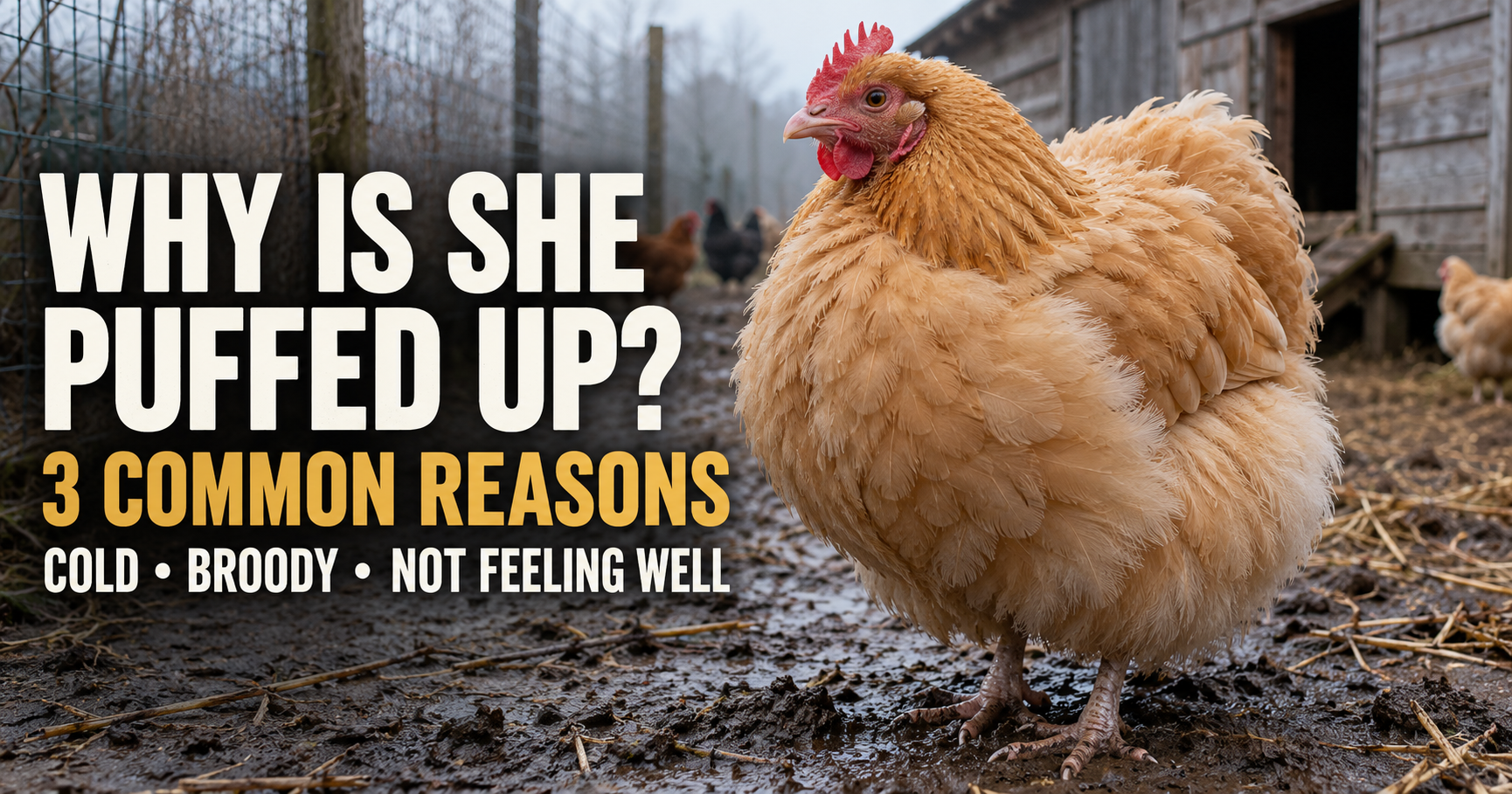
I recently wrote about why chickens puff up their feathers and how I tell normal fluffing from a concerning posturebecause dust bathing is one of the situations where loose, puffed feathers are completely normal.
They Work the Dirt Deep Into Their Feathers
If you watch closely, they’re not just rolling on top of the soil.
They’re deliberately working it through the feathers.
You’ll see them kick dirt upward with their legs.
They may lift or spread a wing.
Then they’ll wiggle and rub until the fine material gets down closer to the skin.
When they’re finished, they’ll often stand up and give themselves a huge shake.
Dust flies everywhere.
It’s one of those moments when you realize just how much material they managed to work into their feathers.

Why Dirt Instead of Water?
Chickens generally aren’t built around bathing in water the way ducks are.
Their feather maintenance routine is different.
Dust helps absorb oils and keeps feathers from becoming overly greasy.
That sounds backward when you first hear it.
How does covering yourself in dirt make you cleaner?
But the same basic principle is why people have historically used dry materials to absorb oil from other surfaces.
The loose material picks up oils and debris, then much of it comes out when the bird shakes and preens afterward.
Dust Bathing and Preening Work Together
I’ve noticed chickens often preen after bathing.
They run their beaks through their feathers.
Rearrange them.
Work on little sections one at a time.
Dust bathing isn’t replacing preening.
The two behaviors are part of the same general feather-maintenance routine.
You can think of the bath as loosening and absorbing unwanted material, while preening helps put the feathers back into good order afterward.


Does Dust Bathing Help With Mites?
This is where I like being careful.
Dust bathing is natural feather and skin maintenance, and giving chickens an appropriate place to dust bathe is good husbandry.
But I wouldn’t treat a dust bath as a guaranteed cure for a mite infestation.
That’s a completely different problem.
If you’re actually seeing mites, irritated skin, feather damage, excessive scratching, pale combs, or birds acting uncomfortable, I’d inspect them closely rather than assuming the dust bath will solve it.
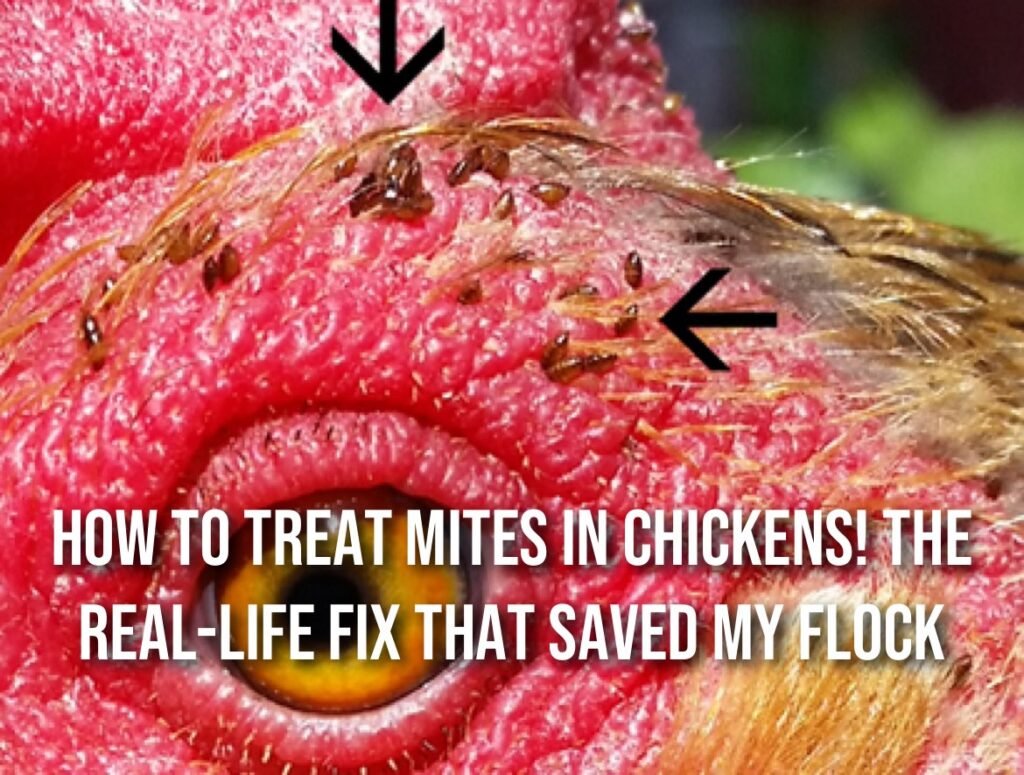
We already have a detailed guide on how I’ve dealt with mites in chickens and what actually helped the flock if you suspect parasites rather than normal grooming.
Why Do Chickens Pick One Dust Bath Spot?
This always makes me laugh.
You can give chickens an entire yard.
And somehow several hens decide there is exactly one perfect hole.
I’ve watched birds wait for another chicken to finish using a spot even though there’s loose dirt three feet away.
Usually the favorite location has something they like.
Dry soil.
Fine texture.
Shade.
Protection from wind.
Maybe it’s slightly warmer or cooler depending on the weather.
Once they’ve scratched it out and loosened the dirt, it also becomes easier to use.
So everybody keeps returning.

Shade Can Make a Dust Bath More Popular
I’ve noticed dust-bathing areas often appear under something.
Trees.
Bushes.
The edge of a coop.
Somewhere the soil stays relatively dry and the birds feel protected.
That makes sense.
A chicken lying sideways in a hole isn’t in the best position to react instantly to danger.
Having some cover nearby may make the location feel safer.
This is one reason I like chicken runs that provide both open space and sheltered areas instead of one big exposed rectangle.
Chickens Can Dust Bathe Together
One chicken starting a dust bath sometimes seems to trigger everybody else.
Before long you’ve got two, three, or four chickens squeezed into the same patch of dirt.
There’s dirt flying everywhere.
Wings overlapping.
Somebody getting kicked in the face with soil.
And somehow everybody looks perfectly happy about it.
That social element is another reason I don’t get concerned just because a chicken looks strange while doing it.
If several healthy birds are all rolling in the same hole, you’ve probably found their spa.


Why Does My Chicken Dig a Hole Before Dust Bathing?
They want loose material around the body.
So they scratch.
They kick.
They use their feet and body movements to create a shallow depression.
That hole helps contain the loose dirt while giving them enough room to roll onto their side.
Once a good dust-bathing hole has been established, chickens may keep using it until it gets surprisingly deep.
That’s also why free-ranging chickens can be rough on landscaping.
They aren’t trying to destroy your flower bed.
Unfortunately, your freshly loosened garden soil may simply look like a luxury resort to them.
Free-Range Chickens Find Their Own Spots
One thing I like about letting chickens have access to natural ground is that they usually find their own bathing areas.
Soft dirt under trees is especially popular.
They’ll scratch around for insects, dig little holes, and occasionally turn one of those holes into a permanent dust bath.
That kind of natural behavior is part of what I enjoy about watching a flock with plenty of space.

If you’re interested in giving chickens more room to behave naturally, our guide to the real-life advantages I’ve seen with free-range chickens covers the benefits along with some of the tradeoffs.
Chickens in Runs Still Need Somewhere to Do It
A secure chicken run can be fantastic.
But if every inch is hard-packed clay, concrete, or constantly wet mud, chickens may have trouble finding good bathing material.
That’s when creating a dedicated area starts making sense.
It doesn’t have to be fancy.
A dry area of loose soil can work.
The key things I look for are:
Dryness.
Loose texture.
Enough room for the chicken to roll around.
Protection from constant rain.
And enough depth that they can actually work the material into their feathers.
What Should You Put in a Chicken Dust Bath?
I like keeping this simple.
Ordinary dry dirt or sandy soil can work extremely well.
Some people add other dry materials, but I don’t think a chicken dust bath needs to become a chemistry project.
The birds mainly need loose, dry material they can work through their feathers.
I also don’t like blindly adding powders just because they’re common in social media chicken recipes.
A product being “natural” doesn’t automatically mean I want my birds breathing clouds of it.
Simple is often better.
What About Diatomaceous Earth?
This comes up constantly.
Some chicken keepers mix food-grade diatomaceous earth into dust baths because they believe it helps with external parasites.
I take a more cautious approach.
Fine airborne dust can irritate the respiratory system, and chickens throw an incredible amount of dust into the air when they’re bathing.
So I don’t see a reason to turn every dust bath into a cloud of extra powder when dry soil already lets chickens perform the natural behavior.
If parasites are the actual concern, I’d rather identify the parasite and deal with that problem directly than rely solely on a dust bath.
A Wet Dust Bath Isn’t Much of a Dust Bath
Chickens want dry material.
After several days of rain, you’ll sometimes notice favorite bathing holes sit unused.
The dirt is too wet.
Once things dry out again, they’re right back in there.
If your property stays wet for long stretches, putting a dust bath beneath a roofed portion of the run can make a huge difference.
That’s one advantage of having part of the enclosure covered.
The flock still has access to usable dry ground even after a storm.

Our article on whether you should cover the top of a chicken run was written mainly from a predator-protection angle, but weather protection is another practical benefit worth considering.
Dust Bathing Can Be Messy Around Feeders and Waterers
There’s one location I wouldn’t encourage it.
Right beside the waterer.
A chicken can turn crystal-clear water into muddy soup surprisingly fast when she’s kicking dirt six feet in every direction.
Same thing with feeders.
I like having some separation between the flock’s favorite bathing area and food or water.
Otherwise you’ll spend a lot more time cleaning.
Why Do Chickens Shake So Hard Afterward?
Because they’re full of dirt.
Seriously.
Once they’ve finished rolling around, they’ll stand and perform an impressive whole-body shake.
You’ll sometimes see a literal cloud come off them.
That shake helps remove loose dirt and gets their feathers back into position.
Then they may preen.
It’s basically the final stage of the bath.
Does Dust Bathing Mean My Chicken Has Mites?
Not by itself.
This is important.
A perfectly healthy chicken dust bathes.
So seeing your hen roll around in dirt does not mean she has parasites.
I get more interested in mites when dust bathing is accompanied by other signs.
Constant irritation.
Damaged feathers.
Scabs.
Visible parasites.
Pale comb.
Poor condition.
Reduced laying.
Restlessness at night.
That’s when I inspect further.
Normal dust bathing should be considered exactly that.
Normal.
Can Chicks Dust Bathe Too?
Yes.
Young chickens begin practicing many adult behaviors surprisingly early.
You’ll sometimes see chicks scratching and rolling in bedding or loose material.
It may look clumsy compared with an experienced hen, but they’re learning and following instinct.
If you’re brooding chicks, obviously their environment and bedding need to remain safe and appropriate for their age.
But seeing the beginnings of dust-bathing behavior isn’t strange.
Dust Bathing Tells Me a Lot About How Comfortable a Chicken Feels
This is one of the reasons I enjoy watching normal chicken behavior.
A chicken that feels safe enough to throw herself sideways into dirt, close her eyes, and roll around isn’t behaving like a bird that’s constantly panicked.
Of course, one behavior doesn’t tell you everything about welfare.
But when I see chickens scratching, bathing, preening, exploring, and interacting normally, I generally take that as a good sign that the environment is letting them express natural behaviors.
That’s part of why space matters so much.
Don’t Confuse Dust Bathing With a Chicken in Distress
The difference becomes easier to see with experience.
A dust-bathing chicken usually got herself into the hole deliberately.
She scratches.
Rolls.
Kicks.
Flaps.
Pauses.
Rolls some more.
Then gets up.
A sick chicken may lie oddly too, but the surrounding behavior usually looks different.
She may remain weak.
Fail to stand.
Ignore food.
Breathe strangely.
Stay separated.
Keep her eyes closed.
The entire picture matters.
Our broader article on why a chicken may start acting weird and what I look at first is a better fit when multiple behaviors have changed at once.
Why Do Chickens Sometimes Dust Bathe in Bedding?
If the dirt outside isn’t available, they’ll occasionally improvise.
Loose coop bedding.
Shavings.
Dry litter.
I’ve seen chickens attempt to bathe in materials that I never would have deliberately chosen as a bath.
Their instinct is basically telling them:
Loose dry stuff?
Good enough.
That doesn’t necessarily mean anything is wrong with their outdoor area, but if they’re constantly trying to bathe inside because the run is muddy, I’d consider giving them a dry outdoor spot.
Your Yard May Pay the Price
Here’s the less glamorous part.
Chickens don’t care about landscaping plans.
A carefully mulched flower bed can become a dust bath.
The loose soil around a newly planted tree can become a dust bath.
A spot you just leveled can become a dust bath.
If there’s one area you absolutely don’t want them excavating, fencing it off is usually easier than trying to convince chickens that they’re bathing in the wrong place.
They have very strong opinions about good dirt.
I Actually Like Seeing Dust Bath Holes
As inconvenient as they can sometimes be, I generally enjoy seeing them.
It tells me the chickens found a place where they can perform a normal behavior.
They dig it themselves.
Maintain it themselves.
Return to it.
Sometimes argue over it.
And use it over and over.
It’s one of those little reminders that chickens need more than feed, water, and a box to sleep in.
They need opportunities to act like chickens.
Frequently Asked Questions
Why do chickens roll around in dirt?
They’re usually dust bathing. Chickens work loose, dry material through their feathers as part of normal feather and skin maintenance.
Is it normal for a chicken to lie on her side in dirt?
Yes, especially during a dust bath. Chickens often roll onto one side, spread a wing, kick dirt into their feathers, and occasionally lie still for short periods.
Does dust bathing mean chickens have mites?
No. Healthy chickens dust bathe routinely. Parasites become more likely when you also see irritation, feather damage, visible mites, pale combs, or other abnormal signs.
What should I put in a chicken dust bath?
Dry natural soil or a loose sandy soil mixture is usually enough. The most important thing is that the material stays loose and dry.
How deep should a chicken dust bath be?
It needs enough loose material for the bird to scratch a shallow depression and work dirt through her feathers. Chickens often make their own bathing holes deeper over time.
Why won’t my chickens use the dust bath I made?
They may prefer different soil, a more sheltered location, or another spot they’ve already claimed. Chickens don’t always appreciate the amenities we thoughtfully design for them.
Do chickens dust bathe in winter?
They can whenever they have access to dry loose material. Covered areas are particularly useful when winter precipitation leaves the rest of the ground wet.
About the Author
Megan Whitaker writes about chicken behavior and flock dynamics for Backyard Chicken Pro, focusing on the everyday behaviors that can look strange until you’ve spent enough time watching a flock. Her work combines firsthand observation with practical poultry knowledge to help chicken owners recognize normal behaviors, understand why chickens do them, and notice when something genuinely seems different.