I’ve had chickens scare me simply by enjoying themselves.
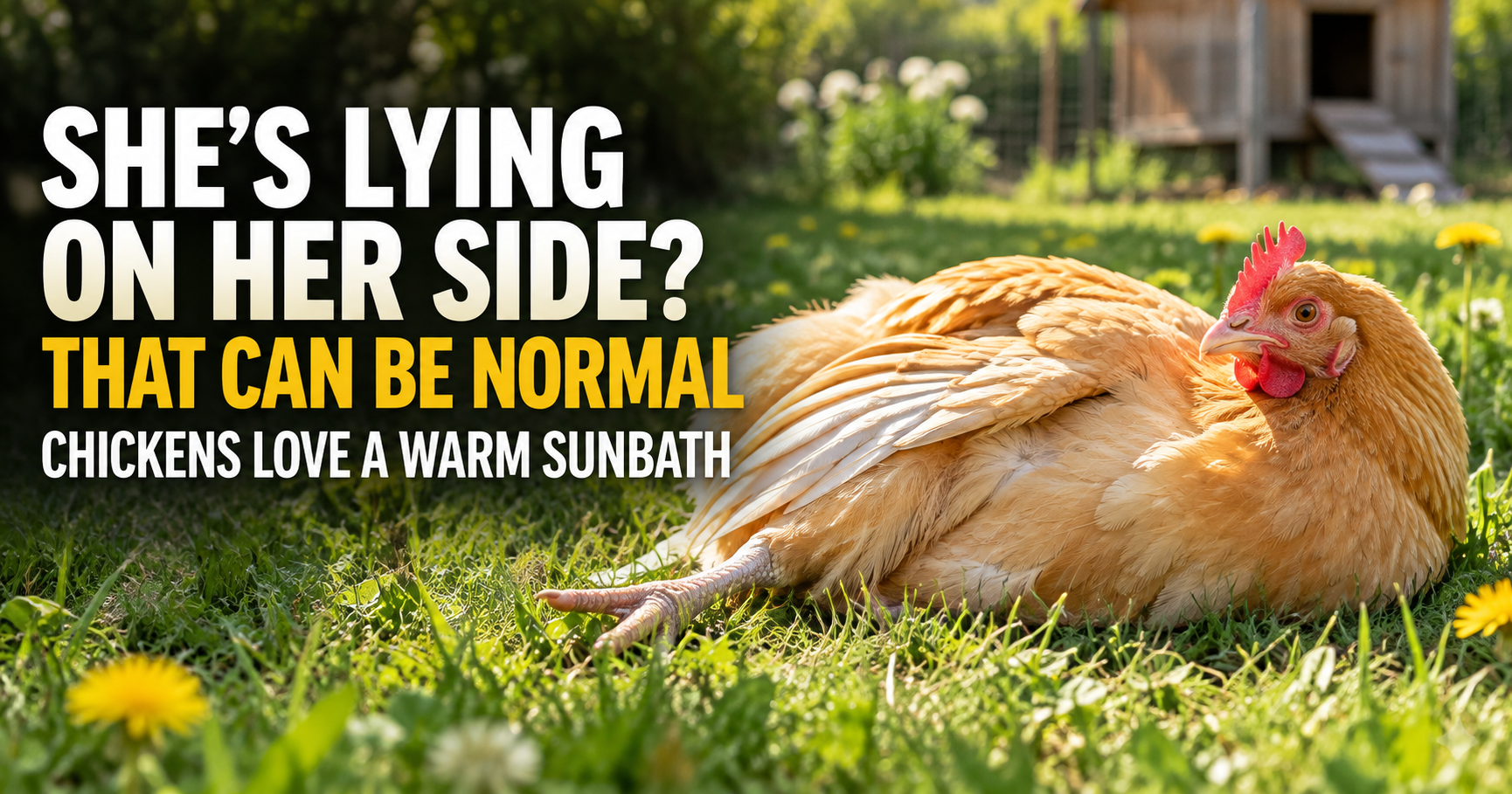
You walk outside, look across the yard, and there is a hen lying completely on her side.
One wing is stretched out.
One leg may be kicked behind her.
Her feathers are loose.
Her eyes might even be closed.
For about two seconds, she looks dead.
Then she notices you, lifts her head, gives you that annoyed chicken stare, and goes right back to soaking up the sun.
Once you’ve kept chickens for a while, you start recognizing this behavior immediately.
Chickens really do sunbathe.
What makes it confusing is that normal sunbathing can look surprisingly similar to a sick, overheated, injured, or exhausted chicken if you only glance at the bird for a second.
That’s why I don’t judge what I’m seeing based on the position alone.
I watch what happened before, what the chicken does afterward, and whether everything else about her looks normal.
Why Do Chickens Sunbathe?
Chickens appear to sunbathe because warm sunlight and radiant heat encourage a very relaxed, spread-out posture.
A sunbathing chicken may lie on one side, loosen her feathers, extend a wing, stretch a leg, and remain surprisingly still.
This isn’t the same thing as a chicken collapsing from illness.
It’s a voluntary comfort behavior.
Sunbathing also shares several postures with dust bathing, including side lying and spreading the feathers. Research on poultry behavior has noted that radiant heat and light may trigger sunbathing and that chickens can transition from sunbathing into dust bathing when suitable dry material is available. UMN Digital Conservancy
That matches what I’ve noticed around chickens.
A hen finds a warm patch.
She settles down.
A wing stretches out.
Then sometimes she starts wiggling into the dirt and turns the whole thing into a dust bath.
Other times she simply stays there enjoying the sunshine.


The Sideways Position Is What Scares Most People
A chicken sitting normally doesn’t look alarming.
A chicken lying completely on her side does.
I’ve seen hens stretch themselves out so dramatically that one leg is extended, one wing is open, and the head is resting low enough that you’d swear the bird had fallen over.
Then somebody walks nearby and she pops right back up.
That’s the first clue I look for.
A healthy sunbathing bird is usually capable of getting up normally.
She may not want to get up because you’ve interrupted a perfectly good afternoon, but she can.
A chicken that’s unable to stand, staggering when she tries, or remaining collapsed even when approached is a different situation.
Sunbathing and Dust Bathing Can Look Almost Identical
This is especially important now that we’ve covered both behaviors.
A sunbathing chicken and a dust-bathing chicken can both:
- Lie on their side.
- Spread a wing.
- Loosen their feathers.
- Stretch a leg.
- Close their eyes.
- Stay still for short periods.
The difference is usually what they’re doing with the ground.
A dust-bathing chicken is actively scratching, kicking dirt, rolling, rubbing, and working loose material through her feathers.
A sunbathing chicken may simply stretch out and remain there.
And sometimes they do both.
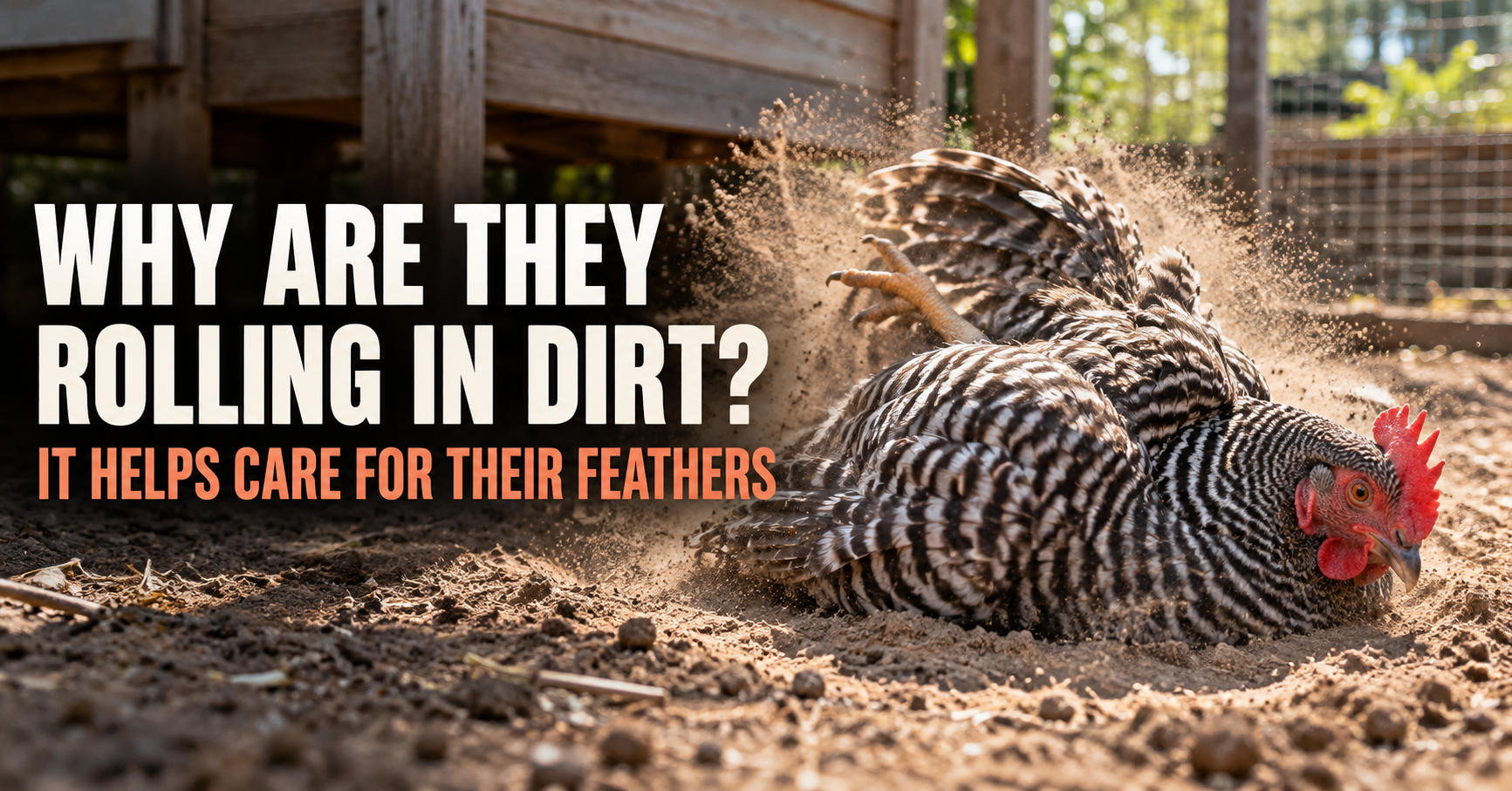
If you haven’t seen the dirt-flinging version yet, I go much deeper into why chickens dust bathe and what they’re actually doing.
Once you learn both behaviors, they become much easier to recognize.
Why Does My Chicken Spread One Wing in the Sun?
This is one of the classic sunbathing positions.
The chicken lies partly on one side and opens the upper wing so sunlight reaches feathers and skin that normally stay covered.
It can look awkward.
Sometimes extremely awkward.
The wing may be held so far away from the body that it looks injured from across the yard.
What I pay attention to is what happens afterward.
If the hen eventually stands up, folds both wings normally, walks without difficulty, eats, scratches, and rejoins the flock, I don’t usually consider that wing extension concerning.
If one wing remains drooped while she’s walking around, that’s different.
The behavior needs to end when the sunbathing ends.
Why Does My Chicken Stretch a Leg While Sunbathing?
This is another one that looks ridiculous until you’ve seen it enough times.
Some hens extend a leg behind them while lying on their side.
It can look like the leg isn’t working.
Then they get up and walk away perfectly normally.
Chickens also perform ordinary wing-and-leg stretching at other times. They’ll sometimes extend the wing and leg on the same side of the body during a big stretch.
When I see a leg extended during an otherwise relaxed sunbathing session, I watch the chicken afterward.
Normal walking afterward tells me much more than the strange-looking position itself.
Chickens Can Get Extremely Still
This is probably why so many people think they’ve found a dead chicken.
A comfortable hen may close her eyes and stop moving.
I’ve had to look twice before.
The important thing is that sunbathing is happening in the right context.
Sunny location.
Relaxed body.
Normal breathing.
Healthy behavior before lying down.
Normal activity when she gets up.
Those clues together make me much less concerned.
I’ve learned that taking one strange chicken position out of context causes a lot of unnecessary panic.


They Sometimes Puff Their Feathers While Sunbathing Too
Loose feathers help expose different areas of the body.
That means a sunbathing chicken may look unusually fluffy.
Again, that doesn’t automatically mean she’s cold or sick.
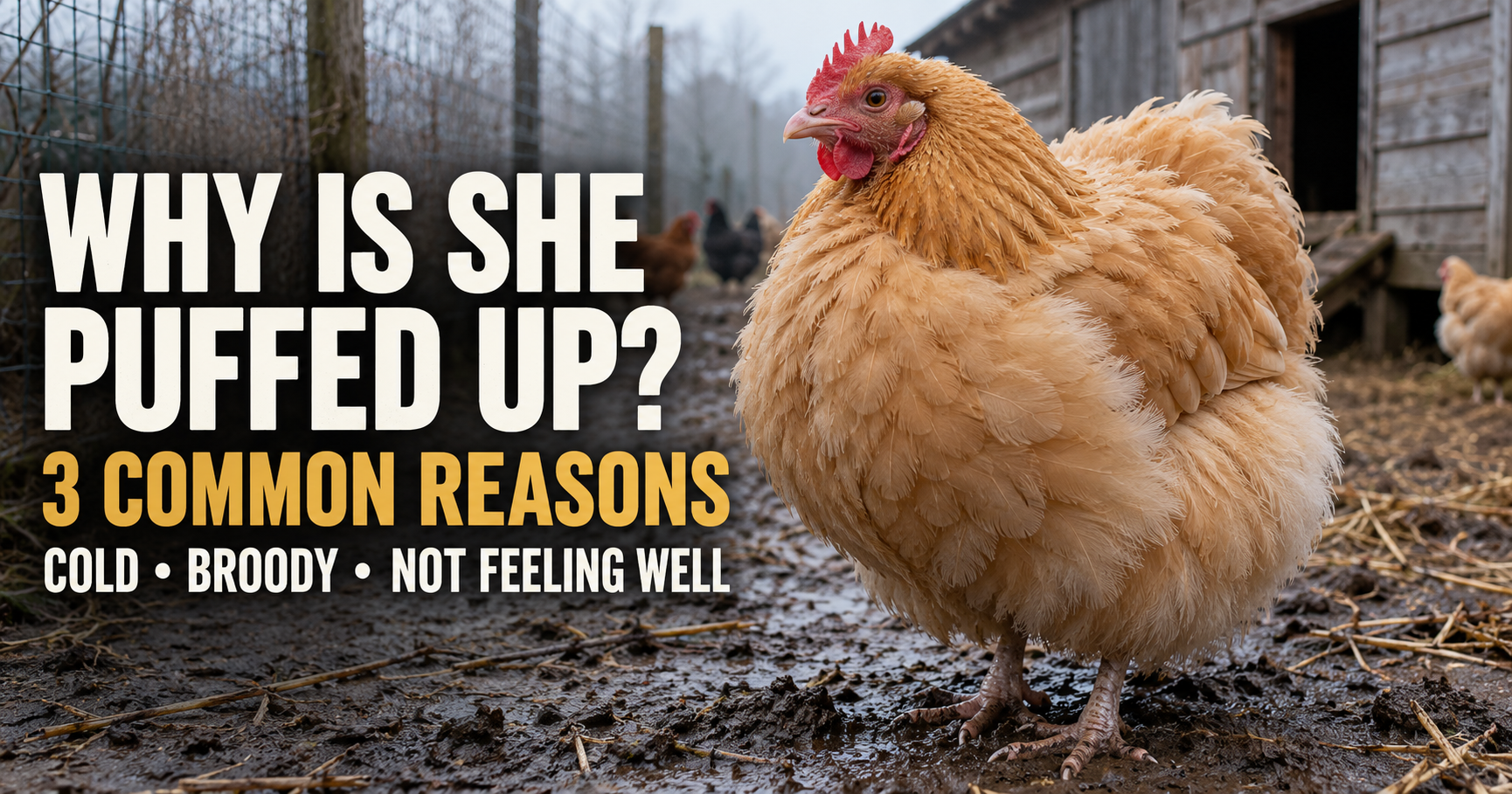
We’ve already talked about how many different things can cause feather fluffing. If the puffed appearance is what really has you concerned, read why chickens puff up their feathers and what I’ve noticed.
The combination I consider normal here is:
Sunshine.
Relaxed posture.
Loose feathers.
Wing stretched.
Normal activity afterward.
The combination I take more seriously is:
Persistent puffing.
Hunched posture.
Low energy.
Poor appetite.
Isolation.
Those are very different pictures.
Does Sunbathing Help Chickens Stay Warm?
On cooler days, the attraction of a sunny patch makes obvious sense.
I regularly see animals take advantage of direct sunlight when the air itself feels cool.
A chicken’s feathers provide excellent insulation, and sunlight can create a noticeably warmer little microclimate compared with the surrounding shade.
That doesn’t mean every sunbathing session happens because the bird is cold.
I’ve seen chickens enjoy sunshine when temperatures were perfectly comfortable.
Sometimes warm simply feels good.
Humans understand that one pretty well too.
Why Would a Chicken Sunbathe When It’s Already Warm Outside?
This is where behavior can look contradictory.
You’d think a chicken would avoid direct sunlight whenever the temperature rises.
But the presence of sunlight doesn’t automatically mean the bird is suffering from heat.
A chicken may spend time in the sun and then move back into shade.
What matters is whether she has choices.
I like setups where chickens can move between:
Sun.
Shade.
Dry dirt.
Grass.
Shelter.
Water.
A bird choosing ten minutes of sunshine is very different from a bird trapped in direct sun with nowhere cooler to go.
Sunbathing Is Not the Same as Heat Stress
This distinction matters.
A relaxed chicken lying in the sun isn’t automatically overheating.
Heat stress looks different.
A hot chicken may pant with her beak open and hold her wings away from the body to lose heat. University of Maryland Extension specifically lists panting and spreading the wings as behaviors associated with trying to dissipate heat, although similar signs can also accompany illness. University of Maryland Extension
That’s why I pay attention to breathing.
A chicken quietly sunbathing and breathing normally?
Usually not alarming.
A chicken panting heavily, appearing weak, struggling to move, or unable to escape the heat?
I’m taking that seriously.

Watch the Beak
This is one of my easiest quick checks.
A comfortable sunbathing chicken may look half asleep.
But she generally shouldn’t be desperately open-mouth breathing.
Some panting can occur during hot weather, but persistent heavy panting tells me the heat may be becoming too much.
At that point, I’m thinking about:
Shade.
Fresh cool water.
Air movement.
Reducing heat exposure.
And making sure the bird is actually capable of moving normally.
The behavior needs to make sense for the weather.
A Chicken Lying in the Sun Should Still Respond to What’s Around Her
Healthy chickens are observant.
Even when relaxing, they tend to notice activity around them.
Walk closer.
Make a familiar sound.
Move something nearby.
A sunbathing hen may raise her head, open her eyes, reposition herself, or stand.
She might decide you’re not interesting enough and settle right back down.
That’s fine.
What catches my attention is a bird that’s unusually difficult to rouse or seems unaware of everything happening around her.
Again, I’m not diagnosing from one sign.
I’m simply asking whether this looks like the bird I normally know.
Don’t Assume Every Chicken Lying Down Is Sunbathing
This is one of the biggest mistakes I think new owners can make after learning about sunbathing.
You don’t want to go too far in the opposite direction.
Not every sideways chicken is relaxing.
A chicken may lie down because of:
Injury.
Weakness.
Heat stress.
Illness.
Leg problems.
Exhaustion.
Egg-laying problems.
Or something else entirely.
The sunshine doesn’t prove anything by itself.
You have to look at the chicken.
What I Check Before I Decide It’s Normal
If I see a chicken lying strangely, I mentally run through a few things.
Is she in a sunny spot?
Was she scratching or behaving normally before she lay down?
Are her feathers loose and relaxed?
Is the wing deliberately stretched?
Is she breathing normally?
Does she react when I approach?
Can she stand?
Does she walk normally afterward?
Does she eat and drink normally?
If the answers look good, I’m usually comfortable watching instead of interfering.
That’s where knowing the flock pays off.
Appetite Is One of My Favorite Reality Checks
Food-motivated chickens are wonderfully predictable.
If a hen has been sunbathing for twenty minutes, then springs up when treats appear, I feel a lot better.
A bird that normally comes running but suddenly has no interest in food deserves more attention.
Loss of appetite combined with weakness, hunched posture, abnormal breathing, or isolation is much more concerning than lying in the sunshine by itself.
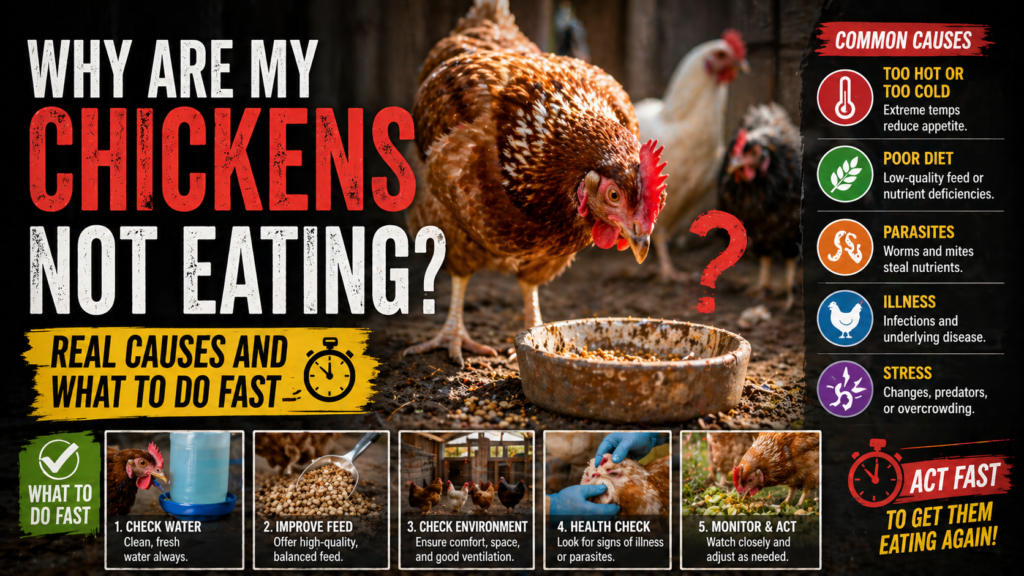
If eating is part of what has changed, our guide explaining why chickens stop eating and what I check first is the better place to continue.
Why Do Several Chickens Sunbathe Together?
I’ve seen normal chicken behaviors spread through a flock almost like somebody announced them.
One hen settles down.
Another notices.
Then another.
Before long, there’s a whole row of chickens lying around.
Chickens often perform comfort behaviors in groups. Dust bathing and preening can be synchronized social behaviors as well. Cooperative Extension descriptions of normal backyard chicken behavior note that chickens commonly perform comfort behaviors together. Auburn University College of Agriculture
So several healthy birds sprawled in the same sunny patch isn’t something that automatically concerns me.
It usually tells me somebody found the good spot.
Free-Ranging Chickens Have Lots of Sunbathing Choices
One thing I enjoy about chickens having access to a larger outdoor area is watching them choose their own little microclimates.
They move under trees.
Into grass.
Across warm dirt.
Back into shade.
Then into another sunny spot.
They know the property differently than we do.
A place that looks completely ordinary to me may apparently be premium chicken real estate.

That’s one of the behavioral benefits I appreciate when chickens have safe outdoor space. Our article on the real-life advantages of free-range chickens covers more of what I’ve noticed when birds have room to explore.
Don’t Forget Predator Protection While Chickens Relax Outside
There’s a practical downside to relaxed outdoor behavior.
A chicken lying on her side isn’t in the same ready-to-run posture as a bird actively scratching.
That doesn’t mean sunbathing itself is unsafe.
It means I still want the environment to be safe.
Hawks don’t care that the chicken is enjoying herself.
Foxes don’t either.
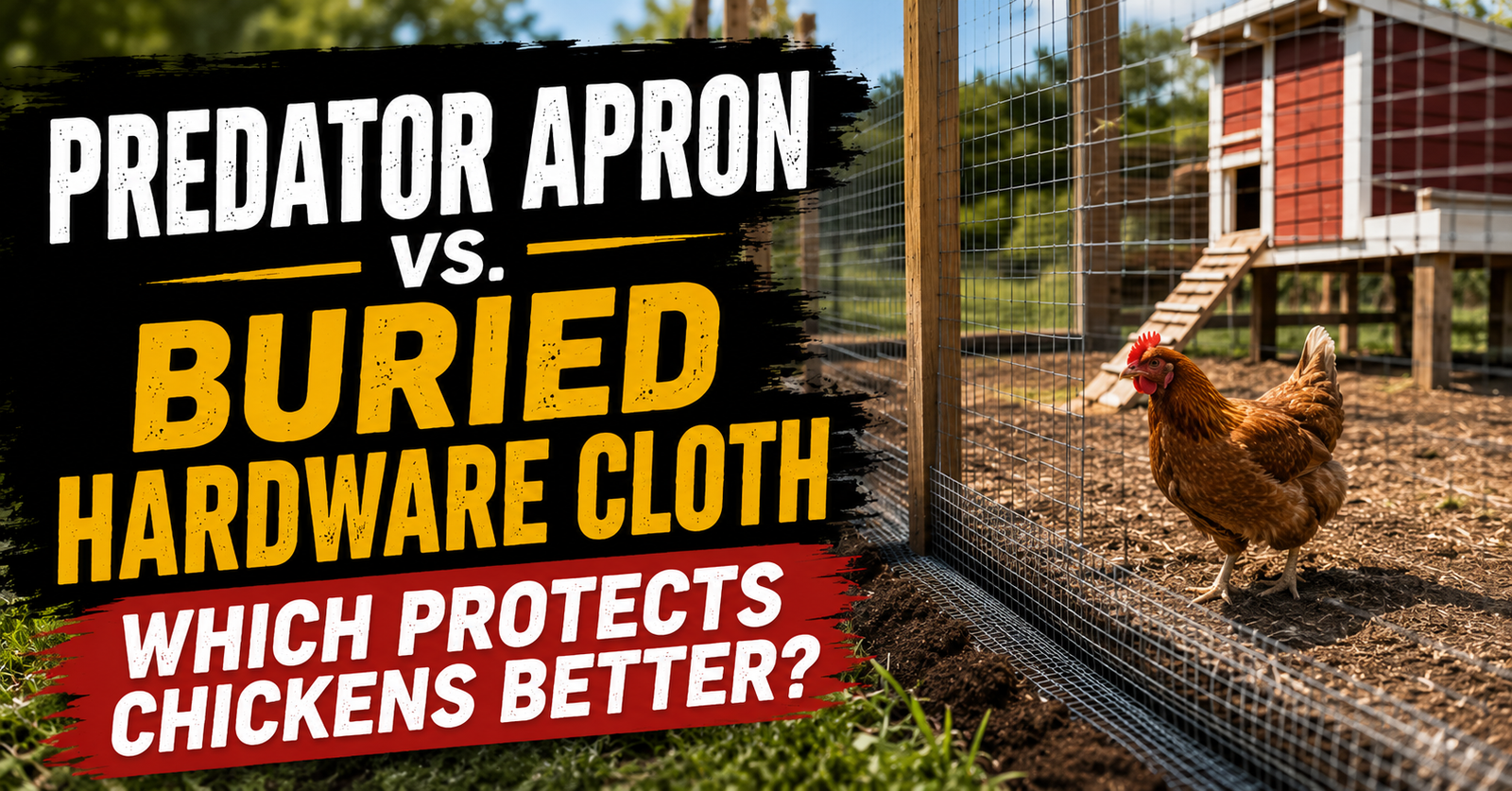
This is where secure runs, overhead protection, hiding places, and general predator awareness still matter.
We’ve built out a full predator-protection library on Backyard Chicken Pro for exactly this reason.
Comfort and security need to work together.
Can Chickens Sunbathe Inside a Run?
Absolutely, as long as sunlight reaches part of it.
In fact, I like runs that provide both sunny and shaded sections throughout the day.
A completely dark enclosure takes away choices.
A completely exposed enclosure does too.
The birds should be able to decide.
One of the things I’ve come to appreciate about chicken behavior is how often the birds tell you what they prefer when they’re given options.
If everybody crowds one tiny sunny corner every morning, that’s useful information.
If they all retreat to the shade at noon, that’s useful too.
Does Sunbathing Kill Mites?
I wouldn’t rely on it.
Sunlight, heat, dust bathing, preening, and feather maintenance are all part of the bird’s normal life, but a real parasite infestation deserves to be treated as a parasite problem.
I don’t consider a hen lying in the sun evidence that she’s trying to “cook mites off.”
That’s one of those explanations that sounds convincing online but stretches ordinary behavior too far.
If I’m actually worried about mites, I inspect the bird and coop.
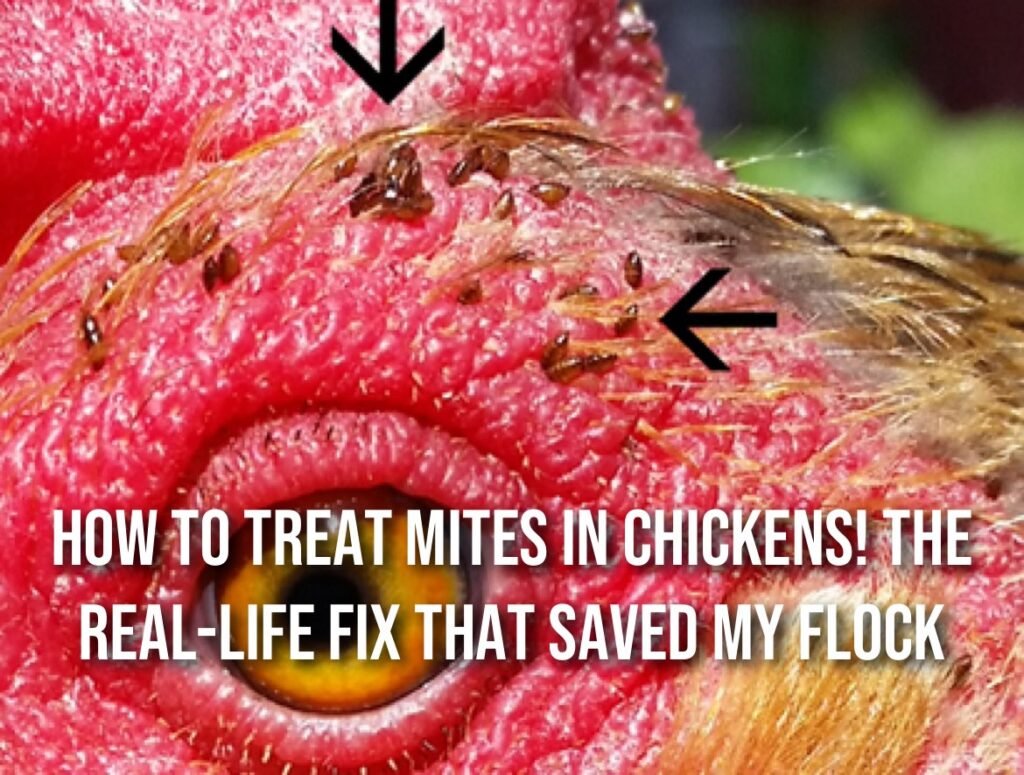
We already have a detailed guide to treating mites in chickens rather than relying on normal comfort behavior as treatment.
Why Does My Chicken Sunbathe After a Dust Bath?
Because the two behaviors fit together surprisingly well.
Dust bathing involves loose feathers, side lying, wing movements, and rolling.
Sunbathing often involves loose feathers, side lying, and spreading a wing.
A chicken already lying comfortably in dry dirt doesn’t have to make much of a transition.
Research has specifically noted the overlap between sunbathing and dust-bathing postures and suggested that birds may move from sunbathing into dust bathing when suitable substrate is available. UMN Digital Conservancy
So if your hen seems to be doing both at once, she probably is.
Why Does My Chicken Look Dead While Sunbathing?
Because chickens have absolutely no concern for our blood pressure.
They can become extremely relaxed.
Sideways.
Eyes closed.
Wing stretched.
Leg extended.
Head low.
Unfortunately, that combination looks terrible from twenty feet away.
I’ve learned to approach calmly instead of immediately assuming the worst.
Most sunbathing hens make it clear pretty quickly that they’re fine.
A bird that doesn’t respond or can’t stand deserves immediate attention.
The Difference Between Relaxed and Lethargic Matters
This is probably the single most important skill to develop here.
Relaxed means the chicken can be active but currently isn’t.
Lethargic means the chicken appears unwilling or unable to behave normally.
A relaxed hen may sunbathe for thirty minutes, then jump up and chase another bird away from a treat.
A lethargic hen may remain hunched even when the flock moves away.
She may keep her eyes closed.
Ignore food.
Stand with ruffled feathers.
Separate herself.
University of Maryland Extension describes hunching, inactivity, reduced feeding and other behavioral changes as possible sickness behaviors, which is why the full picture matters. University of Maryland Extension
Learn What Normal Looks Like Before Something Goes Wrong
This has become one of my biggest themes with chicken behavior.
Watch your birds when they’re healthy.
Watch them sunbathe.
Dust bathe.
Squat.
Stretch.
Run toward you.
Argue over nothing.
Scratch.
Preen.
Roost.
The more normal behavior you’ve actually seen, the less likely you are to panic over something harmless.
And the flip side is even more useful.
You’ll recognize abnormal behavior sooner because you know what that individual bird normally does.
That’s much more valuable than memorizing a giant list of symptoms.
When I Would Start Worrying
A chicken lying in the sun doesn’t concern me by itself.
I’d look much closer if I also saw:
Persistent heavy panting.
Inability to stand.
Limping after she gets up.
Little or no interest in food.
Isolation from the flock.
Drooping wings that remain drooped afterward.
Closed eyes for long periods while standing or sitting abnormally.
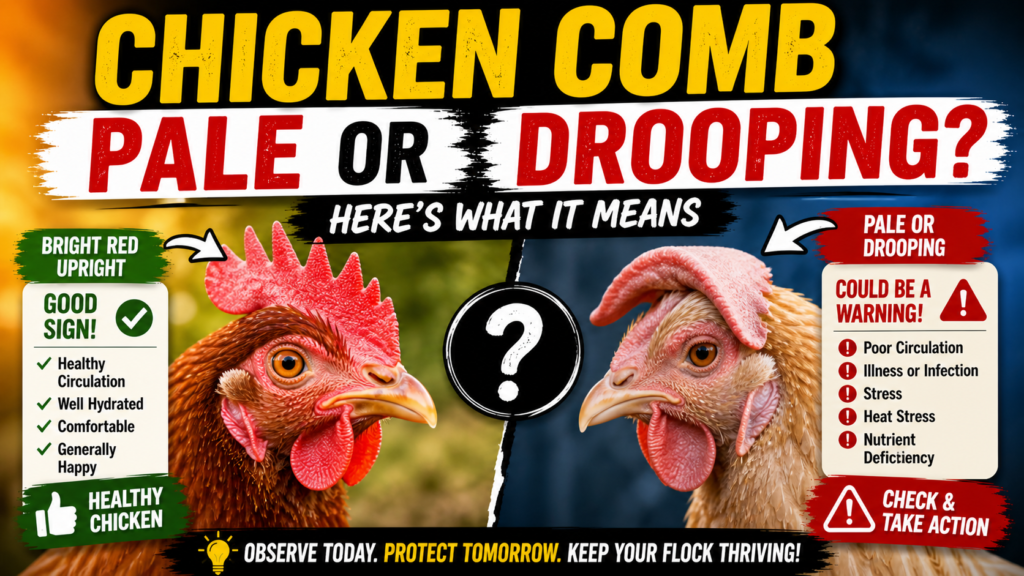
Pale or unusual comb color.
Abnormal breathing.
Repeated collapse.
Those combinations move the situation beyond simple sunbathing.
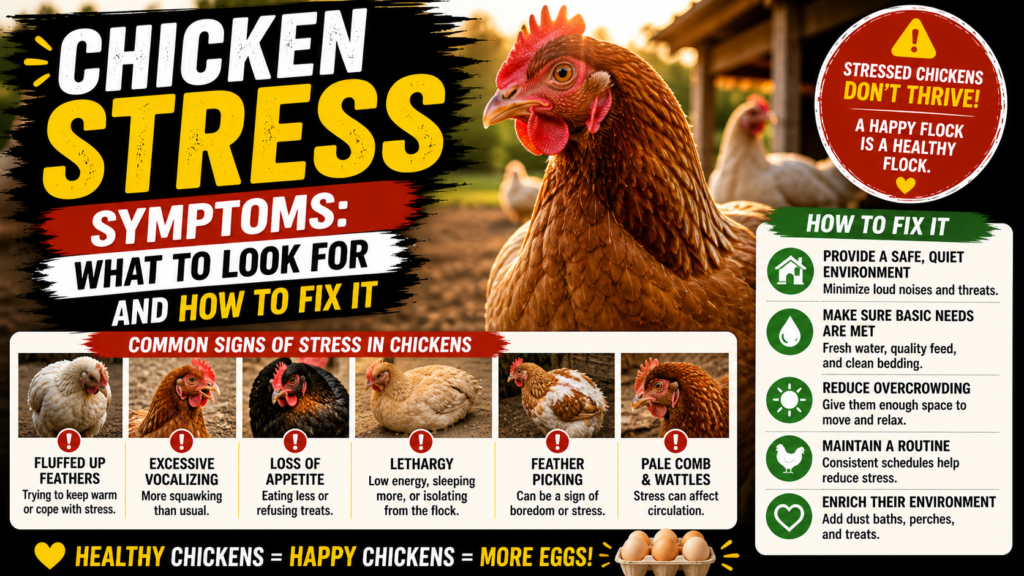
If the bird’s whole personality seems different, our chicken stress symptoms guide can help you work through some of the broader changes worth checking.
What I’ve Learned From Watching Chickens Relax
Chickens have a talent for making completely normal behavior look alarming.
That’s part of what makes them interesting.
The first time you see a hen sprawled sideways with a wing stretched out, you may run across the yard.
The tenth time, you’ll probably glance over and think:
There she goes again.
I’ve learned to respect that difference between unusual-looking and actually abnormal.
Sunbathing looks unusual.
In a healthy bird behaving normally before and afterward, it’s usually just another part of being a chicken.
And personally, seeing a flock comfortable enough to stretch out and relax is something I enjoy.
It means I get to stop worrying for a minute and simply watch chickens be chickens.
Frequently Asked Questions
Why does my chicken lie on her side in the sun?
She may simply be sunbathing. Chickens commonly lie partly on one side, loosen their feathers, and stretch a wing or leg while relaxing in sunlight.
Why does my chicken look dead while sunbathing?
Their posture can be extremely dramatic. A relaxed chicken may close her eyes and remain still. A healthy bird should still respond normally and be capable of standing and walking afterward.
Why does my chicken spread one wing while lying down?
Wing spreading can expose more of the feathers and body to sunlight during sunbathing. Context matters because chickens can also hold their wings away from their bodies when trying to dissipate heat. University of Maryland Extension
Is sunbathing the same as dust bathing?
No, although the behaviors overlap. Dust bathing involves actively working loose dirt through the feathers. Sunbathing is more centered around lying and spreading out in sunlight, and chickens may transition between the two. UMN Digital Conservancy
Do chickens sunbathe because they’re cold?
Warmth may be part of the attraction, especially on cooler days, but chickens can sunbathe in otherwise comfortable weather too.
How can I tell sunbathing from heat stress?
Look at the whole bird. A relaxed sunbather should be responsive and able to move normally. Persistent heavy panting, weakness, distress, or inability to get out of the heat deserves attention.
Should I move a chicken that’s sunbathing?
Usually not. If she has access to shade and water and appears healthy and comfortable, I generally let her choose when she’s finished.
About the Author
Megan Whitaker writes about chicken behavior and flock dynamics for Backyard Chicken Pro, focusing on the strange everyday moments that can look alarming until you’ve spent enough time observing a flock. Her work combines firsthand observations around chickens with established poultry behavior guidance to help owners understand what’s normal, recognize patterns in their own birds, and know when a behavior deserves a closer look.