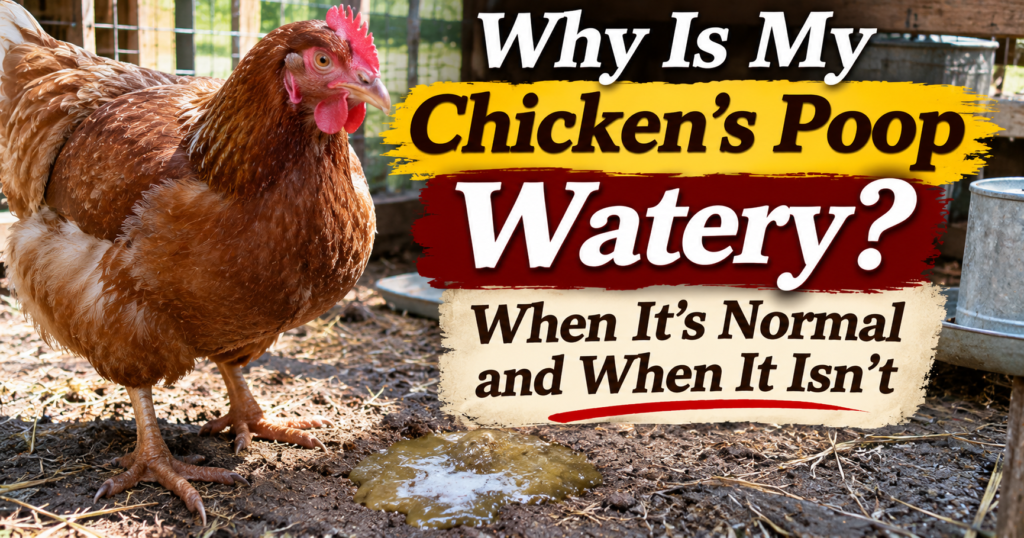
Chicken poop can look incredibly different from one dropping to the next.
That’s something I think new chicken keepers aren’t warned about enough.
You can see a perfectly formed brown dropping with a white cap in the morning, something loose and almost pudding-like a few hours later, and then a puddle with barely any solid material during a hot afternoon.
That doesn’t automatically mean three different diseases moved through the flock before supper.
Some variation is normal.
The trick is knowing when you’re simply looking at a chicken that drank a lot of water or passed a normal cecal dropping, and when repeated watery poop is part of a bigger health problem.
That’s why I don’t diagnose a chicken from one ugly dropping.
I look at the bird.
Then I look at the pattern.
One watery dropping from an otherwise energetic hen that’s eating, drinking, scratching, laying, and acting completely normal is very different from three days of watery diarrhea in a chicken that’s losing weight and standing puffed up by herself.
That distinction matters.
First, Chickens Don’t Pee the Way We Do
This explains a lot of what people see underneath a roost.
Chickens pass fecal waste and urinary waste together through the cloaca.
The white material you normally see on top of chicken droppings is largely urates, which are part of the bird’s urinary waste.
A normal dropping therefore isn’t simply a brown miniature version of what you’d expect from a mammal.
It usually contains:
Brown or green fecal material.
White urates.
And some moisture.
University of Maryland Extension describes healthy chicken droppings as generally solid and varying shades of brown or green, with urinary waste appearing as a white cap.
Understanding that helps because sometimes what looks like diarrhea is actually just more liquid urine around an otherwise normal dropping.
That’s not exactly the same thing as intestinal diarrhea.
One Watery Chicken Poop Doesn’t Scare Me
This is probably the biggest point I want to make.
Don’t inspect one dropping and immediately start treating the flock.
Chickens eat different things throughout the day.
They drink different amounts.
Temperature changes.
They pass cecal droppings.
Stress can temporarily affect digestion.
A bird may have eaten a lot of watery fruit or greens.
Any of those things can change what ends up on the ground.
What catches my attention is repetition.
One weird dropping?
I watch.
The same bird repeatedly producing abnormal watery droppings while also acting off?
Now I’m investigating.

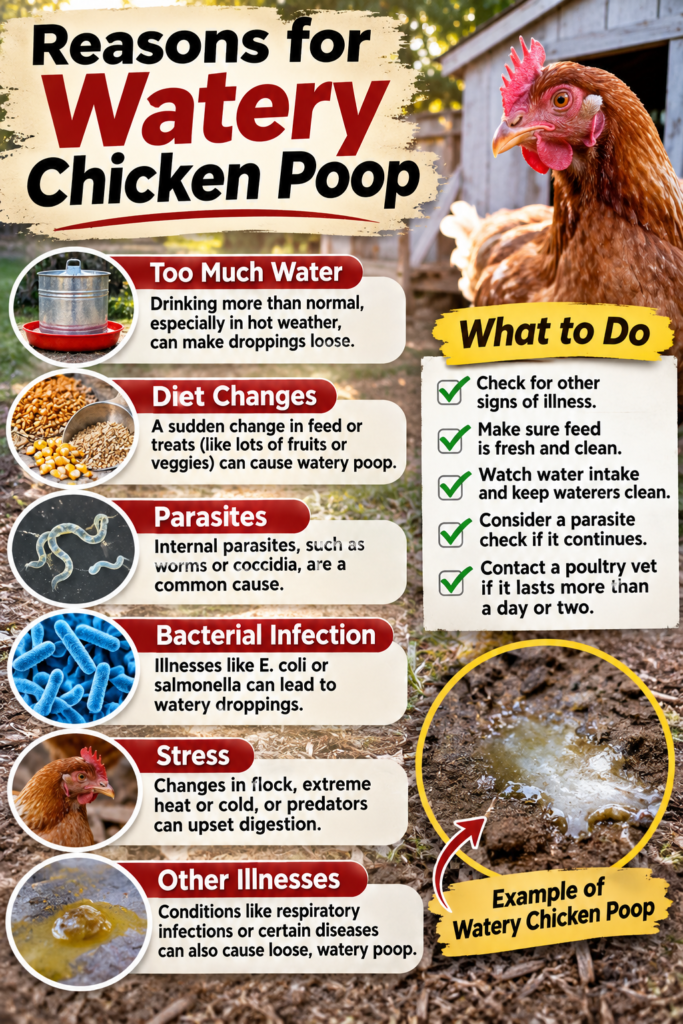
Hot Weather Can Make Chicken Poop Extremely Watery
This is one of the easiest explanations to overlook.
When chickens get hot, they drink substantially more water.
University of Minnesota Extension says poultry experiencing heat stress can increase water intake to two to four times their normal amount.
All that extra water has to go somewhere.
Poultry Extension guidance specifically notes that extremely watery droppings are not unusual during periods of high heat because chickens increase water intake as part of cooling themselves.
So imagine this situation:
It’s 95°F.
Your hens are drinking constantly.
They’re hanging out in the shade.
One leaves behind a watery dropping.
I’m thinking about heat and water consumption before I immediately assume intestinal disease.
Of course, I still watch the bird.
Heavy panting, weakness, drooping wings, inability to cool down, or collapse are signs that the heat itself may be becoming dangerous.
More Water Going In Usually Means More Water Coming Out
This sounds almost too obvious, but it’s useful.
Mississippi State University Extension notes that poultry normally consume roughly twice as much water by weight as feed, and during extreme heat that intake can triple or quadruple.
So when I see watery droppings, one of my first questions is:
Has this chicken been drinking much more than normal?
If yes, then the next question is:
Why?
Maybe it’s hot.
Maybe the feed is salty.
Maybe there’s another health problem driving excessive thirst.
The watery poop may be a clue rather than the actual problem.
Keeping Water Clean Still Matters
More drinking during hot weather is normal.
Drinking dirty water isn’t something I want.
Open containers can become contaminated quickly, especially when chickens scratch bedding, dirt, and manure around them.
I like water systems that are easy enough to maintain that cleaning doesn’t become a huge chore.
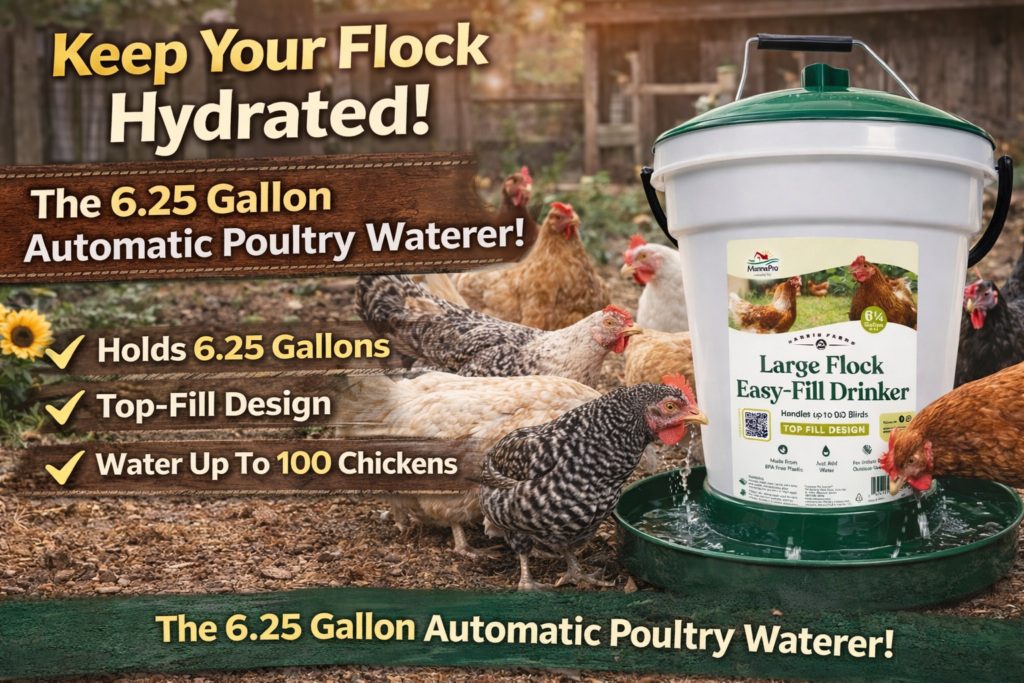
If you’re dealing with a larger flock, the large poultry waterer that saves a lot of daily refilling can make water management easier, but no waterer eliminates the need to check cleanliness.
If algae is part of the problem, we also have a separate guide to keeping algae out of chicken water naturally.
Good water management doesn’t guarantee perfect droppings.
But it removes one unnecessary variable.
Cecal Poop Is the One That Freaks Everybody Out
Sooner or later, every new chicken owner sees a cecal dropping and wonders what horrible disease just appeared.
Cecal droppings can be:
Loose.
Sticky.
Pudding-like.
Dark brown.
Mustardy.
Extremely smelly.
And very different from the regular droppings you’ve been seeing all day.
Chickens periodically empty material from their ceca, two blind-ended sections of the digestive tract involved in fermentation.
Those cecal droppings are normal.
University of Maryland Extension specifically notes that healthy chickens can produce gooey cecal droppings, even though their ordinary fecal droppings are more solid.
This is why knowing normal variation matters so much.
If somebody treats every cecal dropping as diarrhea, they’re going to spend a lot of time treating healthy chickens.

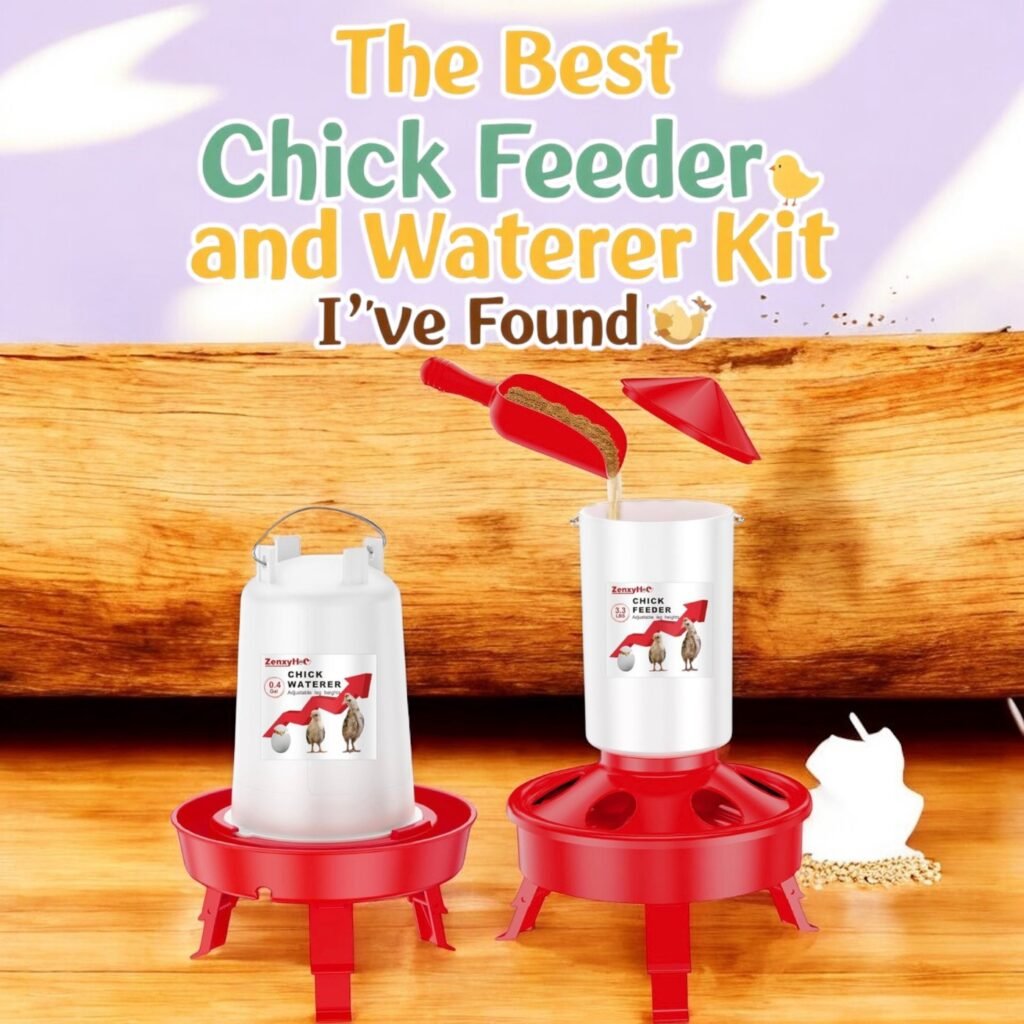
Normal Cecal Poop Usually Isn’t Constant
This is where the pattern helps again.
A cecal dropping appears occasionally.
Then you see ordinary droppings again.
That’s very different from a bird producing watery feces over and over all day.
If every dropping from one chicken looks abnormal, I’m more interested.
If one disgusting cecal dropping appears among a bunch of normal ones, I’m much less concerned.
Watery Fruit and Treats Can Change Droppings
Chickens can consume a surprising amount of water through food.
Watermelon is the obvious example.
Cucumber.
Tomatoes.
Other juicy produce.
A flock that just demolished a giant piece of watermelon may temporarily produce wetter droppings.
That doesn’t mean watermelon gave everyone a mysterious intestinal infection.
Again, I look at timing.
What did they eat?
How much?
What happens with the next few droppings?
Food-related changes often make sense once you stop looking at the poop in isolation.


Stress Can Change the Digestive System Too
Chickens respond to stress physically.
Predators.
New flock members.
Moving to a new coop.
Heat.
Transportation.
Handling.
Social conflict.
Changes in routine.
Stress can affect feed intake, water intake, and digestive activity.
That’s one reason I don’t find it surprising when droppings temporarily look different after a major flock change.
But ongoing abnormal droppings plus ongoing stress deserve attention.
Your bird shouldn’t spend weeks behaving abnormally just because you assume she’s “stressed.”
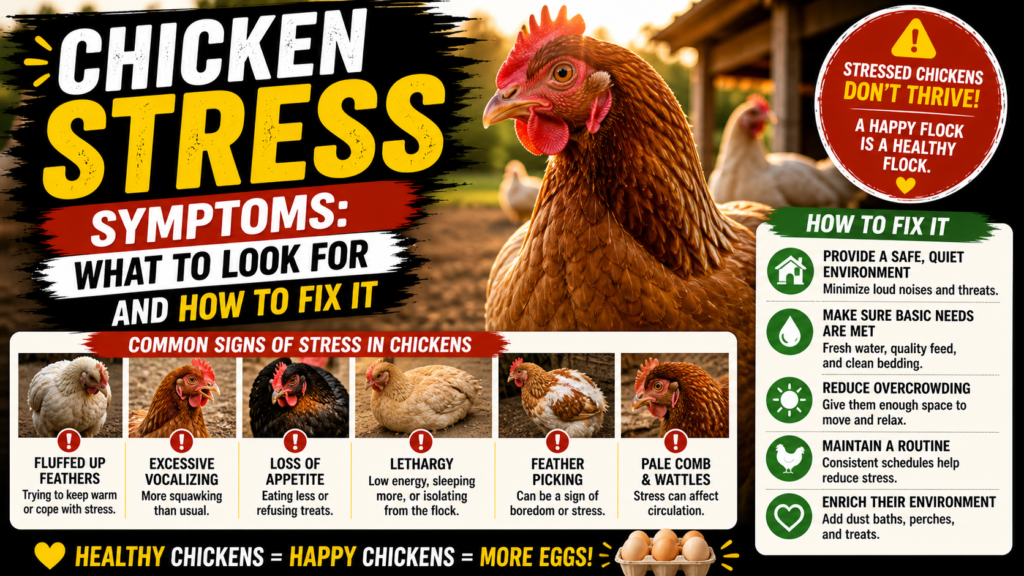
If the whole chicken seems different, our guide to chicken stress symptoms and what I look for is a better place to evaluate the larger picture.
When Watery Poop Starts Looking Like Real Diarrhea
This is where I move beyond:
“Chicken poop is weird sometimes.”
University of Maryland describes runny or watery diarrhea as a variation from normal droppings that can occur with sickness, especially when accompanied by other abnormal colors or symptoms.
I become more concerned when watery droppings are:
Persistent.
Frequent.
Coming from the same bird.
Combined with weight loss.
Combined with poor appetite.
Combined with lethargy.
Combined with a pale comb.
Combined with puffed feathers.
Combined with blood.
Combined with respiratory symptoms.
Combined with reduced egg production.
That’s no longer one ugly poop.
That’s a chicken that needs attention.
Color Matters, but Color Alone Doesn’t Diagnose Anything
The internet loves chicken-poop color charts.
Green means this.
Yellow means that.
White means something else.
Reality isn’t that simple.
Diet can change color.
Grass can make droppings green.
Cecal droppings can look brown or mustard-colored.
Urates contribute white.
Disease can also alter color.
University of Maryland notes that droppings that become black, red or bloody, orange, yellow, dark green, milky white, foamy, greasy, or contain visible worms can be associated with disease or parasites.
Notice the wording.
Can be associated.
Not:
Yellow poop always means Disease X.
That’s the difference between using droppings as a useful clue and pretending they’re a laboratory test.
Yellow Watery Chicken Poop Deserves Its Own Attention
Your keyword-gap data showed a surprisingly nice family around yellow runny chicken poop, which makes sense because bright yellow droppings get people’s attention immediately.
Yellow or yellow-green watery droppings can occur with several different problems.
But I don’t want to turn this article into another page targeting the exact same search intent we’re planning to cover separately.
For this broad watery-poop guide, here’s what I’d remember:
One yellow dropping doesn’t diagnose a disease.
Repeated yellow watery droppings from a chicken that’s also acting sick deserve closer investigation.
That deserves its own focused article because there are multiple possibilities to separate carefully.
Green Watery Poop Can Happen When a Chicken Isn’t Eating
This is another useful connection.
A chicken that’s consuming very little feed may pass greener droppings because there isn’t much normal food material moving through the digestive system.
Green can also come from eating vegetation.
That’s why the chicken matters more than the color.
Green dropping.
Chicken running around eating grass?
Makes sense.
Green watery droppings.
Chicken standing puffed up refusing food?
Much more interesting.
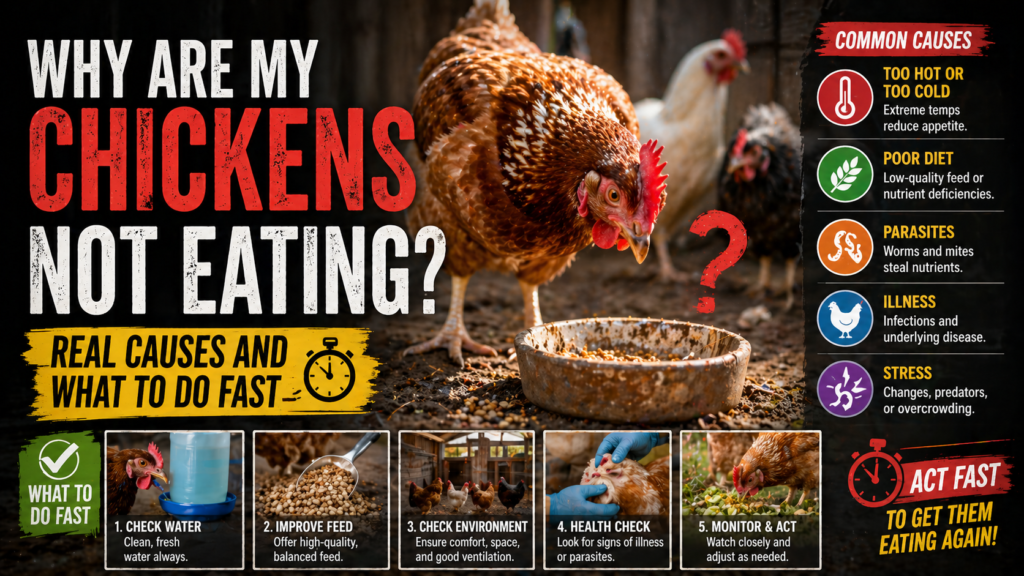
If appetite has changed, why chickens stop eating and what I check first becomes much more useful than staring at the color alone.
Bloody Droppings Are a Different Category for Me
Blood gets my attention.
Not every reddish-looking dropping is blood, because intestinal lining and cecal material can sometimes create colors people mistake for blood.
But repeated obvious blood in droppings isn’t something I’d casually watch for a week.
Coccidiosis is one important cause of bloody feces in poultry, especially in younger birds, although other intestinal problems can also produce abnormal droppings.
Poultry Extension lists bloody feces among important signs of illness.
We’re eventually going to build a dedicated coccidiosis guide because that topic deserves far more care than one paragraph inside a poop article.
If I genuinely suspect coccidiosis, I don’t rely on a generic color chart.
Parasites Can Change Droppings Too
Internal parasites can affect weight, digestion, body condition, appetite, and droppings.
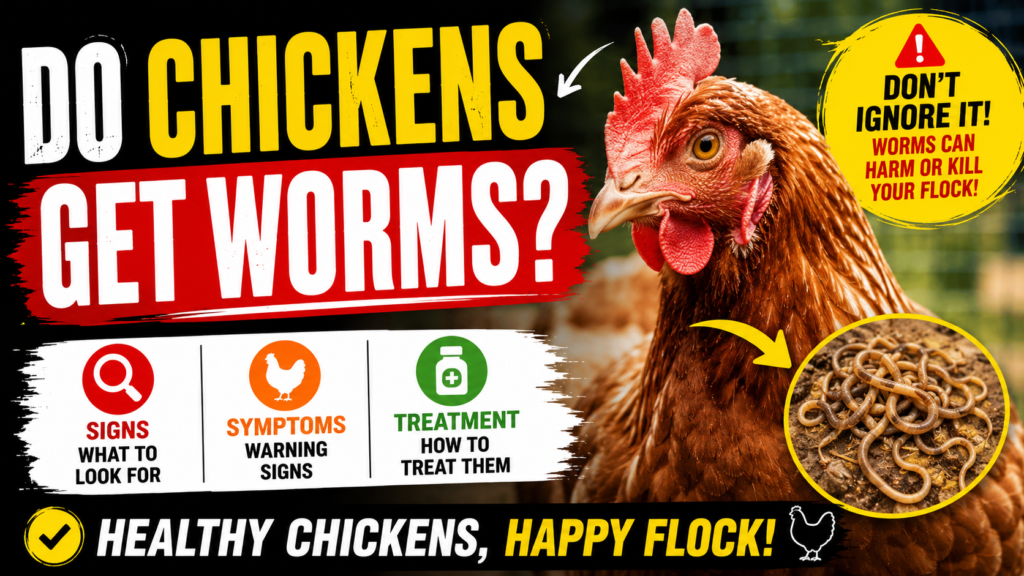
You’ve already got a good starting point with the signs, symptoms, and treatment considerations for worms in chickens.
Visible worms in droppings obviously get attention.
But many parasitic problems aren’t diagnosed just because somebody sees something strange in one poop.
A fecal test through a veterinarian can be much more informative than guessing which dewormer to use.
That’s especially important because repeatedly deworming chickens “just in case” isn’t a great long-term strategy.
Sour Crop Can Change the Bigger Digestive Picture
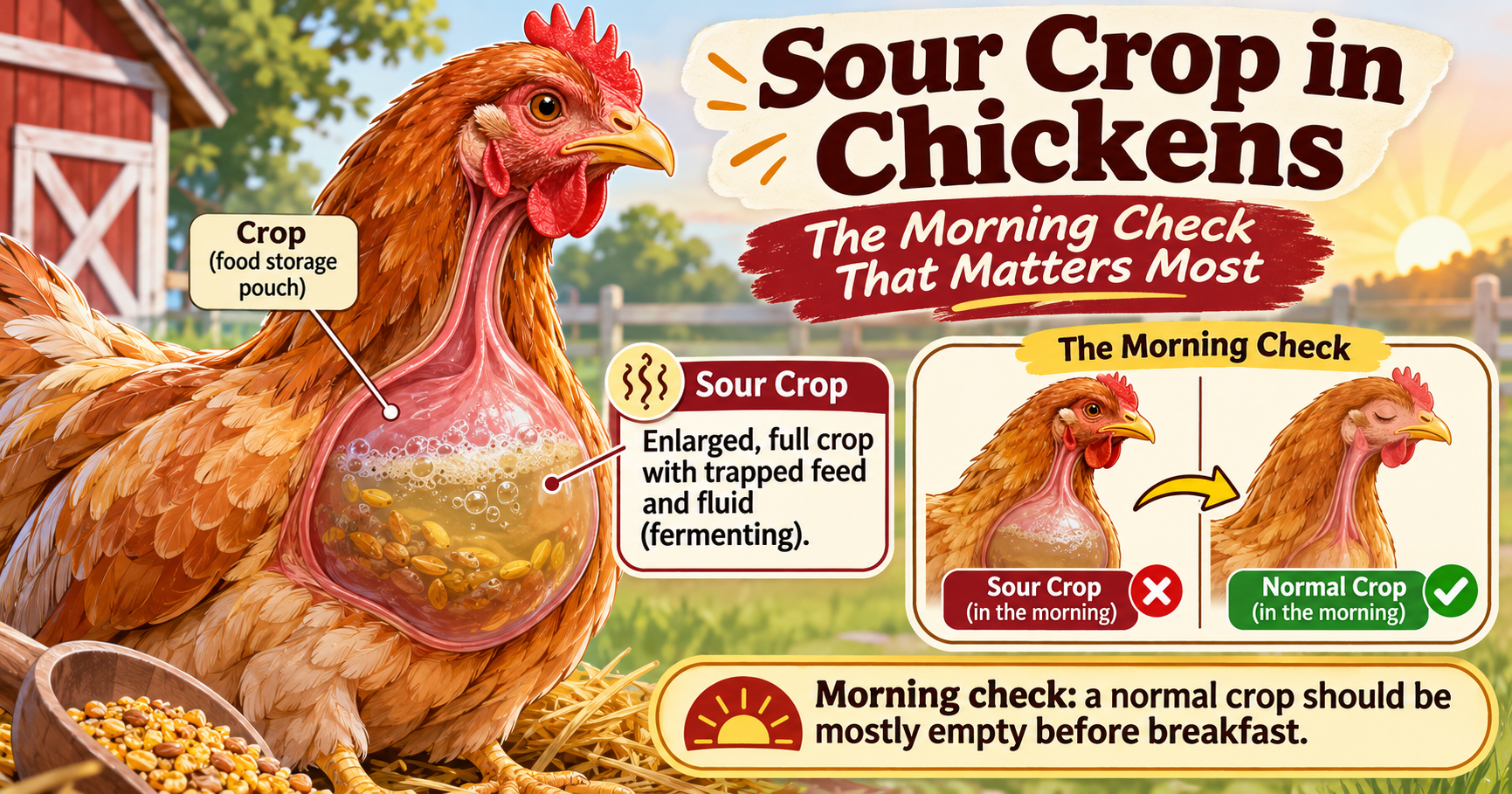
We just built a deep guide around sour crop in chickens and the morning crop check that matters most.
Sour crop isn’t simply another name for diarrhea.
The crop is farther up the digestive system.
But a chicken with poor appetite, regurgitation, abnormal crop emptying, weight loss, and digestive disruption may also produce droppings that look different from normal.
That’s why I don’t isolate symptoms unnecessarily.
If the crop is still full in the morning and the breath smells fermented, the crop deserves attention.
If the crop empties normally and the only issue is repeated watery droppings, I look elsewhere.
Respiratory Disease Can Sometimes Come With Diarrhea Too
This is something people don’t always expect.
An infection doesn’t have to stay neatly confined to one body system.
Poultry Extension notes that some respiratory diseases can also be accompanied by green watery diarrhea, while other illnesses can produce watery droppings alongside a broader range of signs.
So if your chicken has watery poop and she’s sneezing, gasping, producing nasal discharge, or showing facial swelling, don’t assume the intestine is the only thing involved.
The whole symptom pattern matters.
A Chicken Drinking Excessively Deserves Attention Too
We’ve already established that heat can make birds drink a lot.
But what if it isn’t hot?
A bird that suddenly spends excessive time at the waterer may be telling you something else.
Kidney problems.
Salt imbalance.
Illness.
Dietary factors.
Other metabolic problems.
I’m not diagnosing those from the waterer either.
I’m simply saying excessive thirst plus persistent watery droppings gives me more reason to pay attention than watery droppings alone.
Don’t Automatically Take Water Away
This is worth saying because I’ve seen people suggest limiting water to “dry up” diarrhea.
I would not do that casually.
Chickens need constant access to clean water.
A bird with diarrhea may already be losing fluid.
Heat-stressed birds need even more water.
University of Minnesota emphasizes maintaining access to cool fresh water during heat stress specifically because birds dramatically increase their consumption.
Taking water away because the poop looks wet can make the actual problem worse.
Electrolytes Aren’t a Cure for Every Watery Dropping
Electrolytes can be useful under appropriate circumstances, particularly during heat stress.
But they aren’t a universal diarrhea medication.
University of Minnesota discusses short-term electrolyte supplementation as one tool for managing poultry during heat stress.
That doesn’t mean every chicken producing loose poop needs electrolyte powder.
Use the tool for the problem it’s meant to solve.
If the bird is sick for another reason, electrolytes may support hydration without fixing the cause.
I Wouldn’t Start Antibiotics Based on Poop Alone
This is another mistake I want to avoid.
Watery droppings can have infectious and noninfectious causes.
Antibiotics don’t treat parasites.
They don’t treat coccidia.
They don’t treat fungal infections.
They don’t fix heat stress.
They don’t fix excessive fruit consumption.
And unnecessary antibiotics can disrupt normal digestive organisms.
We just discussed that problem in the sour-crop article because antimicrobial disruption can contribute to Candida overgrowth.
The better approach is figuring out what you’re actually dealing with.
Watch Whether the Bird Is Losing Weight
Body condition tells me more than one dropping.
A chicken that’s producing loose droppings but maintaining weight, eating normally, and acting completely healthy gives me a different picture.
A bird with persistent diarrhea who’s getting thinner needs attention.
Feel the keel bone.
Compare her with similar birds.
Watch over time.
Feathers hide weight loss extremely well.
A chicken can look fluffy and full while actually becoming very thin underneath.
Check the Vent
Repeated watery droppings often show up around the vent feathers.
You may see:
Wet feathers.
Manure buildup.
Pasted material.
Red or irritated skin.
A dirty vent isn’t a diagnosis either.
But if one bird is much dirtier than everybody else, that’s useful information.
I’d clean enough to inspect the area and then keep watching what she’s passing.
Flies Can Turn Dirty Vent Feathers Into a Bigger Problem
Warm weather plus wet manure stuck to feathers can attract flies.
That’s another reason I don’t ignore a badly soiled vent.
Flystrike can become a serious emergency.
Keeping the rear clean doesn’t solve the cause of diarrhea, but it can prevent another problem from piling on top of the first.
What About White Watery Poop?
Remember that chickens normally pass white urates.
So white doesn’t automatically equal disease.
But a dropping that’s almost entirely abnormal white liquid, repeated continuously, especially from a sick-looking chicken, deserves investigation.
University of Maryland lists milky white droppings among abnormal changes that can accompany sickness.
Again, repeated pattern plus bird condition matters more than a single color.
Foamy Chicken Poop Is Another Thing I Watch
Foam or bubbles can appear in abnormal droppings.
Sometimes cecal material looks odd enough that owners describe it as foamy.
But repeatedly foamy, watery droppings in a bird that’s losing condition shouldn’t be dismissed indefinitely.
This is another situation where fecal testing can be much more useful than trying to match the poop to pictures online.
Should You Separate a Chicken With Diarrhea?
Sometimes.
If one bird is obviously sick, temporary separation makes it much easier to monitor her.
You can see:
Exactly what she’s eating.
How much she’s drinking.
Every dropping she produces.
Whether the condition is improving.
Whether other symptoms are appearing.
It also prevents other birds from pecking at a weak chicken.
But isolation isn’t treatment.
It’s an observation and management tool.
If multiple birds are affected, then I’m thinking much more strongly about something shared through feed, water, environment, parasites, or infectious disease.
If Several Chickens Have Watery Poop at Once, Look for the Common Factor
This is one of the most useful questions you can ask.
What changed for everybody?
Weather suddenly got hot?
New feed?
Huge amount of fruit?
Dirty water source?
New birds introduced?
Medication?
Possible infectious exposure?
If five hens develop the same problem simultaneously, I spend less time obsessing over the personality of Chicken #3 and more time examining what the flock shares.
Clean Waterers While You’re Investigating
Even if water isn’t the cause, this is an easy variable to eliminate.
Dump dirty water.
Scrub the container.
Refill with fresh water.
Make sure birds can reach it easily.
Mississippi State Extension emphasizes that poultry water can act as a medium for microorganisms and that water quality affects flock health and performance.
Clean water isn’t a treatment for every digestive disease.
It’s simply one thing you shouldn’t have to wonder about.
Look at Feed Storage Too
I do the same thing with feed.
Smell it.
Look for moisture.
Mold.
Clumps.
Pests.
Old spoiled material.
If something seems wrong, replace it.
I’d rather throw away questionable feed than spend the next week wondering whether it’s contributing to a flock problem.
When I’d Call a Veterinarian
I wouldn’t wait indefinitely if watery diarrhea keeps going and the chicken’s condition is declining.
I’d seek veterinary help sooner when I see combinations such as:
Persistent diarrhea with weight loss.
Blood in droppings.
Severe lethargy.
Not eating or drinking.
Repeated vomiting or regurgitation.
Breathing problems.
Neurological symptoms.
Several birds becoming sick.
Sudden deaths.
Marked dehydration.
Poultry diseases overlap heavily in their symptoms, which is one reason Extension guidance emphasizes that diagnosis can be difficult from outward signs alone.
Sometimes a fecal exam, testing, or necropsy is what actually tells you what you’re dealing with.
Don’t Trust a Poop Picture More Than the Chicken
This is probably the biggest lesson I want this article to leave people with.
Chicken droppings are useful.
They’re worth looking at.
They can absolutely give you early clues.
But don’t build an entire diagnosis around one picture.
Look at the bird.
Behavior.
Appetite.
Weight.
Crop.
Breathing.
Comb.
Egg production.
Temperature outside.
Recent diet.
Flock history.
Then use the dropping as another piece of information.
That’s a much stronger approach than scrolling through a hundred poop photos trying to find the exact match.
What I Consider Reassuring
If I see one watery dropping but the hen:
Runs to food.
Drinks normally.
Scratches.
Dust bathes.
Interacts normally.
Maintains weight.
Lays normally.
Produces ordinary droppings afterward.
I’m not rushing to medicate her.
I keep watching.
Healthy chickens produce some spectacularly ugly things.
That’s part of keeping chickens.
What Makes Me Look Closer
I become much more interested when the watery poop becomes a pattern.
Same chicken.
Over and over.
Especially when another part of the chicken changes too.
That’s when watery poop stops being:
“Chicken digestion is weird.”
And becomes:
“Something may actually be wrong.”
Learning that distinction can save you from both extremes.
You don’t ignore genuine illness.
And you don’t treat every normal cecal dropping like an emergency.
Frequently Asked Questions
Why is my chicken’s poop mostly water?
Extra water can appear in droppings when chickens drink heavily, especially during hot weather. Persistent watery droppings can also accompany illness, parasites, digestive problems, or other conditions. Look at the bird and the pattern rather than one dropping.
Can hot weather cause watery chicken poop?
Yes. Chickens drink substantially more water during heat stress, and poultry Extension guidance specifically notes that extremely watery droppings can occur during very hot weather.
Is watery chicken poop always diarrhea?
No. Extra urinary water around otherwise formed feces and occasional loose cecal droppings can both look like diarrhea. True persistent diarrhea is more concerning.
What does normal chicken poop look like?
Normal droppings are generally fairly solid, brown to green depending on diet, and commonly have a white urate cap. Chickens also periodically pass softer, gooey cecal droppings.
Why is my chicken’s poop watery but she acts normal?
Heat, increased water intake, diet, watery treats, or an occasional cecal dropping may explain it. If she remains active, eats normally, maintains weight, and later produces ordinary droppings, I usually monitor rather than panic.
Why is my chicken’s poop yellow and watery?
Yellow watery droppings can have multiple causes and deserve more attention if they’re repeated, especially when the chicken is also lethargic, losing weight, or not eating. Color by itself isn’t enough to diagnose the problem.
Can worms cause watery chicken poop?
Internal parasites can contribute to digestive problems and abnormal droppings, but diarrhea alone doesn’t prove worms are present. A fecal examination can be useful when parasites are suspected.
Should I give antibiotics for chicken diarrhea?
Not based on diarrhea alone. Watery droppings can result from many causes that antibiotics won’t treat. Determining the underlying problem is more useful than automatically starting medication.
Should I take water away if my chicken has watery poop?
No. Chickens need access to clean drinking water, and a bird with diarrhea may already be losing fluid. Heat-stressed chickens in particular require abundant cool water.
When is watery chicken poop an emergency?
I’d be much more concerned about persistent watery diarrhea combined with blood, severe weakness, weight loss, breathing problems, neurological signs, refusal to eat or drink, multiple sick birds, or sudden deaths.