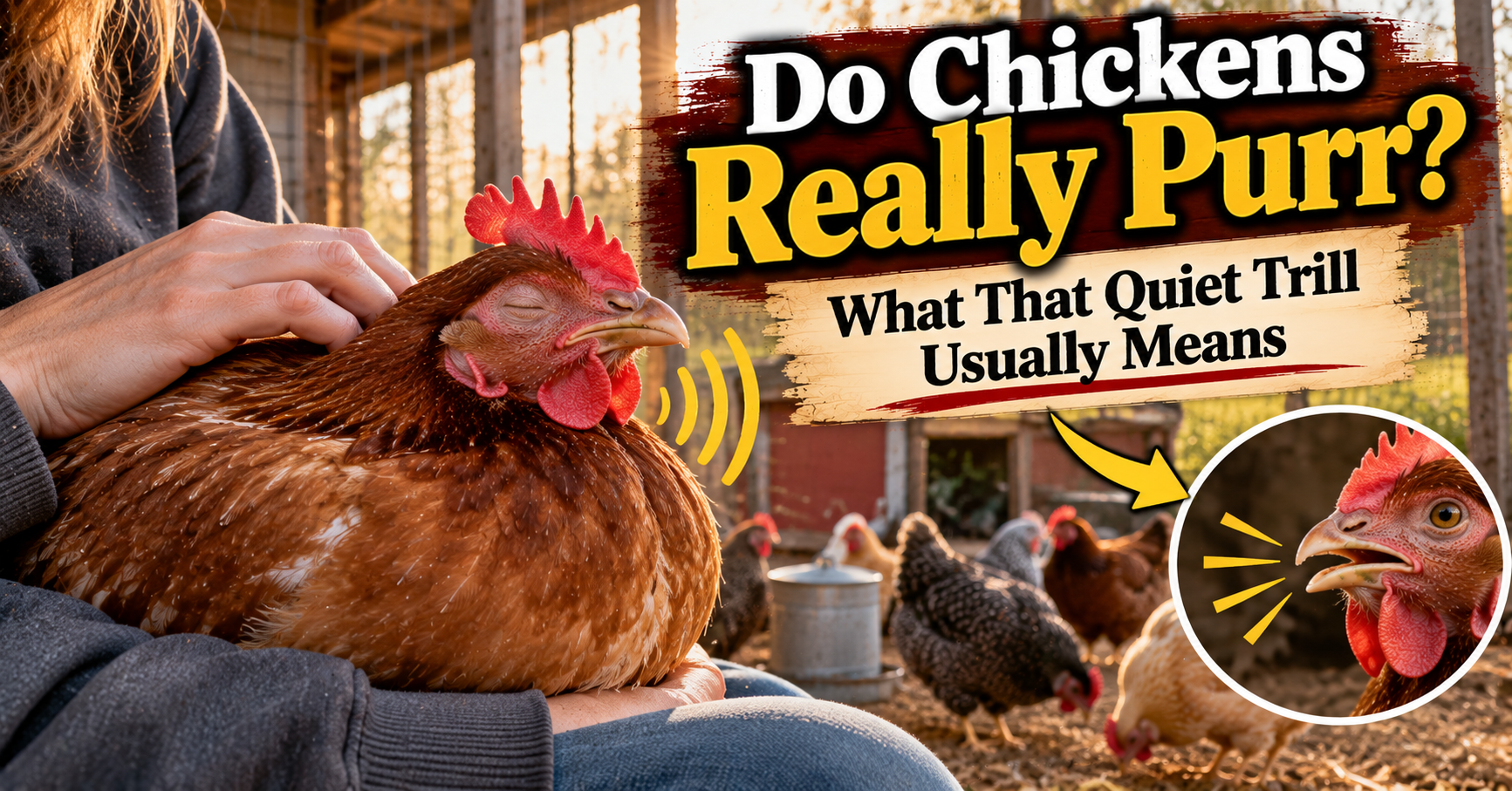
The first time I heard a chicken make what sounded like a purr, it didn’t sound anything like the loud clucking and carrying on I was used to hearing around a flock.
It was quieter.
Lower.
Almost like a soft little vibration or rolling trill coming from the bird.
And if you’ve heard the same thing, you’ve probably wondered whether chickens actually purr like cats.
The answer is sort of.
Chicken keepers use the word purr to describe several quiet trilling, humming, or rumbling sounds chickens make. But I’ve learned not to assume every chicken “purr” means exactly the same thing.
Sometimes the bird is relaxed.
Sometimes a hen is settling down.
Sometimes you’ll hear similar sounds around chicks or nesting.
And sometimes what sounds like a peaceful purr is actually a low warning sound because the chicken noticed something she doesn’t like.
That’s why I pay much more attention to the chicken’s body language than the sound by itself.
Yes, Chickens Really Can Make a Purring Sound
If by “purring” you mean a low, soft trill or rumbling vocalization, absolutely.
I’ve heard sounds from chickens that are surprisingly similar to a quiet cat purr.
They’re usually much softer than:
Clucking.
Cackling.
Egg songs.
Alarm squawks.
Rooster crowing.
You may not even notice the sound unless you’re standing close to the chicken.
University of Maryland Extension includes “purring” among documented chicken vocalizations and notes that roosters may use purring-type sounds toward hens during social or reproductive interactions.
Chicken owners also commonly describe soft trills during calm moments, although the exact sound people call a “purr” isn’t always the exact same vocalization.
That’s where things get interesting.


A Chicken Purr Doesn’t Always Mean “Happy”
This is probably the biggest thing I want to clear up.
A lot of articles make it sound simple:
Chicken purring = happy chicken.
Sometimes, maybe.
But I don’t think that’s a good enough answer.
Different low chicken sounds can sound very similar to human ears.
A soft contented trill and a quiet warning or alert sound can both get described as “purring.”
I’ve seen chicken keepers describe a flock suddenly becoming still and making a low purring or growling sound when something suspicious was nearby.
Old Backyard Chickens discussions are full of owners describing exactly that, with experienced keepers pointing out that a low trill can accompany predator-alert behavior.
So when I hear a purr, my first question isn’t:
Is she happy?
It’s:
What is the rest of the chicken doing?


Look at Her Body Before You Decide What the Sound Means
This is probably the easiest way I’ve found to interpret chicken noises.
A relaxed chicken may be:
Sitting comfortably.
Preening.
Dust bathing.
Settling onto a roost.
Closing her eyes.
Standing normally.
Moving casually around familiar flockmates.
A chicken giving a warning-type trill may be:
Standing very still.
Staring toward one spot.
Holding her head higher.
Watching the sky.
Freezing with the rest of the flock.
Keeping her body tense.
Suddenly stopping whatever she was doing.
Same general low sound.
Completely different situation.
That context is everything.
I’ve Heard the Quietest Sounds When Chickens Are Relaxed
Some of the softest chicken noises happen when everything else around the flock is calm.
They’re not yelling over food.
Nobody is fighting over a nesting box.
Nothing is chasing them.
They’re just settled.
That might happen when a chicken is sitting near you, resting with flockmates, preening, or getting comfortable for the evening.
These are the situations where chicken owners are most likely to interpret the sound as contentment.
And I understand why.
The whole bird looks comfortable.
The sound fits the moment.
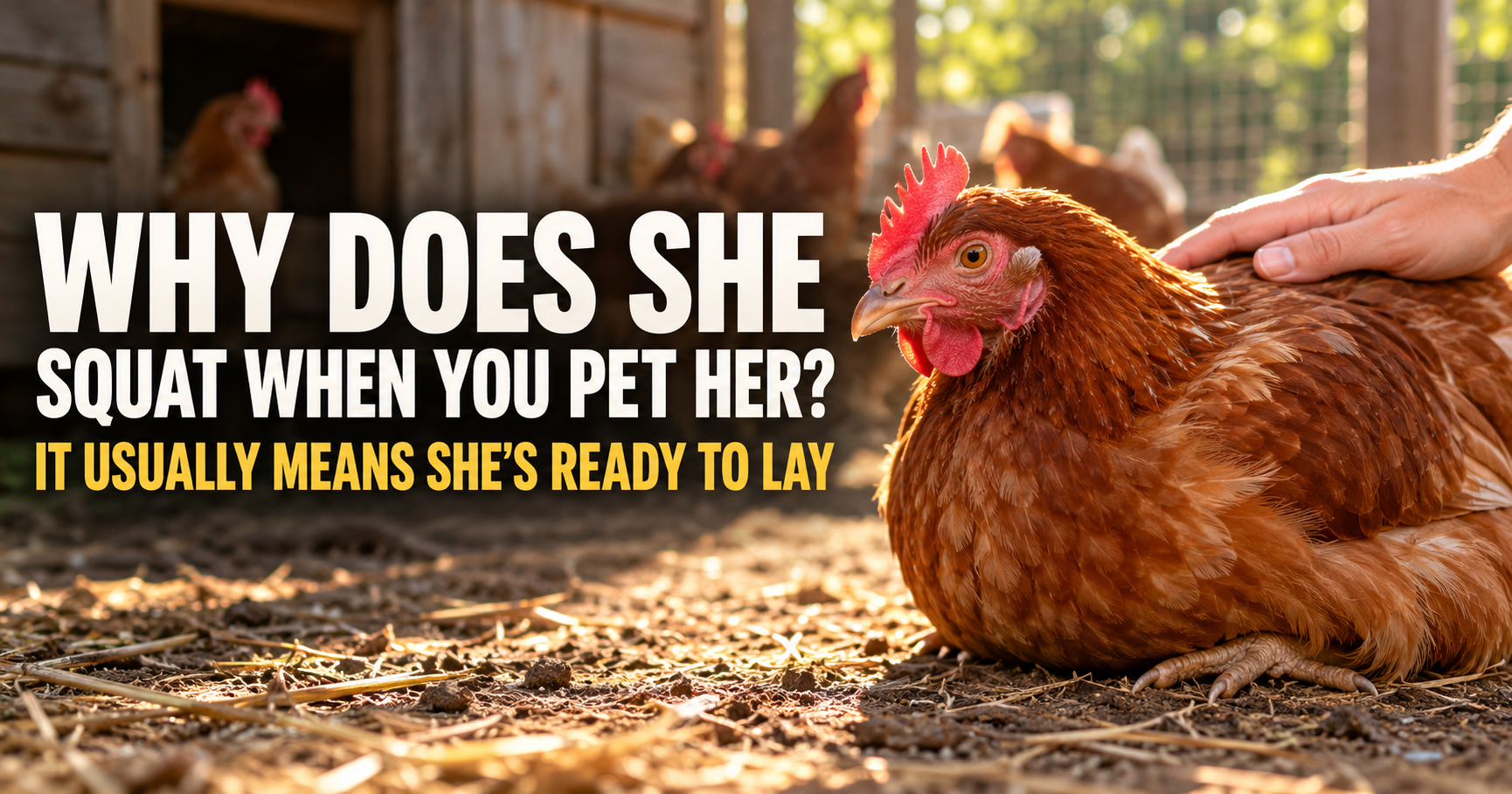
Some Chickens Make Soft Sounds When You Pet Them
Tame chickens can get very comfortable around familiar people.
I’ve seen birds settle instead of pulling away when handled calmly, and some will make little quiet sounds while sitting near someone they trust.
Does that mean they’re “purring because they love you” exactly the way a cat might?
I wouldn’t go that far.
But chickens absolutely learn familiar people and routines.

We’ve already seen that in why chickens follow you everywhere, where familiarity, food associations, routine, and positive handling can all play a part.
If a chicken is sitting relaxed on or beside you and quietly trilling, I’m much more likely to interpret it as a comfortable social moment than an alarm.
Broody Hens Can Make Low Purring or Growling Sounds Too
This one can fool you.
A broody hen sitting tightly on a nest may make a deep, low sound when you approach.
It can sound like:
Purring.
Growling.
Rumbling.
Quiet grumbling.
But she may not be relaxed at all.
She may be warning you:
Leave me and my nest alone.
Broody hens can puff themselves up, flatten over the nest, growl, cluck, or peck when disturbed.
So again, the sound is only part of the picture.
If she is planted in a nesting box, feathers puffed, staring at your hand like she’s preparing to remove a finger, I’m not interpreting that little rumble as affection.


A Mother Hen Uses Quiet Sounds Around Chicks
Chicken communication starts early.
Mother hens use a variety of calls around chicks, including food-related calls and other quiet vocalizations that help keep the brood together.
University of Maryland Extension notes that hens use food calls as auditory cues that help chicks learn about food, while chicks themselves use calling and distress vocalizations depending on their situation.
If you’ve ever watched a hen with chicks, you’ll notice the communication is almost constant.
Some of it is incredibly soft.
Little clucks.
Trills.
Murmurs.
Sounds you wouldn’t even hear from across the yard.
That’s another reason I think calling every low chicken vocalization simply a “purr” oversimplifies things.
They have a whole vocabulary.
Why Does My Chicken Purr While Dust Bathing?
This makes sense to me because dust bathing is often an extremely relaxed behavior.
A hen finds the perfect patch.
Drops into it.
Rolls sideways.
Kicks dirt through her feathers.
Closes her eyes.
Maybe makes quiet little noises while she’s doing it.
If the bird looks completely relaxed and continues bathing normally, I’m not concerned.
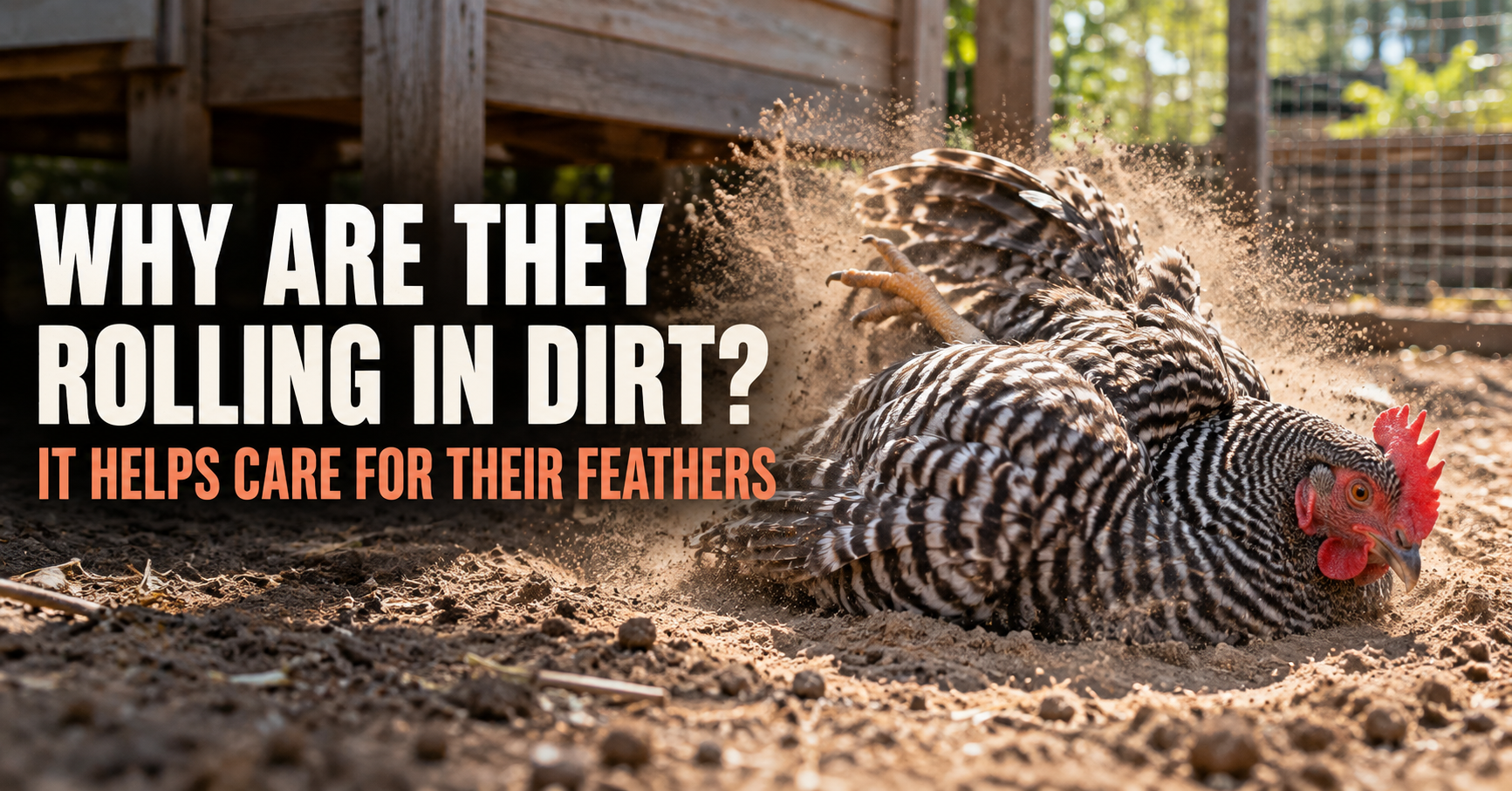
We’ve already gone deep into why chickens dust bathe and what they’re actually doing because that behavior can look strange enough by itself.
Add a mysterious rumbling sound and it can really confuse a new chicken owner.
Usually the body language tells the story.

Chickens Can Make Similar Sounds While Sunbathing
Sunbathing is another one of those moments where chickens can become incredibly relaxed.
I’ve seen hens lie on one side, stretch a wing out, close their eyes, and look half dead while actually being perfectly comfortable.
A quiet trill during that kind of relaxed posture doesn’t surprise me.
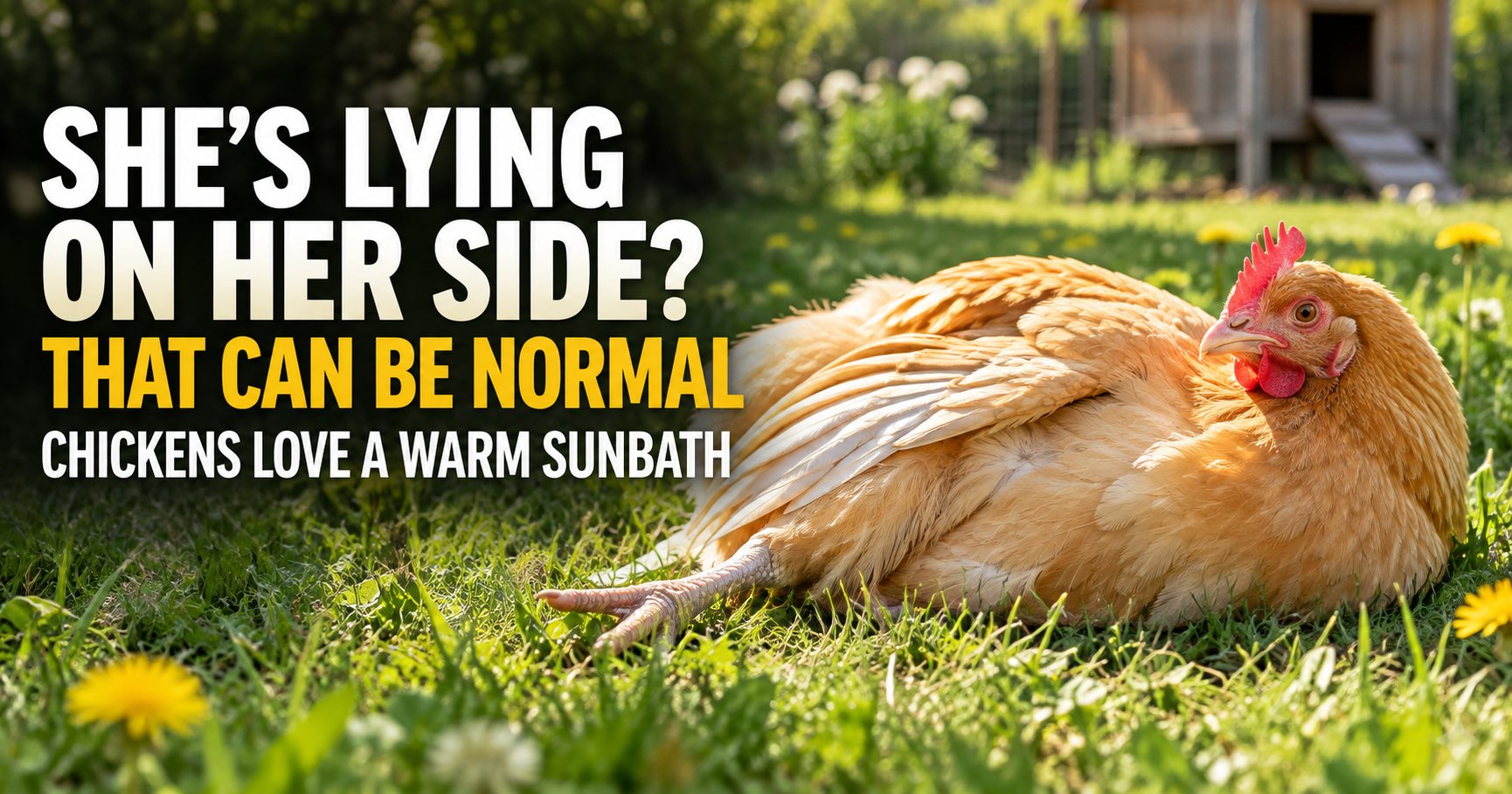
If the lying-down behavior itself is what has you concerned, why chickens sunbathe and lie on their side explains the difference between normal relaxing and a bird that actually looks weak.
The important thing is consistency.
Relaxed body plus quiet sound usually points me one direction.
Rigid body plus staring plus quiet sound points me somewhere else.
The Warning “Purr” Is the One I Pay Attention To
This is the one I think many chicken articles miss.
Sometimes the flock goes quiet first.
Then you hear that low sound.
Not loud.
Not frantic.
Almost a rumble.
Look at the chickens.
If several birds are frozen and staring in the same direction, they’re telling you something.
Aerial predator?
Cat nearby?
Dog?
Strange animal?
Something overhead?
Chicken alarm communication can vary depending on the threat, and chickens use calls to keep flockmates aware of danger.
That’s why I don’t walk into the coop making noise and immediately assume the chickens are being cute.
I look where they’re looking.


Hawks Can Trigger That Low Alert Behavior
This is one I’ve seen chicken keepers describe repeatedly.
A bird spots something overhead.
She freezes.
Other birds become still.
You hear a quiet low trill or rumble instead of the loud panic you might expect.
That quietness actually makes sense.
If the threat is overhead, screaming and running around in the open isn’t always the smartest response.
Staying still and alert may be safer.
If the flock repeatedly reacts this way in the same outdoor area, I start paying much closer attention to aerial predators.
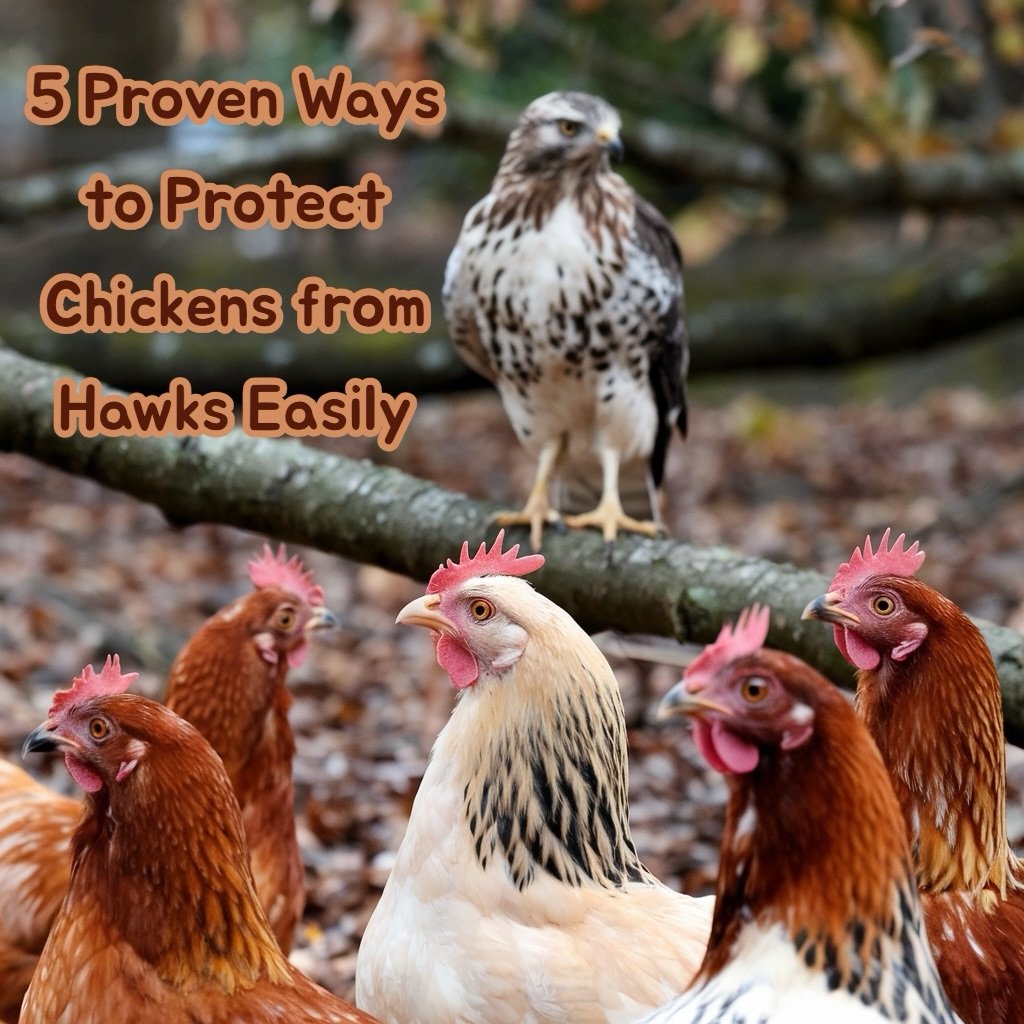
We’ve already covered ways to protect chickens from hawks because predator pressure can change flock behavior long before you actually lose a bird.
A Camera Can Tell You What They’re Hearing Before You Do
Sometimes the chickens know something is around the coop long before we figure it out.
If you’re hearing low alert sounds at dusk or early in the morning and the flock keeps staring toward the same side of the property, a camera can remove a lot of guessing.

The solar wireless coop camera setup I like for nighttime monitoring is useful here because you can see whether raccoons, foxes, coyotes, cats, or other animals are passing through when you’re not outside.
That’s much better than assuming every strange sound is just another chicken quirk.
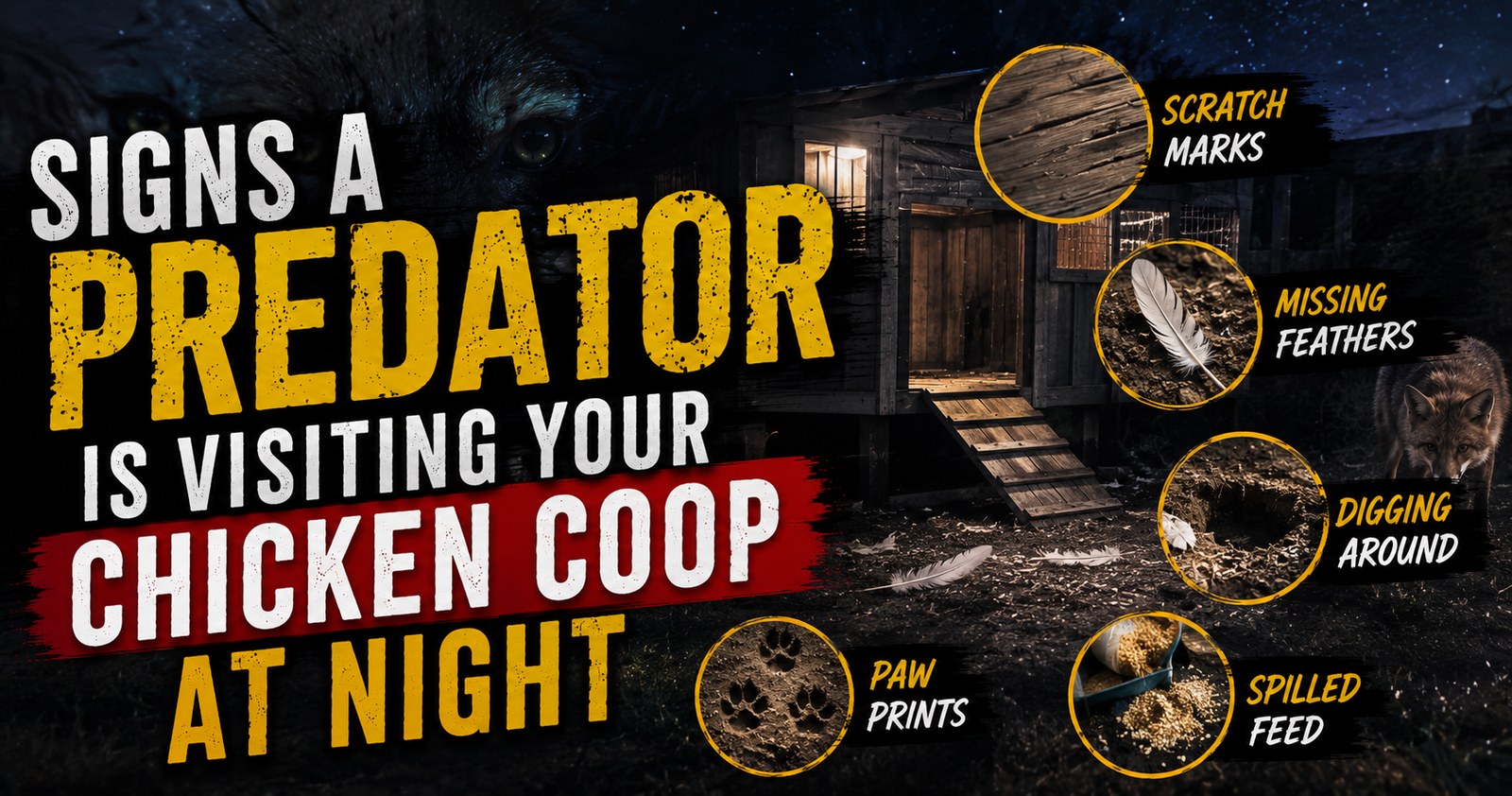
If the camera catches nighttime visitors, our guide to signs a predator is visiting the chicken coop gives you several other things to inspect.
Purring and Growling Can Sound Almost the Same
This is where descriptions become messy.
Ask five chicken keepers what a “purr” sounds like and you may get five different answers.
One person’s purr is another person’s trill.
Another person’s trill is somebody else’s growl.
That’s why audio descriptions are imperfect.
I care less about the label and more about:
Tone.
Volume.
Posture.
Situation.
What the flock does next.
If the hen is comfortable in my lap and making a soft rolling sound, I interpret that differently from a bird standing rigidly under a bush making a low growl while every chicken stares at the sky.
Calling both sounds “purring” doesn’t make them the same behavior.
Why Does My Chicken Purr When I Hold Her?
If she settles comfortably rather than struggling, she may simply be relaxed.
Some tame birds get very comfortable with handling.
Others tolerate it.
Others would rather you never touch them again.
Chickens have personalities.
I wouldn’t force a nervous bird to sit there just because I’m waiting to hear a cute sound.
But if your chicken voluntarily relaxes, stops struggling, settles her feathers, and makes soft little trills while you hold her, I generally take the whole situation as positive.
The chicken isn’t displaying obvious distress.
That matters more to me than what exact word we use for the sound.
Why Does My Chicken Purr While Sitting on Eggs?
This is often broodiness.
Especially when the sound gets deeper or more defensive as you reach closer.
Broody hens can become extremely serious about their nest.
They may:
Flatten themselves over the eggs.
Puff up.
Growl.
Trill.
Cluck rhythmically.
Peck your hand.
Refuse to leave.
That’s very different from a hen quietly resting beside you.
Again, context solves the mystery.
Why Does My Rooster Purr?
Roosters have their own quiet social sounds.
University of Maryland Extension specifically notes that roosters may make purring vocalizations toward hens that could be potential mates.
Roosters also make food-related calls, alarm calls, crowing vocalizations, and plenty of sounds that don’t fit neatly into the few noises most people associate with chickens.
Spend enough time around a rooster and you’ll realize crowing is only one small part of his vocabulary.
We’ve already built separate articles around why roosters crow at different times because crowing has a completely different intent than these quieter social sounds.
Can Baby Chicks Purr?
Young chicks make a surprising range of soft sounds.
Content little peeps.
Contact calls.
Distress calls.
Sleepy murmurs.
Quiet trills.
Owners sometimes describe some of those sounds as purring.
Again, I’d watch the chicks.
Comfortable chicks tend to be distributed normally, eating, drinking, resting, and moving around without frantic distress calls.
Cold, isolated, overheated, or frightened chicks behave differently.
The sound is useful.
The whole brooder tells you more.
Purring Doesn’t Automatically Mean Your Chicken Is Sick
This is worth saying because strange respiratory noises scare people.
A normal chicken trill or purr is a vocalization.
The chicken intentionally makes it.
Breathing noise is different.
If every breath makes a crackle, whistle, wheeze, click, or wet sound, I don’t call that purring.
Especially if I also see:
Open-mouth breathing.
Nasal discharge.
Watery eyes.
Sneezing.
Coughing.
Facial swelling.
Low energy.
Poor appetite.
That’s when I’m thinking about the respiratory system rather than normal communication.
Listen to Whether the Sound Matches the Breathing
This is one little trick I use.
Does the noise happen occasionally while the chicken is otherwise breathing silently?
That’s more likely to be vocal.
Or does the sound happen every single time she inhales or exhales?
That’s different.
A respiratory noise follows the breath.
A chicken vocalization has its own rhythm.
This isn’t a medical diagnosis, but it helps me decide whether I’m watching normal behavior or whether I need to inspect the bird more carefully.
A Sick Chicken Usually Gives You More Than One Clue
I’ve learned not to panic over one strange noise.
I look for combinations.
Sound plus:
Not eating.
Puffed feathers.
Closed eyes.
Isolation.
Abnormal droppings.
Breathing trouble.
Weakness.
Pale comb.
That’s a different situation.
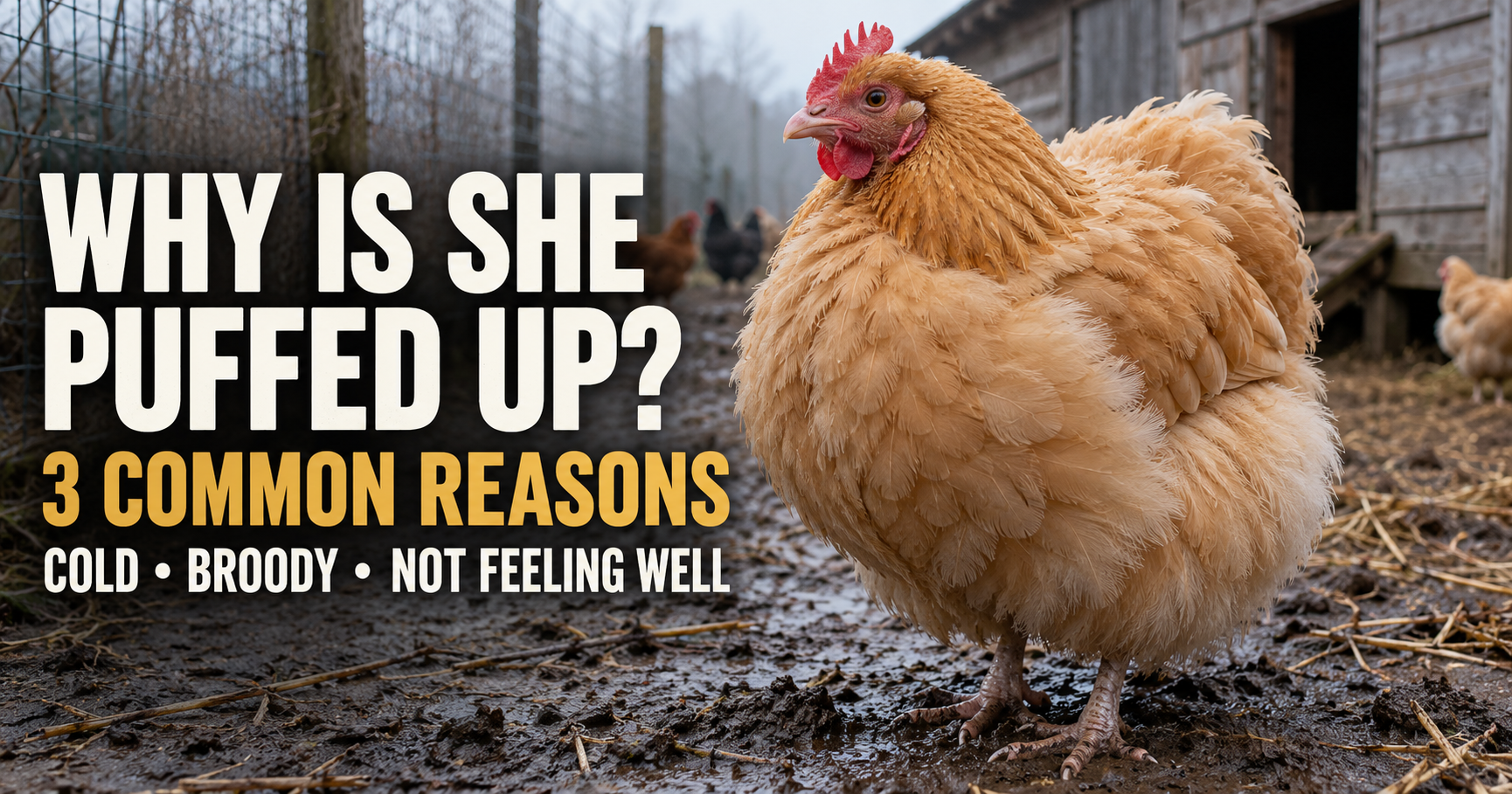
We’ve already talked about why chickens puff up their feathers because feather posture is another behavior that can be totally normal in one situation and concerning in another.
The same rule applies here.
One purr isn’t a diagnosis.
What If My Chicken Suddenly Starts Purring When She Never Did Before?
I watch first.
Maybe you simply never noticed it.
Maybe the situation is new.
Broodiness.
A predator nearby.
A new flock member.
A different nesting routine.
A new rooster.
A chicken becoming more comfortable around you.
If she otherwise looks healthy, I don’t automatically assume something is wrong.
But I pay attention to what triggers the sound.
Patterns usually show up.
Does she do it only when sitting in the nesting box?
Only when you pet her?
Only when she’s staring at the sky?
Only at bedtime?
That’s how the noise begins making sense.
Chickens Have Way More Sounds Than Most People Realize

This became especially obvious when we wrote about why hens cackle after laying eggs.
One chicken can produce:
Egg calls.
Food calls.
Alarm calls.
Contact sounds.
Broody sounds.
Distress noises.
Roosting chatter.
Soft trills.
And plenty of little vocalizations that don’t fit the basic “cluck” people imagine.
Once you start paying attention, a flock never really sounds random again.
You start recognizing situations.
A Quiet Chicken Can Suddenly Become Very Vocal
Personality still matters.
Some hens seem to talk constantly.
Others barely make noise outside laying time.
A normally quiet bird suddenly making a low trill might catch your attention faster simply because it’s unusual for her.
That’s why I’ve become such a big believer in learning individual birds.
Internet articles can tell you what chickens commonly do.
Your flock tells you what your chickens commonly do.
Both matter.
Is Chicken Purring a Sign of Affection?
I wouldn’t make that claim too strongly.
A chicken calmly sitting near you and making quiet sounds certainly tells me she isn’t terrified of you.
That’s meaningful.
She may associate you with safety, food, routine, warmth, or positive handling.
But translating the sound directly into:
“I love you”
is probably more human interpretation than science.
I’m completely fine saying a bird appears comfortable.
I just don’t think we need to turn every chicken behavior into a human emotion to appreciate it.
Is Purring a Sign of Happiness?
Same answer.
It can accompany a relaxed, comfortable situation.
But the sound alone isn’t a happiness meter.
A similar low sound can occur when a bird is alert or warning the flock.
So I use body language.
Relaxed chicken?
Likely comfortable.
Frozen, staring chicken?
Look around.
Broody hen glaring from a nest?
Keep your fingers to yourself.
The chicken tells you what the purr means if you watch long enough.
Why Does My Chicken Purr at Night?
Bedtime brings its own set of quiet flock sounds.
Birds settle onto roosts.
Shuffle positions.
Preen.
Interact quietly.
Then eventually everything calms down.
Soft trills or murmurs during this period don’t surprise me.
If the flock suddenly becomes still or alert at night, though, I’d look for a disturbance.
Predator outside.
Light.
Noise.
Something moving around the coop.
Again, the sound by itself is only half the story.
Why Does My Chicken Purr While Laying Down?
Look at why she’s lying down.
Dust bath?
Sunbathing?
Relaxing?
Broody on a nest?
Weak and unable to stand?
Those are completely different scenarios.
A chicken comfortably sunbathing on her side while making a soft sound is much less concerning to me than a bird lying down because she physically can’t get up.
This is exactly why these behavior articles work well together.
One behavior gives context to another.
What I Do When I Hear a Chicken “Purr”
Honestly, not much at first.
I stop.
Watch.
Listen.
Where is she looking?
What is the flock doing?
Is she relaxed?
Is she broody?
Is something overhead?
Is the noise synchronized with breathing?
Does she continue eating?
Does the sound stop when the situation changes?
Most of the time, those questions answer it.
You don’t need a chicken-language decoder.
You just need to watch what happens around the sound.
The Biggest Mistake Is Assuming Every Purr Means the Same Thing
That’s really the reason I wanted this article to exist.
The easy internet answer is:
Chickens purr because they’re happy.
I think that’s incomplete.
Sometimes a low trill absolutely happens during a comfortable moment.
But similar sounds can occur during:
Alert behavior.
Broodiness.
Rooster-hen communication.
Chick communication.
Flock interaction.
That’s much more interesting anyway.
Chickens aren’t little feathered cats.
They have their own communication system.
And once you start watching posture along with the sound, their strange little noises become much easier to understand.
Frequently Asked Questions
Do chickens really purr?
Chickens can make soft trilling or rumbling vocalizations that people commonly describe as purring. The meaning depends heavily on the situation and the bird’s body language.
Why does my chicken purr when I pet her?
If she’s relaxed, settles comfortably, and shows no signs of distress, the quiet sound may accompany a comfortable social interaction.
Why does my chicken purr while staring at the sky?
Pay attention. Chickens may use low alert vocalizations when they detect potential danger, including aerial predators. Look at the rest of the flock and check what they’re watching.
Why does my broody hen purr or growl?
Broody hens commonly make low defensive sounds when protecting a nest. The sound may resemble purring but can actually mean she wants you to back away.
Do roosters purr?
Yes. University of Maryland Extension notes that roosters may make purring vocalizations toward hens during social or reproductive interactions.
Can chicks purr?
Young chicks make several quiet contact and comfort sounds that owners may describe as purring or trilling. Their overall behavior is the best clue to whether they’re comfortable.
Is purring a sign that my chicken is sick?
Usually not by itself. If the noise occurs with every breath or comes with sneezing, discharge, coughing, weakness, appetite loss, or breathing difficulty, I’d investigate a possible health problem instead.
What’s the difference between a chicken purr and growl?
The words overlap because people describe chicken sounds differently. A relaxed low trill may occur during comfortable behavior, while a deeper low sound from a broody or alert chicken may function more like a warning. Body language tells you much more than the label.
About the Author
Megan Whitaker writes about chicken behavior and flock communication for Backyard Chicken Pro, focusing on the strange sounds and everyday habits that often leave chicken owners wondering what their birds are trying to say. Her work combines close observation of real flock behavior with established poultry research, helping backyard keepers understand normal communication while recognizing when a sound or behavior deserves a closer look.